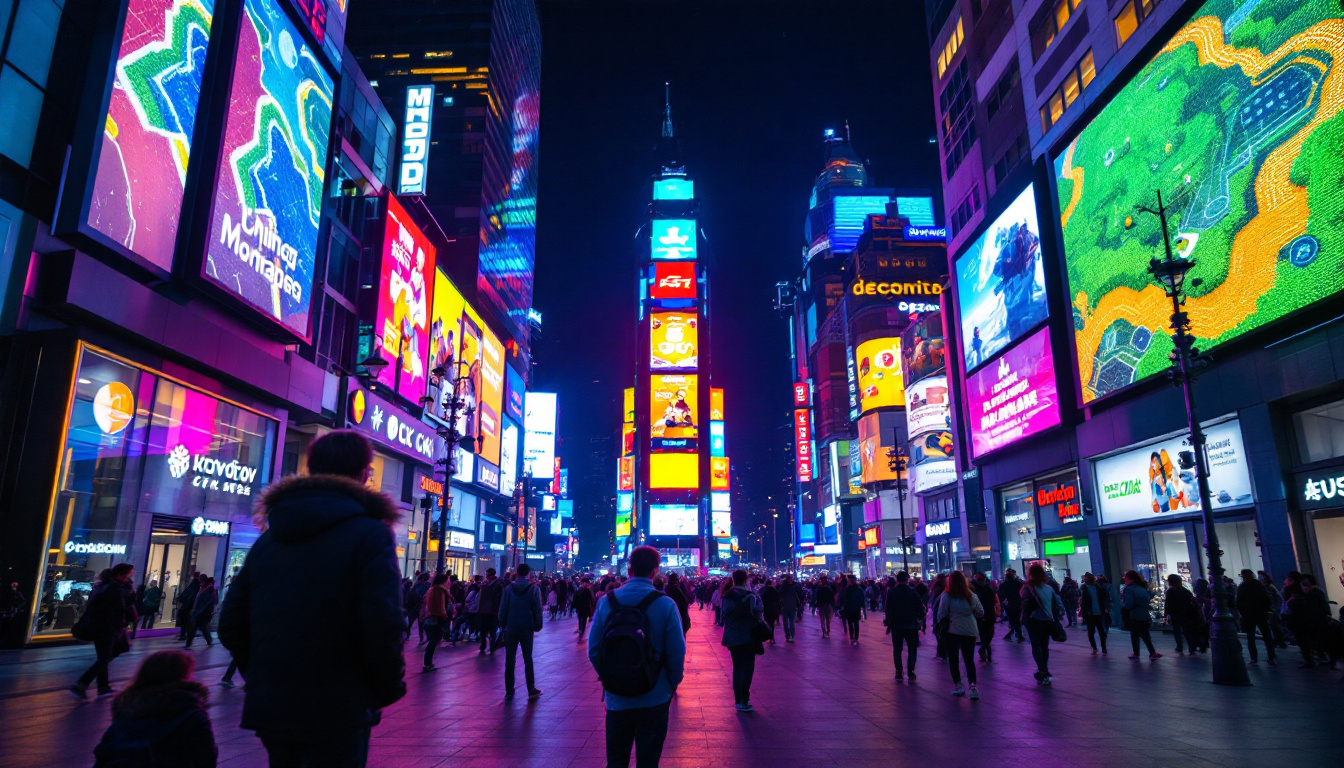
In today’s fast-evolving digital landscape, LED displays have become a cornerstone of visual communication across various industries. From stadiums and concert venues to corporate lobbies and transportation hubs, the demand for vibrant, large-scale, and flexible video displays continues to grow. Central to managing these complex visual setups is the video matrix system—a technology that orchestrates the seamless distribution and control of video signals to LED displays.
This article delves into the fundamentals of video matrix systems, their integration with LED displays, and the critical role they play in delivering high-quality visual experiences. Whether you’re a systems integrator, AV professional, or simply curious about the technology behind modern video walls, this comprehensive guide will provide valuable insights.
Understanding Video Matrix Systems
What Is a Video Matrix System?
A video matrix system is an advanced signal routing device designed to distribute multiple video sources to multiple display outputs. Unlike simple switchers or splitters, a video matrix allows any input signal to be sent to any output independently or simultaneously. This flexibility makes it ideal for environments where various content types need to be displayed on different screens or combined on a single large display.
Typically, video matrix systems support a range of input and output formats, including HDMI, SDI, DVI, and DisplayPort, and can handle resolutions up to 4K and beyond. Modern systems often incorporate IP-based transmission, enabling video signals to be routed over standard network infrastructure, which enhances scalability and reduces cabling complexity.
Key Components and Architecture
At the core of a video matrix system is the matrix switcher, which acts as the central hub for signal routing. This switcher receives inputs from various video sources—such as media players, cameras, computers, and live feeds—and directs them to one or more outputs connected to LED displays or other monitors.
Supporting components include control interfaces (software or hardware control panels), signal extenders or converters to manage long-distance transmission, and sometimes video processors for scaling, color correction, and image enhancement. Together, these elements ensure that the video content is delivered accurately and reliably, regardless of the display configuration.
LED Displays: The Visual Medium
What Makes LED Displays Unique?
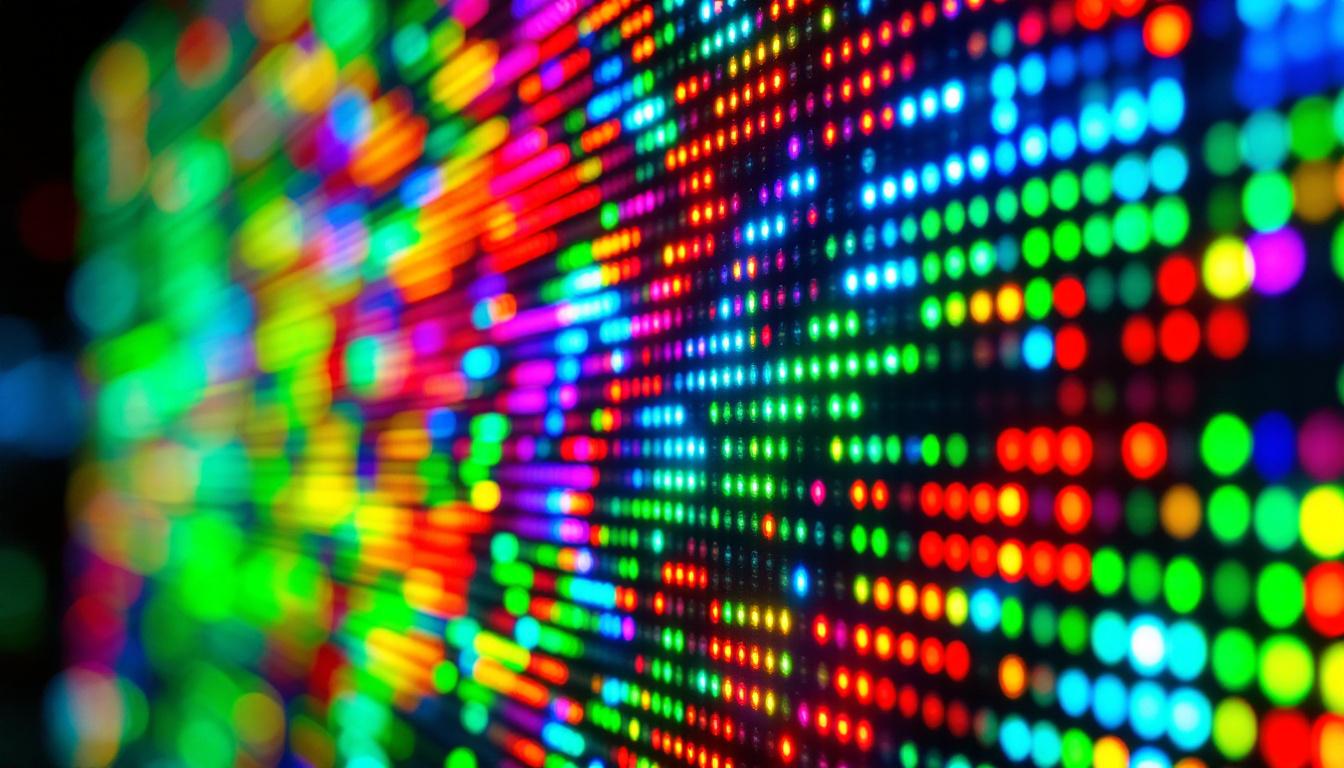
LED (Light Emitting Diode) displays have revolutionized the way video content is presented in large formats. Unlike traditional LCD or projection systems, LED displays consist of thousands or millions of tiny LEDs that emit their own light, resulting in superior brightness, contrast, and color vibrancy.
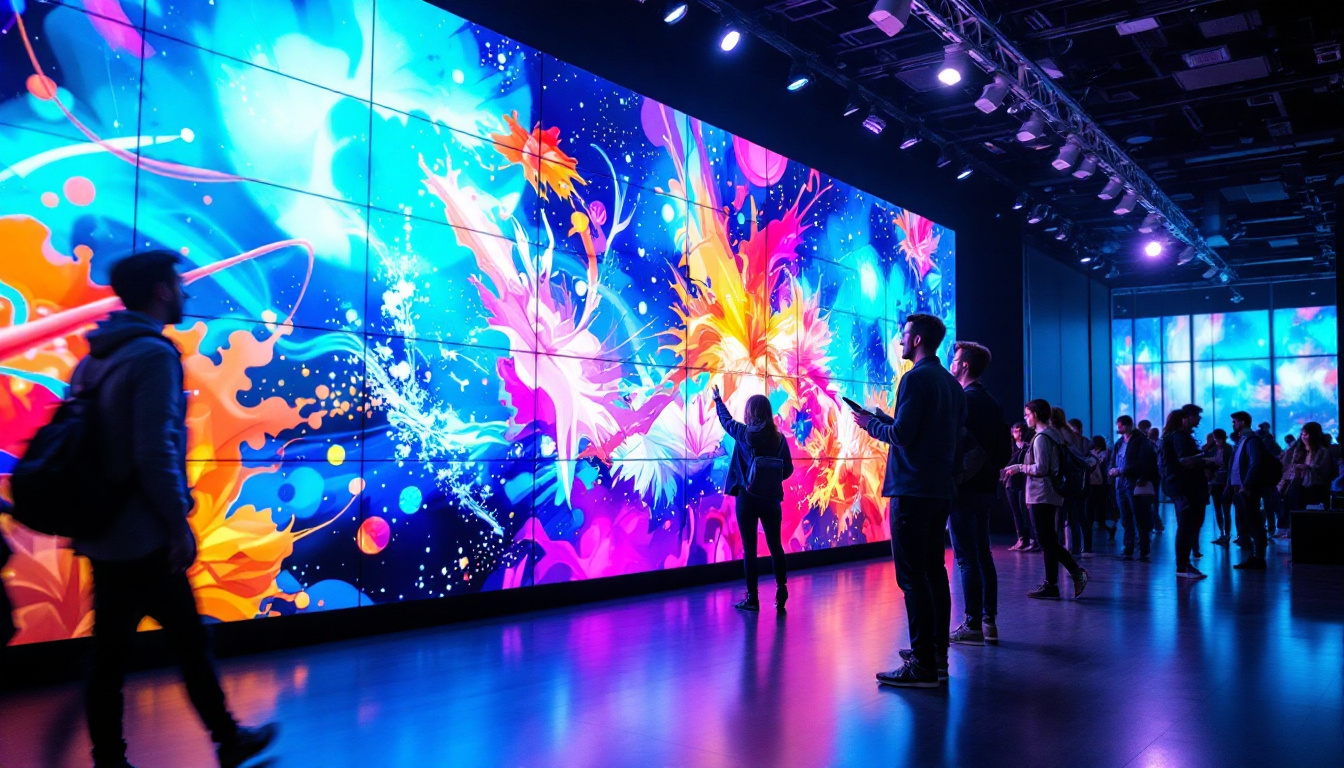
One of the standout features of LED displays is their modular design. Panels can be combined to create virtually any size or shape of video wall, from small indoor signage to massive outdoor billboards. This modularity, coupled with high durability and energy efficiency, makes LED displays a preferred choice for a wide array of applications.
Types of LED Displays
LED displays come in various forms, each suited to different environments and use cases:
- Indoor LED Displays: Designed for controlled lighting conditions, these displays have smaller pixel pitches (distance between LEDs) for higher resolution and closer viewing distances.
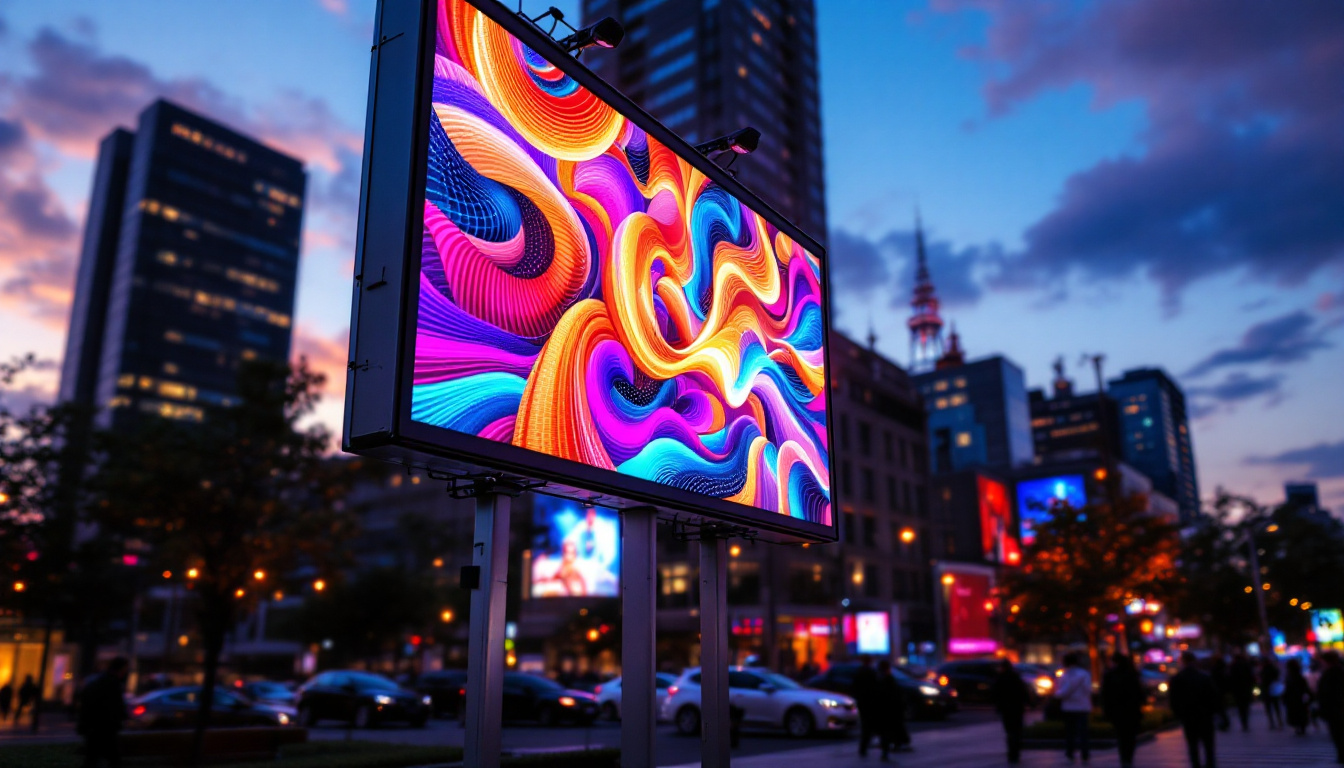
- Outdoor LED Displays: Built to withstand weather elements, these have higher brightness levels and larger pixel pitches to ensure visibility from greater distances.
- Transparent LED Displays: These innovative displays allow light to pass through, making them ideal for storefronts and architectural applications where maintaining visibility through glass is important.
- Flexible and Curved LED Displays: Utilizing flexible panels, these displays can be shaped to fit unique spaces, enhancing design possibilities.
Integrating Video Matrix Systems with LED Displays
Why Integration Matters
The integration of video matrix systems with LED displays is fundamental to achieving dynamic and versatile visual setups. A video matrix system provides the intelligence and control necessary to manage multiple video sources and outputs, enabling content to be displayed exactly where and how it is needed.
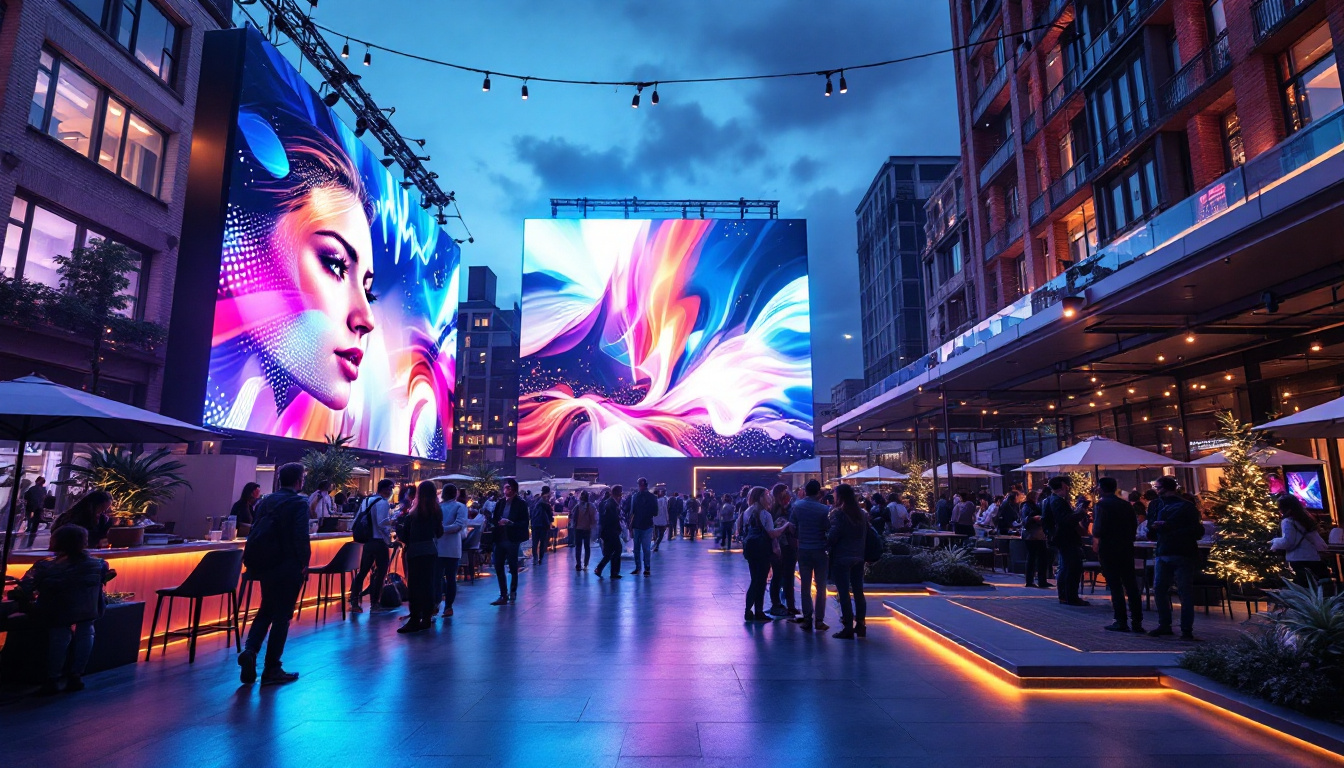
For instance, in a sports arena, different camera feeds, advertisements, and live statistics can be routed to various sections of a giant LED screen or to multiple smaller displays throughout the venue. This level of control enhances audience engagement and operational efficiency.
Signal Management and Processing
LED displays require precise signal management due to their unique characteristics. Video matrix systems often include or interface with video processors that handle scaling, color calibration, and synchronization to ensure that the image quality remains consistent across the entire display surface.
Moreover, because LED walls are typically composed of multiple panels, the video matrix system must manage the timing and alignment of signals to prevent artifacts such as tearing or latency. Advanced systems use frame synchronization and buffering techniques to maintain smooth playback, even with complex multi-source content.
IP-Based Video Matrix Systems and LED Displays
Recent advancements have seen the rise of IP-based video matrix systems, which transmit video signals over Ethernet networks rather than traditional point-to-point cabling. This approach offers several advantages for LED display integration:
- Scalability: Easily expand the system by adding more sources or displays without extensive rewiring.
- Flexibility: Route signals anywhere on the network, supporting distributed and remote LED displays.
- Reduced Latency: Modern IP codecs and protocols minimize delay, crucial for live events and interactive installations.
- Centralized Control: Manage all video routing and display settings from a unified software platform.
As LED displays become larger and more complex, IP-based video matrix systems are increasingly becoming the industry standard for their ability to handle high bandwidth and diverse signal formats.
Applications of Video Matrix Systems with LED Displays
Entertainment and Live Events
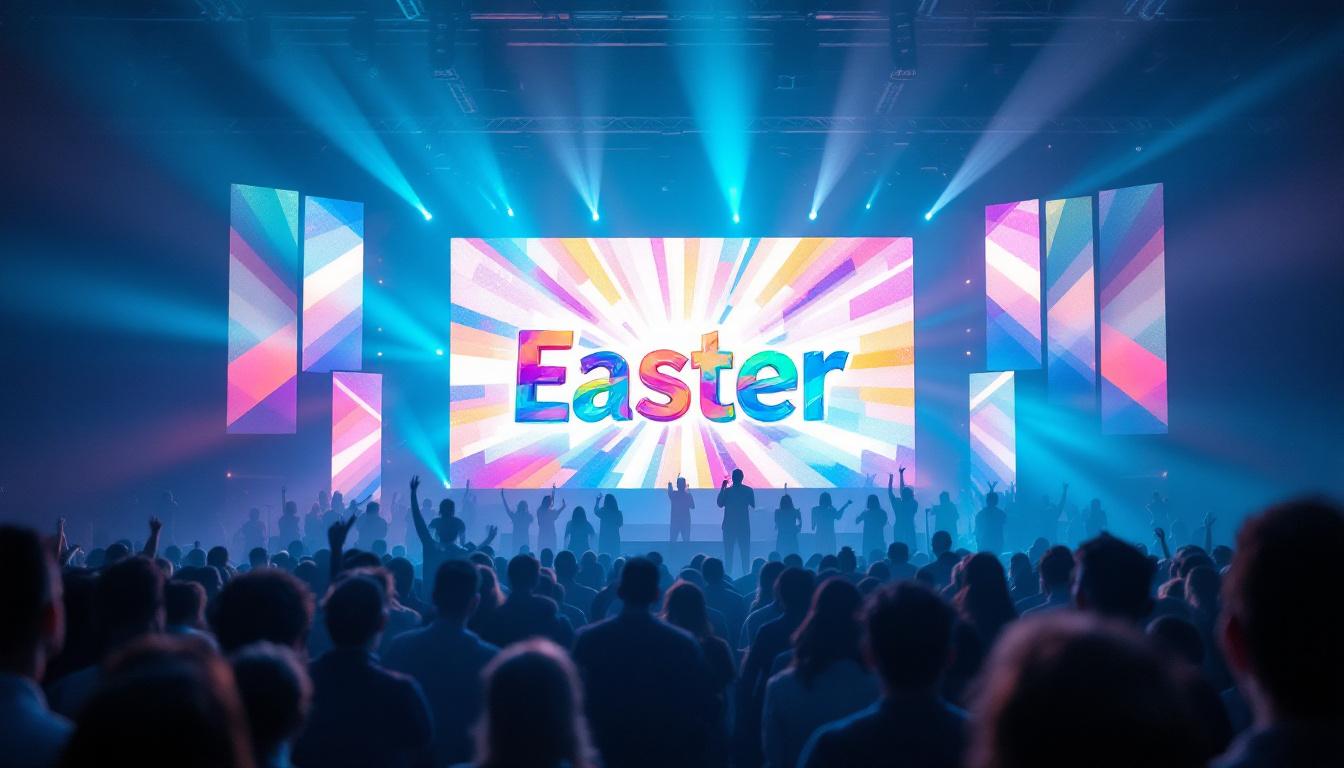
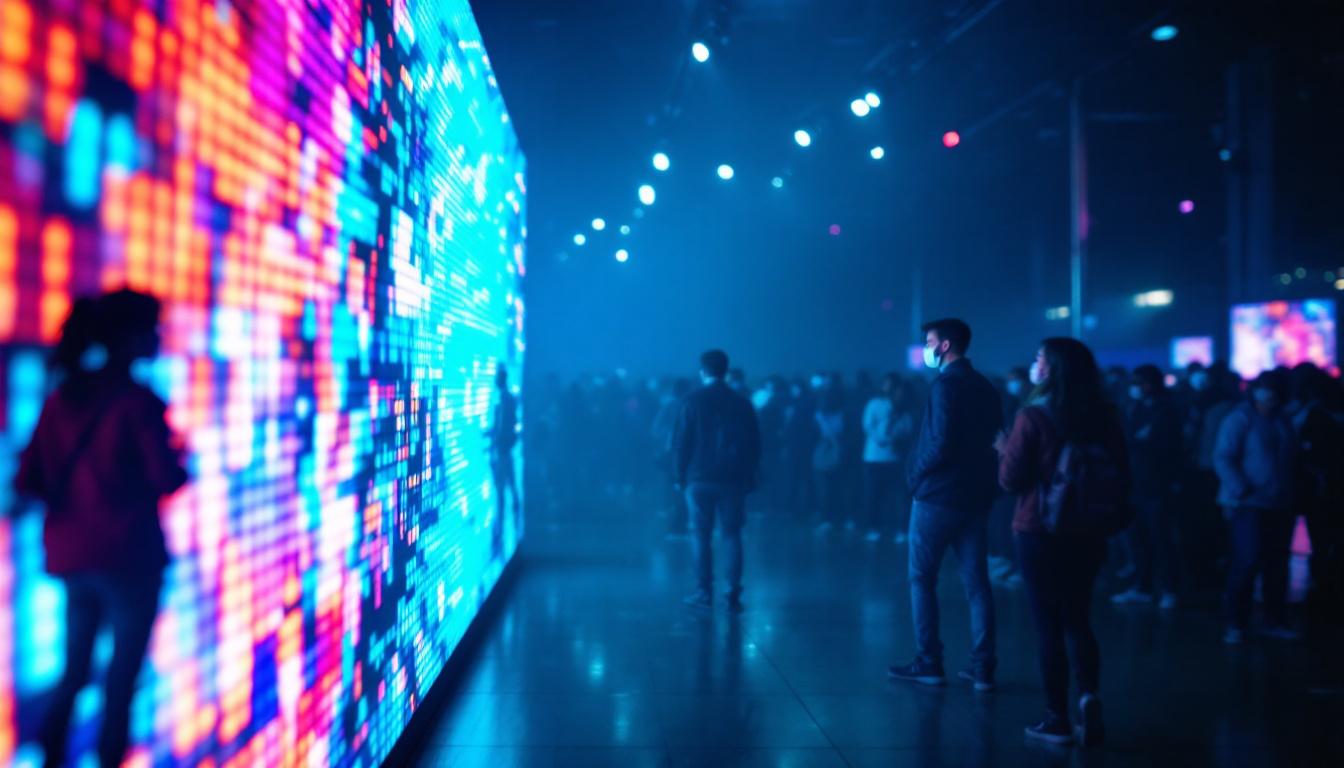
Concerts, festivals, and sporting events rely heavily on LED displays to deliver immersive visual experiences. Video matrix systems allow event producers to switch between multiple live camera feeds, prerecorded content, and graphics in real time, ensuring that the audience sees the most engaging visuals at every moment.
For example, during a major football game, the video matrix can route instant replays, player stats, and sponsor advertisements to different sections of the stadium’s LED video wall, all synchronized perfectly with the live action.
Corporate and Retail Environments
In corporate settings, LED displays are often used for digital signage, presentations, and video conferencing. Video matrix systems enable seamless switching between laptops, video calls, and promotional videos across multiple screens in boardrooms or lobbies.
Retailers utilize LED video walls combined with video matrix systems to create dynamic storefront displays that attract customers and promote products effectively. The ability to update content remotely and display multiple sources simultaneously enhances marketing flexibility.
Transportation and Control Rooms
Airports, train stations, and traffic management centers use LED displays to provide real-time information to travelers and operators. Video matrix systems facilitate the distribution of feeds from surveillance cameras, flight data, and emergency alerts to various screens, ensuring critical information is always visible and up to date.
Control rooms benefit from the ability to monitor multiple video sources simultaneously on large LED walls, improving situational awareness and decision-making capabilities.
Choosing the Right Video Matrix System for LED Displays
Factors to Consider
Selecting an appropriate video matrix system involves evaluating several key factors:
- Input and Output Capacity: Ensure the system supports the number of sources and displays required for your setup.
- Supported Resolutions and Formats: Compatibility with the LED display’s native resolution and signal types is essential for optimal image quality.
- Latency and Synchronization: Low latency and frame synchronization features are critical for live content and multi-panel LED walls.
- Control Interface: User-friendly control software or hardware panels simplify operation and reduce training time.
- Scalability and Future-Proofing: Consider IP-based systems or modular architectures that can grow with your needs.
- Reliability and Support: Choose systems from reputable manufacturers with strong technical support and warranty options.
Common Challenges and Solutions
Integrating video matrix systems with LED displays can present challenges such as signal degradation over long distances, compatibility issues between different devices, and managing complex content schedules. These can be mitigated by:
- Using high-quality signal extenders and converters designed for LED applications.
- Employing professional calibration and testing during installation.
- Implementing centralized control software that supports automation and scheduling.
- Working closely with experienced AV integrators to design and deploy the system.
The Future of Video Matrix Systems and LED Displays
Emerging Technologies and Trends
The convergence of LED display technology with video matrix systems continues to evolve, driven by innovations in processing power, network infrastructure, and AI-enhanced content management. Some notable trends include:
- Higher Resolutions and HDR: 8K and HDR-capable video matrix systems are becoming more accessible, enabling even more stunning visual experiences.
- Artificial Intelligence Integration: AI is being used to optimize content routing, automate adjustments based on ambient conditions, and enhance image quality.
- Cloud-Based Control: Remote management and monitoring via cloud platforms improve operational efficiency and reduce onsite maintenance.
- Interactive LED Displays: Combining touch and gesture controls with video matrix routing opens new possibilities for engagement in retail, education, and entertainment.
Conclusion
Video matrix systems are indispensable in harnessing the full potential of LED displays. Their ability to flexibly route, process, and control multiple video sources ensures that LED installations deliver compelling, high-quality visuals tailored to diverse environments and applications.
As LED technology advances and the demand for dynamic visual communication grows, understanding the interplay between video matrix systems and LED displays becomes increasingly important for professionals tasked with designing and managing these complex AV ecosystems.
By carefully selecting and integrating the right video matrix system, organizations can create impactful visual experiences that captivate audiences, enhance operational workflows, and future-proof their investments in digital display technology.
Explore Cutting-Edge LED Display Solutions with LumenMatrix
Ready to elevate your visual communication with the latest in LED display technology? LumenMatrix is at the forefront of innovation, offering a wide range of LED display modules designed to captivate your audience and amplify your message. From vibrant Indoor LED Wall Displays to robust Outdoor LED Wall Displays, and from dynamic Vehicle LED Displays to sleek LED Poster Displays, our solutions are tailored to meet your unique needs. Discover how our LED Sports Displays, Floor LED Displays, Custom LED Displays, All-in-One LED Displays, and LED Transparent Displays can transform your space and create unforgettable experiences. Don’t miss out on the opportunity to revolutionize your visual communication strategy. Check out LumenMatrix LED Display Solutions today and see the difference for yourself.