In today’s fast-paced world, capturing attention quickly and effectively is crucial for businesses, advertisers, and public information providers. Digital LED sign boards have emerged as one of the most dynamic and versatile tools for visual communication. Whether used for advertising, traffic management, or event information, these displays offer vibrant, high-impact messaging that can be updated in real-time.
This article delves into the technology behind LED displays, explores their advantages, applications, and considerations for choosing the right digital LED sign board. By understanding how these systems work and what makes them effective, businesses and organizations can make informed decisions to maximize their communication strategies.
Understanding LED Display Technology
What is an LED Display?
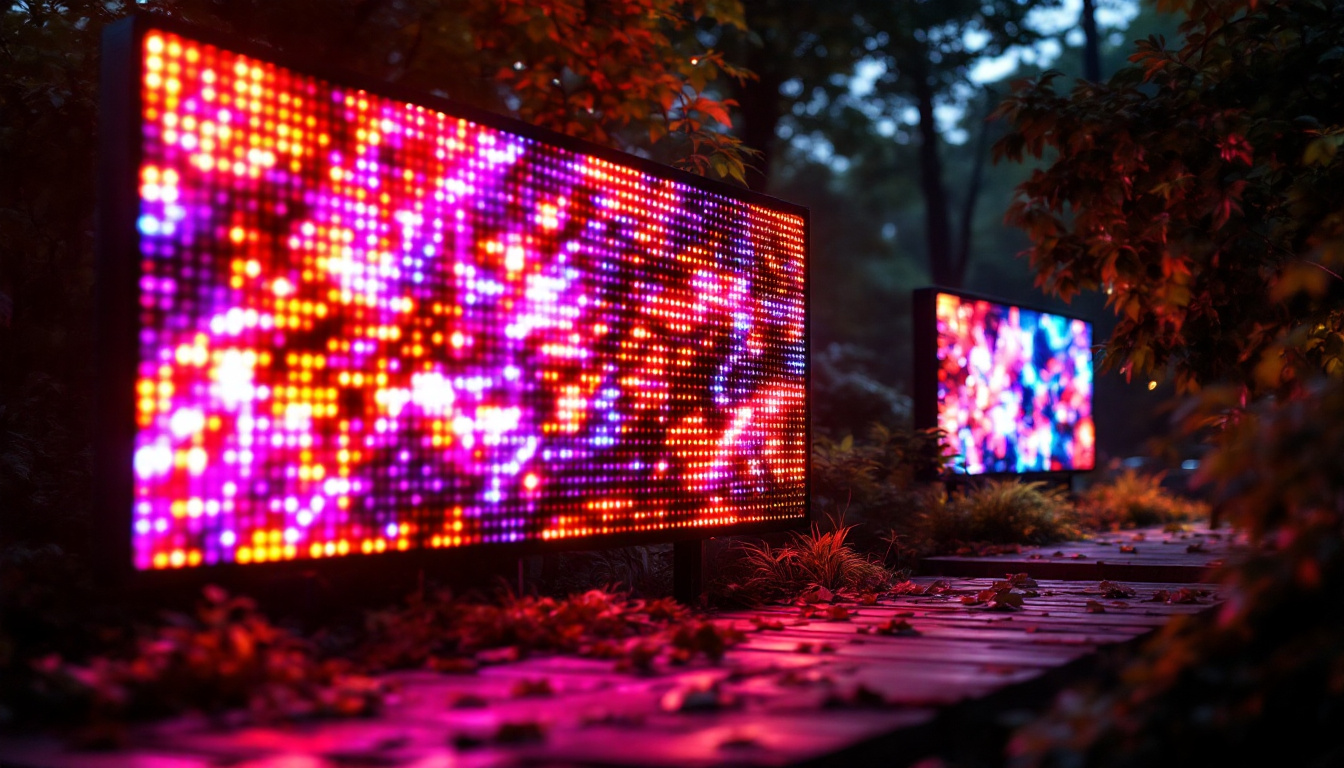
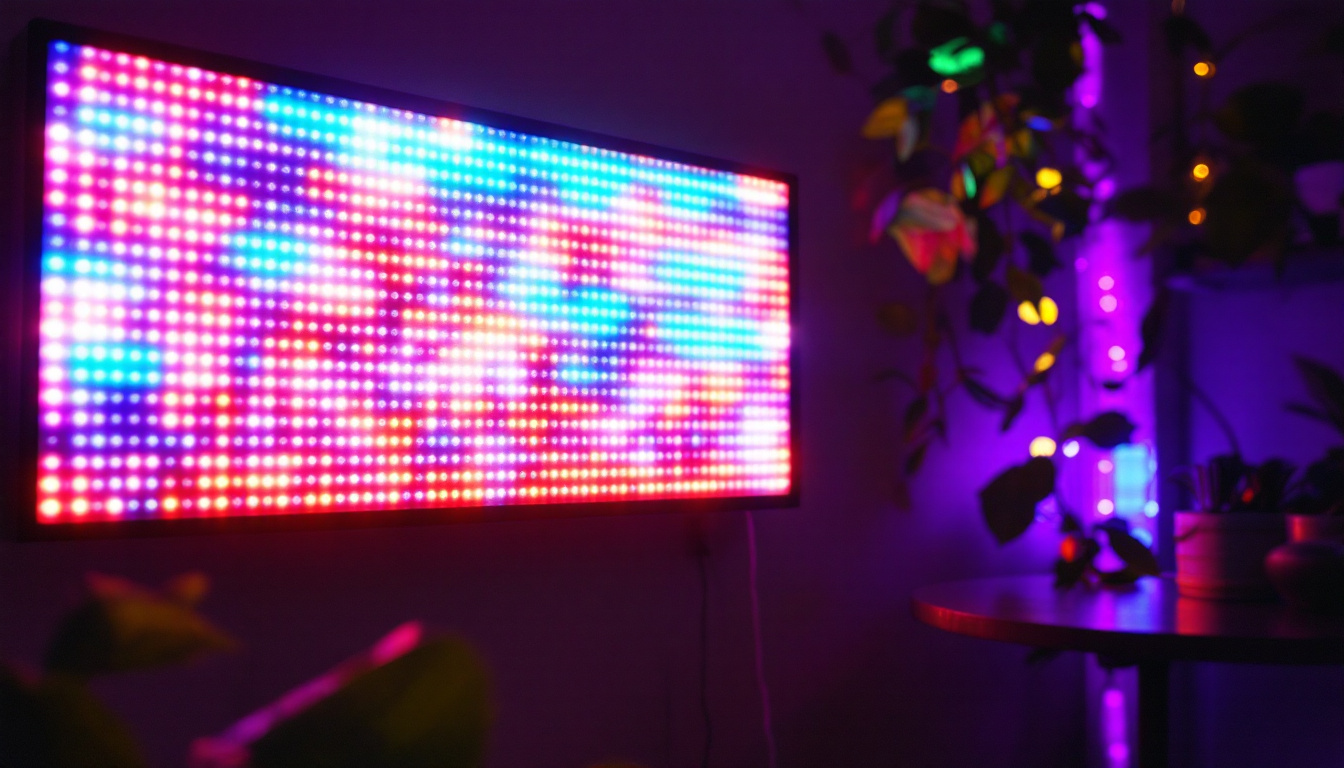
LED stands for Light Emitting Diode, a semiconductor device that emits light when an electric current passes through it. An LED display is essentially a matrix of these tiny diodes arranged in a grid to form images, text, or video. The brightness and color of each diode can be controlled individually, allowing for highly customizable and vivid displays.
Unlike traditional LCD or neon signs, LED displays are self-illuminating, meaning they don’t require a backlight. This characteristic contributes to their superior brightness, energy efficiency, and longevity. Modern LED boards can display millions of colors and support complex animations and videos, making them ideal for dynamic messaging. The versatility of LED technology has led to its widespread adoption in various sectors, from advertising to entertainment, where high visibility and eye-catching visuals are paramount.
Furthermore, the rapid advancement in LED technology has allowed for the development of high-definition displays that can render intricate details and vibrant colors, enhancing the viewer’s experience. As a result, LED displays are increasingly being used in sports arenas, concert venues, and even art installations, pushing the boundaries of how visual information is presented and consumed.
Types of LED Displays
There are several types of LED displays, each suited for different environments and purposes:
- Indoor LED Displays: Designed for controlled lighting environments, these displays have a smaller pixel pitch (distance between LEDs) for higher resolution and clarity at close viewing distances.
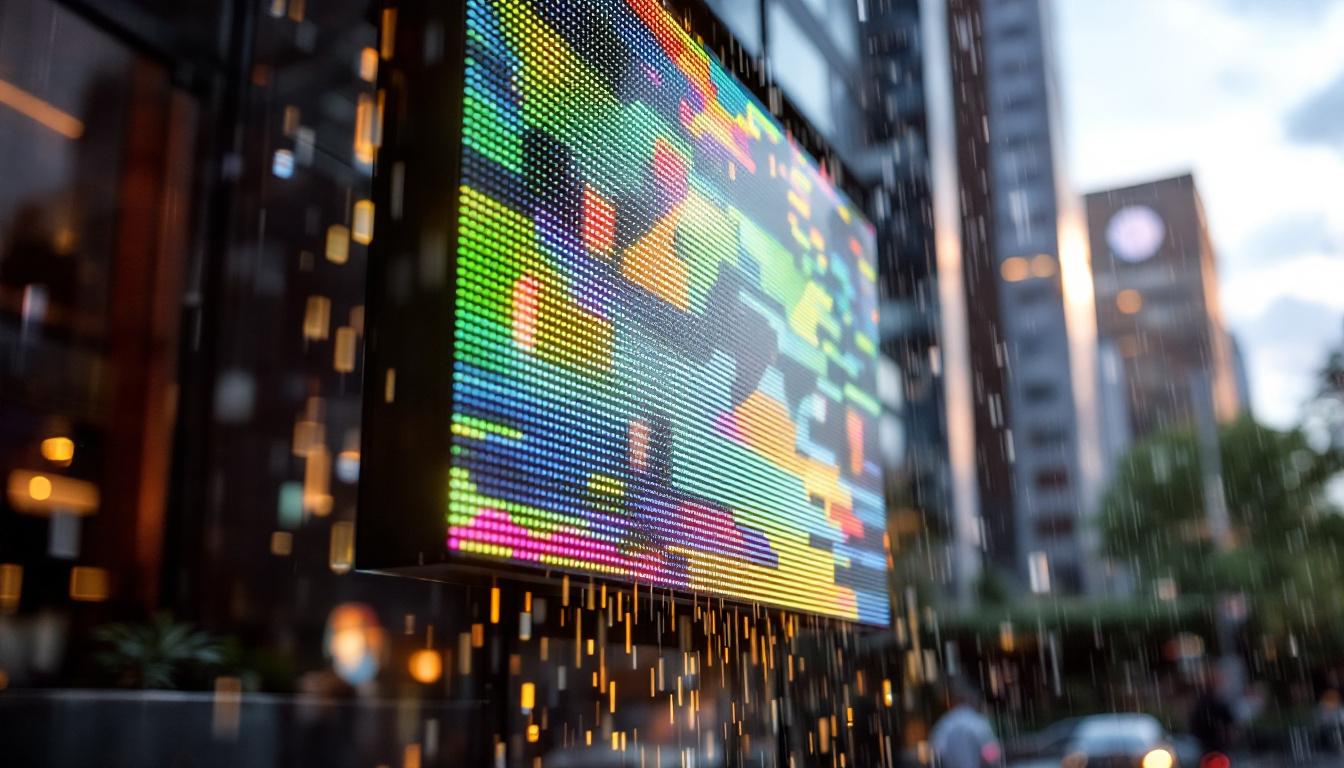
- Outdoor LED Displays: Built to withstand weather conditions, these have higher brightness levels to combat sunlight glare and typically feature robust enclosures for protection.
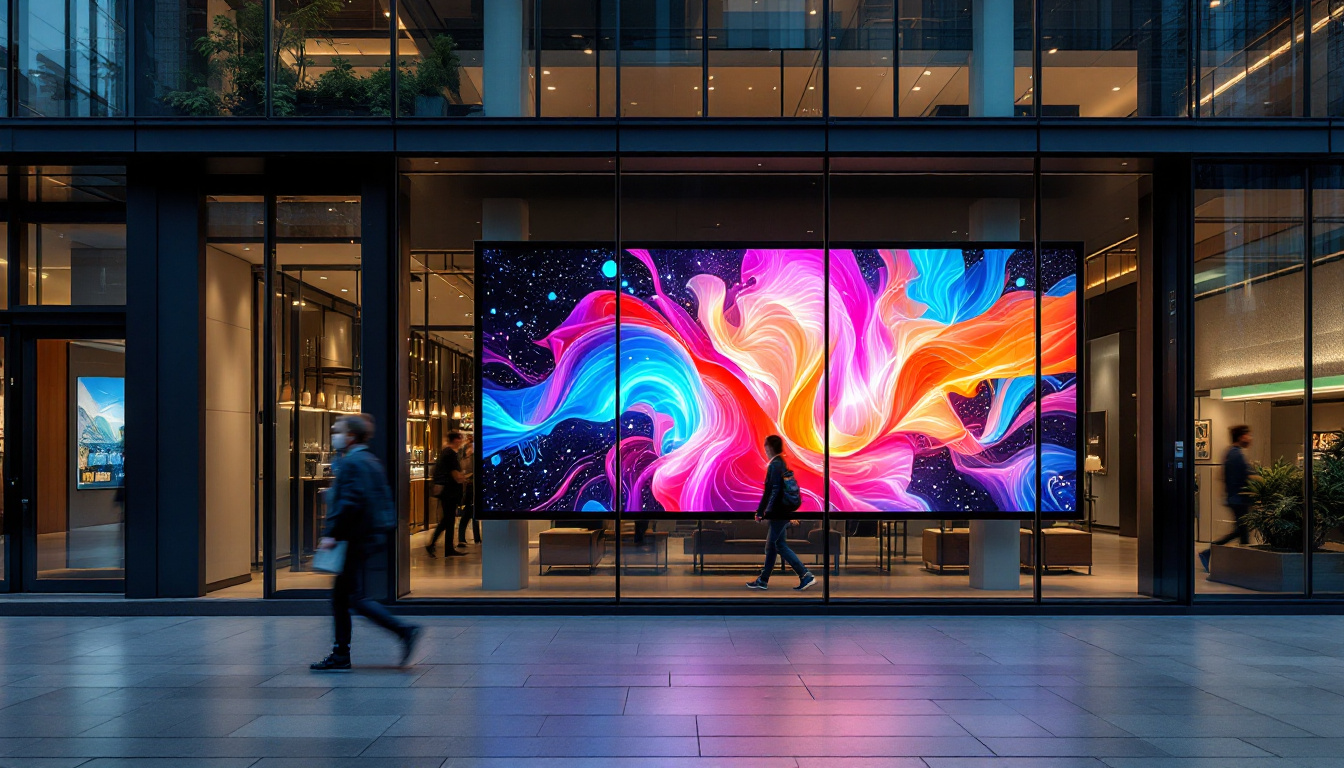
- Transparent LED Displays: These innovative screens allow light to pass through, enabling their use on glass surfaces such as storefront windows without obstructing the view.
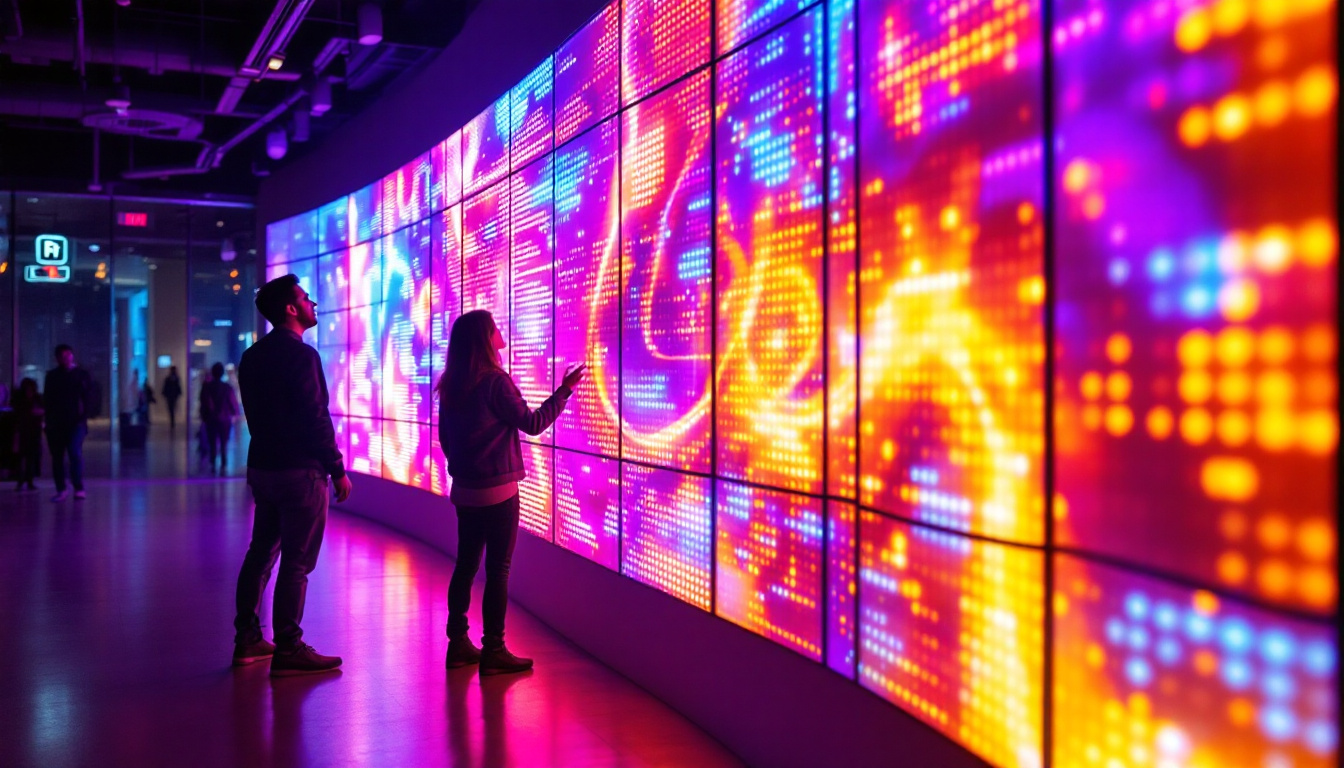
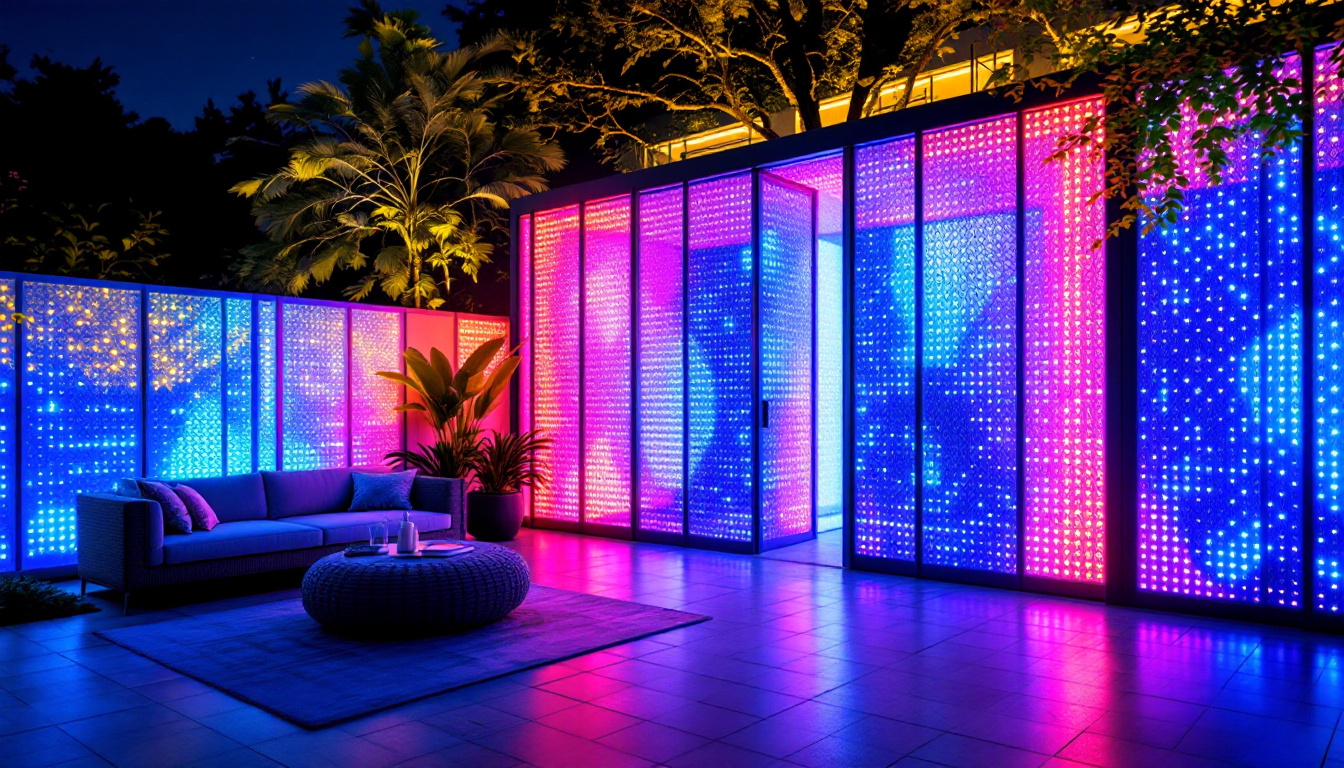
- Flexible LED Displays: Utilizing flexible substrates, these displays can be curved or shaped to fit unique architectural designs.
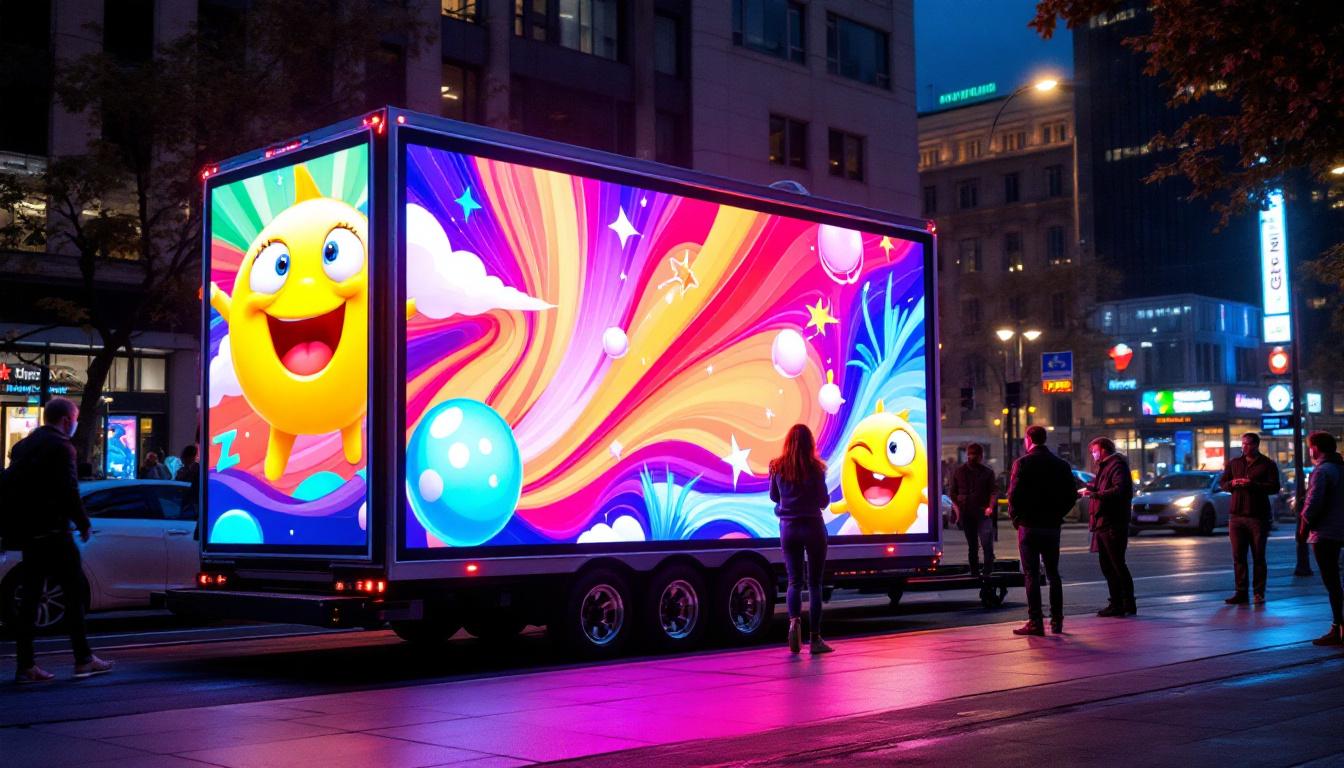
In addition to these common types, there are also specialized LED displays designed for niche applications. For instance, rental LED displays are often used for events and exhibitions, offering the flexibility to be easily assembled and disassembled. These displays are lightweight and modular, allowing for quick setup and takedown, making them ideal for temporary installations. Similarly, high-brightness LED displays are specifically engineered for outdoor advertising, ensuring that content remains visible even under direct sunlight, which is crucial for effective communication in busy urban environments.
How Does an LED Sign Board Work?
At the core of an LED sign board is a control system that manages the content displayed. This system can be a dedicated media player or software running on a connected computer. Content is sent to the LED panel, which illuminates the appropriate diodes to render the desired image or message.
Modern LED displays often support wireless connectivity, enabling remote updates from anywhere in the world. This flexibility allows businesses to change promotions, announcements, or schedules instantly without physical intervention. The integration of cloud technology further enhances this capability, allowing for real-time content management and analytics. Businesses can monitor the performance of their displays, analyze viewer engagement, and optimize their messaging strategies based on data-driven insights. This level of interactivity and responsiveness is revolutionizing how companies engage with their audience, making LED displays not just a tool for communication, but a dynamic platform for storytelling and brand engagement.
Advantages of Digital LED Sign Boards
High Visibility and Brightness
One of the most significant benefits of LED sign boards is their exceptional brightness. Outdoor LED displays can reach brightness levels exceeding 5,000 nits, making them easily visible even in direct sunlight. This ensures that messages are clear and legible at all times, a critical factor for roadside advertising or public safety notices. Furthermore, the technology behind LED displays allows for adjustable brightness settings, enabling the signs to adapt to varying light conditions throughout the day and night. This adaptability not only enhances visibility but also contributes to energy savings, as the display can dim during low-light conditions.
Energy Efficiency and Longevity
Compared to traditional lighting and display technologies, LEDs consume significantly less power. This energy efficiency translates into lower operating costs, especially for large displays running continuously. Additionally, LEDs have a long lifespan, often rated for 50,000 to 100,000 hours, reducing maintenance and replacement expenses. The durability of LED technology also means that these signs are less prone to damage from environmental factors such as rain, wind, and extreme temperatures. As a result, businesses can enjoy a reliable advertising medium that requires minimal upkeep, allowing them to focus more on their core operations rather than sign maintenance.
Dynamic and Flexible Content
Unlike static signs, digital LED boards can display a wide range of content types, including text, images, animations, and videos. This versatility enables businesses to engage audiences with eye-catching visuals and timely information. The ability to schedule content or respond to real-time data (such as weather or traffic conditions) adds another layer of effectiveness. For instance, a restaurant could showcase its daily specials during lunch hours while promoting evening events later in the day. This dynamic approach not only maximizes the utility of the sign but also keeps the content fresh and relevant, ensuring that passersby are continually engaged.
Improved Audience Engagement
Studies have shown that digital signage can increase customer engagement by up to 400% compared to static signs. The movement, brightness, and color of LED displays naturally draw the eye, making them ideal for marketing campaigns and public announcements. Additionally, the interactive capabilities of some digital LED signs allow for user engagement through touch screens or QR code scanning. This interactivity can lead to increased customer participation, whether it’s signing up for a newsletter, entering a contest, or accessing special promotions. By fostering a two-way communication channel, businesses can build a stronger connection with their audience, ultimately driving customer loyalty and enhancing brand recognition.
Applications of Digital LED Sign Boards
Retail and Advertising
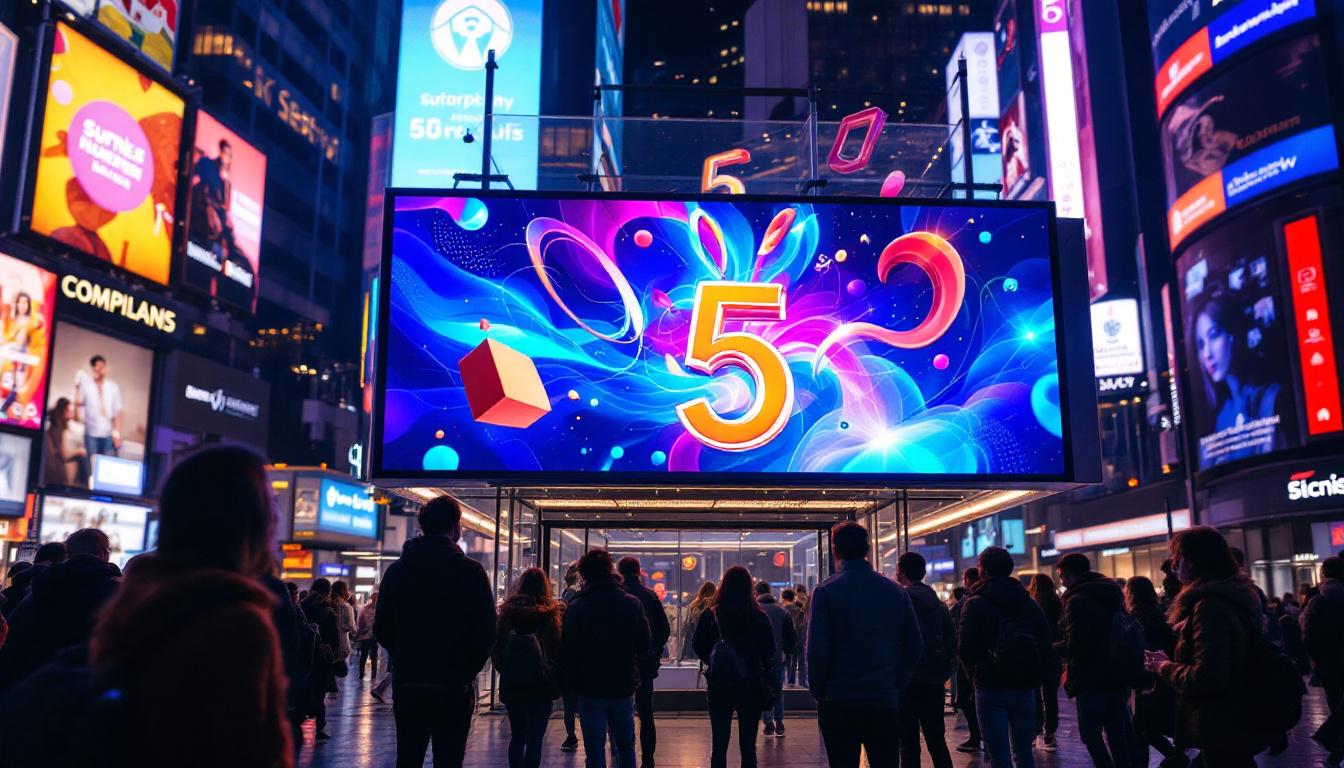
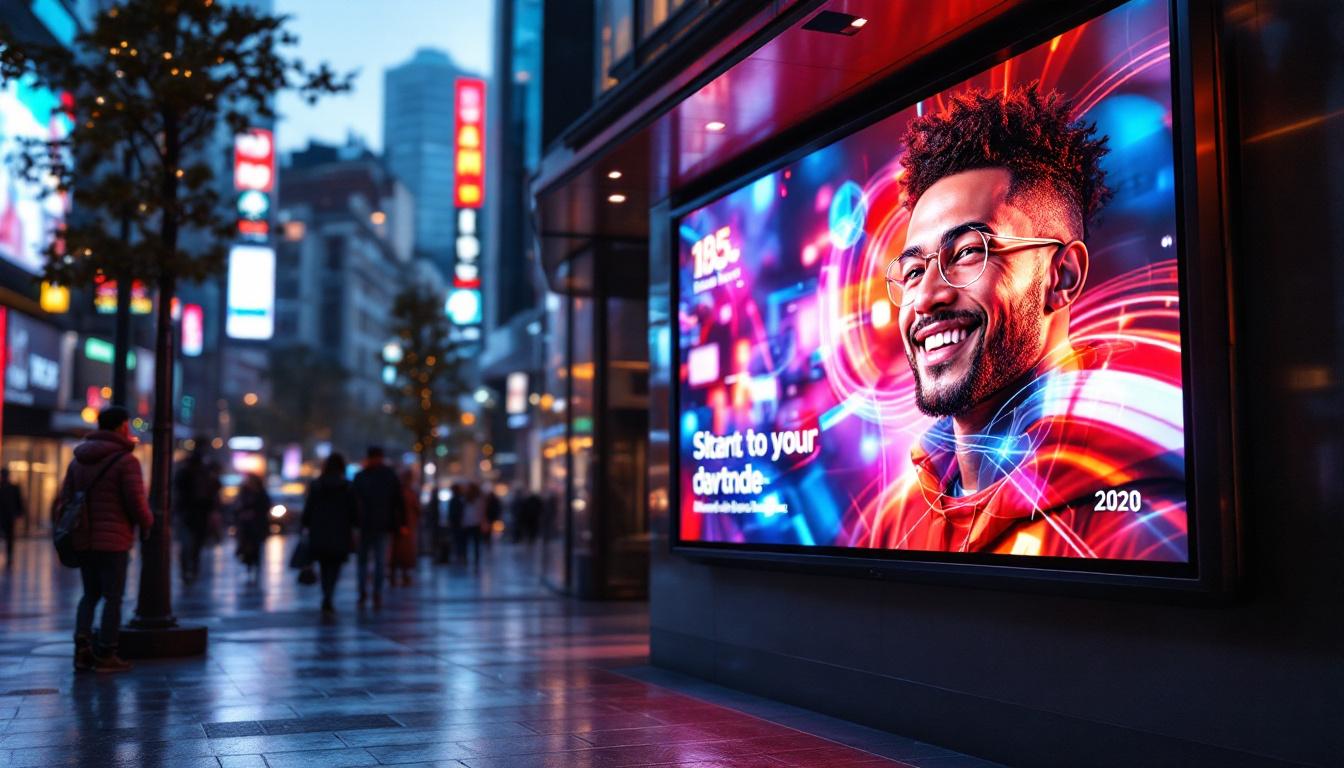
Retailers use LED sign boards to promote sales, showcase new products, and enhance brand visibility. The ability to update content instantly allows for timely promotions aligned with inventory or seasonal trends. High-traffic areas like shopping malls or storefronts benefit greatly from the attention-grabbing nature of LED displays.
Transportation and Traffic Management
LED displays are widely used in transportation hubs such as airports, train stations, and bus terminals to provide real-time information on schedules, delays, and safety messages. On highways, variable message signs (VMS) equipped with LED technology inform drivers about traffic conditions, speed limits, and hazards, improving road safety and traffic flow.
Events and Entertainment
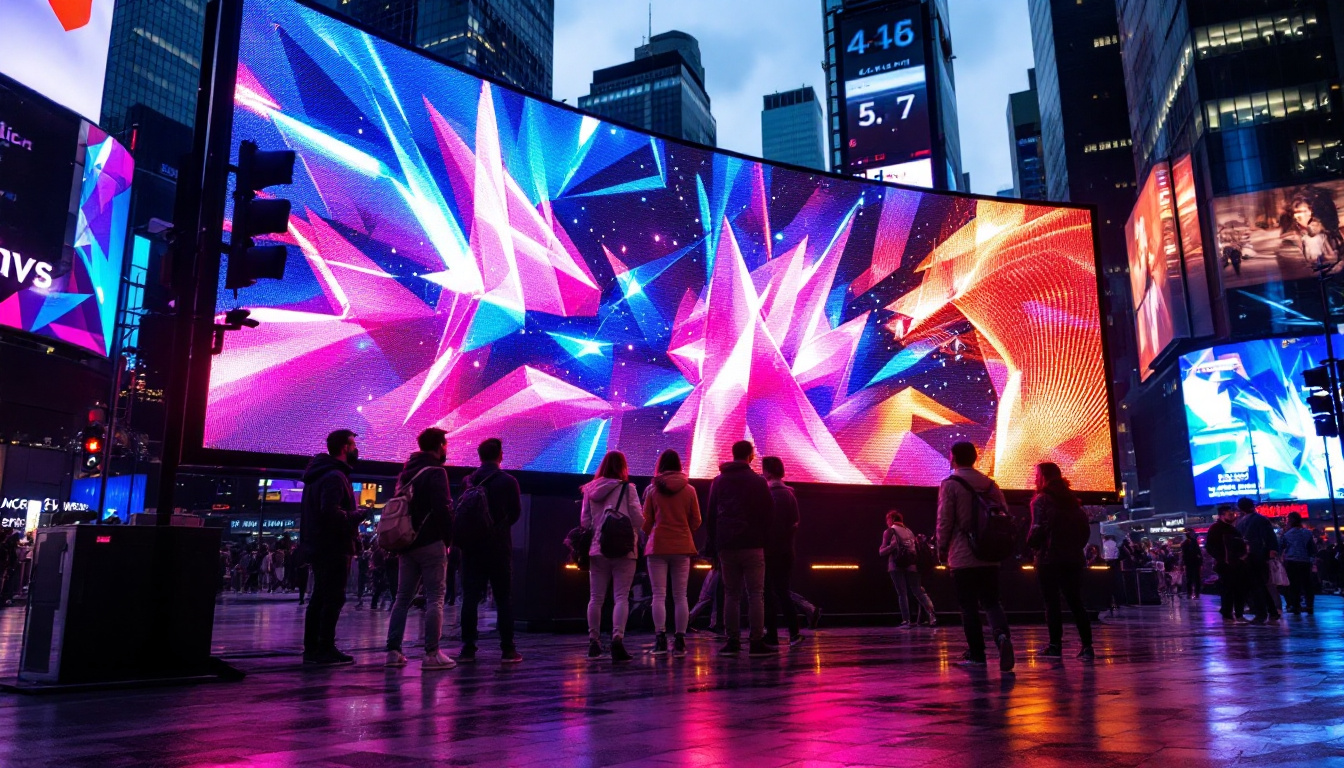
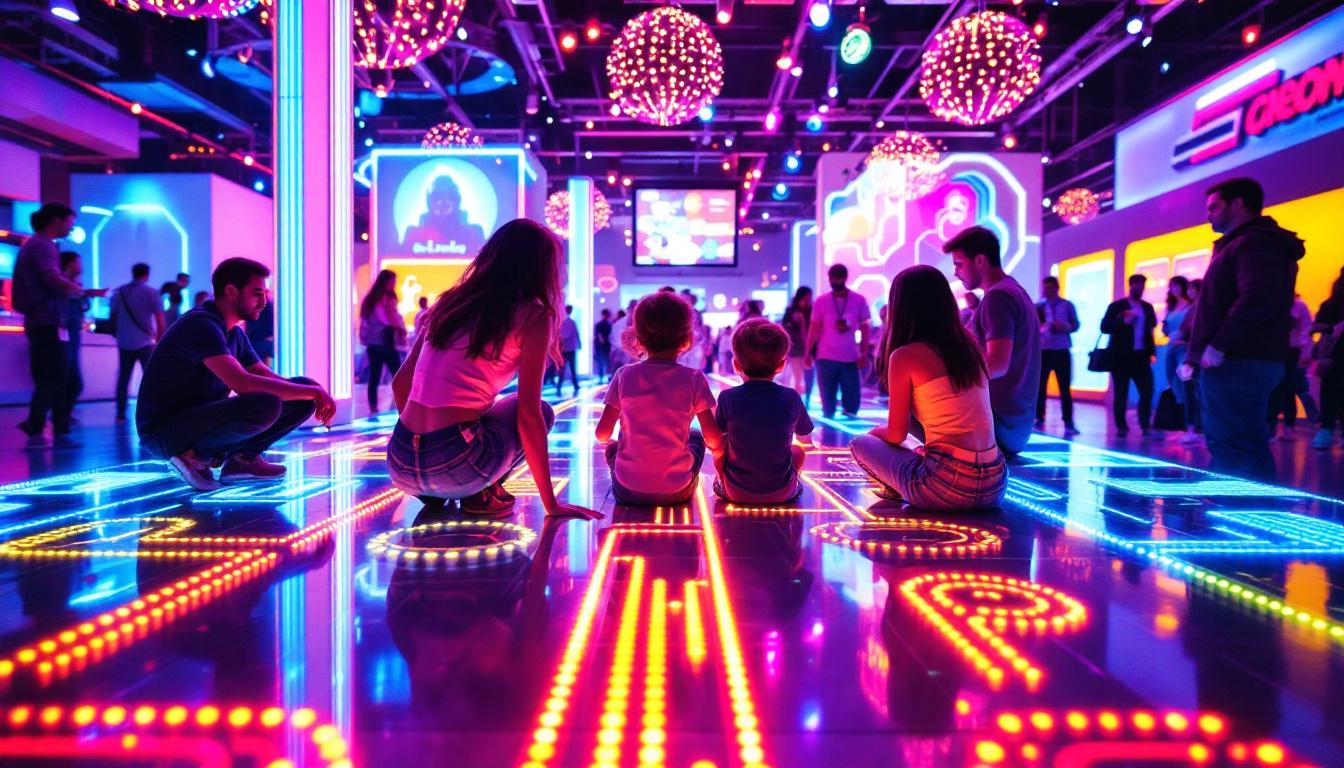
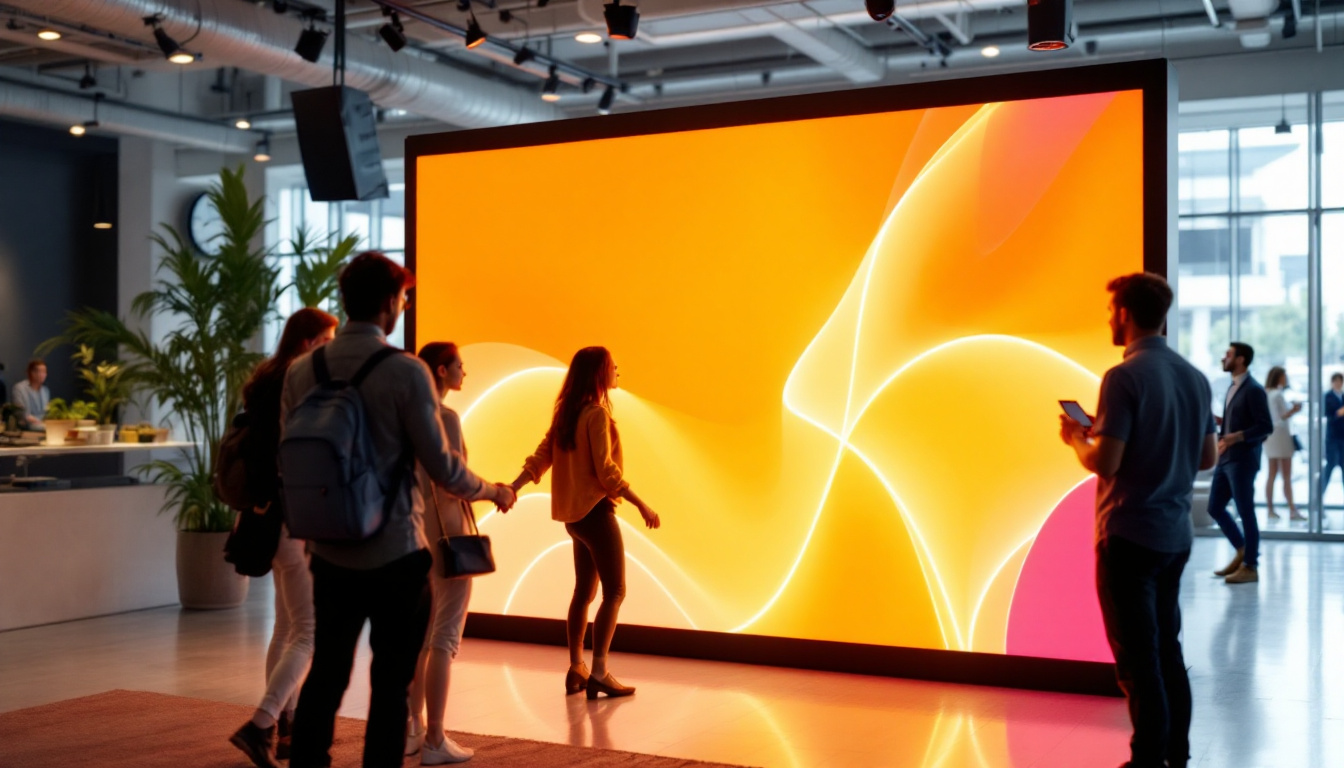
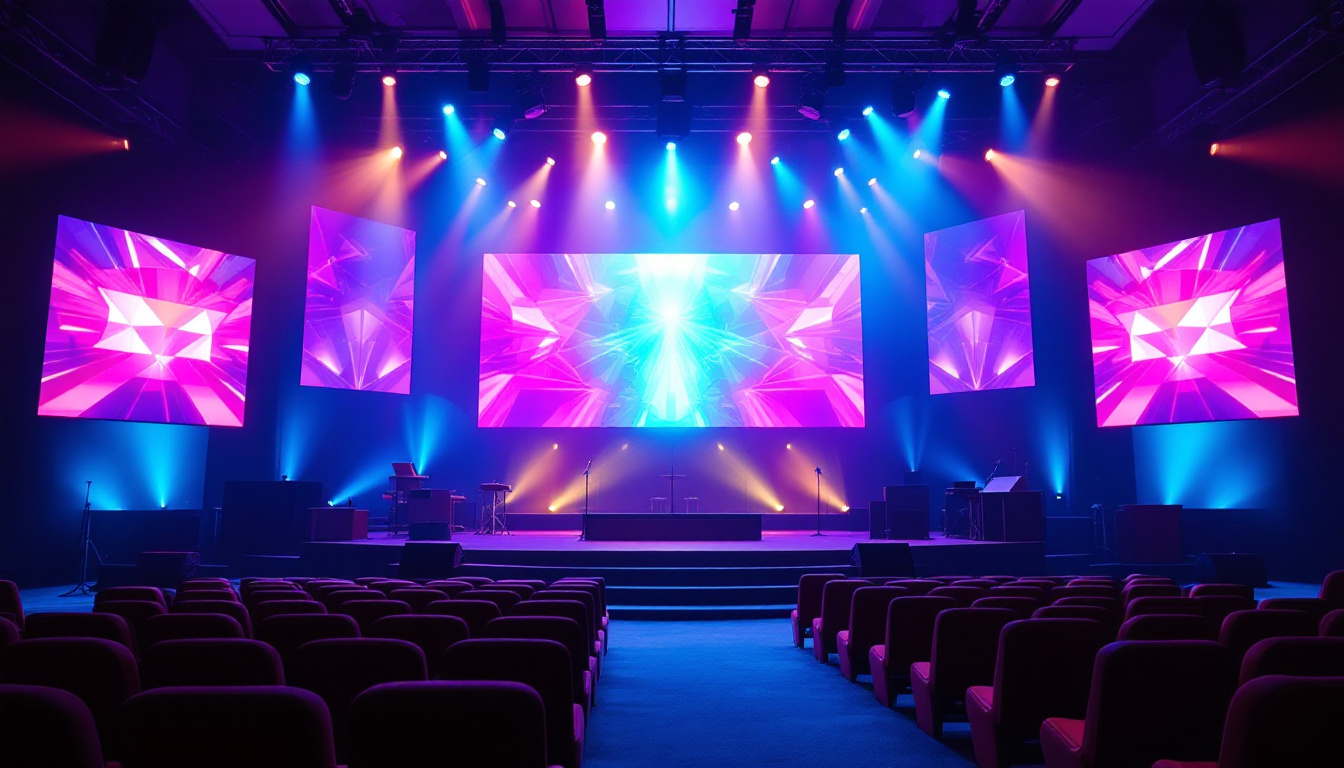
Concerts, sports arenas, and public events frequently employ large LED screens to enhance the spectator experience. These displays provide live feeds, replays, and interactive content that engage audiences and create immersive environments.
Public Information and Government Use
Municipalities and government agencies utilize LED sign boards for emergency alerts, public service announcements, and community information. The ability to broadcast urgent messages quickly can be vital during natural disasters or public health emergencies.
Key Considerations When Choosing an LED Display
Pixel Pitch and Resolution
Pixel pitch, measured in millimeters, refers to the distance between individual LEDs on the display. A smaller pixel pitch means higher resolution and better image clarity, especially at close viewing distances. For indoor displays viewed up close, pixel pitches as low as 1 to 2 mm are common, while outdoor displays typically range from 6 to 20 mm depending on viewing distance.
Brightness and Viewing Angle
Brightness is a critical factor, especially for outdoor installations exposed to sunlight. Selecting a display with sufficient nits ensures visibility under various lighting conditions. Additionally, the viewing angle determines how well the display can be seen from different positions. Wide viewing angles are essential for locations where audiences view the screen from multiple directions.
Durability and Weather Resistance
Outdoor LED sign boards must be designed to withstand rain, wind, dust, and temperature fluctuations. Look for displays with appropriate IP (Ingress Protection) ratings, which indicate resistance to water and dust. Robust enclosures and protective coatings extend the lifespan of outdoor units.
Control Systems and Software
The ease of updating and managing content is a significant consideration. Many LED displays come with user-friendly software that supports scheduling, remote management, and integration with other data sources. Compatibility with existing IT infrastructure and support for various media formats enhance operational efficiency.
Cost and Return on Investment
While digital LED sign boards can have higher upfront costs compared to traditional signage, their dynamic capabilities and lower maintenance often justify the investment. Businesses should evaluate potential increases in customer engagement, sales, and brand visibility when calculating ROI.
Future Trends in LED Display Technology
Mini-LED and Micro-LED Innovations
Emerging technologies like Mini-LED and Micro-LED promise even higher resolution and energy efficiency. These advancements reduce pixel pitch further, enabling ultra-high-definition displays suitable for both indoor and outdoor applications.
Integration with IoT and AI
Smart LED displays integrated with the Internet of Things (IoT) and artificial intelligence (AI) can adapt content based on environmental factors, audience demographics, or real-time analytics. For example, digital billboards might change advertisements based on weather conditions or traffic patterns, optimizing impact.
Eco-Friendly and Sustainable Designs
Manufacturers are increasingly focusing on eco-friendly materials and energy-saving designs. Advances in LED technology continue to reduce power consumption and carbon footprint, aligning with global sustainability goals.
Conclusion
Digital LED sign boards represent a powerful evolution in visual communication, combining brightness, flexibility, and durability to meet diverse needs across industries. Understanding the technology, advantages, and key considerations helps businesses and organizations select the right LED display solutions to engage audiences effectively.
As LED technology continues to advance, the potential for more immersive, intelligent, and sustainable displays grows, promising exciting opportunities for the future of digital signage.
Illuminate Your Message with LumenMatrix
Ready to elevate your visual communication and captivate your audience with unparalleled clarity? Discover LumenMatrix’s innovative LED display solutions, from vibrant Indoor and Outdoor LED Wall Displays to versatile Vehicle and Sports Displays. Whether you’re looking to create an immersive experience with Floor LED Displays, make a statement with Custom LED Displays, or streamline with an All-in-One solution, LumenMatrix is your partner in revolutionizing your brand’s visibility. Check out LumenMatrix LED Display Solutions today and transform how you share your message with the world.