In today’s fast-paced digital world, outdoor advertising and information display have become increasingly reliant on LED technology. Weatherproof LED boards, in particular, have revolutionized how businesses, municipalities, and event organizers communicate with the public in all weather conditions. This comprehensive article delves into the essentials of weatherproof LED displays, exploring their technology, benefits, applications, and what to consider when selecting one.
Understanding Weatherproof LED Displays
What Is a Weatherproof LED Board?
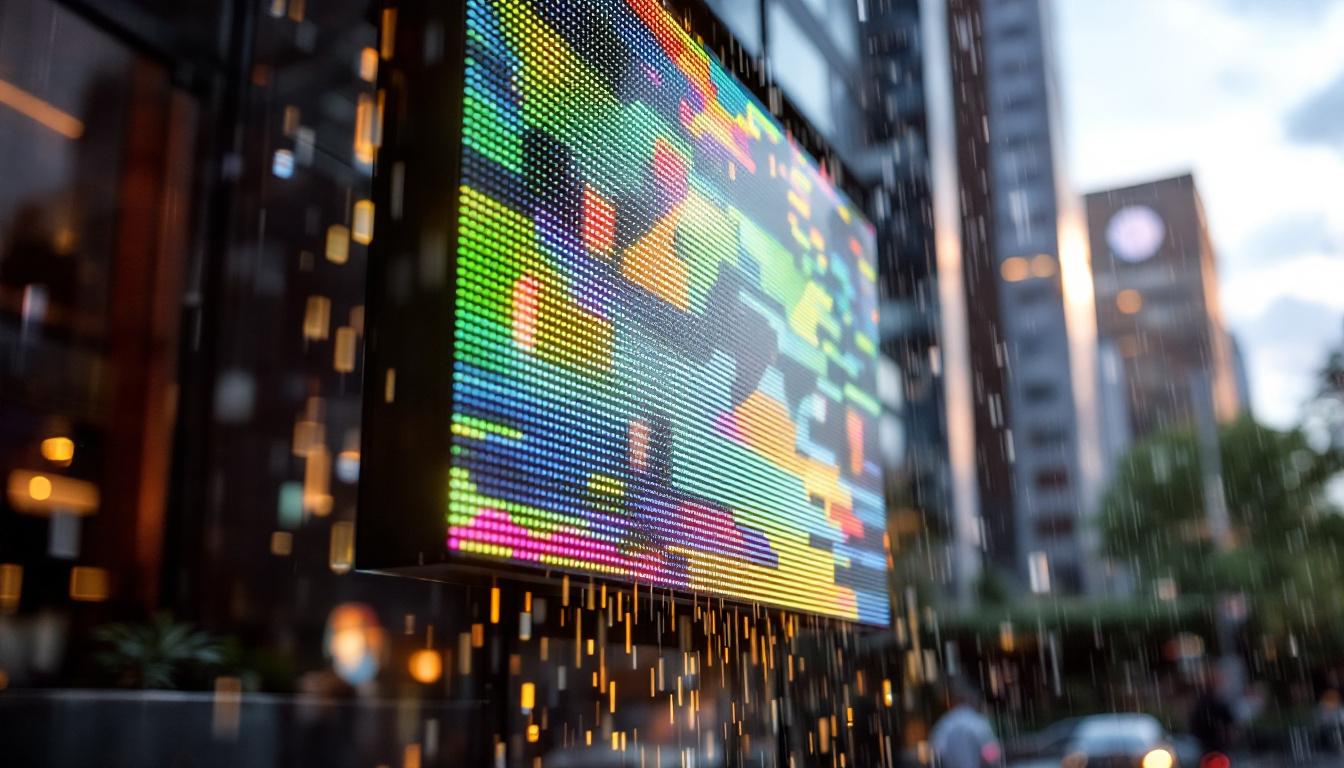
A weatherproof LED board is an electronic display designed to operate reliably outdoors under varying weather conditions such as rain, snow, wind, and extreme temperatures. Unlike indoor LED screens, these boards feature specialized enclosures and components that protect sensitive electronics from moisture, dust, and physical damage.
At the core, these displays use Light Emitting Diodes (LEDs) arranged in a matrix to create vivid images, text, and video content. The “weatherproof” aspect ensures that these LEDs and their supporting circuitry remain functional and visible regardless of environmental challenges. This durability makes them ideal for a variety of outdoor applications, including advertising billboards, sports arenas, and public information displays.
Moreover, the technology behind weatherproof LED displays has advanced significantly, allowing for improved brightness and energy efficiency. Many modern boards can achieve high luminosity levels, ensuring that content remains legible even in direct sunlight. This capability is crucial for outdoor settings where ambient light can vary dramatically throughout the day.
Key Components of Weatherproof LED Displays
Several components work together to make a weatherproof LED board effective:
- LED Modules: These are the basic building blocks, consisting of arrays of LEDs that produce light in various colors.
- Protective Enclosure: Typically made from aluminum or other corrosion-resistant materials, the enclosure shields internal components from water ingress and dust.
- Sealing and Gaskets: High-quality rubber gaskets and seals prevent moisture from entering the display housing.
- Cooling Systems: Passive or active cooling mechanisms maintain optimal operating temperatures, preventing overheating.
- Control Systems: Hardware and software that manage content display, brightness, and diagnostics remotely.
In addition to these components, weatherproof LED displays often incorporate advanced features such as automatic brightness adjustment, which enables the screen to adapt to changing light conditions. This technology not only enhances visibility but also contributes to energy savings, as the display can lower its brightness during nighttime or overcast conditions. Furthermore, many models are equipped with remote monitoring capabilities, allowing operators to receive real-time alerts about performance issues or environmental conditions, ensuring that any potential problems are addressed promptly.
Another important aspect of these displays is their modular design, which allows for easy maintenance and upgrades. If a single LED module fails, it can be replaced without needing to take down the entire display. This modularity not only reduces downtime but also extends the lifespan of the overall system, making weatherproof LED displays a cost-effective solution for long-term outdoor use.
Technical Specifications and Standards
Ingress Protection (IP) Ratings
One of the most critical factors in weatherproof LED displays is the Ingress Protection (IP) rating, which indicates the level of protection against solids and liquids. For outdoor LED boards, an IP rating of at least IP65 is standard, meaning the device is dust-tight and protected against water jets from any direction.
Higher ratings like IP66 or IP67 offer even more robust protection, with IP67 devices able to withstand temporary immersion in water. Choosing the right IP rating depends on the installation environment and expected weather severity. For instance, displays installed in coastal areas may require higher ratings due to the corrosive nature of saltwater and the potential for heavy rainfall. Additionally, understanding the specific environmental challenges—such as wind, snow, or extreme temperatures—can guide the selection of the most appropriate IP rating for longevity and performance.
Brightness and Visibility
Outdoor LED displays must be bright enough to be visible in direct sunlight. Typical brightness levels for weatherproof boards range from 5,000 to 10,000 nits (candelas per square meter). For comparison, a smartphone screen averages around 500 nits, highlighting how much more luminous outdoor LEDs need to be.
Automatic brightness adjustment sensors are often integrated to adapt display intensity based on ambient light, improving visibility while conserving energy during nighttime or cloudy conditions. This feature not only enhances user experience but also extends the lifespan of the LEDs by reducing unnecessary strain during low-light conditions. Furthermore, some advanced displays utilize adaptive technology that can analyze surrounding light levels in real-time, ensuring optimal visibility regardless of the time of day or weather conditions, thus making them ideal for high-traffic urban areas.
Pixel Pitch and Resolution
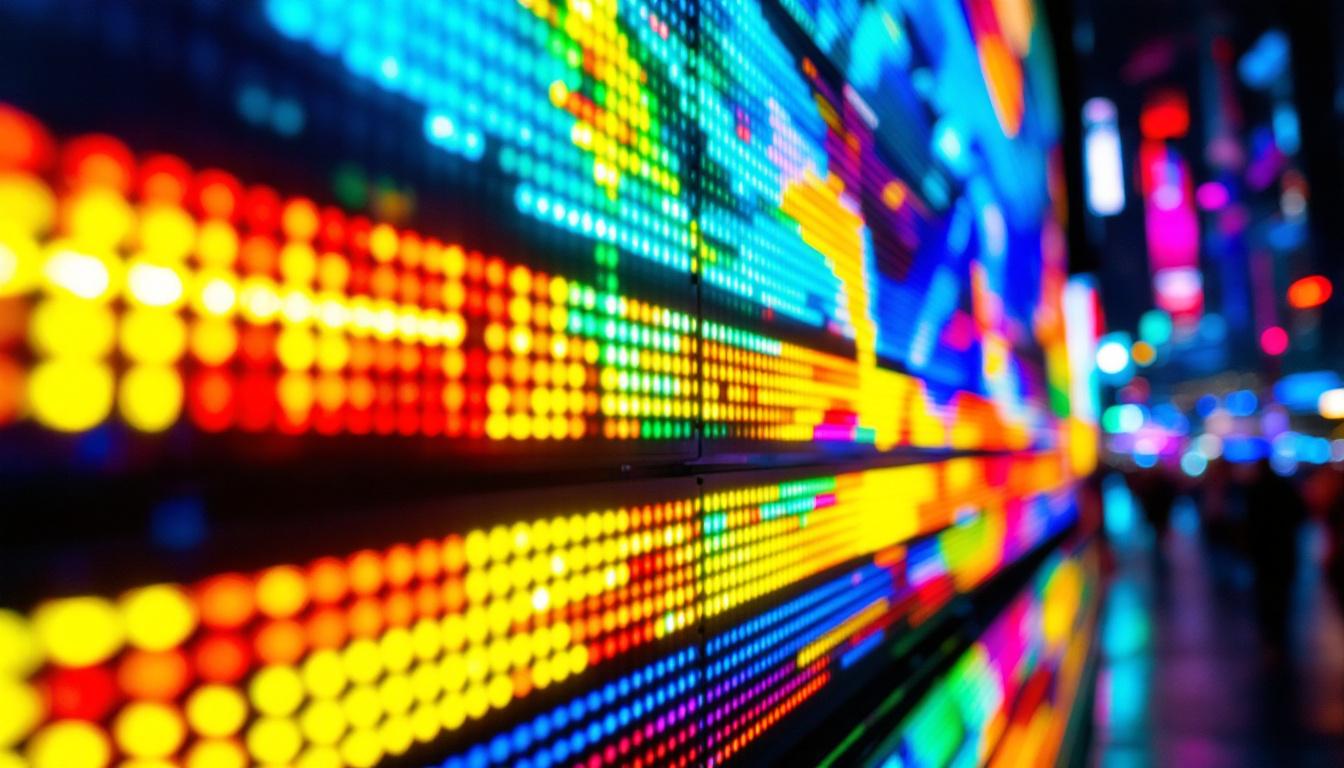
Pixel pitch refers to the distance between the centers of two adjacent LEDs and directly impacts the display’s resolution and viewing distance. Outdoor weatherproof LED boards generally have a pixel pitch ranging from 4mm to 20mm. Smaller pixel pitches provide higher resolution but are more expensive and suited for closer viewing distances.
For large-scale billboards viewed from afar, a larger pixel pitch is acceptable, whereas digital signage in pedestrian areas benefits from finer pixel pitches for sharper images. Additionally, advancements in LED technology have led to the development of ultra-fine pixel pitch displays, which can achieve resolutions comparable to traditional indoor displays, making them increasingly viable for outdoor applications. This trend allows for more detailed graphics and content, enhancing advertising effectiveness and engagement, especially in crowded environments where capturing attention is paramount.
Benefits of Weatherproof LED Displays
Durability and Longevity
Weatherproof LED boards are engineered to withstand harsh environmental conditions, making them highly durable. High-quality materials and protective coatings reduce corrosion and wear, extending the lifespan of the display. Many units come with warranties of 3 to 5 years or more, with an expected operational life exceeding 100,000 hours.
Energy Efficiency
Compared to traditional outdoor signage such as neon or fluorescent lighting, LED displays consume significantly less power. Advances in LED technology and power management systems have further improved energy efficiency, helping organizations reduce operational costs and environmental impact.
Dynamic Content and Real-Time Updates
Unlike static billboards, weatherproof LED boards allow for dynamic content changes. This flexibility enables real-time updates, targeted advertising, emergency notifications, and interactive campaigns. Remote content management platforms make it easy to schedule and modify displays from anywhere, increasing engagement and relevance.
Enhanced Visibility and Impact
The brightness, color vibrancy, and motion capabilities of LED displays make them highly effective at capturing attention. Studies have shown that dynamic digital signage can increase viewer recall by up to 83% compared to static signs, making weatherproof LED boards a powerful marketing and communication tool.
Applications of Weatherproof LED Displays
Outdoor Advertising and Billboards
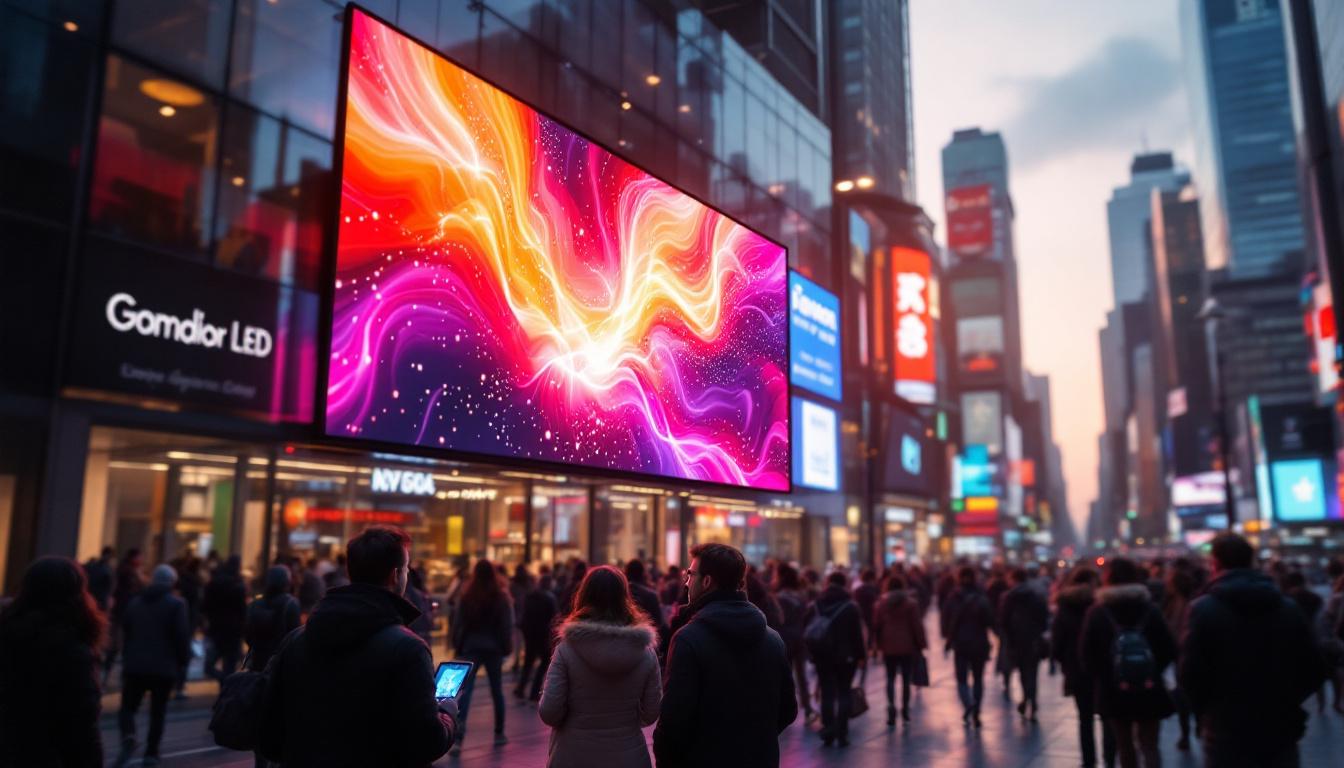
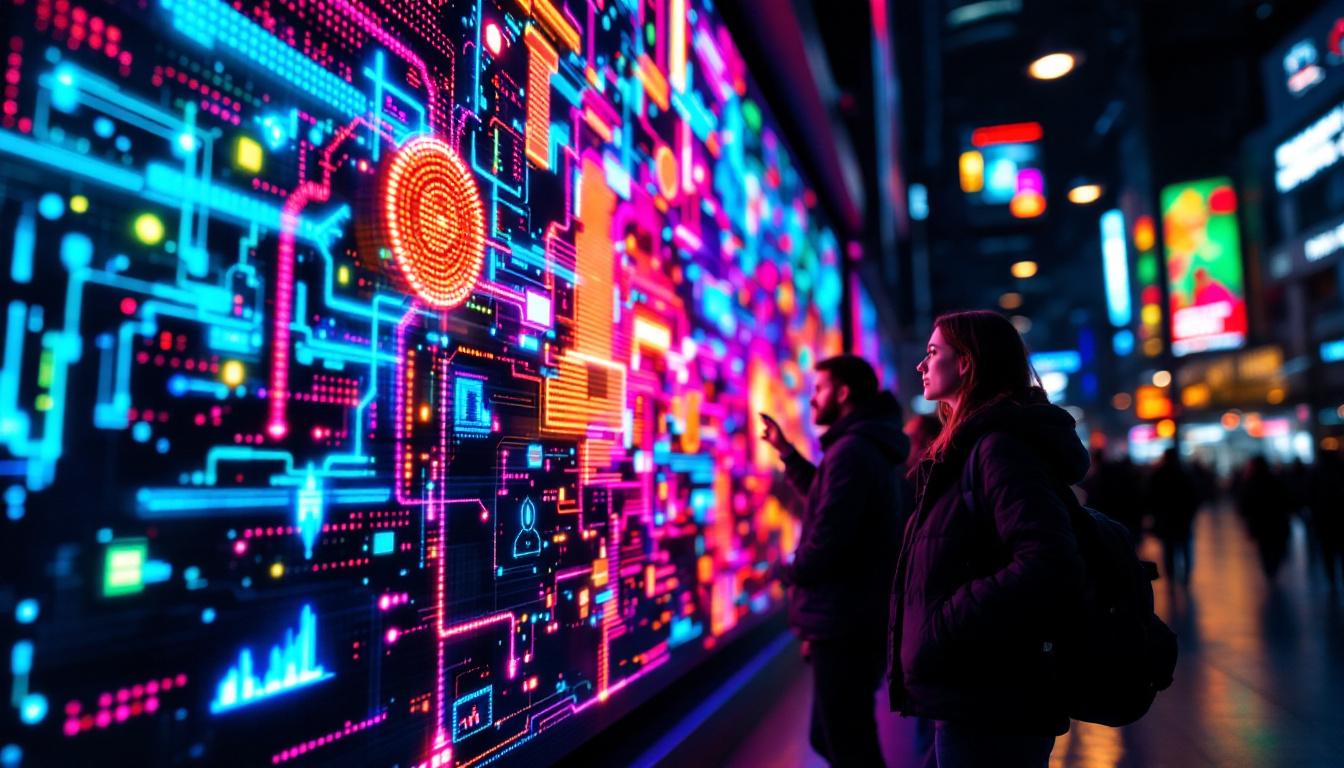
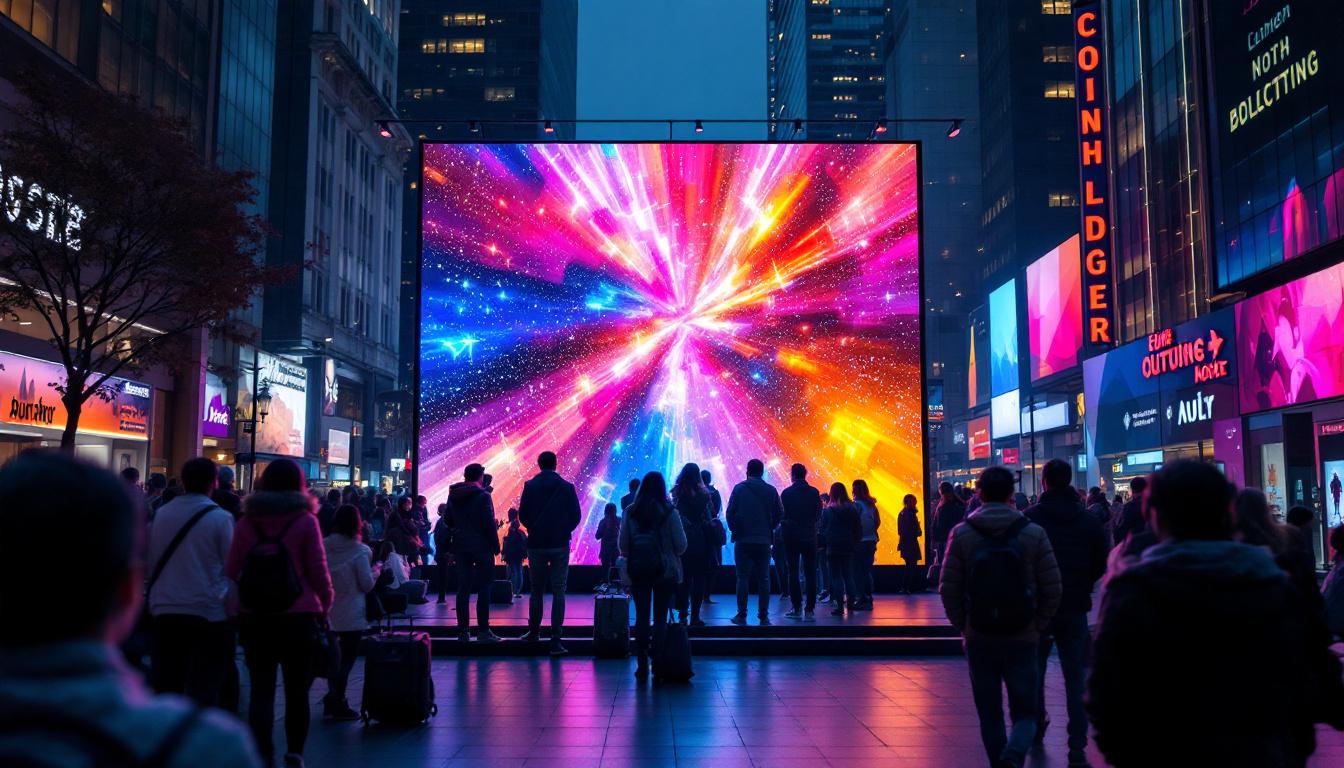
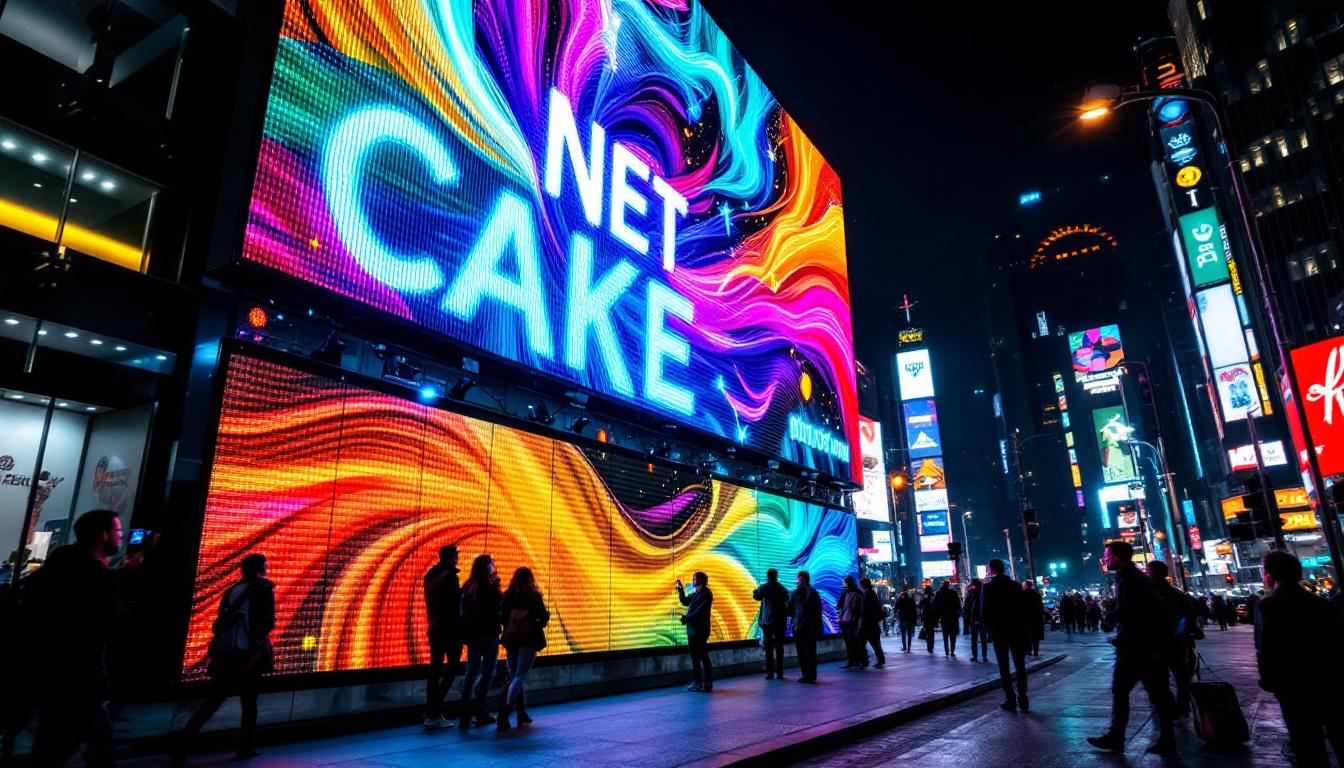
One of the most common uses of weatherproof LED boards is in outdoor advertising. From highway billboards to retail storefronts, these displays provide advertisers with the ability to reach large audiences with eye-catching, changeable content.
Major cities worldwide, including New York’s Times Square and London’s Piccadilly Circus, have embraced LED billboards for their visual impact and flexibility.
Public Information and Transportation
Municipalities and transit authorities use weatherproof LED displays to provide real-time information such as traffic updates, weather alerts, public safety announcements, and transit schedules. Their durability ensures uninterrupted service regardless of weather conditions.
Sports and Entertainment Venues
Stadiums and outdoor event spaces utilize weatherproof LED boards for scoreboards, advertisements, and live video feeds. These displays enhance the spectator experience while withstanding exposure to the elements.
Industrial and Construction Sites
On construction sites and industrial facilities, weatherproof LED signs communicate safety messages, operational statuses, and instructions. Their visibility in all weather conditions helps maintain safety standards and operational efficiency.
Choosing the Right Weatherproof LED Display
Assessing Environmental Conditions
Before selecting a weatherproof LED board, it is essential to evaluate the environmental factors at the installation site. Consider exposure to rain, snow, dust, wind, and temperature extremes. Coastal areas, for example, require corrosion-resistant materials due to salt air.
Determining Viewing Distance and Resolution Needs
Understanding the typical viewing distance helps determine the appropriate pixel pitch and resolution. For example, a billboard visible from 100 meters away can use a larger pixel pitch than a display intended for close pedestrian interaction.
Evaluating Brightness Requirements
Brightness must be sufficient to ensure visibility in direct sunlight without causing glare. Locations with high ambient light levels require displays with higher nit ratings and effective brightness control systems.
Connectivity and Control Features
Modern weatherproof LED boards often come with network connectivity options such as Wi-Fi, Ethernet, or cellular modules. Remote management capabilities allow for easy content updates and system monitoring, reducing maintenance efforts and downtime.
Budget and Total Cost of Ownership
While initial costs for high-quality weatherproof LED displays can be significant, it is important to consider the total cost of ownership. Energy savings, reduced maintenance, and advertising effectiveness contribute to long-term value.
Maintenance and Longevity Tips
Regular Cleaning and Inspection
Periodic cleaning of the display surface and enclosure helps maintain brightness and prevent buildup of dirt and debris. Inspections should focus on seals, connectors, and structural integrity to catch potential issues early.
Software and Firmware Updates
Keeping control systems updated ensures optimal performance, security, and access to new features. Many manufacturers provide remote update options for convenience.
Professional Servicing
Engaging qualified technicians for routine maintenance and repairs helps extend the lifespan of the LED board and ensures compliance with warranty requirements.
Future Trends in Weatherproof LED Displays
Advancements in LED Technology
Emerging technologies such as MicroLED and MiniLED promise even higher brightness, better energy efficiency, and improved color accuracy. These advancements will further enhance outdoor display capabilities.
Integration with IoT and Smart City Infrastructure
Weatherproof LED boards are increasingly integrated into smart city ecosystems, providing dynamic, context-aware information to residents and visitors. Sensors and data analytics enable displays to adapt content based on real-time conditions and user interactions.
Sustainability and Eco-Friendly Designs
Manufacturers are focusing on eco-friendly materials, recyclable components, and energy-efficient designs to reduce the environmental footprint of outdoor digital signage.
Conclusion
Weatherproof LED displays represent a vital technology for outdoor communication, offering durability, flexibility, and high-impact visibility in all weather conditions. Understanding their technical specifications, benefits, and applications helps organizations make informed decisions that maximize the value of their investment. As LED technology continues to evolve, these displays will play an even greater role in shaping how information and advertising are delivered in public spaces worldwide.
Illuminate Your Message with LumenMatrix
Ready to elevate your outdoor communication with unparalleled durability and high-impact visibility? LumenMatrix is at the forefront of LED display innovation, offering a diverse range of solutions tailored to your unique needs. From mesmerizing Indoor LED Walls to robust Outdoor LED Displays and beyond, our technology is designed to captivate and engage your audience. Embrace the future of visual storytelling with LumenMatrix and transform the way you share your message. Check out LumenMatrix LED Display Solutions today and light up your brand’s potential.