Outdoor TV Sales: LED Display Explained
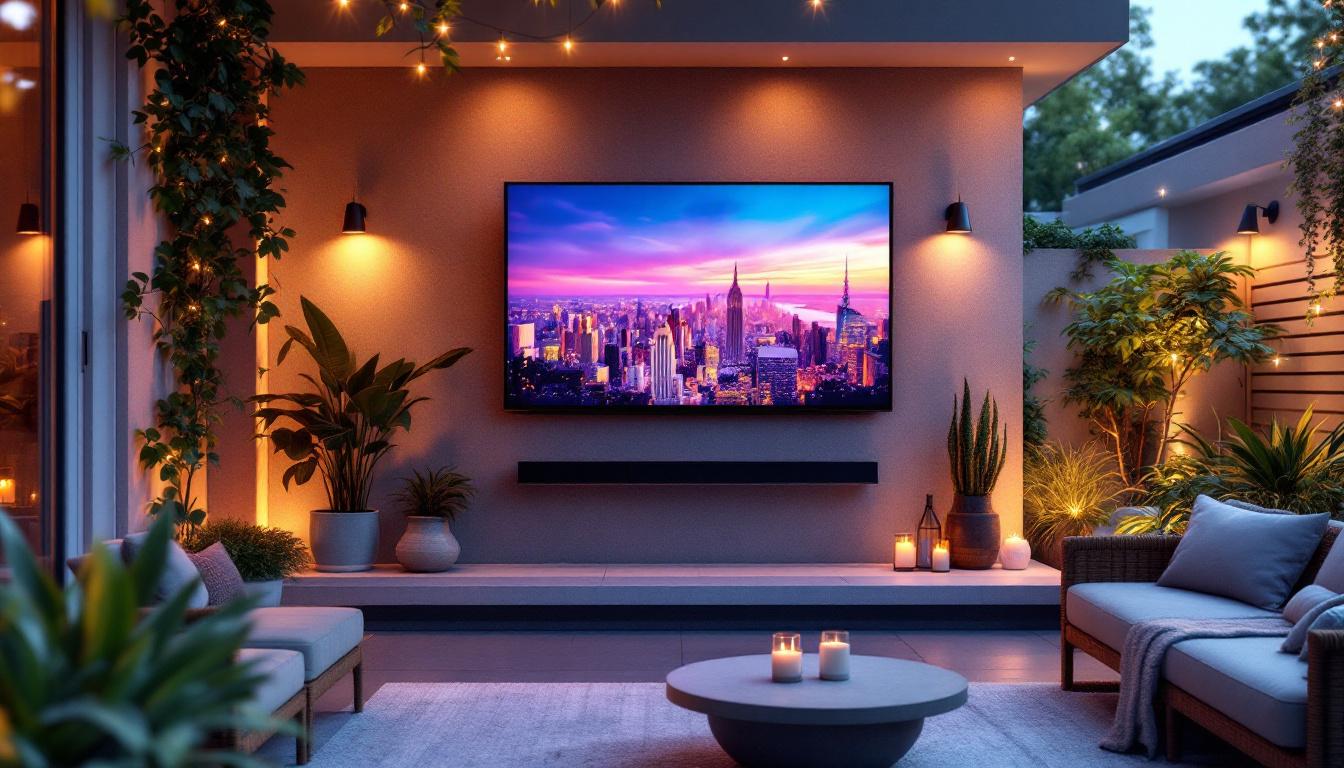
As outdoor entertainment spaces become increasingly popular, the demand for high-quality outdoor televisions has surged. Among the various display technologies available, LED displays stand out as a preferred choice for outdoor TVs due to their brightness, durability, and energy efficiency. This article explores the nuances of LED displays in outdoor TVs, offering insights into why they dominate the market, how they work, and what consumers should consider when making a purchase.
Understanding LED Display Technology
What is an LED Display?
LED stands for Light Emitting Diode, a semiconductor device that emits light when an electric current passes through it. In the context of television displays, LED refers to the backlighting technology used in LCD (Liquid Crystal Display) panels. Unlike traditional LCDs that use cold cathode fluorescent lamps (CCFLs) for backlighting, LED displays utilize arrays of LEDs to illuminate the screen.
This technology allows for thinner panels, improved brightness, and better energy efficiency. In outdoor TVs, these advantages translate into enhanced visibility under direct sunlight and prolonged battery or power source life, which are critical for outdoor environments. Additionally, the rapid response time of LEDs contributes to a more dynamic viewing experience, reducing motion blur during fast-paced scenes, which is particularly advantageous for sports and action films commonly enjoyed in outdoor settings.
Types of LED Displays in Outdoor TVs
There are primarily two types of LED backlighting used in outdoor TVs: edge-lit and full-array LED. Edge-lit LED displays position LEDs along the edges of the screen, using light guides to distribute light evenly. This design allows for slimmer TVs but can sometimes result in less uniform brightness. Furthermore, edge-lit displays are often more cost-effective, making them a popular choice for budget-conscious consumers looking to enjoy outdoor entertainment without breaking the bank.
Full-array LED displays, on the other hand, place LEDs directly behind the screen in a grid pattern. This configuration provides superior brightness and contrast, which is especially beneficial for outdoor viewing where ambient light is intense. Some high-end outdoor TVs also incorporate local dimming technology, enabling specific areas of the screen to dim independently, enhancing picture quality. This feature is particularly useful for displaying dark scenes in bright environments, as it allows for deeper blacks and more vivid colors, creating a more immersive viewing experience. Moreover, advancements in HDR (High Dynamic Range) technology are increasingly being integrated into these displays, further elevating the visual quality by expanding the range of colors and brightness levels, making outdoor viewing even more spectacular.
Why LED Displays Are Ideal for Outdoor TVs
Brightness and Visibility
One of the most critical factors for outdoor TVs is screen brightness. Outdoor environments often expose screens to direct sunlight, making it challenging to view the display clearly. LED displays can reach brightness levels of 700 to 2000 nits or more, compared to typical indoor TVs that average around 250 to 350 nits. This high brightness ensures that images remain vivid and visible even in bright daylight.
For example, a study by the Consumer Technology Association found that outdoor TVs with LED displays rated above 1000 nits provided significantly better viewing experiences in sunlight compared to non-LED or lower brightness models. This capability not only enhances the viewing experience during daytime but also makes LED displays versatile for evening gatherings, where their brightness can create an immersive atmosphere for watching movies or sporting events under the stars.
Durability and Weather Resistance
Outdoor TVs must withstand various environmental factors such as rain, dust, humidity, and temperature fluctuations. LED displays are inherently more robust due to their solid-state nature, which makes them less susceptible to damage from shocks and vibrations.
Manufacturers often pair LED technology with weatherproof casings, anti-reflective coatings, and sealed connectors to enhance durability. This combination ensures that the TV can operate reliably in outdoor conditions without compromising display quality. Furthermore, some models are designed to operate in extreme temperatures, allowing them to function seamlessly in both scorching summer heat and chilly winter conditions. This resilience means that outdoor TVs can be enjoyed year-round, making them a worthwhile investment for any outdoor entertainment setup.
Energy Efficiency and Longevity
LED displays consume less power than traditional CCFL-backlit LCDs, which is advantageous for outdoor setups that may rely on solar power or limited electrical sources. Additionally, LEDs have a longer operational lifespan, often exceeding 50,000 hours, reducing the need for frequent replacements or repairs.
Energy efficiency also contributes to lower heat generation, which helps maintain optimal operating temperatures and further extends the TV’s lifespan in outdoor environments. Moreover, the reduced energy consumption not only lowers electricity bills but also aligns with eco-friendly practices, making LED displays a sustainable choice for environmentally conscious consumers. As outdoor entertainment becomes increasingly popular, the combination of energy efficiency and durability ensures that LED TVs remain a leading option for those looking to enhance their outdoor spaces without compromising on quality or environmental impact.
Key Features to Consider When Buying an Outdoor LED TV
Brightness Levels
As mentioned earlier, brightness is paramount for outdoor viewing. Consumers should look for TVs with a minimum brightness of 1000 nits to ensure clear visibility in daylight. Some premium models offer brightness levels exceeding 2000 nits, which is ideal for areas with intense sunlight exposure.
It’s also useful to check if the TV has an ambient light sensor that automatically adjusts brightness based on surrounding light conditions, optimizing both visibility and energy consumption.
Screen Size and Resolution
Outdoor TVs come in a variety of sizes, typically ranging from 43 inches to over 75 inches. The choice depends on the viewing distance and the size of the outdoor space. Larger screens enhance the viewing experience in open areas but may require higher brightness to maintain image clarity.
Resolution is equally important. Most outdoor LED TVs offer Full HD (1080p) or 4K Ultra HD resolution, delivering sharp and detailed images. For outdoor movie nights or sports viewing, 4K resolution is highly recommended for the best picture quality.
Weatherproofing and Build Quality
Look for TVs with an IP rating (Ingress Protection) that indicates resistance to dust and water. An IP65 rating or higher is generally suitable for outdoor use, ensuring protection against rain and dust ingress. Additionally, features like rust-resistant materials and sealed ports contribute to the TV’s longevity.
Some models also include built-in cooling systems to prevent overheating during hot weather, which is critical for maintaining performance and preventing damage.
Connectivity and Smart Features
Modern outdoor LED TVs often come equipped with smart capabilities, including Wi-Fi, Bluetooth, and access to streaming apps. These features allow users to stream content directly without needing external devices, enhancing convenience.
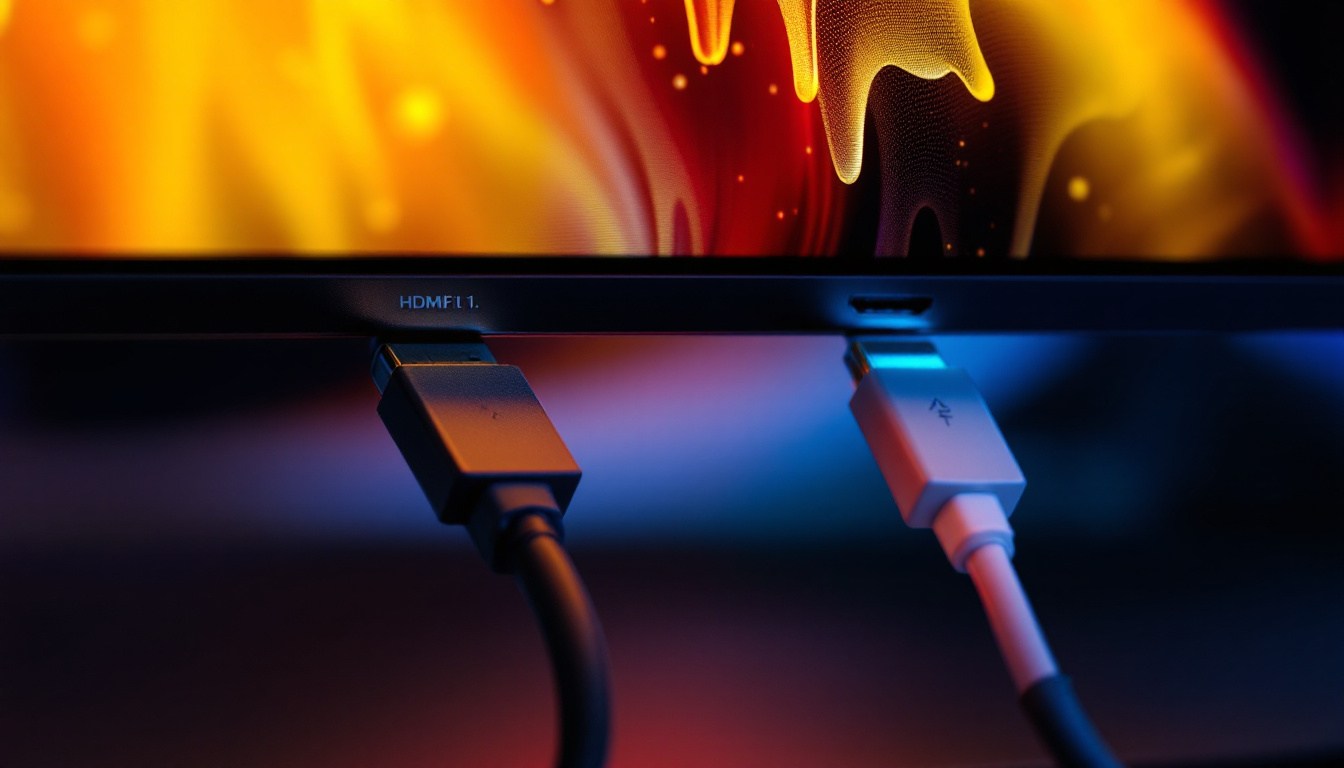
Connectivity options such as HDMI, USB, and audio output ports are essential for integrating the TV with sound systems, gaming consoles, or media players. Waterproof or weather-resistant connectors are a plus for outdoor setups.
Market Trends and Sales Insights for Outdoor LED TVs
Growing Popularity and Market Growth
The outdoor TV market has experienced significant growth in recent years. According to a report by Grand View Research, the global outdoor TV market size was valued at over $200 million in 2023 and is expected to grow at a compound annual growth rate (CAGR) of approximately 7% through 2030. This growth is driven by increasing consumer interest in outdoor living spaces and home entertainment.
LED technology is a major contributor to this trend, as it addresses the unique challenges of outdoor viewing. Retailers report that LED outdoor TVs account for more than 70% of total outdoor TV sales, underscoring their dominance in the category.
Popular Use Cases Driving Sales
Outdoor TVs are increasingly used in various settings beyond residential backyards. Hospitality venues such as hotels, resorts, and restaurants invest in outdoor LED TVs to enhance guest experiences. Sports bars and entertainment venues also utilize these displays for outdoor viewing events.
Furthermore, the rise of backyard home theaters and smart patios has made outdoor LED TVs a staple for homeowners looking to expand their entertainment options. Seasonal sales spikes often occur in spring and summer, aligning with outdoor activity peaks.
Price Range and Consumer Expectations
Outdoor LED TVs typically range from $1,000 to $5,000 or more, depending on size, brightness, and features. While the initial investment is higher than indoor TVs, consumers value the durability and performance that justify the cost.
Many buyers prioritize warranties and customer support, given the harsher operating conditions. Brands offering extended warranties and robust after-sales service tend to perform better in this market segment.
Maintenance Tips for Outdoor LED TVs
Regular Cleaning and Inspection
Maintaining an outdoor LED TV involves regular cleaning to remove dust, dirt, and debris that can accumulate on the screen and casing. Use a soft, lint-free cloth and manufacturer-recommended cleaning solutions to avoid damaging the display or protective coatings.
Inspect seals and connectors periodically to ensure they remain intact and free from corrosion. Addressing minor issues early can prevent costly repairs.
Protective Measures
When not in use, covering the TV with a weather-resistant cover can protect it from prolonged exposure to the elements. Additionally, installing the TV in shaded or sheltered locations reduces direct exposure to sunlight and rain, further extending its lifespan.
Software Updates and Firmware
For smart outdoor LED TVs, keeping the software and firmware up to date is essential for security and performance. Regular updates often include improvements to streaming apps, connectivity, and system stability.
Conclusion: Making an Informed Choice
Outdoor LED TVs represent a fusion of advanced display technology and rugged design, tailored to meet the demands of outdoor environments. Their superior brightness, durability, and energy efficiency make them the optimal choice for consumers seeking reliable and high-quality outdoor entertainment solutions.
When selecting an outdoor LED TV, it is crucial to consider factors such as brightness, weatherproofing, screen size, and connectivity to ensure the product aligns with specific usage needs. Coupled with proper maintenance, an LED outdoor TV can provide years of enjoyment, transforming any outdoor space into a vibrant entertainment hub.
As the market continues to evolve, LED technology will likely remain at the forefront, driving innovation and expanding possibilities for outdoor viewing experiences.
Discover LumenMatrix’s Outdoor LED Solutions
Ready to elevate your outdoor entertainment experience with unparalleled brightness, durability, and energy efficiency? Look no further than LumenMatrix, a pioneer in LED display technology. Our extensive range of products, from Outdoor LED Wall Displays to Custom LED Solutions, is designed to meet the diverse needs of any outdoor setting. Embrace the future of visual communication and create unforgettable visual experiences with LumenMatrix. Check out LumenMatrix LED Display Solutions today and transform your outdoor space into a dynamic entertainment hub.