In the rapidly evolving world of digital communication and visual engagement, media walls have emerged as a powerful tool for businesses, event organizers, and public spaces. Central to many of these installations is the LED display, a technology that combines brightness, scalability, and versatility to create immersive visual experiences. This article delves into the fundamentals of media wall design with a focus on LED displays, exploring their technology, applications, design considerations, and future trends.
Understanding LED Display Technology
What is an LED Display?
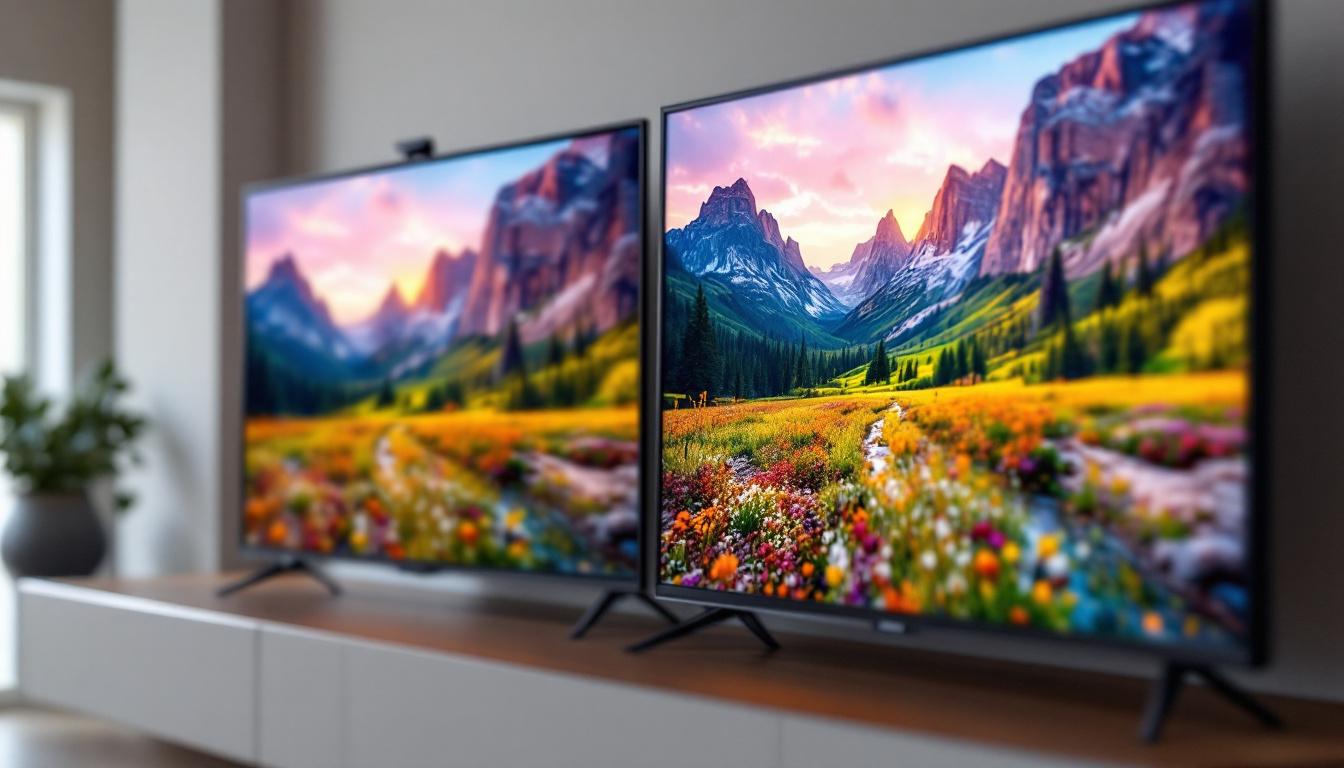
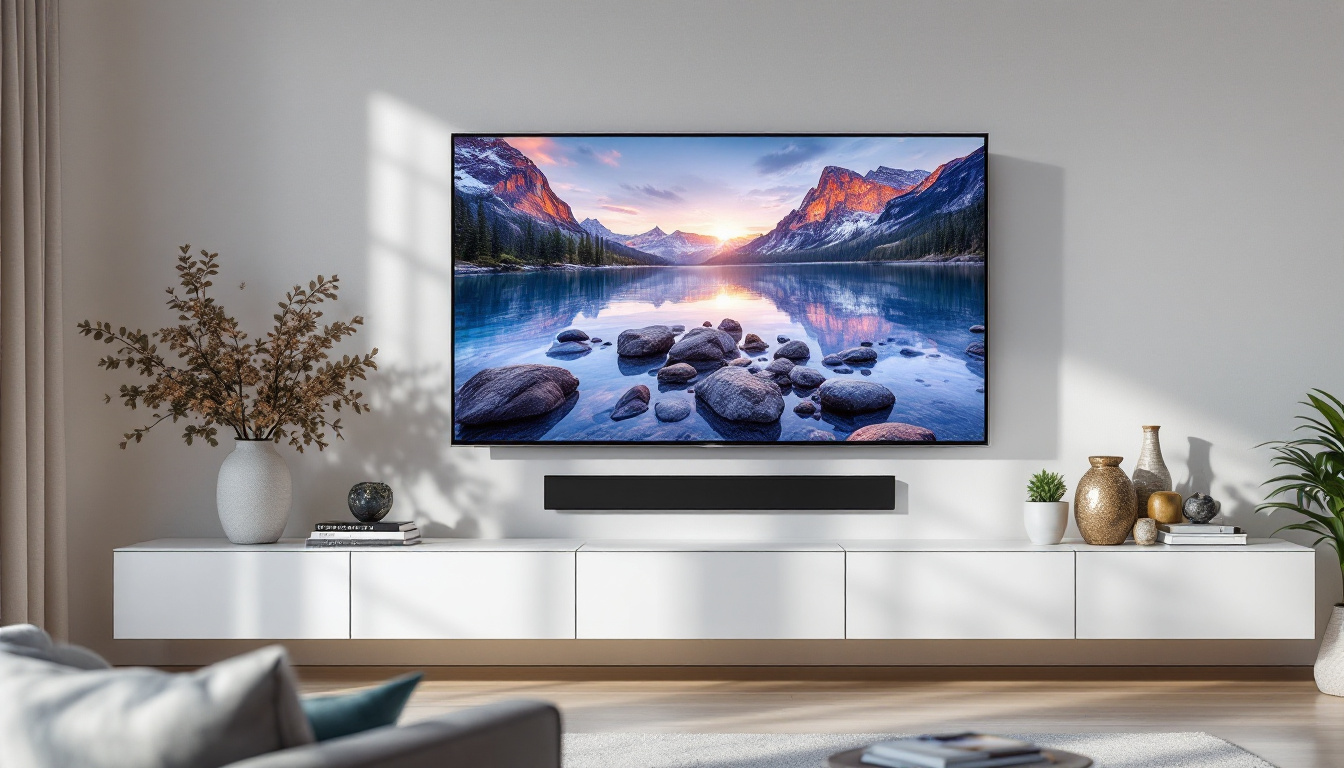
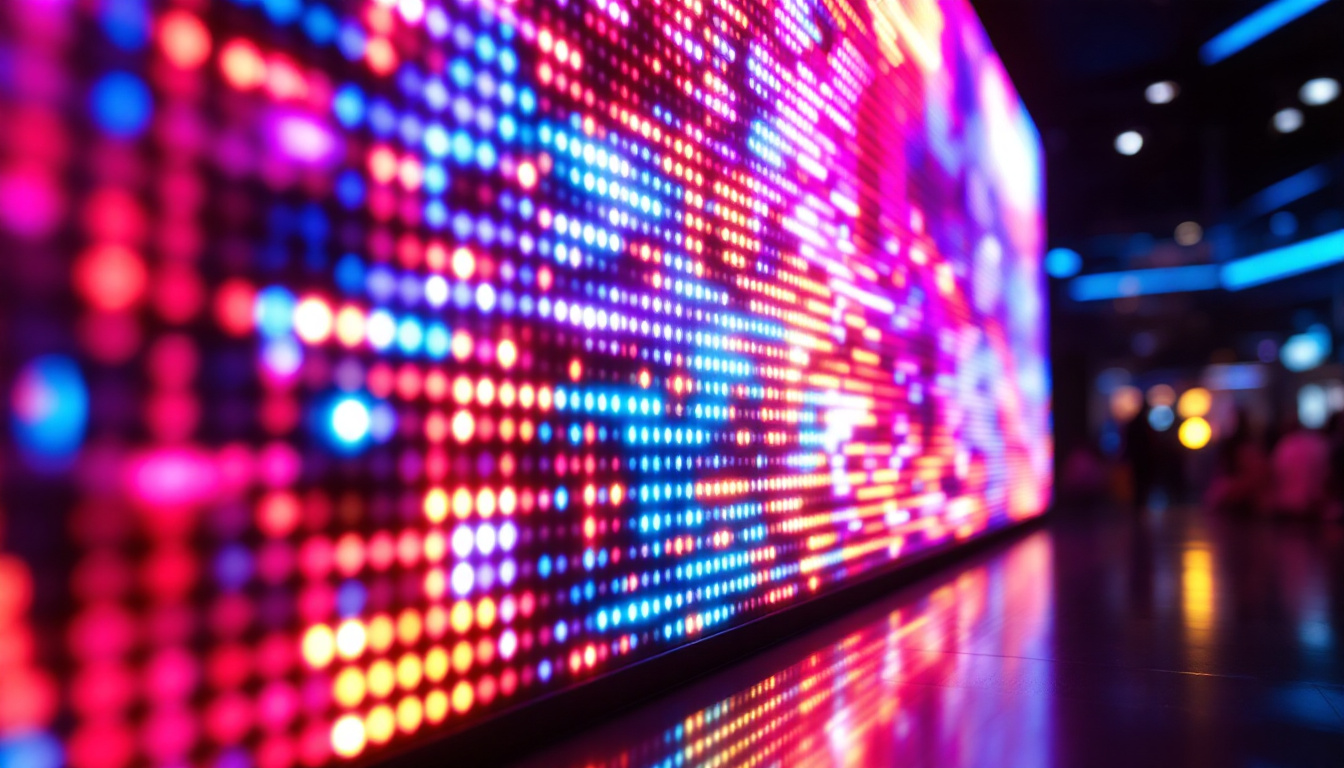
LED (Light Emitting Diode) displays are composed of numerous tiny light sources arranged in a matrix to form images and videos. Each LED acts as a pixel or part of a pixel, emitting light when electrically stimulated. Unlike traditional LCD or projection screens, LED displays are self-illuminating, meaning they do not require a backlight, which results in higher brightness and better contrast. This inherent capability allows LED displays to produce vibrant colors and deep blacks, making them ideal for various applications, from advertising billboards to high-end home theaters.
LED displays can be categorized into two main types: direct view LED and LED-backlit LCD. Direct view LED panels are used in media walls where the LEDs themselves form the image, offering superior brightness and viewing angles. These panels are often modular, allowing for flexible configurations that can fit any space or design requirement. LED-backlit LCDs use LEDs to illuminate an LCD panel, but these are generally less common in large-scale media walls. While they can provide decent image quality, they lack the same level of brightness and color accuracy that direct view LED displays offer, which is crucial for capturing audience attention in bustling environments.
Key Technical Specifications
Several technical parameters define the quality and suitability of an LED display for media wall applications:
- Pixel Pitch: The distance between the centers of two adjacent LEDs, measured in millimeters. Smaller pixel pitch means higher resolution and clarity, especially important for close viewing distances. For instance, a pixel pitch of 1.5mm is often used in indoor environments where viewers are close to the screen, while a larger pitch may be suitable for outdoor displays viewed from a distance.
- Brightness: Measured in nits (cd/m²), brightness levels for indoor LED walls typically range from 800 to 1,500 nits, while outdoor displays can exceed 5,000 nits to combat sunlight glare. This high brightness capability ensures that the content remains visible and impactful, even in direct sunlight, making LED displays a popular choice for outdoor advertising and public information displays.
- Refresh Rate: The frequency at which the display updates its image, usually 1,000 Hz or higher for smooth video playback without flicker. A high refresh rate is particularly important for displaying fast-moving content, such as sports events or dynamic advertisements, where motion blur can detract from the viewer’s experience.
- Viewing Angle: The horizontal and vertical angles at which the display can be viewed without significant color or brightness degradation, often exceeding 140 degrees. This wide viewing angle ensures that audiences can enjoy consistent image quality from various positions, which is particularly beneficial in large venues like stadiums or concert halls.
- Contrast Ratio: The ratio between the brightest whites and darkest blacks the display can produce, critical for image depth and realism. A higher contrast ratio enhances the overall visual experience, allowing for more lifelike images and making it easier for viewers to distinguish details in both bright and dark scenes.
In addition to these specifications, the longevity and energy efficiency of LED displays are also noteworthy. LED technology is known for its durability, often lasting over 100,000 hours, which translates to years of reliable performance with minimal maintenance. Furthermore, LED displays consume significantly less power compared to traditional display technologies, making them a more sustainable choice for businesses looking to reduce their carbon footprint while still achieving high-quality visual communication.
Another important aspect of LED displays is their versatility in content management. Many modern LED systems come equipped with advanced software that allows users to easily create, schedule, and manage content across multiple displays. This capability is particularly beneficial for businesses that need to update information frequently, such as retail stores or transportation hubs, where timely communication is essential. Additionally, the ability to integrate with other technologies, such as sensors and analytics tools, opens up new possibilities for interactive and data-driven displays that can engage audiences in innovative ways.
Applications of LED Media Walls
Corporate and Retail Environments
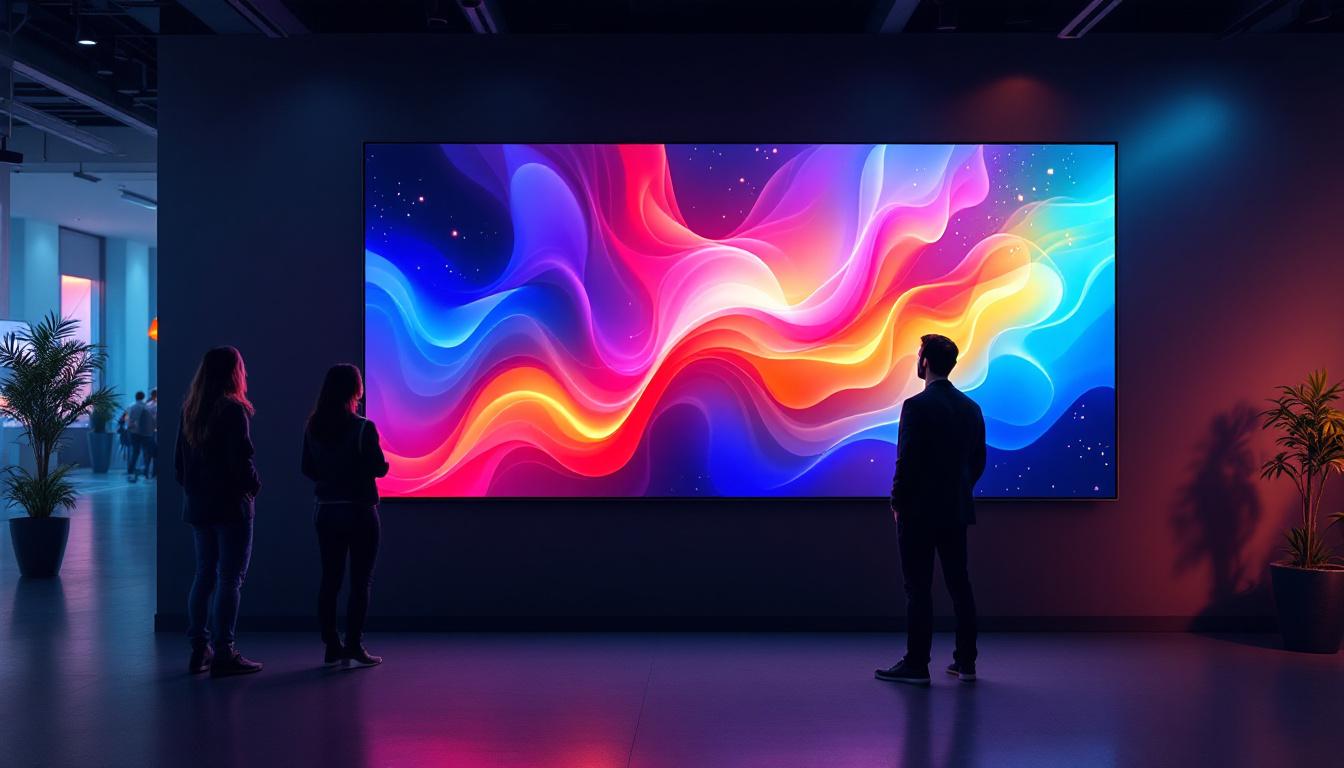
In corporate settings, LED media walls serve as dynamic communication tools for presentations, branding, and internal messaging. They can transform lobbies, conference rooms, and auditoriums into engaging spaces that captivate employees and visitors alike.
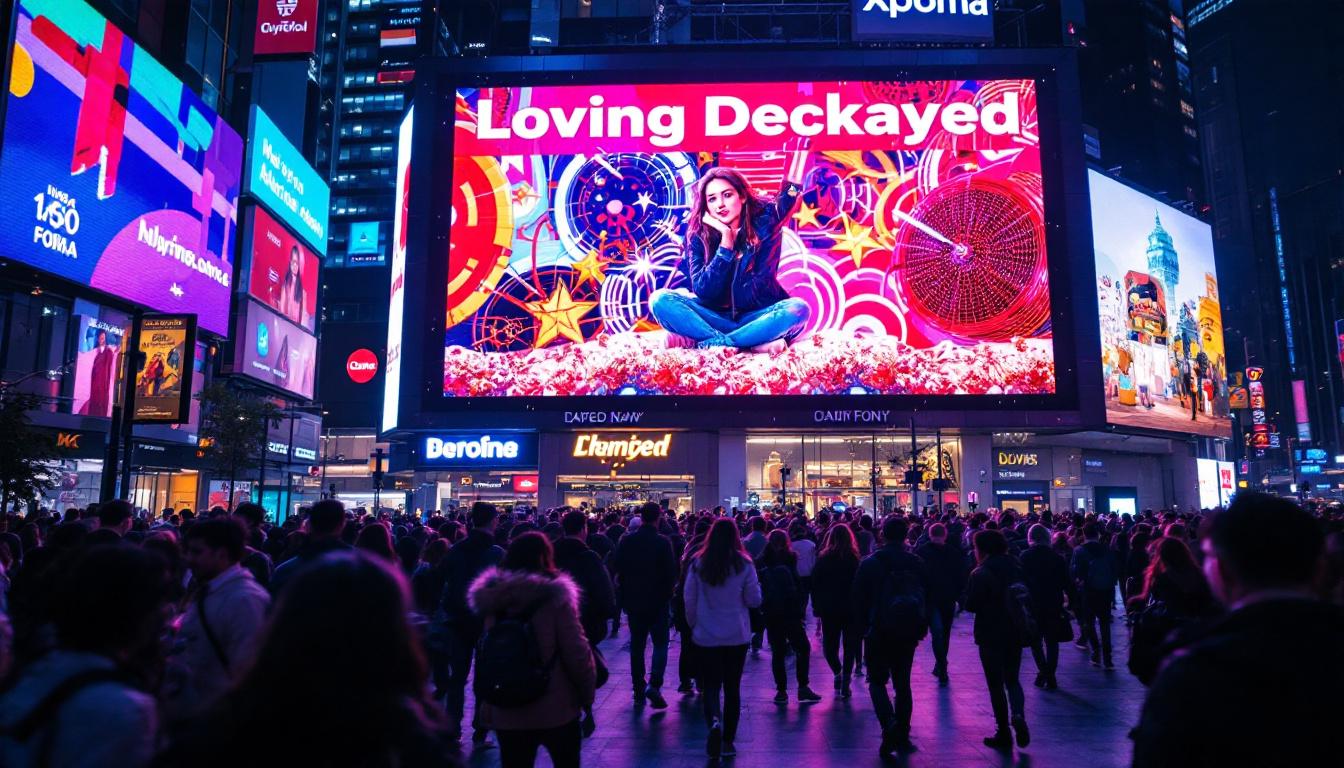
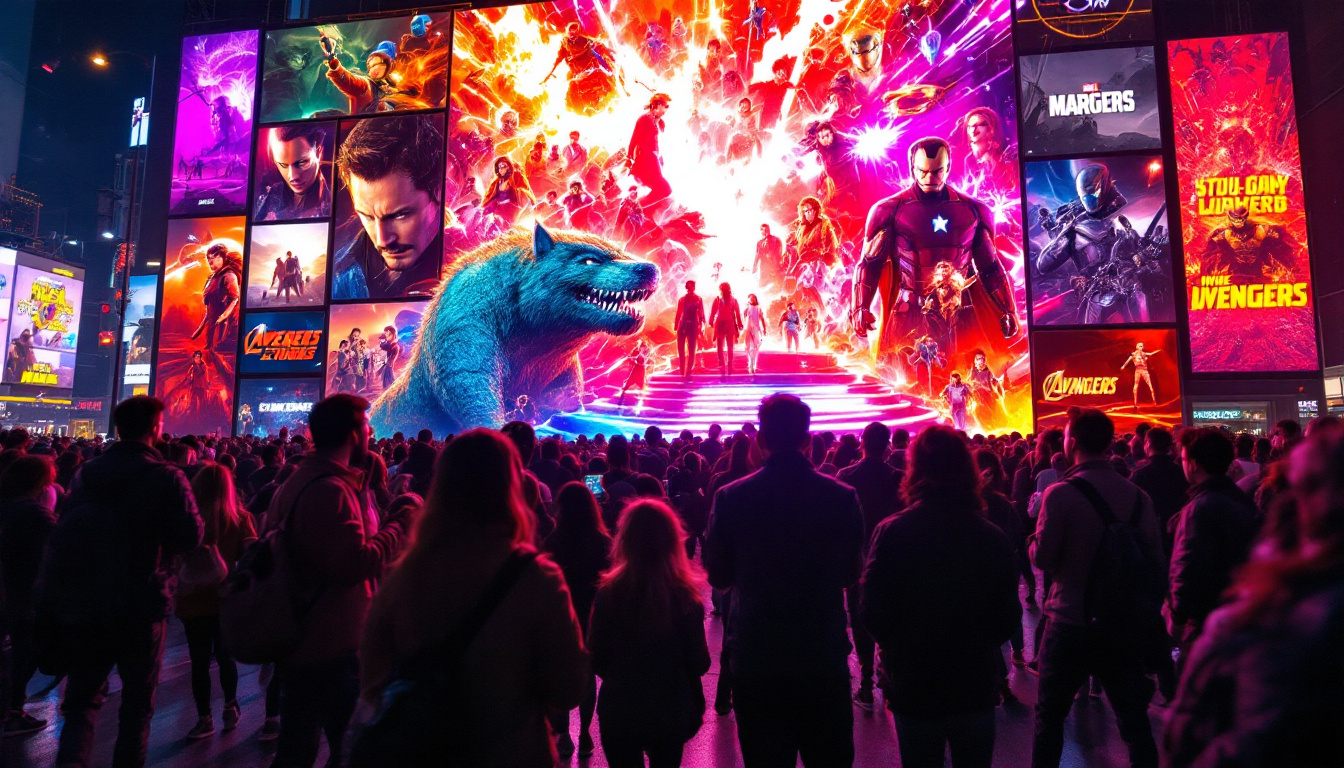
Retail environments leverage LED walls to showcase promotions, product launches, and immersive brand storytelling. The ability to display vivid, high-resolution content attracts customer attention and enhances the shopping experience, which can directly influence sales.
Entertainment and Events
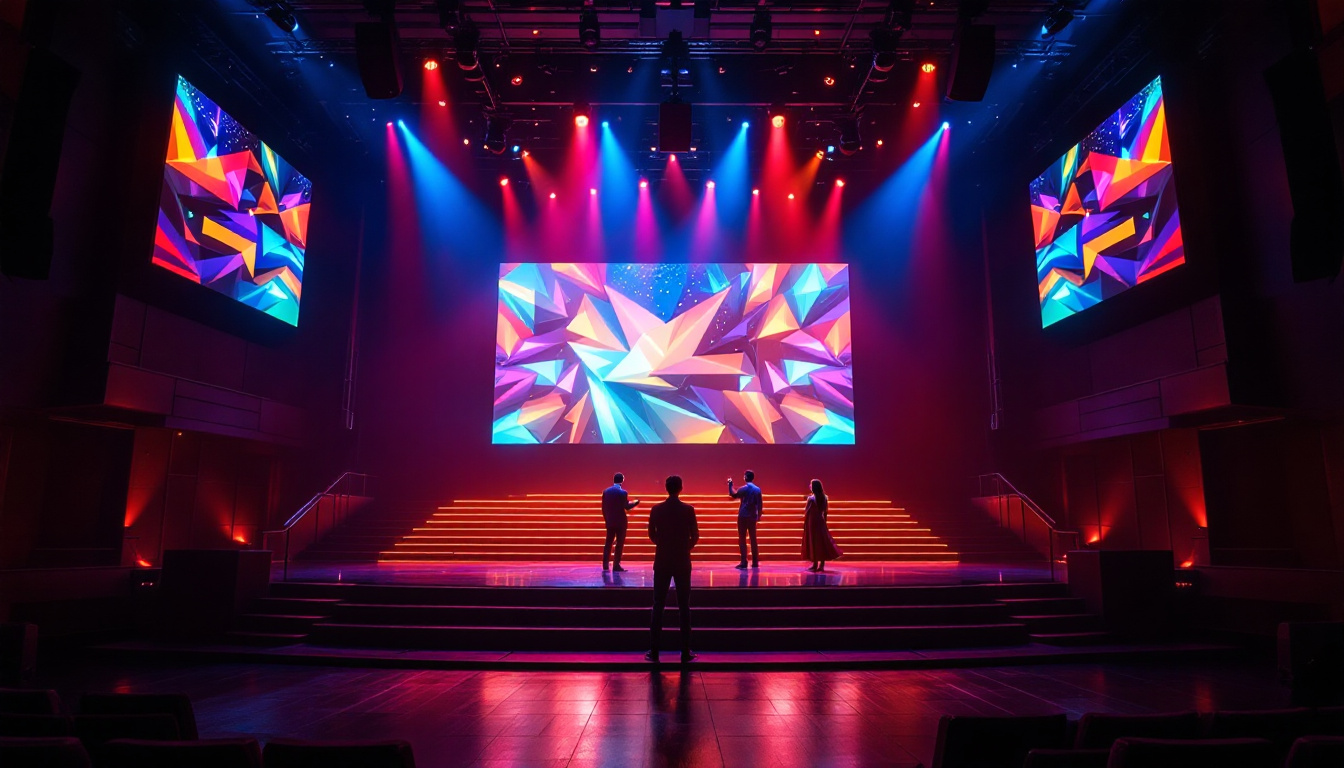
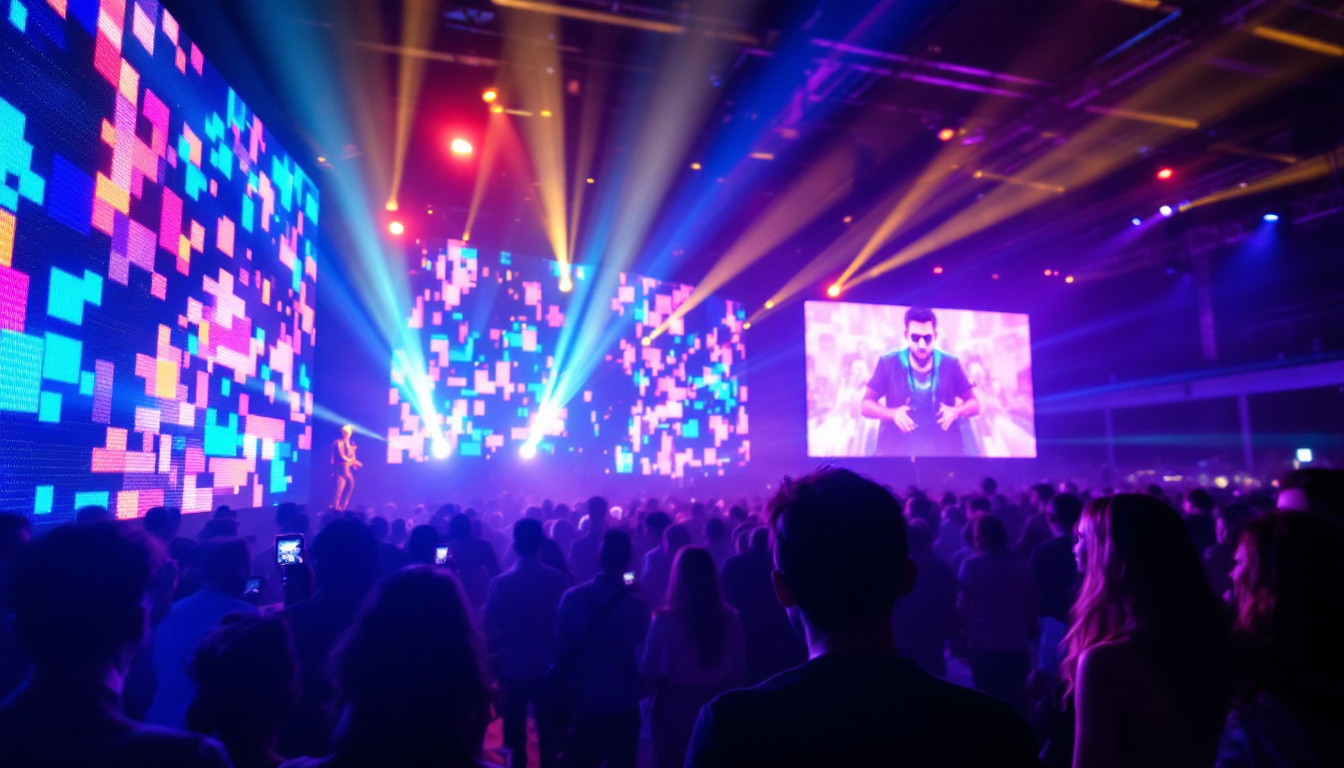
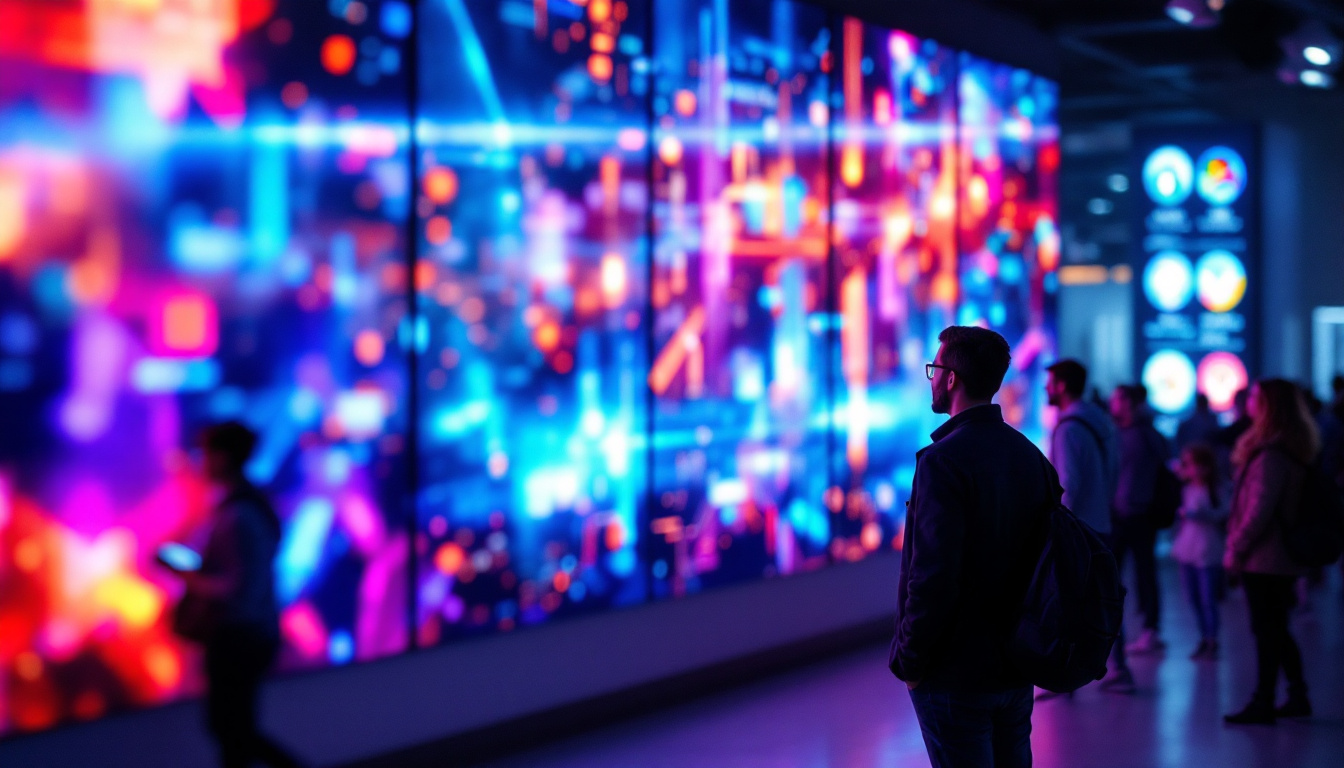
Concerts, festivals, and sporting events have widely adopted LED media walls for their ability to deliver large-scale, high-impact visuals. From live video feeds to dynamic graphics, these displays enhance audience engagement and create memorable atmospheres.
Event organizers appreciate the modularity of LED panels, which can be configured into various shapes and sizes to fit unique stage designs and venues. This flexibility supports creative expression and technical requirements simultaneously.
Public Spaces and Transportation Hubs
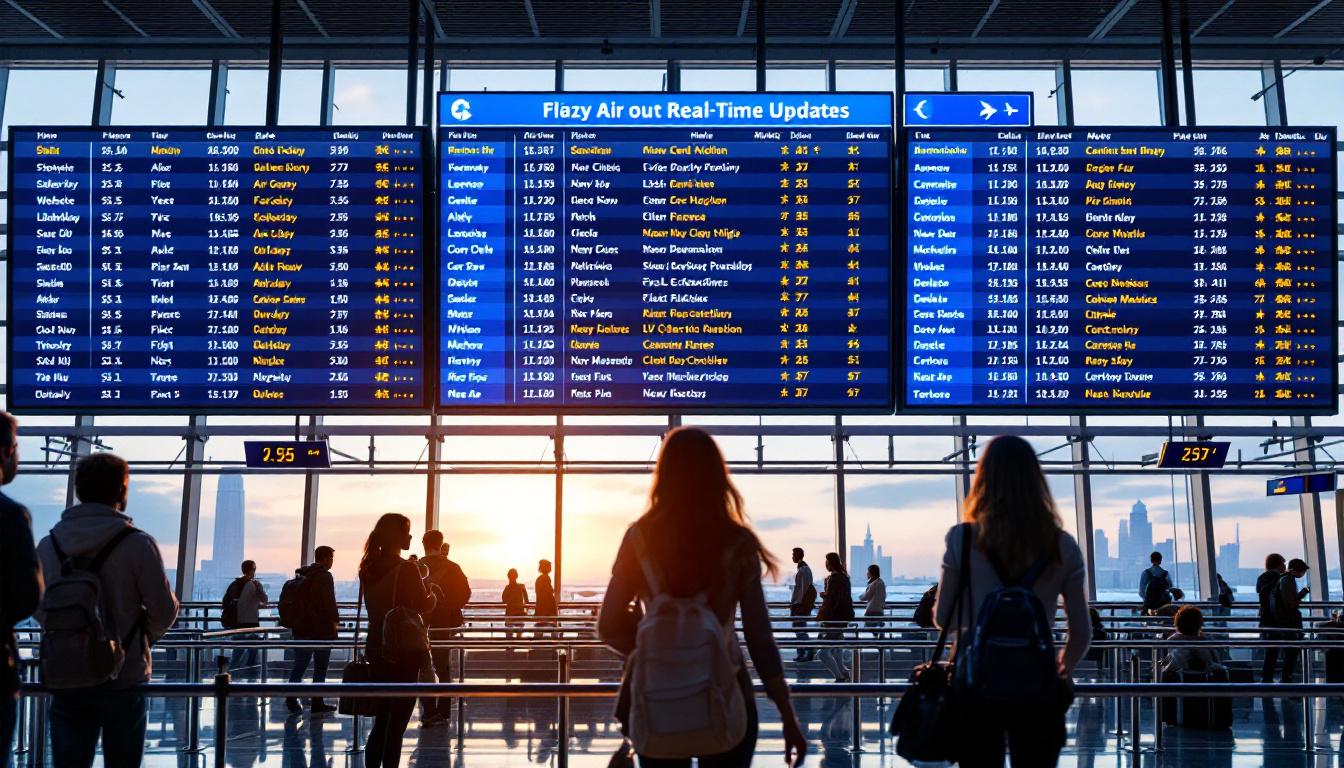
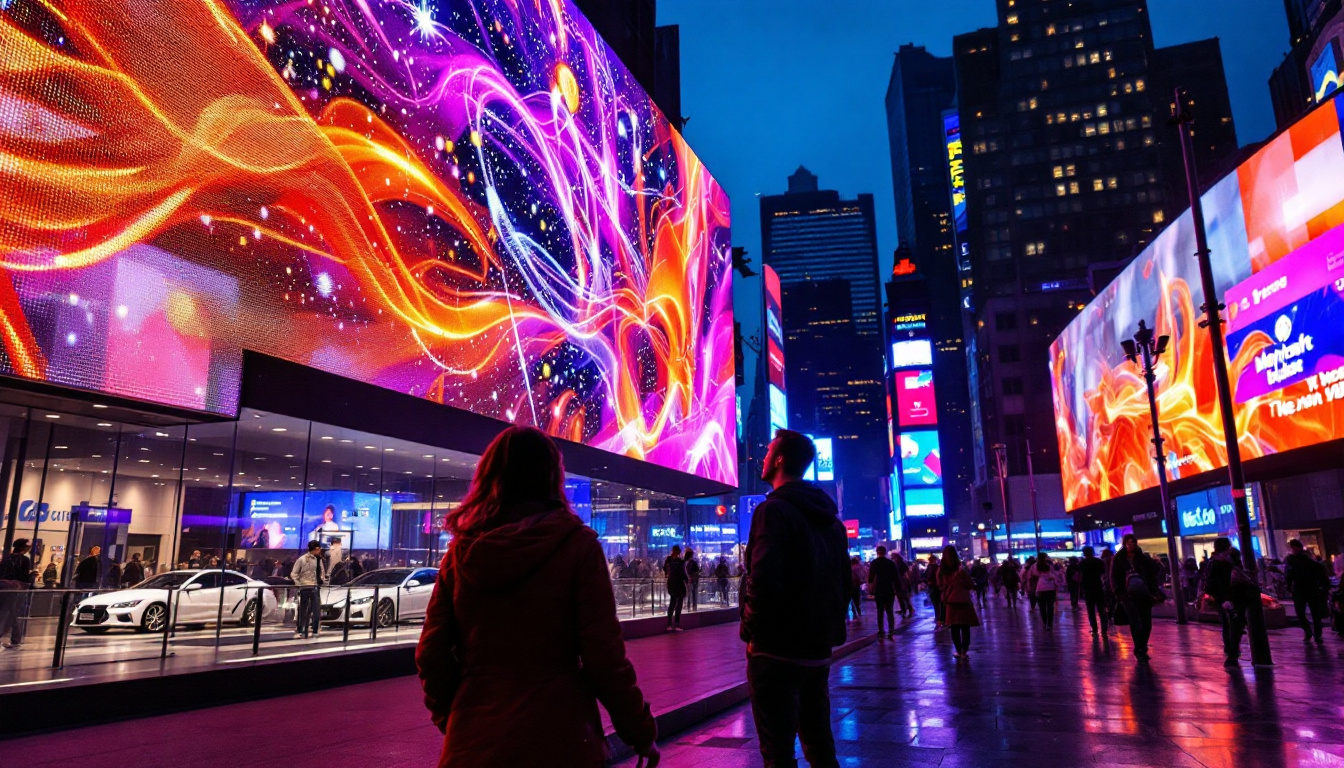
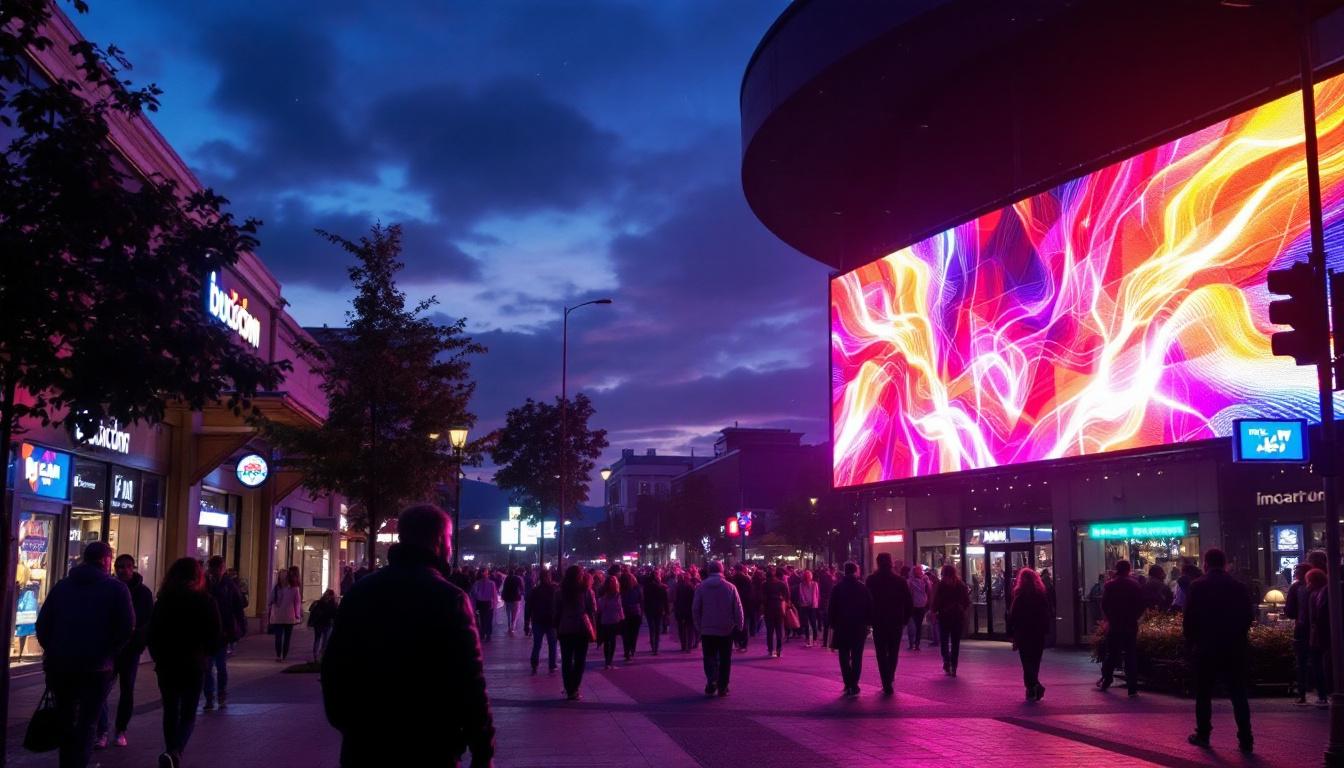
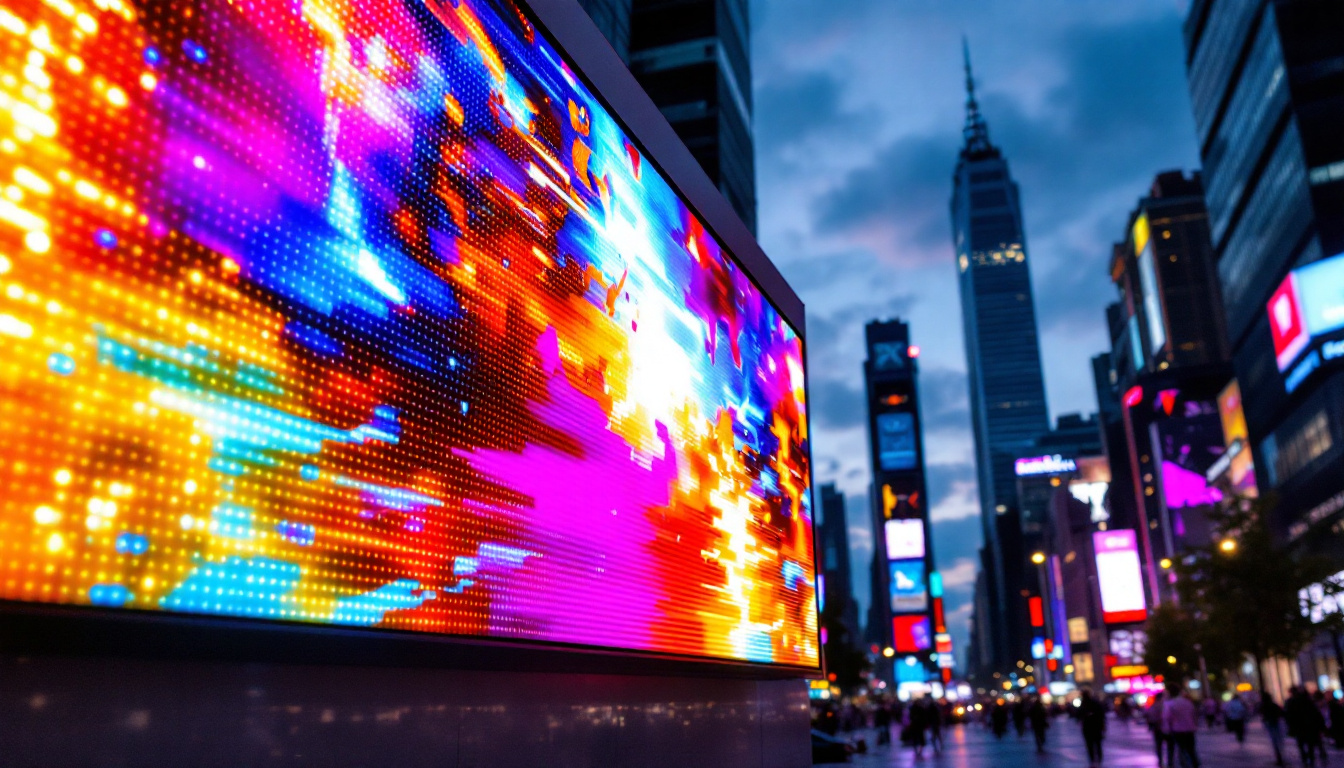
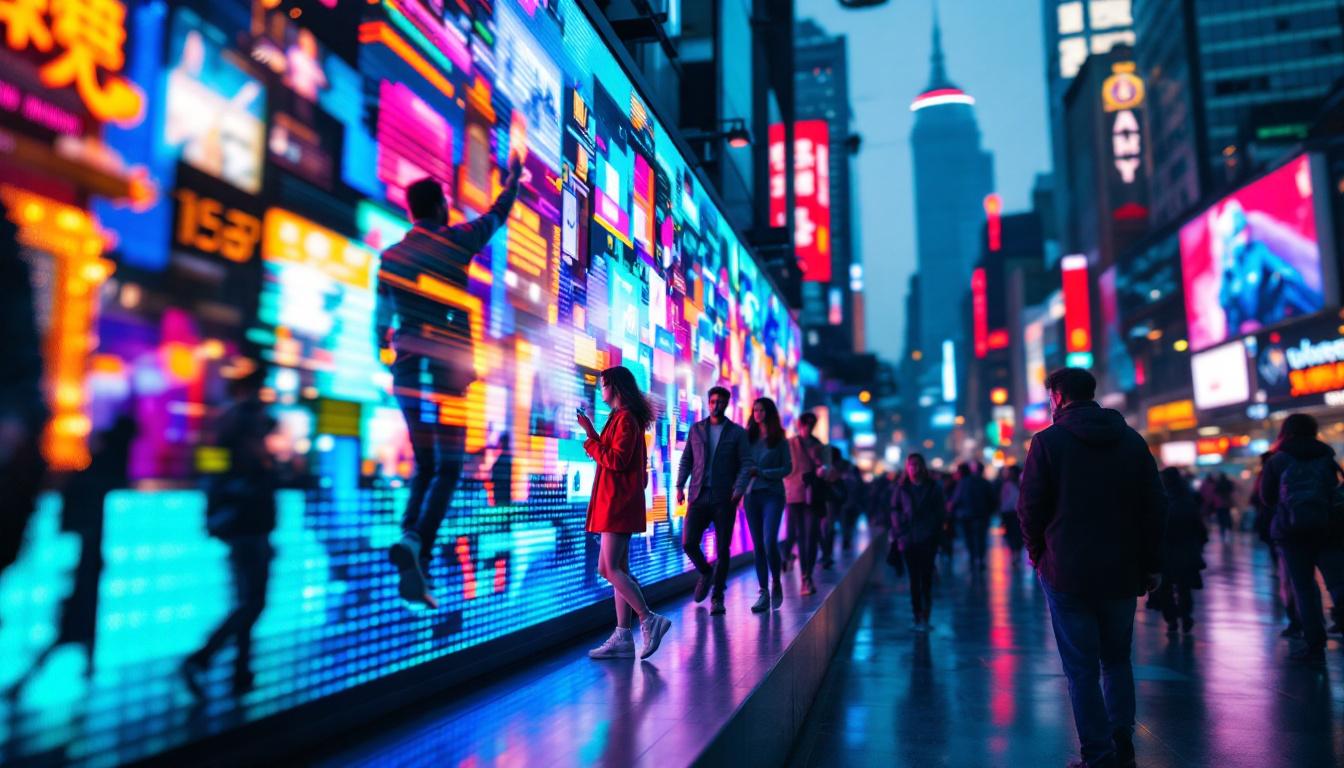
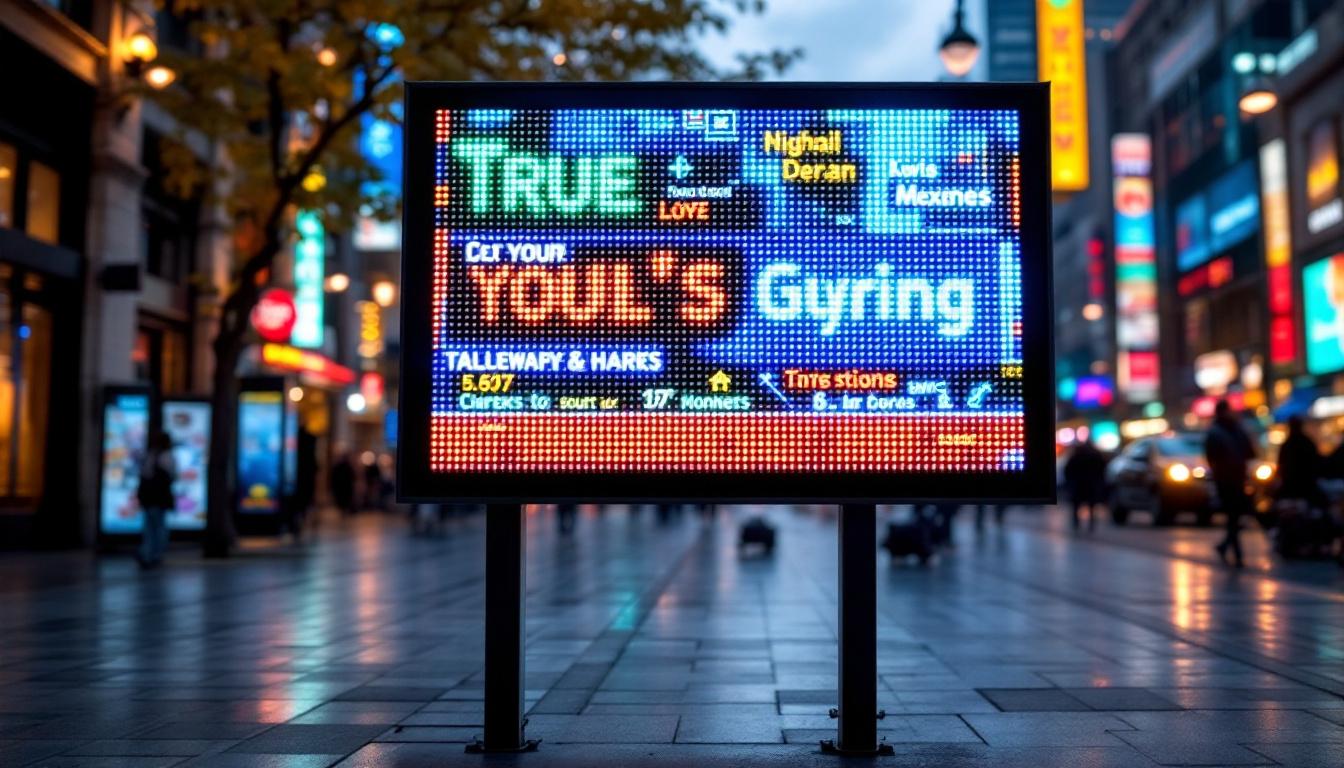
Airports, train stations, and city centers utilize LED media walls for wayfinding, advertising, and public information. Their brightness and durability make them ideal for high-traffic areas where visibility and reliability are paramount.
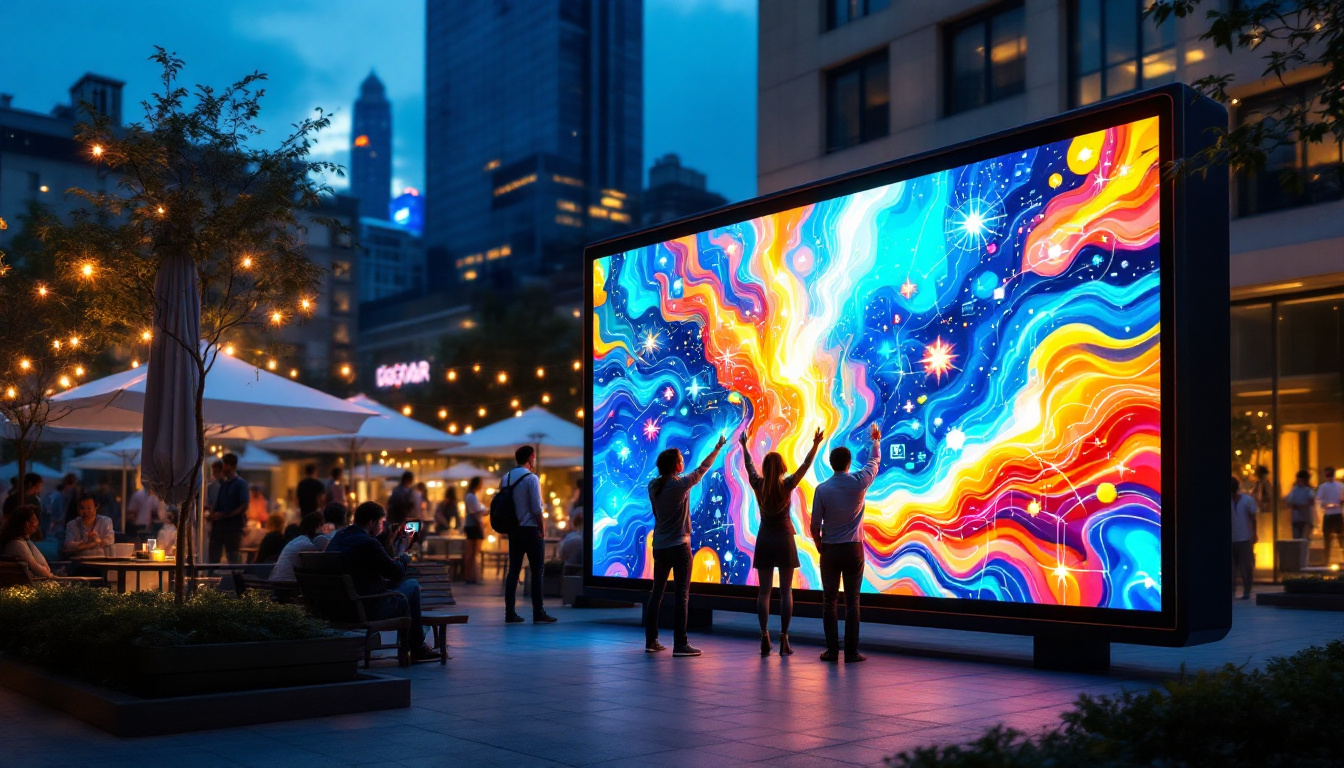
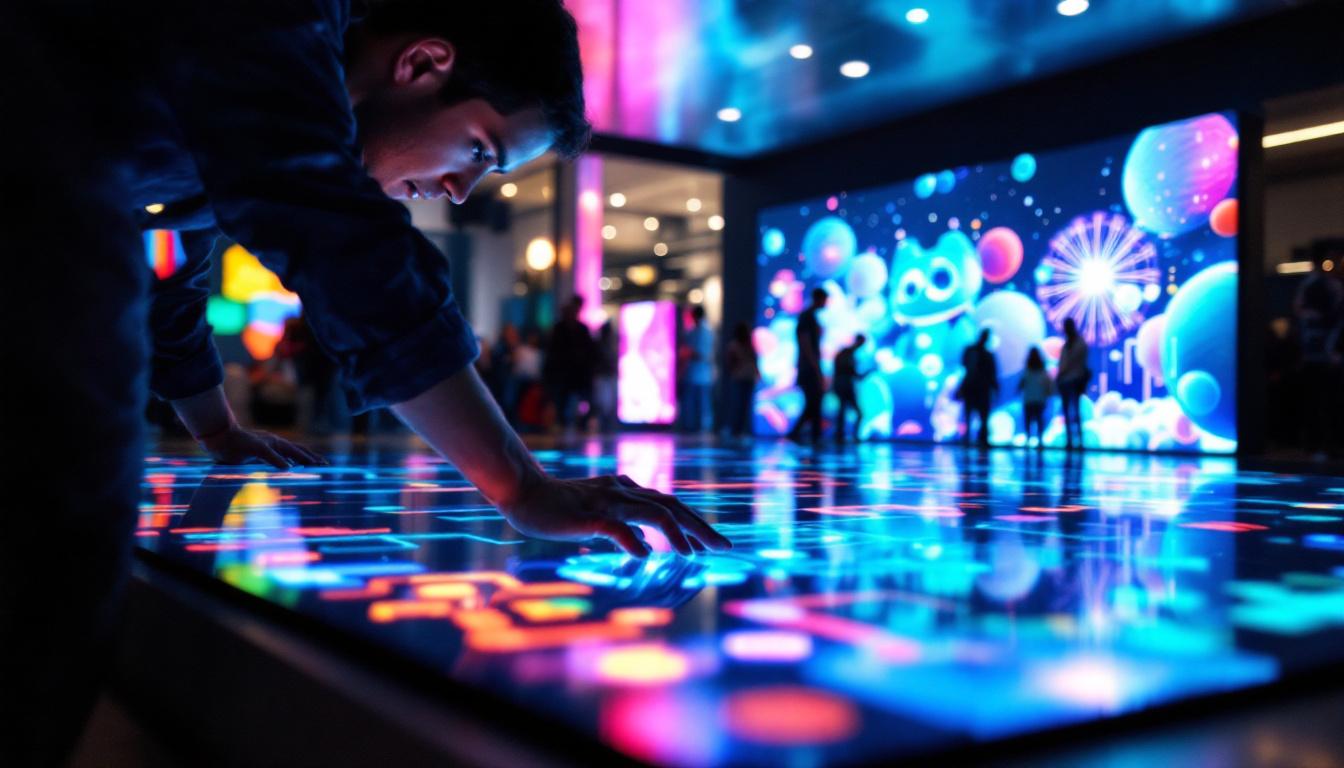
Moreover, LED walls in public spaces often integrate interactive elements, such as touchscreens or motion sensors, to engage passersby and provide real-time updates or entertainment.
Design Considerations for Effective Media Walls
Location and Viewing Distance
One of the most critical factors in media wall design is the viewing distance. The pixel pitch must be chosen based on how close or far the audience will be from the display. For example, a media wall in a corporate lobby where viewers stand within a few feet requires a pixel pitch of 1.5mm to 2.5mm for sharp images. Conversely, outdoor billboards viewed from hundreds of feet away can use larger pixel pitches, such as 10mm or more.
Content Strategy and Resolution
The content displayed on media walls should be tailored to the resolution and aspect ratio of the LED panels. High-resolution content ensures that images and videos appear crisp and professional. Content strategy must also consider the duration, frequency, and type of visuals to maintain audience interest and avoid fatigue.
Dynamic content, including animations and live feeds, can maximize the impact of the media wall. However, designers must balance motion and static elements to prevent distraction or overwhelm.
Structural and Environmental Factors
Media walls require robust structural support, especially for large installations. The weight of LED panels, electrical components, and mounting hardware must be accounted for in building design or temporary setups.
Environmental conditions such as temperature, humidity, and exposure to sunlight or rain influence the choice of LED modules. Outdoor media walls need weatherproofing and cooling systems to maintain performance and longevity.
Power and Connectivity
LED media walls consume significant power, particularly those with high brightness and large surface areas. Efficient power management and backup systems are essential to ensure uninterrupted operation.
Connectivity options, including wired and wireless networks, enable content updates and remote control. Modern media walls often integrate with content management systems (CMS) for seamless scheduling and monitoring.
Installation and Maintenance
Modular Design and Installation Process
Most LED media walls are built from modular panels that can be assembled on-site. This modularity simplifies transportation, installation, and future upgrades. Panels typically snap or bolt together, with precise alignment mechanisms to ensure seamless image display.
Installation requires skilled technicians to handle electrical connections, calibration, and testing. Proper installation is crucial for optimal performance and safety compliance.
Maintenance and Troubleshooting
Regular maintenance includes cleaning the LED surface, inspecting electrical connections, and monitoring performance metrics. Dust and debris can reduce brightness and cause hotspots, so periodic cleaning is necessary.
Advanced LED displays incorporate diagnostic tools that alert operators to pixel failures or power issues. Prompt troubleshooting minimizes downtime and extends the lifespan of the media wall.
Future Trends in LED Media Wall Design
MicroLED and MiniLED Technologies
Emerging technologies like MicroLED and MiniLED promise even higher resolution, brightness, and energy efficiency. MicroLEDs, with their microscopic size, enable ultra-fine pixel pitches below 1mm, suitable for close viewing applications such as control rooms and luxury retail.
MiniLEDs offer improved local dimming capabilities, enhancing contrast ratios and color accuracy. These advancements are expected to redefine media wall quality and versatility.
Interactive and Immersive Experiences
Integration of sensors, augmented reality (AR), and artificial intelligence (AI) is transforming media walls from passive displays into interactive platforms. Gesture recognition, facial tracking, and personalized content delivery create immersive user experiences that engage audiences on a deeper level.
Such innovations are particularly relevant in retail, museums, and public installations, where interactivity can drive engagement and data collection.
Sustainability and Energy Efficiency
As environmental concerns grow, manufacturers and designers are prioritizing energy-efficient LED modules and recyclable materials. Advances in power management and heat dissipation reduce operational costs and carbon footprints.
Designers are also exploring solar-powered media walls and smart lighting controls to further enhance sustainability without compromising visual impact.
Conclusion
LED media walls represent a convergence of cutting-edge technology and creative design, offering unparalleled opportunities for visual communication across industries. Understanding the technical aspects, applications, and design considerations is essential for creating impactful and reliable installations.
As LED technology continues to advance, media walls will become more immersive, interactive, and sustainable, shaping the future of digital engagement in public and private spaces alike.
Explore Cutting-Edge LED Solutions with LumenMatrix
Ready to elevate your space with the latest in LED display technology? Discover the innovative solutions that LumenMatrix offers, from vibrant Indoor and Outdoor LED Wall Displays to dynamic Vehicle and Sports LED Displays. Whether you’re looking to create an immersive Floor LED Display, a Custom LED Display tailored to your unique needs, or seeking the simplicity of an All-in-One LED Display, LumenMatrix has the expertise to bring your vision to life. Experience the future of visual engagement with our LED Transparent Displays and revolutionize how you communicate with your audience. Check out LumenMatrix LED Display Solutions today and transform your visual communication strategy.