In today’s digital age, flat screen TVs have become a staple in households worldwide. Among the various types available, LED TVs stand out for their vibrant displays and energy efficiency. This article delves into the technology behind LED displays, explaining how they work, their advantages, and what consumers should know when choosing a flat screen TV.
Understanding LED Display Technology
LED, or Light Emitting Diode, technology is a type of display used in flat screen TVs that has revolutionized the way images are presented on screens. Unlike older CRT (Cathode Ray Tube) televisions, LED TVs use a flat panel display that is both thinner and lighter, making them ideal for modern living spaces.
At its core, an LED TV is an LCD (Liquid Crystal Display) television that uses LEDs as a backlight instead of the traditional cold cathode fluorescent lamps (CCFLs). This subtle shift in backlighting technology has significant implications for picture quality, energy consumption, and design. The transition to LED technology has not only enhanced the viewing experience but has also contributed to a more energy-efficient world, as LED displays consume less power compared to their predecessors, thus reducing electricity bills and environmental impact.
How LED Backlighting Works
The LCD panel itself does not emit light. Instead, it manipulates light passing through it to create images. The LEDs positioned behind or along the edges of the screen serve as the light source. When the TV is turned on, these LEDs illuminate the liquid crystals, which then adjust to block or allow light to pass through colored filters, producing the images seen on the screen. This intricate process allows for a wide range of colors and sharpness, making LED TVs a popular choice for both casual viewers and cinephiles alike.
There are two main types of LED backlighting: edge-lit and full-array. Edge-lit LED TVs place LEDs along the edges of the screen, allowing for thinner designs but sometimes sacrificing uniformity in brightness. Full-array LED TVs, on the other hand, have LEDs distributed evenly behind the screen, offering better contrast and brightness control through local dimming. This means that in scenes with both bright and dark elements, full-array TVs can dim specific areas of the screen while keeping others bright, enhancing the overall visual experience.
Types of LED Displays
Within LED technology, several variations exist that influence display quality and price. These include:
- Standard LED: Uses white LEDs for backlighting. It delivers good brightness and color but may lack the depth of more advanced models.
- RGB LED: Employs red, green, and blue LEDs to produce more accurate and vibrant colors but is generally more expensive.
- Mini-LED: Utilizes thousands of tiny LEDs for backlighting, allowing for finer local dimming zones and improved contrast ratios. This technology is particularly beneficial for HDR (High Dynamic Range) content, where the difference between the darkest and lightest parts of an image is more pronounced.
- Micro-LED: An emerging technology where individual LEDs form each pixel, offering exceptional brightness, contrast, and longevity without the need for a backlight. Micro-LED displays promise to deliver stunning visuals with incredible detail, making them a potential game-changer in the world of high-end televisions.
As the technology continues to evolve, the market is witnessing a surge in innovative features such as higher refresh rates, enhanced color accuracy, and even integration with smart home systems. These advancements not only improve the viewing experience but also cater to the growing demand for interactive and immersive entertainment options. With the rise of streaming services and gaming, LED display technology is poised to play a crucial role in shaping the future of home entertainment.
Advantages of LED TVs Over Other Display Types
LED TVs have become the preferred choice for many consumers due to their numerous benefits compared to older technologies like plasma and CCFL-backlit LCDs.
Energy Efficiency and Environmental Impact
One of the most significant advantages of LED TVs is their energy efficiency. LEDs consume less power than CCFL backlights and plasma displays, which translates to lower electricity bills and a reduced carbon footprint. According to the U.S. Department of Energy, LED-backlit LCD TVs can use up to 40% less energy than comparable CCFL-backlit models.
This efficiency is particularly important as TVs become larger and more common in households. Choosing an LED TV helps reduce environmental impact while maintaining high performance. Furthermore, many manufacturers are now focusing on sustainable practices, such as using recyclable materials in their products and packaging. This shift not only contributes to a greener planet but also appeals to environmentally conscious consumers who are looking for eco-friendly options in their electronics.
Improved Picture Quality
LED backlighting allows for better control of brightness and contrast. Full-array LED TVs with local dimming can turn off LEDs in dark areas of the screen, resulting in deeper blacks and more vibrant colors. This capability enhances the viewing experience, especially when watching high-definition or HDR (High Dynamic Range) content.
Additionally, LED TVs generally offer higher brightness levels than plasma or CCFL TVs, making them better suited for viewing in well-lit rooms. The advancements in technology have also led to features like wide color gamut and enhanced motion handling, which further elevate picture quality. As a result, viewers can enjoy a more immersive experience, whether they are watching movies, playing video games, or streaming their favorite shows.
Design and Durability
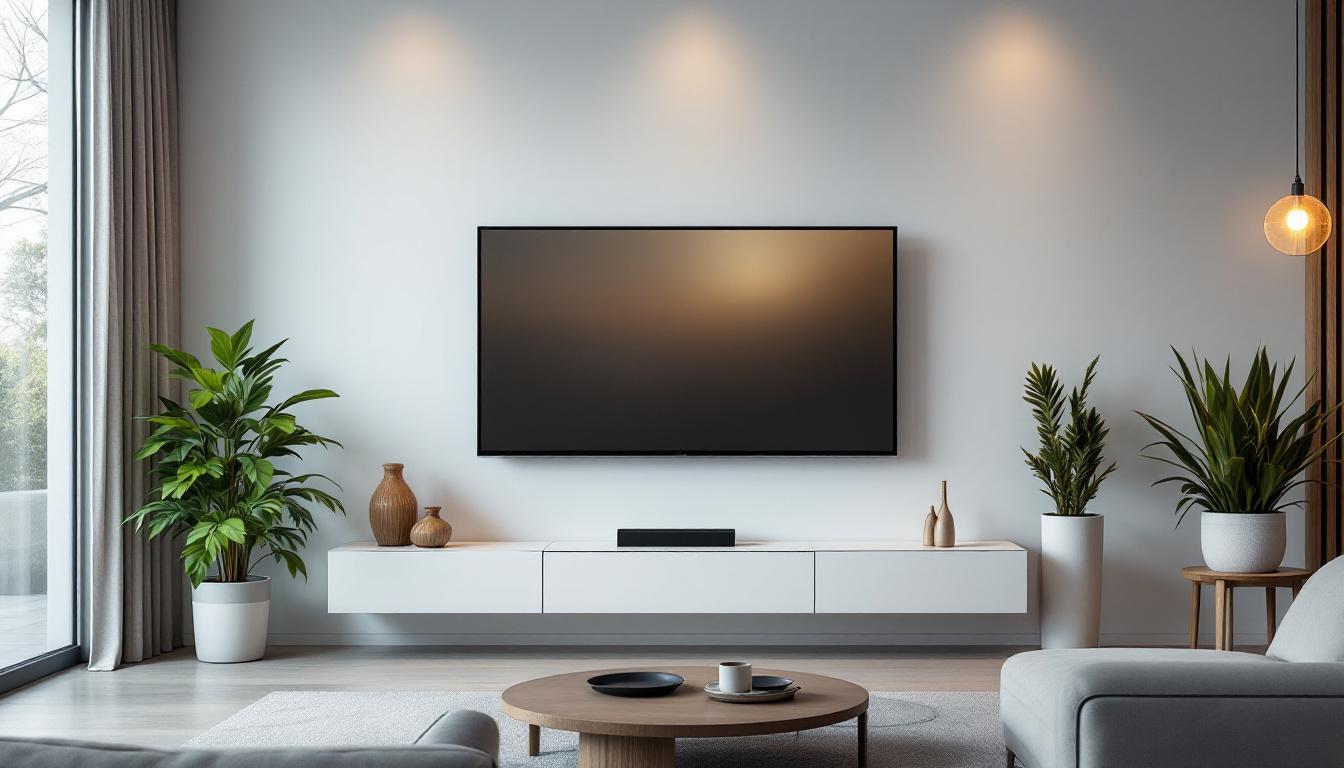
LED TVs are thinner and lighter than their predecessors, allowing for sleek designs that can easily be mounted on walls. Their durability is also notable; LEDs have a longer lifespan and are less prone to screen burn-in compared to plasma displays.
Moreover, the modern aesthetic of LED TVs complements contemporary home decor, making them an attractive addition to any living space. With options for ultra-slim bezels and various screen sizes, consumers can choose models that fit perfectly into their desired setup. Additionally, many LED TVs come equipped with smart technology, offering built-in streaming services and connectivity options that enhance their functionality. This integration of design and technology not only improves user experience but also ensures that LED TVs remain relevant in an ever-evolving digital landscape.
What to Look for When Choosing an LED Flat Screen TV
With so many options available, selecting the right LED TV can be overwhelming. Understanding key features and specifications can help consumers make informed decisions.
Screen Size and Resolution
Screen size is often the first consideration. Larger screens provide a more immersive experience but require more space and a higher budget. Common sizes range from 32 inches for smaller rooms to 75 inches or more for home theaters.
Resolution is equally important. Full HD (1080p) is standard for many TVs, but 4K Ultra HD (2160p) is becoming the norm, offering four times the pixel count of 1080p. For the sharpest images and future-proofing, 4K is recommended, especially on screens 50 inches and larger.
HDR Compatibility
HDR enhances the contrast and color range of the TV, making images appear more lifelike. Look for TVs that support popular HDR formats like HDR10, Dolby Vision, or HLG (Hybrid Log-Gamma) to enjoy the best possible picture quality from streaming services and Blu-ray discs.
Refresh Rate and Motion Handling
The refresh rate, measured in hertz (Hz), indicates how many times the image on the screen is updated per second. A higher refresh rate (120Hz or more) results in smoother motion, which is beneficial for watching sports, action movies, or gaming.
Smart TV Features
Most modern LED TVs come equipped with smart functionality, allowing users to stream content from popular platforms like Netflix, Amazon Prime Video, and YouTube. Consider the user interface, app availability, and voice control options when choosing a smart TV.
Connectivity Options
Ensure the TV has sufficient HDMI ports, USB inputs, and support for Wi-Fi or Ethernet connections. These features enable connection to gaming consoles, soundbars, external drives, and home networks.
Common Misconceptions About LED TVs
Despite their popularity, some misunderstandings about LED TVs persist.
LED TVs Are Not OLED
While LED TVs use LED backlighting for LCD panels, OLED (Organic Light Emitting Diode) TVs function differently. OLED pixels emit their own light, allowing for perfect blacks and superior contrast. LED TVs, even with local dimming, cannot achieve the same level of black depth as OLEDs. However, OLEDs are typically more expensive and can be less bright in well-lit environments.
LED TVs Are Not Just “LED Lights”
Sometimes, people assume that LED TVs are simply LCD TVs with LED lights attached. In reality, the LED backlighting system is integrated into the TV’s design and significantly influences picture quality and energy consumption.
Future Trends in LED TV Technology
The LED TV market continues to evolve rapidly, driven by consumer demand for better picture quality and smarter features.
Mini-LED and Micro-LED Advancements
Mini-LED technology is gaining traction in premium TVs, offering thousands of tiny LEDs that enable more precise local dimming and improved contrast. This technology bridges the gap between traditional LED and OLED displays by delivering better black levels without the risk of burn-in.
Micro-LED displays, though currently expensive and limited in availability, represent the next frontier. By using microscopic LEDs as individual pixels, these TVs promise unparalleled brightness, color accuracy, and durability.
Integration with Smart Home Ecosystems
LED TVs are increasingly becoming central hubs in smart homes. Integration with voice assistants like Amazon Alexa, Google Assistant, and Apple HomeKit allows for seamless control of entertainment and connected devices.
Enhanced Gaming Features
With the rise of next-generation gaming consoles, LED TVs are incorporating features such as variable refresh rates (VRR), auto low latency mode (ALLM), and HDMI 2.1 support to deliver smoother and more responsive gaming experiences.
Conclusion
LED flat screen TVs have transformed home entertainment by combining advanced lighting technology with sleek design and energy efficiency. Understanding how LED displays work and what to look for when purchasing a TV can help consumers select the best model for their needs. As technology progresses, innovations like mini-LED and micro-LED promise even more impressive viewing experiences in the near future.
Whether upgrading an existing setup or buying a TV for the first time, knowledge of LED display technology empowers buyers to make informed choices that enhance their enjoyment of movies, sports, gaming, and everyday viewing.
Discover the Future of Visual Entertainment with LumenMatrix
As you consider upgrading to the latest in LED display technology, let LumenMatrix guide you through a world where innovation meets visual splendor. Our extensive range of LED display solutions, from Indoor and Outdoor LED Walls to Custom and All-in-One LED Displays, is designed to bring your viewing experience to life. Whether you’re looking to captivate your audience with a Floor LED Display or enhance your sports events with our LED Sports Display, LumenMatrix is committed to revolutionizing visual communication. Check out LumenMatrix LED Display Solutions today and step into the future of vibrant, energy-efficient entertainment.