In the world of digital displays, understanding the underlying technology and connections is crucial for engineers, designers, and tech enthusiasts alike. DisplayPort, a widely adopted digital display interface, plays a pivotal role in transmitting video and audio signals from a source to a display device. When combined with LED display technology, it offers high-quality visuals with remarkable efficiency. This article delves into the schematics of DisplayPort interfaces and explains how they interact with LED displays, providing a comprehensive guide to the technology behind modern digital screens.
Introduction to DisplayPort Technology
DisplayPort is a digital display interface developed by the Video Electronics Standards Association (VESA) in 2006. It was designed to replace older interfaces like VGA and DVI, offering higher bandwidth, better resolution support, and greater versatility. Today, DisplayPort is commonly found in computers, monitors, laptops, and even some high-end televisions. Its robust design allows it to support advanced features such as high dynamic range (HDR) and variable refresh rates, making it an essential choice for gamers and professionals alike.
One of the key advantages of DisplayPort is its ability to support multiple video streams through a single connector, known as Multi-Stream Transport (MST). This capability enables daisy-chaining monitors or driving multiple displays from one source, which is invaluable for professional setups and gaming environments. For instance, a graphic designer can connect multiple high-resolution monitors to enhance productivity, while gamers can benefit from immersive multi-display configurations that create a wider field of view, enhancing the overall gaming experience.
DisplayPort Versions and Bandwidth
Since its inception, DisplayPort has evolved through several versions, each increasing bandwidth and feature support. The most relevant versions currently in use include:
- DisplayPort 1.2: Offers up to 17.28 Gbps bandwidth, supporting 4K resolution at 60 Hz.
- DisplayPort 1.3: Increases bandwidth to 32.4 Gbps, enabling 5K resolution at 60 Hz or 4K at 120 Hz.
- DisplayPort 1.4: Maintains 32.4 Gbps but adds Display Stream Compression (DSC) to support 8K resolution at 60 Hz.
- DisplayPort 2.0: The latest standard, offering up to 80 Gbps, designed for 16K resolution and beyond.
These advancements ensure that DisplayPort remains at the forefront of display technology, capable of handling the demands of modern LED displays. Additionally, the inclusion of features like Adaptive Sync in newer versions helps to eliminate screen tearing and stuttering, providing a smoother visual experience for gamers. As the industry continues to push for higher resolutions and refresh rates, DisplayPort’s ongoing development is crucial in meeting the needs of both consumers and professionals who rely on cutting-edge display technology.
Moreover, DisplayPort’s versatility extends beyond just video. It also supports audio transmission, allowing for high-quality sound to accompany the visual experience. This dual capability simplifies connections by reducing the number of cables needed, making setups cleaner and more efficient. Furthermore, with the rise of virtual reality (VR) and augmented reality (AR), DisplayPort’s ability to deliver high frame rates and low latency is becoming increasingly important, as these technologies demand the best possible performance to deliver immersive experiences.
Understanding LED Display Technology
LED displays have revolutionized the way images and videos are presented, offering bright, energy-efficient, and long-lasting screens. Unlike traditional LCDs that use fluorescent backlights, LED displays utilize light-emitting diodes to illuminate pixels directly or as a backlight source.
Types of LED Displays
LED displays can generally be categorized into two types:
- Direct View LED (DVLED): These displays consist of individual LEDs that form each pixel. They are commonly used in large outdoor screens, stadium displays, and digital billboards due to their high brightness and scalability.
- LED-backlit LCD: This is the more common type found in consumer monitors and TVs, where LEDs serve as the backlight behind an LCD panel, enhancing brightness and color accuracy.
Understanding these distinctions is essential when discussing how DisplayPort interfaces with LED technology, as the signal requirements and schematics differ.
Key Advantages of LED Displays
LED displays offer several benefits that have made them the preferred choice for many applications:
- High Brightness and Contrast: LEDs can achieve higher brightness levels and deeper blacks, improving image quality.
- Energy Efficiency: LEDs consume less power compared to traditional backlighting methods.
- Long Lifespan: LEDs have a longer operational life, reducing maintenance costs.
- Thin and Lightweight Design: This allows for sleek monitors and flexible display installations.
DisplayPort Schematics: How Signals Are Transmitted to LED Displays
To fully grasp how DisplayPort interfaces with LED displays, it’s important to understand the schematic design of the DisplayPort connection and the nature of the signals involved. DisplayPort transmits digital video and audio data using high-speed differential signaling, which minimizes electromagnetic interference and ensures signal integrity over longer cable lengths.
Physical Layer and Connector Pinout
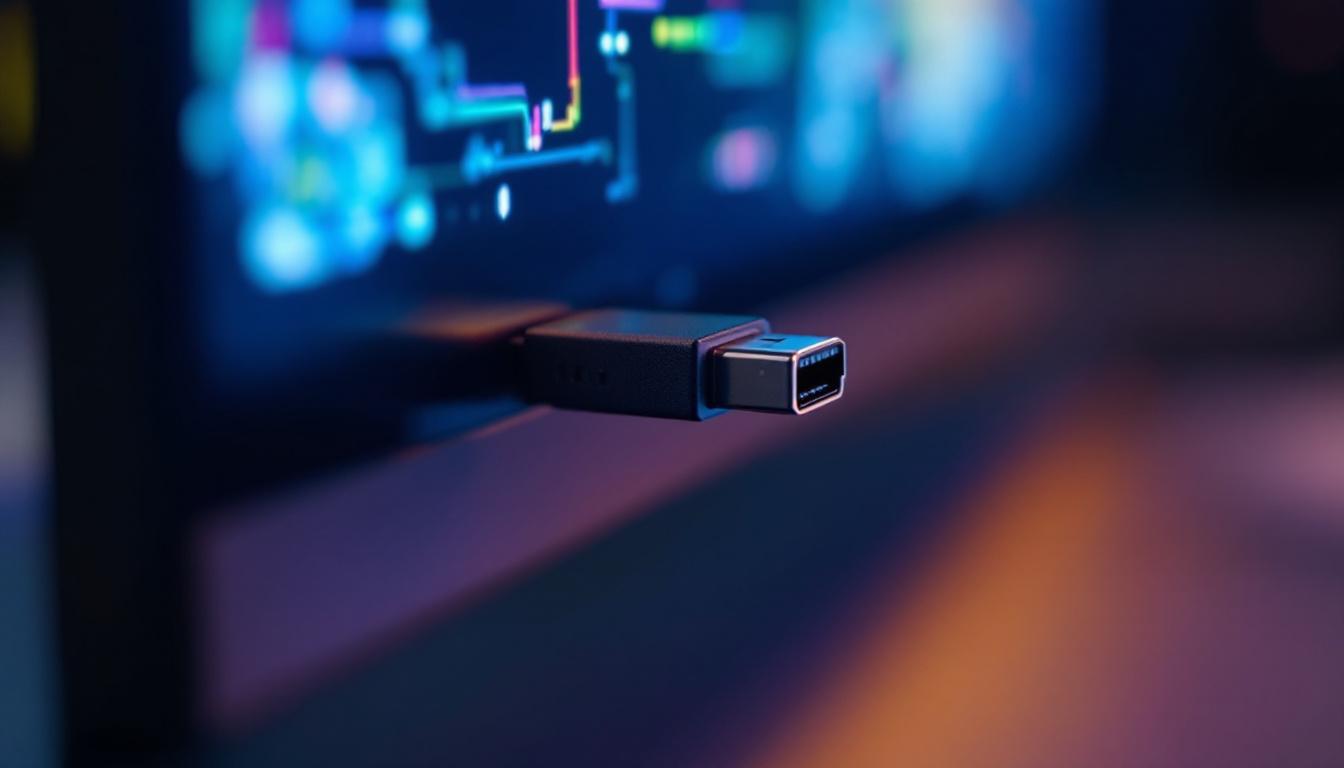
The DisplayPort connector typically features 20 pins, each serving specific functions:
- Main Lanes (Lane 0 to Lane 3): Four differential pairs carry the video and audio data streams.
- Auxiliary Channel (AUX CH): A low-speed differential pair used for link management and device control.
- Hot Plug Detect (HPD): A signal line that notifies the source device when a display is connected or disconnected.
- Power and Ground Pins: Provide power to the connected device and establish a common ground reference.
These pins work together to establish and maintain a robust communication link between the source and the LED display.
Data Transmission and Encoding
DisplayPort uses a packetized data transmission method, where video, audio, and auxiliary data are sent in structured packets. The main lanes transmit data encoded using 8b/10b encoding in earlier versions and 128b/132b encoding in DisplayPort 1.3 and later, improving efficiency and reducing overhead.
The AUX channel manages link training, device configuration, and error reporting. Link training is particularly important as it ensures the source and display synchronize their data rates and voltage levels for optimal performance.
Integration with LED Display Drivers
Once the DisplayPort signal reaches the LED display, it is processed by the display’s internal driver electronics. For LED-backlit LCDs, the driver converts the digital video data into signals that control the LCD pixels and LED backlighting. In direct view LED displays, the driver circuitry maps the incoming video data to the corresponding LED pixels, controlling brightness and color intensity.
This conversion and control process is critical for maintaining image fidelity and ensuring that the display performs according to its specifications.
Common Challenges and Solutions in DisplayPort to LED Display Integration
Despite its advantages, integrating DisplayPort with LED displays can present challenges, especially in complex or large-scale installations. Understanding these issues helps in designing more reliable systems.
Signal Integrity and Cable Length Limitations
DisplayPort signals are high-frequency and sensitive to interference. Over long cable runs, signal degradation can occur, leading to data errors or loss of synchronization. This is particularly relevant in large venues using direct view LED walls, where cables may span tens of meters.
To mitigate this, active cables with built-in signal boosters, optical DisplayPort cables, or repeaters are often employed. Additionally, careful shielding and cable management practices help maintain signal quality.
Compatibility and Version Mismatches
DisplayPort devices must negotiate the highest common version supported during link training. If the source supports DisplayPort 1.4 but the LED display only supports 1.2, the connection will fall back to the lower standard, limiting resolution or refresh rates.
Ensuring that both source and display firmware are up-to-date and compatible is essential. Some professional LED displays include firmware that supports multiple DisplayPort versions to maximize compatibility.
Power Delivery and Connector Reliability
DisplayPort connectors provide a limited amount of power, mainly for auxiliary functions. However, LED displays, especially large direct view LED walls, require significant power for the LEDs themselves. This power is supplied separately from the DisplayPort interface, necessitating careful power supply design and management.
Connector durability is also crucial, as frequent plugging and unplugging can lead to mechanical wear. High-quality connectors and locking mechanisms help maintain reliable connections over time.
Future Trends in DisplayPort and LED Display Technologies
As display technology continues to evolve, DisplayPort and LED displays are poised to benefit from several emerging trends and innovations.
Higher Resolutions and Refresh Rates
The push toward 8K and beyond is driving the development of DisplayPort 2.0 and advanced LED panels capable of ultra-high resolutions and refresh rates exceeding 120 Hz. These improvements will enhance applications such as virtual reality, professional content creation, and immersive gaming.
Improved Compression Techniques
Display Stream Compression (DSC) allows for visually lossless compression of video data, enabling higher resolutions and frame rates without increasing bandwidth requirements. This technology is becoming a standard feature in DisplayPort interfaces, facilitating more efficient transmission to LED displays.
Integration with USB-C and Thunderbolt
DisplayPort signals are increasingly being transmitted over USB-C and Thunderbolt connectors, simplifying connectivity and enabling multi-function ports that handle data, video, and power simultaneously. This integration is particularly beneficial for mobile devices and compact computing systems.
Advancements in MicroLED Technology
MicroLED, a next-generation LED display technology, promises even higher brightness, contrast, and energy efficiency with smaller pixel sizes. As MicroLED panels become more widespread, DisplayPort interfaces will need to adapt to support their unique data and control requirements.
Conclusion
DisplayPort schematics and LED display technology together form the backbone of modern digital visual experiences. Understanding the intricacies of DisplayPort’s signal transmission, connector design, and integration with LED displays is essential for professionals working in display engineering, system integration, and digital signage.
As technology advances, the synergy between DisplayPort and LED displays will continue to deliver richer, more immersive visuals across a wide range of applications—from desktop monitors to massive outdoor video walls. Staying informed about the latest standards, challenges, and innovations ensures optimal design and performance in this dynamic field.
Explore Cutting-Edge LED Display Solutions with LumenMatrix
Ready to elevate your visual experience with the latest in LED display technology? LumenMatrix is at the forefront of innovation, offering a diverse range of LED display modules designed to bring your brand to life. From captivating Indoor and Outdoor LED Wall Displays to dynamic Vehicle and Sports LED Displays, our solutions are tailored to create immersive environments that engage and inspire. Discover the transformative power of our LED Poster Displays, Floor LED Displays, Custom LED Solutions, All-in-One LED Displays, and LED Transparent Displays. Embrace the future of visual communication with LumenMatrix and make a lasting impression. Check out LumenMatrix LED Display Solutions today and see your vision come to life.