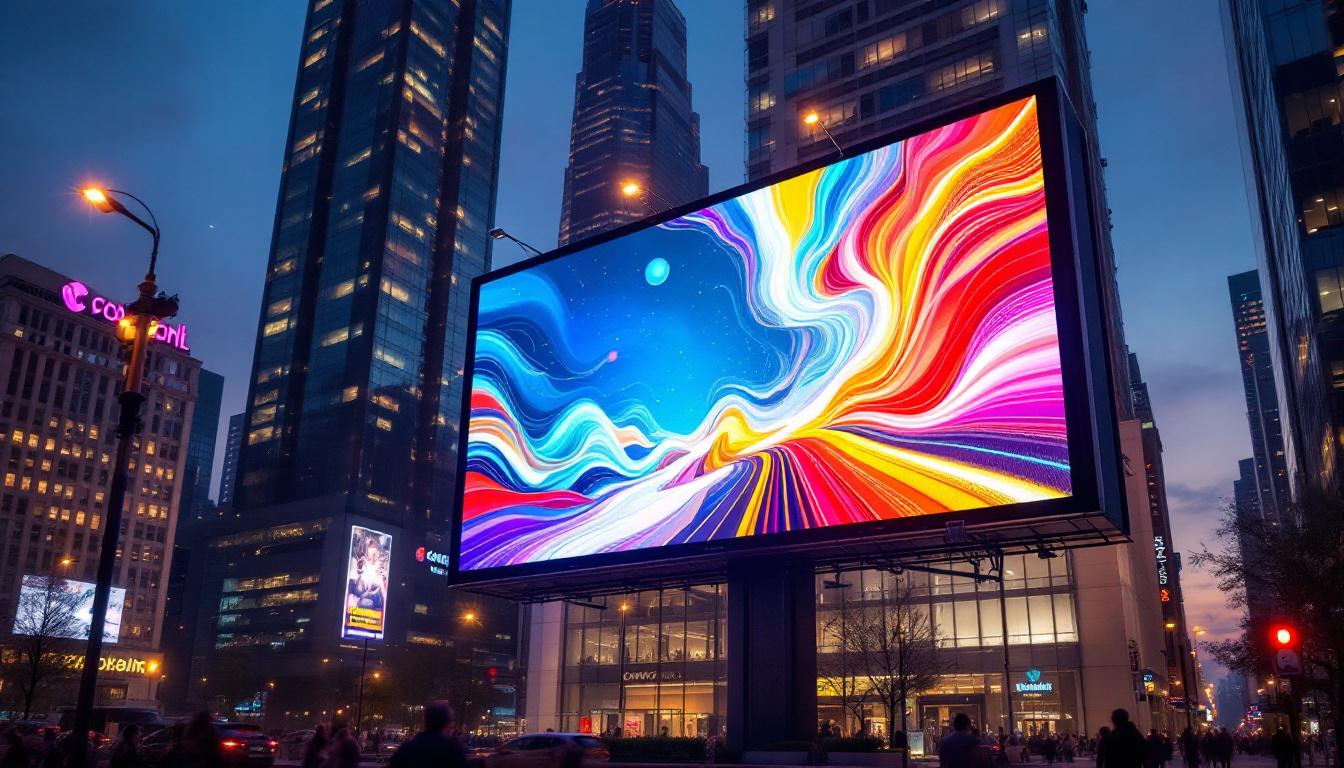
Outdoor entertainment and events have seen a remarkable transformation over the past decade, largely due to advancements in display technology. Among the most significant innovations is the rise of large LED displays as alternatives to traditional projector screens. Whether for concerts, sports events, movie nights, or corporate gatherings, LED screens have become the go-to solution for delivering bright, vibrant visuals in outdoor environments.
This article explores the technology behind large outdoor LED displays, compares them with traditional projector screens, and offers insights into why LED is rapidly becoming the preferred choice for outdoor large-format visuals.
Understanding Large Outdoor LED Displays
What Is an LED Display?
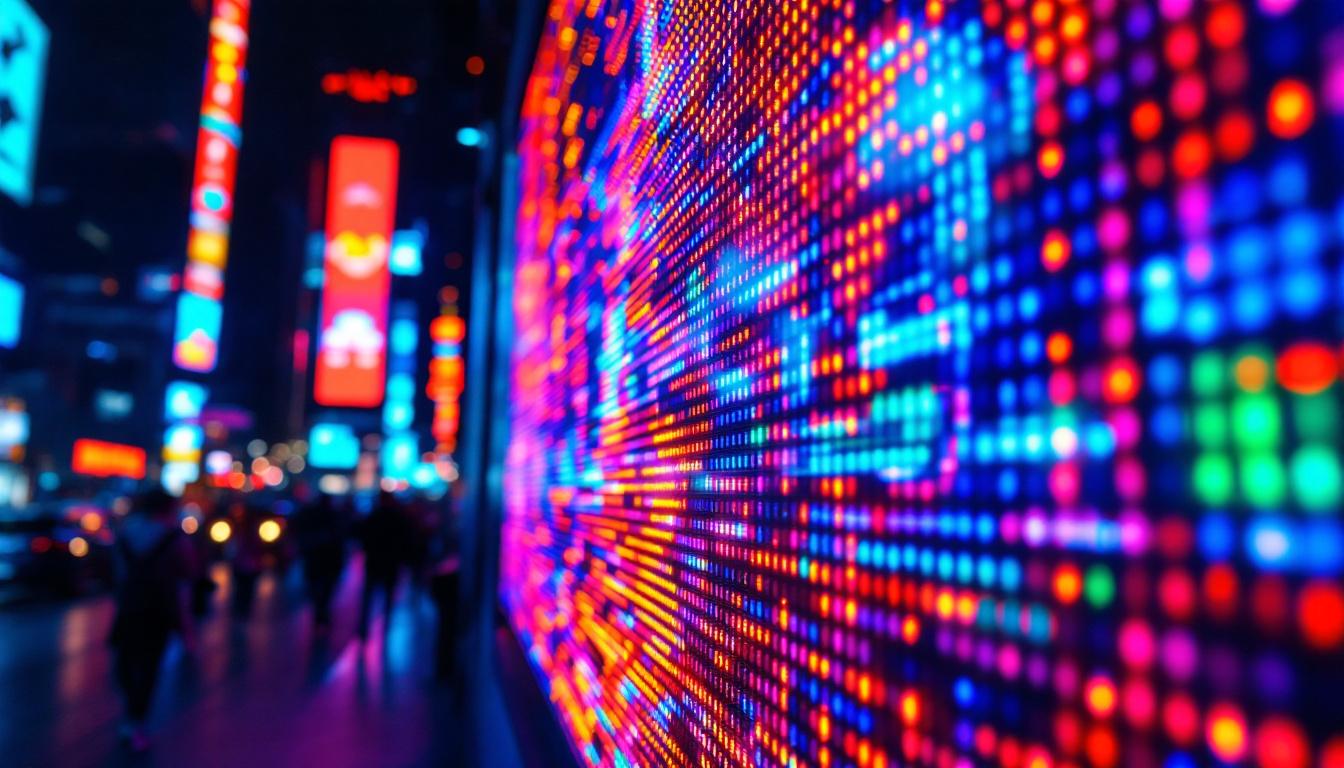
LED stands for Light Emitting Diode, a semiconductor device that emits light when an electric current passes through it. Large outdoor LED displays are composed of thousands of tiny LEDs arranged in a matrix to form a screen. Each LED acts as a pixel, producing red, green, and blue light components that combine to create full-color images and videos.
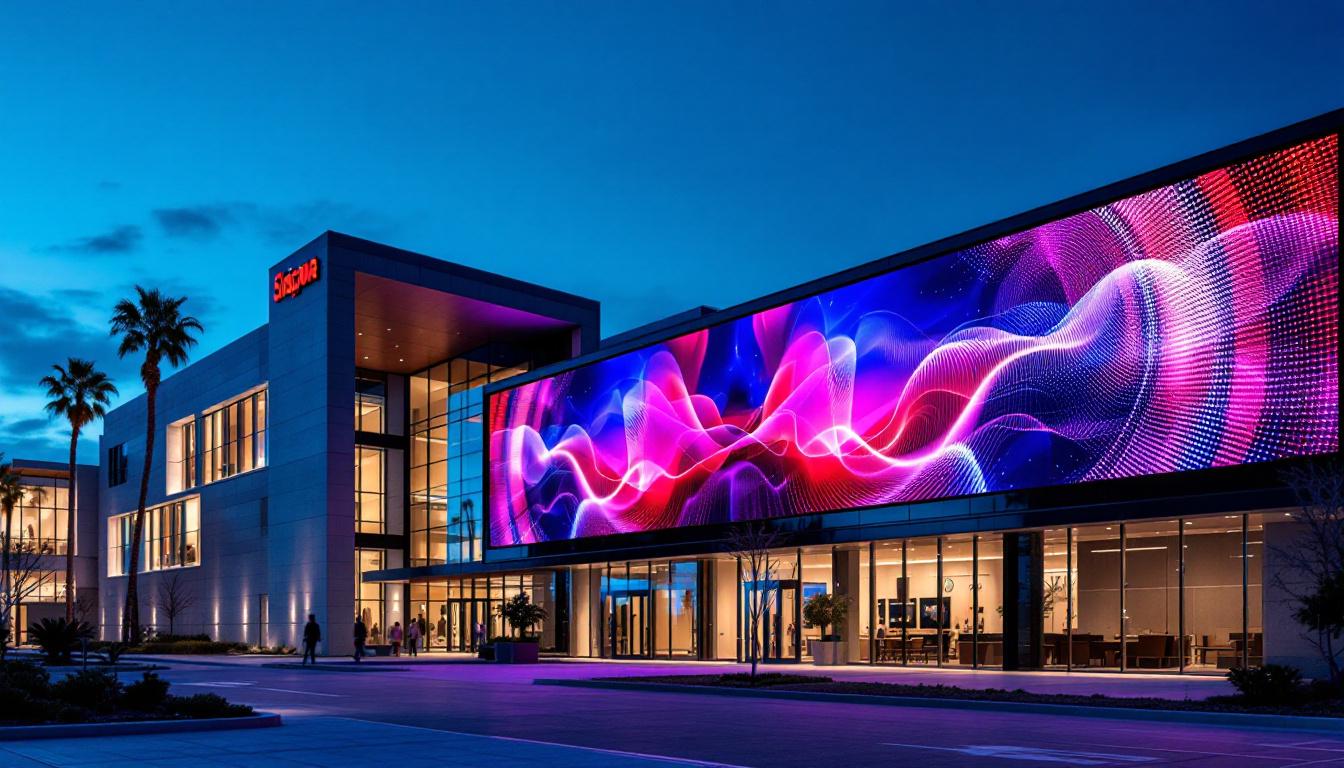
Unlike traditional projector screens that rely on an external light source projecting an image onto a surface, LED displays are self-illuminating. This means they generate their own light, allowing for exceptional brightness and visibility even under direct sunlight. The technology behind LED displays has evolved significantly, with advancements in energy efficiency and color accuracy, making them a popular choice for advertising, entertainment, and information dissemination in urban environments.
Key Components and Structure
Outdoor LED screens consist of modular panels that can be assembled to create screens of various sizes and aspect ratios. Each panel contains multiple LED pixels, and the resolution depends on the pixel pitch — the distance between the centers of two adjacent LEDs. Smaller pixel pitches deliver higher resolution and sharper images but are more costly and typically used for closer viewing distances. This modularity allows for flexibility in design, enabling businesses to customize their displays to fit specific locations and branding needs.
These displays are designed to be weather-resistant, with protective coatings and sealed enclosures to withstand rain, dust, and extreme temperatures. Additionally, they often feature advanced cooling systems to maintain optimal operating temperatures during prolonged use. The durability of these displays is crucial, as they are often installed in high-traffic areas where they are exposed to the elements and potential vandalism. Manufacturers often conduct rigorous testing to ensure that their products can endure harsh conditions while maintaining performance and reliability.
Brightness and Visibility Advantages
One of the most critical factors for outdoor displays is brightness. Large outdoor LED screens can achieve brightness levels exceeding 5,000 nits, making them clearly visible even in bright daylight conditions. In contrast, traditional projector screens often struggle with ambient light, requiring dusk or nighttime conditions for optimal viewing. This capability is particularly beneficial for outdoor events, concerts, and sporting activities where visibility is paramount.
This superior brightness ensures that content remains vivid and legible, enhancing audience engagement regardless of the time of day or weather conditions. Furthermore, many outdoor LED displays come equipped with adaptive brightness technology, which automatically adjusts the brightness based on the surrounding light levels. This not only optimizes visibility but also conserves energy, making LED displays a more sustainable option for businesses looking to reduce their carbon footprint while still delivering impactful visual experiences.
Comparing LED Displays and Traditional Outdoor Projector Screens
Image Quality and Viewing Experience
While traditional projector screens can deliver high-resolution images, their performance is heavily dependent on ambient lighting and projector quality. Outdoor environments often introduce challenges such as glare, shadows, and inconsistent brightness, which can degrade the viewing experience. The effectiveness of a projector can vary significantly based on the time of day and weather conditions, making it a less predictable option for outdoor events.
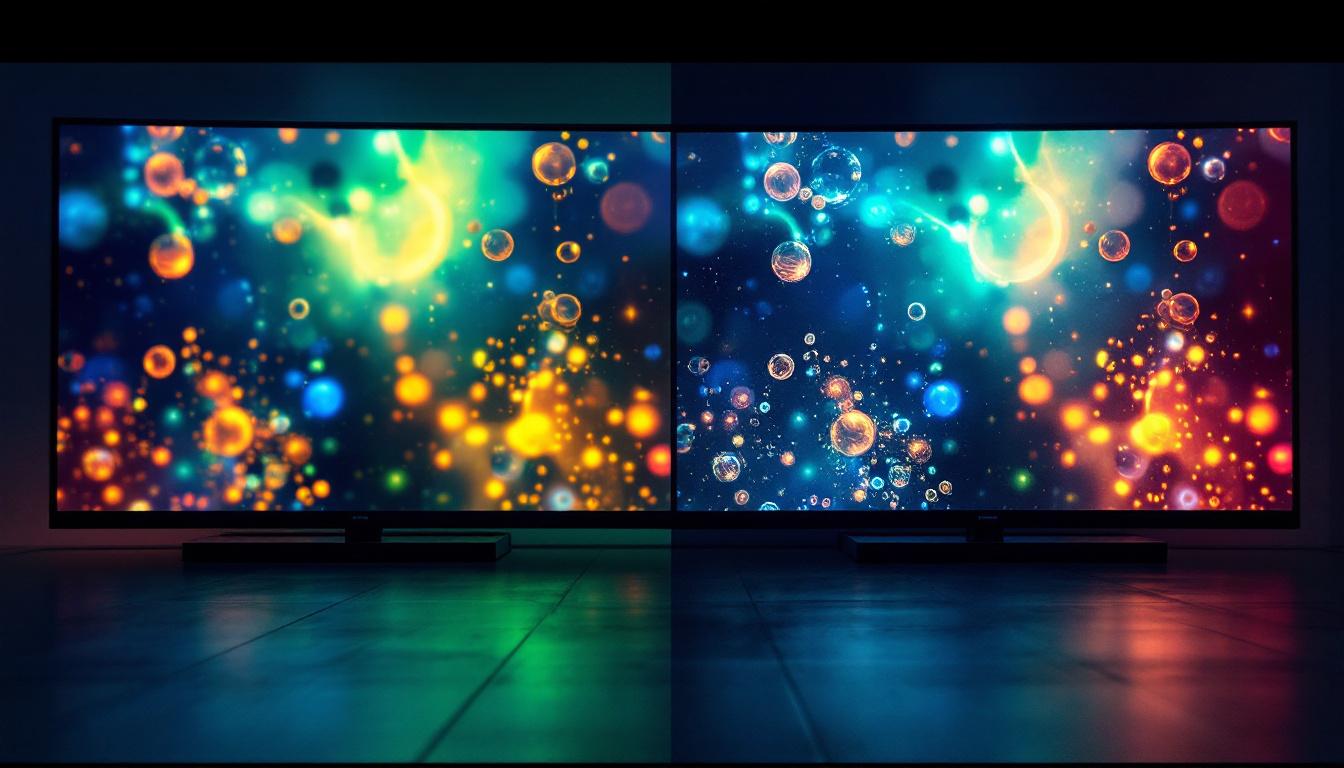
LED displays, by contrast, offer consistent brightness and contrast ratios that are less affected by external lighting conditions. Their ability to produce deep blacks and vibrant colors results in a more immersive and visually striking experience for viewers. Moreover, LED technology enables a wider viewing angle, ensuring that audiences positioned at various distances and angles can enjoy a clear and vivid picture without the color washout that can occur with projectors. This makes LED displays particularly advantageous for large gatherings where audience placement is diverse.
Installation and Portability
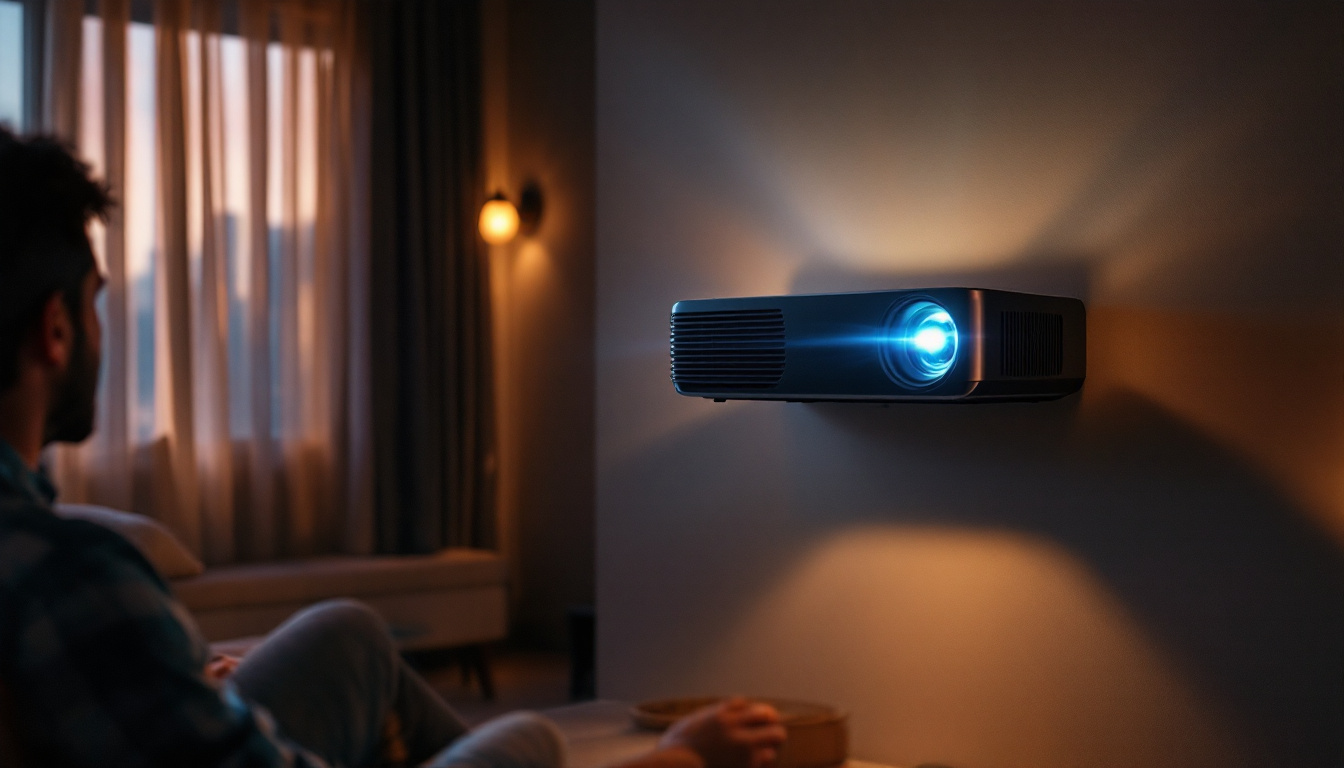
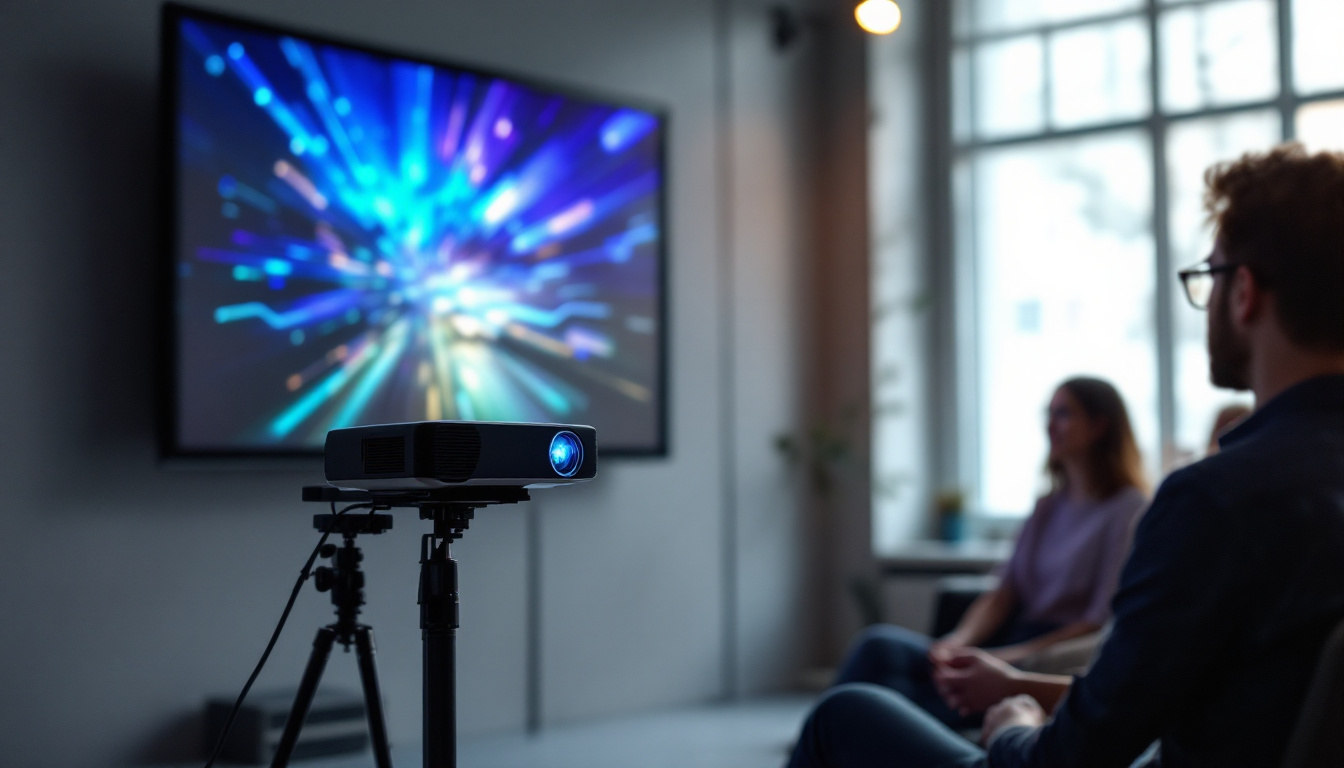
Projector setups typically require a flat, reflective surface for the screen, as well as precise alignment of the projector to avoid image distortion. This can limit placement options and complicate setup, especially in irregular outdoor spaces. The need for additional equipment, such as stands or mounts, can further complicate the logistics of outdoor events, leading to longer setup times and potential technical issues.
LED displays are modular and can be configured to fit various spaces without the need for a reflective surface. Many models are designed for quick assembly and disassembly, making them highly portable for touring events or temporary installations. This flexibility not only allows for creative configurations that can adapt to different venues but also simplifies transportation, as many LED units can be stacked or transported in compact cases. This ease of mobility is a significant advantage for event planners who frequently change locations or need to set up in challenging environments.
Durability and Maintenance
Outdoor projector screens are often made of fabric or vinyl materials that can be susceptible to tearing, weather damage, or dirt accumulation. Projectors themselves require regular maintenance, including lamp replacements and lens cleaning. These factors can lead to unexpected costs and downtime, particularly if equipment fails during a critical moment, such as a live event or presentation.
LED displays are built to endure harsh outdoor conditions with weatherproof materials and robust construction. While they require periodic maintenance, such as cleaning and electronic checks, their long lifespan and durability often translate to lower total cost of ownership over time. Additionally, many LED displays come equipped with built-in cooling systems and protective features that minimize the risk of overheating or damage from environmental factors, ensuring they remain operational even in extreme weather conditions.
Cost Considerations
Initial investment in large LED displays can be significantly higher than traditional projector setups. However, when factoring in maintenance, replacement lamps, and operational constraints of projectors, LED screens may offer better value in the long run, especially for frequent or professional use. The longevity of LED technology means that, over time, the cost per use can be considerably lower, making it a wise investment for businesses or organizations that rely on high-quality visuals for marketing or engagement.
For one-time or infrequent events, projectors might remain a budget-friendly option, but for recurring outdoor events or installations, LED displays provide a more reliable and impactful solution. Additionally, as technology advances, the price of LED displays continues to decrease, making them increasingly accessible for a wider range of users. This trend suggests that the gap in cost-effectiveness between projectors and LED displays will continue to narrow, further solidifying the latter’s position as the preferred choice for outdoor visual presentations.
Applications of Large Outdoor LED Displays
Entertainment and Events
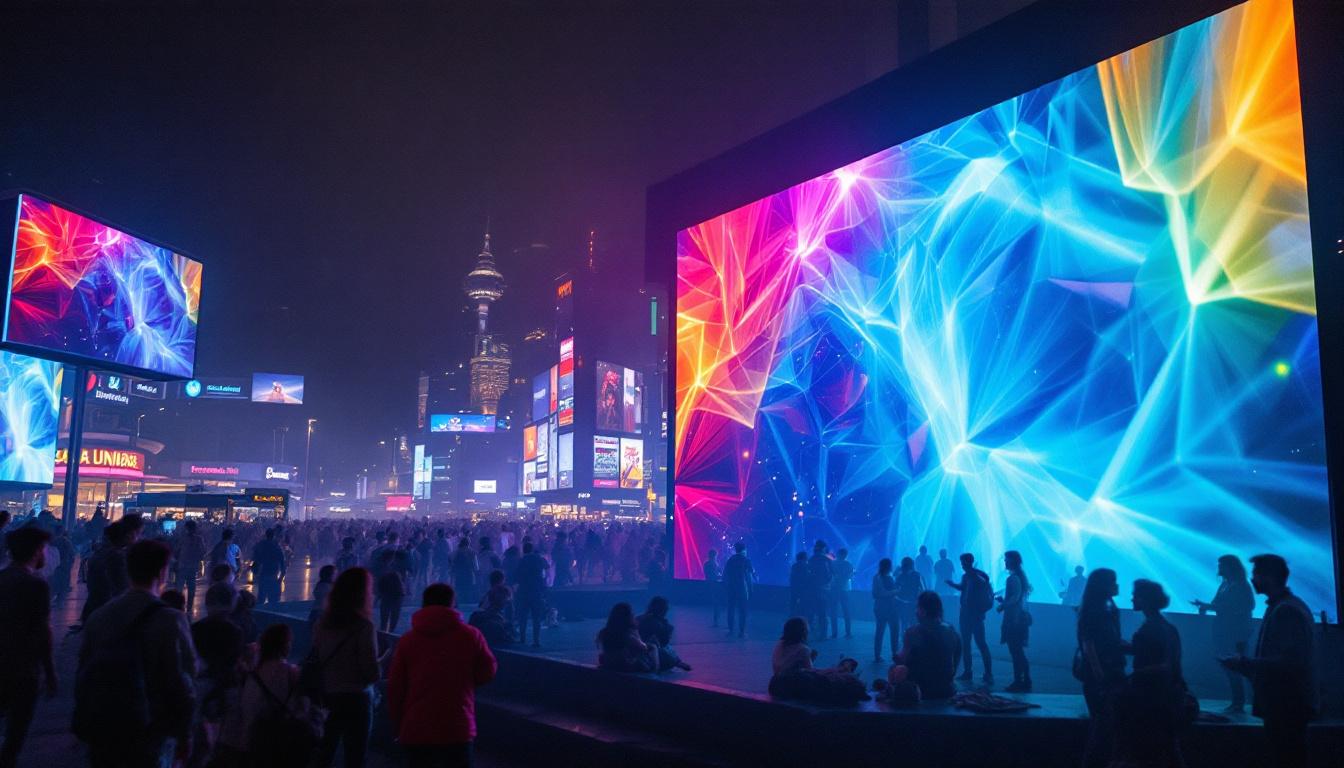
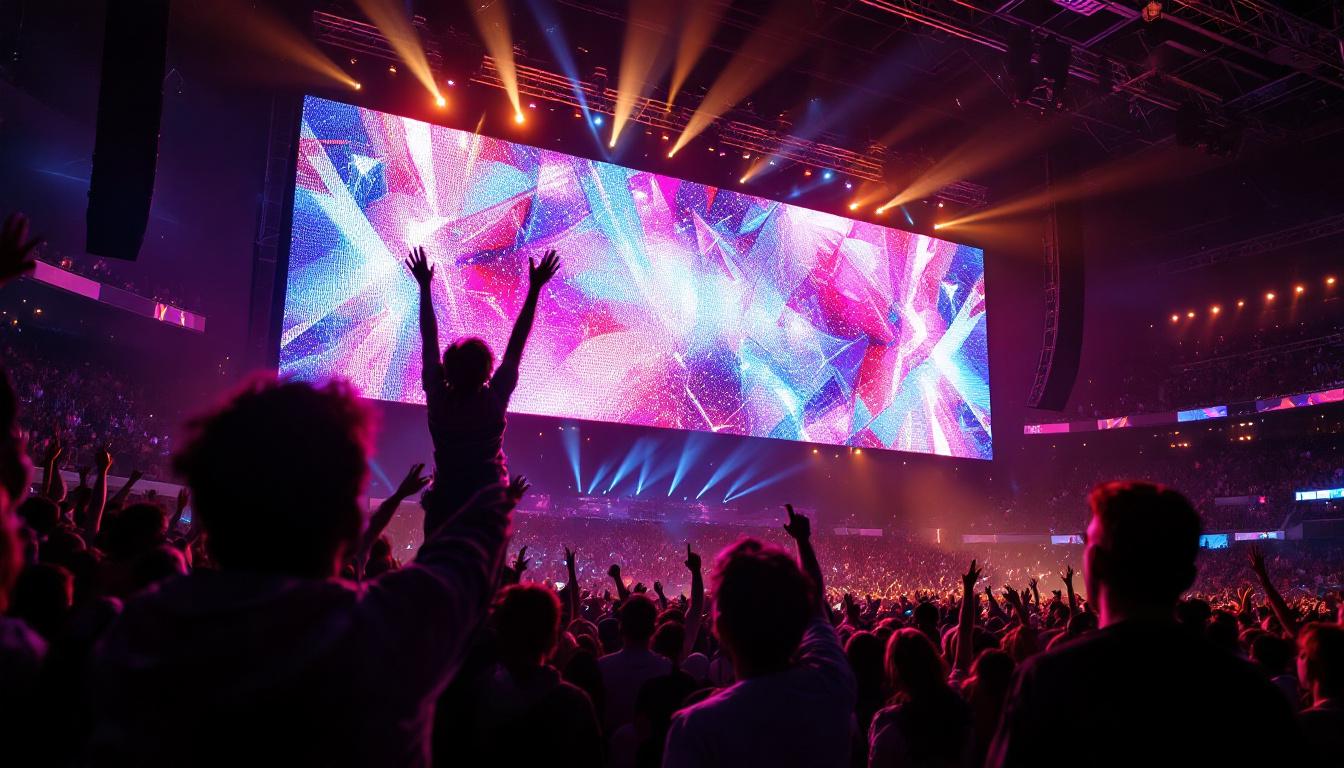
Concerts, festivals, and sporting events frequently utilize large LED screens to broadcast live footage, display graphics, and enhance audience engagement. The ability to deliver bright, high-resolution images ensures that even attendees far from the stage have a clear view of the action.
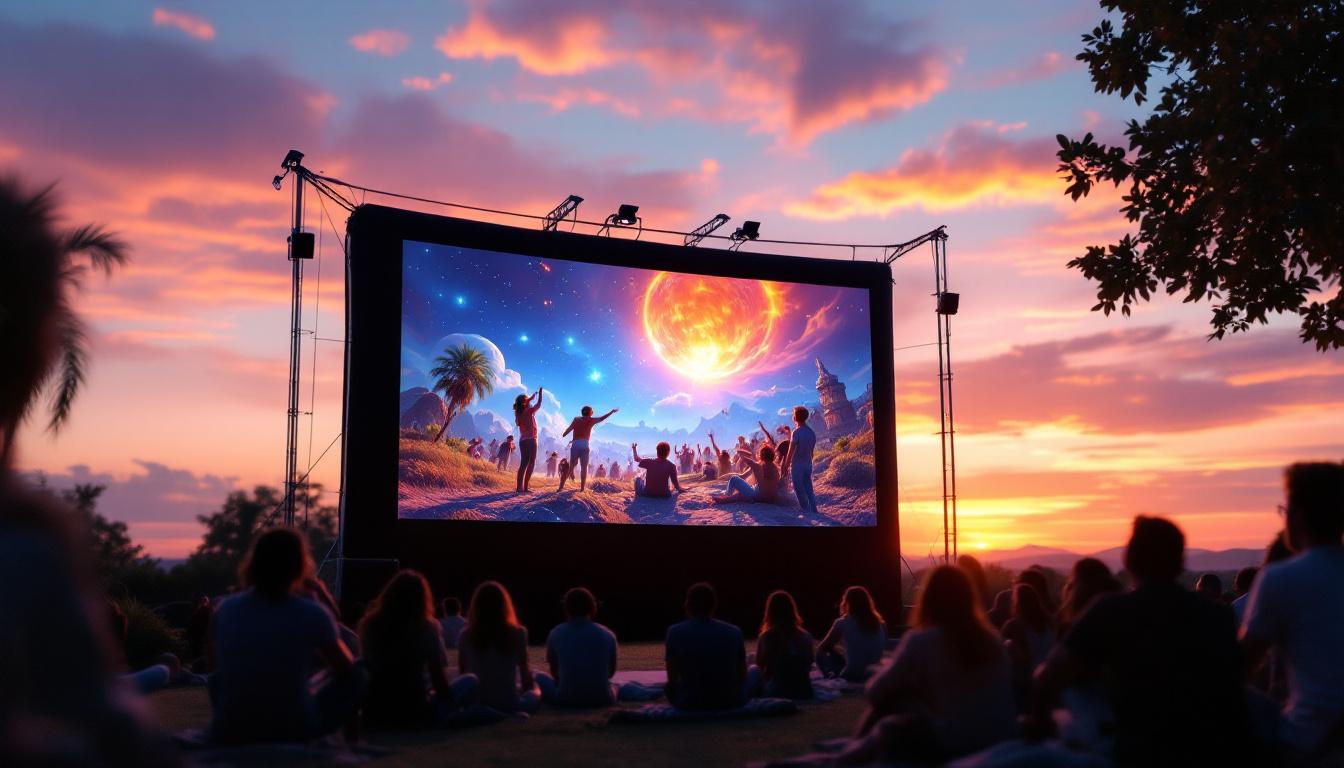
Outdoor movie screenings have also embraced LED technology, offering cinema-quality visuals without the limitations of projector brightness or screen size. This has expanded the possibilities for community gatherings and drive-in theaters.
Advertising and Public Information
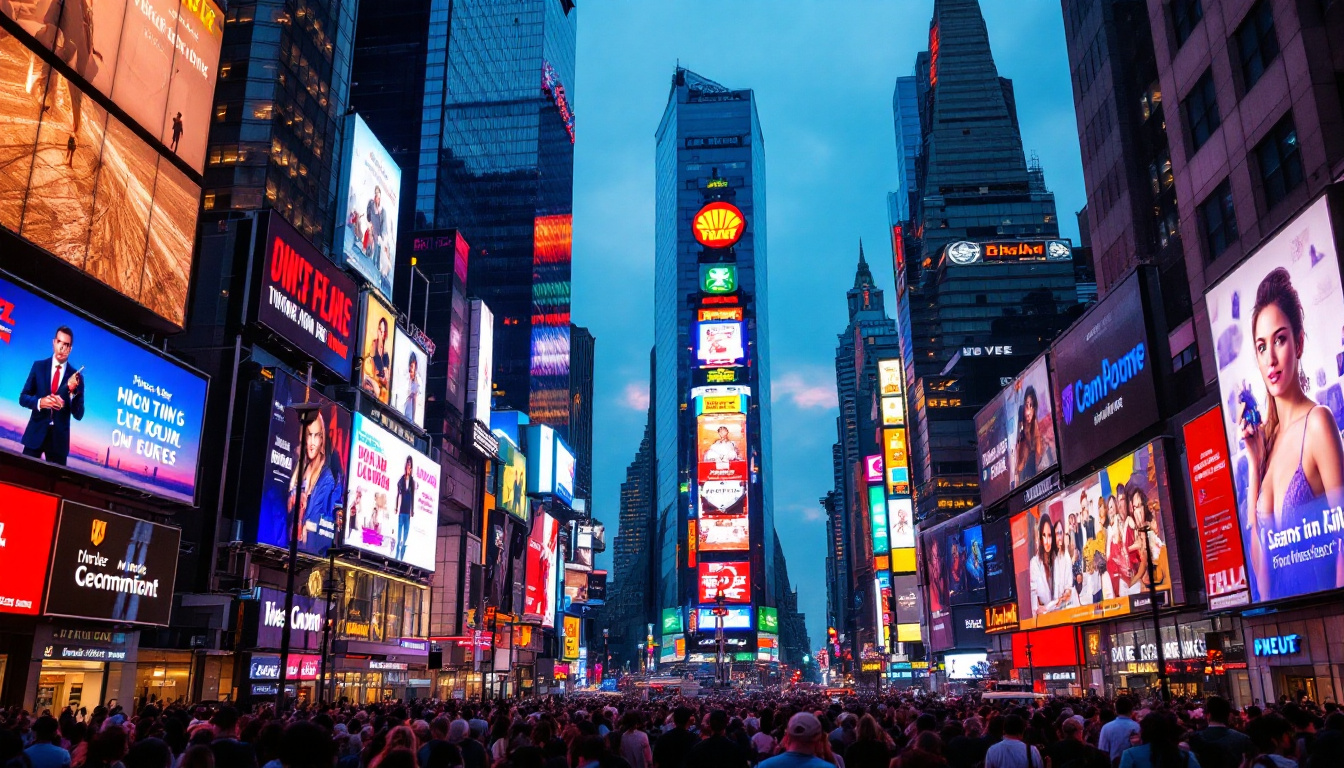
Large LED displays are increasingly used for outdoor advertising due to their eye-catching brightness and dynamic content capabilities. Digital billboards can display multiple ads in rotation, incorporate animations, and update content remotely, providing advertisers with flexibility and immediacy.
Municipalities and event organizers also use LED screens to broadcast public announcements, emergency alerts, and event schedules, ensuring clear communication with large crowds.
Corporate and Educational Use
Outdoor corporate events, product launches, and trade shows benefit from LED displays by showcasing presentations, videos, and branding materials in a visually compelling manner. Educational institutions may use large LED screens for outdoor graduations, sports events, or open-air lectures, enhancing visibility and engagement.
Technical Considerations When Choosing an Outdoor LED Display
Pixel Pitch and Resolution
The pixel pitch determines the optimal viewing distance and image clarity. For large outdoor screens viewed from a distance of 20 meters or more, pixel pitches between 6mm and 16mm are common. Closer viewing distances require finer pixel pitches but come at a higher cost.
Choosing the right pixel pitch balances budget constraints with the desired image quality to ensure an optimal viewing experience.
Brightness and Contrast Ratio
Brightness levels for outdoor LED displays typically range from 3,000 to over 8,000 nits. Higher brightness is essential for daytime visibility, while adjustable brightness controls help reduce power consumption and eye strain during nighttime events.
Contrast ratio affects the depth of colors and black levels. High contrast ratios contribute to more vivid and lifelike images, which are crucial for impactful presentations.
Weather Resistance and Durability
Look for LED displays with an IP65 rating or higher, indicating protection against dust and water ingress. This ensures reliable operation in rain, wind, and dust storms.
Robust enclosures and anti-corrosion treatments extend the lifespan of the display, especially in harsh environments such as coastal areas or industrial zones.
Installation and Support Infrastructure
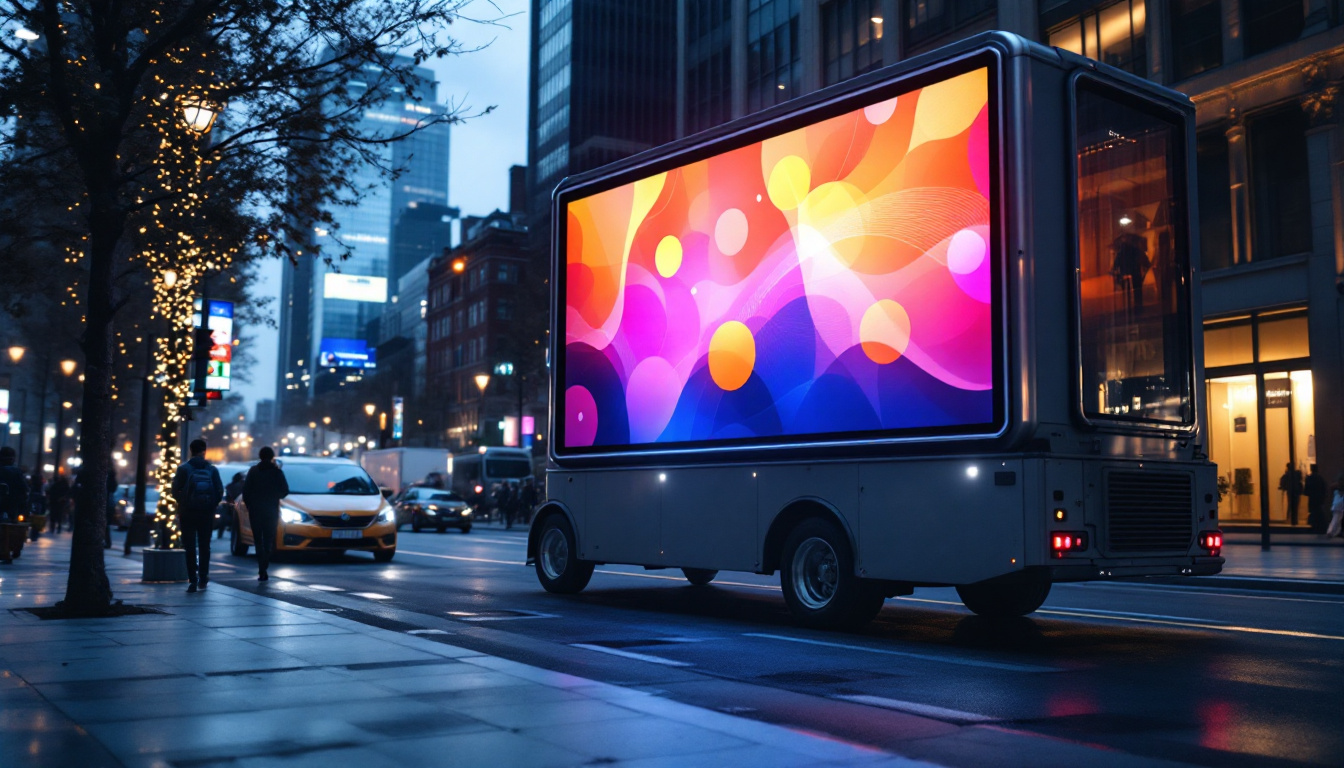
Consider the mounting options, power requirements, and data connectivity for the LED display. Some setups may require scaffolding or custom frames, while others are designed for quick rigging on trusses or vehicles.
Reliable technical support and warranty services are also critical, particularly for large-scale or commercial installations where downtime can be costly.
Future Trends in Outdoor LED Display Technology
Higher Resolution and Mini-LED Innovations
Advancements in LED technology are pushing pixel pitches smaller, enabling ultra-high-definition outdoor displays. Mini-LED and micro-LED technologies promise even better brightness, contrast, and energy efficiency, expanding possibilities for outdoor visual experiences.
Energy Efficiency and Sustainability
Energy consumption remains a concern for large LED installations. Manufacturers are developing more efficient LEDs and power management systems to reduce environmental impact and operational costs.
Solar-powered LED displays and smart brightness controls are emerging trends that align with growing sustainability goals.
Interactive and Smart Displays
Integration of touch, motion sensors, and augmented reality features is transforming outdoor LED screens from passive displays into interactive platforms. This opens new avenues for audience engagement, advertising, and information dissemination.
Conclusion
Large outdoor LED displays represent a significant leap forward in outdoor visual technology, offering unmatched brightness, durability, and flexibility compared to traditional projector screens. Their ability to deliver vivid, high-resolution images in diverse environmental conditions makes them ideal for a wide range of applications, from entertainment and advertising to corporate and educational events.
While the initial investment may be higher, the long-term benefits of LED technology—including lower maintenance, enhanced visibility, and greater creative possibilities—make it a compelling choice for anyone seeking to create impactful outdoor visual experiences.
As LED technology continues to evolve, embracing innovations such as mini-LEDs, energy-efficient designs, and interactive capabilities, the future of large outdoor displays looks brighter than ever.
Discover LumenMatrix LED Display Solutions
Ready to elevate your outdoor events with unparalleled brightness, clarity, and reliability? LumenMatrix is at the forefront of LED display innovation, offering a diverse range of solutions tailored to your needs. From captivating Indoor LED Walls to dynamic Outdoor LED Displays, and from mobile Vehicle LED Displays to interactive Floor LED Displays, we have the technology to transform your visual presentations. Embrace the future of outdoor visual experiences with LumenMatrix and make a lasting impression at your next event. Check out LumenMatrix LED Display Solutions today and see the difference cutting-edge technology can make.