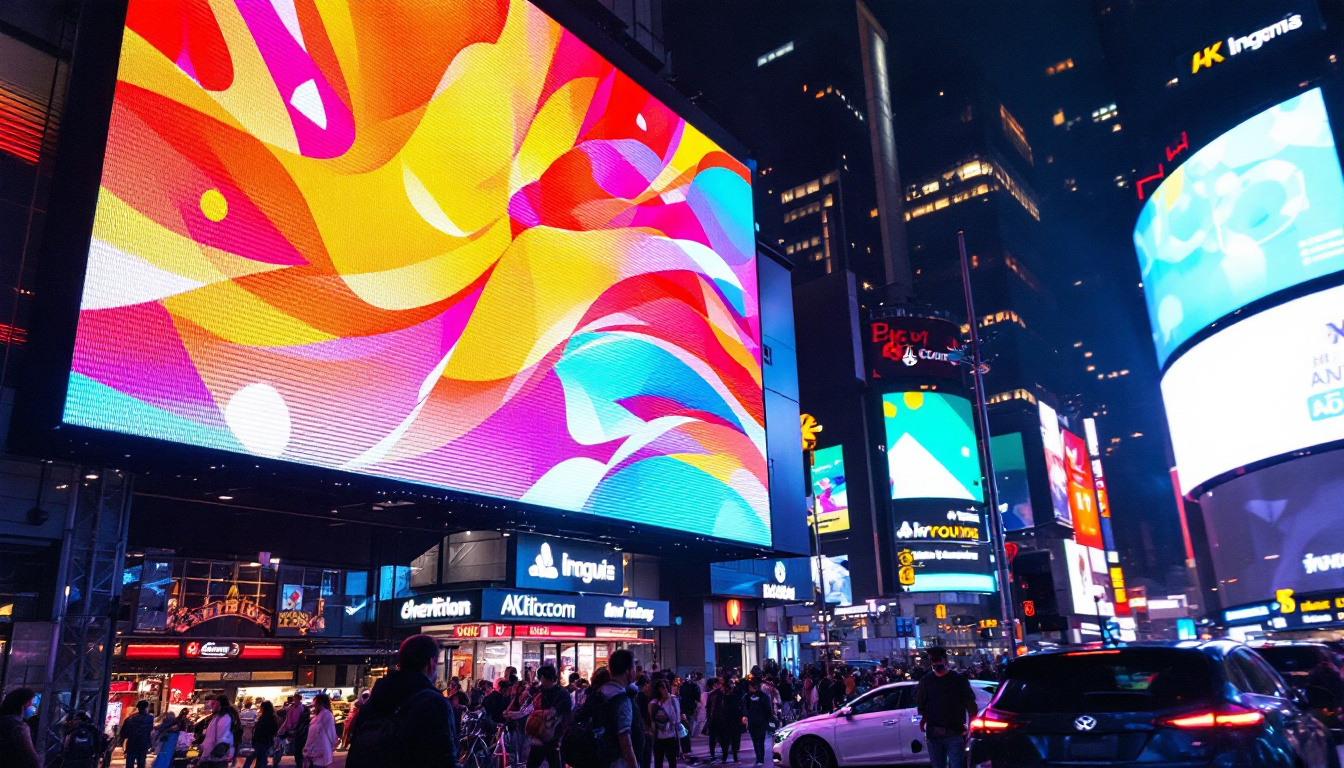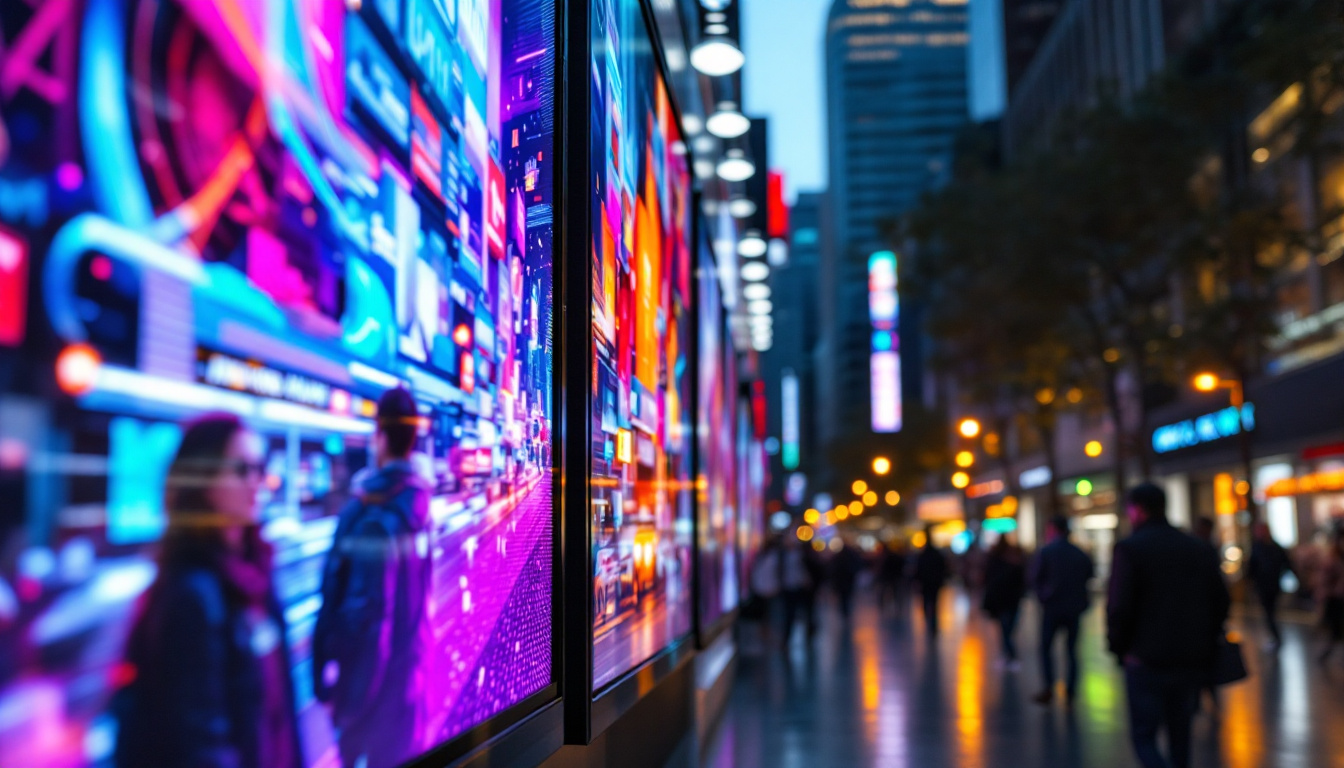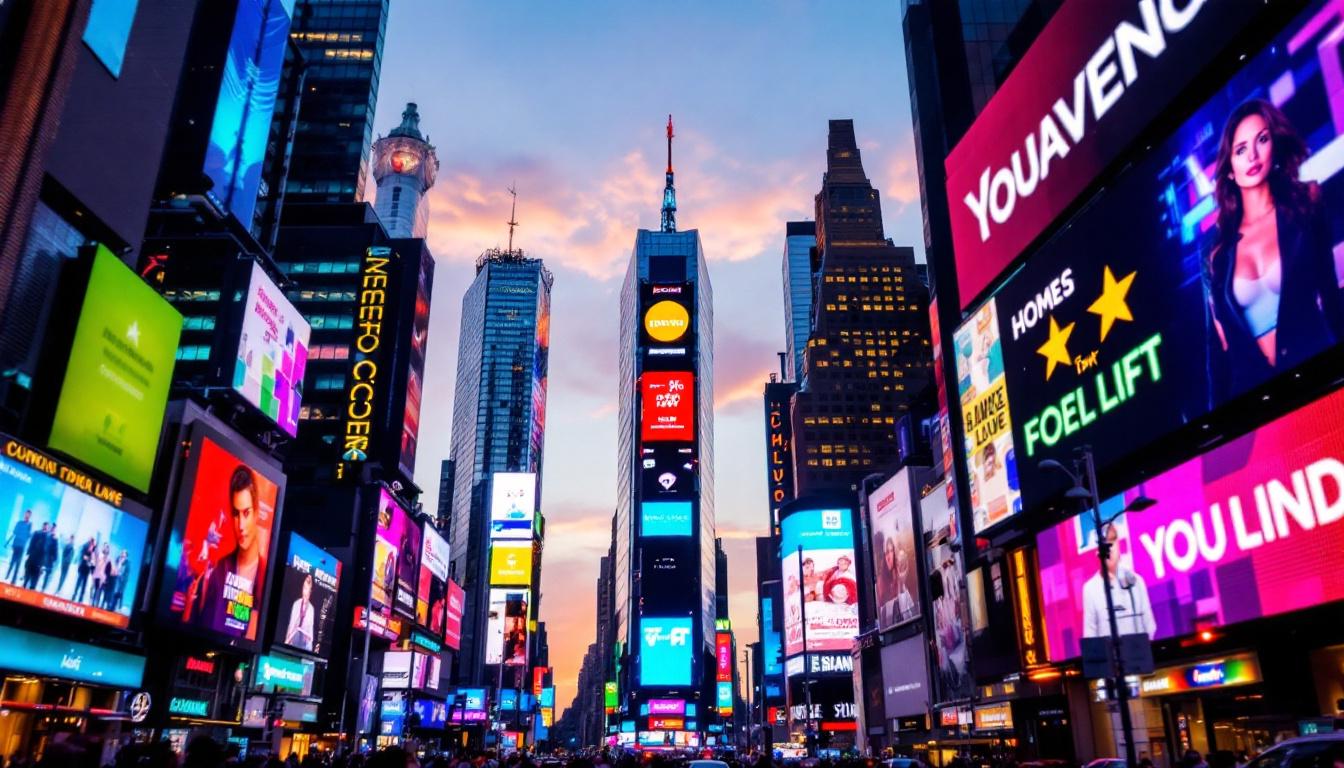
Times Square in New York City is often dubbed “The Crossroads of the World,” renowned for its dazzling array of billboards and digital displays. Among these, LED billboards stand out as the vibrant, dynamic heart of the area’s visual spectacle. But what exactly makes these LED displays so effective, and why have they become the preferred choice for advertisers and city planners alike? This article delves into the technology, design, and impact of LED billboards in Times Square, offering a comprehensive understanding of their role in one of the world’s most iconic urban landscapes.
The Evolution of Times Square Billboards
From Static Signs to Digital Marvels
Times Square’s history with advertising dates back over a century, beginning with static painted signs and neon lights. The transition to digital billboards, particularly LED (Light Emitting Diode) displays, began in the late 20th century and accelerated rapidly with advances in technology. Early electronic billboards were limited by resolution and brightness, but modern LED displays have transformed the advertising landscape.
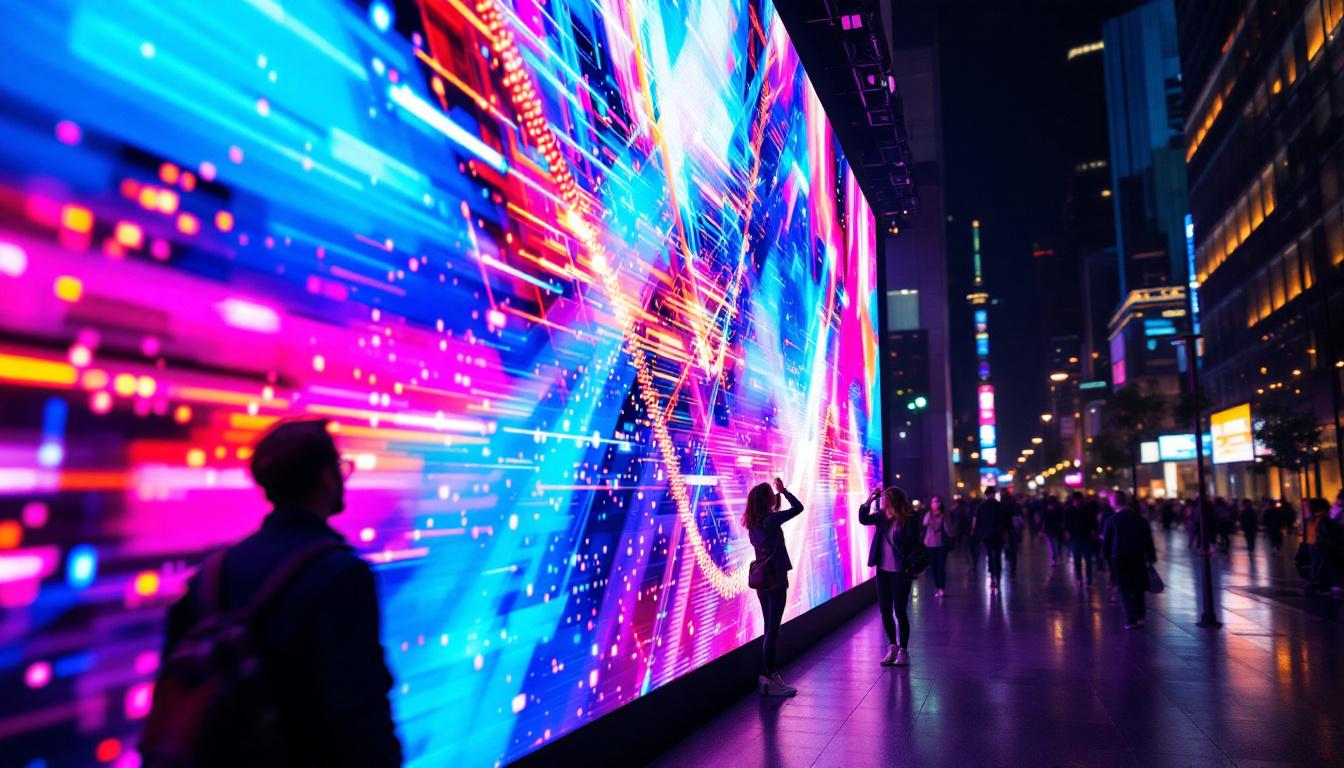
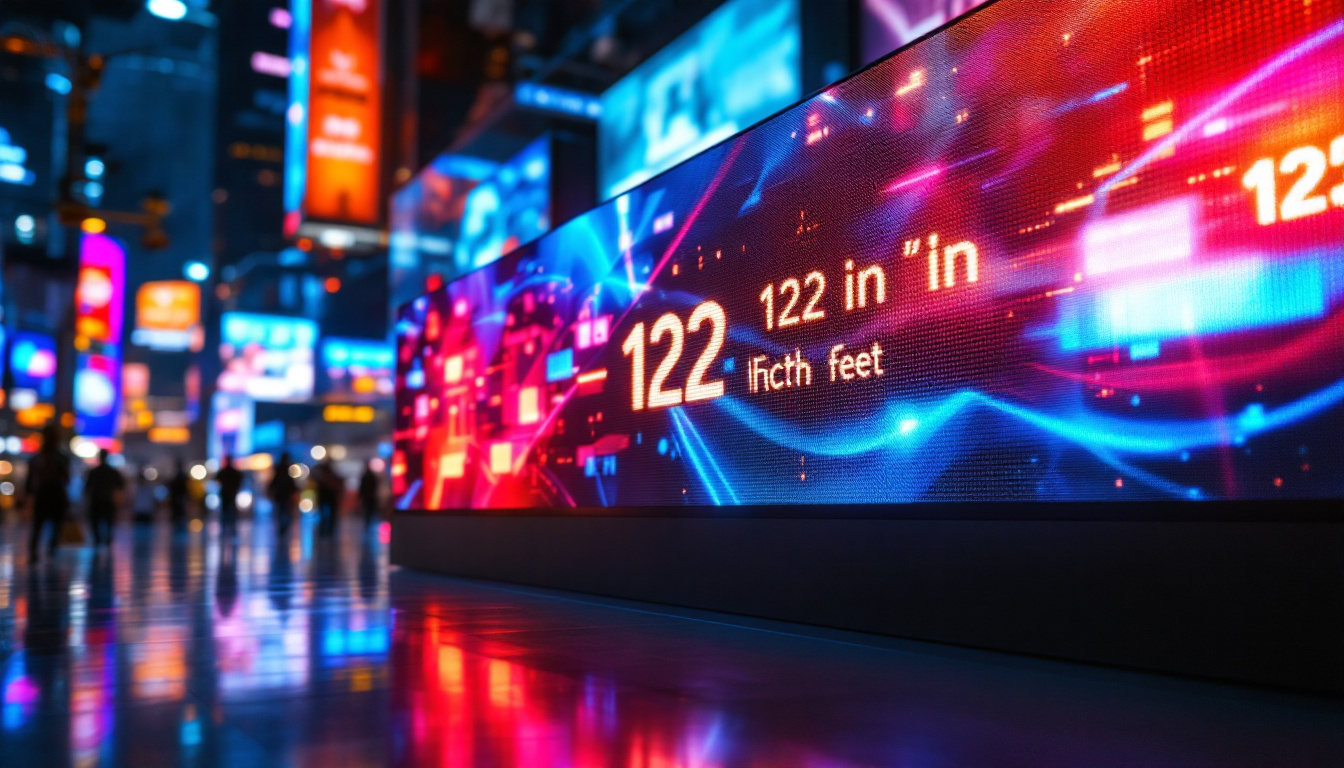
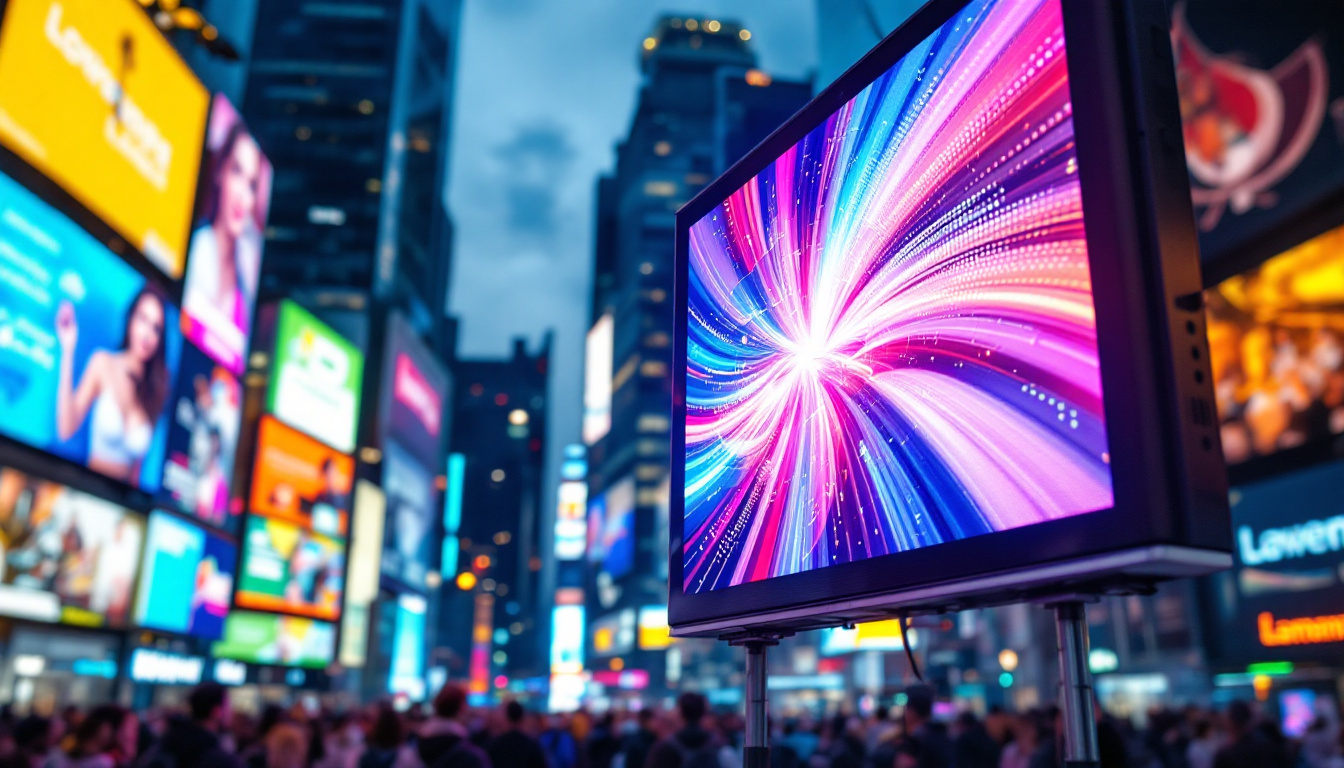
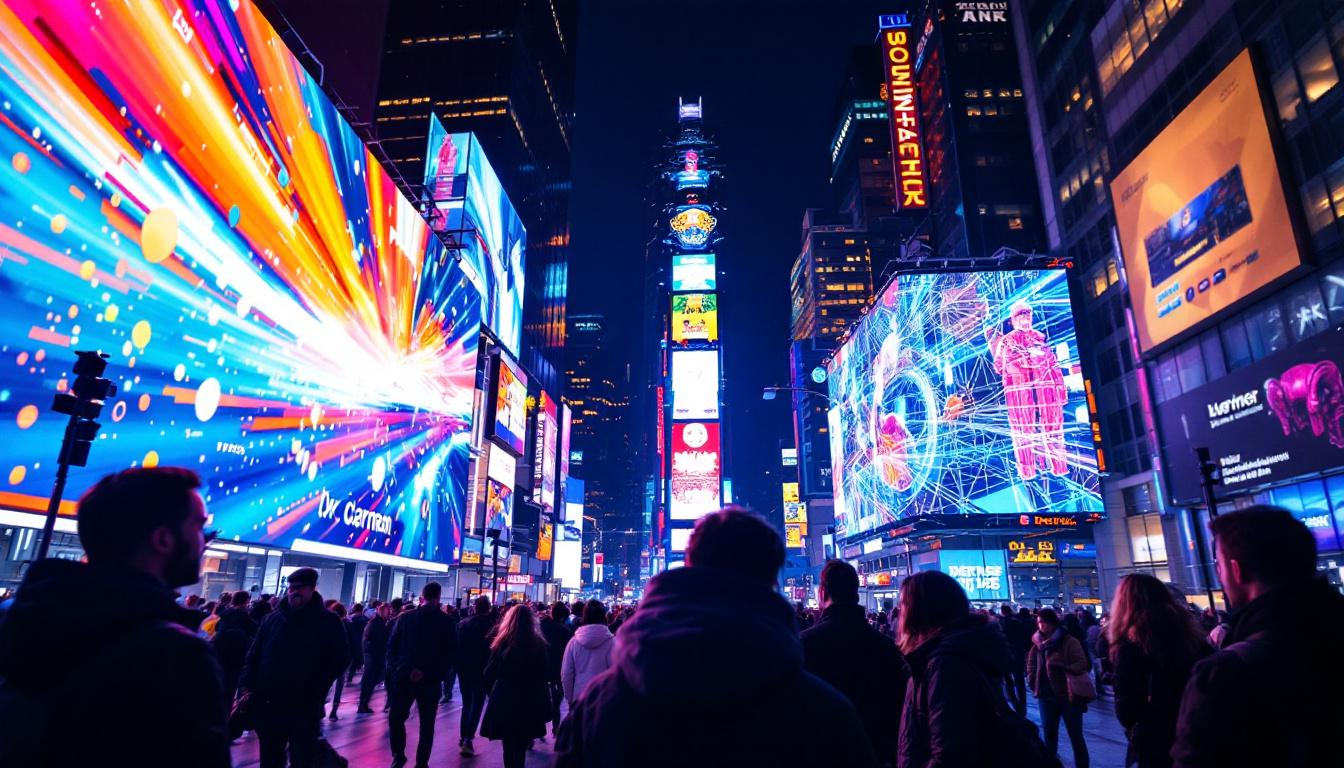
Today’s LED billboards offer unparalleled brightness, color accuracy, and flexibility, making them ideal for the bustling and visually competitive environment of Times Square. These displays can showcase high-definition video content, animations, and real-time updates, engaging millions of visitors and commuters daily. The sheer scale of these billboards is awe-inspiring; some of the largest installations tower over the streets, creating a mesmerizing tapestry of light and color that draws the eye and captivates the imagination.
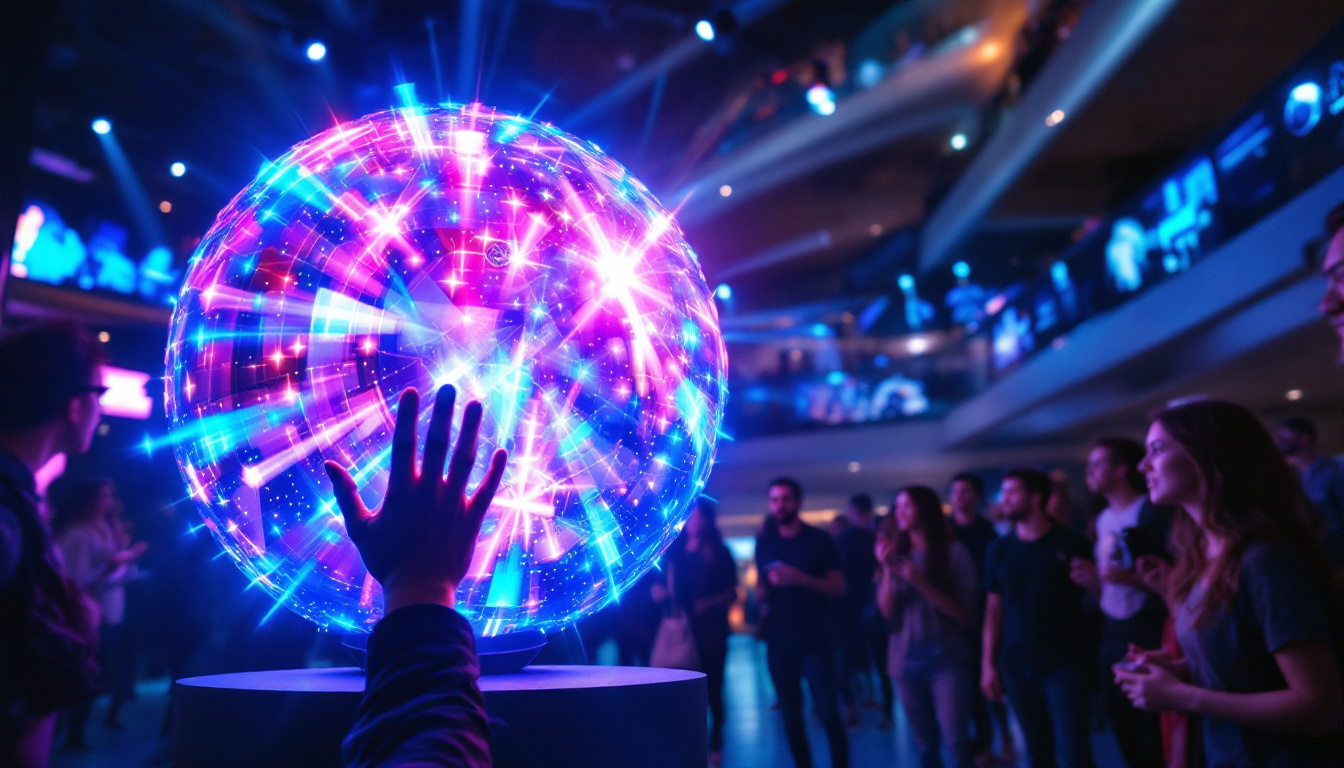
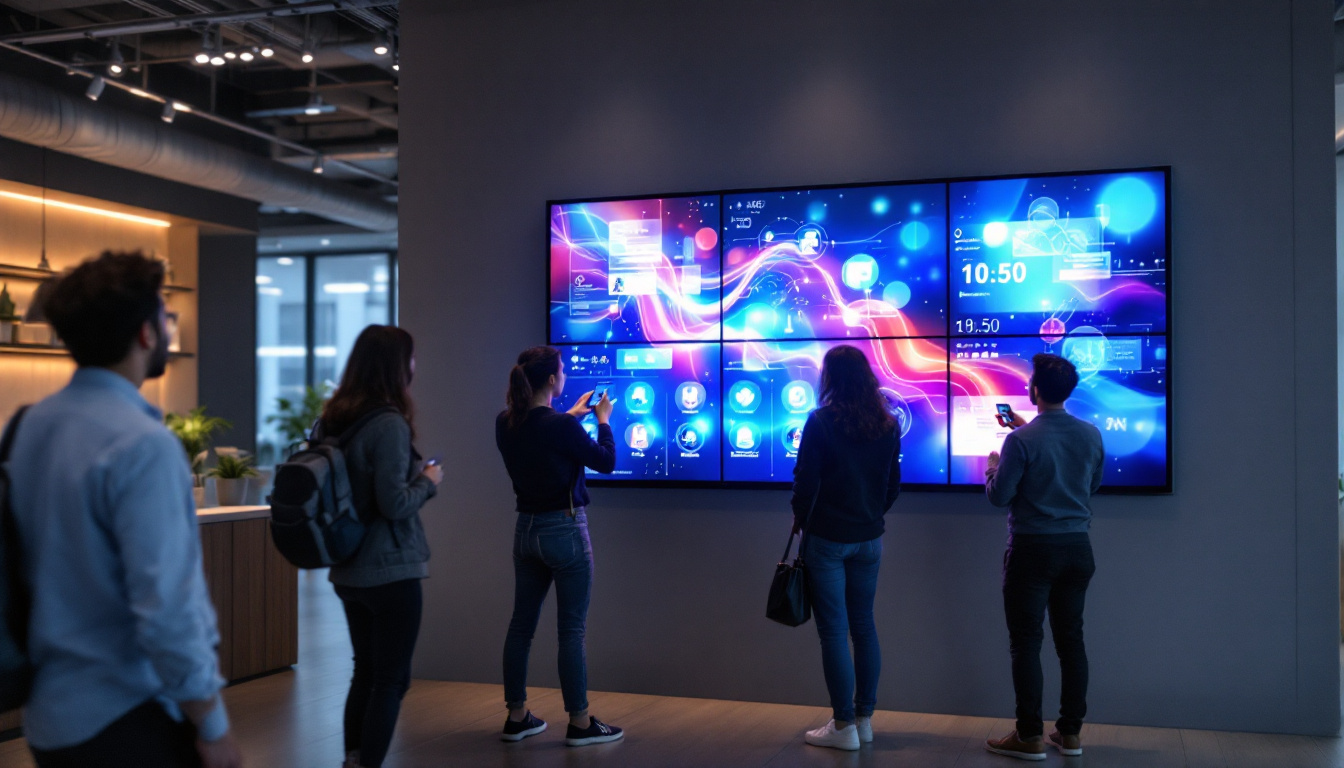
As technology continues to evolve, the integration of augmented reality (AR) and interactive elements into these billboards has begun to reshape the advertising experience even further. Imagine walking through Times Square and seeing a billboard that allows you to interact with the content, such as trying on virtual clothing or participating in a live poll. This level of engagement not only enhances the consumer experience but also fosters a deeper connection between brands and their audiences.
Why LED Technology Became the Standard
LED technology offers several advantages over traditional neon or incandescent lighting. LEDs are energy-efficient, consuming significantly less power while producing brighter and more vivid images. Their durability and long lifespan reduce maintenance costs and downtime, which is crucial for the 24/7 operation of Times Square billboards.
Moreover, LEDs provide superior color range and contrast, allowing advertisers to create eye-catching visuals that stand out even in daylight. The ability to quickly change content remotely also enables dynamic advertising campaigns and timely messaging, which is a game-changer for marketers targeting diverse audiences. This adaptability means that advertisers can respond to current events, trends, and even weather changes, ensuring that their messages remain relevant and impactful.
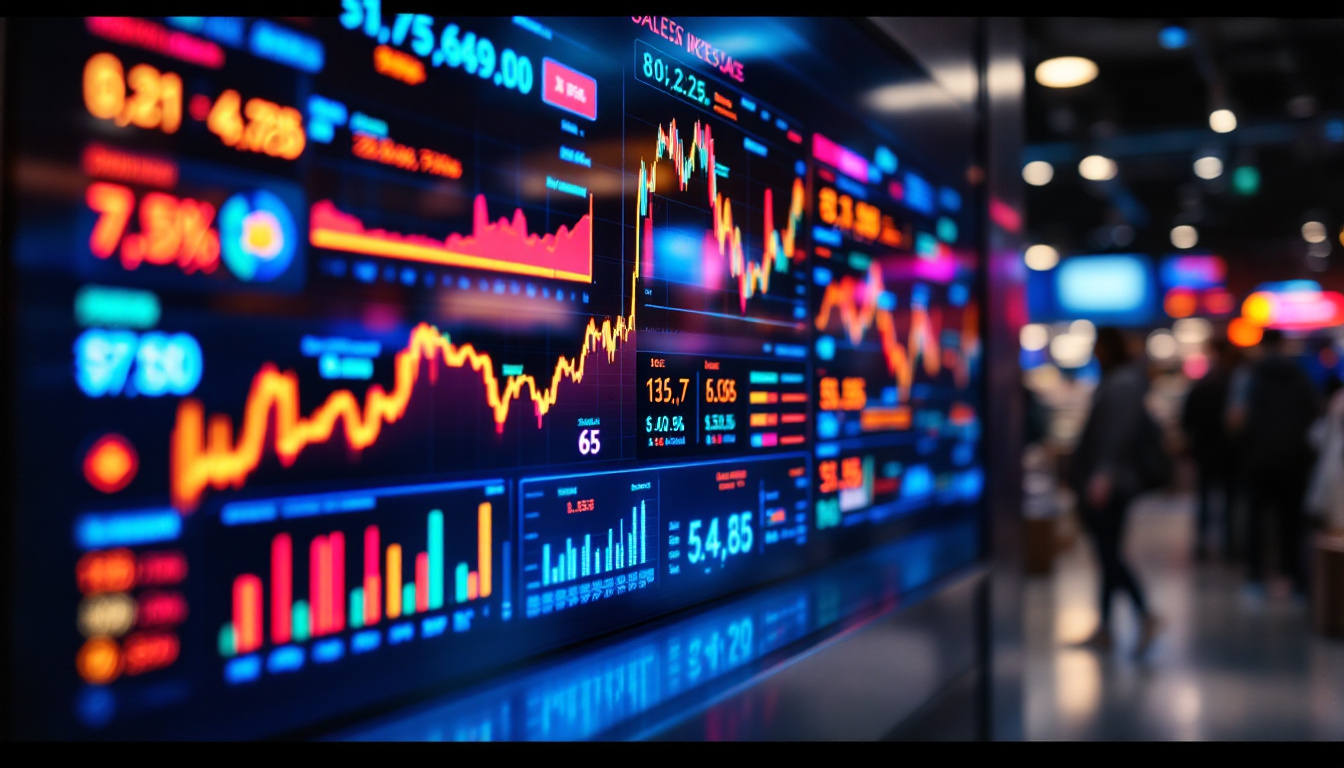
Additionally, the rise of data analytics has allowed advertisers to tailor their content based on audience demographics and behaviors. By utilizing real-time data, brands can optimize their messaging to resonate with specific groups, making the advertising in Times Square not just a visual spectacle but also a highly strategic endeavor. The combination of LED technology and data-driven insights has ushered in a new era of advertising that is as much about creativity as it is about precision and effectiveness.
Understanding LED Billboard Technology
How LED Displays Work
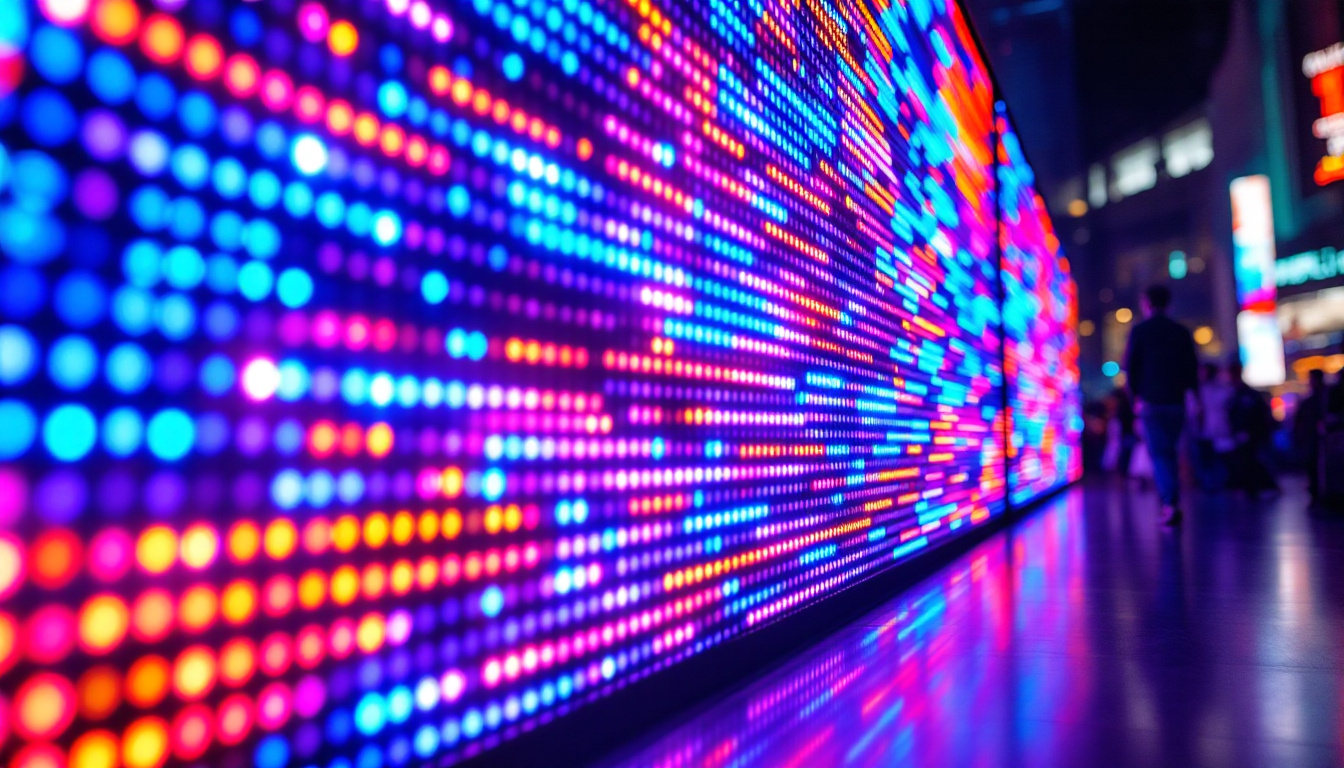
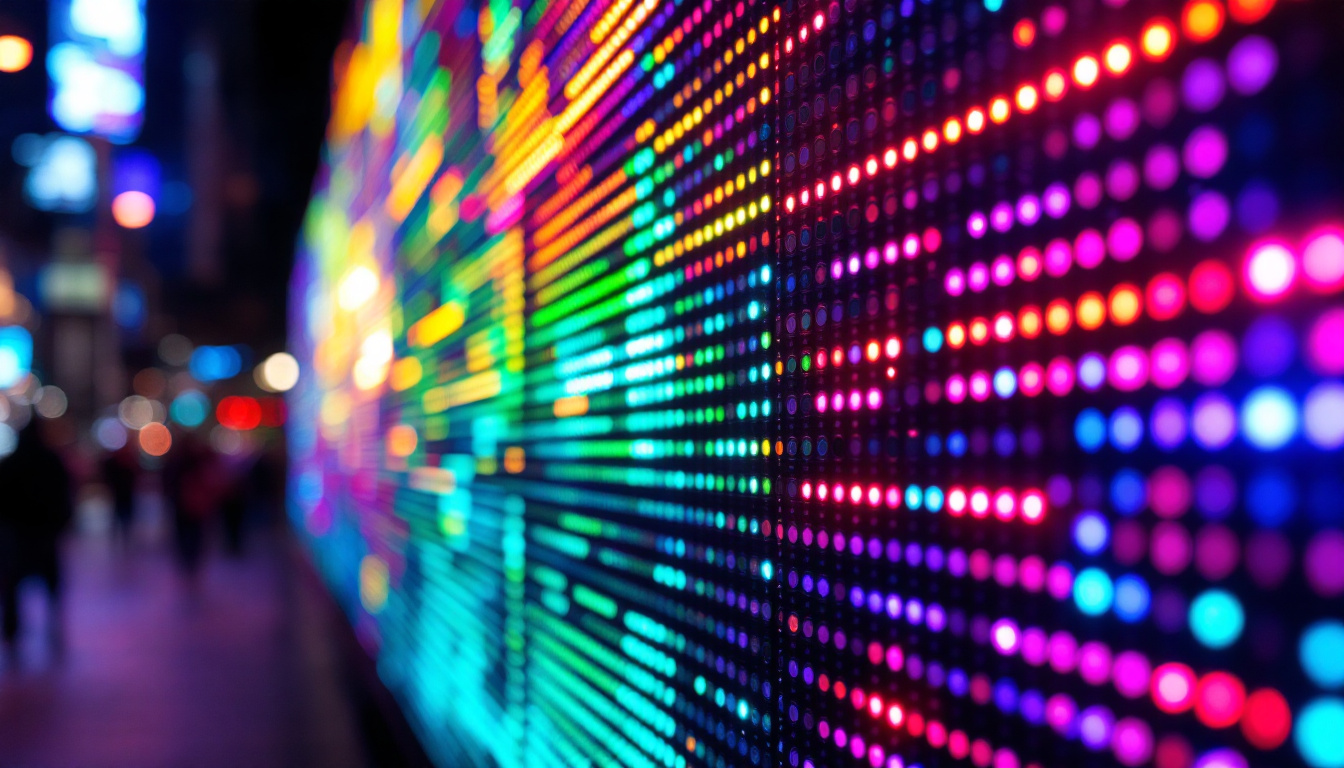
At its core, an LED display consists of thousands or even millions of tiny light-emitting diodes arranged in a grid. Each diode acts as a pixel, capable of producing red, green, and blue light. By adjusting the intensity of these colors, the display can create a full spectrum of colors and intricate images.
The resolution of an LED billboard depends on the density of these pixels, often referred to as pixel pitch—the distance between the centers of two adjacent pixels. A smaller pixel pitch means higher resolution and sharper images, which is essential for close-up viewing in a crowded environment like Times Square. This high resolution allows advertisers to showcase detailed graphics and animations that capture the attention of passersby, making each advertisement a visual spectacle that stands out amidst the hustle and bustle of the city.
Moreover, the technology behind LED displays continues to evolve, with advancements in color calibration and image processing enhancing the overall viewing experience. These improvements allow for more vibrant displays that can adapt to various content types, from static images to dynamic video, ensuring that the advertisements remain engaging and effective in conveying messages to a diverse audience.
Types of LEDs Used in Billboards
There are primarily two types of LEDs used in large-scale outdoor displays: surface-mounted device (SMD) LEDs and through-hole LEDs. SMD LEDs are more compact and capable of producing more colors with better brightness and viewing angles, making them the preferred choice for high-resolution displays in Times Square.
Through-hole LEDs, while more robust and often used in simpler or larger-pixel-pitch displays, are less common in the high-definition billboards that dominate Times Square. The choice of LED type directly impacts the display’s performance, cost, and visual appeal. Additionally, the manufacturing process for SMD LEDs allows for more intricate designs and configurations, enabling creative freedom in billboard layouts that can incorporate curves and unique shapes, further enhancing their visual impact.
Furthermore, the durability of these LEDs is crucial, especially in an environment like Times Square, where displays are exposed to harsh weather conditions and constant use. Manufacturers are continually innovating to produce LEDs that not only provide vibrant colors but also have extended lifespans and improved resistance to fading, ensuring that the advertisements remain eye-catching over time.
Brightness and Visibility in Times Square
One of the most critical factors for LED billboards in Times Square is brightness. These displays must compete with natural sunlight during the day and the myriad of other illuminated signs. Modern LED billboards can reach brightness levels of up to 5,000 nits or more, ensuring visibility even in direct sunlight.
Additionally, ambient light sensors adjust the billboard’s brightness automatically to optimize visibility and reduce energy consumption at night. This adaptability helps maintain the visual impact of the advertisements while being mindful of energy efficiency and local regulations. The ability to modulate brightness not only enhances the viewing experience but also plays a role in reducing light pollution, which is an increasing concern in urban environments.
Moreover, the strategic placement of these billboards in Times Square is designed to maximize visibility from various angles and distances. With the use of advanced optics and reflective materials, advertisers can ensure that their messages reach a wider audience, capturing the attention of both pedestrians and drivers alike. This level of visibility is crucial for brands looking to make a lasting impression in one of the most competitive advertising spaces in the world.
Design and Content Strategy for Times Square Billboards
Creating Impactful Visuals
Designing content for Times Square LED billboards requires a unique approach. The sheer scale and brightness of the displays mean that visuals must be bold, simple, and instantly recognizable. Advertisers often use high-contrast colors, large typography, and minimal text to capture the attention of passersby who may only glance at the billboard for a few seconds.
Motion graphics and animations are widely used to enhance engagement, leveraging the dynamic capabilities of LED technology. These elements help tell a story or convey a message quickly and memorably, which is essential in the fast-paced environment of Times Square.
Real-Time and Interactive Content
One of the most exciting developments in Times Square advertising is the integration of real-time data and interactivity. LED billboards can display live social media feeds, weather updates, or event information, making the content relevant and timely. Some billboards even incorporate interactive elements, such as QR codes or augmented reality features, encouraging audience participation.
This interactivity not only boosts engagement but also provides valuable data to advertisers about audience behavior and preferences, enabling more targeted and effective campaigns.
Regulatory Considerations and Community Impact
Given the scale and brightness of LED billboards, there are strict regulations governing their use in Times Square. The New York City Department of Transportation and other agencies oversee permits, brightness limits, and content guidelines to balance commercial interests with public safety and community standards.
Responsible design also considers the impact on local residents and workers, minimizing light pollution and ensuring that advertisements do not cause distractions for drivers or pedestrians. Many billboard operators collaborate with city officials to maintain this balance, contributing to Times Square’s reputation as a vibrant yet safe urban space.
The Economic and Cultural Significance of LED Billboards in Times Square
Driving Tourism and Commerce
Times Square’s LED billboards are more than just advertising tools; they are integral to the area’s identity and economy. The dazzling displays attract over 50 million visitors annually, making Times Square one of the most visited tourist destinations worldwide. This foot traffic supports local businesses, theaters, restaurants, and hotels, creating a thriving economic ecosystem.
For brands, advertising in Times Square is a prestigious opportunity that signals prominence and reach. The exposure gained from these billboards can translate into increased sales, brand awareness, and media coverage, justifying the often substantial investment required for billboard space.
Iconic Moments and Cultural Events
LED billboards in Times Square have also played a role in cultural and historic moments. From New Year’s Eve celebrations featuring live countdowns to major product launches and social campaigns, these displays serve as a communal canvas for shared experiences. Their ability to broadcast live events and messages to a global audience underscores their cultural significance beyond advertising.
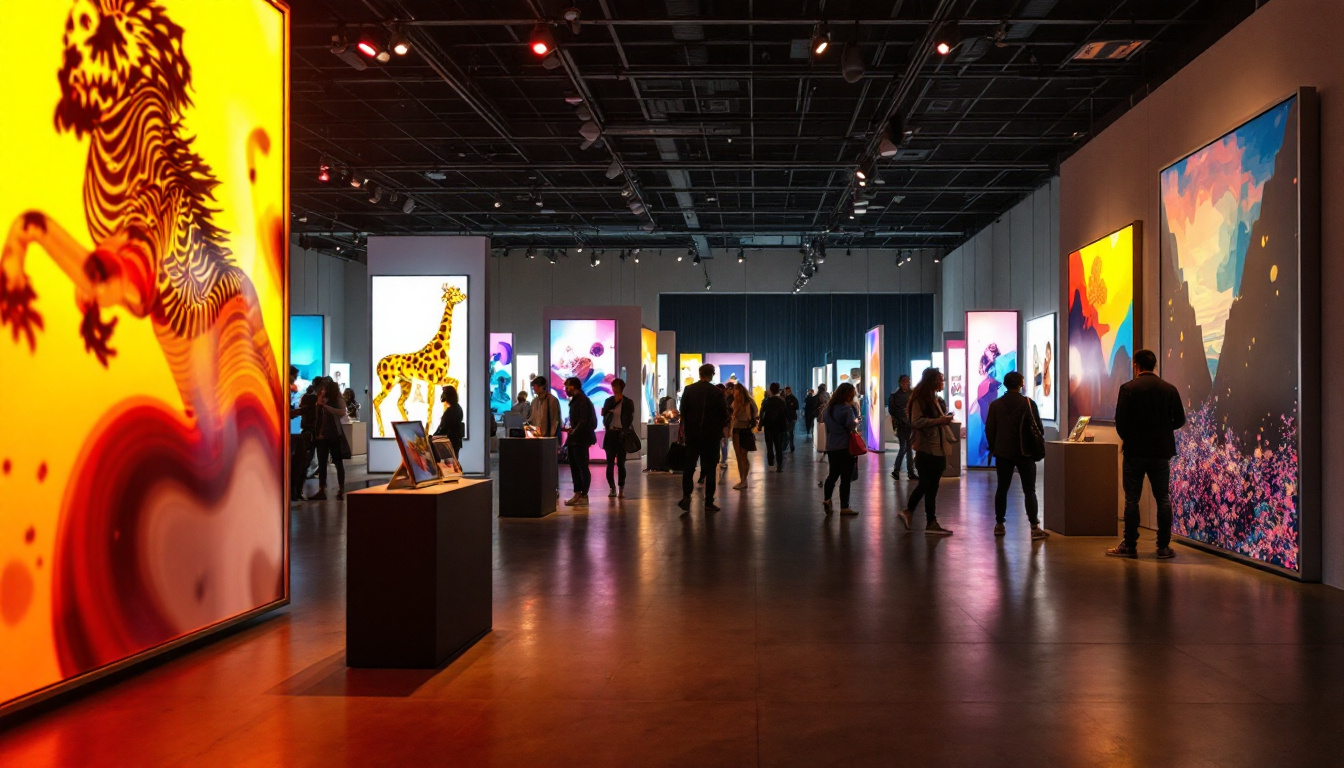
Moreover, the creative use of LED technology has inspired artists and designers, turning some billboards into public art installations that push the boundaries of digital media and urban expression.
The Future of LED Billboards in Times Square
Looking ahead, the future of LED billboards in Times Square is poised for continued innovation. Advances in LED efficiency, resolution, and interactivity will enable even more immersive and personalized advertising experiences. Integration with emerging technologies like artificial intelligence and augmented reality could further transform how brands communicate with audiences.
Additionally, sustainability is becoming a key focus, with operators exploring renewable energy sources and eco-friendly materials to reduce the environmental footprint of these massive displays. As technology evolves, Times Square’s LED billboards will likely remain at the forefront of digital advertising, continuing to captivate and inspire millions around the world.
Conclusion
LED billboards have revolutionized the visual landscape of Times Square, turning it into a vibrant, dynamic hub of advertising and culture. Their advanced technology, combined with strategic design and regulatory oversight, ensures that these displays remain effective, engaging, and responsible. As a symbol of innovation and urban energy, Times Square’s LED billboards exemplify the power of digital media to transform public spaces and connect with audiences on a global scale.
For advertisers, city planners, and visitors alike, understanding the technology and impact behind these iconic displays offers valuable insight into one of the most compelling examples of modern urban advertising.
Illuminate Your Brand with LumenMatrix
As you’ve seen, LED billboards are the pulsating heart of Times Square, offering brands a canvas to showcase their message with unparalleled vibrancy. If you’re inspired to elevate your brand’s presence in this digital renaissance, LumenMatrix is your partner in innovation. Specializing in a wide array of LED display solutions—from Indoor and Outdoor LED Walls to Custom and Transparent Displays—LumenMatrix empowers your brand to captivate and engage audiences like never before. Check out LumenMatrix LED Display Solutions and join the ranks of those transforming the visual language of advertising in urban spaces.