In the rapidly evolving world of digital signage and display technology, LED displays have emerged as a dominant force, revolutionizing how information and visuals are presented in both indoor and outdoor environments. Among the various applications of LED technology, solar-powered LED displays are gaining traction for their sustainability, efficiency, and versatility. This article explores the fundamentals of LED displays, the integration of solar power, and the benefits and considerations that make solar LED displays a compelling choice for businesses, municipalities, and event organizers worldwide.
Understanding LED Display Technology
What is an LED Display?
LED stands for Light Emitting Diode, a semiconductor device that emits light when an electric current passes through it. An LED display is a flat panel display that uses an array of light-emitting diodes as pixels to create images, videos, or text. Unlike traditional LCD or plasma screens, LED displays provide brighter images with higher contrast ratios and better energy efficiency.
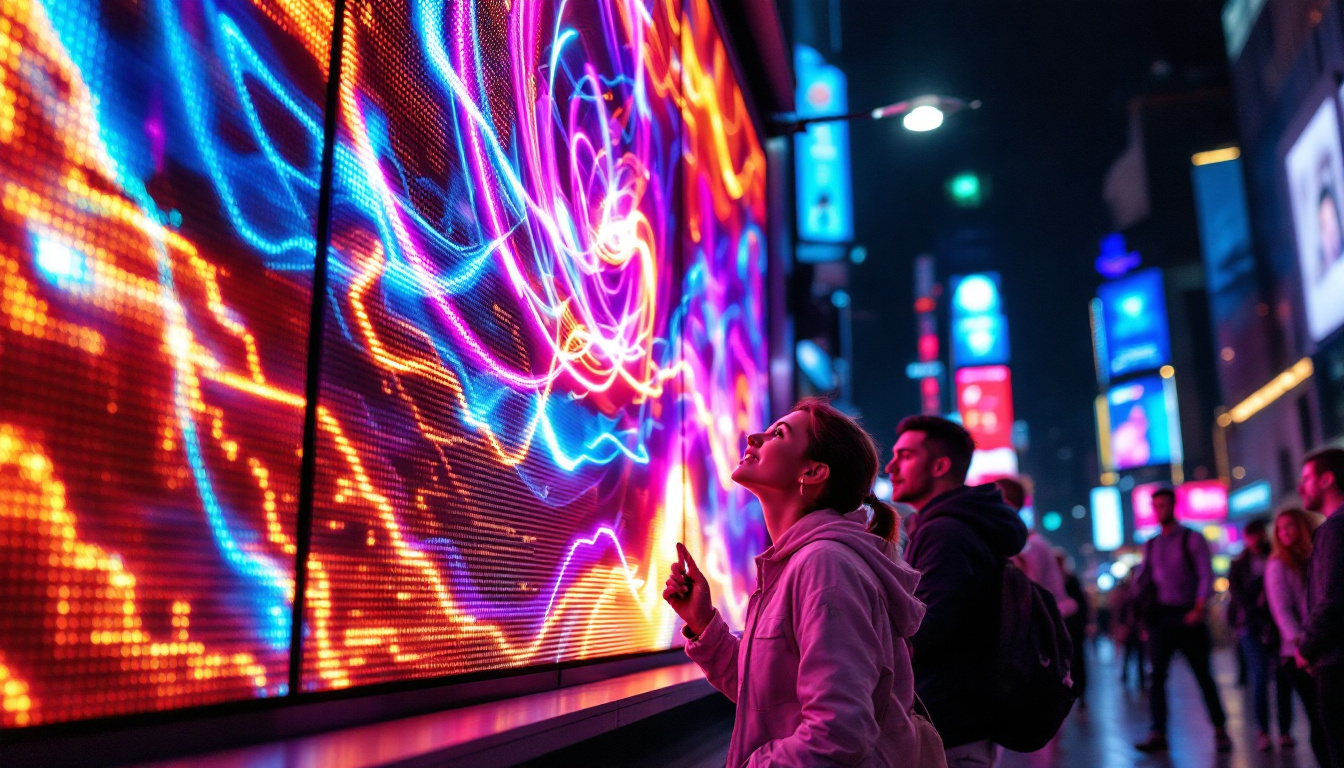
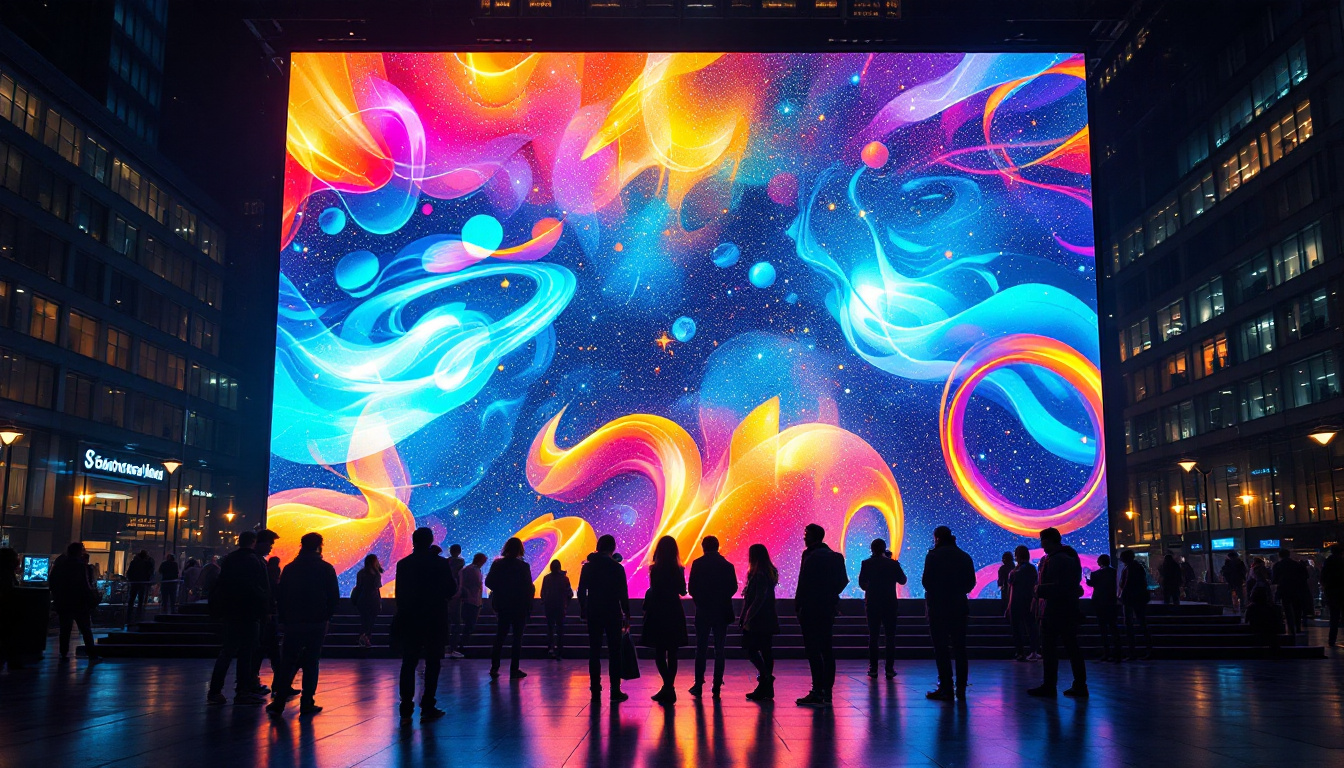
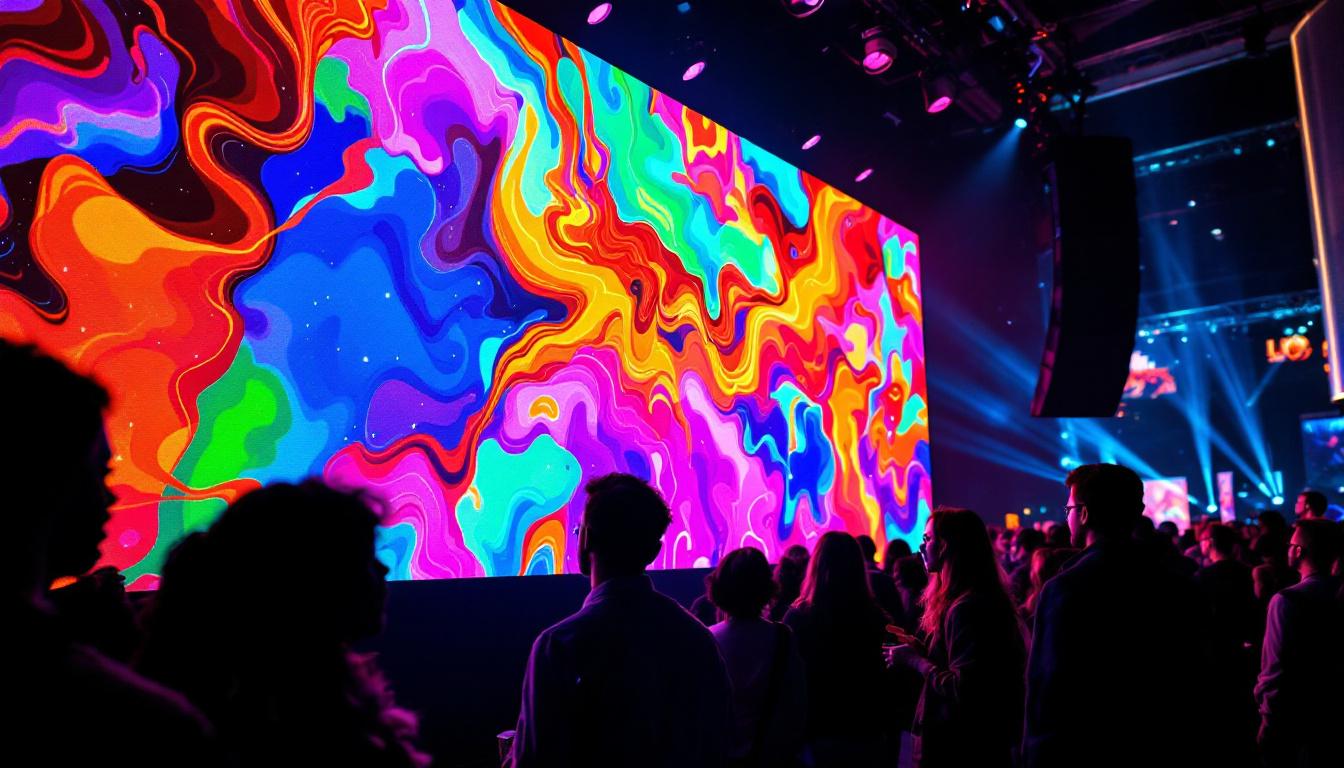
Modern LED displays are composed of thousands to millions of individual LEDs arranged in a matrix. These LEDs can be red, green, and blue (RGB), which combine to produce a full spectrum of colors. The ability to control each LED’s brightness and color individually allows for dynamic and vivid visual content, making LED displays ideal for advertising, information dissemination, and entertainment. The versatility of LED technology also enables the creation of large-scale displays that can be seen from great distances, making them a popular choice for outdoor advertising and public events.
Types of LED Displays
LED displays come in various forms, primarily categorized into:
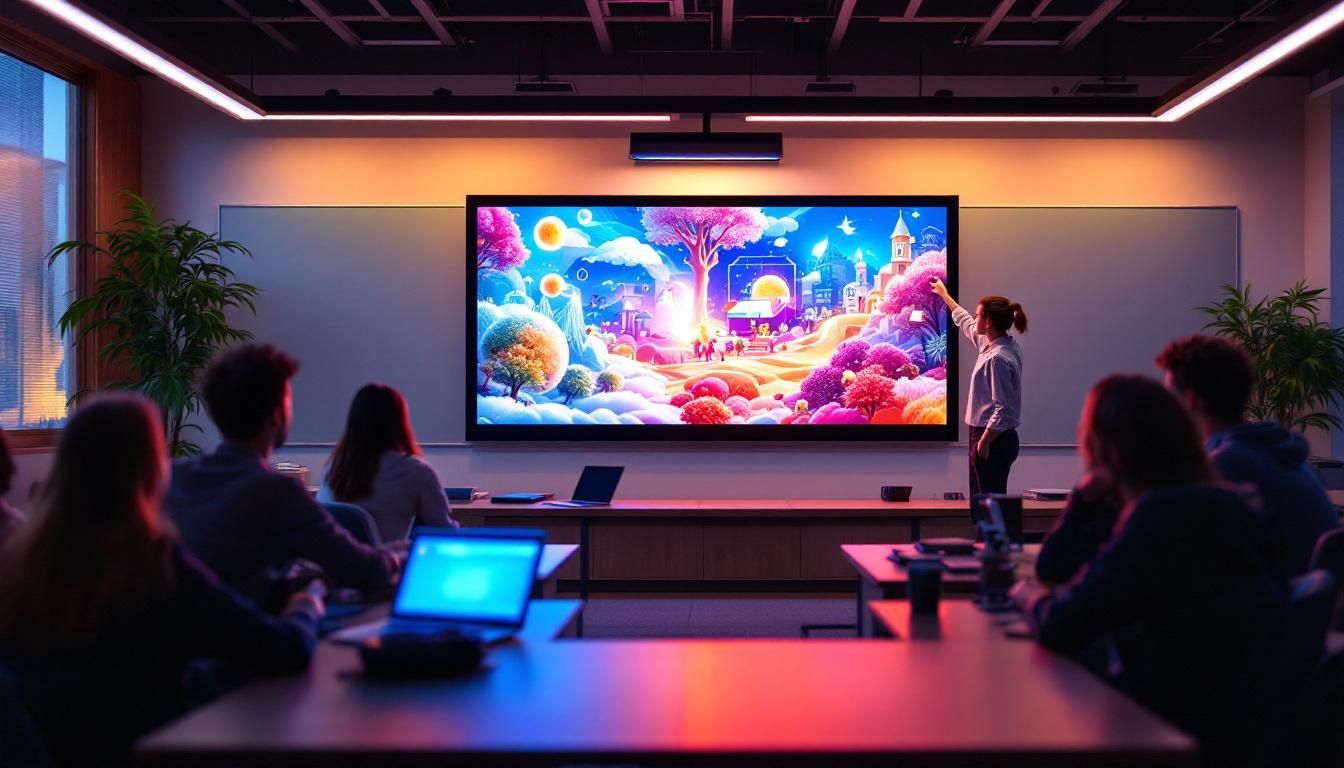
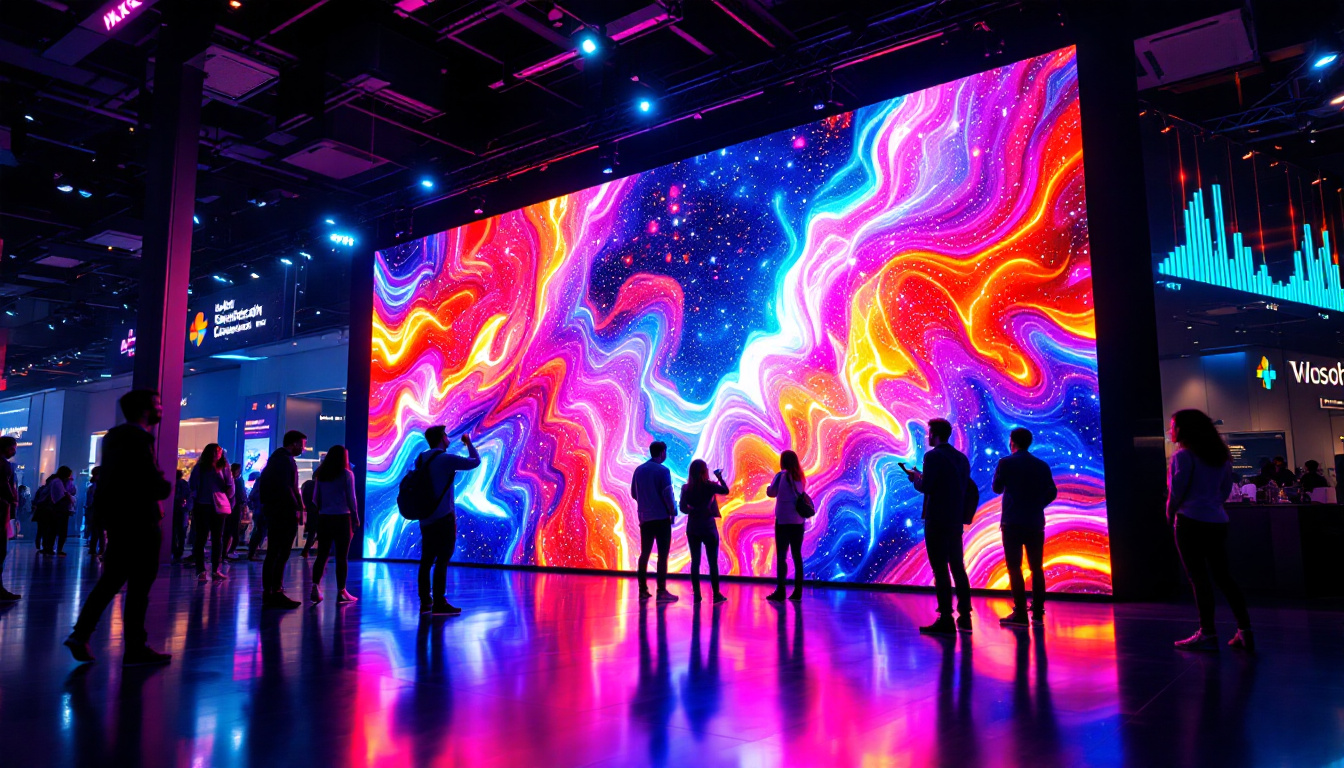
- Indoor LED Displays: Designed for environments with controlled lighting, these displays have a higher pixel density, offering sharp and detailed images suitable for retail stores, conference rooms, and broadcast studios.
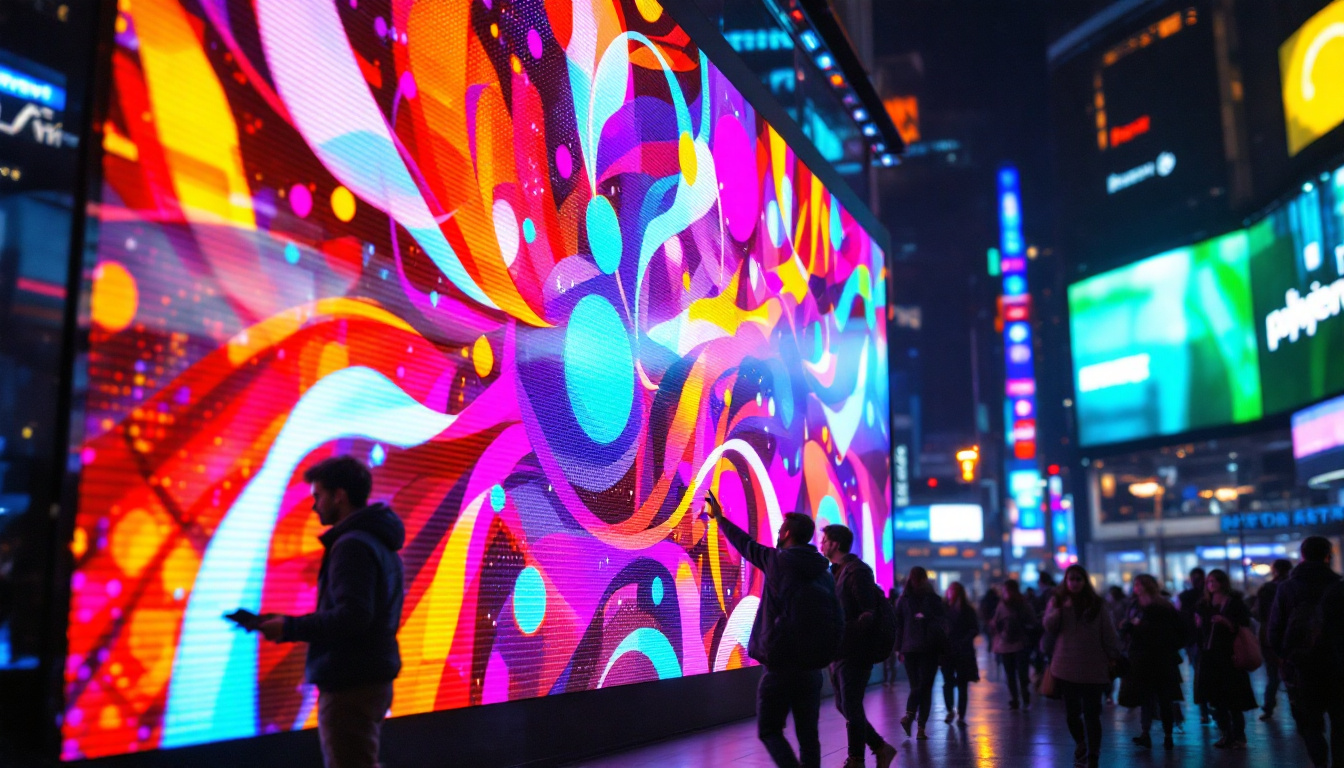
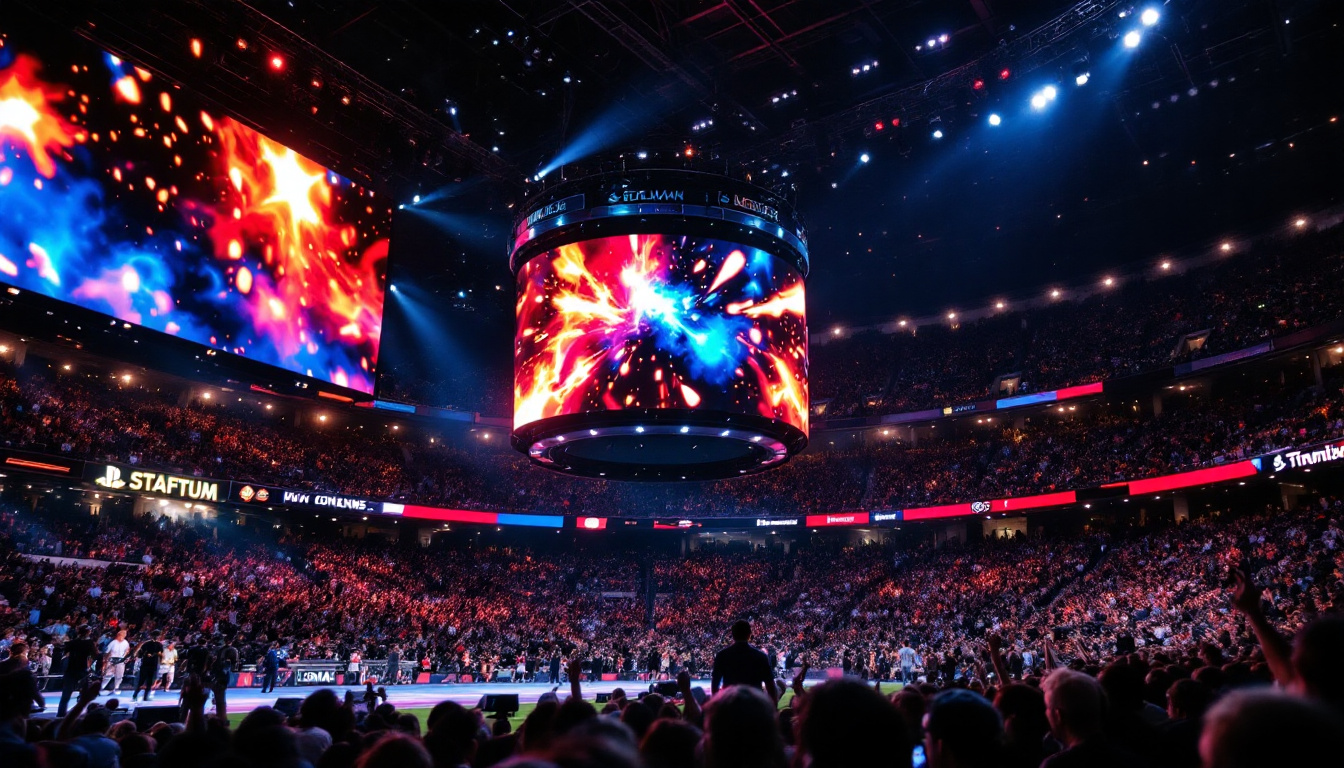
- Outdoor LED Displays: Built to withstand harsh weather conditions, these displays are brighter to combat sunlight glare and are commonly used for billboards, sports arenas, and public information boards.
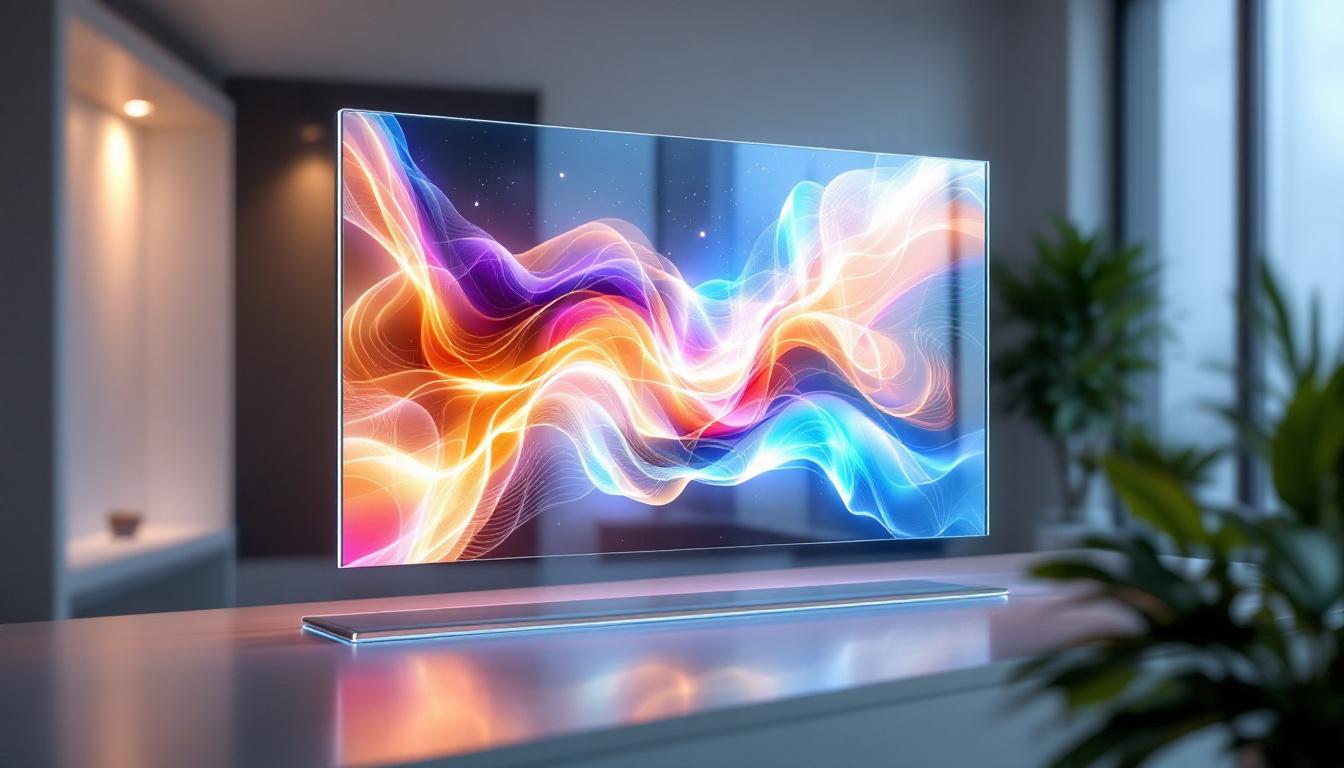
- Transparent LED Displays: These innovative displays allow light to pass through, enabling them to be installed on glass surfaces without obstructing views, often used in storefronts and architectural installations.
Each type serves distinct purposes, but all share the core advantage of LED technology: vivid, energy-efficient, and durable visual output. Furthermore, the rapid advancements in LED technology have led to the development of flexible LED displays, which can be bent and shaped to fit unconventional spaces, allowing for creative installations that enhance the aesthetic appeal of environments. This flexibility opens up new avenues for artistic expression and functional design, making LED displays not just a tool for communication but also a medium for creativity.
Additionally, the integration of smart technology with LED displays has revolutionized their functionality. Many modern LED displays come equipped with sensors and connectivity options that allow for real-time content updates, audience interaction, and data analytics. This capability is particularly valuable in retail environments, where businesses can tailor their advertising based on customer demographics and behaviors, thus maximizing engagement and improving customer experiences. As technology continues to evolve, the potential applications for LED displays are virtually limitless, paving the way for innovative solutions in various industries.
The Rise of Solar-Powered LED Displays
Why Combine Solar Power with LED Displays?
The integration of solar power with LED displays is a natural progression towards sustainable and off-grid digital signage solutions. Solar energy harnesses the sun’s power through photovoltaic panels, converting sunlight into electricity. When paired with LED displays, this combination offers several compelling benefits:
- Energy Efficiency: LEDs are already known for their low power consumption compared to other lighting and display technologies. Solar panels further reduce reliance on grid electricity, lowering operational costs and environmental impact.
- Remote and Off-Grid Operation: Solar-powered LED displays can be installed in locations without access to electrical infrastructure, such as rural areas, highways, and temporary event sites.
- Environmental Sustainability: Using renewable energy sources aligns with global efforts to reduce carbon footprints and combat climate change.
These advantages make solar LED displays particularly attractive for governments, advertisers, and organizations committed to green initiatives and cost-effective operations. Additionally, as technology advances, the cost of solar panels and LED components continues to decrease, making these systems more accessible to a wider range of users. This democratization of technology not only empowers small businesses and local governments to adopt sustainable practices but also fosters innovation in the digital signage industry, leading to new applications and creative uses of solar-powered displays.
Key Components of a Solar LED Display System
A typical solar-powered LED display system consists of several integral components working in harmony:
- LED Display Panel: The core visual output device, designed to operate efficiently with low power consumption.
- Solar Panels: Photovoltaic modules that capture sunlight and convert it into electrical energy.
- Battery Storage: Rechargeable batteries store excess solar energy generated during the day to power the display during nighttime or cloudy conditions.
- Charge Controller: Regulates the power flow between solar panels, batteries, and the LED display to prevent overcharging or deep discharging of batteries.
- Control System: Manages the content displayed and system operations, often remotely accessible for updates and diagnostics.
The seamless integration of these components ensures reliable performance, even in variable weather conditions. Furthermore, advancements in smart technology have enabled these systems to adapt dynamically to their environments. For instance, some solar-powered LED displays can adjust their brightness based on ambient light levels, optimizing visibility while conserving energy. This capability not only enhances user experience but also prolongs the lifespan of the display, making it a smart investment for long-term use. As the demand for versatile and eco-friendly advertising solutions grows, the potential for solar-powered LED displays to transform public spaces and enhance communication continues to expand.
Benefits of Solar LED Displays in Various Applications
Advertising and Marketing
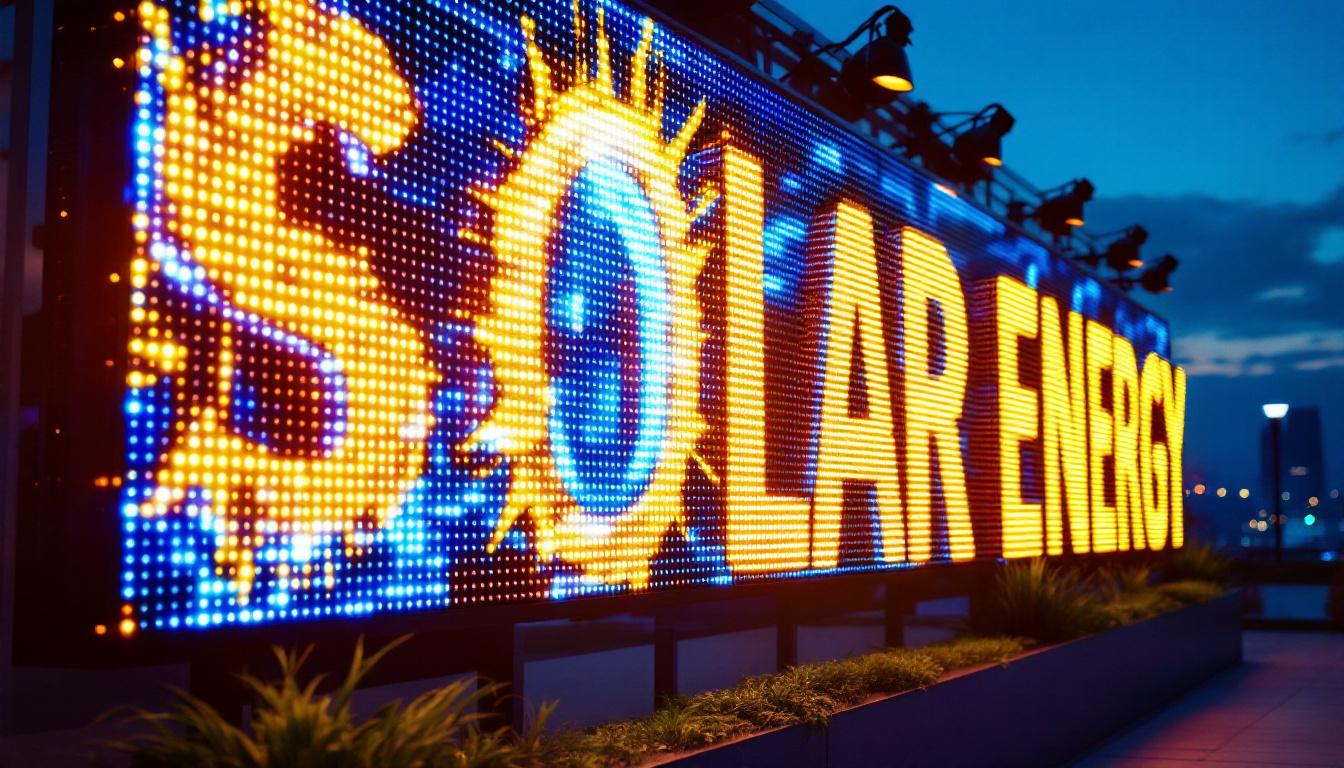
Solar-powered LED billboards and signage offer advertisers a flexible and cost-effective platform to reach audiences in high-traffic areas without the constraints of electrical hookups. For example, roadside digital billboards powered by solar energy can be rapidly deployed in emerging markets or temporary campaign locations.
Moreover, the dynamic nature of LED displays allows for real-time content updates, enabling marketers to tailor messages based on time, weather, or audience demographics. This adaptability enhances engagement and return on investment.
Public Information and Safety
Municipalities use solar LED displays for traffic management, emergency alerts, and public announcements. These displays can be installed at strategic points such as highways, parks, and transit hubs, providing critical information without the need for extensive electrical infrastructure.
During natural disasters or power outages, solar LED displays maintain operational continuity, ensuring that vital messages reach the public promptly, which can be lifesaving in emergencies.
Events and Temporary Installations
Outdoor festivals, sports events, and exhibitions benefit greatly from solar LED displays due to their portability and independence from power grids. Event organizers can set up large-scale screens for live broadcasts, advertisements, or interactive experiences without worrying about power supply logistics.
This flexibility also reduces setup time and costs, making solar LED displays a preferred choice for temporary or mobile applications.
Technical Considerations and Challenges
Power Management and Efficiency
While LED technology is energy-efficient, the overall system efficiency depends heavily on solar panel capacity, battery storage, and power management. Designers must carefully calculate energy consumption based on display size, brightness levels, and operational hours to ensure the solar setup can meet demand.
Advancements in battery technology, such as lithium-ion and lithium iron phosphate batteries, have improved energy density and lifespan, but cost and maintenance remain factors to consider.
Brightness and Visibility
Outdoor solar LED displays must deliver sufficient brightness to remain visible under direct sunlight, often requiring brightness levels of 5,000 to 8,000 nits or higher. This demand increases power consumption, which must be balanced with available solar energy and battery capacity.
Innovations in LED chip efficiency and adaptive brightness controls help optimize power use without compromising visibility.
Environmental and Installation Factors
Solar LED displays are exposed to environmental stressors such as rain, wind, dust, and temperature fluctuations. Robust weatherproof enclosures and corrosion-resistant materials are essential for durability.
Additionally, solar panels require optimal placement and angle to maximize sunlight absorption, which may be challenging in urban areas with shading from buildings or trees.
The Future of Solar LED Displays
Technological Innovations Driving Growth
The solar LED display market is poised for significant growth, driven by technological advancements and increasing demand for sustainable solutions. Emerging trends include:
- Integration with IoT: Smart solar LED displays equipped with sensors and connectivity can adjust brightness, display content, and report system health in real time, enhancing operational efficiency.
- Flexible and Transparent Solar Panels: New solar materials enable panels to be integrated directly into display surfaces or architectural elements, expanding design possibilities.
- Energy Harvesting and Storage Improvements: Next-generation batteries and energy management systems will further enhance reliability and reduce maintenance.
Global Impact and Sustainability Goals
Governments and organizations worldwide are increasingly adopting solar LED displays as part of broader sustainability strategies. For example, cities aiming to reduce carbon emissions incorporate solar digital signage in smart city initiatives, contributing to cleaner urban environments.
As the cost of solar technology continues to decline and LED displays become more affordable, the accessibility of solar-powered digital signage will expand, enabling more communities and businesses to benefit from this green technology.
Conclusion
Solar-powered LED displays represent a powerful convergence of energy-efficient lighting and renewable energy technology. Their ability to deliver bright, dynamic content without reliance on traditional power grids makes them ideal for a wide range of applications, from advertising and public safety to events and remote installations.
While technical challenges such as power management and environmental durability require careful planning, ongoing innovations promise to enhance performance and reduce costs further. As sustainability becomes a global priority, solar LED displays are set to play a pivotal role in shaping the future of digital communication and environmental stewardship.
Illuminate Your Message with LumenMatrix
Embrace the future of digital signage with LumenMatrix, where innovation meets sustainability. Our extensive range of LED display modules, from the vibrant Indoor LED Wall Display to the robust Outdoor LED Wall Display, and from the dynamic Vehicle LED Display to the crystal-clear LED Transparent Display, is designed to captivate and engage your audience. Join the revolution in visual communication and let LumenMatrix help you share your message with unparalleled impact. Check out LumenMatrix LED Display Solutions today and light up your brand’s presence with cutting-edge technology.