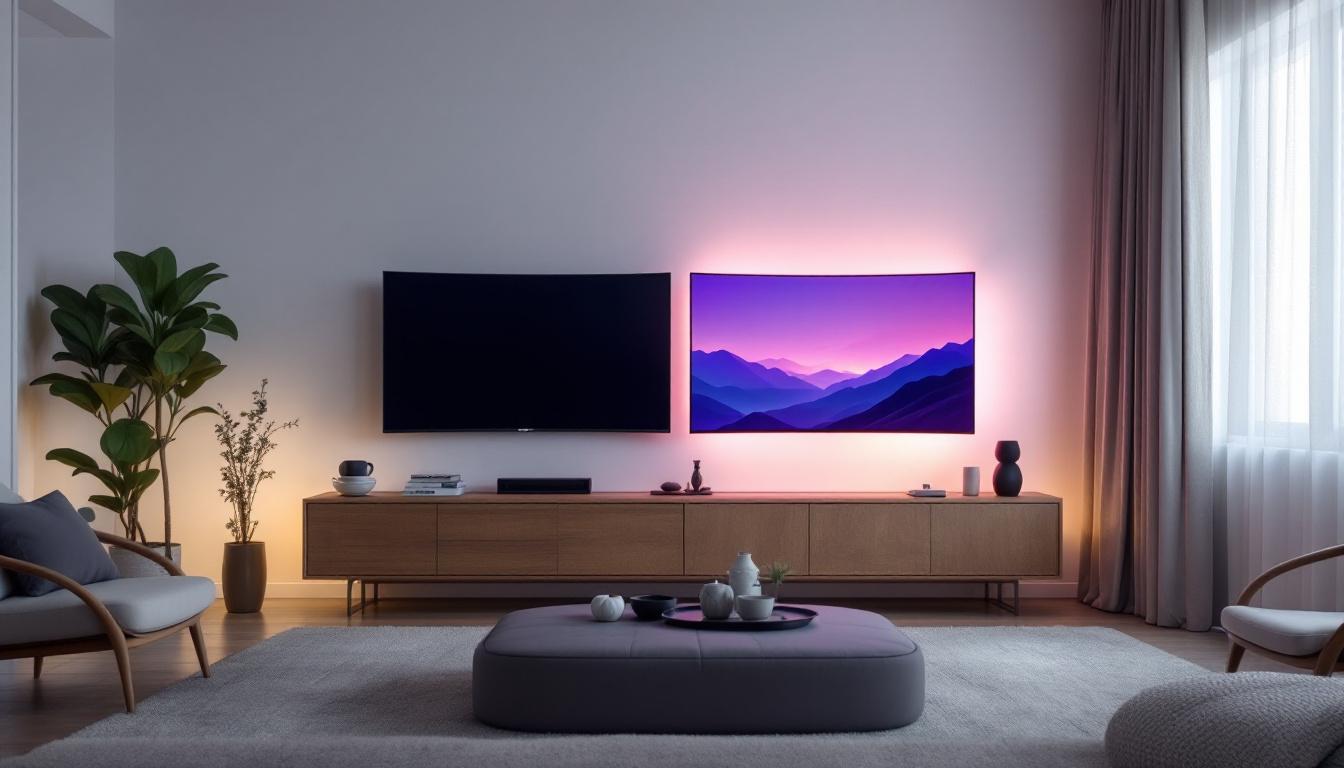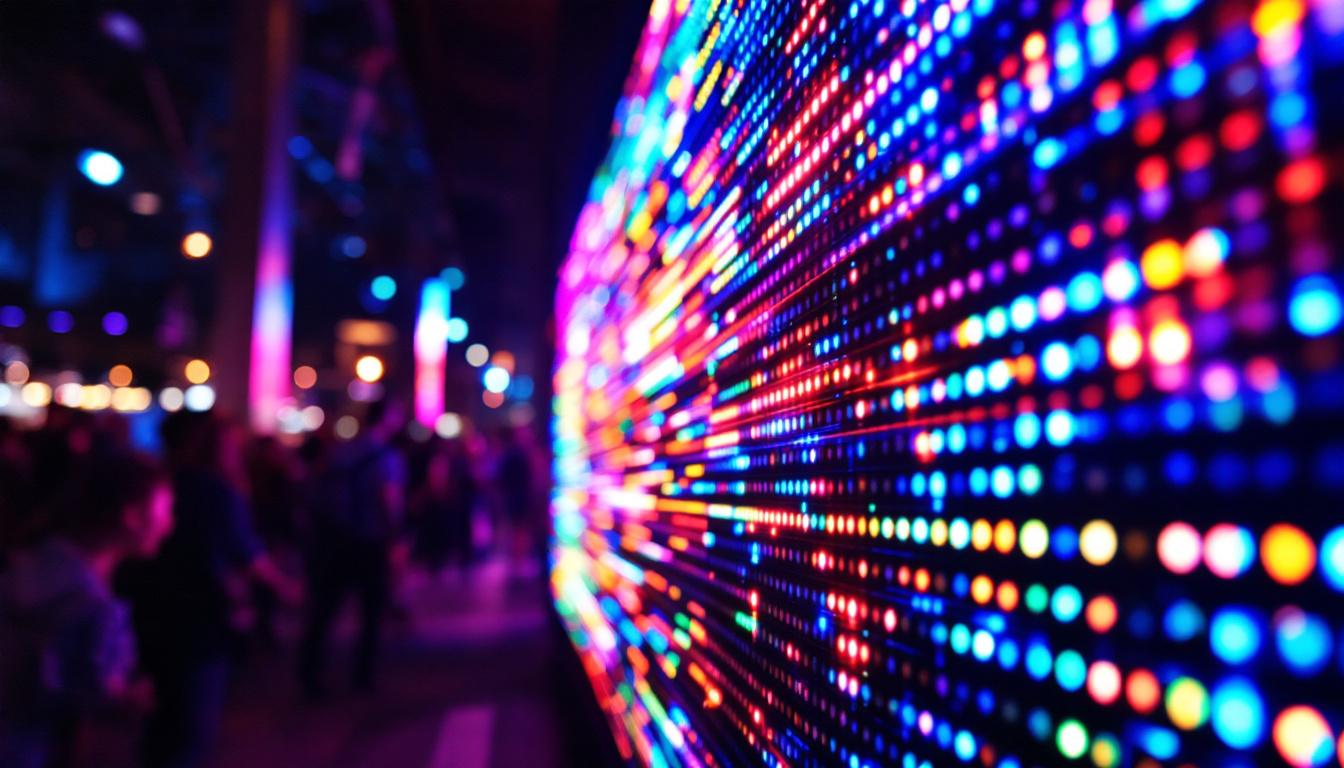
In an era dominated by digital communication and visual storytelling, LED displays have emerged as a cornerstone technology. From vibrant billboards illuminating cityscapes to high-definition screens in stadiums and retail environments, LED displays are transforming how information and entertainment are delivered. This article delves into the fascinating world of LED displays, exploring their technology, applications, benefits, and future trends.
Understanding LED Display Technology
What is an LED Display?
LED stands for Light Emitting Diode, a semiconductor device that emits light when an electric current passes through it. An LED display is a flat panel or flexible surface composed of numerous tiny LEDs arranged in a grid. Each LED functions as a pixel, capable of producing a range of colors by combining red, green, and blue diodes. This technology enables the creation of vivid, high-contrast images and videos that are visible even in bright outdoor conditions.
Unlike traditional LCD or plasma screens, LED displays use direct light emission rather than relying on backlighting. This fundamental difference results in superior brightness, energy efficiency, and durability, making LEDs ideal for both indoor and outdoor applications. The longevity of LED technology is another significant advantage; they can last up to 100,000 hours, which is substantially longer than their counterparts. This durability not only reduces the need for frequent replacements but also contributes to lower maintenance costs over time, making them a cost-effective solution for businesses and consumers alike.
Types of LED Displays
LED displays come in various types, each suited for specific uses:
- Indoor LED Displays: Designed for environments with controlled lighting, these displays have smaller pixel pitches (the distance between individual LEDs), allowing for high-resolution images suitable for conference rooms, retail stores, and broadcast studios.
- Outdoor LED Displays: Built to withstand harsh weather conditions, these displays feature larger pixel pitches for visibility over long distances. They are commonly used for digital billboards, sports arenas, and public information boards.
- Flexible and Transparent LED Displays: Innovations in LED technology have led to flexible screens that can curve around surfaces and transparent displays that blend seamlessly with glass, opening new possibilities in architecture and design.
Additionally, there are specialized LED displays such as rental LED screens, which are designed for temporary installations like concerts and events. These displays are lightweight and modular, allowing for quick setup and takedown, making them ideal for dynamic environments where adaptability is key. Furthermore, advancements in pixel pitch technology have enabled ultra-high-definition displays that deliver stunning visuals, making them increasingly popular in high-end retail and entertainment venues.
How LED Displays Work
The core principle behind LED displays is the manipulation of light at the pixel level. Each pixel consists of three sub-pixels: red, green, and blue LEDs. By varying the intensity of these sub-pixels, the display can produce millions of colors. This process is controlled by sophisticated drivers and processors that interpret input signals from video sources.
Modern LED displays often use surface-mounted device (SMD) technology, where LEDs are mounted directly onto circuit boards. This approach allows for smaller pixel pitches and higher resolutions, enhancing image clarity and detail. Moreover, many LED displays now incorporate smart technology, enabling features such as remote monitoring and control, real-time content updates, and integration with various media formats. This capability not only enhances user engagement but also allows businesses to tailor their messaging dynamically, responding to audience needs and preferences in real-time.
Applications of LED Displays Across Industries
Advertising and Marketing
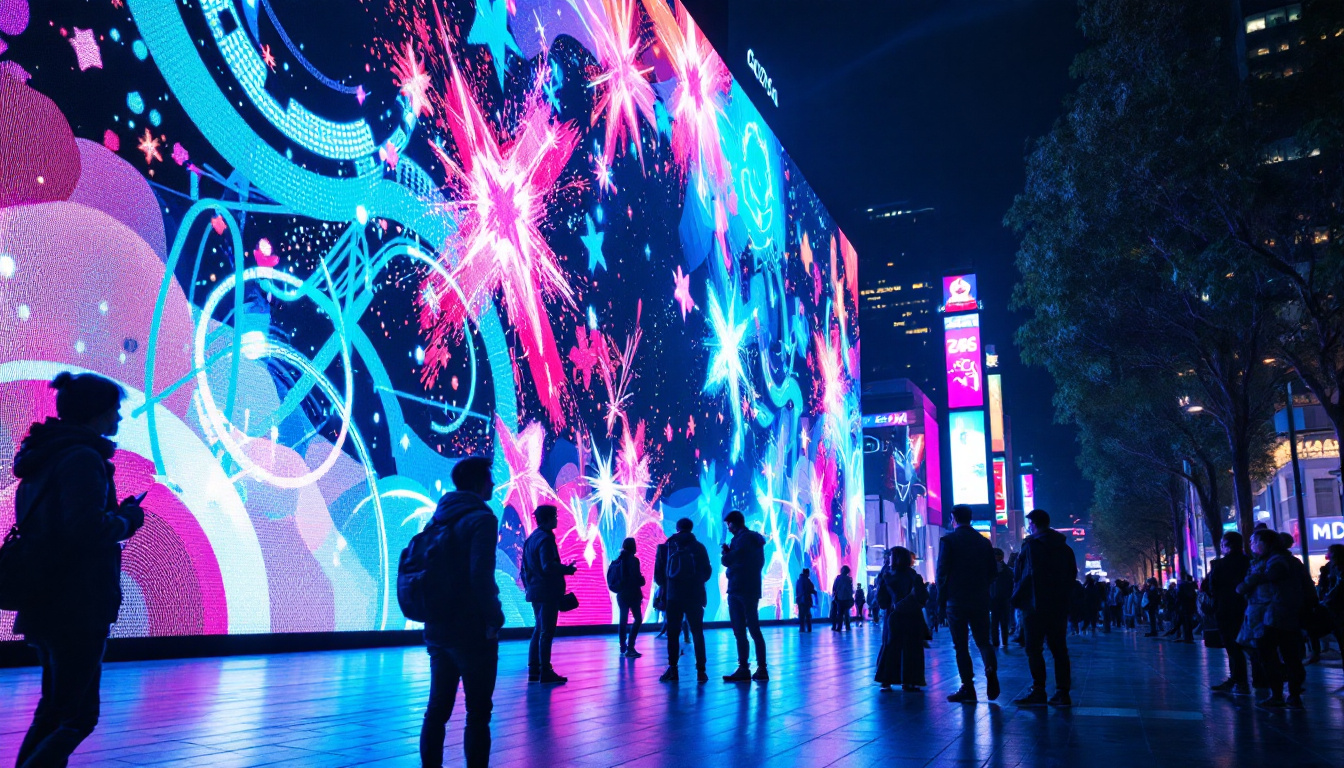
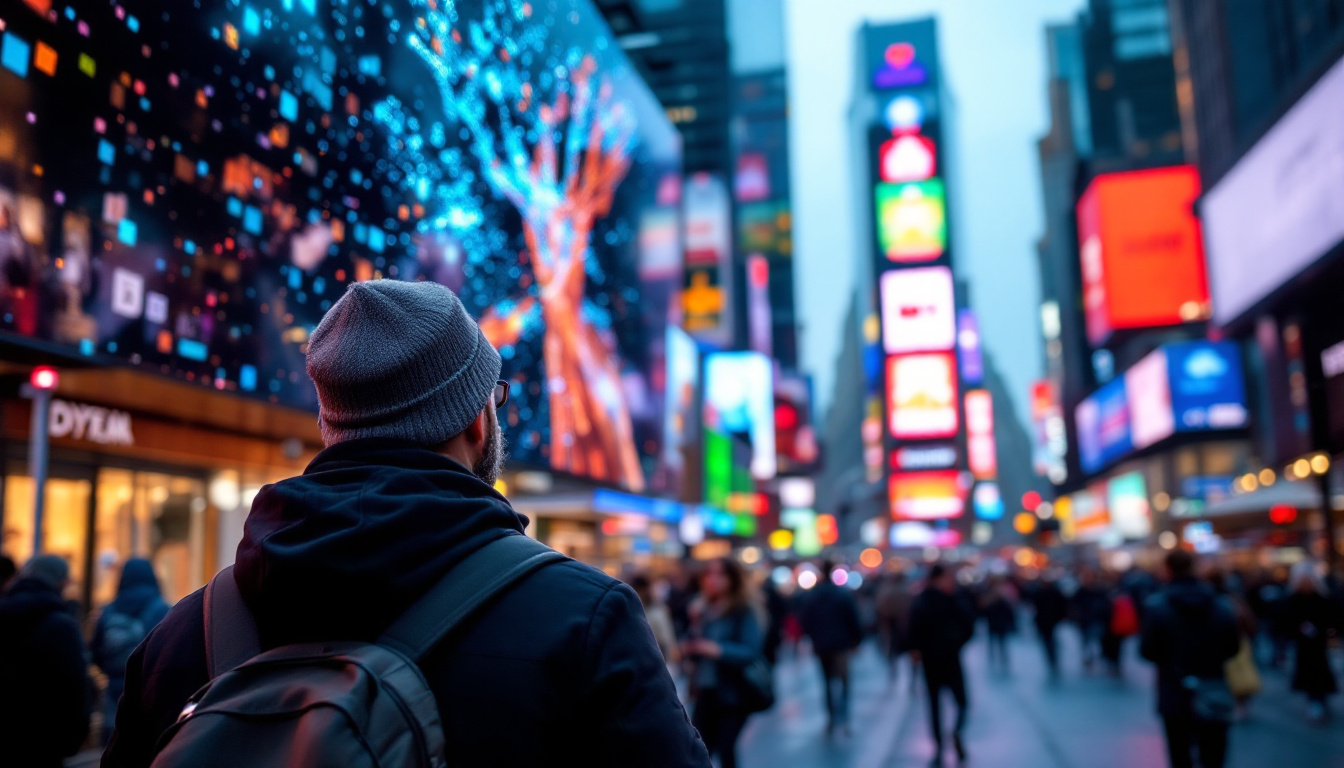
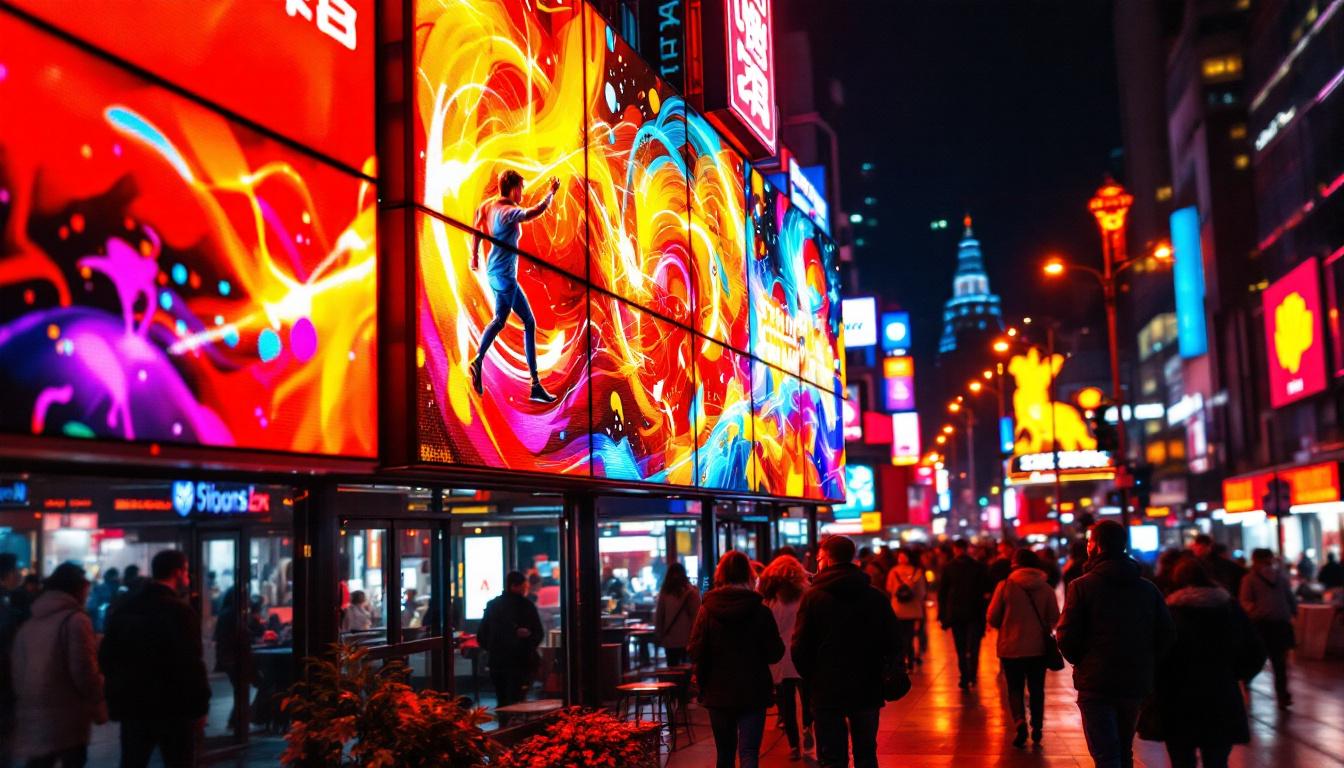
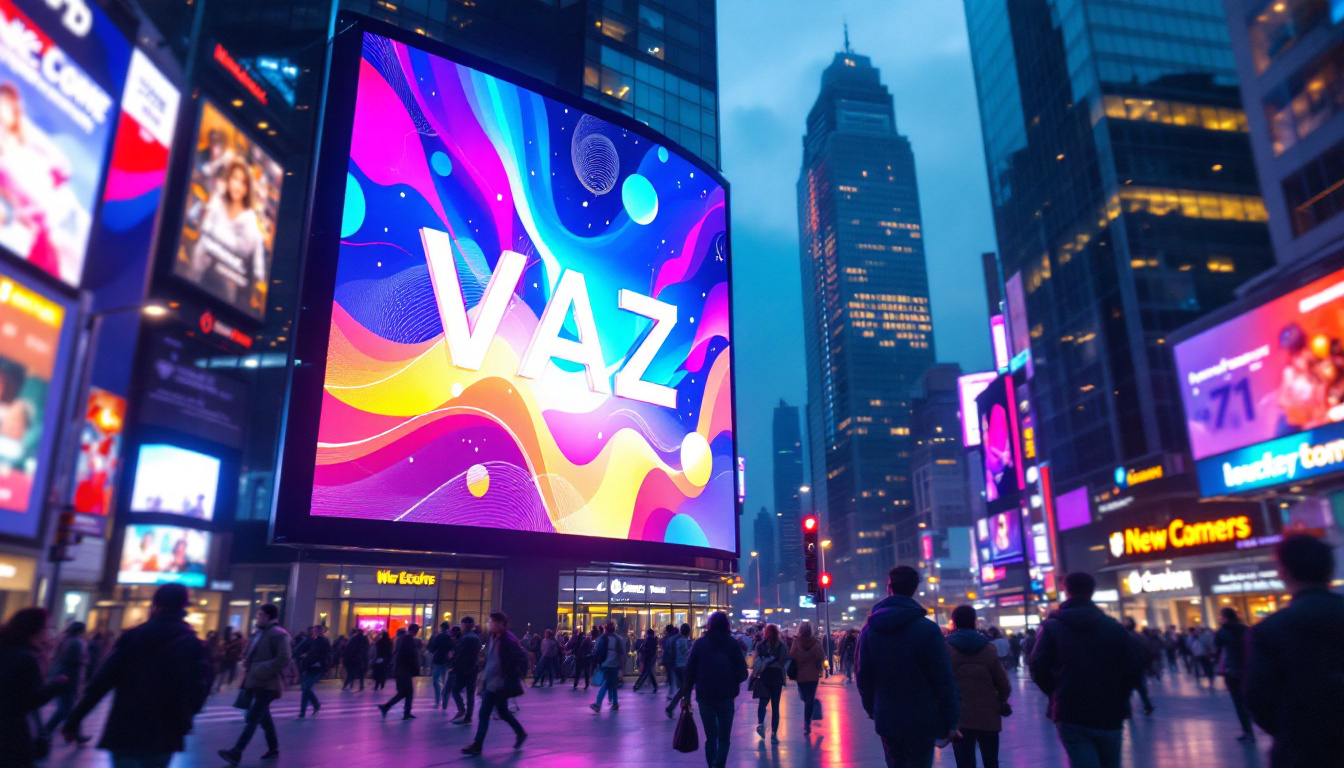
One of the most visible uses of LED displays is in outdoor advertising. Digital billboards equipped with LED technology offer dynamic content that can be updated in real-time, allowing advertisers to tailor messages based on time of day, weather, or audience demographics. According to a report by Grand View Research, the global digital signage market is expected to reach $31.71 billion by 2027, driven largely by the adoption of LED displays.
LED displays also enable interactive marketing campaigns. Touch-enabled LED walls in retail stores can engage customers directly, enhancing brand experience and driving sales. These interactive displays can showcase product features through engaging visuals and even allow customers to customize products on the spot, creating a more personalized shopping experience. Furthermore, the integration of social media feeds into these displays allows brands to amplify their reach by encouraging customers to share their experiences in real-time, effectively turning shoppers into brand ambassadors.
Entertainment and Sports Venues
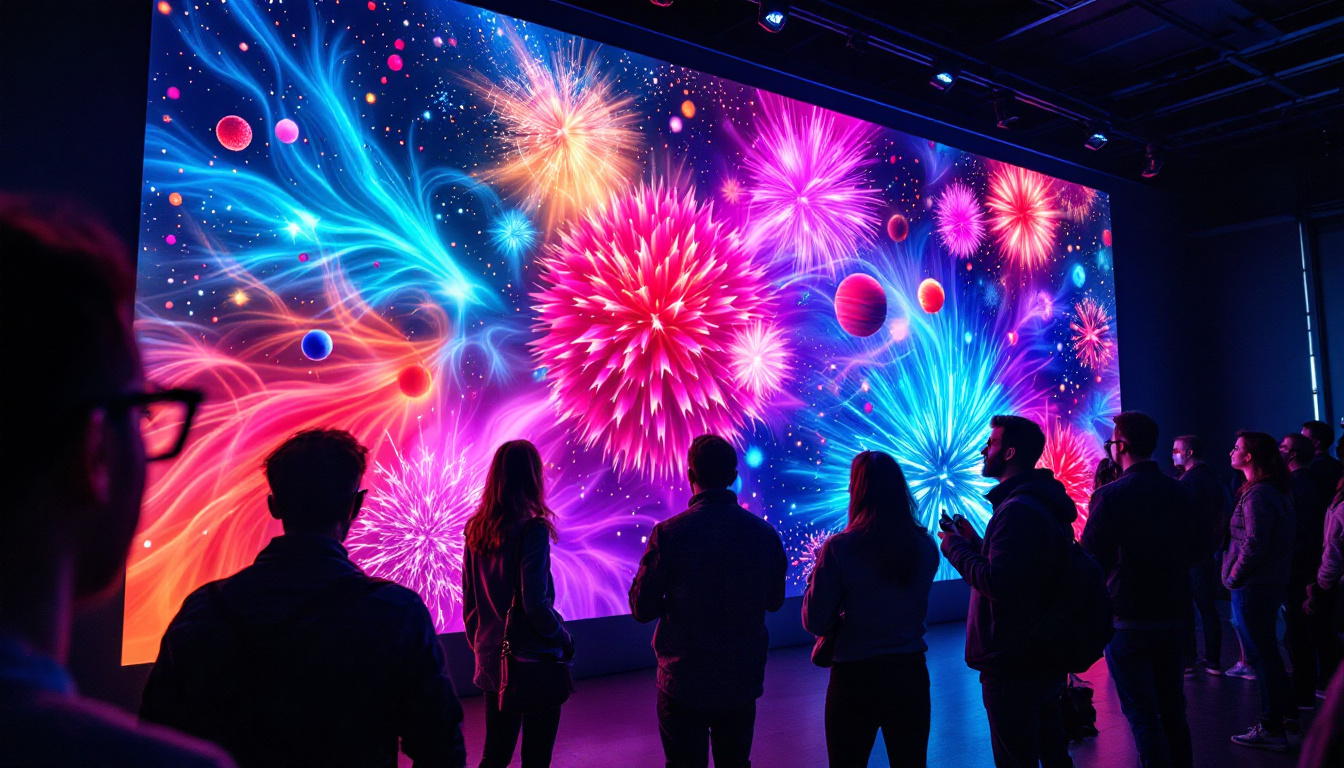
Stadiums and concert arenas rely heavily on large-format LED screens to deliver immersive experiences. These displays provide live video feeds, instant replays, and dynamic graphics that enhance audience engagement. For example, the AT&T Stadium in Texas features a center-hung LED display measuring 160 feet wide and 72 feet tall, one of the largest in the world. This massive screen not only serves to entertain but also plays a crucial role in enhancing the atmosphere of live events, making every seat in the house feel like a front-row experience.
LED technology’s ability to produce bright, high-contrast images ensures visibility even under direct sunlight, making it indispensable for outdoor events. Additionally, the versatility of LED displays allows for creative uses, such as displaying animated graphics during halftime shows or integrating augmented reality elements that captivate audiences. This innovation has transformed the way fans interact with their favorite sports and performances, turning passive viewers into active participants in the entertainment experience.
Transportation and Public Information
LED displays are crucial in transportation hubs such as airports, train stations, and bus terminals. They provide real-time updates on schedules, delays, and safety information. Their high visibility and reliability help improve passenger experience and operational efficiency. In airports, for instance, LED screens can display flight information in multiple languages, catering to a diverse range of travelers and ensuring that everyone is kept informed.
In urban environments, LED-based smart signage is increasingly used for traffic management, emergency alerts, and public service announcements, contributing to safer and more connected cities. These displays can adapt to changing traffic conditions, providing drivers with timely information about road closures or accidents, thereby enhancing overall traffic flow. Moreover, the ability to integrate with city-wide communication systems means that during emergencies, LED displays can quickly relay critical information to the public, potentially saving lives and reducing panic.
Corporate and Educational Settings
In corporate environments, LED displays are used for presentations, video conferencing, and digital signage within office spaces. Their clarity and adaptability make them ideal for collaborative workspaces and executive briefing rooms. Companies are increasingly utilizing these displays for internal communications, showcasing real-time data dashboards that keep employees informed about business performance and goals. This transparency fosters a culture of accountability and engagement among staff.
Educational institutions utilize LED screens for interactive learning, digital notice boards, and event broadcasting. The technology’s flexibility supports diverse teaching methods and enhances student engagement. For example, in classrooms, teachers can use LED displays to present multimedia content that caters to various learning styles, making lessons more impactful. Furthermore, during school events, LED screens can be employed to display schedules, highlight student achievements, or even stream live performances, creating a vibrant and inclusive atmosphere that fosters school spirit and community involvement.
Advantages of LED Displays Over Other Technologies
Superior Brightness and Visibility
One of the standout features of LED displays is their exceptional brightness. LEDs can achieve luminance levels exceeding 5,000 nits, far surpassing traditional LCD screens. This capability ensures readability even in direct sunlight, a critical factor for outdoor applications.
Energy Efficiency and Longevity
LEDs are highly energy-efficient, consuming up to 80% less power than incandescent lighting. This efficiency translates into lower operating costs and reduced environmental impact. Additionally, LED displays have a long lifespan, often exceeding 100,000 hours, which minimizes maintenance and replacement expenses.
Flexibility and Customization
LED technology allows for a wide range of form factors, from massive video walls to curved and transparent displays. This versatility enables designers and marketers to create unique visual experiences tailored to specific environments and audiences.
Fast Refresh Rates and Color Accuracy
LED displays offer rapid refresh rates, eliminating flicker and motion blur, which is essential for high-quality video playback and live broadcasts. Their ability to render accurate colors enhances visual fidelity, making them suitable for professional applications such as broadcasting and digital art.
Challenges and Considerations in LED Display Deployment
Initial Investment and Installation
While LED displays offer long-term benefits, the upfront costs can be significant, especially for large-scale installations. Factors such as pixel pitch, screen size, and protective housing influence pricing. Installation also requires careful planning to ensure structural support, electrical supply, and optimal viewing angles.
Maintenance and Environmental Factors
Outdoor LED displays must be designed to withstand weather extremes, including rain, wind, and temperature fluctuations. Regular maintenance is necessary to address issues such as dead pixels or power supply failures. Advances in modular design have simplified repairs, allowing for quick replacement of faulty components.
Content Management and Software Integration
Effective use of LED displays depends on robust content management systems (CMS) that enable seamless scheduling, updating, and monitoring of displayed content. Integration with data sources and analytics platforms can enhance the impact of digital signage but requires technical expertise.
The Future of LED Display Technology
MicroLED and MiniLED Innovations
Emerging technologies like MicroLED and MiniLED promise to revolutionize display performance. MicroLEDs are significantly smaller than traditional LEDs, enabling even higher resolutions and improved energy efficiency. These displays offer exceptional contrast ratios and color accuracy, making them suitable for next-generation televisions, smartphones, and augmented reality devices.
Integration with Smart Technologies
LED displays are increasingly integrated with Internet of Things (IoT) platforms and artificial intelligence (AI). This integration allows for real-time content adaptation based on environmental conditions, audience behavior, and contextual data. For example, smart billboards can change advertisements dynamically to maximize engagement and effectiveness.
Sustainability and Eco-Friendly Practices
As sustainability becomes a priority, manufacturers are focusing on eco-friendly materials and energy-saving designs. Advances in LED technology contribute to reducing electronic waste and carbon footprints, aligning with global efforts to promote green technology.
Conclusion
LED displays have fundamentally changed the landscape of digital communication, offering unparalleled brightness, flexibility, and efficiency. Their widespread adoption across industries—from advertising and entertainment to transportation and education—demonstrates their versatility and impact. As technology continues to advance, LED displays will become even more integral to how people interact with information and visual content.
Understanding the intricacies of LED technology and its applications is essential for businesses and organizations looking to leverage this powerful medium. With ongoing innovations and growing demand, the future of LED displays promises exciting possibilities for electronic visions worldwide.
Illuminate Your Space with LumenMatrix
As you’ve seen, LED displays are revolutionizing the way we connect and communicate visually. If you’re ready to elevate your brand’s presence and captivate your audience with vibrant, energy-efficient displays, look no further than LumenMatrix. Our extensive range of innovative LED solutions, from Indoor and Outdoor LED Walls to Custom and Transparent Displays, is designed to meet your unique needs and exceed expectations. Discover how LumenMatrix can transform your visual storytelling and create unforgettable experiences. Check out LumenMatrix LED Display Solutions today and step into the future of digital engagement.