In the realm of digital signage and large-scale visual displays, understanding the concept of view distance is crucial. Whether it’s a massive billboard on a busy highway or a high-resolution screen inside a retail store, the effectiveness of an LED display largely depends on how well it can be seen and interpreted by its intended audience. This article delves into the intricacies of view distance in LED displays, explaining why it matters, how it’s determined, and what factors influence it. By the end, readers will gain a thorough understanding of how to optimize LED display setups for maximum visual impact and clarity.
What is View Distance in LED Displays?
View distance, also known as optimal viewing distance, refers to the range at which an LED display can be comfortably and clearly seen by viewers. It is the distance where the pixels on the screen blend seamlessly, allowing the human eye to perceive a crisp, coherent image without noticing individual pixels or experiencing visual strain.
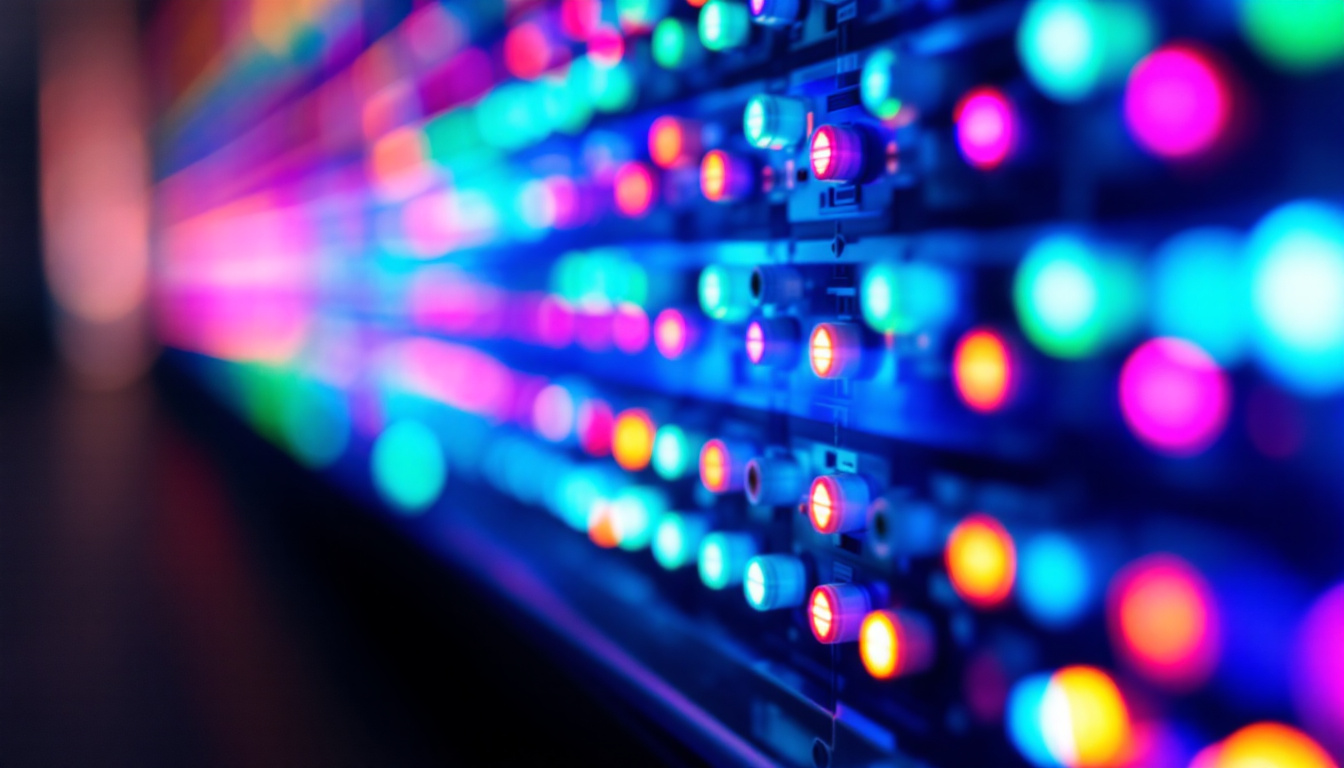
The concept is fundamental in LED technology because LED displays are made up of numerous tiny light-emitting diodes arranged in a grid. Each diode represents a pixel or part of a pixel, and the spacing between these diodes—known as pixel pitch—directly impacts the display’s resolution and clarity at various distances.
Why Does View Distance Matter?
Understanding view distance is essential for several reasons. First, it ensures that the content displayed is legible and visually appealing to the target audience. For example, a digital billboard intended for drivers on a highway must be visible and understandable from hundreds of meters away, whereas an indoor LED screen in a conference room might only need to be clear from a few meters.
Secondly, optimizing view distance helps in selecting the right LED display specifications, such as pixel pitch and resolution, to match the installation environment. This prevents overspending on unnecessarily high-resolution screens or underspending on displays that are too coarse for their intended use.
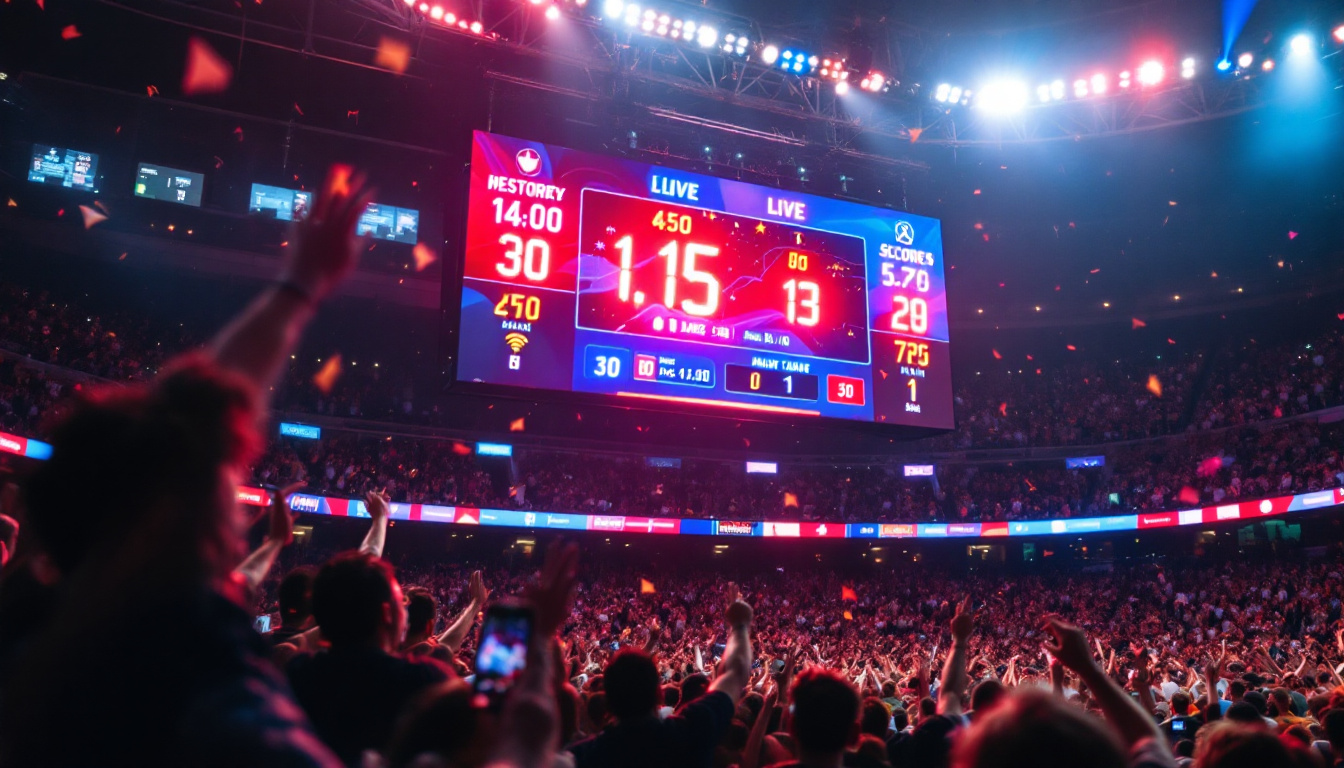
Moreover, the importance of view distance extends beyond mere visibility; it also plays a crucial role in the overall viewer experience. For instance, in environments like sports arenas or concert venues, the view distance can significantly affect how audiences engage with the event. A display that is too far away may fail to capture the excitement of the action, while one that is too close can overwhelm viewers with detail, detracting from their enjoyment. Therefore, understanding the optimal viewing distance ensures that the emotional impact of the content is maximized, enhancing the overall atmosphere of the event.
Additionally, advancements in LED technology have introduced various pixel pitches that cater to different applications. For instance, a fine pixel pitch is ideal for close-range viewing, such as in retail displays or control rooms, where viewers are often just a few feet away. Conversely, a larger pixel pitch is suitable for outdoor applications where viewers are typically at a greater distance. This flexibility allows businesses to tailor their LED solutions to fit specific needs, ensuring that the display not only meets aesthetic standards but also functions effectively within its intended context.
How Pixel Pitch Influences View Distance
Pixel pitch is the distance from the center of one LED pixel to the center of the next, usually measured in millimeters. It is the single most important factor affecting view distance. The smaller the pixel pitch, the higher the pixel density, resulting in sharper images and closer optimal viewing distances.
For instance, an LED display with a pixel pitch of 1.5 mm is designed for close-up viewing, such as in retail stores or control rooms, where viewers might be just a meter or two away. Conversely, a display with a pixel pitch of 10 mm or more is intended for outdoor advertising, where viewers are typically tens or hundreds of meters away.
Typical Pixel Pitch and Corresponding View Distances
To provide a clearer picture, here are some common pixel pitch sizes and their recommended minimum viewing distances:
- 1.2 mm to 2.5 mm: Ideal for indoor environments with close viewing distances of 1 to 3 meters.
- 3 mm to 6 mm: Suitable for indoor and semi-outdoor spaces with viewing distances of 3 to 10 meters.
- 10 mm and above: Designed for outdoor use, with optimal viewing distances starting from 10 meters and extending to over 100 meters.
These guidelines help designers and buyers select LED displays that match the expected audience distance, ensuring content clarity and effective communication.
Factors Affecting View Distance Beyond Pixel Pitch
While pixel pitch is paramount, several other factors influence the practical view distance of an LED display. Understanding these elements is key to achieving optimal performance in various environments.
Resolution and Screen Size
The resolution of an LED display, determined by the number of pixels horizontally and vertically, works hand-in-hand with pixel pitch. Larger screens with higher resolutions can maintain image clarity over greater distances. For example, a 4K LED display with a fine pixel pitch can deliver detailed visuals even when viewed from a distance, making it suitable for venues like stadiums or large conference halls.
Conversely, a smaller screen with lower resolution may appear pixelated or blurry if viewed too closely, regardless of pixel pitch. Therefore, balancing screen size, resolution, and pixel pitch is essential to match the intended viewing distance.
Ambient Lighting Conditions
Lighting plays a significant role in how well an LED display can be seen. Bright outdoor environments with direct sunlight require displays with higher brightness levels, often exceeding 5,000 nits, to maintain visibility from long distances. In contrast, indoor displays typically operate at lower brightness levels (around 800 to 1,500 nits) because excessive brightness can cause eye strain and reduce image quality.
Ambient lighting also affects perceived contrast and color vibrancy, which indirectly influence how far away viewers can comfortably interpret the content. Therefore, understanding the installation environment’s lighting conditions is critical when determining the appropriate view distance and display specifications.
Content Type and Viewing Angle
The nature of the content displayed impacts how view distance is perceived. Text-heavy content, such as schedules or detailed information, requires higher resolution and closer viewing distances to ensure legibility. On the other hand, simple graphics or logos can be recognized from farther away, even on lower-resolution displays.
Viewing angle—the maximum angle from which the display can be seen without significant loss of brightness or color distortion—is another factor. LED displays with wide viewing angles (typically 120 degrees or more) maintain image quality for viewers positioned off-center, enhancing overall visibility and effective view distance.
Calculating and Optimizing View Distance
Professionals often use formulas and guidelines to calculate the optimal viewing distance for LED displays. A common rule of thumb is that the minimum viewing distance in meters is approximately 1,000 times the pixel pitch in millimeters. For example, a 5 mm pixel pitch display has an optimal minimum viewing distance of about 5 meters.
Example Calculation
Consider an outdoor LED billboard with a pixel pitch of 10 mm. Applying the formula:
Minimum viewing distance (meters) = Pixel pitch (mm) × 1,000
10 mm × 1,000 = 10,000 mm = 10 meters
This means viewers should ideally be at least 10 meters away to perceive a clear image without noticing individual pixels.
Practical Tips for Optimizing View Distance
To maximize the effectiveness of an LED display, consider the following:
- Match pixel pitch to typical viewing distances: Avoid selecting a pixel pitch that is too large for close viewing or unnecessarily small for distant viewing to optimize cost and image quality.
- Account for ambient lighting: Choose displays with appropriate brightness and contrast levels for the installation environment.
- Consider content complexity: Use higher resolution and finer pixel pitch for detailed content, especially text.
- Evaluate installation height and angle: Ensure the display is positioned to maximize visibility and minimize glare or reflections.
Emerging Trends in LED Display Technology and View Distance
LED technology continues to evolve rapidly, with innovations that impact view distance and overall display performance. Advances in microLED and miniLED technologies have enabled pixel pitches as fine as 0.5 mm, pushing the boundaries of close-range viewing with exceptional clarity.
Moreover, adaptive brightness and contrast technologies allow displays to automatically adjust to changing ambient conditions, enhancing visibility and extending effective view distances in diverse environments. These developments are particularly relevant for dynamic outdoor advertising, live event screens, and high-end indoor applications.
Impact of Higher Resolution and Pixel Density
The increasing demand for ultra-high-definition content has led to LED displays with resolutions rivaling traditional LCD and OLED screens. This trend supports closer viewing distances without compromising image quality, opening new possibilities for retail, control rooms, and immersive experiences.
However, higher pixel density also means increased cost and power consumption, so it remains important to balance technical capabilities with practical requirements.
Conclusion: Balancing View Distance and LED Display Performance
View distance is a fundamental consideration in the design and deployment of LED displays. It ensures that the content is visually accessible, engaging, and effective for its intended audience. By understanding the relationship between pixel pitch, resolution, ambient conditions, and content type, businesses and designers can make informed decisions that optimize both performance and cost-efficiency.
As LED technology continues to advance, the possibilities for sharper, brighter, and more versatile displays grow, enabling more precise control over view distance and visual impact. Whether for outdoor advertising, indoor digital signage, or large-scale events, mastering view distance principles is key to unlocking the full potential of LED displays.
Discover the Perfect LED Display Solution with LumenMatrix
Ready to enhance your visual communication with precision and innovation? LumenMatrix offers a wide array of LED display solutions tailored to meet your specific needs. From captivating Indoor LED Walls to dynamic Outdoor LED Displays, and from versatile Vehicle LED Displays to engaging LED Sports Displays, we have the technology to bring your vision to life. Embrace the future of digital signage with our Custom, All-in-One, and Transparent LED Displays, designed to captivate your audience and amplify your message. Check out LumenMatrix LED Display Solutions today and experience the transformative power of advanced LED technology.