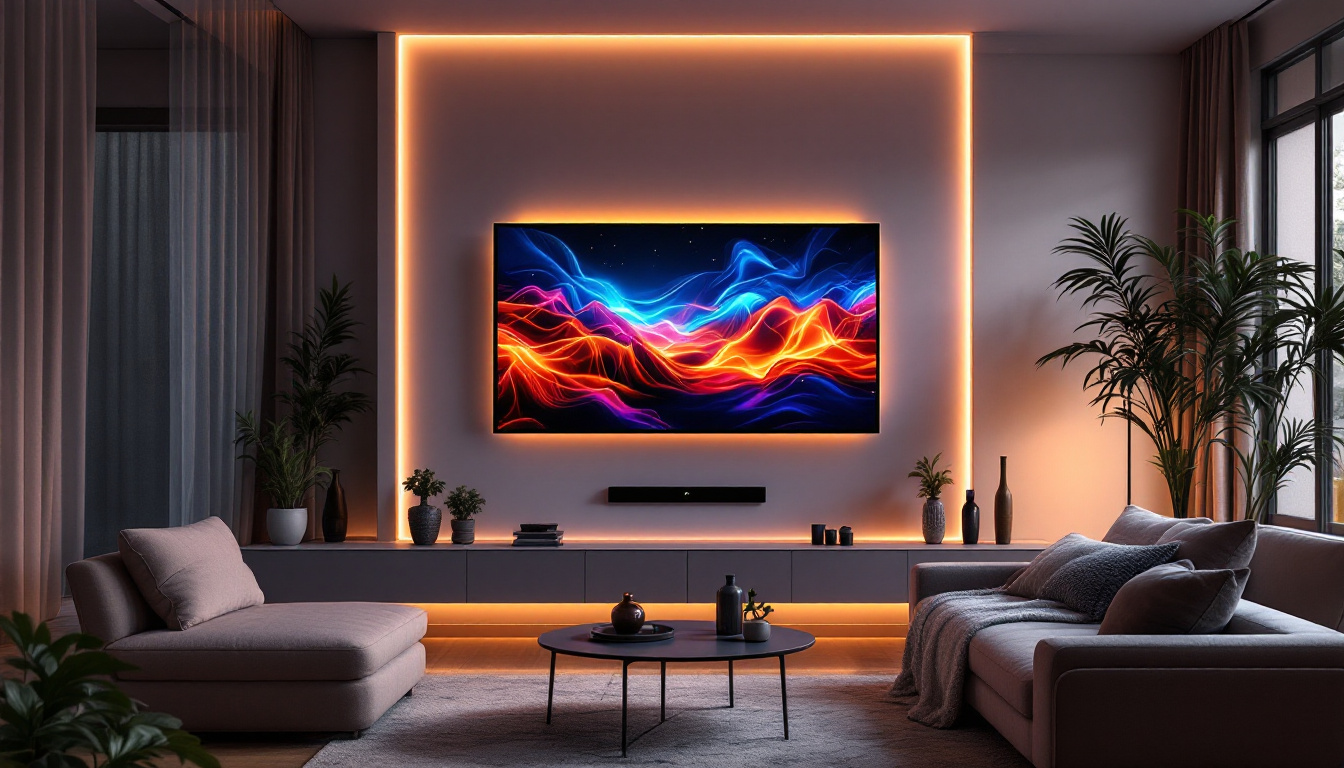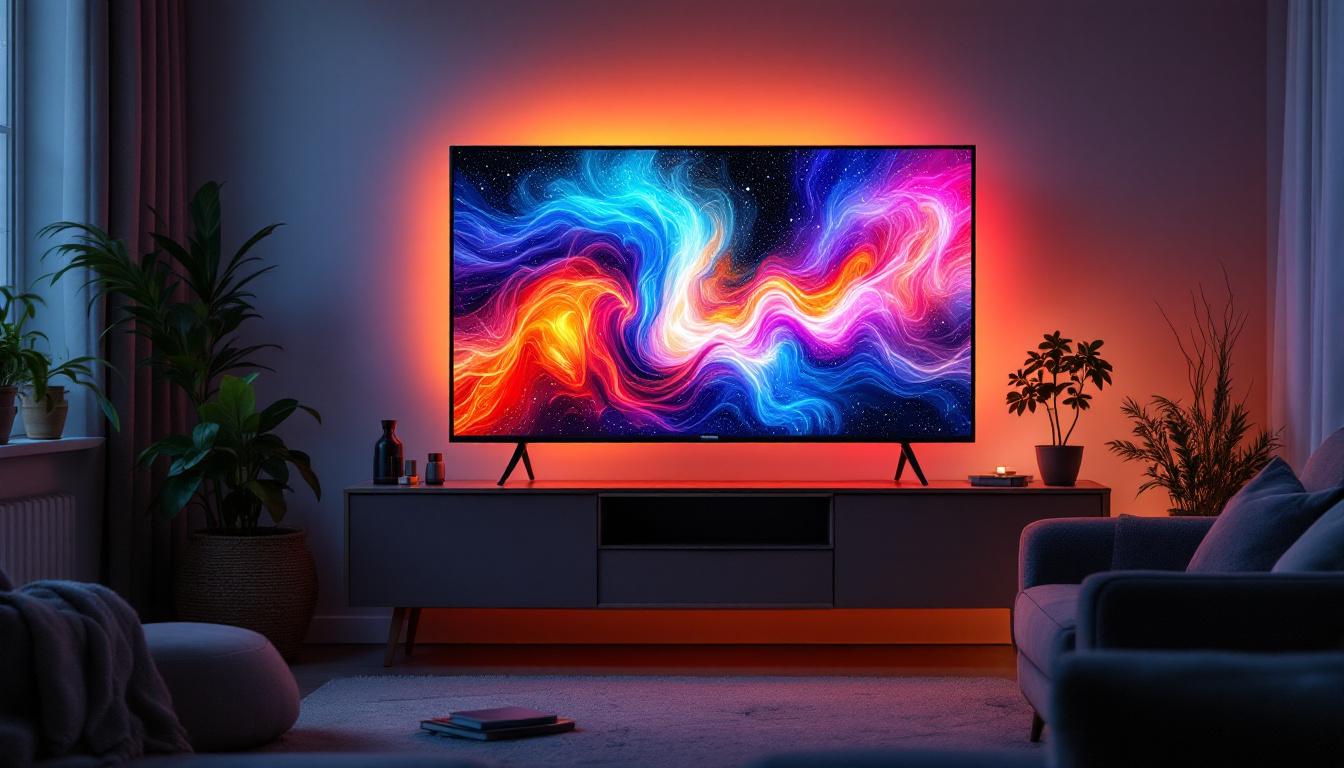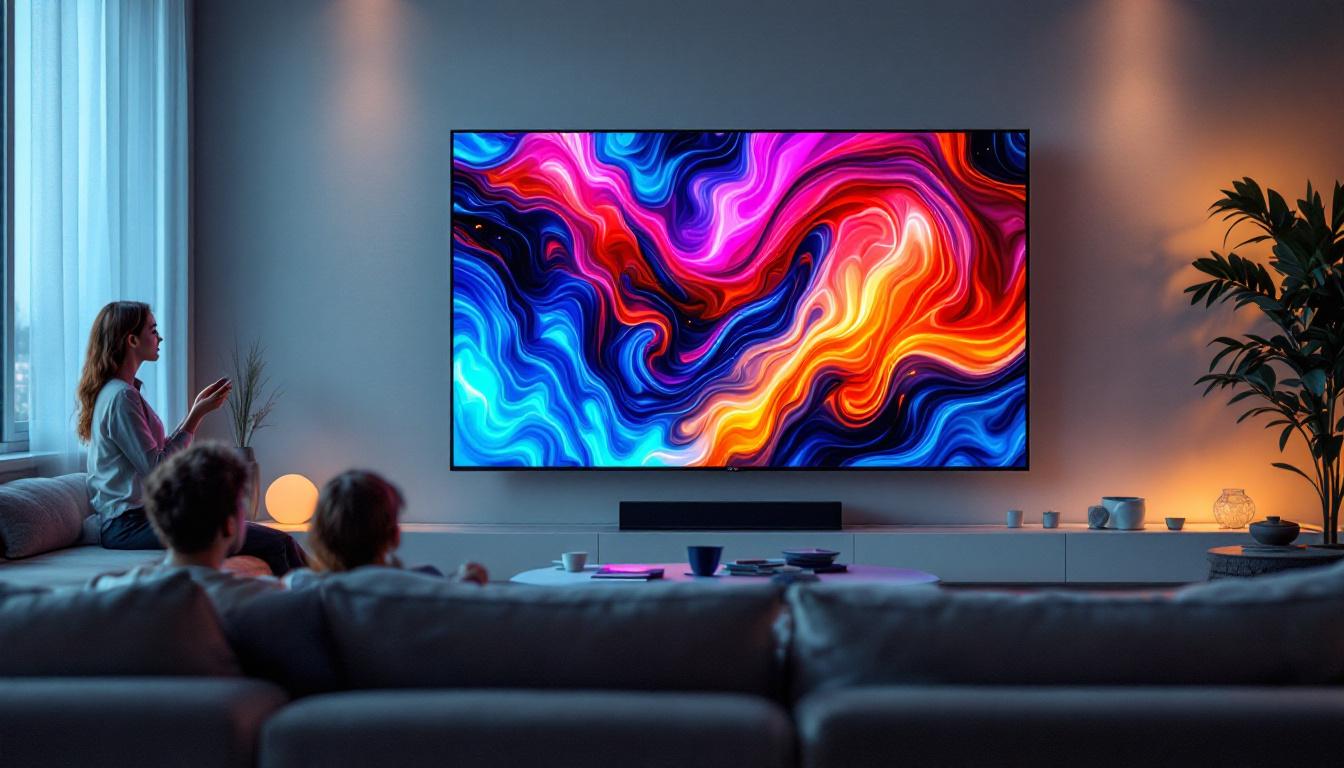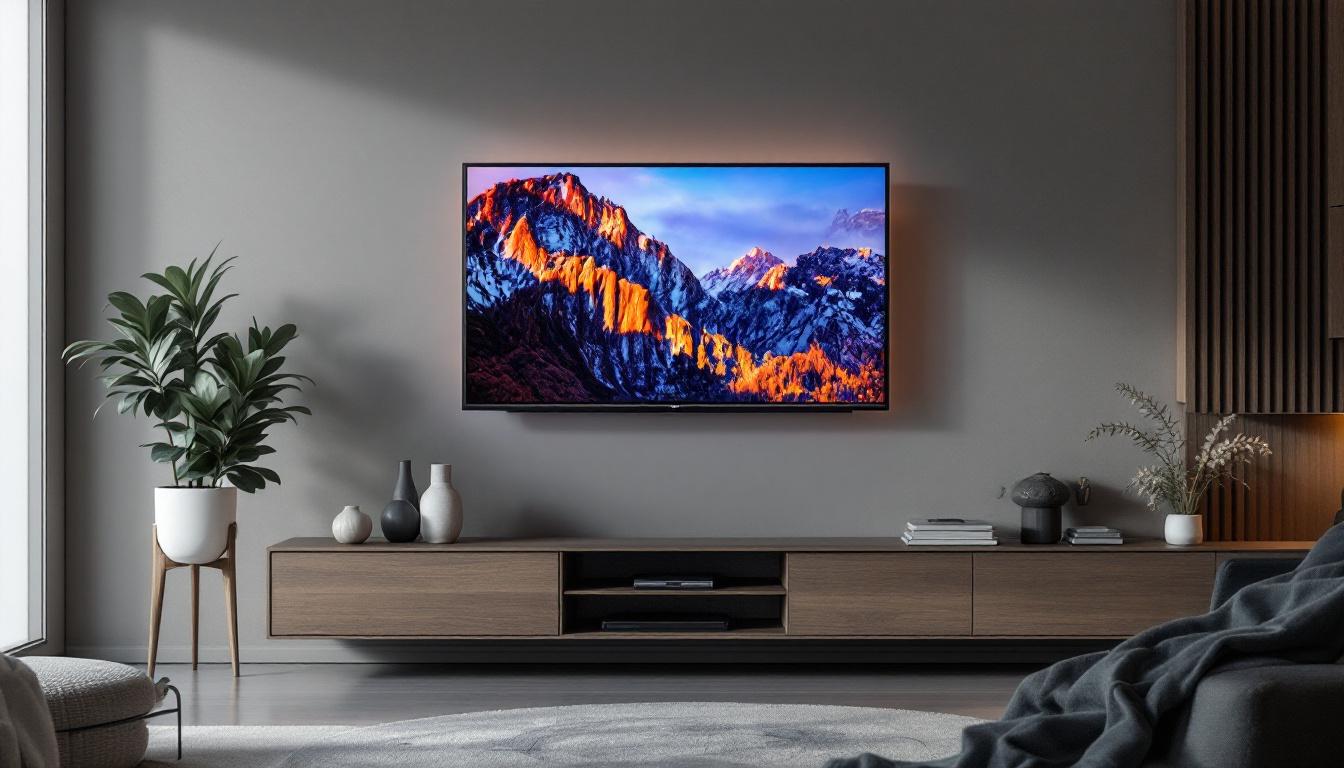
Choosing the right wall mount for your 32-inch LED TV can significantly enhance your viewing experience while optimizing space and aesthetics in your living area. With the increasing popularity of LED displays, understanding the nuances of mounting options and display technology is essential for making an informed purchase and installation decision. This article delves into the specifics of 32-inch LED TV wall mounts, explores LED display technology, and offers practical advice to help you get the most out of your setup.
Understanding the 32-Inch LED TV Market
The 32-inch LED TV remains a popular choice for bedrooms, kitchens, offices, and smaller living rooms due to its compact size and affordability. According to recent market research, the 32-inch segment accounts for a substantial portion of TV sales worldwide, appealing to consumers looking for a balance between screen size and space efficiency.
LED TVs in this size range typically offer Full HD (1080p) resolution, with some models featuring smart TV capabilities, HDR support, and enhanced refresh rates. These features make 32-inch LED TVs versatile enough for casual viewing, gaming, and streaming without the bulk and expense of larger screens.
Why Choose a 32-Inch LED TV?
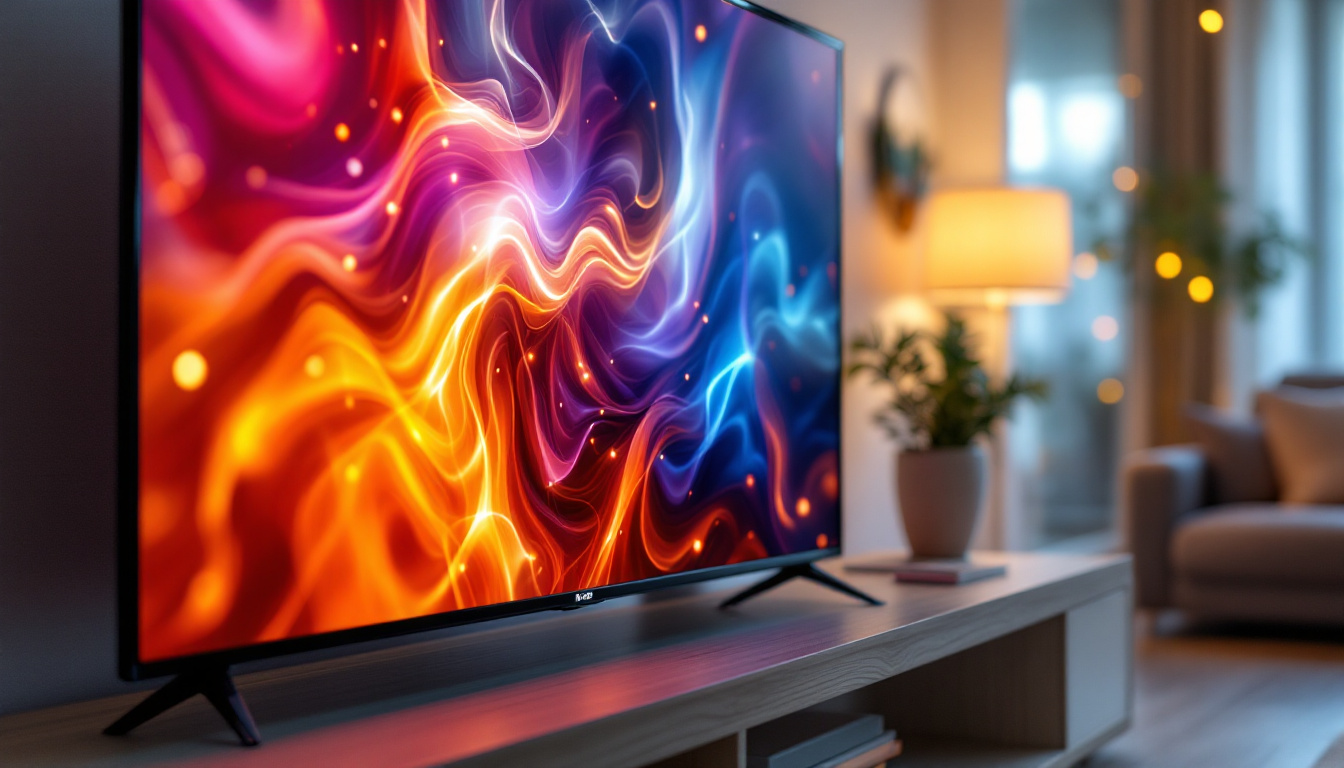
One of the main reasons consumers opt for a 32-inch LED TV is the perfect fit for smaller rooms or secondary viewing areas. The LED technology provides vibrant colors and energy efficiency, making it an attractive option for those conscious of power consumption and picture quality. Additionally, the relatively lightweight design of these TVs makes wall mounting easier and safer compared to larger, heavier models.
Moreover, the 32-inch LED TV often comes equipped with a variety of connectivity options, including HDMI, USB ports, and sometimes even Bluetooth capabilities. This allows users to easily connect their gaming consoles, streaming devices, or even soundbars, enhancing the overall viewing experience. As streaming services continue to grow in popularity, many of these TVs also come pre-loaded with apps for platforms like Netflix, Hulu, and YouTube, making it simple to access a wide range of content without needing additional devices.
In addition to their functional benefits, 32-inch LED TVs are often designed with aesthetics in mind. Many models feature sleek, modern designs that can complement any decor, whether it’s a minimalist setup or a more traditional environment. With options for customizable stands or wall mounts, these TVs can seamlessly blend into the background, allowing for an unobtrusive viewing experience that doesn’t dominate the room. This combination of style and functionality makes the 32-inch LED TV an appealing choice for a diverse range of consumers.
Types of Wall Mounts for 32-Inch LED TVs
When selecting a wall mount for a 32-inch LED TV, it’s important to consider the type of mount that best suits your room layout and viewing preferences. Wall mounts come in several varieties, each offering different levels of adjustability and installation complexity.
Fixed Wall Mounts
Fixed mounts hold the TV close to the wall and do not allow for any movement. They are ideal for rooms where the viewing angle is consistent and glare is minimal. Fixed mounts are typically the most affordable and provide a clean, streamlined look.
Because 32-inch LED TVs are relatively light, fixed mounts are often sufficient for most users who want a simple installation without additional features.
Tilting Wall Mounts
Tilting mounts allow the TV to be angled vertically, which is useful for reducing glare and improving viewing comfort when the TV is mounted higher than eye level. This flexibility is particularly beneficial in rooms with large windows or overhead lighting.
For a 32-inch LED TV, tilting mounts provide an excellent balance between adjustability and cost, making them a popular choice for many homeowners.
Full-Motion (Articulating) Wall Mounts
Full-motion mounts offer the greatest flexibility, allowing the TV to be swiveled, tilted, and extended away from the wall. This type of mount is perfect for rooms where viewers watch from multiple angles or where the TV needs to be repositioned frequently.
While these mounts are generally more expensive and require more complex installation, the added versatility can significantly enhance the usability of a 32-inch LED TV in dynamic spaces.
Key Features to Consider When Choosing a Wall Mount
Selecting the right wall mount involves more than just matching the size of the TV. Several technical and practical factors should be evaluated to ensure safety, functionality, and aesthetics.
VESA Compatibility
The Video Electronics Standards Association (VESA) sets the standard mounting hole patterns on the back of TVs. For 32-inch LED TVs, common VESA patterns include 100x100mm and 200x200mm. It is crucial to check your TV’s VESA pattern and ensure the wall mount supports it to guarantee a secure fit.
Weight Capacity
Although 32-inch LED TVs are relatively lightweight—typically between 7 to 15 pounds—it is essential to verify the wall mount’s weight capacity. Choosing a mount that supports at least 20-30% more weight than your TV’s actual weight adds a margin of safety and durability.
Installation Surface and Hardware
The type of wall where the TV will be mounted—drywall, concrete, brick, or wood studs—affects the choice of mounting hardware. For drywall installations, it is recommended to anchor the mount into studs to ensure stability. Concrete or brick walls require specialized anchors and drill bits.
Many wall mounts come with a comprehensive installation kit, but it is wise to confirm compatibility with your wall type before purchase.
Cable Management
Modern wall mounts often include cable management systems to keep wires organized and hidden. This feature not only improves the aesthetics of your setup but also reduces the risk of cable damage or accidental disconnections.
Exploring LED Display Technology
Understanding the technology behind LED displays can help consumers appreciate the benefits and limitations of their 32-inch TVs, leading to better usage and maintenance practices.
What is an LED Display?
LED (Light Emitting Diode) displays use an array of tiny LEDs as a backlight for an LCD panel, replacing the traditional cold cathode fluorescent lamps (CCFLs). This technology allows for thinner screens, better energy efficiency, and improved brightness and contrast.
There are two main types of LED backlighting: edge-lit and full-array. Edge-lit LEDs are placed around the edges of the screen, allowing for thinner designs but sometimes uneven brightness. Full-array LED backlighting places LEDs directly behind the screen, offering better uniformity and local dimming capabilities for deeper blacks.
Advantages of LED TVs
LED TVs offer several advantages over older display technologies:
- Energy Efficiency: LED backlighting consumes less power than CCFLs, reducing electricity bills and environmental impact.
- Improved Picture Quality: Higher brightness levels and better contrast ratios enhance viewing experiences, especially in well-lit rooms.
- Slimmer Design: LEDs allow for thinner and lighter TVs, making wall mounting easier and more aesthetically pleasing.
- Longer Lifespan: LEDs generally have longer operational lifespans, reducing the need for repairs or replacements.
Limitations to Consider
While LED TVs have many benefits, some limitations include:
- Viewing Angles: Some LED TVs, particularly those with VA panels, may exhibit color shifting or reduced brightness when viewed off-center.
- Local Dimming Artifacts: Full-array LED TVs with local dimming can sometimes produce halo effects around bright objects on dark backgrounds.
- Cost: Higher-end LED TVs with advanced features like HDR and wide color gamut can be more expensive.
Installation Tips for Mounting a 32-Inch LED TV
Proper installation is key to maximizing the benefits of your wall-mounted 32-inch LED TV. Following best practices ensures safety, durability, and optimal viewing comfort.
Gather the Right Tools and Materials
Before beginning installation, gather necessary tools such as a stud finder, drill, level, screwdriver, measuring tape, and the mounting hardware included with your wall mount. Having all tools on hand reduces interruptions and potential errors during installation.
Locate Wall Studs
For drywall installations, use a stud finder to locate studs behind the wall. Mounting directly into studs provides the strongest support for your TV. Mark the stud locations carefully to align with the mount’s holes.
Measure and Mark Mounting Points
Measure the height and position where you want the TV to be mounted. Eye level when seated is generally the most comfortable viewing height. Use a level to ensure the mount will be perfectly horizontal to avoid a crooked TV.
Secure the Wall Mount
Drill pilot holes into the marked stud locations, then attach the wall mount using appropriate screws or bolts. Double-check the mount’s stability before proceeding.
Attach the TV to the Mount
Following the manufacturer’s instructions, attach the mounting bracket to the back of your TV. With assistance if needed, lift the TV and secure it onto the wall mount. Verify that the TV is locked in place and that all safety mechanisms are engaged.
Organize Cables
Use the mount’s cable management features or additional accessories to route and conceal cables neatly. This not only improves appearance but also prevents accidental disconnections or damage.
Maintaining Your Wall-Mounted 32-Inch LED TV
Proper maintenance extends the life of your LED TV and preserves picture quality over time.
Regular Cleaning
Dust and fingerprints can degrade screen clarity. Use a microfiber cloth and appropriate screen cleaner to gently wipe the display. Avoid harsh chemicals or abrasive materials that can damage the screen coating.
Check Mount Stability
Periodically inspect the wall mount and screws to ensure they remain tight and secure. This is especially important in homes with children or pets that may inadvertently jostle the TV.
Manage Heat and Ventilation
Ensure the TV has adequate ventilation to prevent overheating. Avoid enclosing the TV in tight spaces or blocking vents, as excessive heat can shorten the lifespan of internal components.
Conclusion
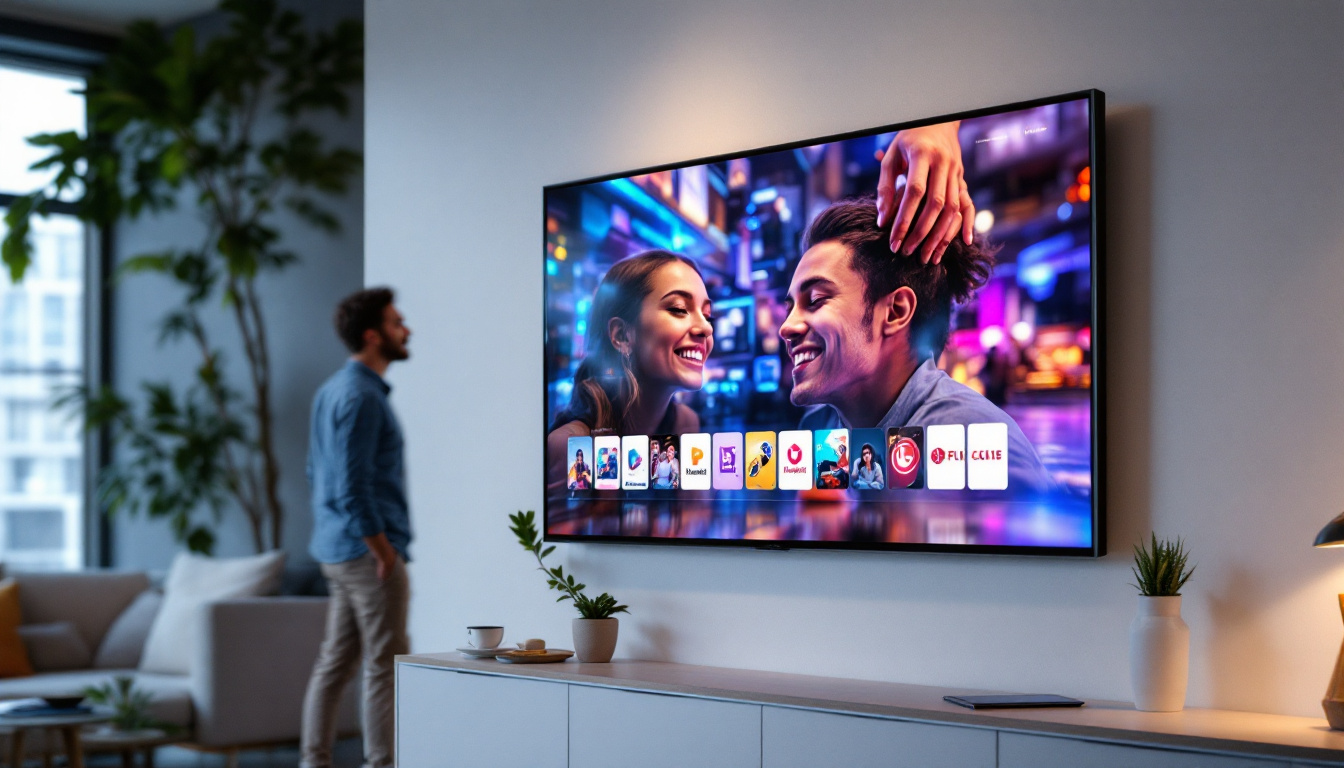
Mounting a 32-inch LED TV on the wall is an excellent way to save space and create a sleek, modern entertainment area. Understanding the types of wall mounts, key features to consider, and the fundamentals of LED display technology empowers consumers to make informed decisions that enhance their viewing experience.
By selecting the right mount, following proper installation procedures, and maintaining the TV carefully, users can enjoy vibrant picture quality and a clutter-free setup for years to come. Whether for a bedroom, kitchen, or office, a wall-mounted 32-inch LED TV combines convenience, style, and performance in a compact package.
Discover the Future of Visual Experience with LumenMatrix
Ready to elevate your entertainment space with cutting-edge LED display technology? LumenMatrix is at the forefront of innovation, offering a wide array of LED display solutions that bring your viewing to life. From immersive Indoor LED Wall Displays to dynamic Outdoor LED Wall Displays and beyond, our products are designed to captivate and engage. Experience the difference in visual communication with our advanced digital signage and LED displays. Check out LumenMatrix LED Display Solutions today and transform your space into a modern visual spectacle.