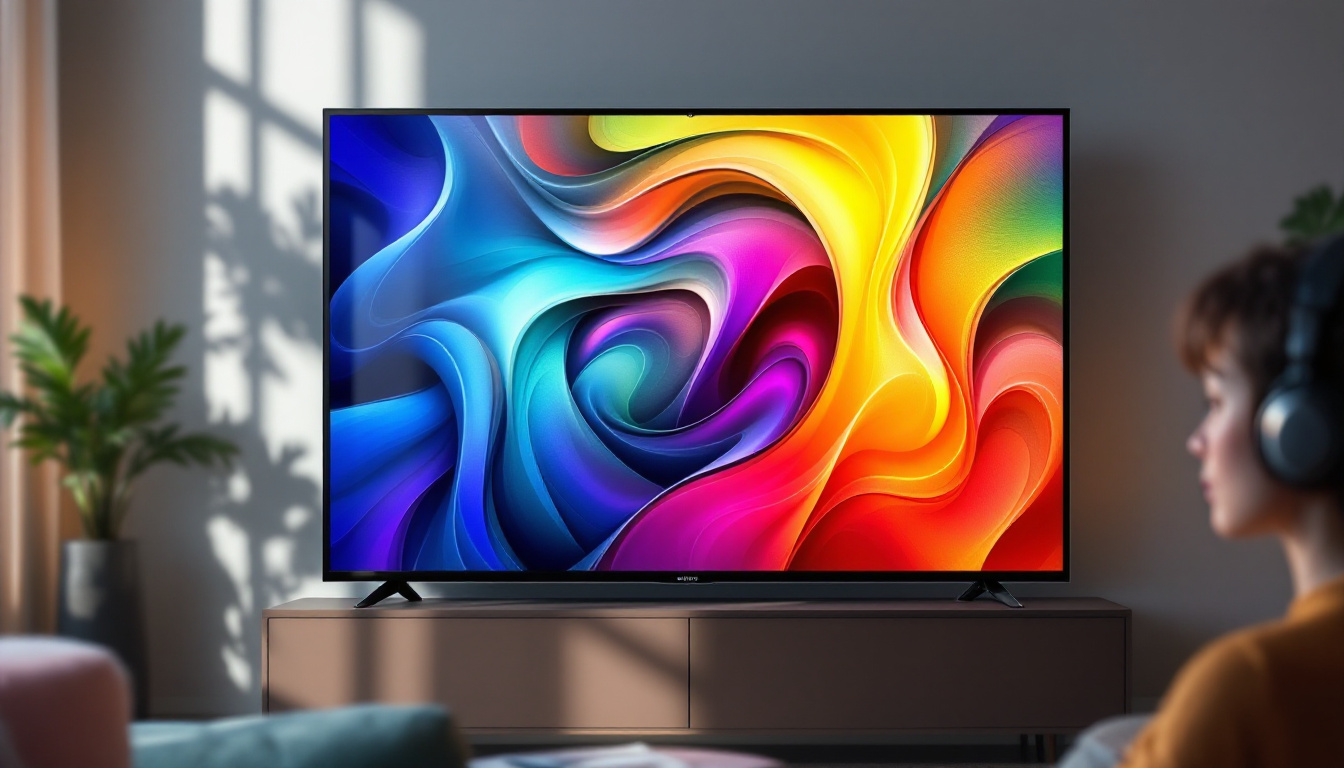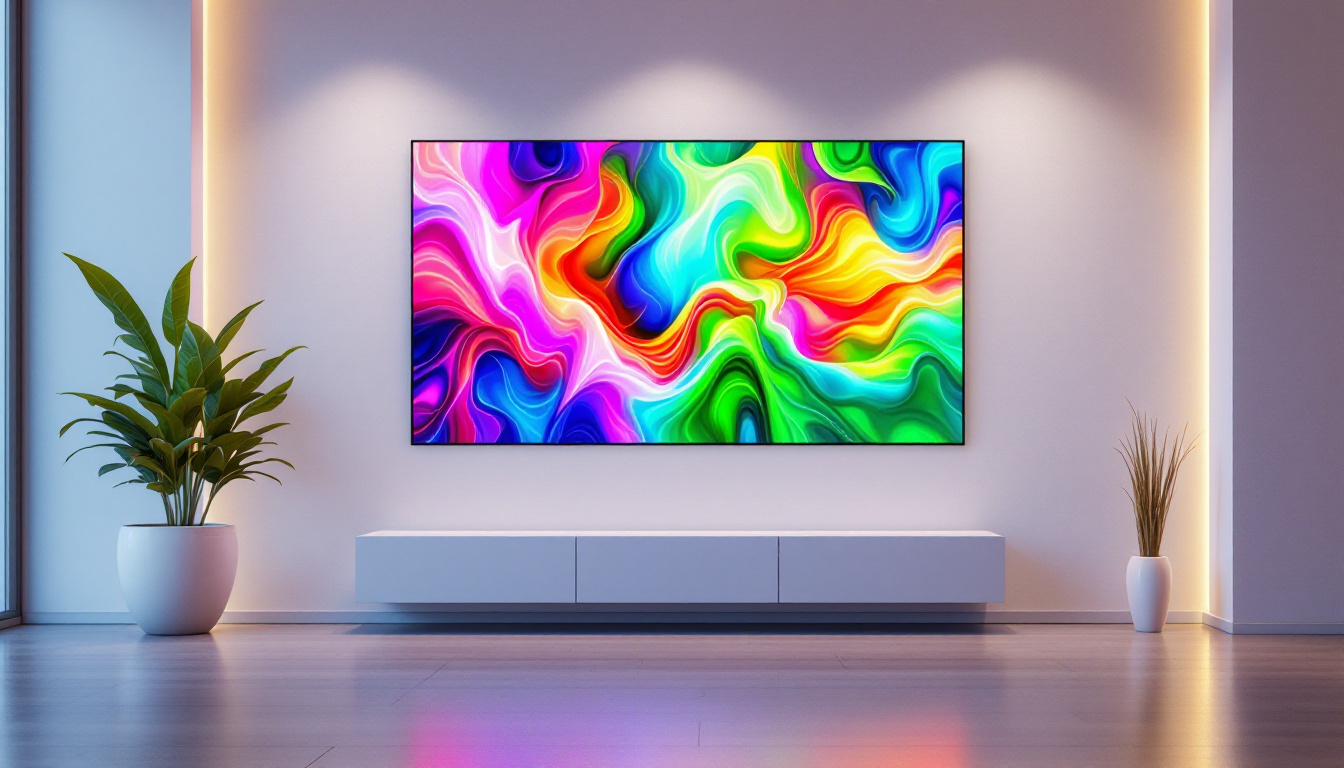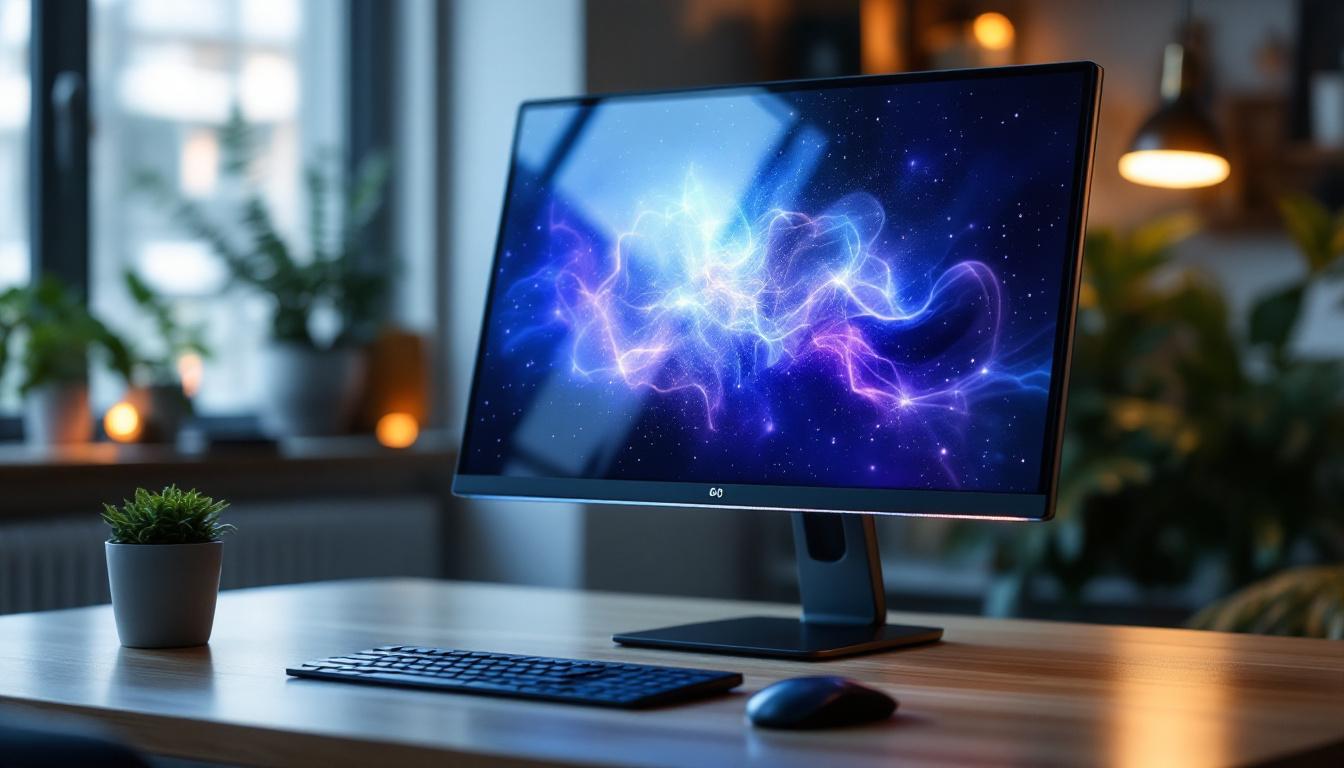
Choosing the right flat TV can be a daunting task, especially with the wide array of screen sizes and display technologies available today. Among these, LED TVs have become the dominant choice for consumers seeking vibrant picture quality combined with energy efficiency. This article explores the essentials of flat TV screen sizes, with a particular focus on LED displays, helping you make an informed decision for your next purchase.
Understanding LED Display Technology
LED, which stands for Light Emitting Diode, is a type of display technology used in modern flat-screen televisions. Unlike traditional LCD TVs that rely on cold cathode fluorescent lamps (CCFLs) for backlighting, LED TVs use tiny light-emitting diodes to illuminate the screen. This shift has brought numerous benefits in terms of picture quality, energy consumption, and design flexibility. The compact size of LEDs allows manufacturers to create sleeker, more aesthetically pleasing designs, which have become a significant selling point in today’s market. With the ability to produce thinner bezels and lighter frames, LED TVs can seamlessly integrate into various living spaces, enhancing the overall viewing experience.
LED TVs come in two main types: edge-lit and full-array. Edge-lit LED TVs place the LEDs along the edges of the screen, allowing for thinner panels but sometimes compromising uniformity in brightness. Full-array LED TVs, on the other hand, have LEDs distributed evenly behind the entire screen, enabling better local dimming and improved contrast ratios. This technology allows for more precise control over the lighting in different areas of the screen, resulting in a more dynamic viewing experience, especially in scenes with high contrast. Additionally, advancements in dimming technology have led to the development of mini-LEDs, which offer even finer control over brightness and color, pushing the boundaries of what is possible with LED displays.
One of the key advantages of LED technology is its ability to produce deeper blacks and brighter whites compared to older LCD models. This is particularly important for enhancing HDR (High Dynamic Range) content, which requires a wide range of luminance to display images as intended by content creators. The increased brightness levels of LED displays also make them more suitable for viewing in well-lit environments, where traditional displays might struggle to maintain picture quality. Furthermore, the longevity of LED technology means that consumers can enjoy their investment for years without significant degradation in performance, making it a reliable choice for both casual viewers and avid cinephiles alike.
LED vs. OLED: What’s the Difference?
While LED TVs are widely popular, OLED (Organic Light Emitting Diode) technology has gained traction for its superior picture quality. OLED panels emit light on a per-pixel basis, allowing each pixel to turn off completely and produce true blacks. This results in exceptional contrast and color accuracy. The vibrant colors and wide viewing angles of OLED displays have made them a favorite among filmmakers and content creators, who appreciate the ability to showcase their work with stunning fidelity. Additionally, OLED technology offers faster response times, reducing motion blur during fast-paced action scenes, which is particularly beneficial for sports and gaming enthusiasts.
However, OLED TVs tend to be more expensive and can be more susceptible to burn-in, where static images leave a permanent mark on the screen. LED TVs, especially those with full-array local dimming, offer a more affordable and durable alternative for most consumers. Moreover, the advancements in LED technology have narrowed the gap in performance, making them a viable option for those who want high-quality visuals without the premium price tag of OLED. As the market continues to evolve, consumers can expect to see even more innovations in both LED and OLED technologies, catering to a diverse range of preferences and budgets.
Choosing the Right Screen Size for Your Space
Screen size is one of the most critical factors when selecting a flat TV. It directly affects your viewing experience, room aesthetics, and even your budget. The size of a TV is measured diagonally from one corner of the screen to the opposite corner, typically expressed in inches.
Modern LED TVs come in a wide range of sizes, from compact 32-inch models suitable for kitchens or bedrooms to massive 85-inch screens designed for home theaters. Understanding how to match screen size with your viewing distance and room dimensions is essential for optimal comfort and immersion.
Recommended Viewing Distances
Experts generally recommend sitting at a distance that is approximately 1.5 to 2.5 times the diagonal size of the TV screen. For example, if you have a 55-inch TV, the ideal viewing distance would be between 6.9 and 11.5 feet (2.1 to 3.5 meters).
These guidelines help ensure that you can appreciate the full detail and resolution of the screen without straining your eyes or noticing pixelation. Sitting too close to a large screen can make the image appear grainy, while sitting too far from a small screen reduces immersion and detail visibility.
Screen Size and Room Layout Considerations
Beyond viewing distance, consider the layout and size of your room when choosing a TV. A large screen in a small room can overwhelm the space and cause discomfort, while a small screen in a large room may leave viewers struggling to see details.
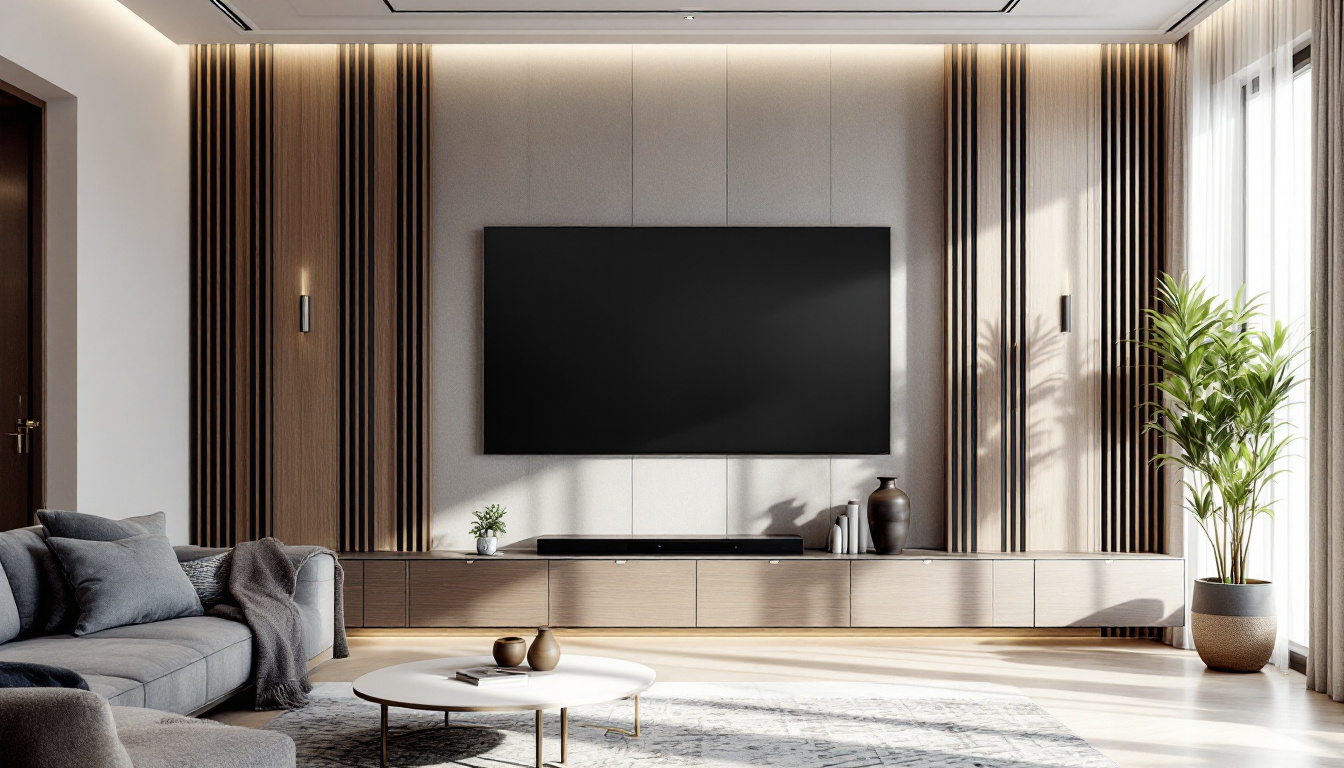
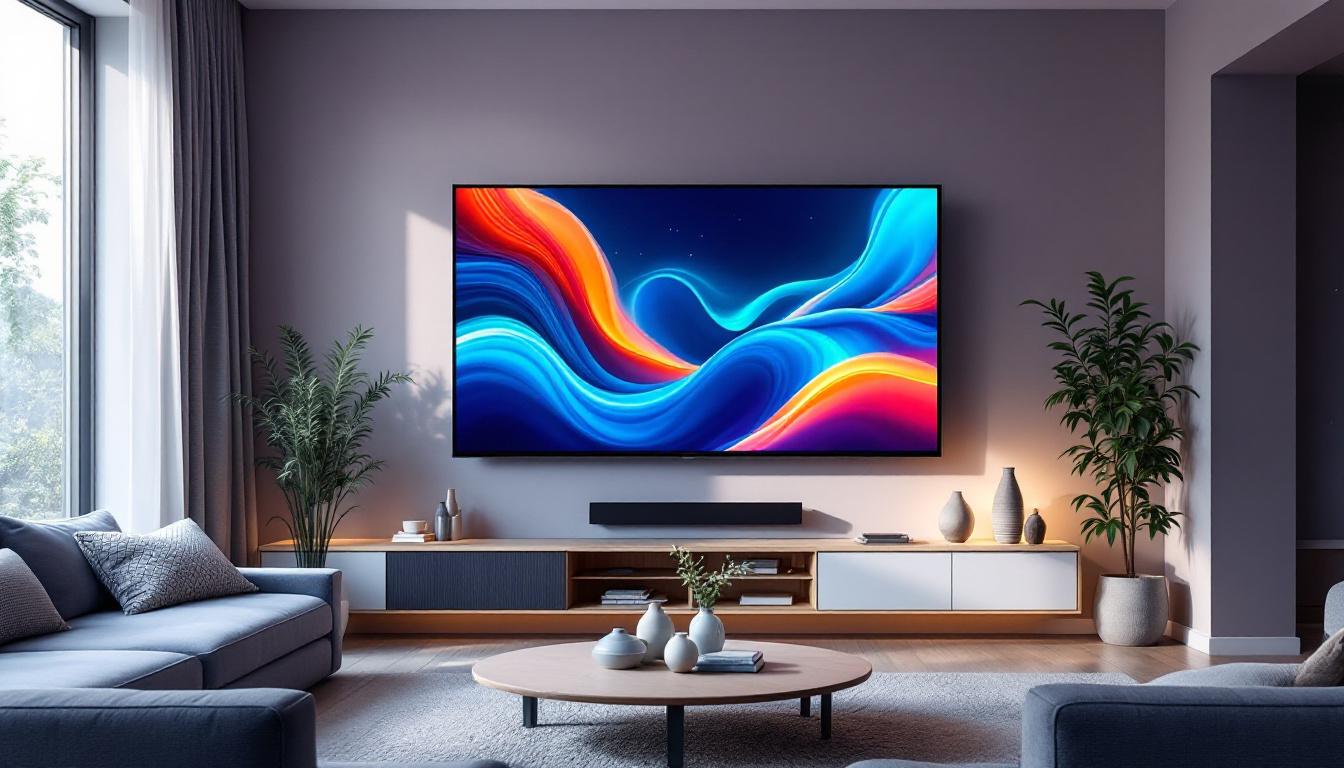
Additionally, the placement of furniture, ambient lighting, and wall space are important factors. Wall-mounted TVs require careful measurement to ensure the screen fits well and is at eye level when seated. For entertainment centers or TV stands, the width and depth of the furniture should accommodate the TV base or mounting system.
Popular LED TV Screen Sizes and Their Use Cases
To better understand how screen sizes fit different needs, here is an overview of popular LED TV sizes and typical scenarios where they excel.
32 to 43 Inches: Compact and Versatile
These smaller screen sizes are ideal for secondary rooms such as kitchens, bedrooms, or offices. A 32-inch LED TV is often the minimum recommended size for comfortable viewing of HD content in close quarters.
Models in this range tend to be budget-friendly and energy-efficient, making them a good choice for casual viewing or smaller households. They are also popular for gaming setups where desk space is limited.
50 to 65 Inches: The Sweet Spot for Living Rooms
Most consumers find that TVs between 50 and 65 inches strike the perfect balance between immersive viewing and room compatibility. This size range works well in medium to large living rooms, providing a cinematic experience without overwhelming the space.
With the widespread adoption of 4K resolution, these screen sizes allow viewers to appreciate the increased detail and sharpness that Ultra HD content offers. Many manufacturers focus their flagship LED models within this range, offering advanced features like HDR10+, Dolby Vision, and smart TV capabilities.
70 Inches and Above: Home Theater Experience
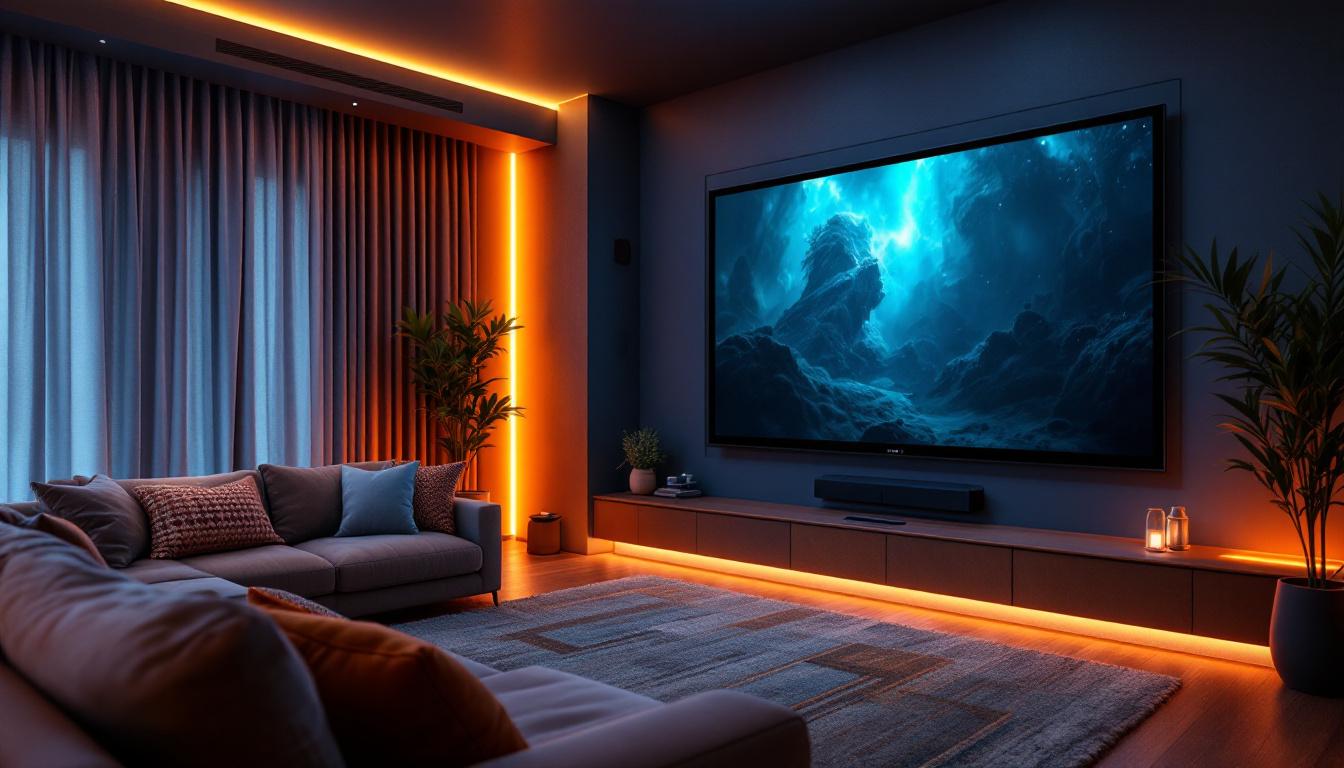
For those seeking a true home theater setup, TVs 70 inches and larger deliver a grand visual impact. These massive screens are best suited for spacious rooms where viewers can sit at the recommended distances to fully enjoy the scale and detail.
While larger LED TVs tend to be more expensive, recent advancements in manufacturing have made them more accessible. Some models also incorporate mini-LED technology, which uses smaller LEDs for enhanced brightness and contrast, further improving picture quality on these large displays.
Additional Factors Influencing LED TV Selection
Beyond screen size and LED technology, several other elements play a crucial role in choosing the right flat TV.
Resolution and Picture Quality
The resolution determines how many pixels the screen can display, directly impacting image clarity. Common resolutions include Full HD (1920×1080), 4K Ultra HD (3840×2160), and the emerging 8K (7680×4320).
Most LED TVs today are 4K, offering four times the pixel count of Full HD. This higher resolution is particularly noticeable on larger screens, where pixel density matters more. While 8K TVs are available, content is still limited, and the benefits are less apparent unless viewed on very large screens or from close distances.
Refresh Rate and Motion Handling
The refresh rate, measured in hertz (Hz), indicates how many times per second the screen updates the image. Higher refresh rates, such as 120Hz or 240Hz, result in smoother motion, which is beneficial for fast-paced content like sports and gaming.
Most standard LED TVs offer 60Hz, which is sufficient for general viewing. However, gamers and sports enthusiasts may prefer models with higher refresh rates and features like variable refresh rate (VRR) support to reduce screen tearing.
Smart TV Features and Connectivity
Modern LED TVs often come equipped with smart platforms that provide access to streaming services, apps, and voice assistants. Popular operating systems include Roku TV, Google TV, and Samsung’s Tizen.
Connectivity options such as HDMI 2.1 ports, USB inputs, and Wi-Fi capabilities are essential for integrating the TV with other devices like gaming consoles, soundbars, and home networks.
Conclusion: Making an Informed Choice
Understanding flat TV screen sizes and LED display technology is key to selecting a television that fits your viewing habits, room environment, and budget. LED TVs offer excellent picture quality, energy efficiency, and design versatility, making them a top choice for most consumers.
By considering factors such as screen size relative to viewing distance, resolution, refresh rate, and smart features, you can find an LED TV that delivers an immersive and enjoyable entertainment experience for years to come.
Discover the Future of Visual Experience with LumenMatrix
Ready to elevate your viewing experience with the latest in LED display technology? LumenMatrix is at the forefront of innovation, offering a diverse range of LED display solutions tailored to your needs. Whether you’re looking for an Indoor LED Wall Display for your business, an Outdoor LED Wall Display for advertising, or even specialized options like Vehicle LED Displays and LED Sports Displays, LumenMatrix has you covered. Embrace the future of visual communication and captivate your audience with our cutting-edge LED display modules. Check out LumenMatrix LED Display Solutions today and transform your space into a dynamic visual spectacle.