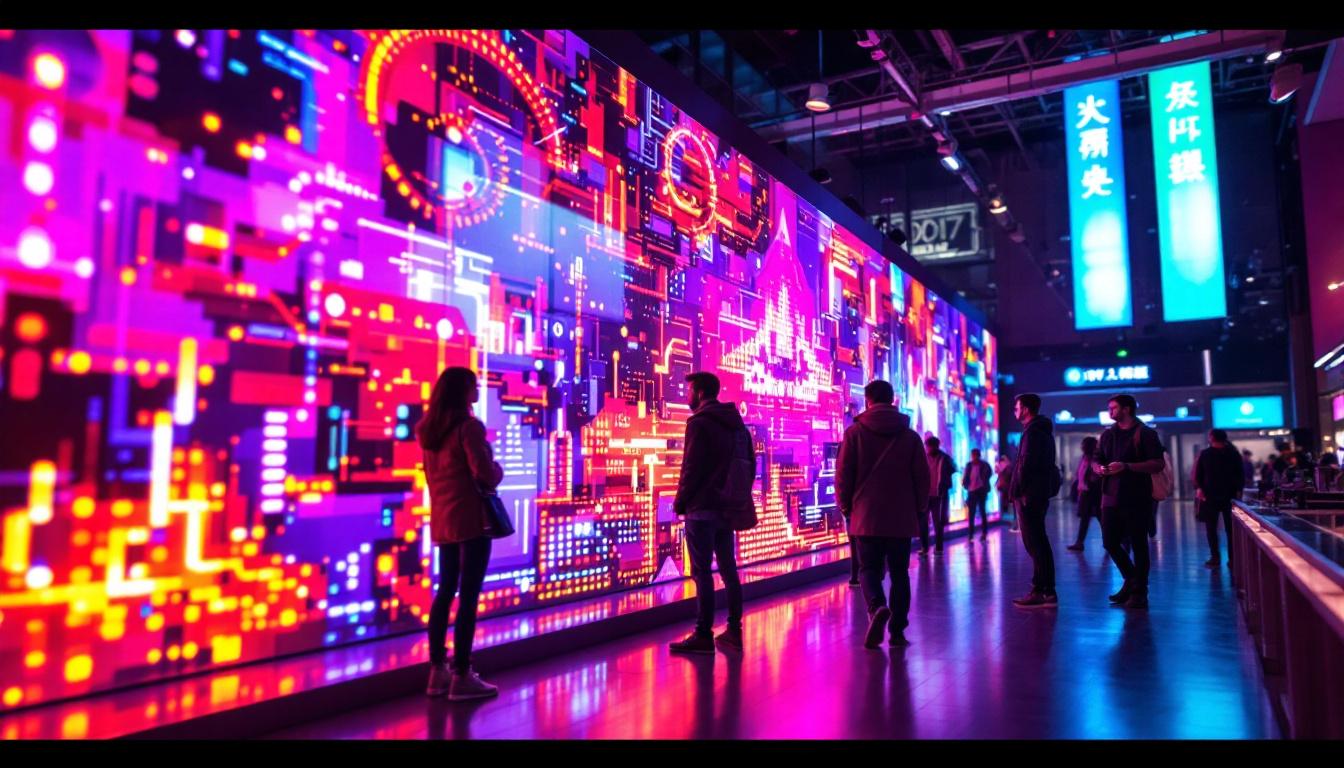
In the world of digital displays, LED technology has revolutionized how information and visuals are presented across various industries. From vibrant billboards to sleek television screens, LED displays have become ubiquitous. However, within this technology, two terms often cause confusion: SMD LED and traditional LED. Understanding the differences between these two types of LED displays is crucial for businesses, advertisers, and consumers looking to make informed decisions about their display needs.
Understanding LED Technology
LED stands for Light Emitting Diode, a semiconductor device that emits light when an electric current passes through it. LED displays utilize these tiny diodes arranged in a matrix to create images, videos, and text. Their advantages over older display technologies, such as LCD or plasma, include higher brightness, better energy efficiency, longer lifespan, and superior color rendering. This efficiency not only reduces energy consumption but also minimizes the heat generated, making LED technology a more environmentally friendly option. Furthermore, the compact size of LEDs allows for innovative designs and applications that were previously unfeasible with bulkier technologies.
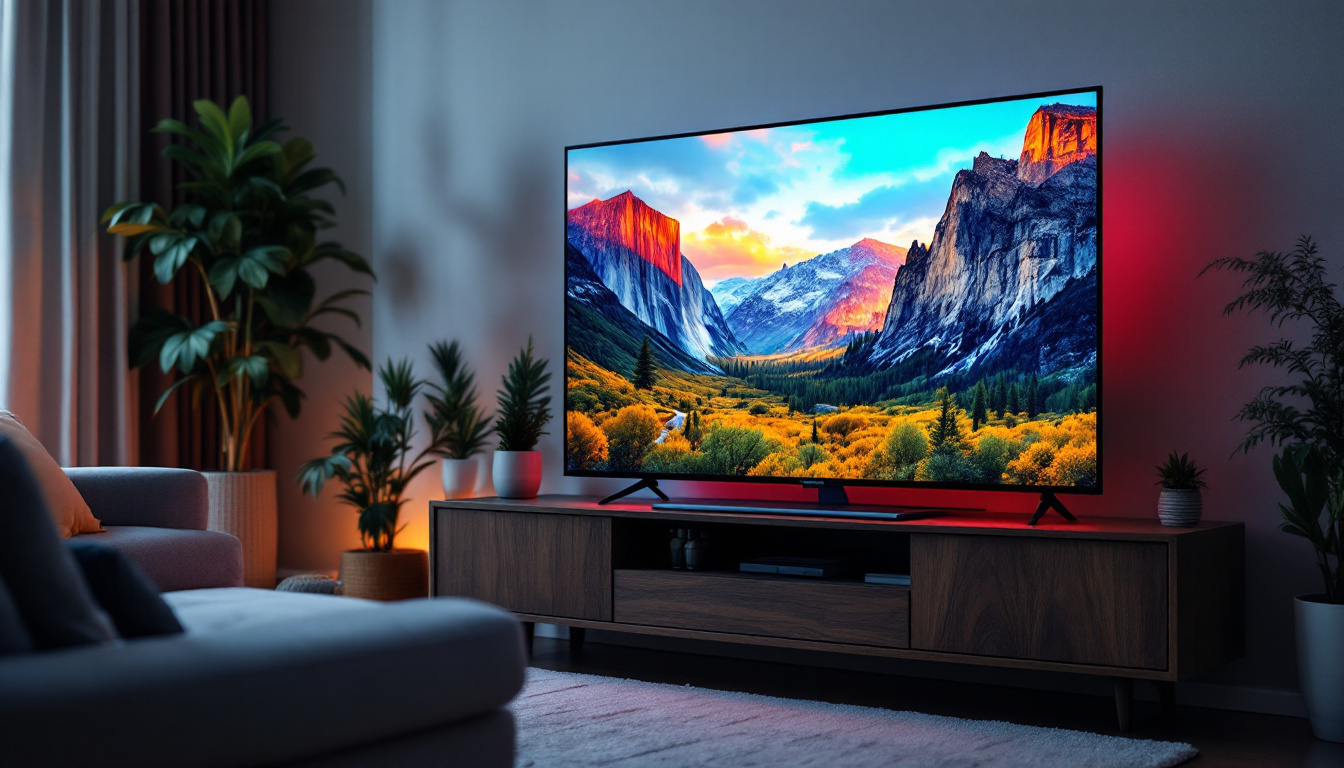
LED displays come in various forms, but the two primary categories relevant to this discussion are traditional LED and SMD LED. Both serve the same fundamental purpose but differ significantly in construction, performance, and application. Traditional LED displays typically use larger diodes and are often found in outdoor signage and billboards, where visibility from a distance is crucial. In contrast, SMD (Surface-Mount Device) LED displays feature smaller diodes that can be placed closer together, allowing for higher resolution and finer detail, making them ideal for indoor applications such as television screens and digital signage in retail environments. This versatility has led to the widespread adoption of LED technology across various industries, including entertainment, advertising, and even architectural lighting.
What is Traditional LED Display?
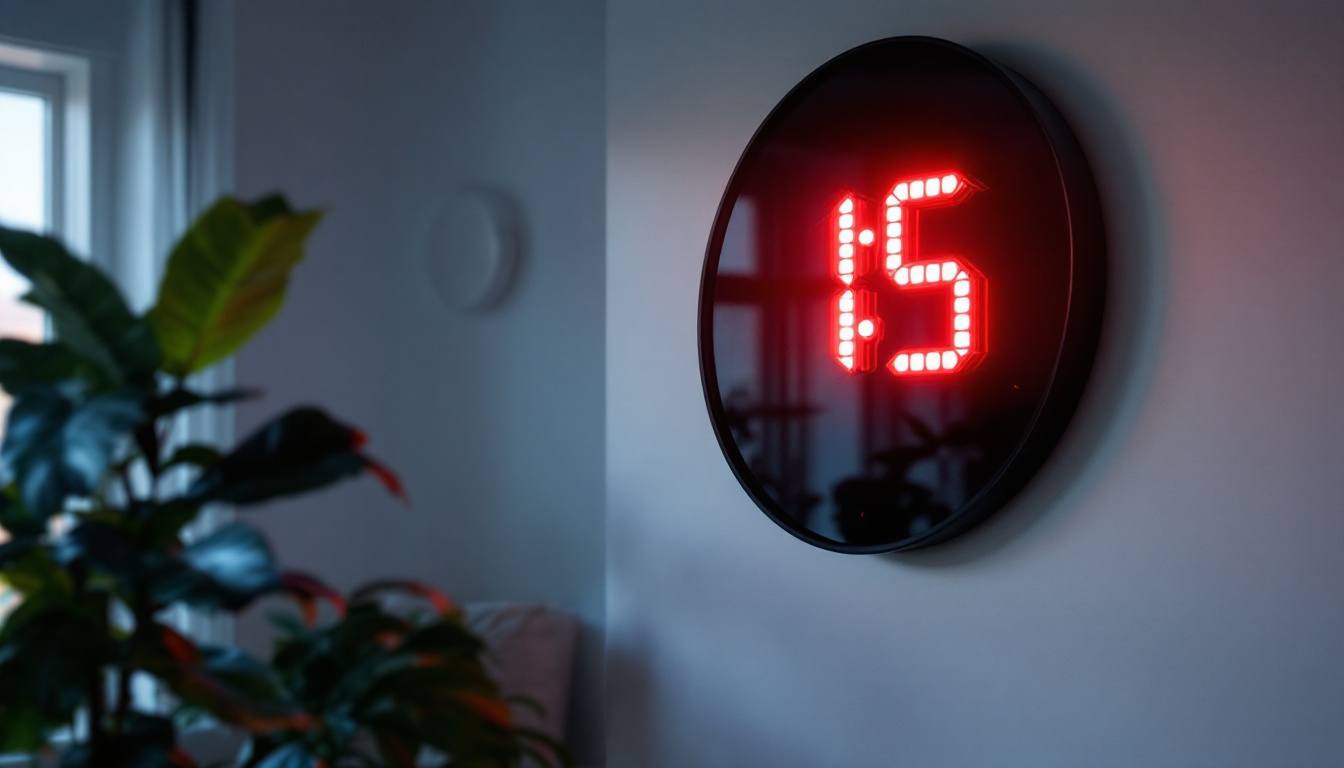
Traditional LED displays, sometimes referred to as DIP (Dual In-line Package) LEDs, use discrete LED bulbs mounted individually on a circuit board. These bulbs are typically larger and consist of separate red, green, and blue LEDs placed side by side to create full-color pixels. The individual nature of these components allows for a vibrant color output, making them stand out in various environments, especially where visibility is paramount.
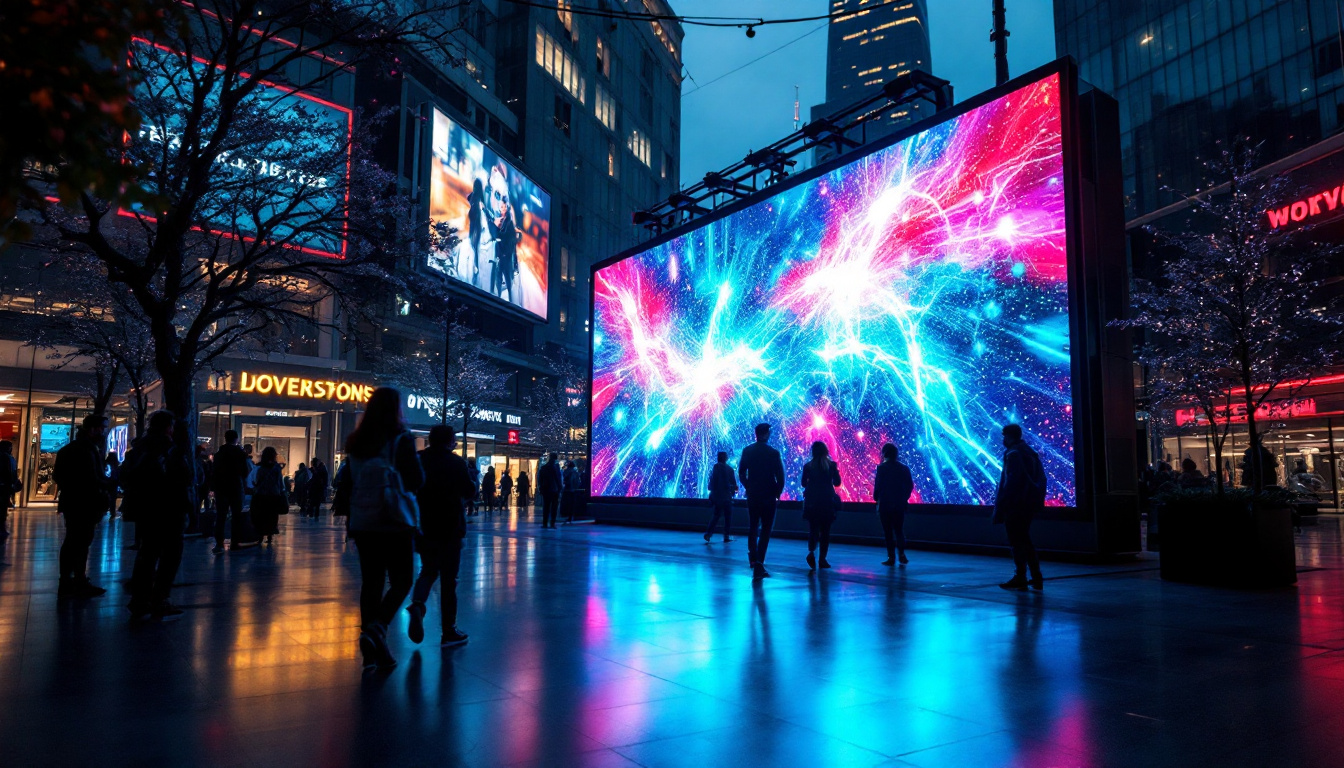
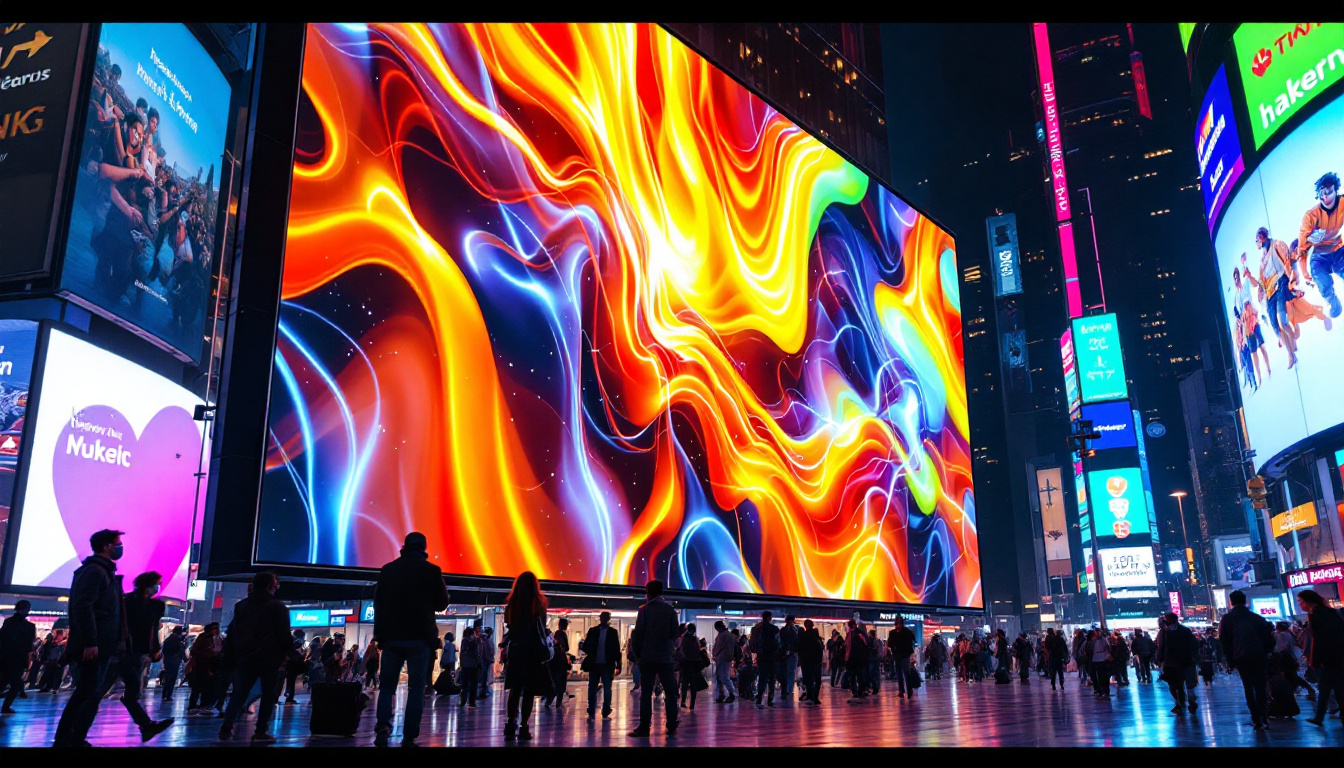
This technology has been widely used in outdoor billboards, stadium screens, and large-scale digital signage due to its robustness and high brightness levels. However, the physical size of the LEDs limits the resolution and viewing angles, making them less suitable for close-up viewing or indoor environments. Despite these limitations, traditional LED displays have paved the way for advancements in display technology, influencing the development of newer, more compact solutions like SMD (Surface-Mount Device) displays that offer higher resolutions and better viewing angles.
Key Features of Traditional LED Displays
- Pixel Structure: Composed of separate red, green, and blue LEDs per pixel.
- Brightness: Extremely high brightness, often exceeding 5,000 nits, ideal for direct sunlight visibility.
- Viewing Distance: Best suited for long-distance viewing due to lower pixel density.
- Durability: Highly durable and weather-resistant, making them ideal for outdoor use.
- Cost: Generally less expensive in large sizes but can be bulky.
One of the standout features of traditional LED displays is their ability to maintain performance in various weather conditions. Designed to withstand rain, snow, and extreme temperatures, these displays are often equipped with protective casings and heat dissipation systems. This resilience not only extends their lifespan but also ensures consistent performance throughout their operational life. Moreover, the high brightness levels allow for clear visibility even during the brightest days, making them a preferred choice for advertising in bustling urban environments.
In addition to their practical applications, traditional LED displays have also become a canvas for creative expression. Artists and advertisers alike utilize these large-scale displays to create captivating visual experiences that can engage audiences in unique ways. From dynamic advertisements that change throughout the day to artistic installations that transform public spaces, the versatility of traditional LED technology continues to inspire innovation in digital art and advertising strategies.
What is SMD LED Display?
SMD stands for Surface-Mounted Device. SMD LED displays use tiny LED chips that are mounted directly onto the surface of the circuit board. Each LED chip contains red, green, and blue diodes encapsulated in a single package, allowing for a much smaller pixel size and higher pixel density.
This compact design enables SMD LED displays to produce sharper images with smoother color transitions, making them ideal for indoor environments, close viewing distances, and applications requiring high resolution.
Key Features of SMD LED Displays
- Pixel Structure: Red, green, and blue diodes integrated into a single chip.
- Resolution: Higher pixel density allows for finer image detail and clarity.
- Viewing Angle: Wider viewing angles, often up to 160 degrees horizontally and vertically.
- Brightness: Moderate brightness levels, typically between 800 and 1,500 nits, suitable for indoor and shaded outdoor use.
- Design Flexibility: Slimmer panels with lightweight construction.
Comparing SMD LED and Traditional LED Displays
Choosing between SMD LED and traditional LED displays depends largely on the intended application, viewing distance, environment, and budget. Below is a detailed comparison of the two technologies across critical parameters.
Resolution and Image Quality
SMD LED displays offer significantly higher resolution compared to traditional LED displays. Because each pixel in an SMD display integrates all three colors into a single chip, pixels can be placed much closer together. This results in smoother images, better color accuracy, and the ability to display fine details, which is essential for indoor screens or applications where viewers are close to the display.
In contrast, traditional LED displays have larger pixels with separate diodes, leading to a more pixelated image when viewed up close. This makes them more suitable for large outdoor screens where viewers are typically at a distance of several meters or more.
Brightness and Visibility
Traditional LED displays excel in brightness, often reaching levels above 5,000 nits. This extreme brightness ensures visibility even under direct sunlight, making them ideal for outdoor advertising, sports arenas, and public spaces exposed to harsh lighting conditions.
SMD LED displays, while bright, generally have lower maximum brightness, typically ranging between 800 and 1,500 nits. This is sufficient for indoor environments or shaded outdoor areas but may struggle in direct sunlight.
Viewing Angles
One of the standout advantages of SMD LED displays is their wide viewing angles, often up to 160 degrees horizontally and vertically. This means the image quality and color consistency remain stable even when viewed from sharp angles. This feature is particularly important in retail, conference rooms, and other indoor settings where viewers may be positioned at various angles.
Traditional LED displays tend to have narrower viewing angles, which can cause color shifts and reduced image quality when viewed off-center. For outdoor applications where viewers are generally facing the screen directly, this limitation is less critical.
Durability and Environmental Resistance
Traditional LED displays are designed to withstand harsh environmental conditions. Their robust construction and weatherproofing make them resistant to rain, dust, and extreme temperatures. This durability is why they dominate outdoor advertising and large-scale public installations.
SMD LED displays, while increasingly rugged, are primarily designed for indoor use or controlled environments. Although some SMD panels are rated for outdoor use, they typically require additional protective measures to ensure longevity.
Cost Considerations
Cost is a significant factor when selecting LED display technology. Traditional LED displays tend to be more cost-effective for large-scale outdoor installations because the technology is mature and the components are less expensive per unit area. However, the bulkier design can increase installation and maintenance costs.
SMD LED displays, with their advanced chip technology and higher resolution, often come at a premium price. The investment is justified in applications demanding superior image quality and compact form factors, such as indoor digital signage, control rooms, and event displays.
Applications of SMD LED and Traditional LED Displays
Understanding the strengths and limitations of each LED type helps determine the best fit for specific applications.
Traditional LED Displays
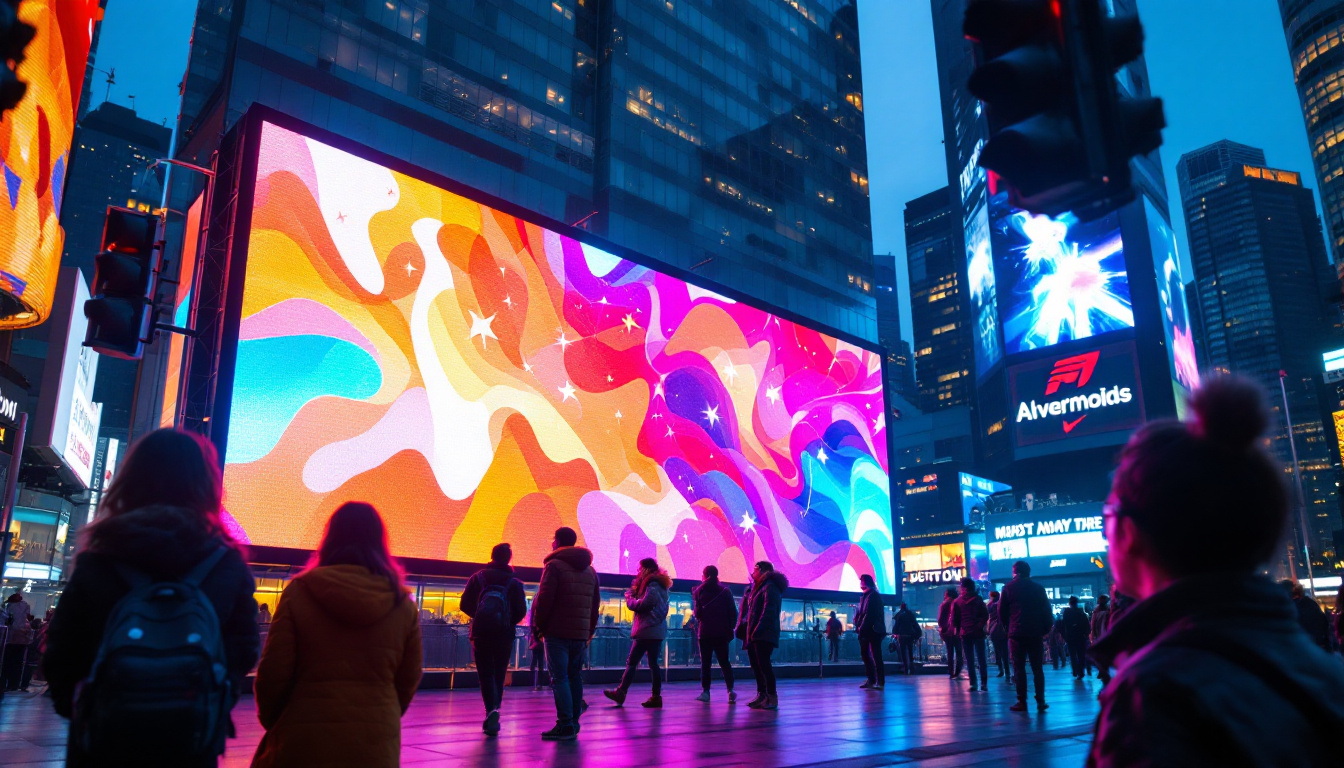
- Outdoor Advertising: Billboards, highway signs, and transit advertising benefit from high brightness and durability.
- Sports Arenas and Stadiums: Large scoreboards and video walls require visibility from long distances and under varying weather conditions.
- Public Information Displays: Transportation hubs and city centers use traditional LEDs for robust, high-impact messaging.
SMD LED Displays
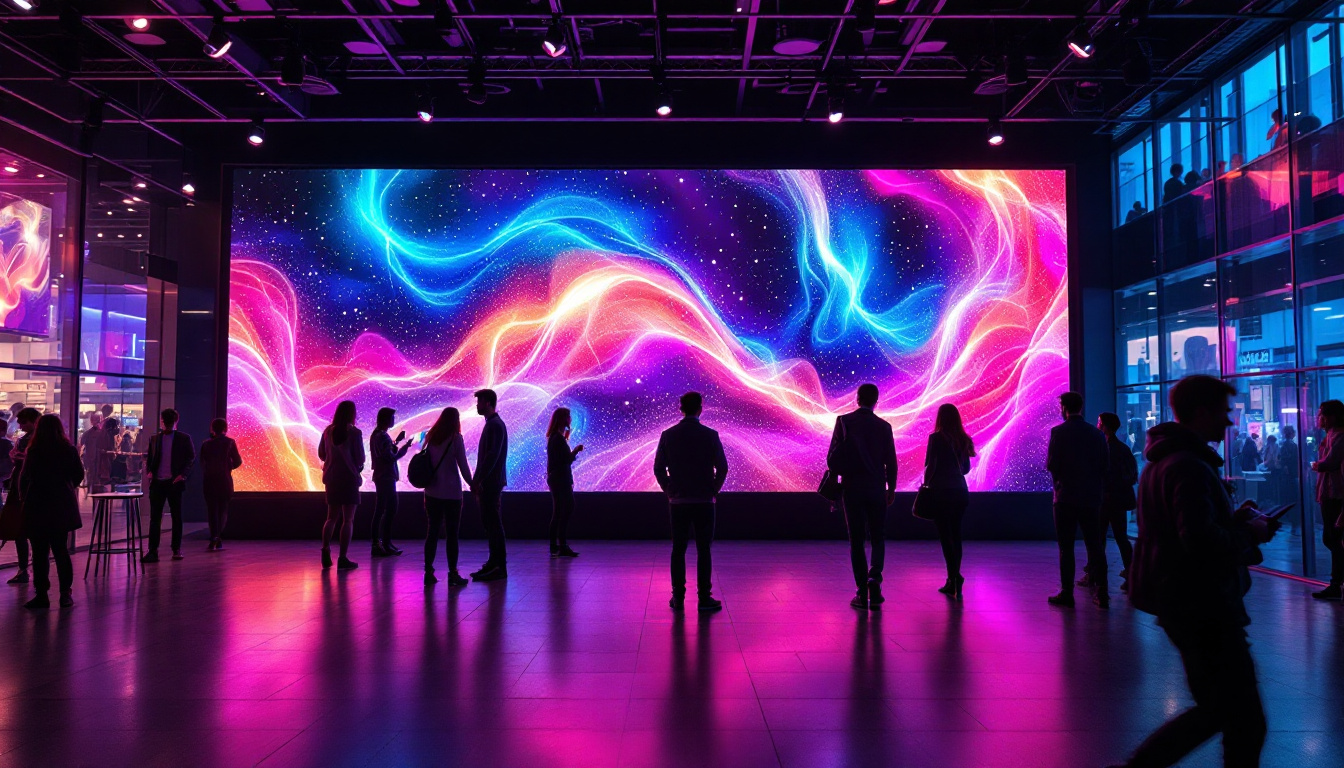
- Indoor Digital Signage: Retail stores, shopping malls, and corporate lobbies leverage high resolution and wide viewing angles.
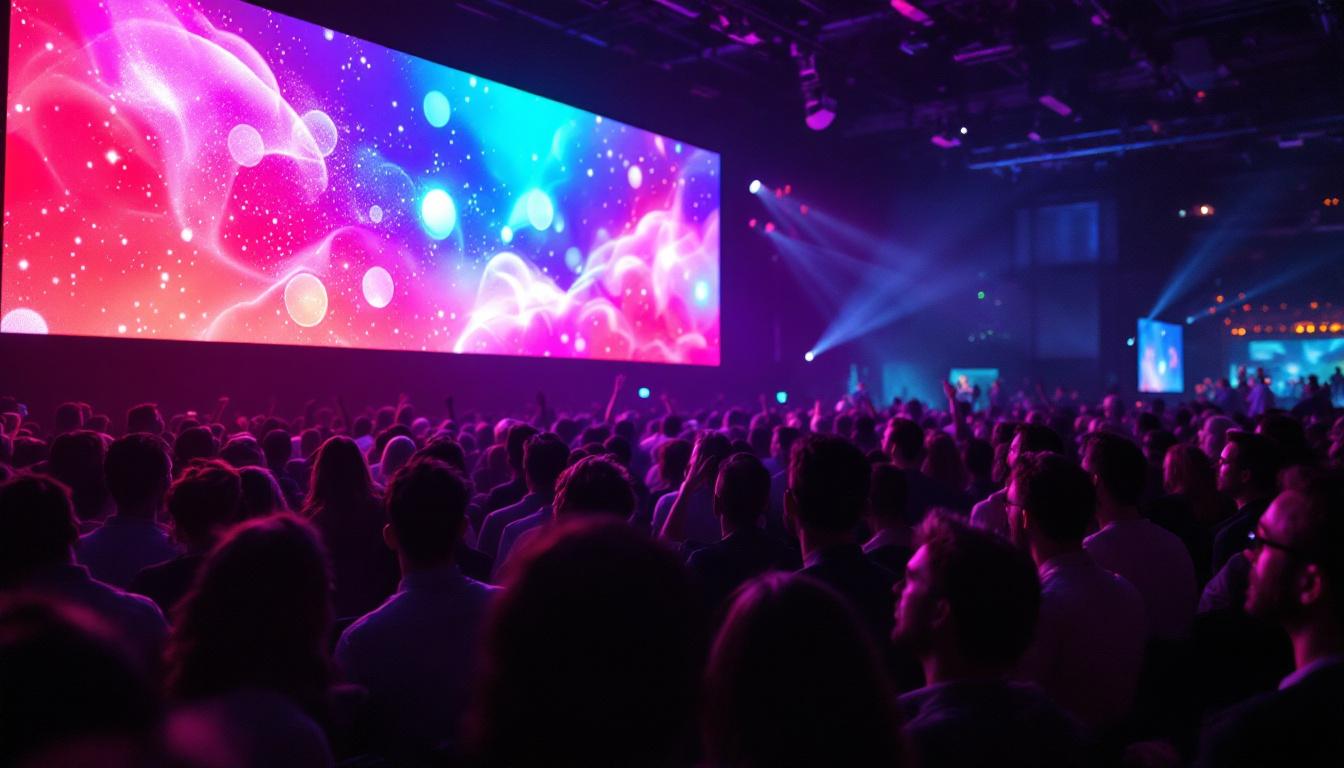
- Event and Stage Displays: Concerts, conferences, and exhibitions demand sharp images and flexible form factors.
- Control Rooms and Broadcast Studios: Precise color rendering and close viewing distances are critical.
Emerging Trends and Future Outlook
LED technology continues to evolve rapidly. Recent advancements in mini-LED and micro-LED technologies promise even higher resolutions, improved energy efficiency, and thinner displays. These innovations blend some of the best features of both traditional and SMD LEDs.
Furthermore, the integration of smart technologies, such as IoT connectivity and AI-driven content management, is enhancing the functionality of LED displays across industries. For instance, dynamic brightness adjustment based on ambient light and real-time content optimization are becoming standard features.
As costs decrease and manufacturing processes improve, the line between traditional and SMD LED applications is expected to blur, offering more versatile solutions for both indoor and outdoor environments.
Conclusion: Choosing the Right LED Display
When deciding between SMD LED and traditional LED displays, it is essential to consider the specific requirements of the intended application. Traditional LED displays remain the go-to choice for outdoor, large-scale installations where brightness and durability are paramount. In contrast, SMD LED displays excel in delivering high-resolution, vibrant images suitable for indoor environments and close viewing distances.
Evaluating factors such as viewing distance, ambient lighting conditions, budget, and installation environment will guide the selection process. With ongoing technological advancements, LED displays will continue to offer increasingly sophisticated and adaptable solutions for visual communication needs.
Discover LumenMatrix’s Advanced LED Display Solutions
Ready to elevate your visual communication with the latest in LED technology? LumenMatrix offers a comprehensive range of LED display solutions tailored to meet your specific needs. Whether you’re looking for Indoor LED Wall Displays for a corporate lobby, vibrant Outdoor LED Wall Displays for advertising, or specialized solutions like Vehicle LED Displays, LED Sports Displays, and even Custom LED Displays, LumenMatrix has you covered. Experience the future of digital signage with our All-in-One LED Displays and LED Transparent Displays, designed to captivate your audience and enhance your brand’s visibility. Check out LumenMatrix LED Display Solutions today and join the revolution in visual communication.