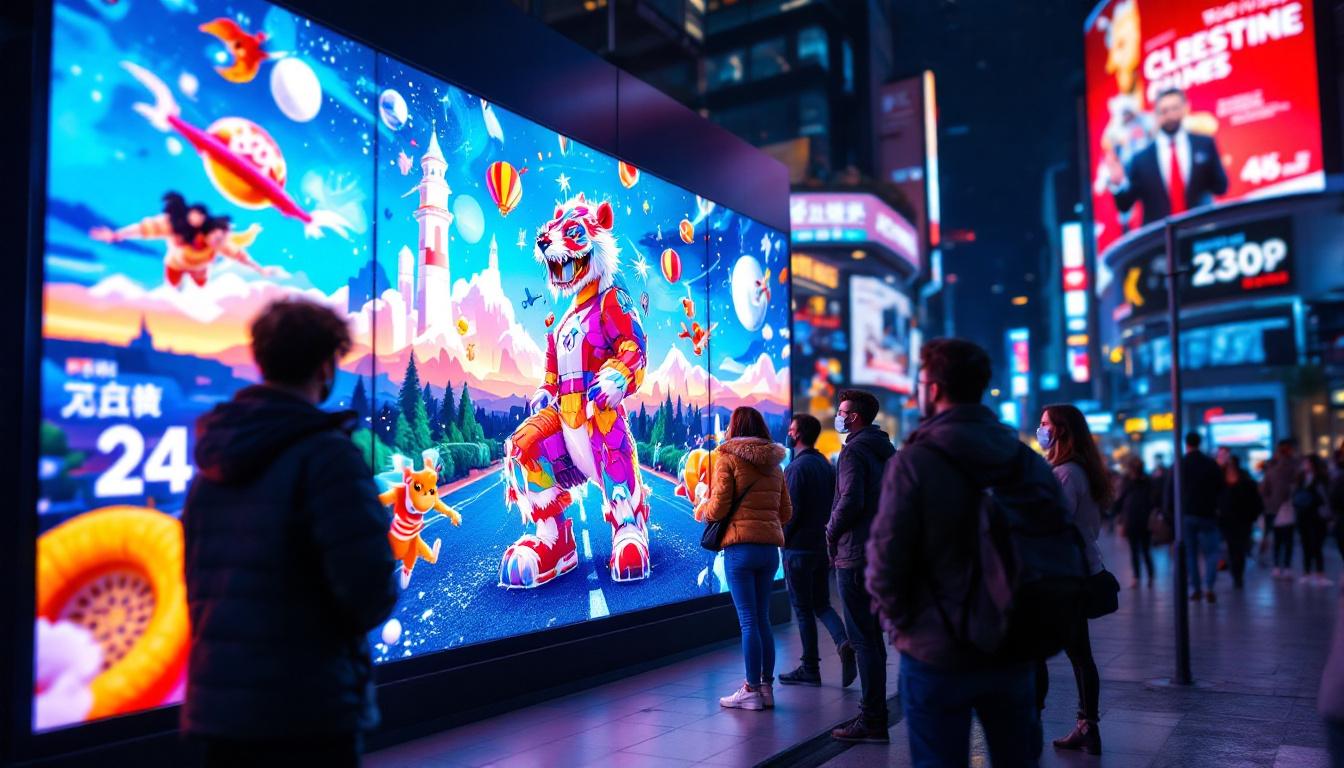
In an era dominated by visual communication, LED digital signage displays have become a cornerstone of modern advertising, information dissemination, and public engagement. From bustling city centers to corporate lobbies, these vibrant, dynamic screens capture attention and convey messages with unparalleled clarity and impact. This article delves into the world of LED digital signage, explaining what LED displays are, how they work, their advantages, and why they are rapidly replacing traditional signage solutions.
Understanding LED Digital Signage Displays
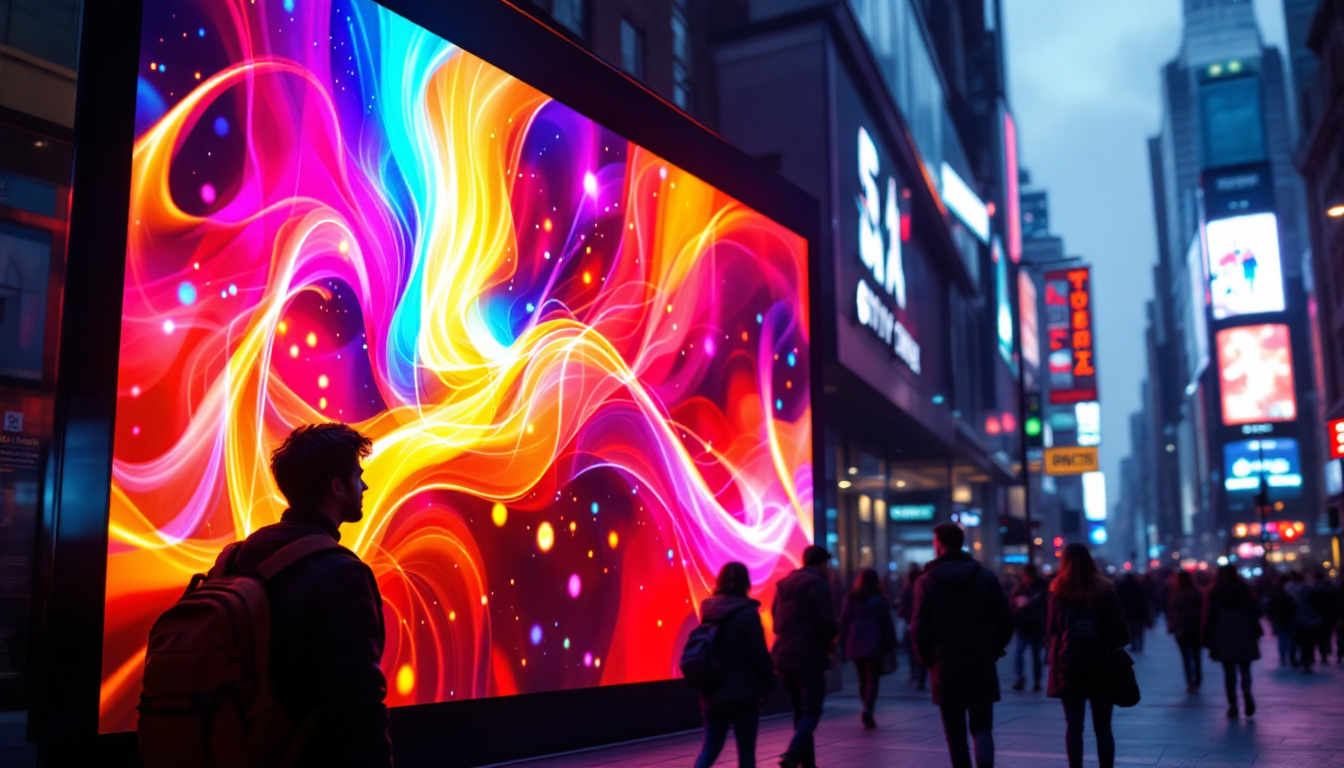
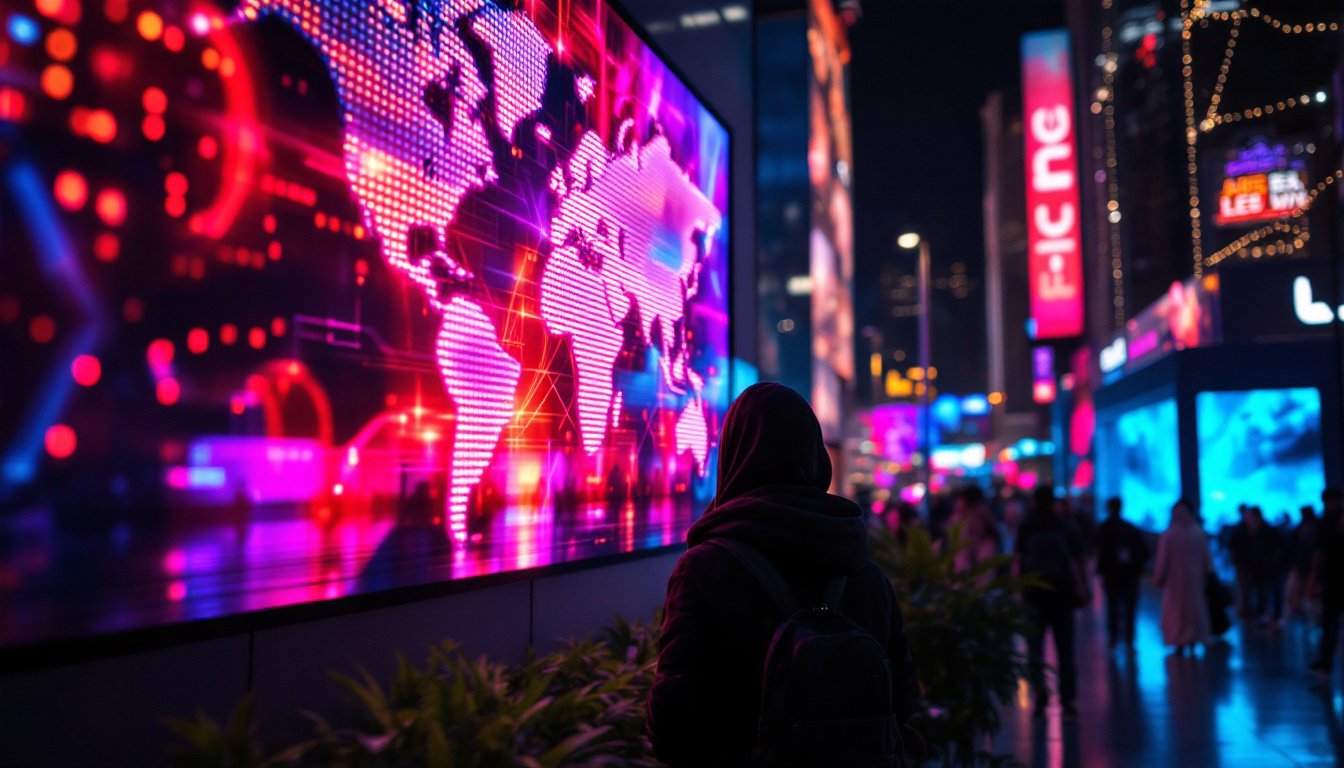
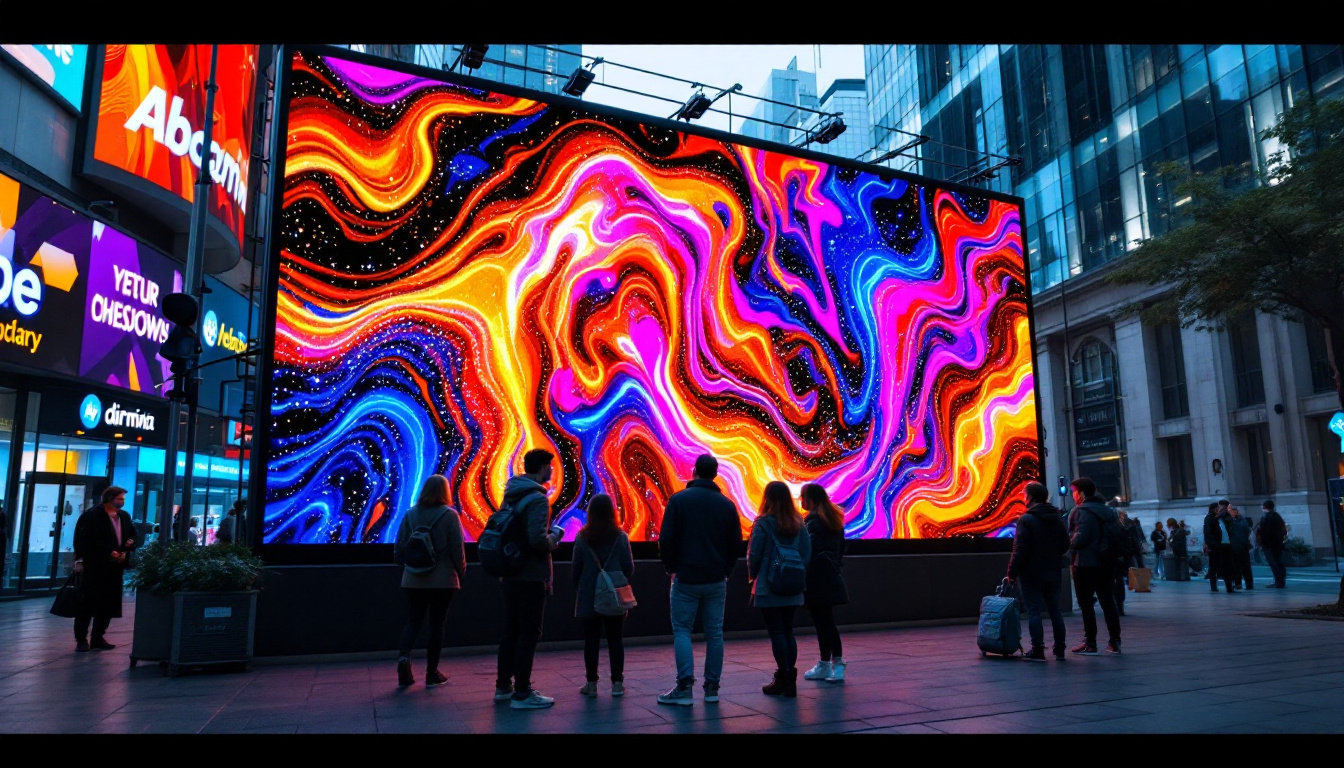
LED, or Light Emitting Diode, technology has revolutionized the way businesses and organizations communicate visually. At its core, an LED display is a flat panel that uses an array of tiny light-emitting diodes as pixels to create images and videos. These diodes emit light when an electrical current passes through them, enabling the display to produce bright, vivid visuals that are visible even in direct sunlight.
Digital signage powered by LED technology is used extensively for advertising, public information, entertainment, and wayfinding. Unlike traditional static billboards or posters, LED digital signage can display dynamic content that can be updated in real-time, providing flexibility and engagement that static signs cannot match.
How LED Displays Work
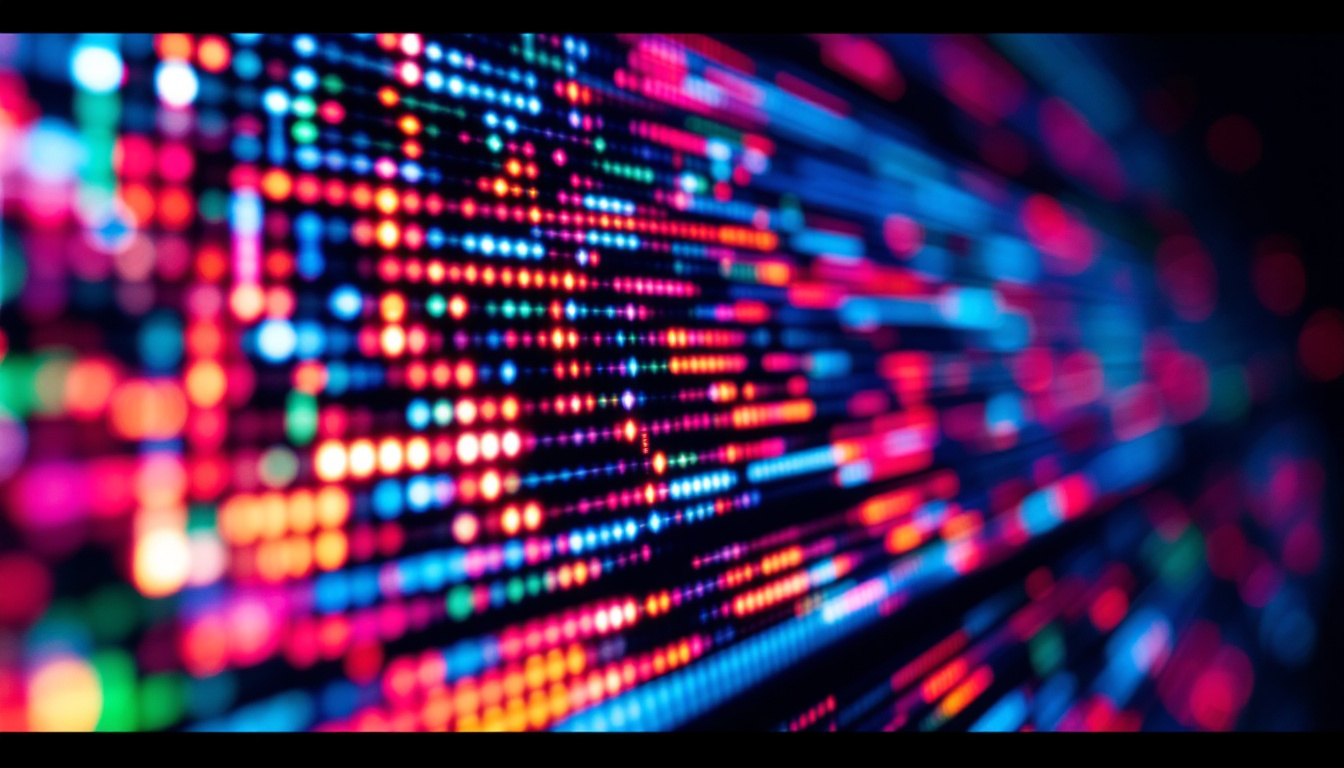
Each LED display consists of thousands to millions of individual LEDs arranged in a grid. These LEDs can be red, green, and blue (RGB), and by varying the intensity of each color, the display can produce a full spectrum of colors. This RGB combination is fundamental to creating high-resolution images and videos.
The display is controlled by a processor that sends signals to each LED, determining its brightness and color. Content is typically managed through specialized software that allows users to schedule, update, and customize what is shown on the screen. This capability makes LED signage highly adaptable for different environments and purposes.
Moreover, the versatility of LED displays extends beyond mere advertising. They can be utilized in various settings, from airports displaying flight information to retail stores showcasing promotions. In sports arenas, LED displays enhance the spectator experience by providing instant replays and live statistics. The ability to integrate with social media feeds and other digital platforms further enriches the content, allowing for real-time interaction and engagement with the audience.
Additionally, the energy efficiency of LED technology is a significant advantage. Compared to traditional lighting methods, LED displays consume considerably less power, which not only reduces operational costs but also aligns with sustainability efforts. Many businesses are now opting for LED signage as part of their green initiatives, contributing to a reduced carbon footprint while still delivering impactful visual communication.
Types of LED Displays
LED digital signage comes in various forms, each suited to specific applications and environments. Understanding the different types helps businesses choose the right solution for their needs.
Indoor LED Displays
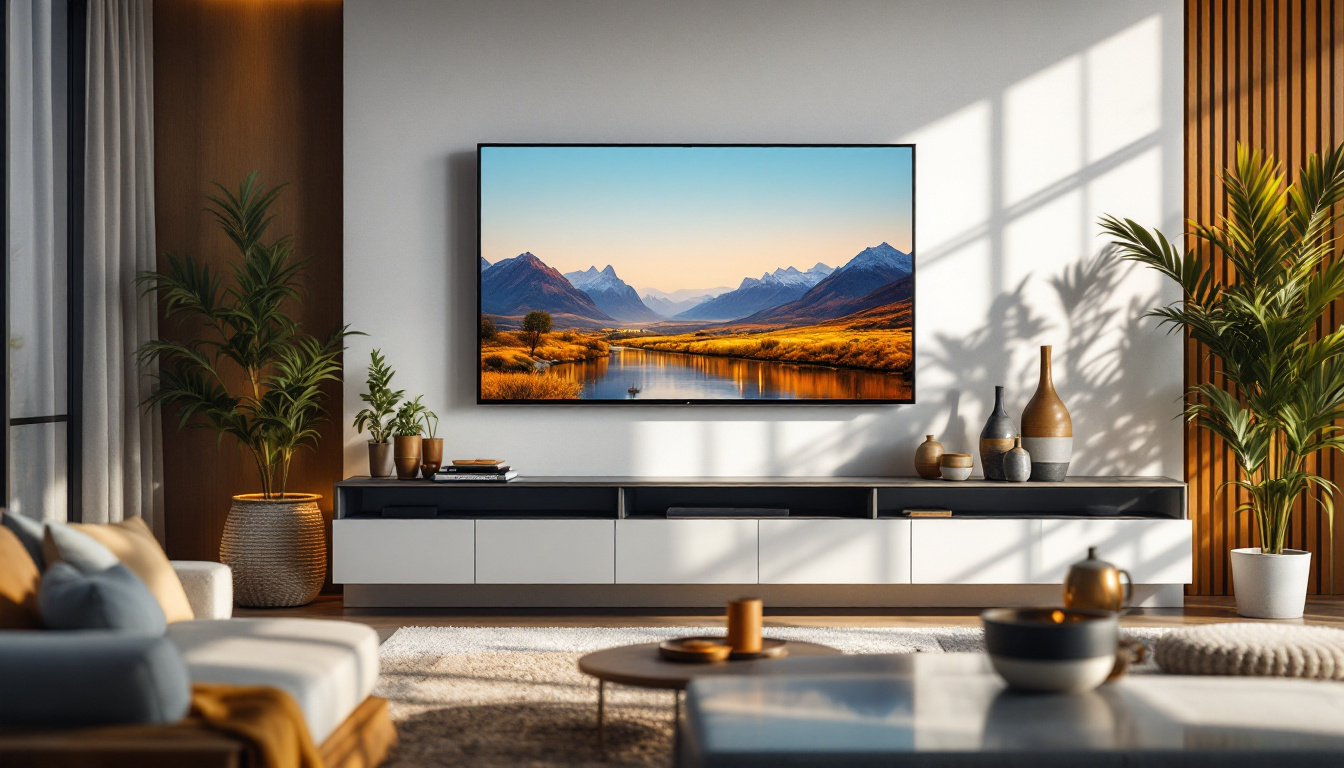
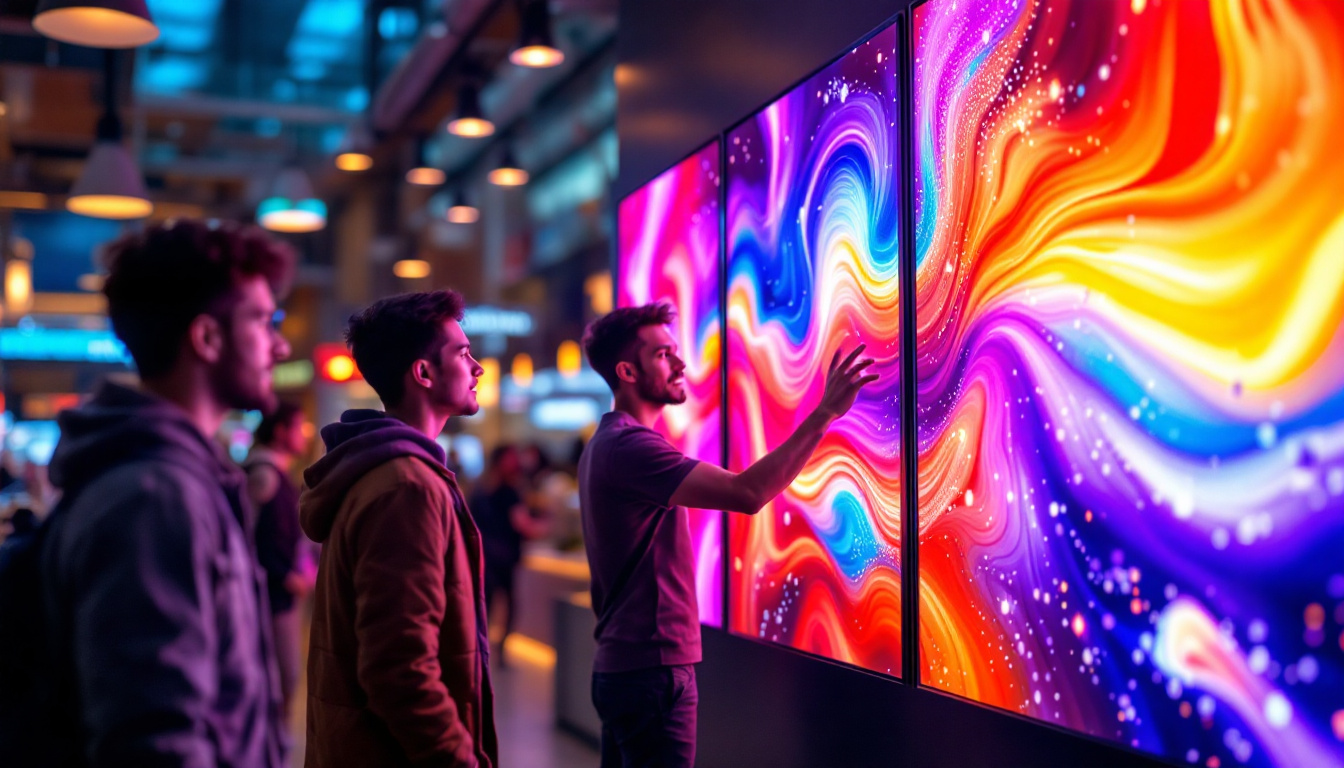
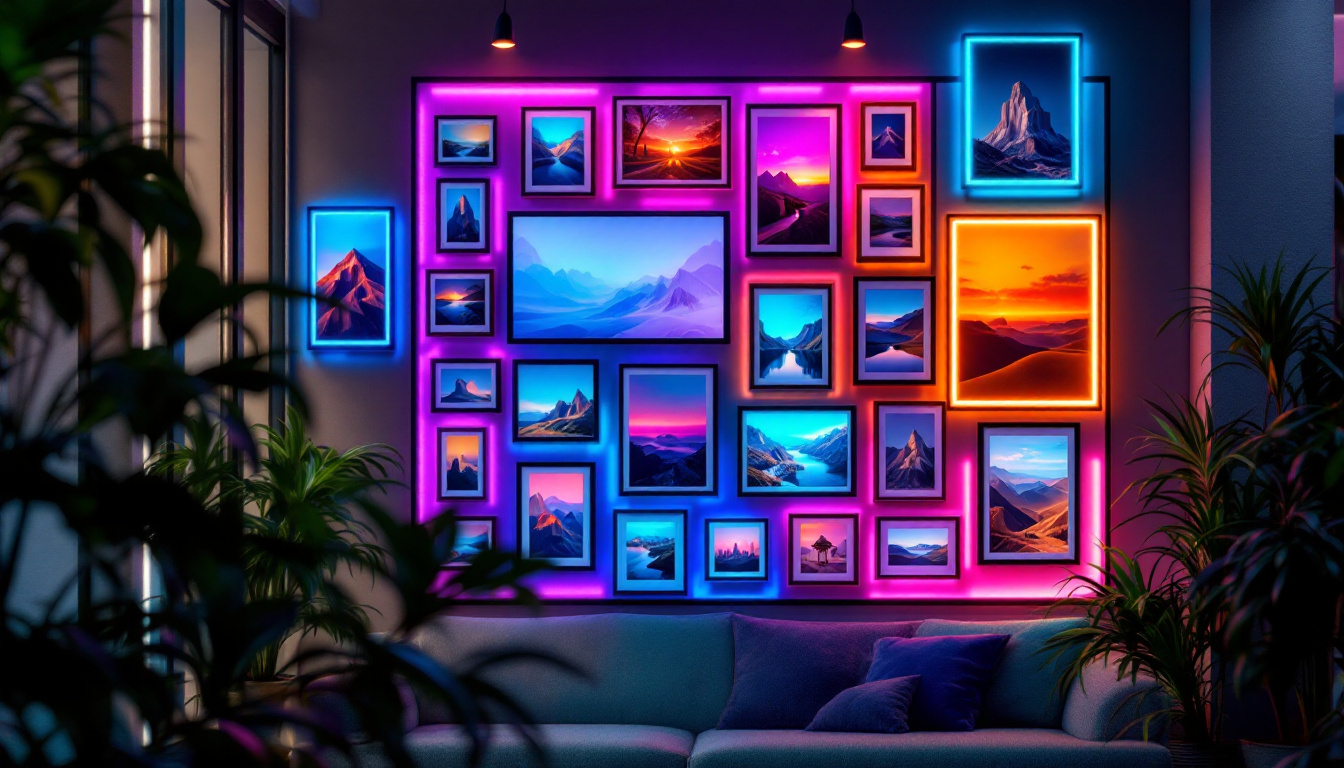
Indoor LED displays are designed for controlled lighting environments such as shopping malls, airports, conference centers, and retail stores. These displays typically have higher pixel density, resulting in sharper images at close viewing distances. Because ambient light is limited indoors, these screens do not require extremely high brightness levels but focus on color accuracy and clarity. Additionally, indoor LED displays often come with various mounting options, including wall-mounted, hanging, or freestanding configurations, allowing businesses to integrate them seamlessly into their existing environments. This versatility makes them ideal for dynamic content, such as promotional videos or interactive displays that engage customers directly.
Outdoor LED Displays
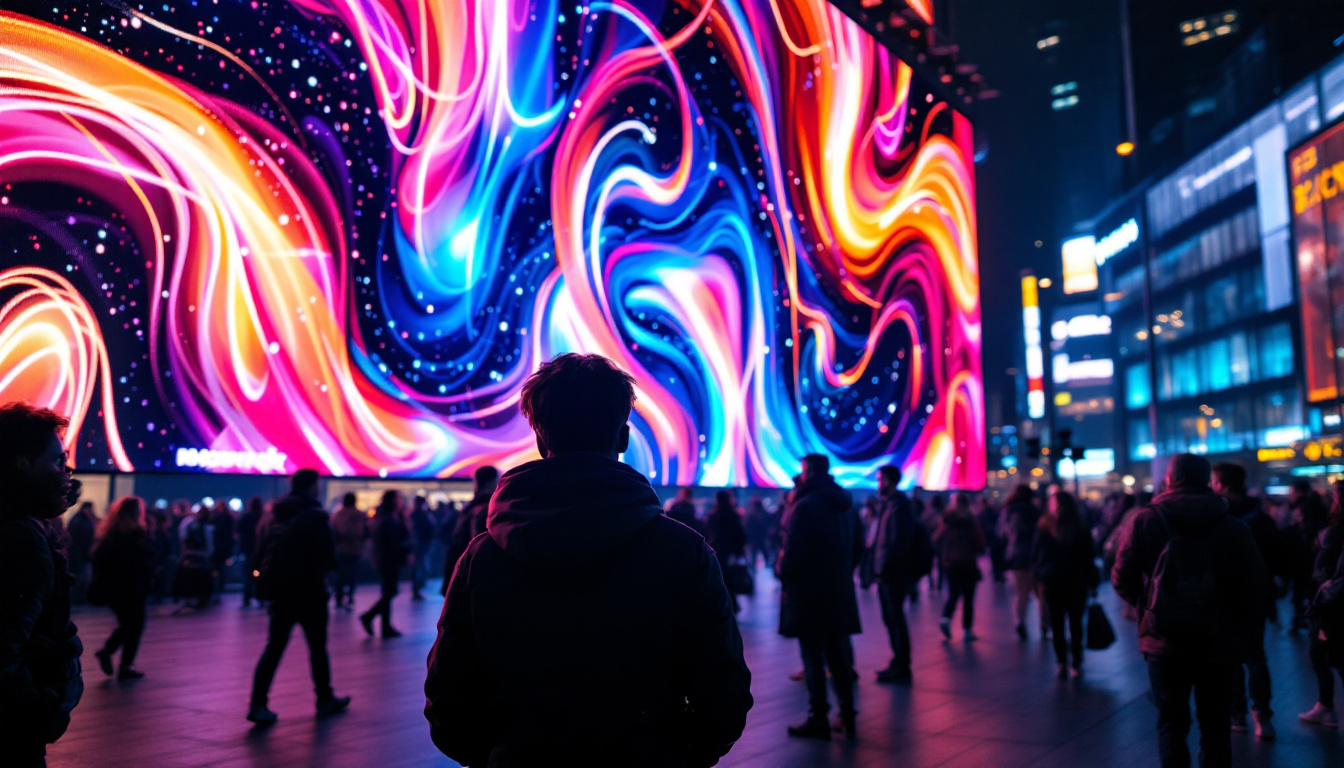
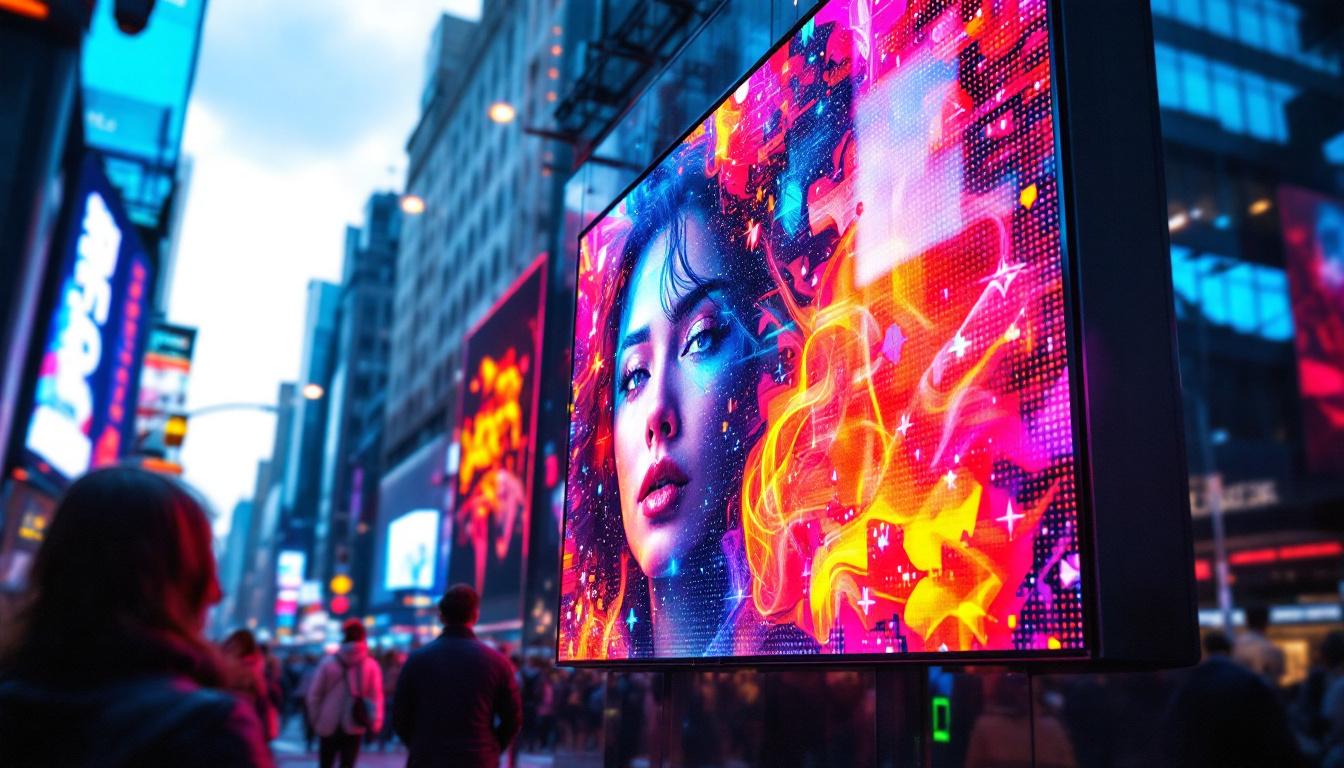
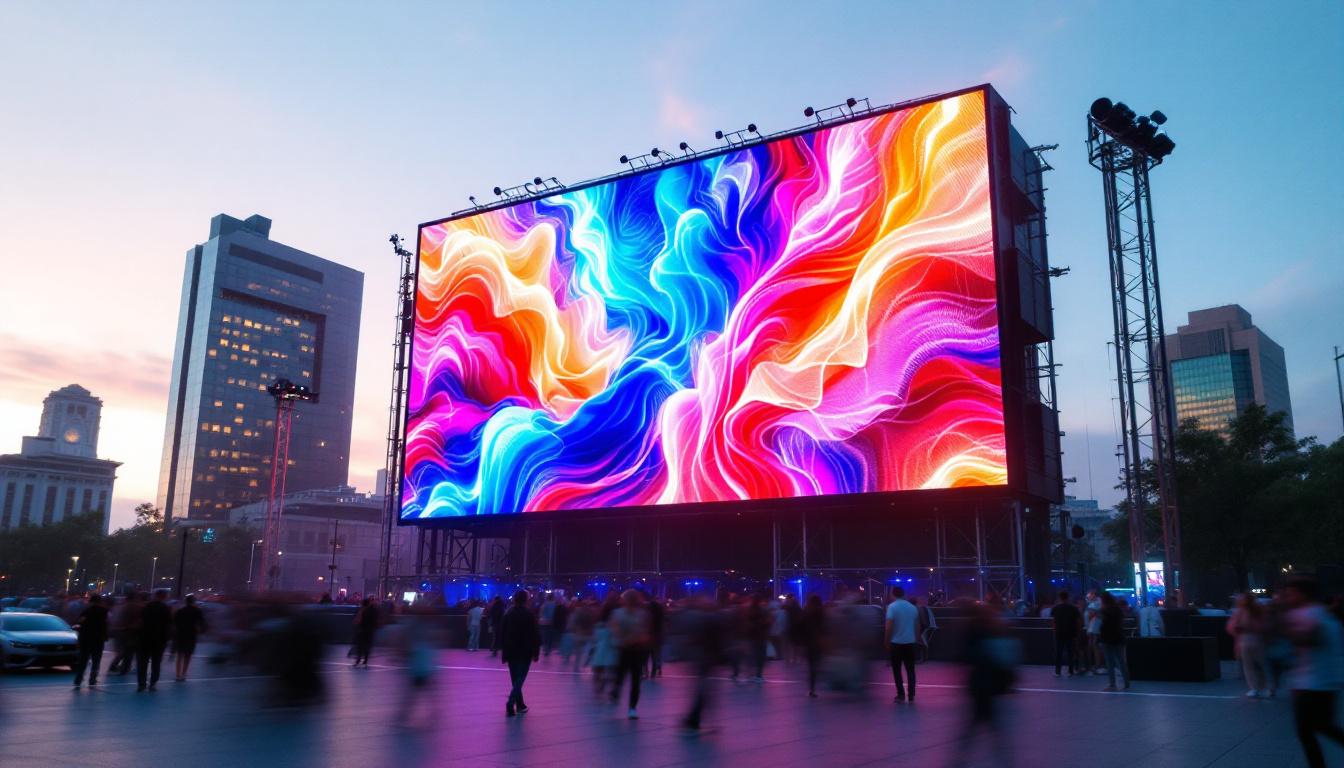
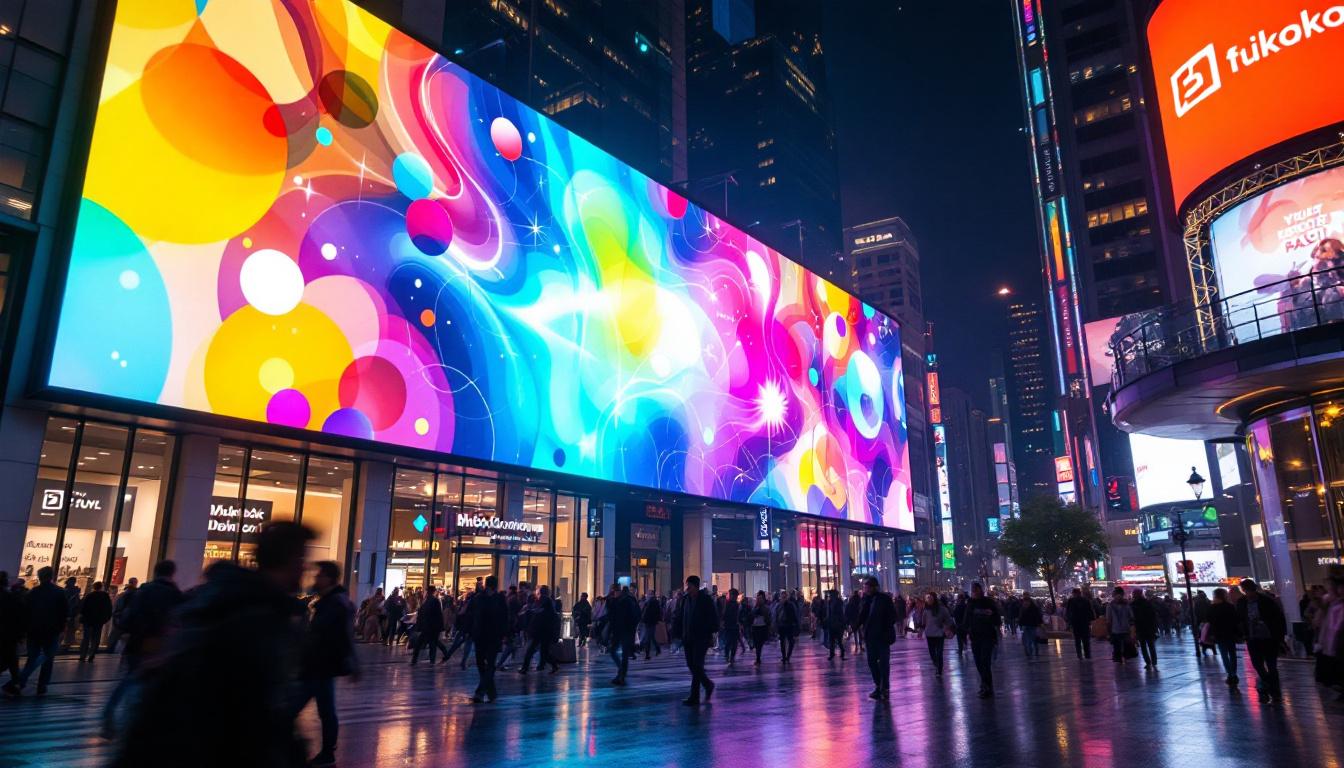
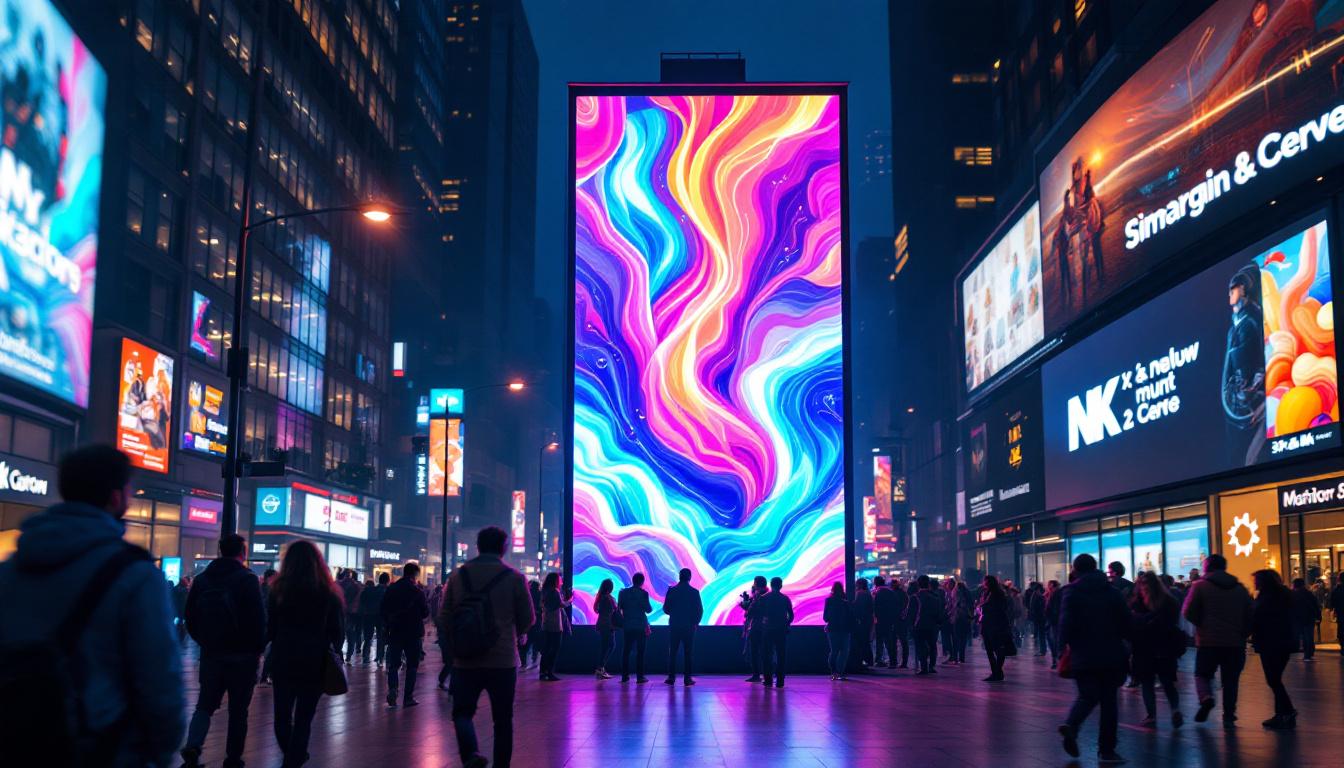
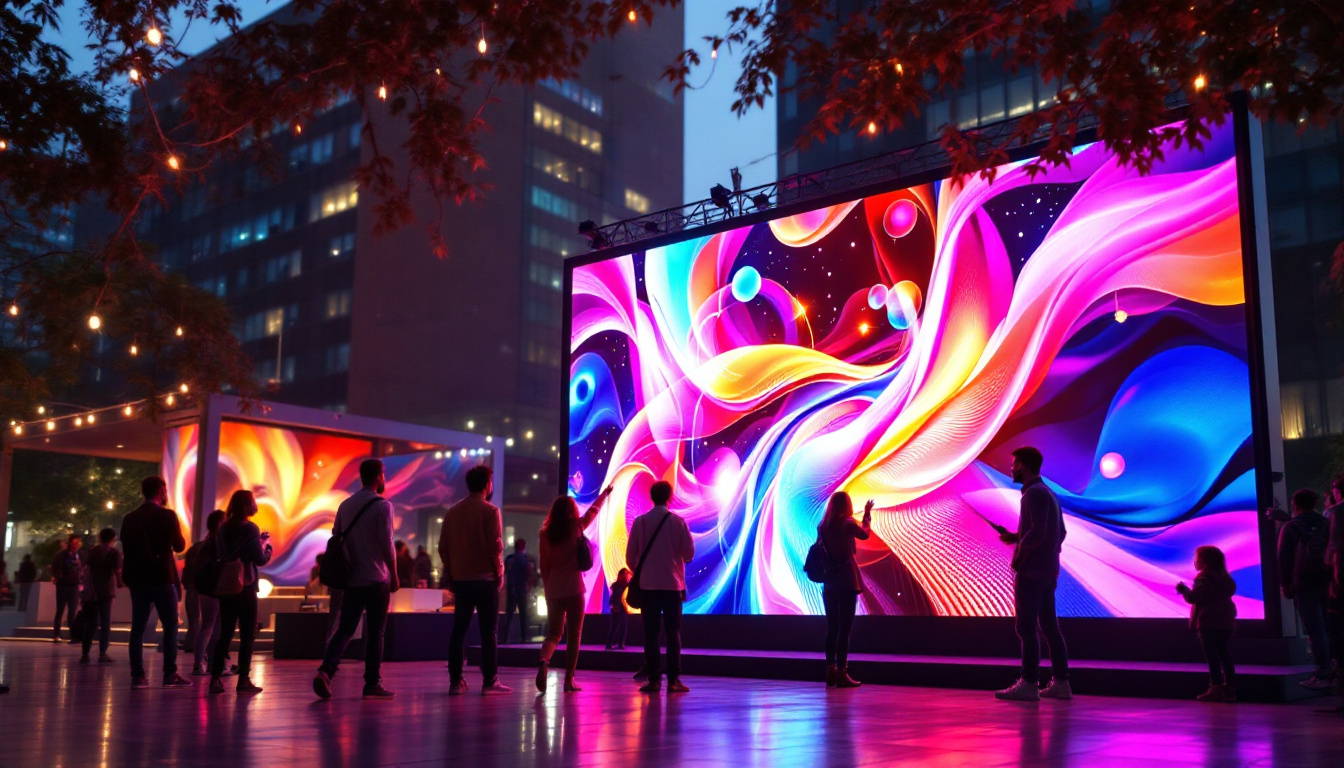
Outdoor LED displays are built to withstand harsh weather conditions, including rain, wind, and extreme temperatures. They feature higher brightness levels—often exceeding 5,000 nits—to remain visible in direct sunlight. Additionally, these displays are usually larger and have wider viewing angles to accommodate viewers from various distances and directions. Examples include digital billboards, stadium screens, and transportation hubs. To enhance their functionality, many outdoor LED displays are equipped with advanced features such as automatic brightness adjustment, which optimizes visibility based on changing light conditions throughout the day. Furthermore, these displays can be integrated with real-time data feeds, allowing businesses to showcase live updates, weather information, or social media interactions, thereby creating a more engaging experience for passersby.
Transparent LED Displays
Transparent LED displays are a newer innovation that combines LED technology with glass panels, allowing the screen to display content while remaining see-through. This type of display is popular for storefront windows and architectural installations, providing advertising opportunities without obstructing natural light or visibility. The ability to create eye-catching visuals while maintaining a clear line of sight makes transparent LED displays particularly appealing for luxury brands and high-end retail environments. Moreover, they can be programmed to display dynamic content that changes throughout the day, attracting attention and enhancing the overall aesthetic of the space. As technology advances, these displays are also becoming more energy-efficient, making them a sustainable choice for businesses looking to reduce their carbon footprint while still delivering impactful advertising.
Advantages of LED Digital Signage
LED digital signage offers numerous benefits that make it an attractive choice for businesses and public institutions alike. These advantages extend beyond just visual appeal, impacting operational efficiency and audience engagement.
Exceptional Brightness and Visibility
One of the most significant advantages of LED displays is their brightness. With the ability to produce intense light output, LED signage remains clearly visible in various lighting conditions, including direct sunlight. This ensures messages reach audiences effectively regardless of the time of day or weather conditions.
Energy Efficiency and Longevity
Compared to older display technologies such as LCD or plasma, LEDs consume significantly less power. This energy efficiency translates into lower operating costs and a smaller environmental footprint. Furthermore, LEDs have a long lifespan—often exceeding 100,000 hours—meaning displays require less frequent replacement or maintenance.
Dynamic and Flexible Content
Unlike static signs, LED digital signage can display a wide range of content types, including videos, animations, real-time data, and social media feeds. This flexibility allows businesses to tailor their messaging to specific audiences, times of day, or events, enhancing engagement and relevance.
High Resolution and Image Quality
Modern LED displays offer high pixel density, resulting in crisp, vibrant images that capture attention. Advances in LED technology have enabled ultra-high-definition screens that rival traditional television and cinema displays, making them ideal for detailed visuals and branding.
Applications of LED Digital Signage
LED digital signage is versatile and can be found in a wide array of sectors. Its adaptability and impact make it a preferred choice for many industries.
Retail and Advertising
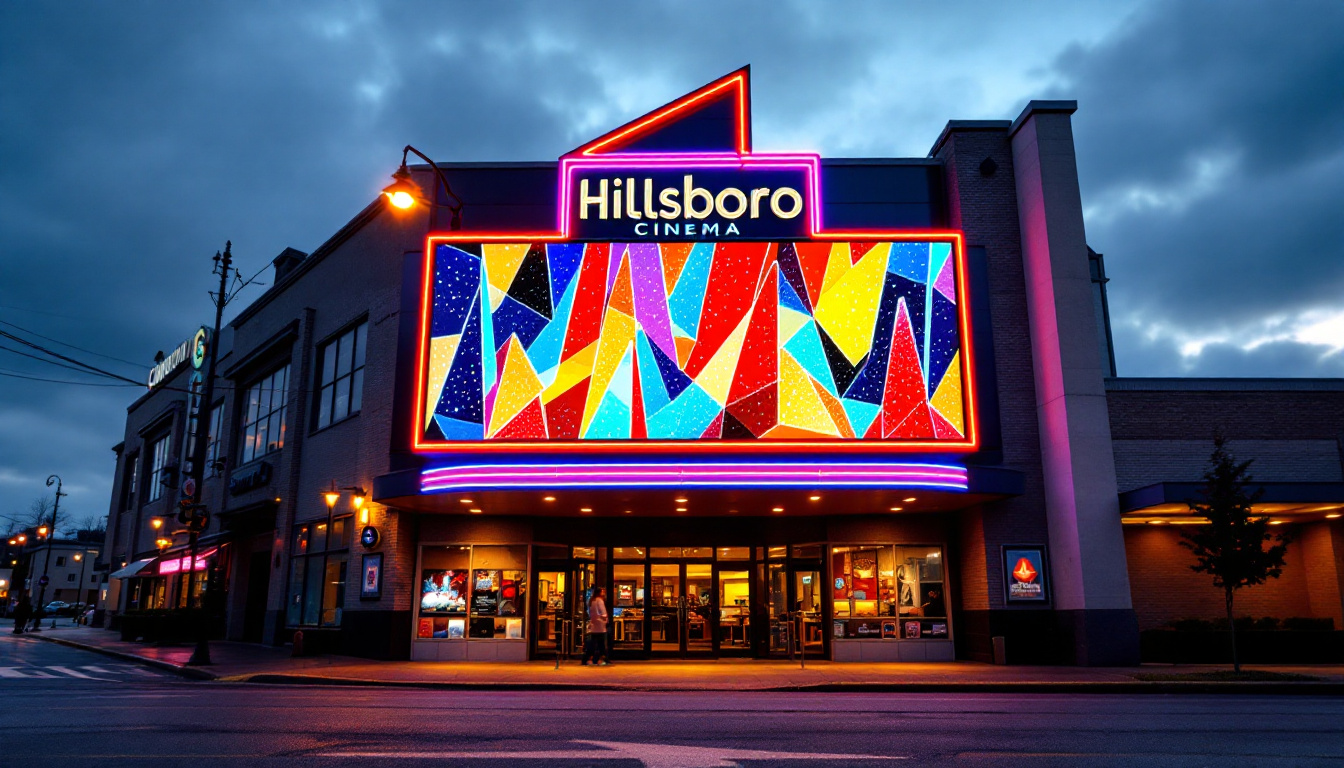
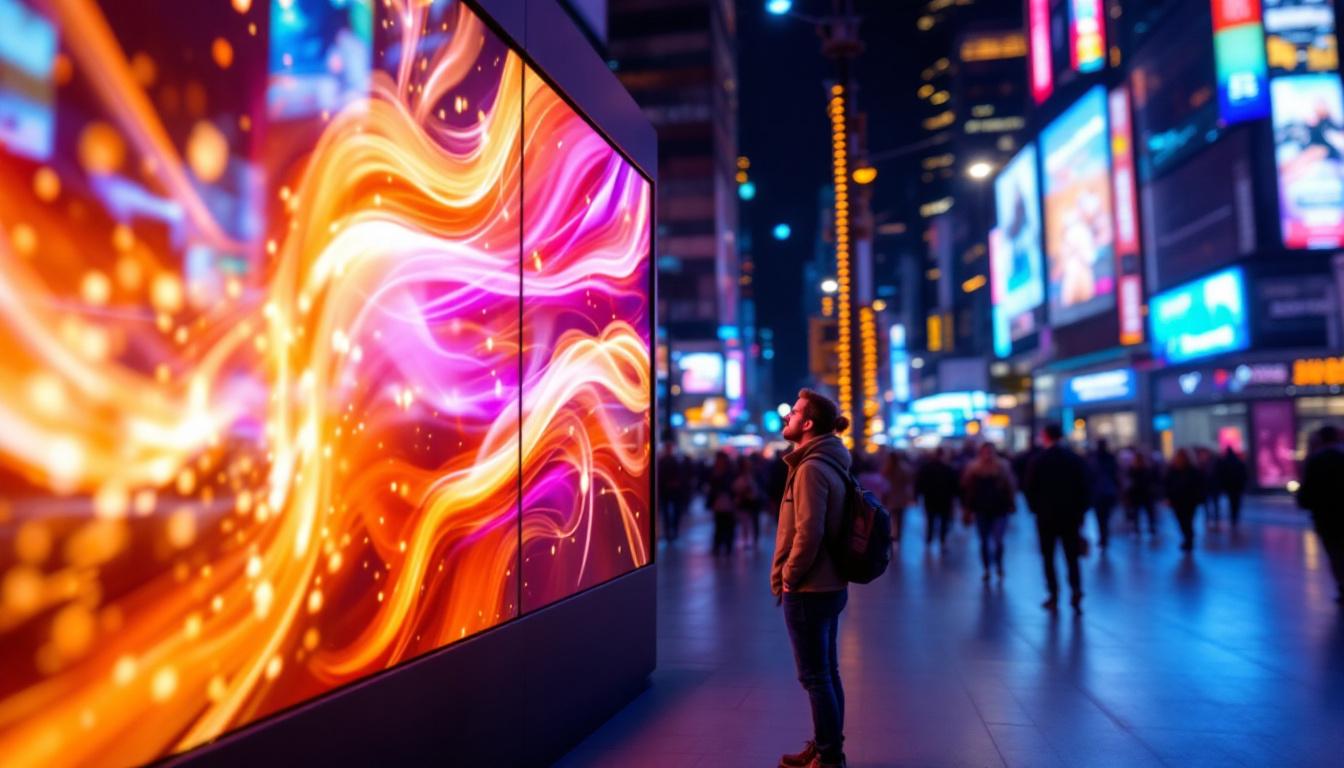
Retailers use LED displays to attract customers, promote products, and enhance the shopping experience. Digital signage in storefronts, malls, and inside stores can highlight promotions, showcase new arrivals, and provide interactive experiences. According to recent market research, digital signage in retail environments can increase sales by up to 30% by influencing purchasing decisions through engaging content.
Transportation and Public Spaces
Airports, train stations, and bus terminals utilize LED signage to provide real-time travel information, directions, and safety announcements. The clarity and brightness of LED displays ensure that passengers can easily access critical information, improving overall transit efficiency and safety.
Corporate and Educational Environments
Businesses and educational institutions deploy LED signage for internal communications, event promotion, and wayfinding. These displays can be used in lobbies, conference rooms, and campuses to share news, schedules, and emergency alerts, fostering better communication and engagement.
Entertainment and Sports Venues
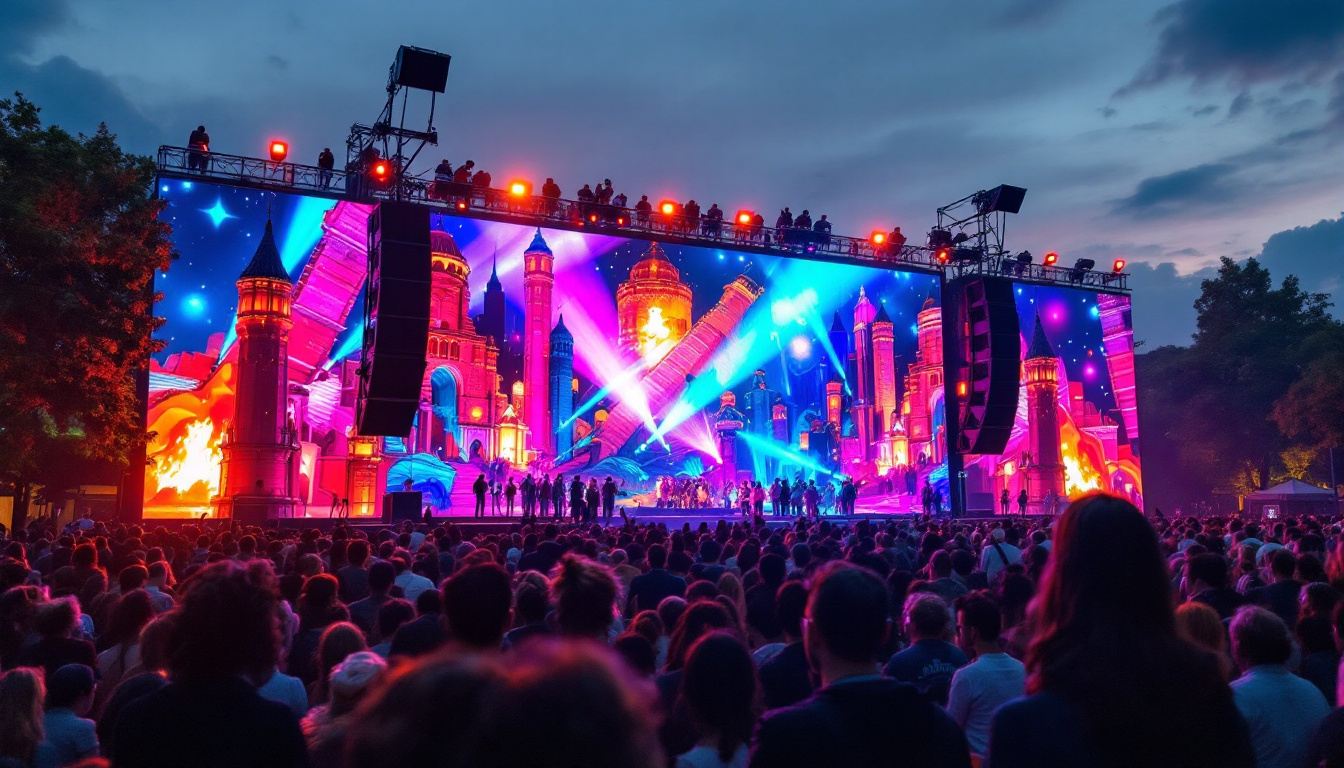
Stadiums, concert halls, and theaters use large-scale LED screens to enhance the spectator experience. These displays provide live video feeds, instant replays, advertisements, and interactive content, creating immersive environments that captivate audiences.
Choosing the Right LED Display for Your Needs
Selecting the appropriate LED digital signage involves considering several factors to ensure optimal performance and return on investment.
Pixel Pitch and Resolution
Pixel pitch—the distance between the centers of adjacent LEDs—determines the display’s resolution and viewing distance. Smaller pixel pitches mean higher resolution and are ideal for close-up viewing, such as indoor retail displays. Larger pixel pitches are suitable for outdoor billboards where viewers are farther away.
Brightness and Environmental Durability
Brightness requirements vary depending on the installation environment. Outdoor displays need higher brightness and weatherproofing, while indoor displays prioritize color accuracy and contrast. Ensuring the display meets environmental standards protects the investment and maintains visual quality.
Content Management Systems (CMS)
The software used to control LED signage is critical for ease of use and content flexibility. A robust CMS allows users to schedule content, integrate data feeds, and remotely manage multiple displays, making operations more efficient and scalable.
Installation and Maintenance
Consideration of installation complexity, space availability, and maintenance requirements is essential. Modular LED panels can simplify installation and repair, while warranties and service agreements provide peace of mind.
The Future of LED Digital Signage
As technology continues to evolve, LED digital signage is poised for exciting advancements that will further enhance its capabilities and applications.
Integration with Artificial Intelligence and IoT
Future LED displays will increasingly integrate with AI and Internet of Things (IoT) technologies, enabling personalized content delivery based on audience demographics, behavior, and environmental conditions. This will maximize engagement and advertising effectiveness.
Improved Energy Efficiency and Sustainability
Ongoing research aims to reduce the energy consumption of LED displays even further while using sustainable materials. This aligns with global efforts to minimize environmental impact and promote green technologies.
Higher Resolution and Flexible Form Factors
Advancements in micro-LED and flexible LED technologies will allow for ultra-high-resolution displays that can be curved, folded, or shaped to fit unique architectural designs. This will open new creative possibilities for advertisers and designers.
Conclusion
LED digital signage displays represent a powerful tool for communication in the modern world. Their brightness, versatility, and dynamic content capabilities make them indispensable across industries—from retail and transportation to entertainment and corporate environments. Understanding the technology behind LED displays, their types, and applications helps businesses make informed decisions that maximize impact and return on investment. As LED technology continues to advance, digital signage will become even more integrated, intelligent, and immersive, shaping the future of visual communication.
Discover LumenMatrix’s Innovative LED Solutions
Ready to elevate your visual communication with cutting-edge LED technology? LumenMatrix is at the forefront of LED display innovation, offering a wide range of solutions tailored to your needs. Whether you’re looking for an Indoor LED Wall Display, a vibrant Outdoor LED Wall Display, or specialized options like Vehicle LED Displays, LED Sports Displays, and even Custom LED Displays, LumenMatrix has the expertise to bring your vision to life. Experience the future of dynamic and engaging signage today. Check out LumenMatrix LED Display Solutions and transform your space into a captivating visual experience.