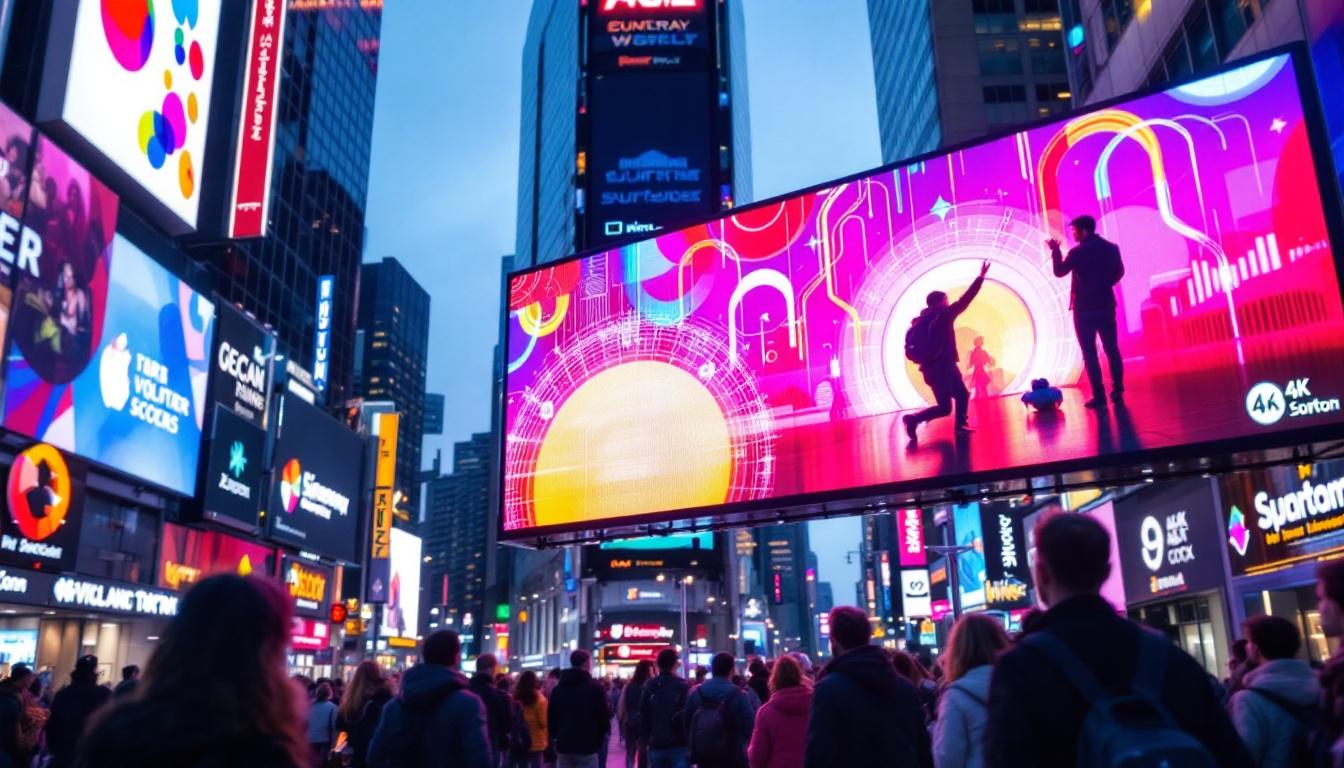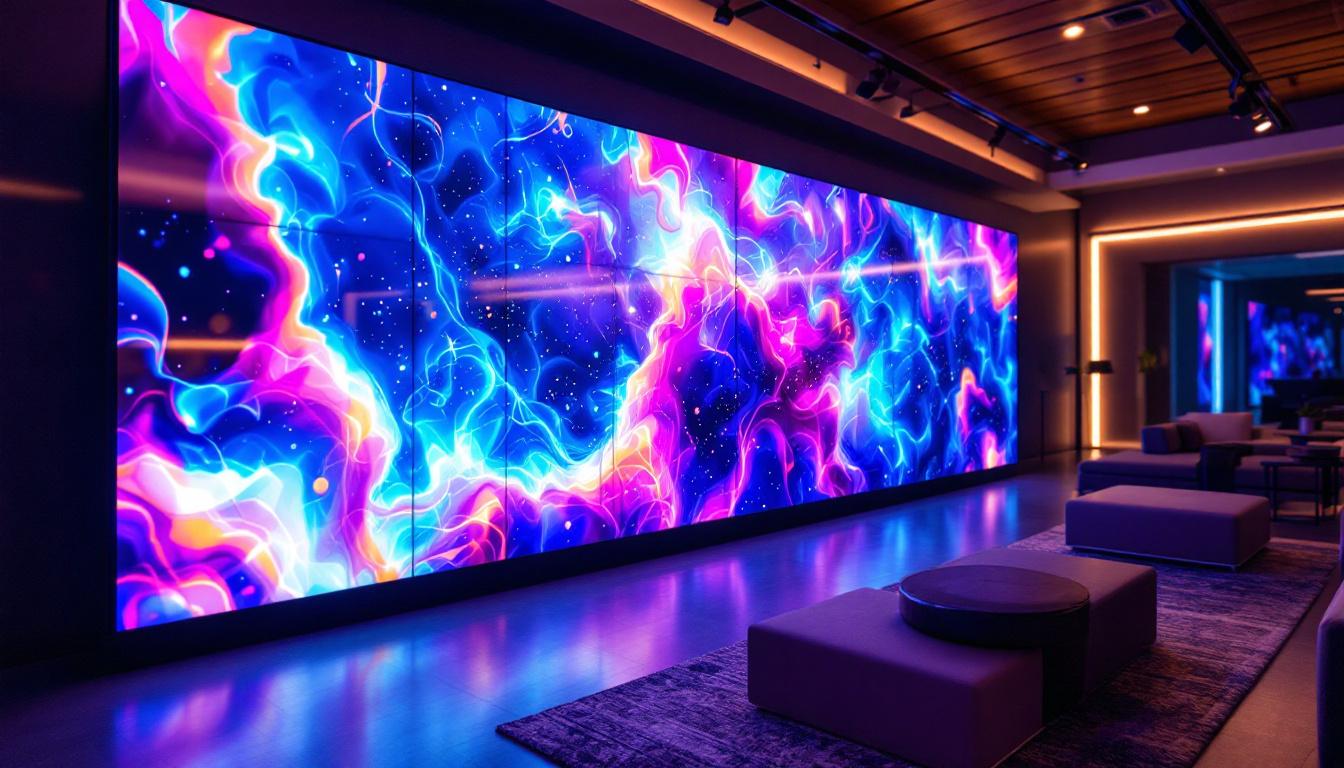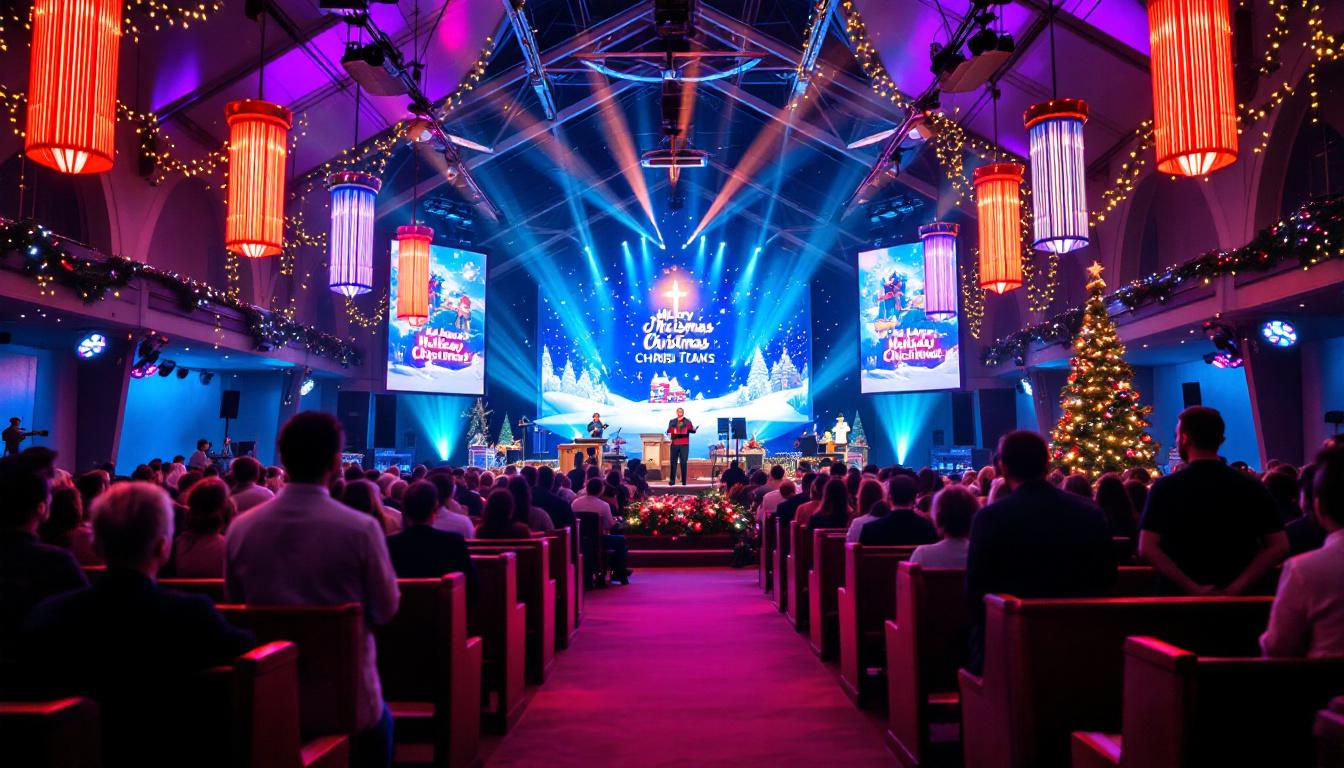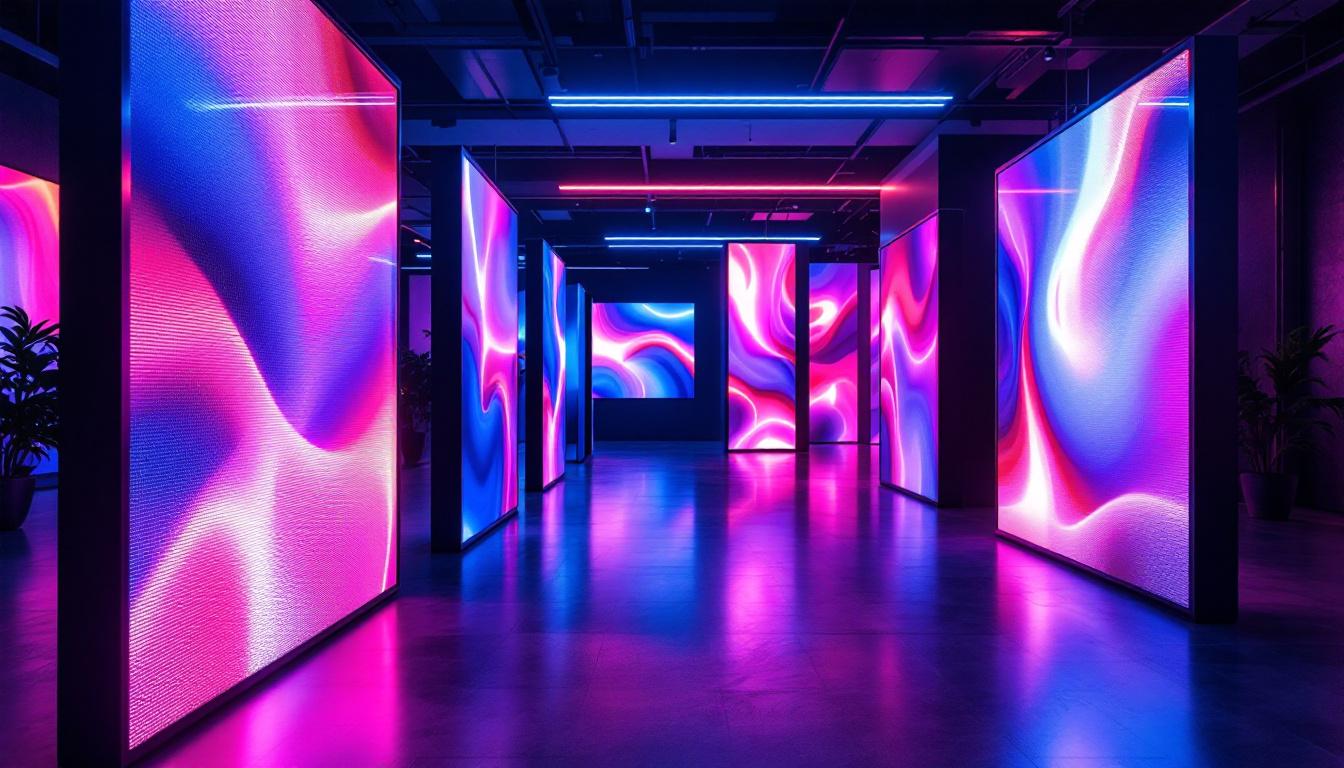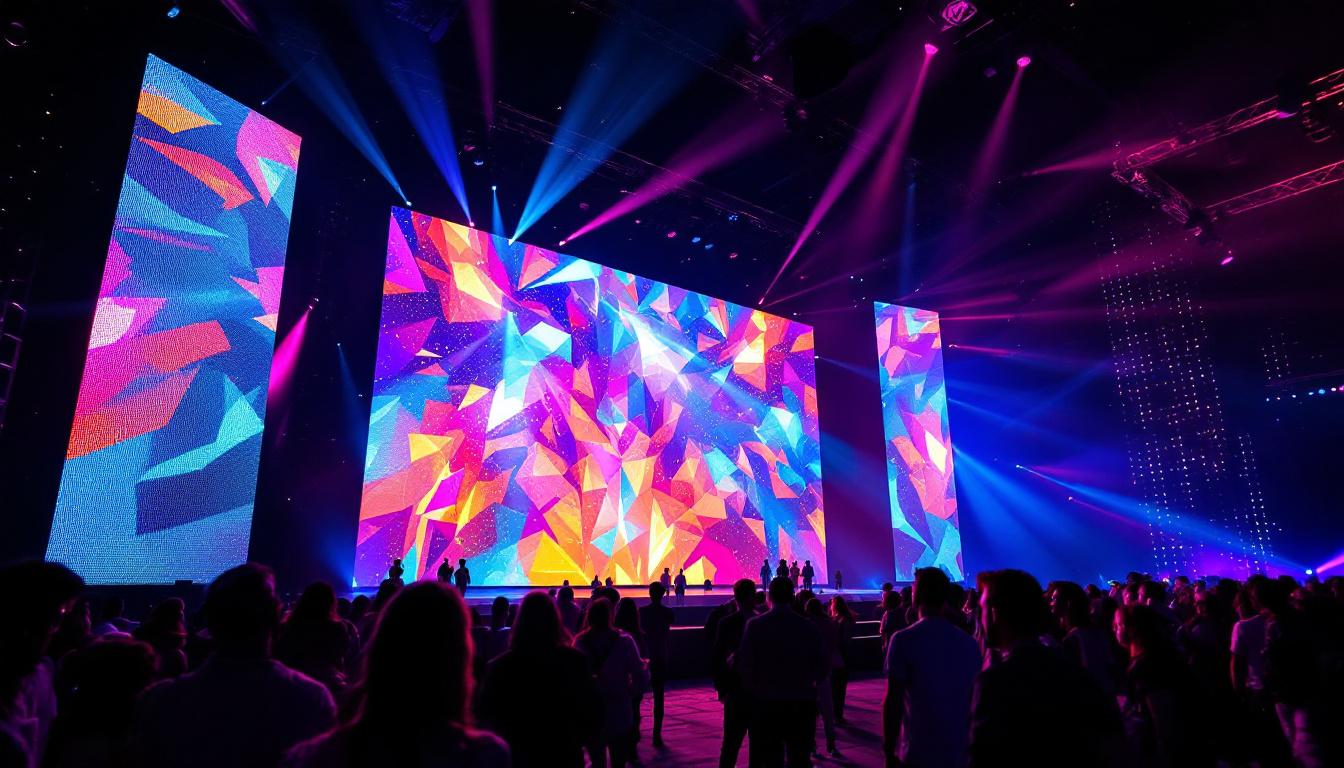
In today’s fast-paced event industry, visual impact is everything. Whether it’s a corporate conference, a music festival, or a product launch, the ability to captivate an audience hinges largely on the quality and versatility of the visual displays used. LED displays have revolutionized how event planners design and execute their productions, offering unparalleled brightness, flexibility, and engagement. This article dives deep into the world of LED displays, explaining their technology, benefits, and practical applications for event planners looking to elevate their events.
Understanding LED Display Technology
LED, or Light Emitting Diode, technology has been around for decades, but its application in large-scale displays is a relatively recent phenomenon that has transformed event production. Unlike traditional display technologies such as LCD or projection, LED displays use tiny diodes that emit light individually, creating images with exceptional brightness and contrast.
At the core, an LED display is composed of thousands to millions of these tiny diodes arranged in a grid. Each diode can emit red, green, or blue light, and by adjusting the intensity of each color, the display can produce a full spectrum of colors. This is known as RGB technology. The diodes are mounted on panels that can be assembled in various sizes and shapes, allowing for highly customizable configurations.
One key technical metric for LED displays is the pixel pitch, which is the distance between the centers of two adjacent pixels. A smaller pixel pitch means higher resolution and sharper images, which is crucial for close-up viewing. For large venues or outdoor events where the audience is farther away, a larger pixel pitch is acceptable and often more cost-effective.
Types of LED Displays Used in Events
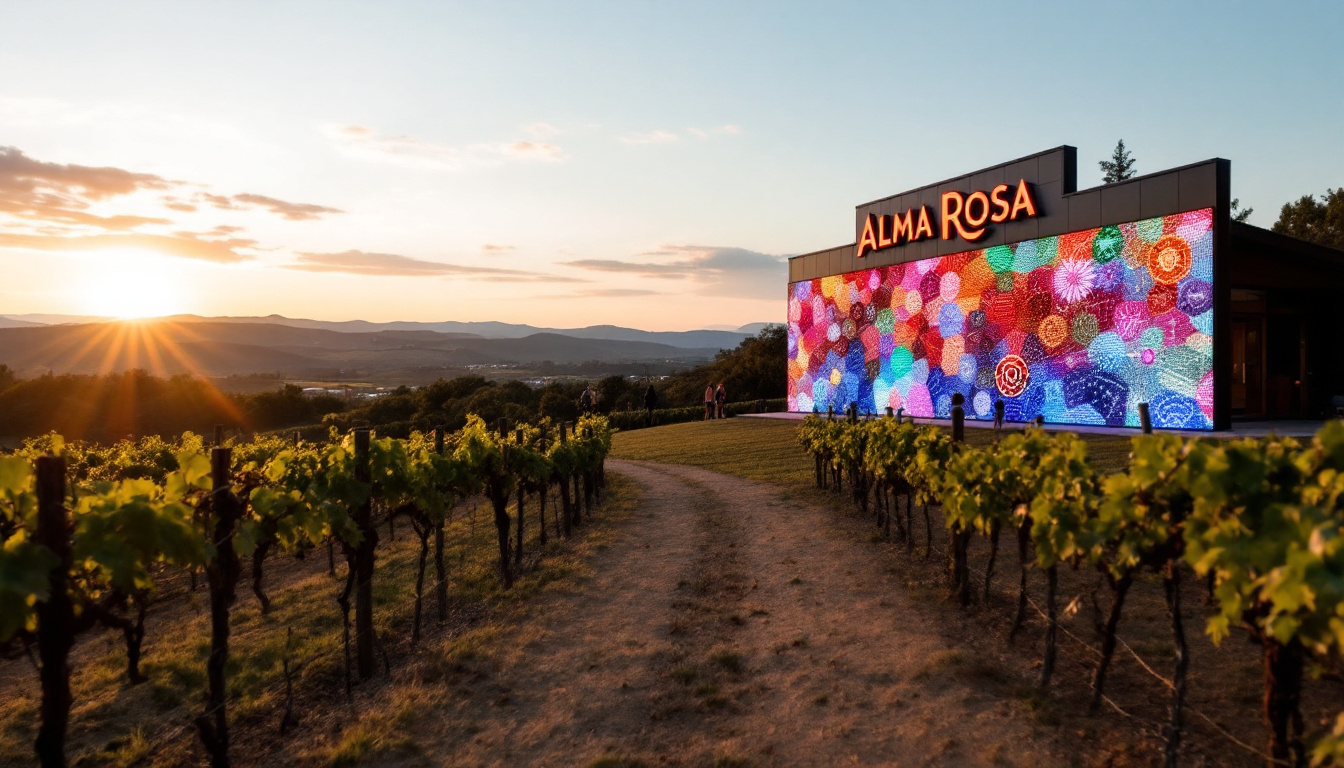
Event planners typically encounter two main types of LED displays: indoor and outdoor. Indoor LED displays are designed for controlled lighting environments and have a finer pixel pitch, often ranging from 1.2mm to 4mm, providing crisp visuals up close. Outdoor LED displays are built to withstand weather conditions and have a larger pixel pitch, usually between 4mm and 20mm, ensuring visibility even in direct sunlight.
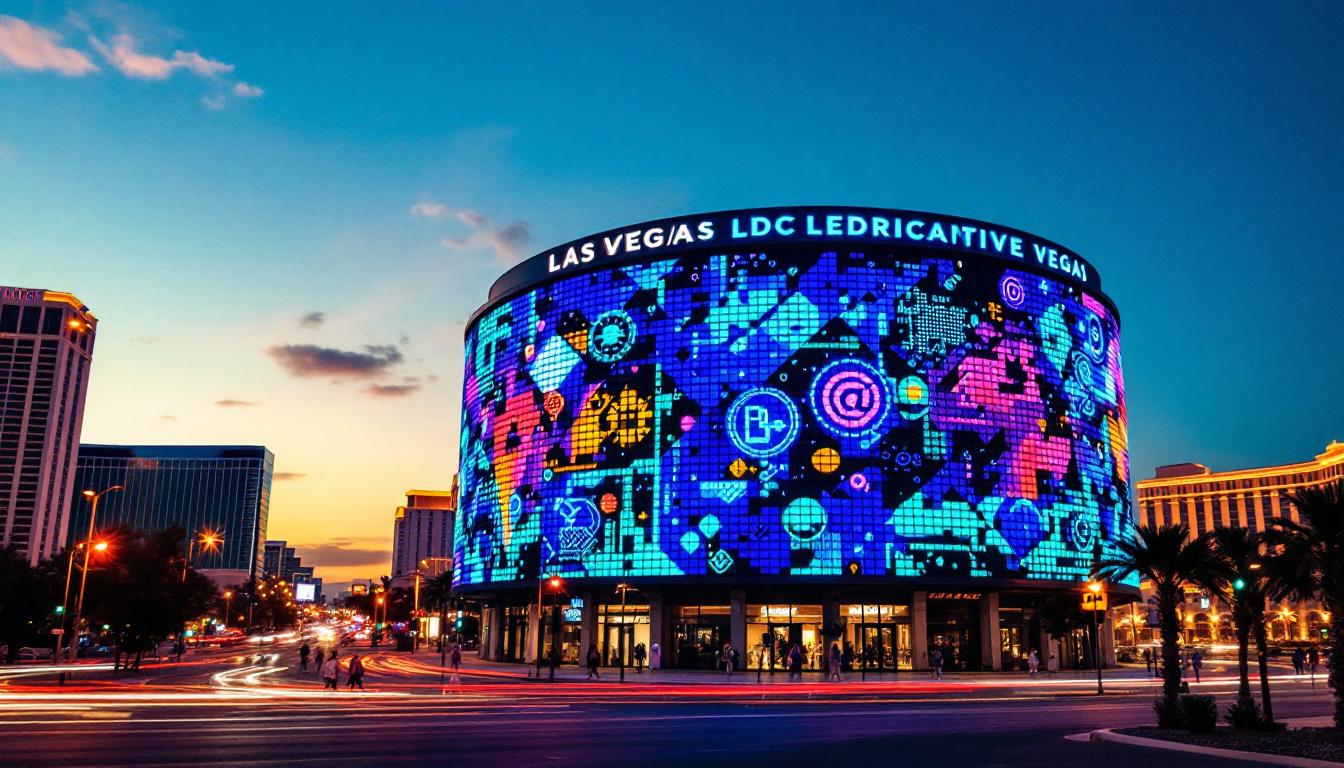
Additionally, there are flexible and transparent LED displays, which open up creative possibilities. Flexible LED screens can curve around structures or be shaped into 3D forms, while transparent LED displays allow light to pass through, making them ideal for glass walls or windows without obstructing views.
Another important aspect of LED technology is its energy efficiency compared to traditional display methods. LED displays consume significantly less power, which not only reduces operational costs but also makes them a more environmentally friendly option. This energy efficiency is particularly beneficial for events that require long hours of operation, as it minimizes the need for extensive power sources and cooling systems. Furthermore, advancements in LED technology have led to improved lifespan and durability, with many displays lasting over 100,000 hours, making them a reliable choice for both short-term events and long-term installations.
The versatility of LED displays extends beyond mere visuals; they can also integrate with advanced software for dynamic content management. This allows event organizers to change graphics, videos, and animations on the fly, creating an engaging and interactive experience for attendees. Whether it’s a corporate presentation, a concert, or a sports event, the ability to adapt content in real-time enhances the overall impact and keeps the audience captivated throughout the event.
The Benefits of LED Displays for Event Planners
LED displays offer numerous advantages that make them indispensable tools for event planners aiming to create memorable experiences.
Unmatched Brightness and Visibility
One of the most significant benefits of LED displays is their brightness. They can reach brightness levels up to 5,000 nits or more, which means they remain clear and vibrant even under direct sunlight or intense stage lighting. This superior visibility ensures that every attendee, regardless of their seat location, can see the content clearly. Furthermore, the color accuracy and contrast of LED displays enhance the overall visual experience, making images and videos pop with life. This is particularly important for events that rely on visual storytelling, such as product launches or artistic performances, where every detail can impact the audience’s perception and engagement.
Flexibility and Customization
LED panels are modular, allowing event planners to design screens of virtually any size or shape. This flexibility means that displays can be tailored to fit unique stage designs or venue constraints. Whether it’s a massive backdrop for a concert or a multi-screen setup for a corporate event, LED displays can be configured to meet specific needs. Additionally, the lightweight nature of LED panels makes them easier to transport and install, which can significantly reduce setup time and labor costs. Event planners can also experiment with creative layouts, such as curved or hanging displays, to create a more dynamic visual experience that captivates audiences from all angles.
Energy Efficiency and Durability
Compared to traditional lighting and projection systems, LED displays consume less power, making them more environmentally friendly and cost-effective over time. They also have a longer lifespan, often exceeding 100,000 hours of operation, reducing maintenance and replacement costs. This durability is especially beneficial for event planners who frequently host multiple events in a short time frame, as it minimizes the risk of equipment failure during crucial moments. Moreover, the robust construction of LED displays allows them to withstand the rigors of various environments, from outdoor festivals to indoor conferences, ensuring reliable performance regardless of the setting.
Dynamic Content and Interactivity
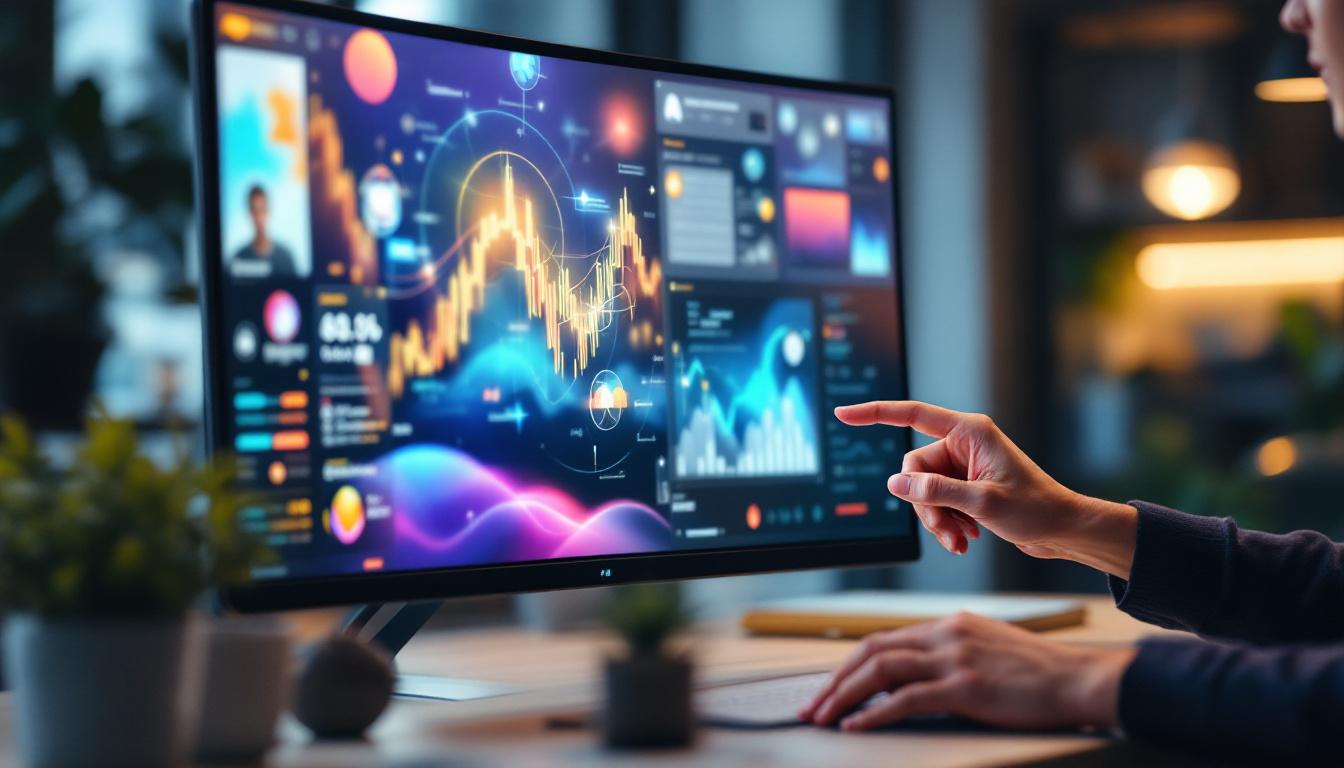
LED displays support high-definition video, animations, live feeds, and interactive content. This capability allows event planners to engage audiences in real-time, display sponsor messages, or create immersive environments that respond to audience input or event cues. The integration of social media feeds can also enhance audience interaction, as attendees can see their posts and photos displayed live, fostering a sense of community and excitement. Additionally, advanced software solutions enable seamless transitions between different types of content, ensuring that the visual experience remains fresh and captivating throughout the event. This level of dynamism not only keeps the audience engaged but also enhances the overall atmosphere, making events more memorable and impactful.
Applications of LED Displays in Different Event Types
Understanding how LED displays can be applied across various event formats helps planners select the right technology and design for their specific needs.
Corporate Events and Conferences
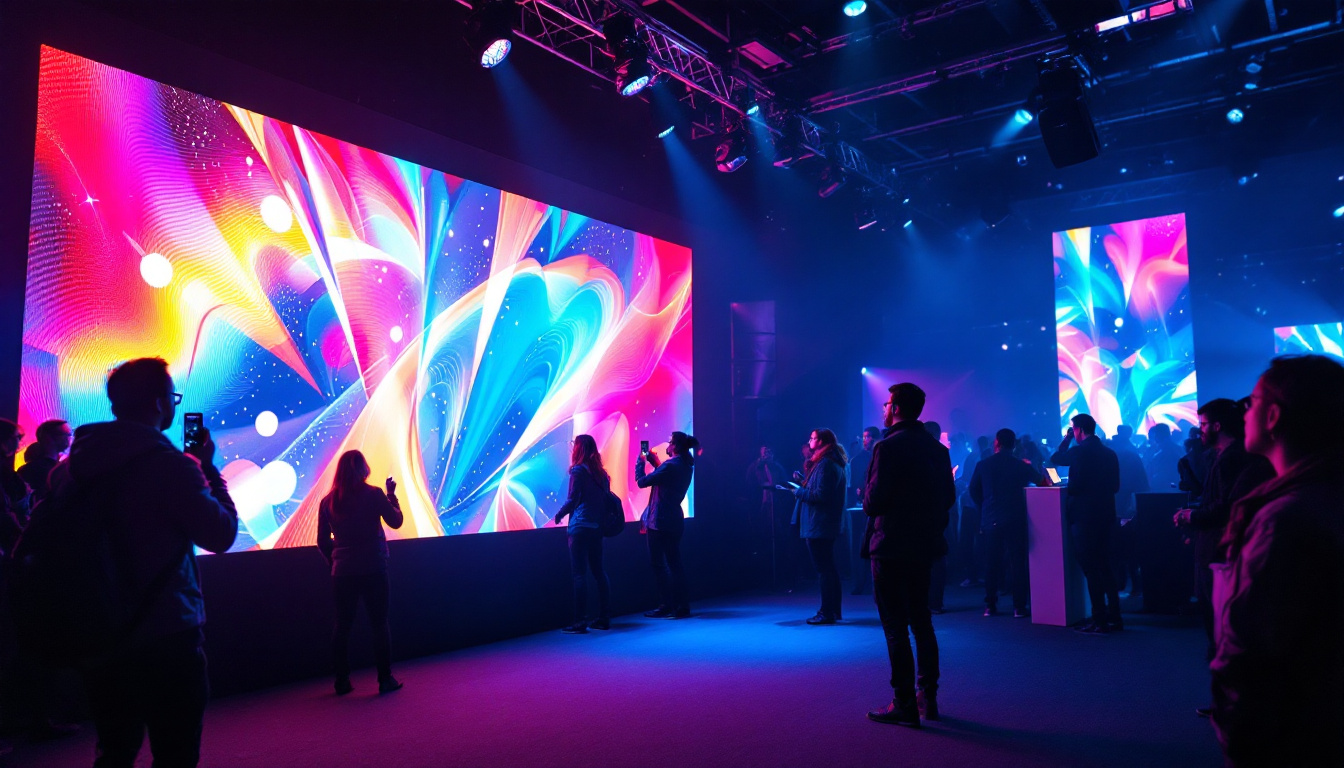
In corporate settings, LED displays are often used as dynamic backdrops for keynote presentations, product launches, and award ceremonies. Their ability to display crisp slides, live video, and branding elements enhances professionalism and audience engagement. For example, at the 2023 CES (Consumer Electronics Show), many exhibitors used high-resolution LED walls to showcase product demos and interactive content, drawing large crowds and media attention.
Concerts and Festivals
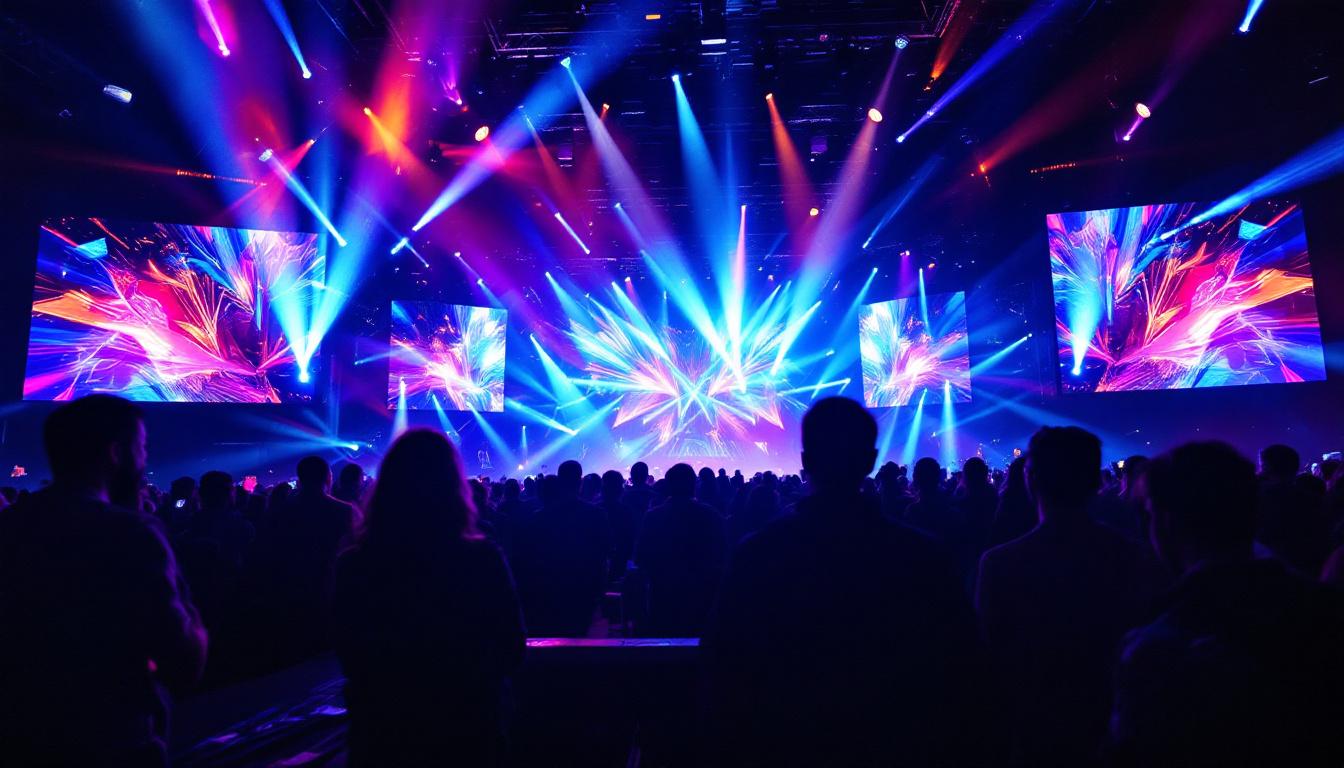
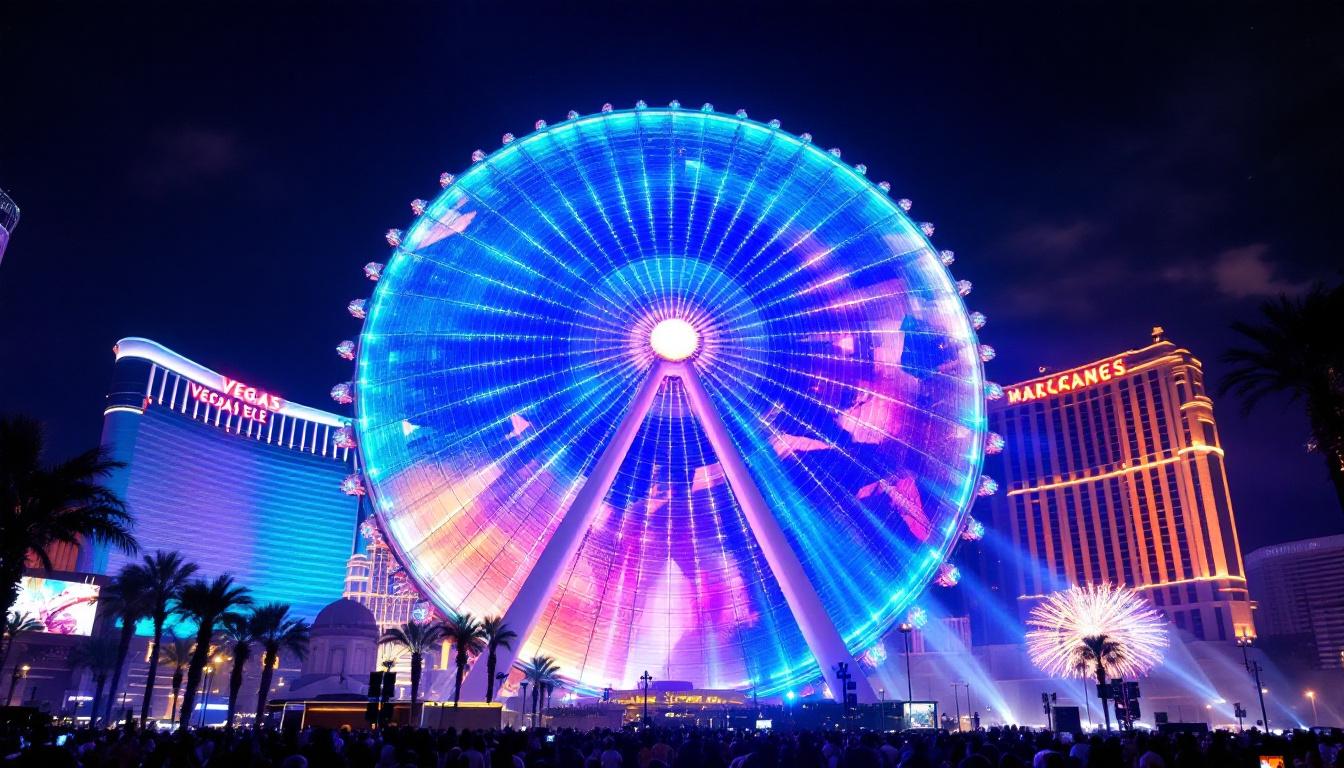
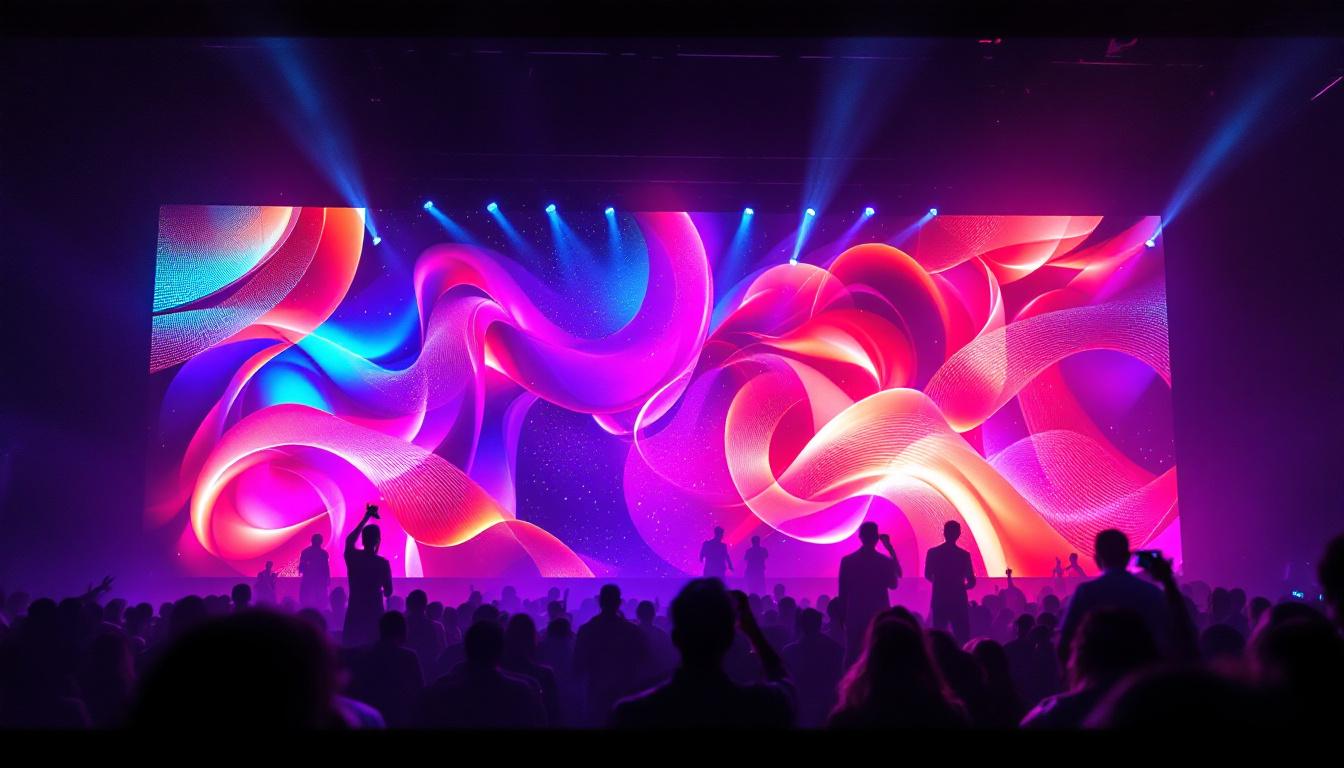
Music events benefit immensely from LED displays’ large size and brightness. They provide visual storytelling that complements the performance, from live video feeds of artists to elaborate light shows synchronized with music. The Coachella Valley Music and Arts Festival, for instance, uses massive LED screens to ensure that even attendees far from the stage have an immersive experience.
Sporting Events
LED displays are ubiquitous in stadiums and arenas, used for scoreboards, instant replays, and advertising. Their high refresh rates prevent motion blur, which is crucial for fast-paced sports. The 2022 FIFA World Cup featured some of the most advanced LED installations, including transparent LED displays integrated into stadium architecture to enhance fan engagement.
Trade Shows and Exhibitions
Trade shows leverage LED displays to create eye-catching booths that attract visitors. The ability to quickly change content allows exhibitors to tailor messaging throughout the event, maximizing impact and lead generation. Many exhibitors at the 2024 NAB Show used curved LED walls to create futuristic booth designs that stood out on the crowded floor.
Choosing the Right LED Display for Your Event
Selecting the appropriate LED display involves balancing technical specifications, budget, and event goals. Here are some critical factors event planners should consider:
Resolution and Pixel Pitch
Determine the optimal pixel pitch based on viewing distance. For events where attendees are close to the screen, a smaller pixel pitch ensures clear images. For large venues with distant audiences, a larger pixel pitch is sufficient and more budget-friendly.
Brightness and Environment
Consider the lighting conditions of the venue. Outdoor events require higher brightness levels to combat sunlight, while indoor events can use lower brightness but may prioritize color accuracy and contrast.
Size and Shape Requirements
Assess the physical space and design goals. Modular LED panels allow for custom sizes and shapes, but larger or more complex configurations increase cost and setup time.
Content and Control Systems
Ensure compatibility with content management systems and the ability to handle the types of media you plan to display. Some LED displays support interactive features, which may be beneficial depending on the event format.
Budget and Logistics
Factor in not just the rental or purchase cost but also transportation, installation, power requirements, and potential maintenance. Partnering with experienced LED display providers can help optimize costs and logistics.
Future Trends in LED Display Technology
The LED display industry continues to evolve rapidly, driven by advances in materials, processing power, and integration capabilities.
MicroLED and MiniLED Innovations
MicroLED technology promises even higher resolution and brightness with lower power consumption. MiniLED backlighting is improving LCD displays, but MicroLED is poised to revolutionize direct-view displays, offering superior image quality and flexibility.
Increased Interactivity and AI Integration
Future LED displays will incorporate more interactive features, including gesture recognition and AI-driven content personalization. This will enable event planners to create highly engaging, responsive environments tailored to audience behavior.
Eco-Friendly and Sustainable Solutions
Manufacturers are focusing on reducing environmental impact through recyclable materials, energy-efficient designs, and improved manufacturing processes. Sustainable LED displays will become a priority as events increasingly emphasize green practices.
Conclusion
LED displays have become an essential component in the toolkit of modern event planners, offering unmatched visual quality, flexibility, and engagement potential. Understanding the technology behind LED displays, their benefits, and how to select the right solution can make a significant difference in the success of any event. As the technology advances, event planners who stay informed and embrace these innovations will continue to create unforgettable experiences that captivate and inspire audiences.
Illuminate Your Next Event with LumenMatrix
Ready to take your event’s visual experience to the next level? LumenMatrix is at the forefront of LED display innovation, offering a diverse range of solutions tailored to your unique needs. From vibrant Indoor and Outdoor LED Wall Displays to dynamic Vehicle and Sports LED Displays, our technology is designed to captivate your audience and amplify your message. Discover the transformative power of our LED Poster Displays, Floor Displays, Custom Solutions, and more. Check out LumenMatrix LED Display Solutions today and revolutionize the way you communicate visually at your next event.