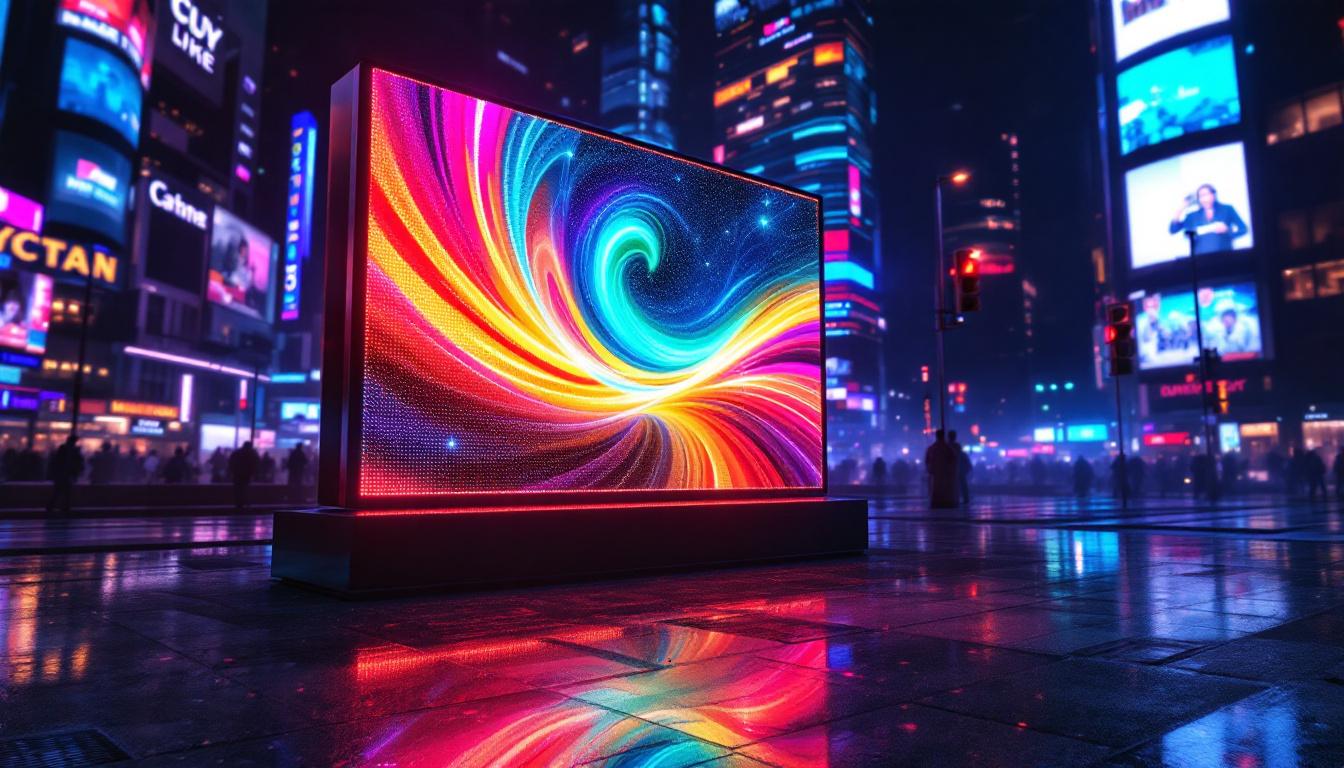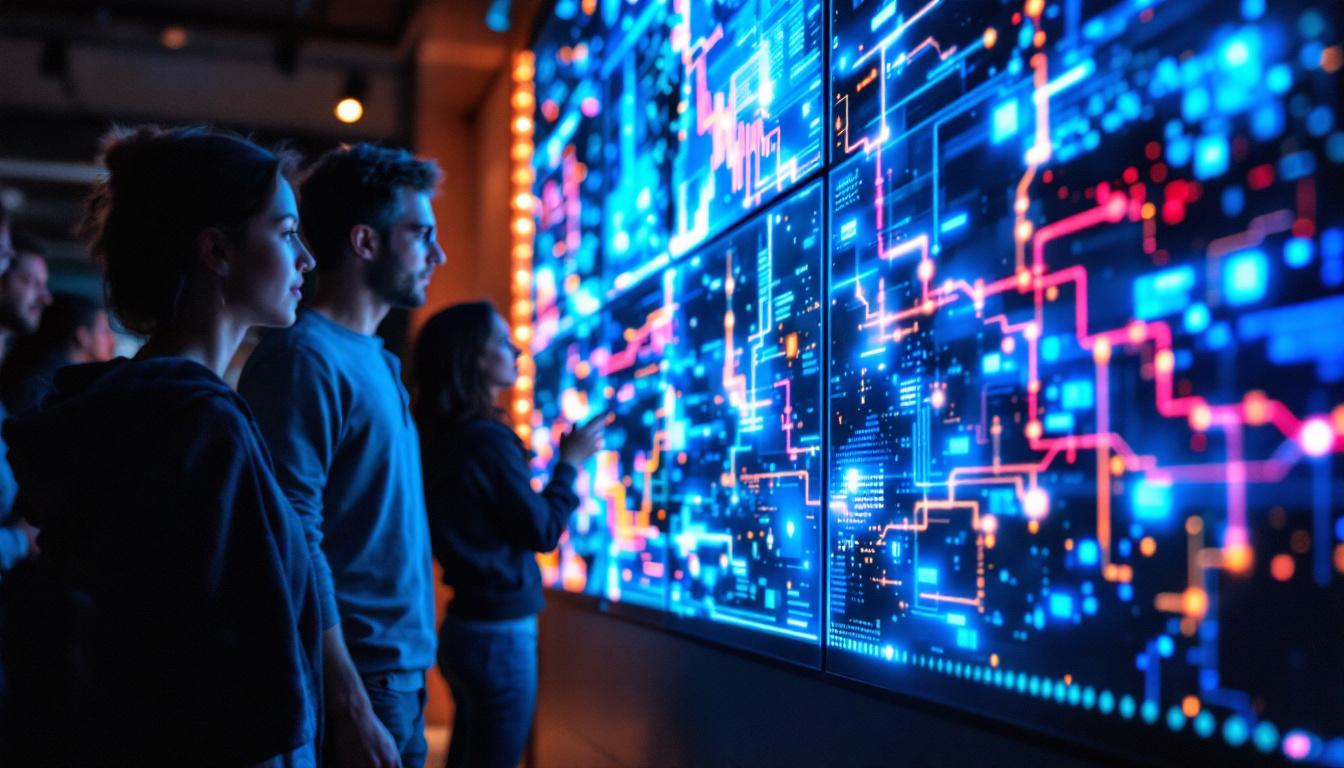
In recent years, LED walls have transformed the way businesses, event organizers, and advertisers engage with audiences. Their vibrant displays, flexibility, and scalability make them a popular choice for everything from concerts and conferences to retail promotions and public information systems. However, the cost of LED walls can vary widely, often making it challenging for smaller businesses or projects to adopt this technology. This article explores what LED walls are, how they work, and, importantly, how to find affordable LED wall solutions without compromising quality.
Understanding LED Walls: What Are They and How Do They Work?
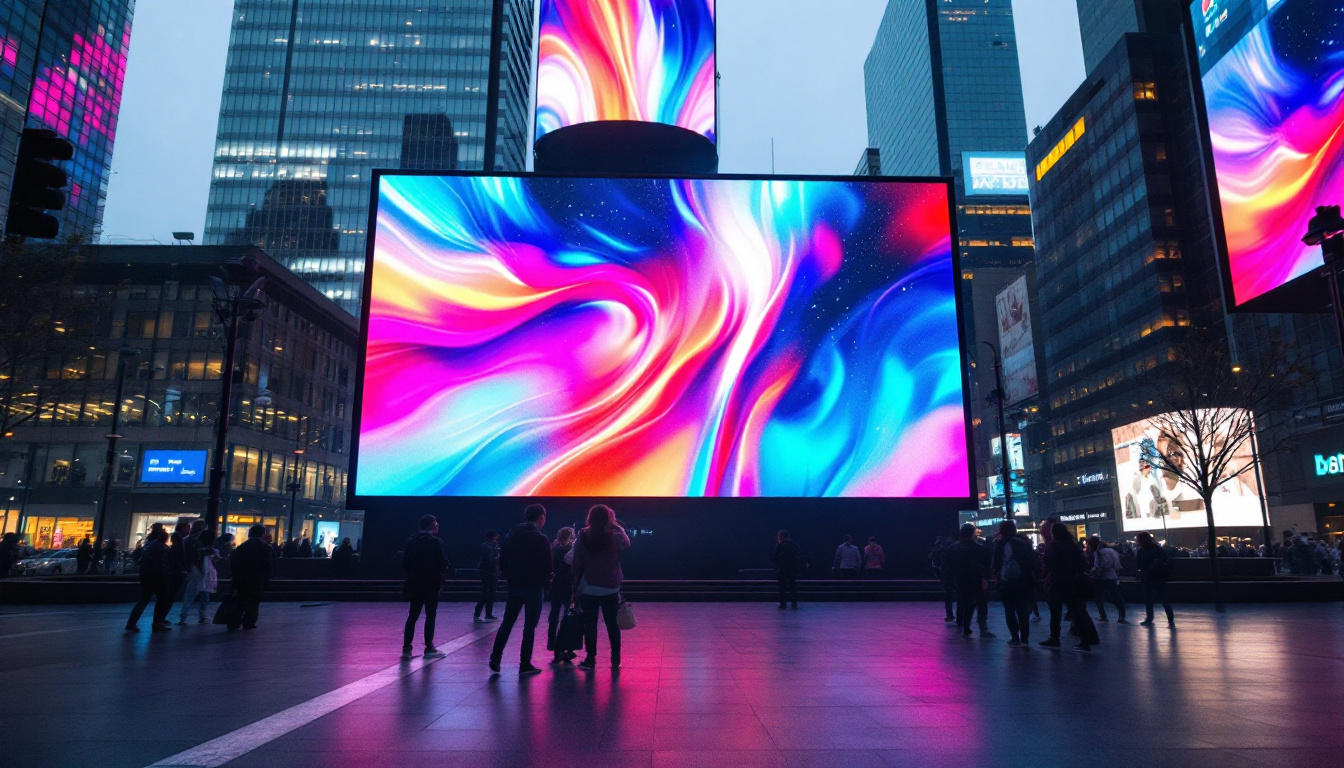
LED walls, also known as LED video walls or LED displays, are large-scale screens composed of numerous light-emitting diodes (LEDs) arranged in a grid. These diodes emit light in various colors, creating an image or video that can be viewed from a distance. Unlike traditional LCD or projection screens, LED walls offer superior brightness, contrast, and viewing angles, making them ideal for both indoor and outdoor use.
At their core, LED walls consist of multiple modules or panels, each containing thousands of tiny LEDs. These modules are seamlessly connected to form a continuous display surface. The image displayed is controlled by a video processor that manages the input signal and distributes it across the panels.
The Technology Behind LED Walls
LED walls use either surface-mounted device (SMD) or discrete LED technology. SMD LEDs place red, green, and blue diodes in a single package, allowing for finer pixel pitch and higher resolution. Discrete LEDs, on the other hand, use separate diodes for each color, which can be larger and more suitable for outdoor applications where brightness is critical.
Pixel pitch, the distance between the centers of two adjacent pixels, is a crucial factor in determining image clarity. Smaller pixel pitches (e.g., 1.2mm to 2.5mm) produce sharper images and are typically used indoors, while larger pixel pitches (e.g., 4mm to 10mm or more) are common outdoors where viewers are farther away.
In addition to pixel pitch, the refresh rate of LED walls plays a significant role in the quality of the displayed content. A higher refresh rate ensures that images are updated more frequently, reducing motion blur and creating a smoother viewing experience, especially for fast-moving video content. This is particularly important in environments such as sports arenas or concerts, where dynamic visuals are essential to engage the audience. Furthermore, advancements in LED technology have led to improvements in color accuracy and energy efficiency, making modern LED walls not only visually stunning but also more sustainable.
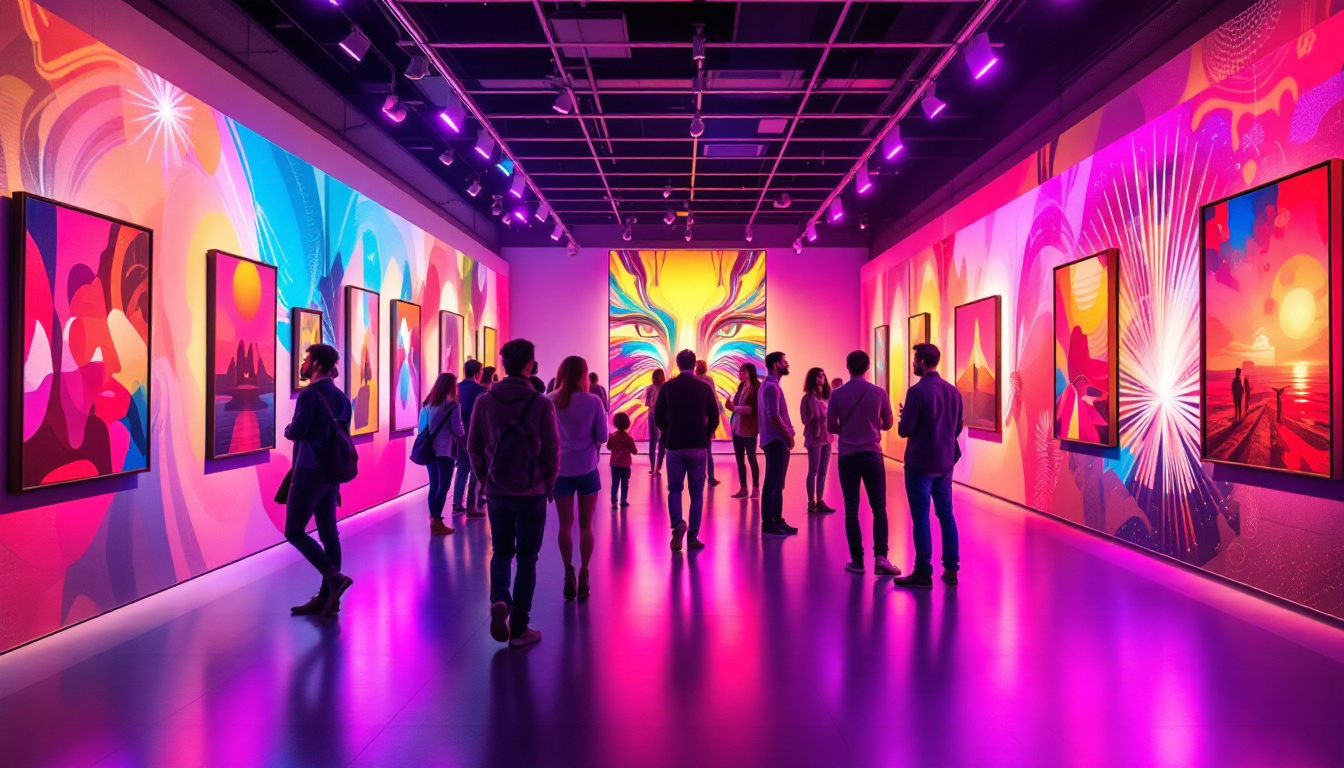
Another aspect to consider is the versatility of LED walls in various applications. They can be used for advertising, live event broadcasting, art installations, and even as part of immersive experiences in theme parks. The modular nature of LED walls allows for creative configurations, enabling designers to create unique shapes and sizes that fit specific venues or artistic visions. This adaptability has made LED walls a popular choice among event planners and marketers looking to captivate audiences with eye-catching visuals that leave a lasting impression.
Why LED Walls Are Becoming More Affordable
The LED display market has seen significant advancements in manufacturing techniques and component costs over the past decade. These improvements have driven down prices, making LED walls more accessible to a broader range of users.
Economies of Scale and Technological Advances
As demand for LED displays has grown globally, manufacturers have optimized production lines and sourced components more efficiently. The mass production of LED chips, improved circuit designs, and better quality control have all contributed to reducing the overall price of LED modules.
Additionally, innovations such as flexible LED panels and lightweight materials have lowered installation and transportation costs, further enhancing affordability.
Moreover, the rise of competition among manufacturers has spurred continuous innovation, leading to the development of more cost-effective solutions. Companies are now investing in research and development to create energy-efficient displays that not only reduce operational costs but also appeal to environmentally conscious consumers. These advancements are paving the way for a future where high-quality LED technology is not just a luxury but a standard in various industries.
Modular Design and Customization
Modern LED walls are highly modular, allowing users to customize the size and resolution based on their specific needs and budget. Instead of investing in a large, fixed-size display, businesses can start with a smaller configuration and expand over time. This scalability helps spread out costs and makes LED walls a more viable option for smaller projects.
Furthermore, the modular design facilitates easier upgrades and repairs, as individual panels can be replaced without the need to overhaul the entire system. This adaptability appeals to a wide range of sectors, from retail environments looking to create dynamic advertising displays to event organizers needing temporary setups. The ability to tailor the display to fit unique requirements not only enhances user experience but also ensures that investments in LED technology remain relevant and effective over time.
Key Factors Influencing the Cost of LED Walls
Understanding the components that contribute to the price of an LED wall can help buyers make informed decisions and identify affordable options without sacrificing performance.
Pixel Pitch and Resolution
As mentioned earlier, pixel pitch directly affects the resolution and clarity of the display. Higher resolution screens with smaller pixel pitches require more LEDs per square meter, increasing material and manufacturing costs. For applications where viewers are close to the screen, investing in a fine pixel pitch is essential, but for distant viewing, a larger pixel pitch can significantly reduce costs.
Brightness and Environment
Outdoor LED walls need to be brighter to compete with sunlight, often requiring more powerful LEDs and robust weatherproofing. These features add to the cost. Conversely, indoor LED walls can use less intense LEDs and lighter enclosures, which are generally more affordable.
Size and Configuration
The total size of the LED wall impacts the price, but so does the complexity of the configuration. Curved or irregularly shaped walls may require custom engineering and installation, increasing costs. Straightforward rectangular panels are typically more budget-friendly.
Control Systems and Software
The quality and features of the control system that manages the LED wall can vary widely. Some systems offer advanced content management, remote monitoring, and real-time adjustments, which can be valuable but come at a premium. Basic control systems are more affordable and sufficient for many applications.
Applications of Affordable LED Walls
Affordable LED walls open up new possibilities for a variety of sectors, enabling high-impact visual communication without breaking the bank.
Retail and Advertising
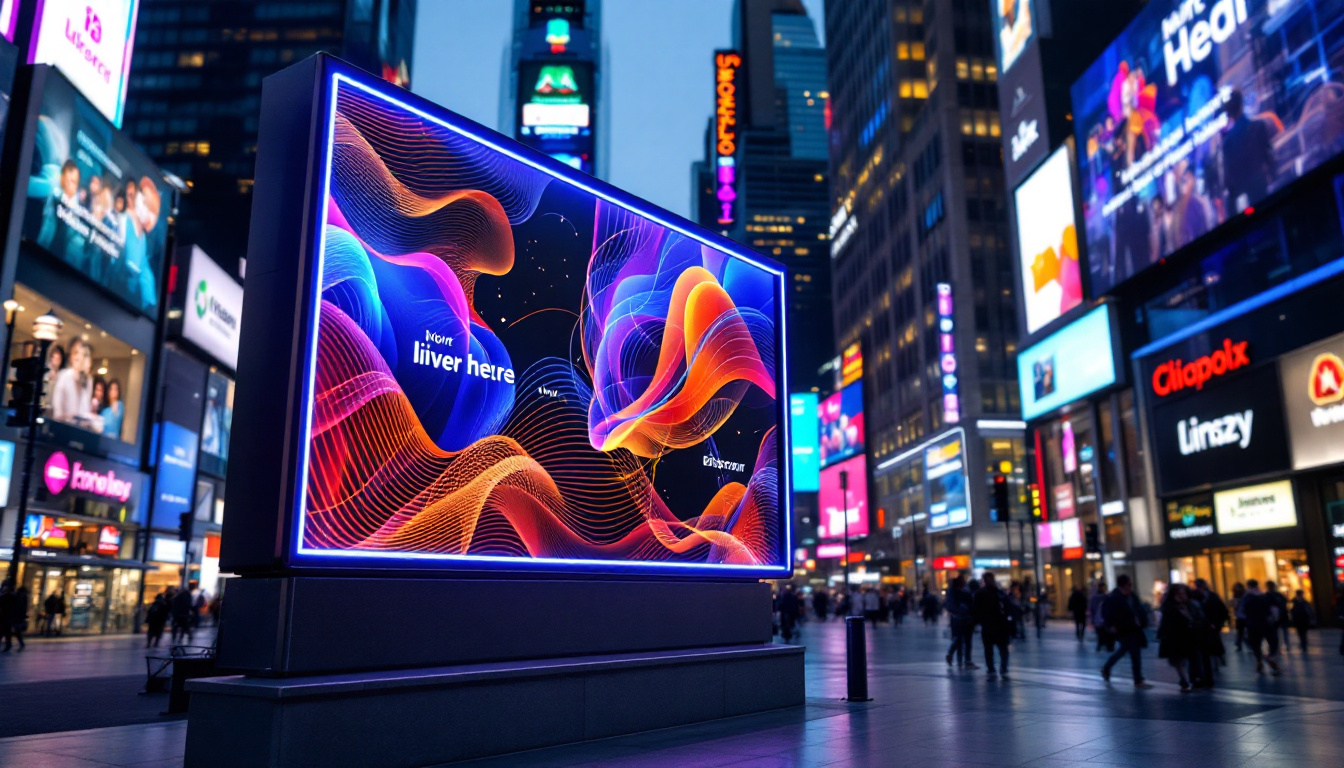
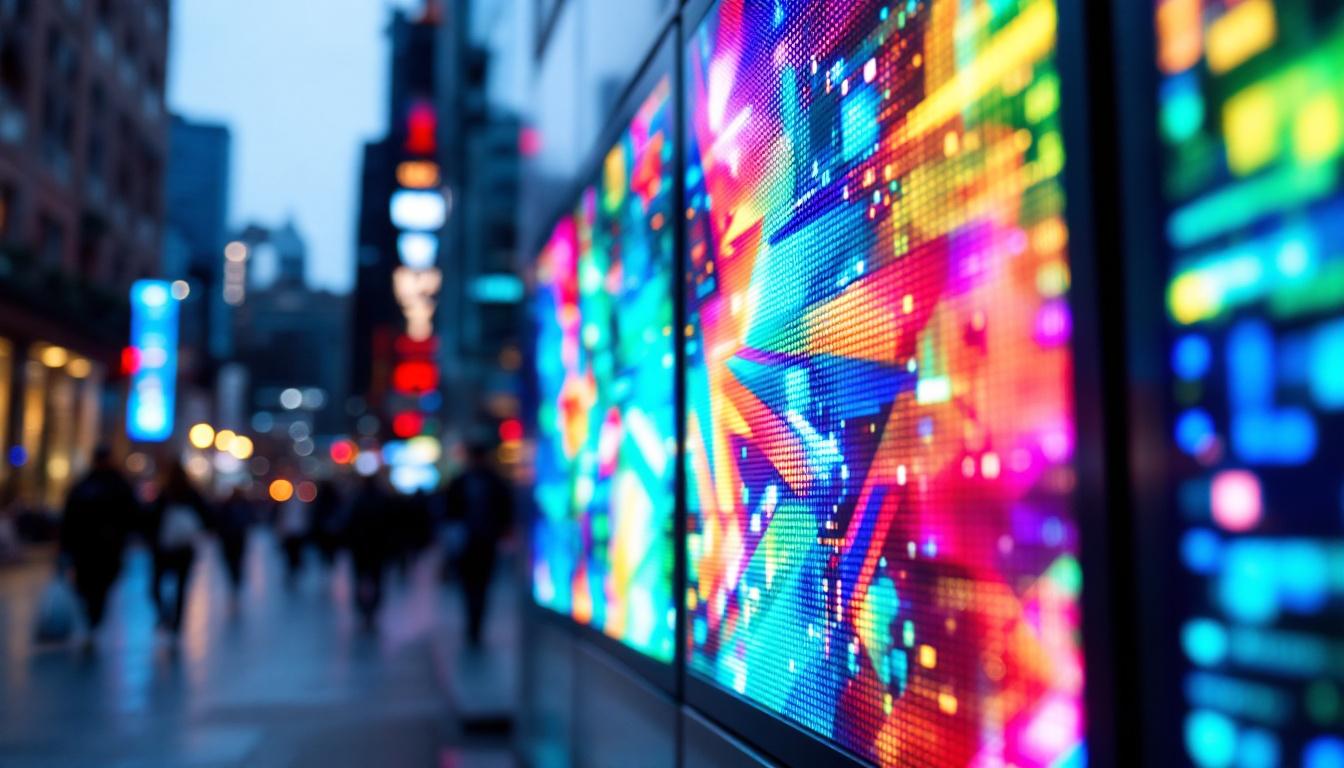
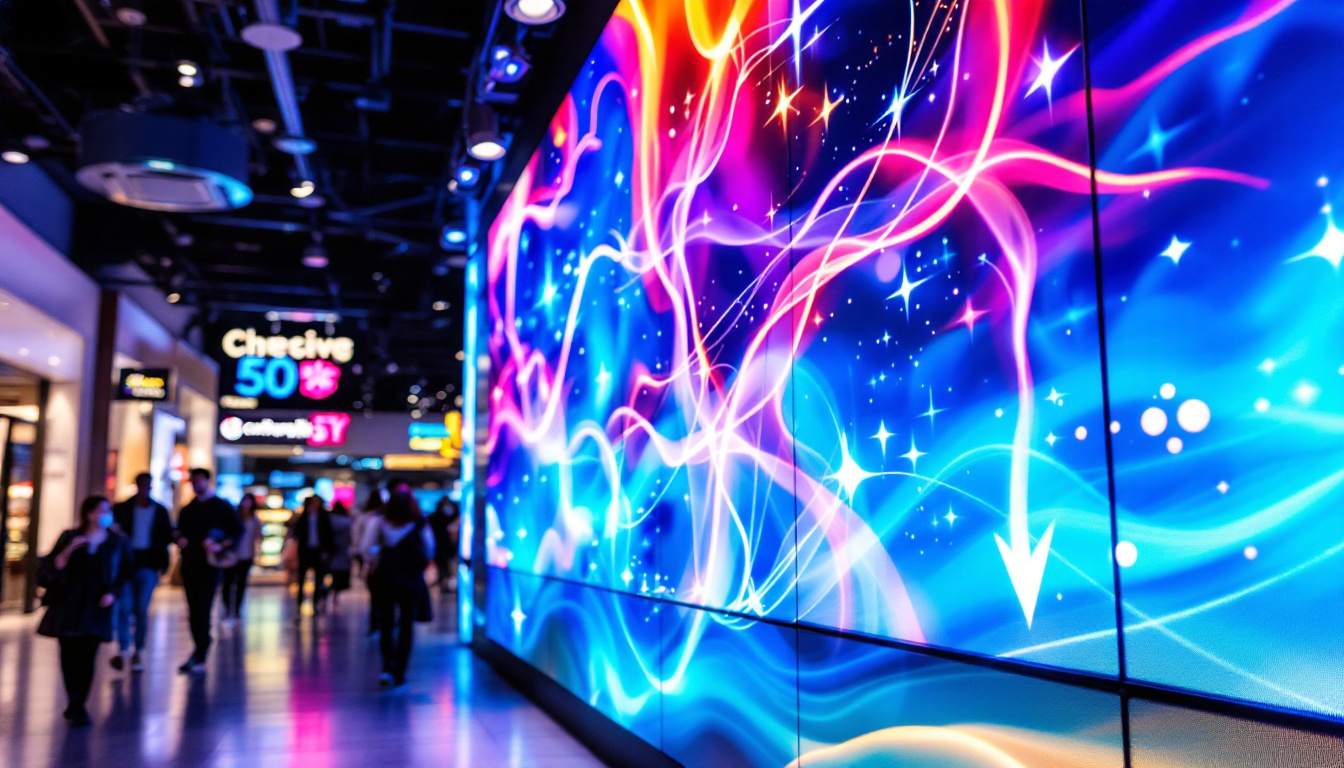
Retailers increasingly use LED walls to attract customers and promote products. Affordable LED displays can be installed in storefronts, shopping malls, or trade shows to deliver dynamic content that grabs attention. The ability to update content quickly and remotely adds to their appeal.
Corporate Events and Conferences
Companies hosting events or conferences benefit from LED walls by providing clear visuals for presentations, live feeds, and branding. Renting or purchasing smaller, affordable LED walls allows businesses to enhance their events without excessive costs.
Entertainment and Live Performances
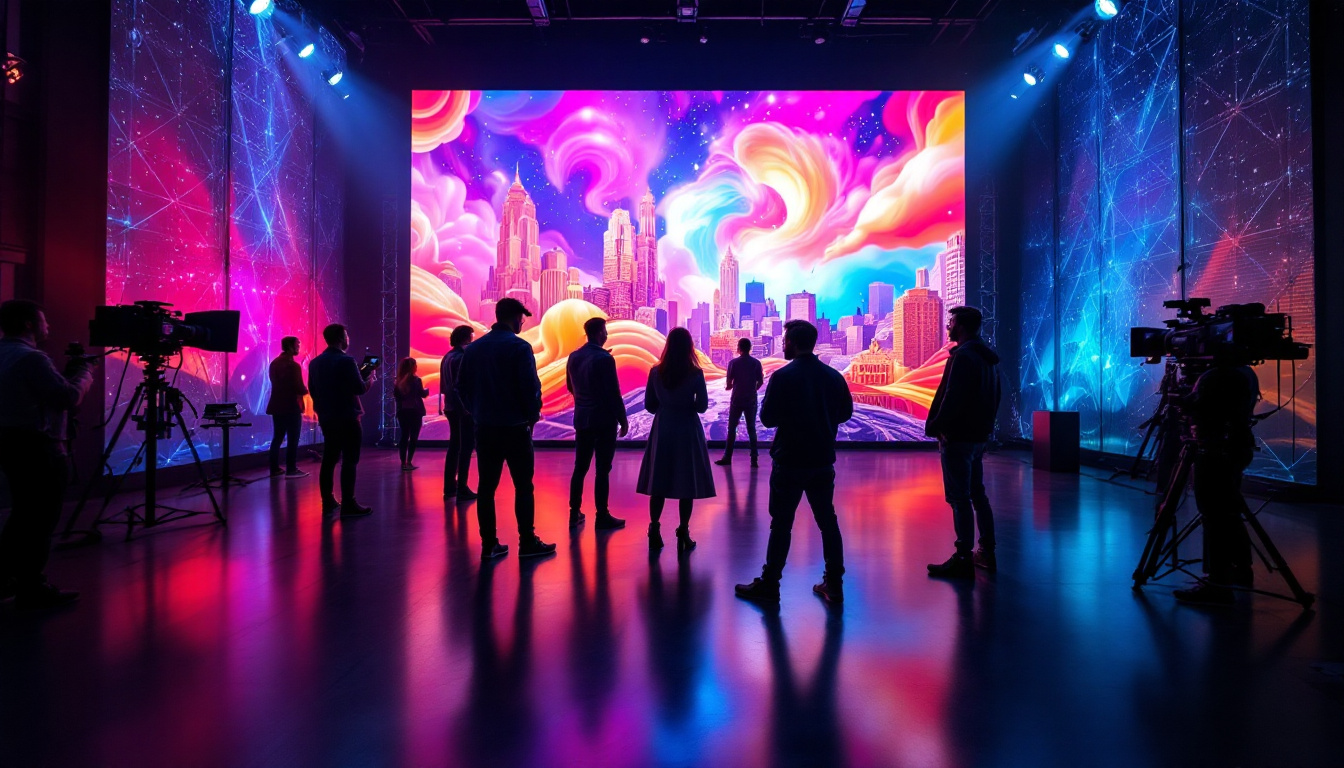
Concerts, theaters, and festivals utilize LED walls to create immersive experiences. Advances in affordability mean even smaller venues or independent artists can incorporate LED visuals into their productions, elevating audience engagement.
Education and Public Information
Schools, universities, and municipal authorities use LED walls for announcements, schedules, and emergency notifications. Affordable LED solutions make it feasible to deploy these displays in multiple locations, improving communication effectiveness.
Tips for Choosing an Affordable LED Wall
Selecting the right LED wall involves balancing quality, functionality, and budget. Here are some practical tips to guide the decision-making process.
Assess Viewing Distance and Environment
Determine how far the audience will be from the screen and whether the display will be indoors or outdoors. This information helps select an appropriate pixel pitch and brightness level, avoiding unnecessary expenses on overly high specifications.
Consider Rental vs. Purchase
For short-term events, renting LED walls can be more cost-effective than purchasing. Many rental companies offer a range of sizes and resolutions, providing flexibility without long-term commitments.
Evaluate Total Cost of Ownership
Beyond the initial purchase price, consider installation, maintenance, power consumption, and potential upgrades. Choosing energy-efficient LEDs and modular systems can reduce ongoing costs.
Work with Reputable Suppliers
Partnering with experienced manufacturers or dealers ensures access to quality products, warranties, and technical support. Cheaper options without proper backing may lead to higher costs due to repairs or replacements.
The Future of Affordable LED Walls
As technology continues to advance, LED walls are expected to become even more accessible and versatile. Emerging trends such as microLED technology promise higher resolution and energy efficiency, potentially at lower costs.
Moreover, integration with smart technologies and artificial intelligence will enable more interactive and personalized content delivery, expanding the utility of LED walls across industries.
Sustainability and Energy Efficiency
Manufacturers are increasingly focusing on eco-friendly designs, reducing power consumption and using recyclable materials. Affordable LED walls that prioritize sustainability will appeal to environmentally conscious consumers and organizations.
Customization and Flexibility
Future LED walls will likely offer greater flexibility in shape, size, and installation options, making it easier to fit unique spaces and creative designs. This adaptability will further drive adoption in diverse applications.
Conclusion
LED walls have revolutionized visual communication by offering bright, dynamic, and scalable displays suitable for a wide range of environments. Thanks to technological advancements and market growth, affordable LED wall solutions are now within reach for many businesses and organizations.
By understanding the key factors influencing cost and carefully assessing needs, users can select LED walls that deliver excellent performance without overspending. Whether for advertising, events, entertainment, or public information, affordable LED walls provide a powerful tool to captivate audiences and enhance messaging.
Discover LumenMatrix LED Display Solutions
Ready to elevate your visual communication with an affordable LED wall that doesn’t compromise on quality? Look no further than LumenMatrix, a pioneer in LED display technology. Our diverse range of products, from Indoor and Outdoor LED Walls to Custom and All-in-One LED Displays, is designed to create immersive visual experiences that captivate your audience. Embrace the future of digital signage with LumenMatrix and share your message with unparalleled clarity and impact. Check out LumenMatrix LED Display Solutions today and see how we can illuminate your brand’s potential.