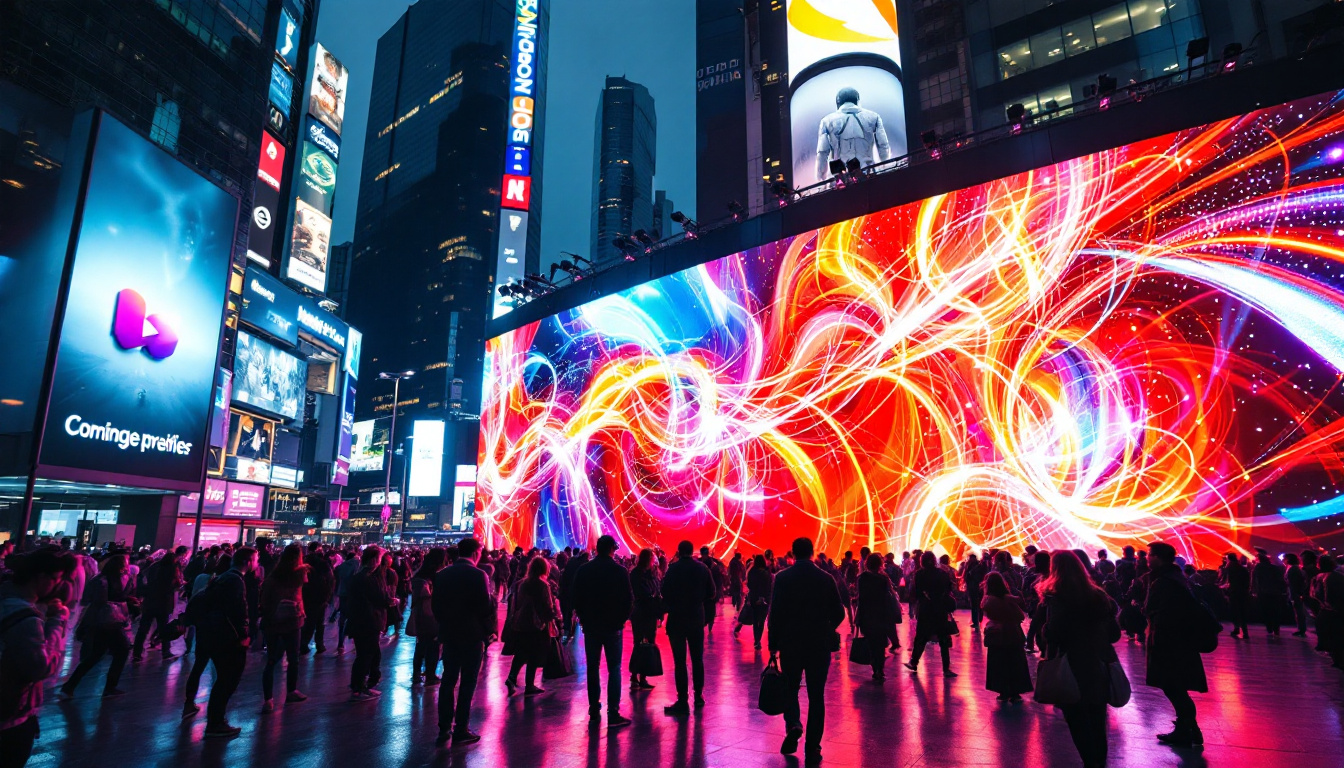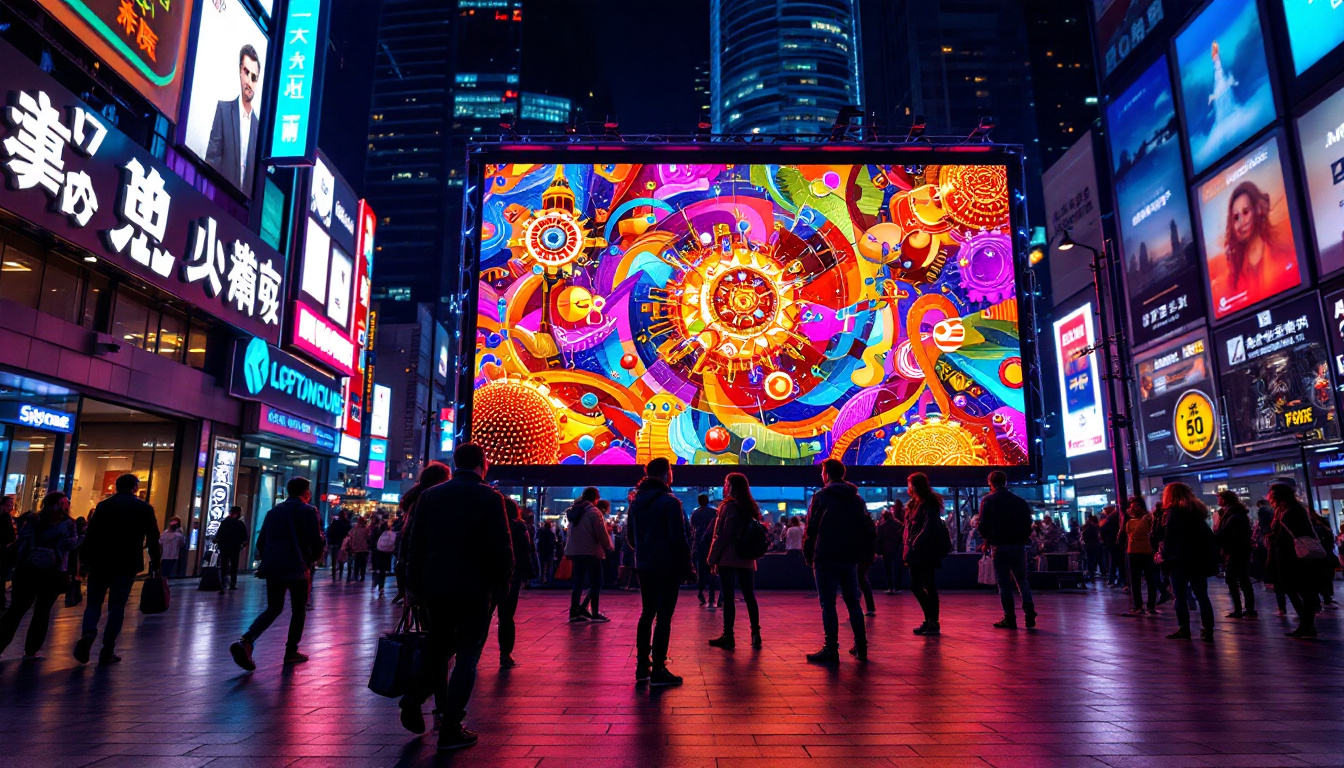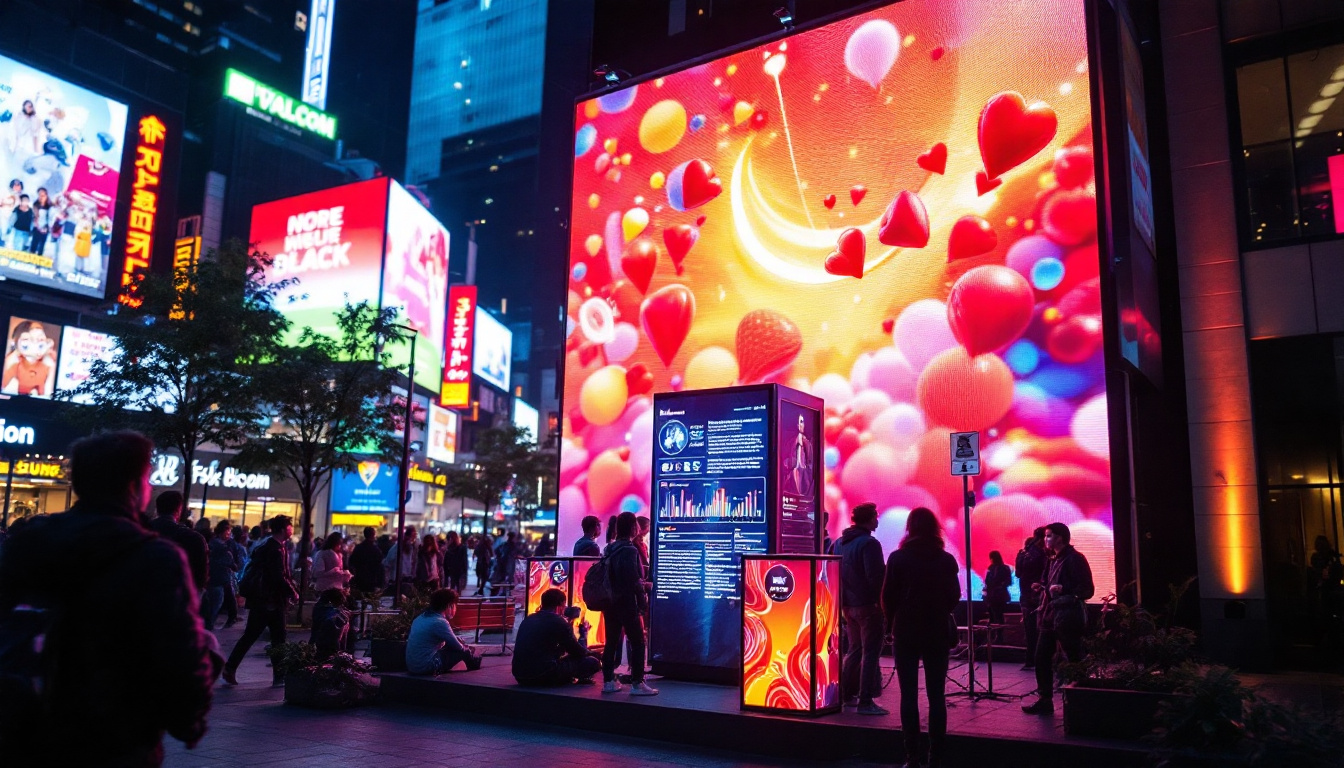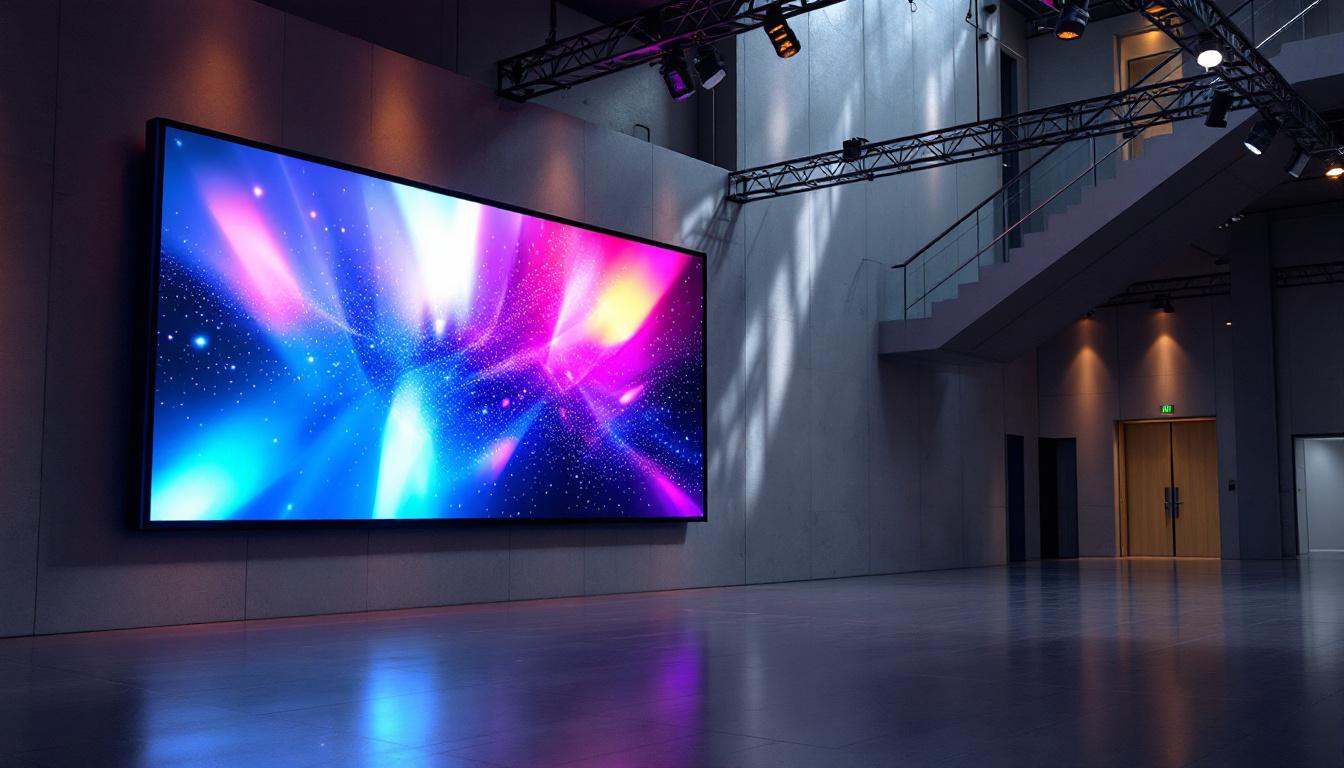
In the rapidly evolving world of event production and digital signage, the integration of truss wall systems with LED displays has become a game-changer. These systems offer a versatile, durable, and visually stunning solution for everything from concerts and trade shows to corporate events and retail environments. This article explores the fundamentals of truss wall systems paired with LED displays, their benefits, design considerations, and practical applications, providing a comprehensive guide for event professionals, designers, and technical teams.
Understanding Truss Wall Systems
What Is a Truss Wall System?
A truss wall system is a structural framework typically made from lightweight aluminum or steel, designed to support lighting, audio, video equipment, and other stage elements. The modular nature of truss components allows for quick assembly and disassembly, making them ideal for temporary setups and touring events.
Trusses come in various shapes and sizes, including box trusses, triangular trusses, and circular trusses, each serving different structural and aesthetic purposes. When configured as a wall system, these trusses create a vertical support structure that can hold heavy equipment such as LED panels, speakers, and lighting fixtures. The versatility of truss systems also enables them to be used in various applications beyond just stage setups, including exhibitions, trade shows, and corporate events, where visual impact is paramount.
Why Use Truss Walls?
Truss walls provide a robust and flexible solution for mounting LED displays, allowing event organizers to create large-scale visual backdrops or dynamic digital signage. Their strength supports significant weight while maintaining a relatively low profile, which is crucial for both safety and aesthetics. Additionally, the modular design means they can be customized to fit various venue sizes and shapes. This adaptability is particularly beneficial in environments where space is limited or where unique architectural features must be accommodated.
Moreover, truss walls facilitate cable management and equipment integration, streamlining the setup process and reducing potential hazards. This combination of durability, adaptability, and ease of use makes truss wall systems a preferred choice in the entertainment and advertising industries. Furthermore, the ability to incorporate lighting effects directly into the truss design enhances the overall visual experience, allowing for creative lighting schemes that can transform a space. Event planners often leverage this feature to create immersive environments that captivate audiences, making truss wall systems not just functional, but also an integral part of the event’s artistic vision.
LED Displays: Technology and Benefits
Basics of LED Display Technology
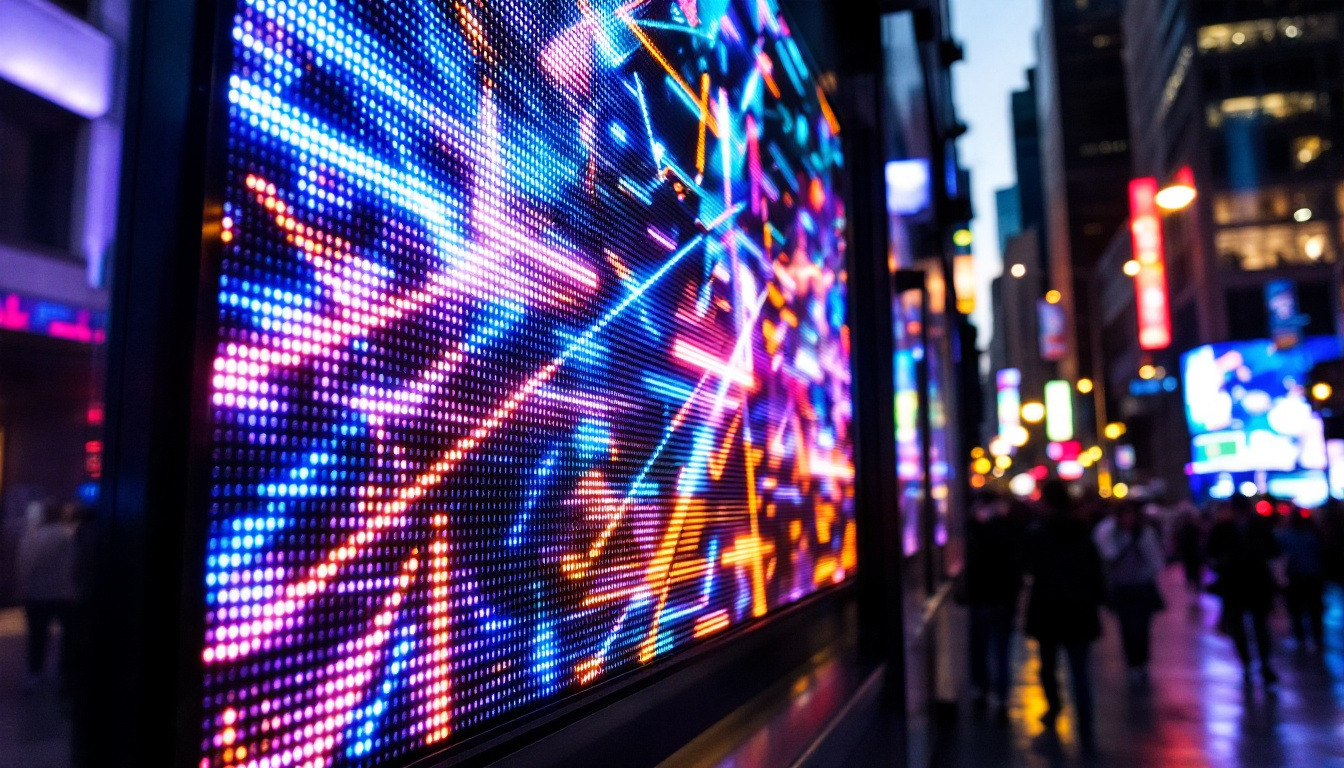
LED (Light Emitting Diode) displays consist of numerous small diodes that emit light when an electric current passes through them. These diodes are arranged in pixels, which together form images or videos. The technology offers high brightness, excellent color accuracy, and wide viewing angles, making LED displays ideal for both indoor and outdoor applications. The versatility of LED technology allows it to be used in various formats, from large-scale billboards to small screens in retail environments, enhancing the visual experience across multiple platforms.
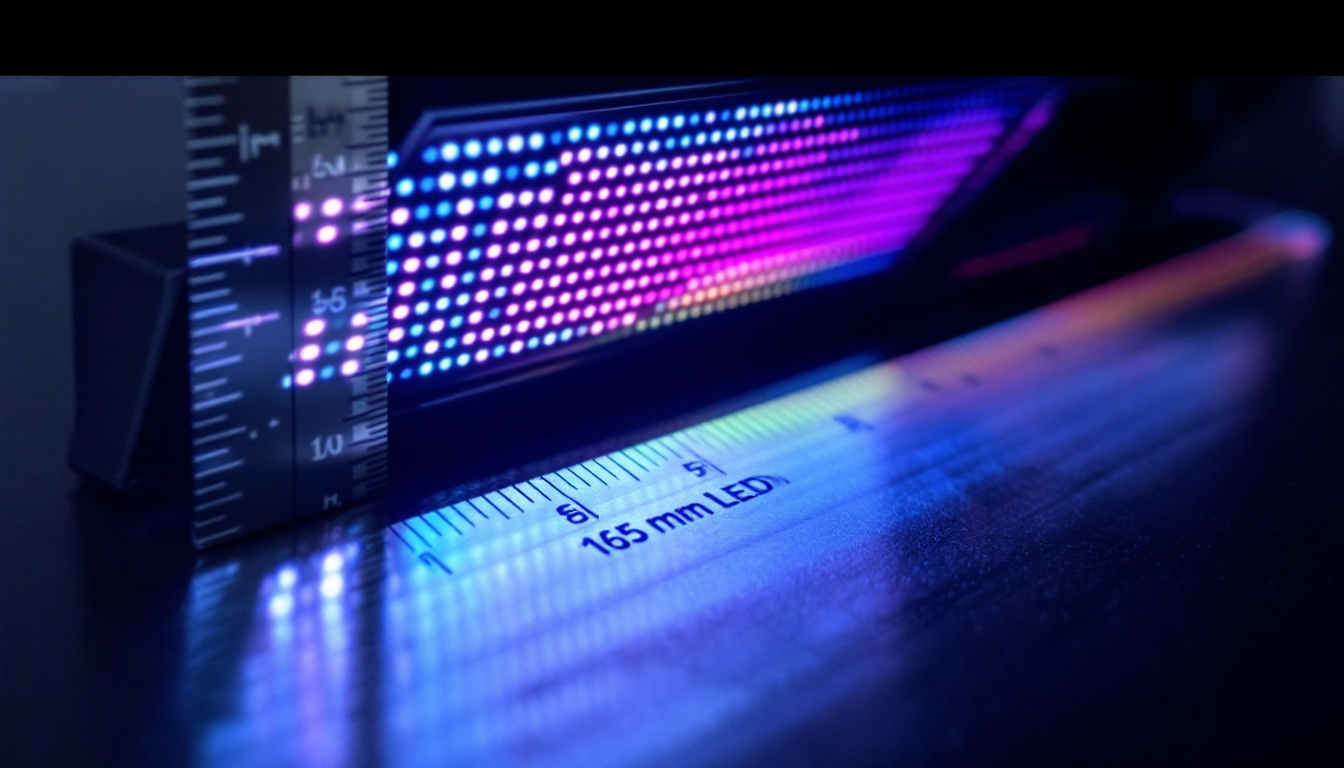
Modern LED panels are designed to be lightweight and modular, allowing them to be easily mounted on truss walls. Advances in pixel pitch—the distance between individual LEDs—have enabled ultra-high-resolution displays suitable for close viewing distances, enhancing the viewer experience. Additionally, the development of smart LED technology has introduced features such as dynamic brightness adjustment and energy-efficient operation, further improving their functionality and sustainability. This evolution in technology not only enhances the aesthetic appeal of displays but also contributes to lower operational costs over time.
Advantages of LED Displays on Truss Walls
Integrating LED displays with truss wall systems combines the best of both worlds: structural integrity and cutting-edge visual technology. Some key benefits include:
- Scalability: LED panels can be arranged to create displays of virtually any size, from small signage to massive video walls.
- Portability: Modular panels and truss components allow for easy transport and rapid deployment.
- Brightness and Visibility: LED displays offer superior brightness levels, ensuring visibility even in brightly lit environments or outdoor settings.
- Durability: Both truss systems and LED panels are engineered to withstand the rigors of touring and frequent assembly.
- Customization: Displays can be curved, angled, or stacked, enabling creative and immersive visual designs.
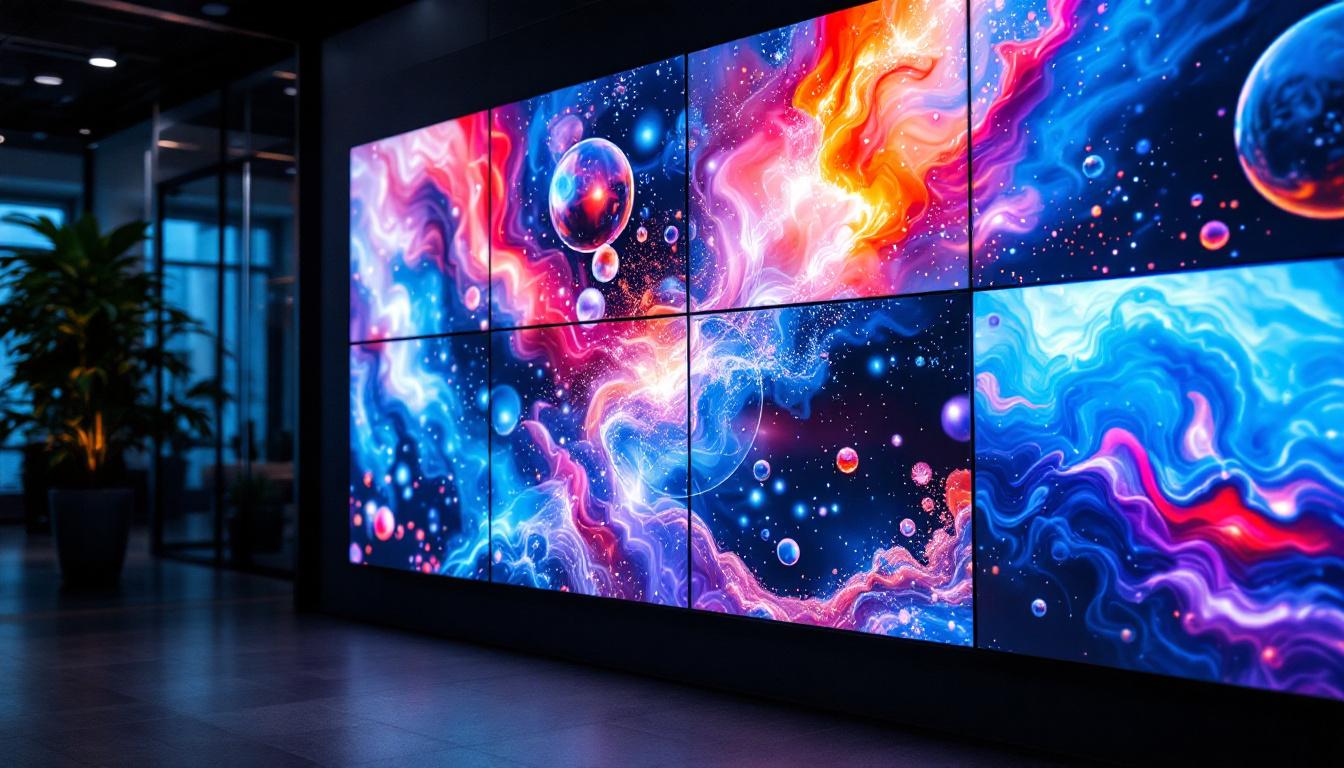
Moreover, the integration of LED technology with truss walls allows for innovative applications in various events, from concerts and trade shows to corporate presentations and sporting events. The ability to create dynamic backdrops that can change in real-time adds a layer of engagement for audiences, making events more memorable. Event organizers can utilize these displays for live feeds, interactive content, or even social media integration, fostering a more connected experience for attendees. As the demand for high-quality visual experiences continues to grow, LED displays on truss walls are becoming a staple in modern event production, pushing the boundaries of creativity and audience interaction.
Design and Engineering Considerations
Structural Integrity and Safety
When designing a truss wall system to support LED displays, safety is paramount. The combined weight of the truss structure, LED panels, cabling, and other equipment must be carefully calculated to avoid overloading. Engineers typically conduct load analysis and factor in wind loads for outdoor installations.
Proper anchoring and bracing are essential to prevent tipping or collapse. Additionally, safety protocols require regular inspections and adherence to local regulations and industry standards, such as those set by OSHA or the European EN standards.
Weight and Load Distribution
LED panels vary in weight depending on size and technology, but a standard 500mm x 500mm panel typically weighs between 6 to 10 kilograms. When multiplied across a large video wall, the total load can be substantial. Truss walls must be designed to distribute this weight evenly, often using cross-bracing and reinforced joints.
Load distribution also influences the choice of truss profile and material. Aluminum trusses are favored for their lightweight properties, but steel trusses may be necessary for heavier or more complex setups.
Electrical and Signal Management
LED displays require significant power and data connections. Designing a truss wall system includes planning for efficient cable routing to minimize clutter and reduce the risk of damage. Power supplies and signal processors are often housed within the truss framework or in nearby racks for easy access.
Wireless control systems have become increasingly popular, reducing the need for extensive cabling. However, redundancy and backup power solutions are critical to ensure uninterrupted operation during events.
Applications of Truss Wall Systems with LED Displays
Concerts and Live Events
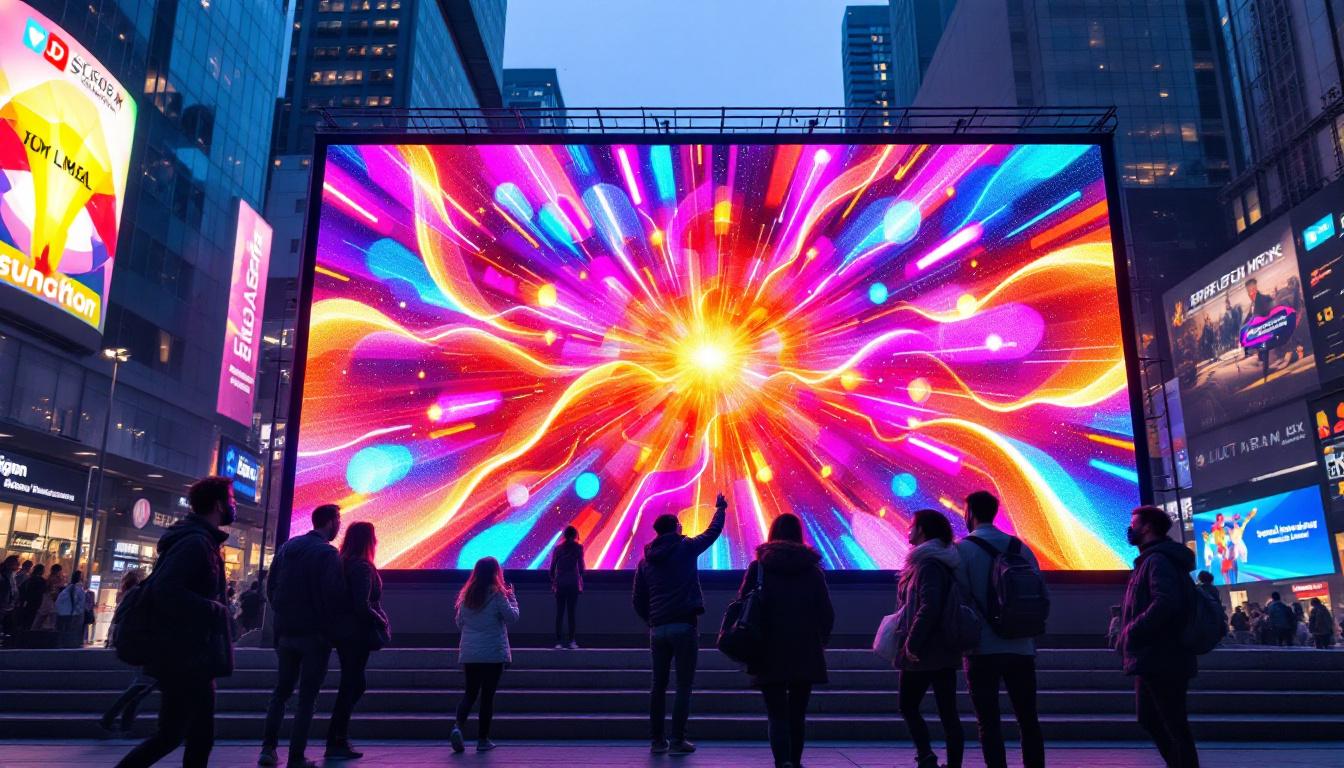
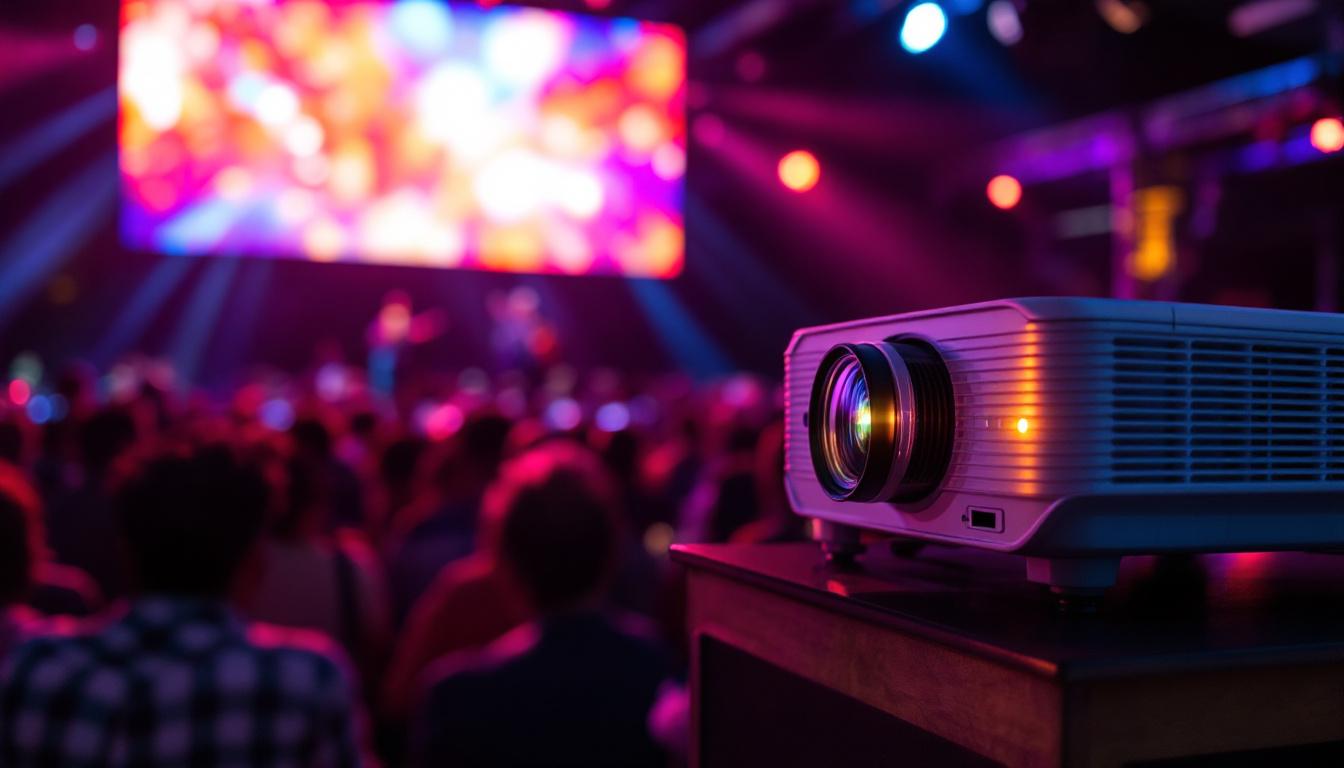
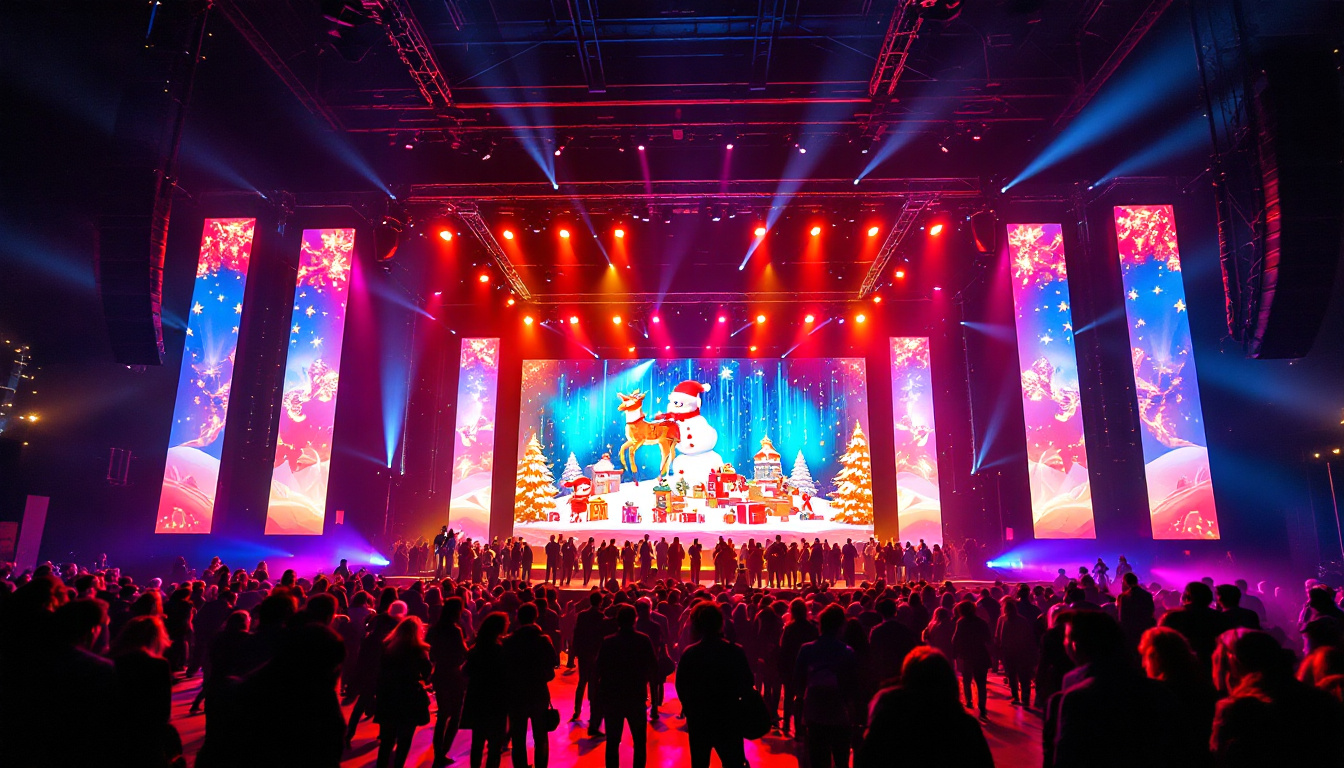
One of the most visible uses of truss wall systems with LED displays is in concerts and live performances. These setups create immersive visual experiences that complement the music and stage production. For example, large LED walls behind performers can display dynamic visuals, live camera feeds, or interactive content.
The flexibility of truss walls allows designers to create multi-layered stages with LED elements integrated into various parts of the set, enhancing audience engagement. The rapid assembly and disassembly capabilities also support the demanding schedules of touring artists.
Trade Shows and Exhibitions
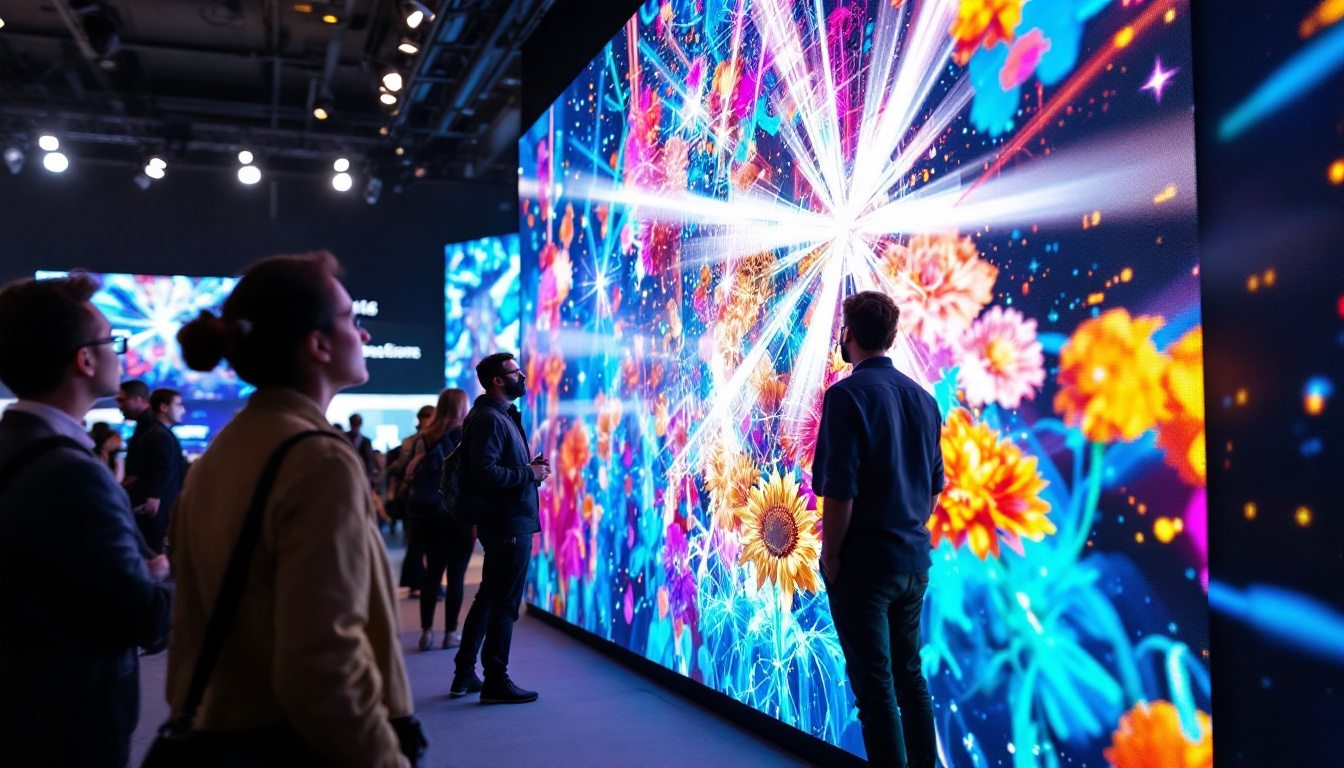
In the corporate world, trade shows and exhibitions benefit greatly from truss wall systems with LED displays. These installations attract attention, convey brand messages, and showcase products with high-impact visuals. The modularity of the system enables exhibitors to tailor their booth size and configuration to the event space.
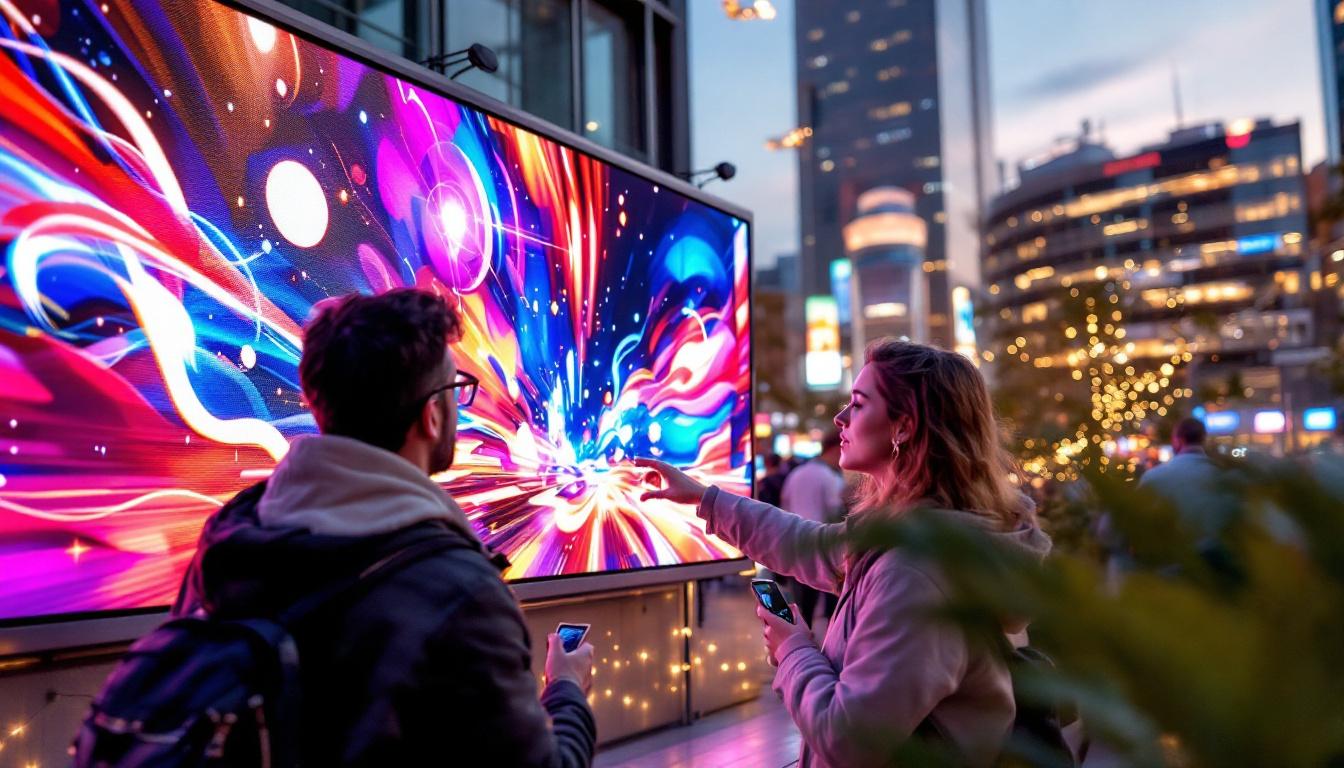
Interactive LED walls can also be used to engage visitors, providing touch-sensitive displays or augmented reality experiences. This level of interactivity can significantly increase booth traffic and lead generation.
Retail and Advertising
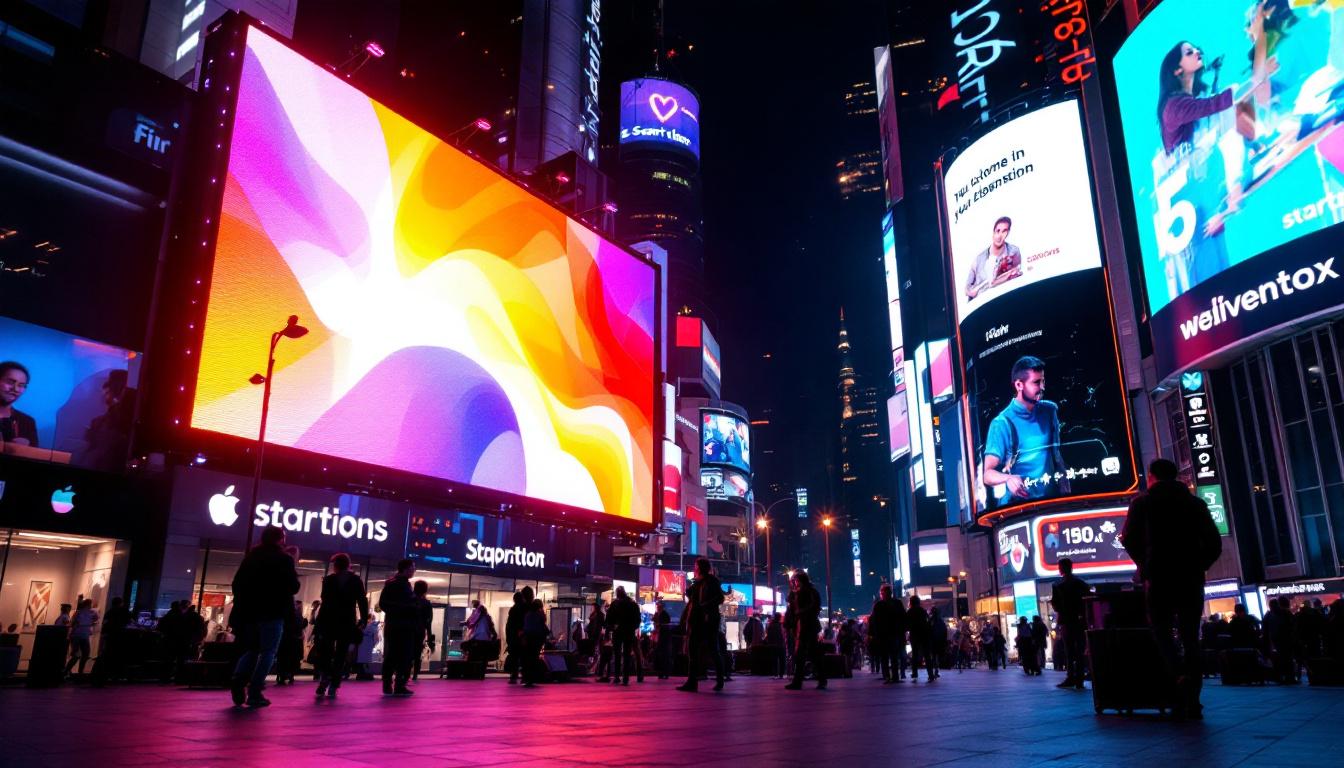
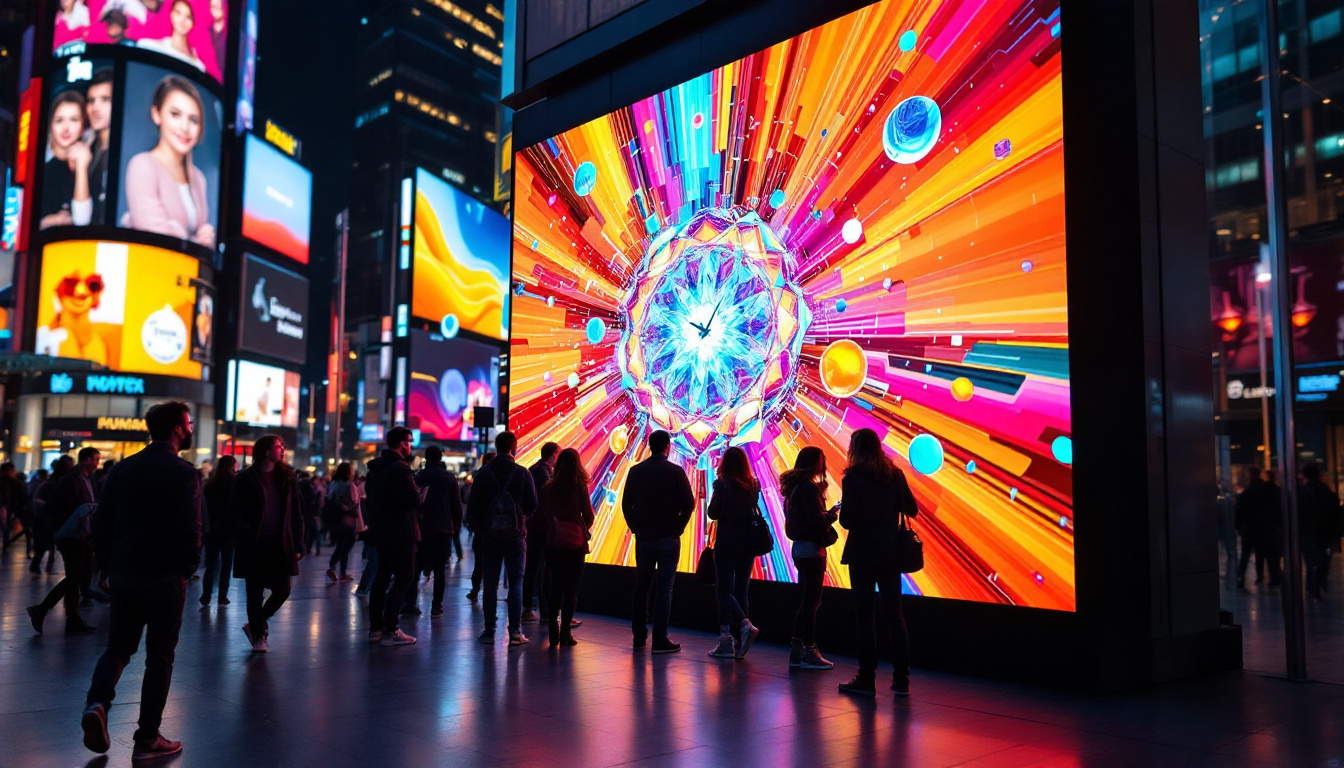
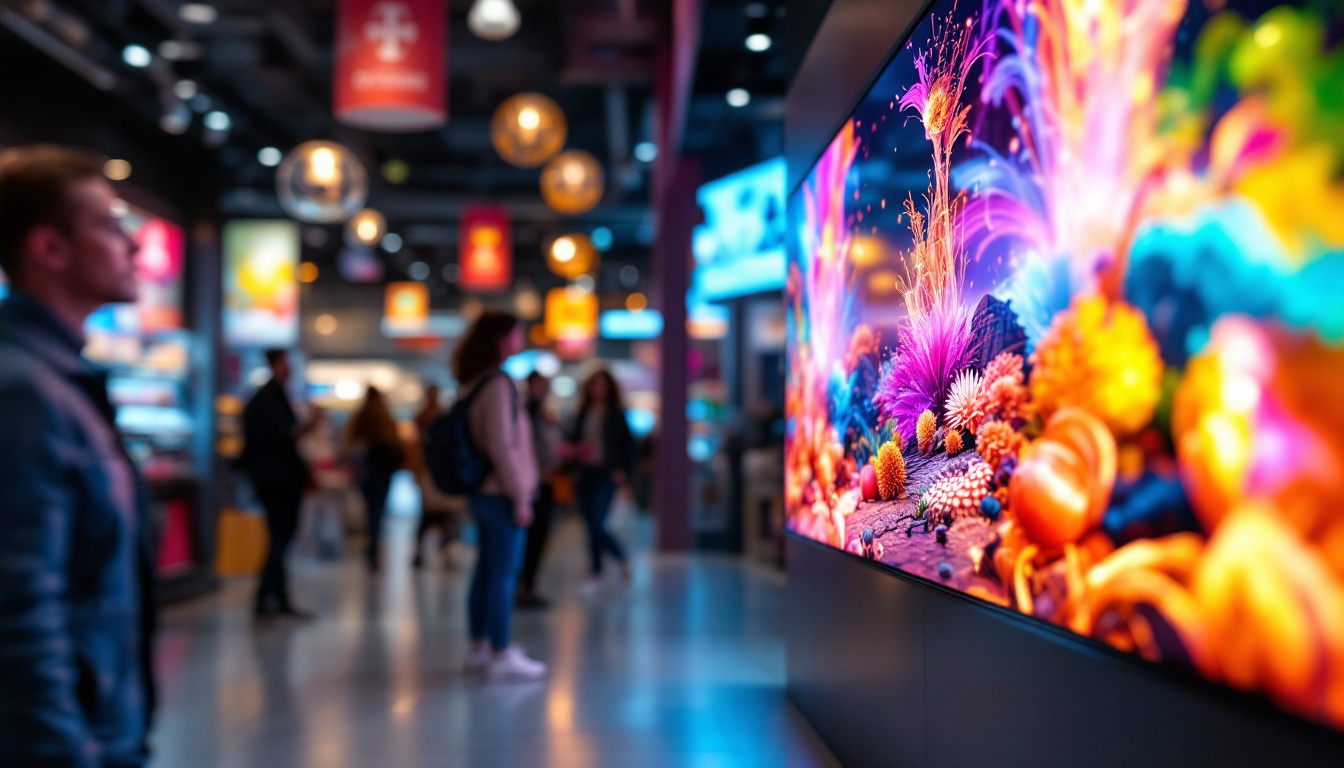
Retail environments increasingly incorporate LED walls mounted on truss systems to create eye-catching digital signage. These displays can promote sales, highlight new products, or deliver targeted advertising messages. The ability to update content remotely and in real-time offers retailers a powerful marketing tool.
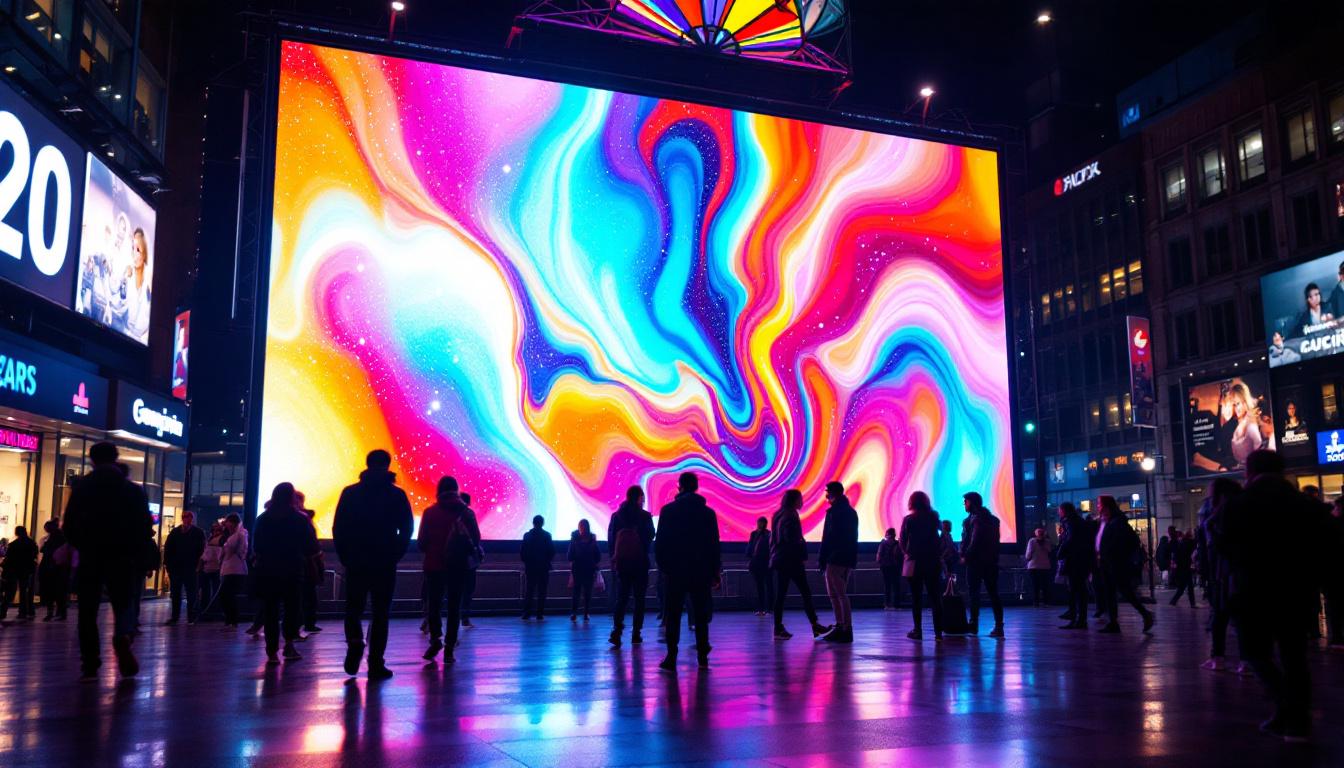
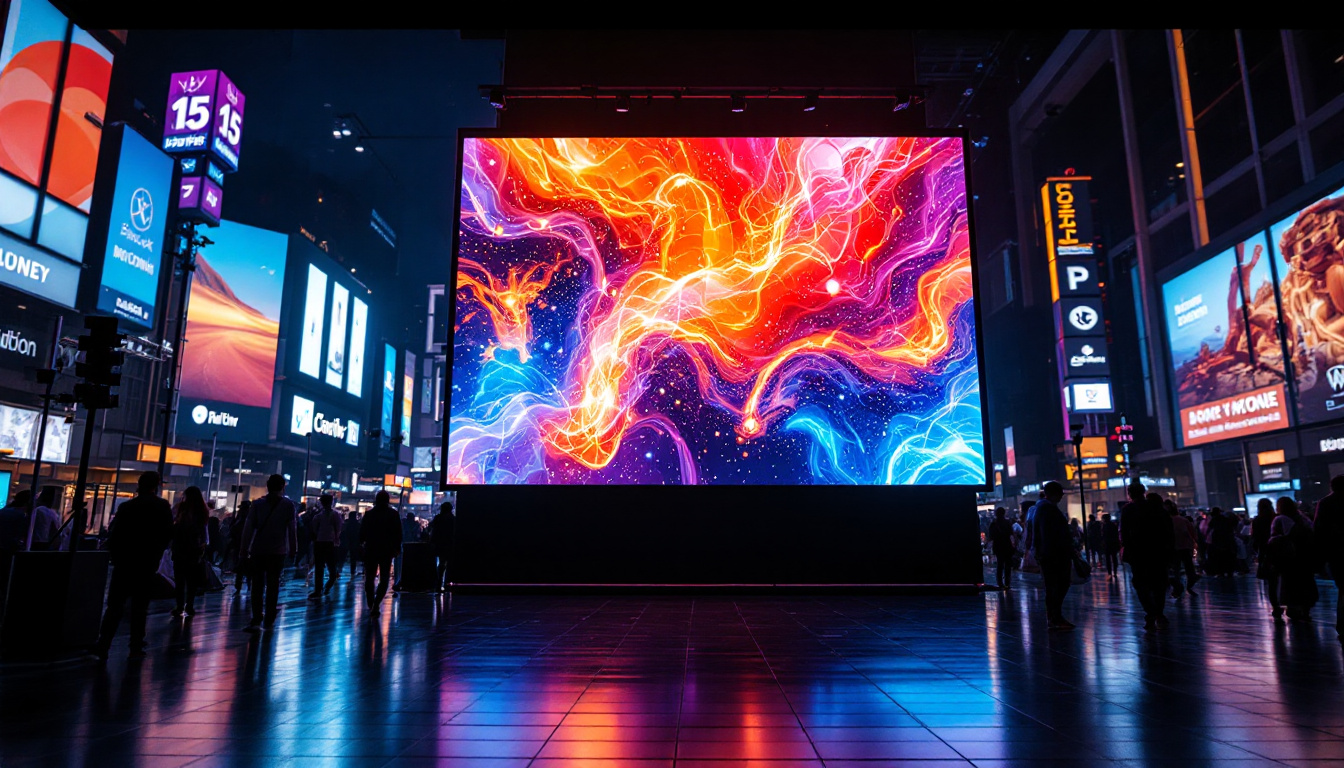
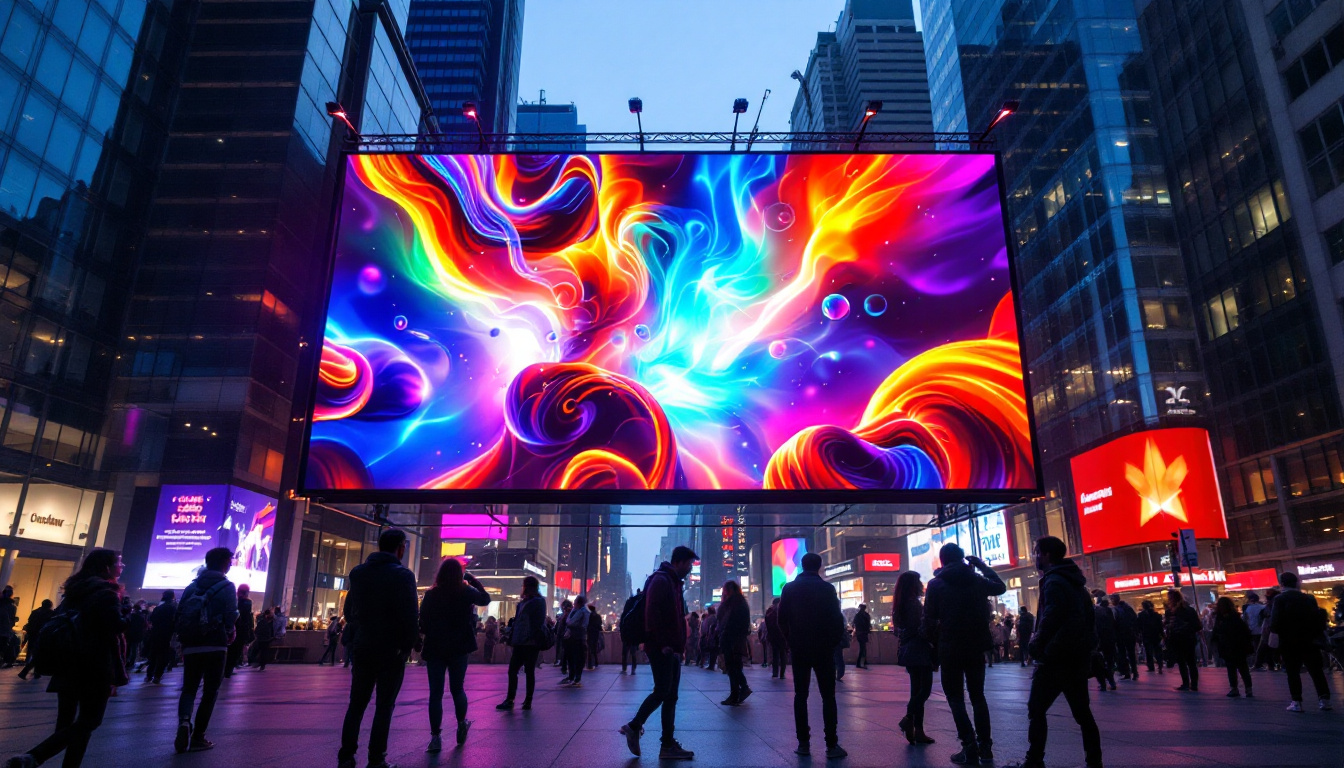
Outdoor installations, such as those on building facades or in public squares, utilize weatherproof truss and LED components to maintain performance under harsh conditions. This versatility broadens the scope of digital advertising and brand visibility.
Future Trends and Innovations
Advancements in LED Technology
Emerging technologies like MicroLED and MiniLED promise even higher resolution, better energy efficiency, and thinner panels. These developments will allow for more seamless and visually stunning displays integrated into truss wall systems.
Furthermore, improvements in flexible LED panels will enable curved and irregular shapes that were previously difficult to achieve, opening new creative possibilities for designers and architects.
Smart and Interactive Systems
The integration of sensors, cameras, and AI-driven content management is transforming LED displays into interactive platforms. Truss wall systems equipped with these smart technologies can adapt content based on audience behavior, environmental conditions, or real-time analytics.
This trend is particularly relevant for retail and event spaces aiming to deliver personalized experiences and measurable engagement metrics.
Sustainability and Energy Efficiency
As environmental concerns grow, manufacturers and event planners are prioritizing sustainable practices. LED technology is inherently more energy-efficient than traditional lighting, but ongoing innovations aim to reduce power consumption further.
Additionally, the use of recyclable materials in truss construction and the implementation of energy management systems contribute to greener event production and digital signage solutions.
Conclusion
Truss wall systems combined with LED displays represent a powerful synergy of structural engineering and cutting-edge visual technology. Their versatility, strength, and aesthetic potential make them indispensable in modern event production, advertising, and retail environments. By understanding the technical aspects, design considerations, and emerging trends, professionals can leverage these systems to create impactful, safe, and memorable visual experiences.
As LED technology continues to advance and integration with smart systems grows, the future of truss wall LED displays promises even greater innovation and creative possibilities.
Explore LumenMatrix LED Display Solutions
Ready to elevate your event production or advertising campaign with the latest in LED display technology? Discover the innovative solutions offered by LumenMatrix, a pioneer in creating visually stunning and versatile LED displays. From indoor and outdoor environments to custom configurations and interactive systems, LumenMatrix provides a wide array of options to meet your unique needs. Experience the transformative power of LED displays and ensure your message resonates with clarity and impact. Check out LumenMatrix LED Display Solutions today and step into the future of visual communication.