In recent years, LED technology has revolutionized the way churches engage with their congregations. From enhancing worship experiences to improving communication, LED church screens have become an essential tool in modern houses of worship. This article explores the fundamentals of LED displays, their benefits, and practical considerations for churches looking to adopt this technology.
What Is an LED Church Screen?
An LED church screen is a large display made up of numerous light-emitting diodes (LEDs) arranged in a grid. These screens are capable of producing bright, vivid images and videos, making them ideal for displaying song lyrics, sermon notes, scripture passages, and multimedia presentations during services. Unlike traditional projectors or LCD screens, LED displays offer superior brightness and clarity, especially in well-lit environments.
LED screens come in various sizes and resolutions, allowing churches to choose a display that fits their sanctuary’s dimensions and audience size. The modular nature of LED panels means they can be customized to create seamless, large-format displays that are both visually impactful and durable. This adaptability makes them suitable for a variety of settings, from intimate chapels to large auditoriums, ensuring that every congregant can engage with the content being presented.
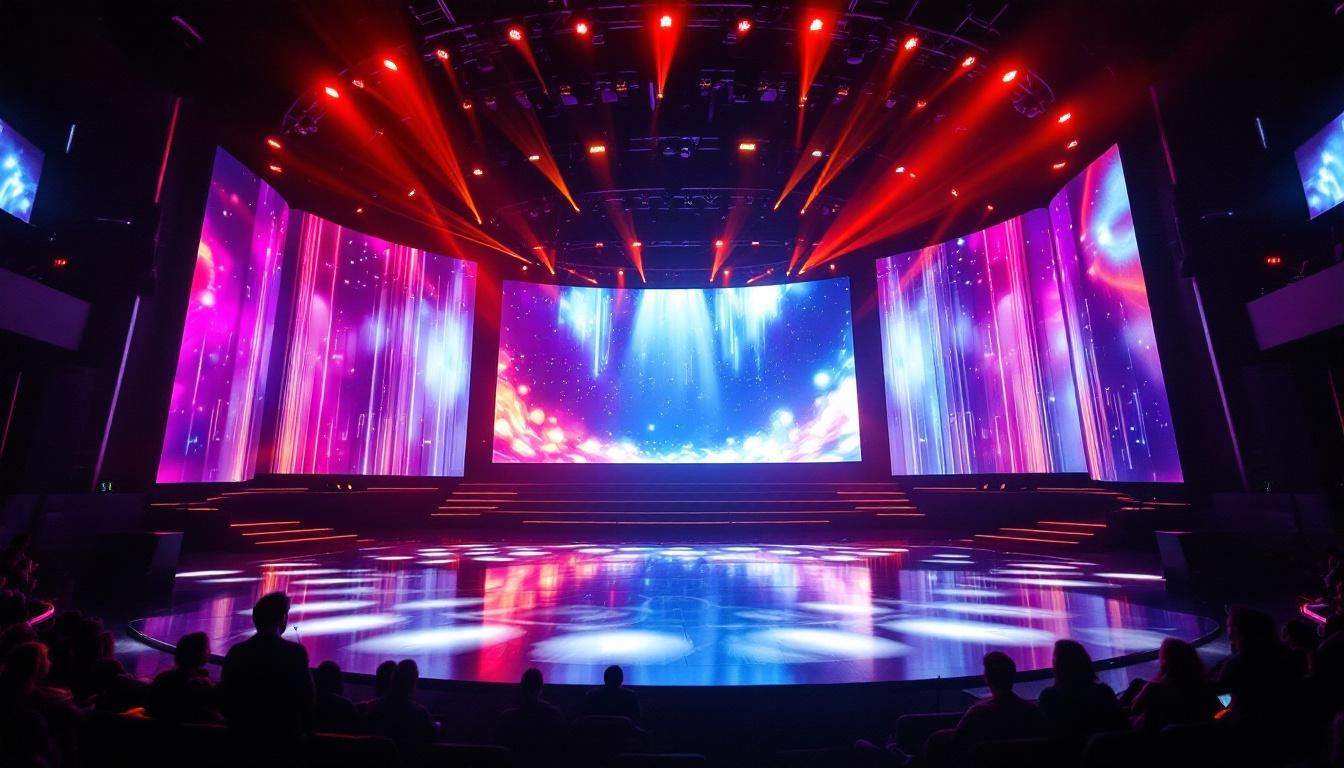
Furthermore, LED church screens can enhance the overall worship experience by integrating with sound systems and lighting to create a cohesive atmosphere. This integration allows for dynamic presentations that can respond to the mood of the service, whether it be a reflective moment during prayer or an uplifting celebration during worship. The ability to display high-definition videos, live feeds, and interactive content also opens up new avenues for storytelling and teaching, making the messages more relatable and engaging for the audience.
How LED Technology Works
Each pixel on an LED screen consists of tiny diodes that emit light when an electric current passes through them. These diodes can produce red, green, and blue light, which combine to create a full spectrum of colors. By controlling the intensity of each diode, the screen can display detailed images and videos with high color accuracy.
Modern LED screens use surface-mounted device (SMD) technology, where LEDs are mounted directly onto the circuit board. This design allows for higher pixel density and improved viewing angles, which are crucial for church environments where the audience is spread across a wide area. Additionally, SMD technology contributes to the screen’s thinner profile, making it easier to install in various locations, whether suspended from the ceiling or mounted on a wall.
Moreover, LED screens are known for their energy efficiency and longevity, often lasting tens of thousands of hours with minimal maintenance. This durability is particularly beneficial for churches, which may use these screens multiple times a week for services, events, and community gatherings. The lower energy consumption not only reduces operational costs but also aligns with many congregations’ values of stewardship and environmental responsibility, making LED screens a practical and ethical choice for modern worship spaces.
Benefits of Using LED Screens in Churches
Enhanced Visibility and Engagement
One of the primary advantages of LED church screens is their exceptional brightness. Unlike projectors, which can struggle in rooms with ambient light, LED screens remain clear and vibrant regardless of lighting conditions. This ensures that all attendees, whether seated in the front row or the back, can easily see the content being displayed.
Improved visibility directly contributes to greater engagement during services. Worshippers can follow along with lyrics, read sermon points, and view multimedia content without strain, fostering a more immersive and participatory experience. Furthermore, the ability to incorporate vibrant visuals and videos can enhance emotional connections to the messages being shared, making the service not just a passive experience but an interactive one that resonates deeply with the congregation.
Durability and Longevity
LED screens are known for their durability and long lifespan. High-quality LED panels can operate continuously for tens of thousands of hours without significant degradation in brightness or color quality. This reliability makes them a cost-effective investment for churches, reducing the need for frequent replacements or repairs.
Additionally, LED displays are resistant to damage from dust and moisture, which can be common in large gathering spaces. Their solid-state construction means fewer moving parts and less maintenance compared to traditional projection systems. This resilience not only saves on maintenance costs but also ensures that churches can focus more on their mission and less on technical issues, allowing for a smoother worship experience that can adapt to the needs of the congregation without interruption.
Flexibility and Customization
LED church screens offer remarkable flexibility in terms of size, shape, and content. Churches can create custom configurations that fit their architectural style and spatial constraints, from wide panoramic displays to curved or segmented screens.
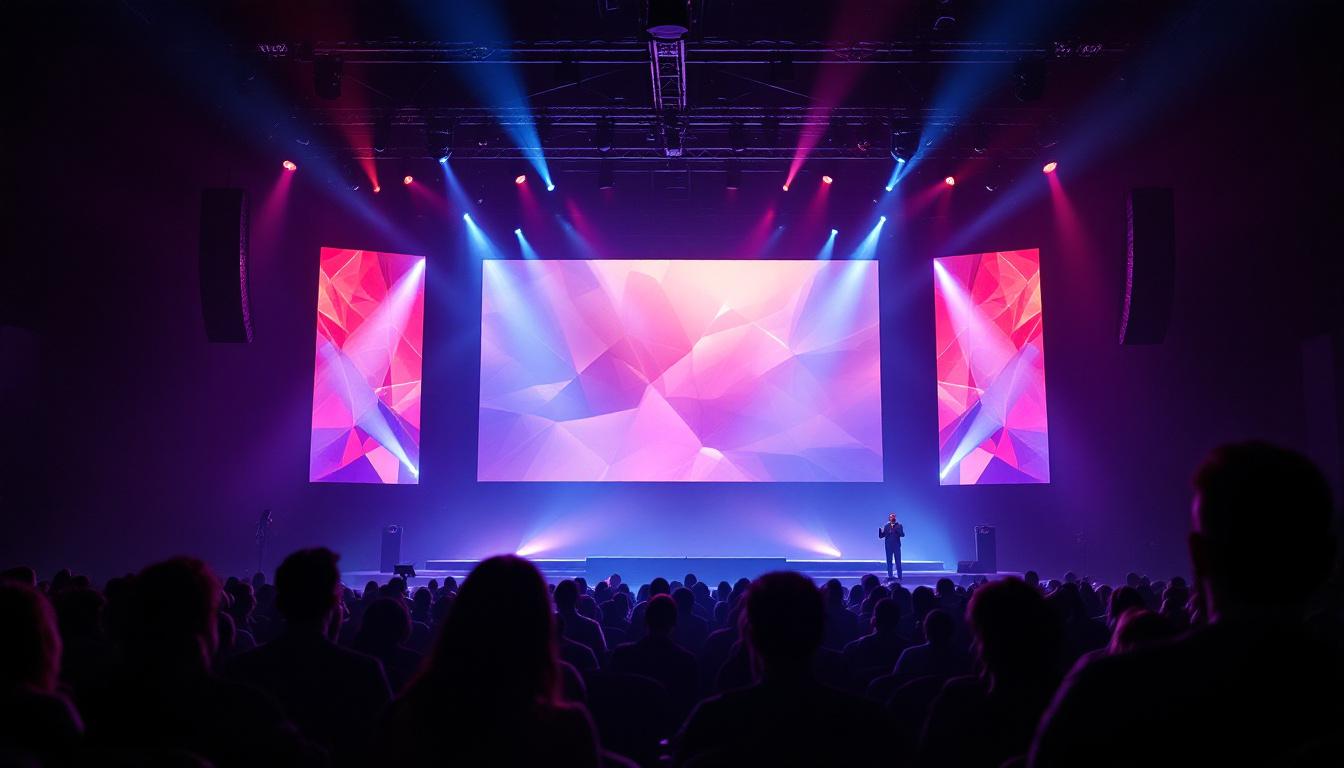
The ability to display dynamic content—such as live video feeds, announcements, and interactive graphics—allows churches to tailor their messaging to different events and audiences. This adaptability supports a wide range of activities beyond regular worship, including conferences, concerts, and community gatherings. Moreover, with the integration of social media feeds and real-time interaction capabilities, congregations can engage with their community in innovative ways, encouraging participation and feedback that extends beyond the church walls. This modern approach not only attracts younger members but also fosters a sense of belonging and connection among all attendees, making each service a unique and memorable experience.
Choosing the Right LED Screen for Your Church
Considerations for Screen Size and Resolution
Selecting the appropriate screen size depends largely on the size of the sanctuary and the viewing distance of the congregation. A general rule of thumb is that the screen height should be about one-sixth to one-eighth of the viewing distance to ensure comfortable readability.
Resolution is equally important. Higher resolution screens offer sharper images and clearer text, which is vital for displaying detailed content like scripture verses or sermon notes. Pixel pitch—the distance between individual LEDs—determines resolution; smaller pixel pitches mean higher resolution but also higher cost.
Indoor vs. Outdoor LED Screens
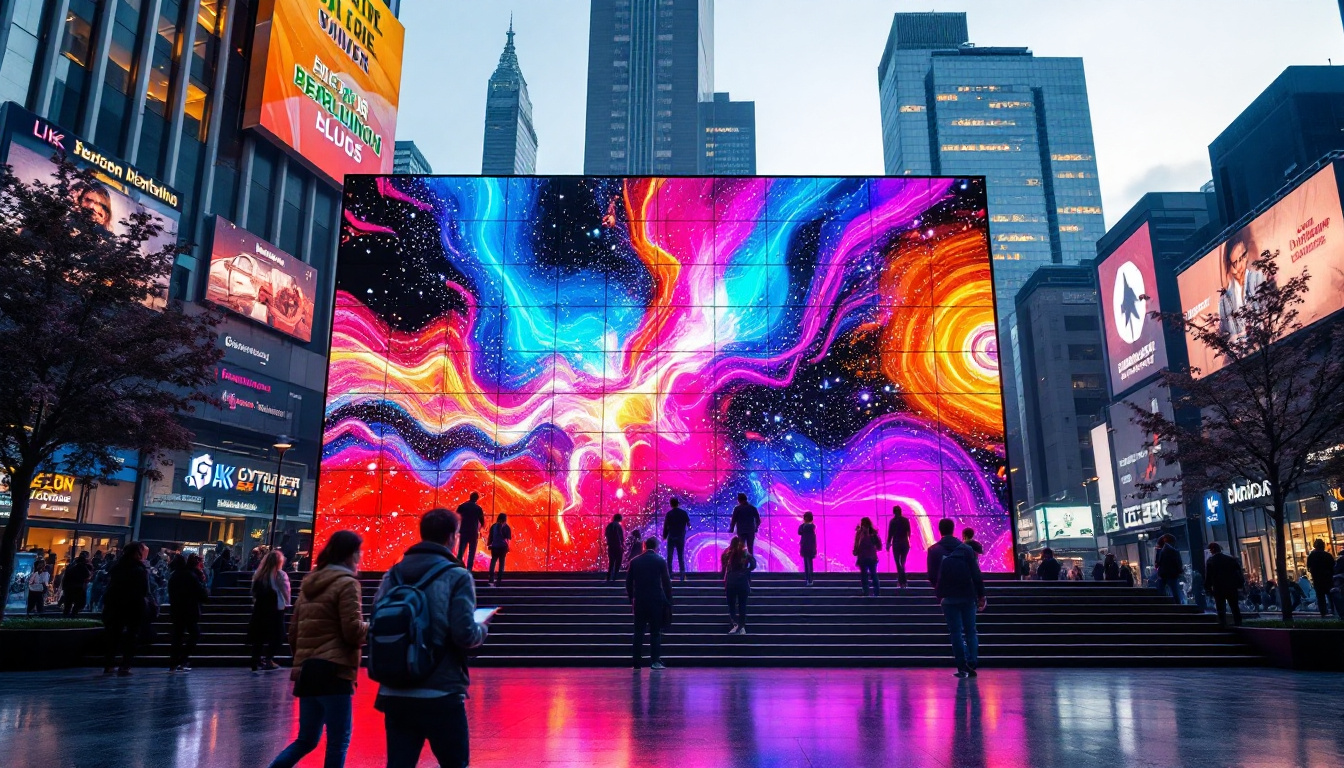
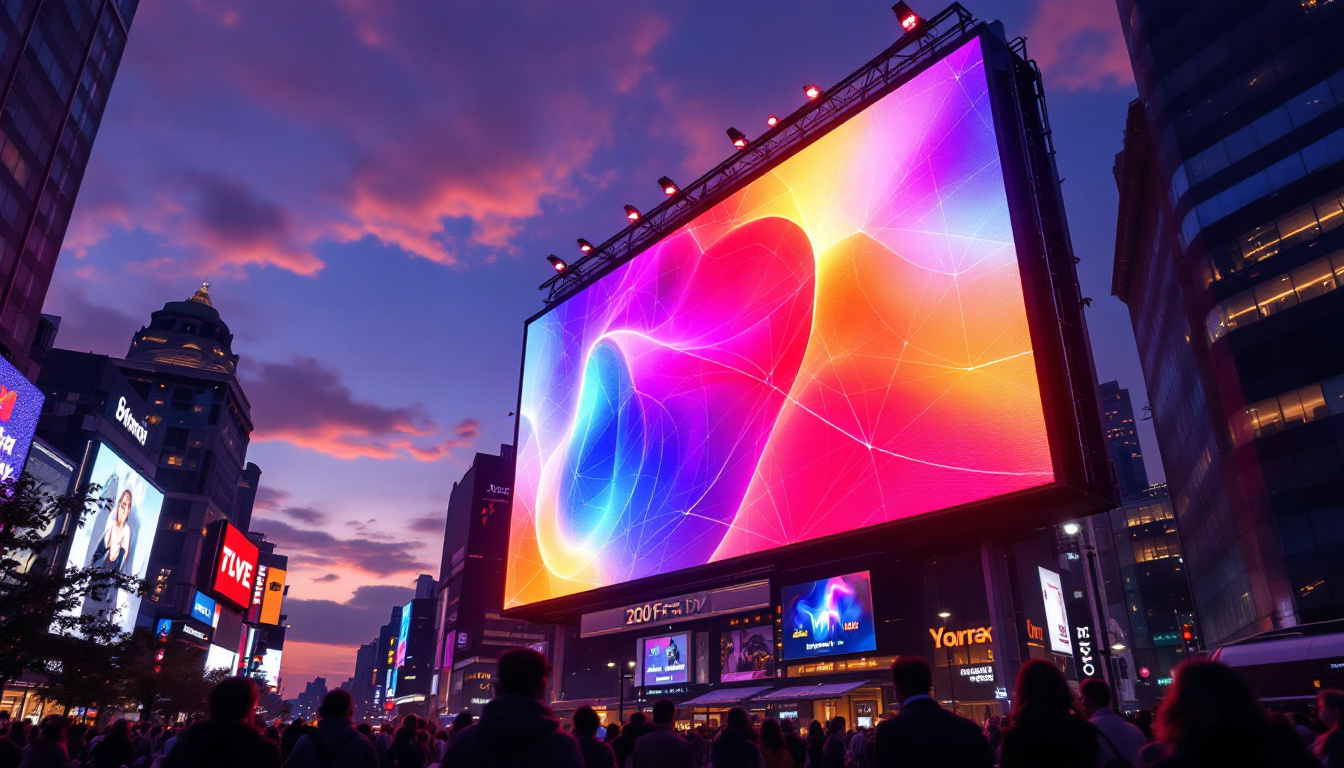
While most churches install LED screens indoors, some may consider outdoor displays for events, signage, or drive-in services. Outdoor LED screens are built to withstand weather conditions and typically have higher brightness levels to combat sunlight glare.
It’s essential to choose the right type of LED screen based on the installation environment to ensure optimal performance and longevity.
Budget and Installation Costs
LED church screens represent a significant investment, with costs varying based on size, resolution, and additional features like control systems and mounting hardware. Installation expenses can also vary depending on the complexity of the setup and any necessary structural modifications.
However, many churches find that the benefits—improved engagement, reduced maintenance, and versatility—justify the initial expenditure. Additionally, financing options and phased installation plans can help manage costs.
Integrating LED Screens into Church Services
Content Management and Software
Effective use of LED church screens requires reliable content management software. These platforms allow church staff to schedule, organize, and display various media types seamlessly during services. Features often include slide creation, video playback, live streaming integration, and real-time updates.
Some software solutions also support remote control and multi-screen synchronization, which can be particularly useful for larger venues or multi-campus churches.
Enhancing Worship and Communication
LED screens can transform worship by displaying song lyrics, scripture verses, sermon outlines, and multimedia presentations in a visually appealing way. This helps congregants participate more fully and stay focused throughout the service.
Beyond worship, LED displays serve as effective communication tools for announcements, event promotions, and community messages. Their dynamic nature allows churches to keep their congregations informed and engaged throughout the week.
Live Streaming and Hybrid Services
The rise of hybrid worship services—combining in-person and online attendance—has increased the importance of LED screens. These displays can show live video feeds of speakers, musicians, and congregants, creating a more connected experience for both physical and virtual attendees.
Integrating LED screens with live streaming technology ensures that remote viewers receive high-quality visuals, while in-person attendees benefit from enhanced visibility and engagement.
Maintenance and Best Practices for LED Church Screens
Routine Cleaning and Inspection
Maintaining the brightness and clarity of LED screens requires regular cleaning to remove dust and debris. Using soft, lint-free cloths and manufacturer-recommended cleaning solutions helps prevent damage to the delicate diodes.
Periodic inspections should check for any dead pixels, loose connections, or signs of wear. Early detection of issues can prevent more significant problems and costly repairs down the line.
Software Updates and Calibration
Keeping the content management software and firmware up to date ensures compatibility with new media formats and enhances security. Calibration of color and brightness settings may also be necessary to maintain optimal display quality as the screen ages.
Professional Support and Warranty
Many LED screen manufacturers offer warranties and professional support services. Establishing a relationship with a trusted vendor can provide access to technical assistance, training, and replacement parts, which are invaluable for long-term operation.
Future Trends in LED Church Screen Technology
As LED technology continues to evolve, churches can expect even more advanced features and capabilities. MicroLED displays, which offer higher resolution and energy efficiency, are beginning to enter the market and may soon become viable options for worship spaces.
Interactive LED screens that respond to touch or motion could enhance congregational participation and create new opportunities for engagement. Additionally, integration with augmented reality (AR) and virtual reality (VR) technologies may open innovative avenues for immersive worship experiences.
Environmental sustainability is also a growing focus, with manufacturers developing LED panels that consume less power and use eco-friendly materials, aligning with many churches’ stewardship values.
Conclusion
LED church screens represent a powerful tool for enhancing worship, communication, and community engagement. Their superior brightness, durability, and flexibility make them well-suited to the dynamic needs of modern churches. By carefully considering factors such as size, resolution, budget, and integration, churches can select the right LED display to enrich their services and connect more deeply with their congregations.
As technology advances, LED screens will continue to play a pivotal role in shaping the future of worship environments, offering exciting possibilities for creativity and connection.
Discover LumenMatrix LED Solutions for Your Church
Ready to elevate your worship experience with cutting-edge LED technology? LumenMatrix offers a wide range of LED display solutions tailored to meet the unique needs of your church. From vibrant Indoor LED Walls to weather-resistant Outdoor Displays and beyond, our innovative products are designed to captivate your congregation and enhance your message. Embrace the future of visual communication and check out LumenMatrix LED Display Solutions today to transform your worship environment.