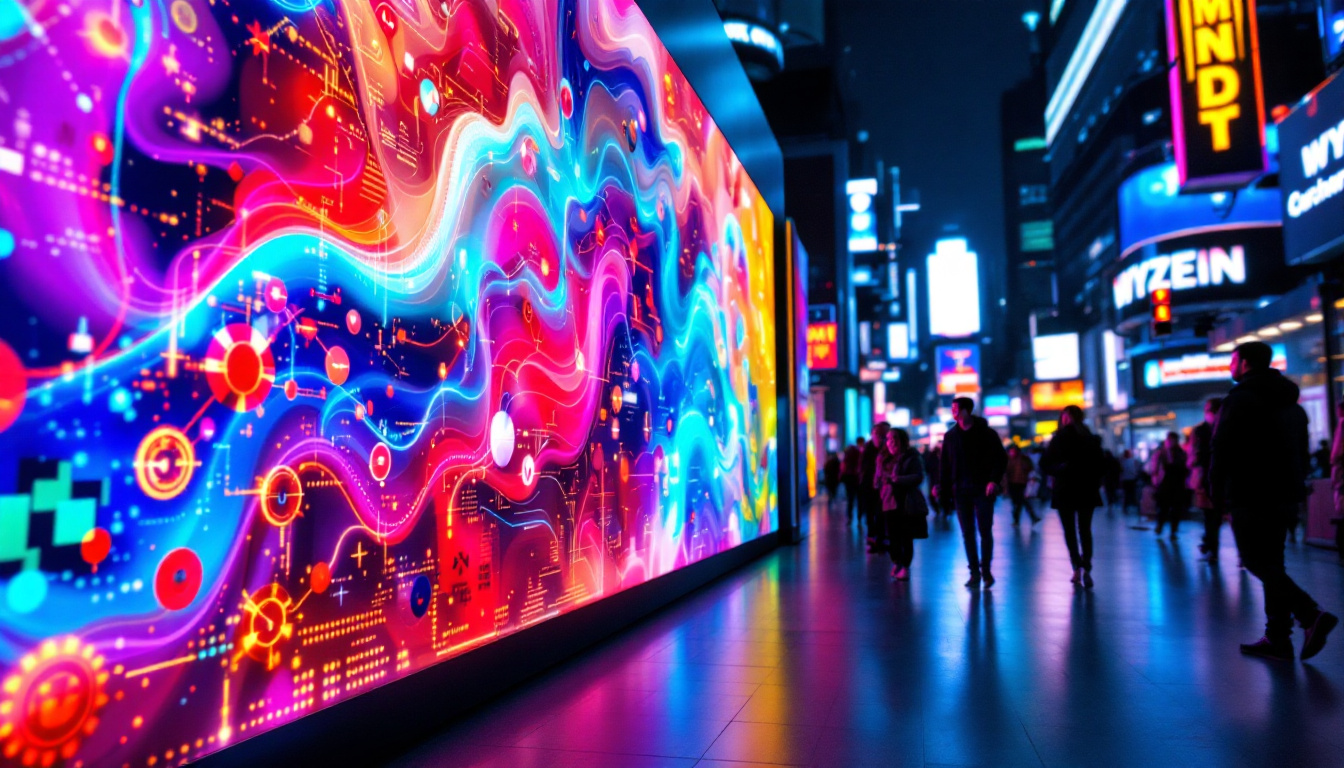
In recent years, LED screens have revolutionized stage productions, concerts, corporate events, and theatrical performances. Their vibrant colors, high brightness, and flexibility have made them an essential tool for visual storytelling and audience engagement. But what exactly is an LED screen on stage, how does it work, and why has it become the go-to display technology in live events? This article delves into the world of LED displays, explaining their technology, applications, benefits, and considerations for use on stage.
Understanding LED Screens: The Basics
What Is an LED Screen?
LED stands for Light Emitting Diode, a semiconductor device that emits light when an electric current passes through it. An LED screen is a large display composed of thousands, sometimes millions, of these tiny LEDs arranged in a grid or matrix. Each LED acts as a pixel, producing light in red, green, and blue (RGB) colors. By varying the intensity of these three colors, the screen can display a full spectrum of colors with remarkable brightness and clarity.
Unlike traditional LCD or projection screens, LED displays are self-illuminating, meaning they do not require a separate light source. This makes them highly visible even in brightly lit environments, such as outdoor concerts or well-lit stages.
How Does an LED Display Work?
LED screens operate by controlling the brightness of each individual diode to create images or videos. The screen is divided into modules, each containing a set number of LEDs. These modules are connected to a control system that processes video signals and sends instructions to the LEDs. The control system adjusts the color and brightness of each pixel in real time, enabling dynamic content such as live video feeds, animations, and interactive graphics.
Modern LED screens also use advanced technologies like high refresh rates (often 1920Hz or higher) to ensure smooth motion and reduce flicker, which is particularly important for live broadcasts and recordings.
Types of LED Screens Used on Stage
Indoor vs. Outdoor LED Screens
Stage LED screens are broadly categorized into indoor and outdoor types, each designed to meet specific environmental and performance requirements.
Indoor LED Screens: These are optimized for controlled lighting conditions and typically have smaller pixel pitches (the distance between individual LEDs) ranging from 1.2mm to 4mm. The smaller pixel pitch allows for higher resolution and sharper images when viewed from close distances. Indoor screens are commonly used in theaters, conference halls, and corporate events.
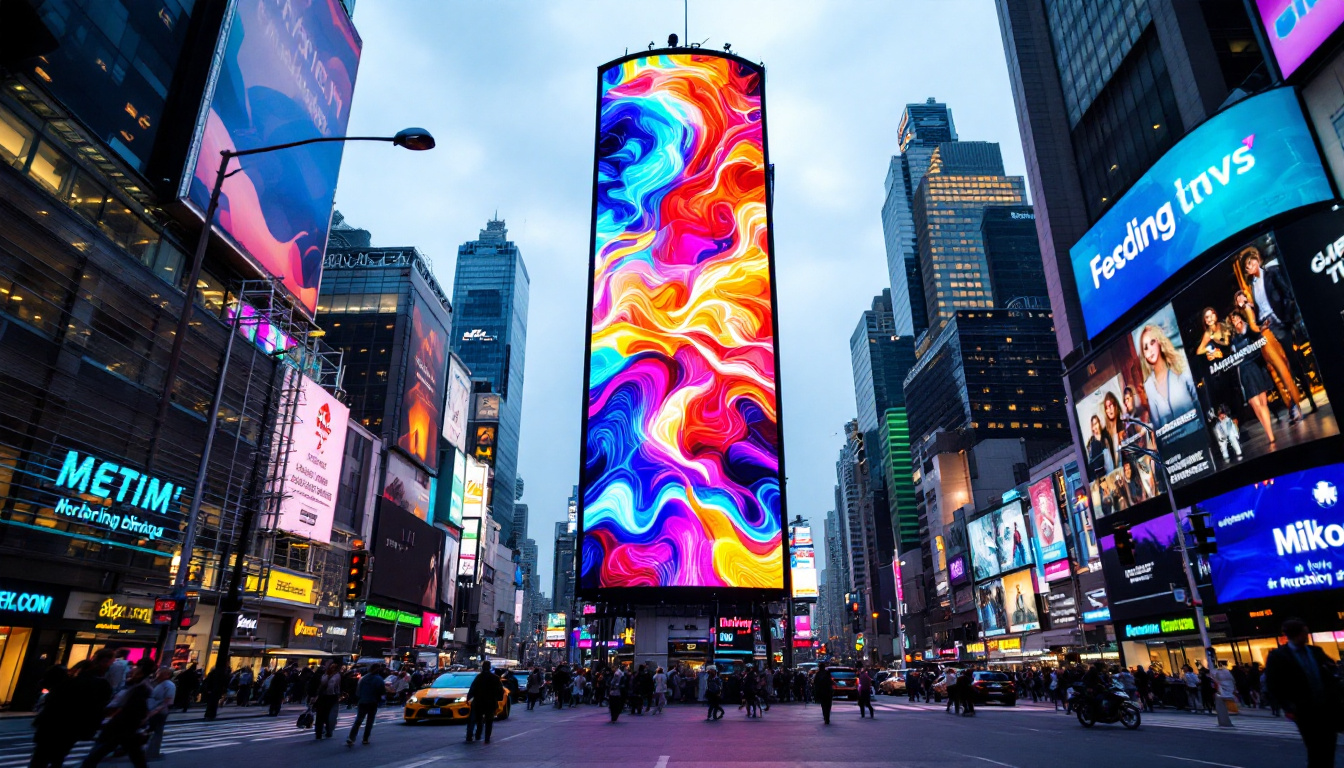
Outdoor LED Screens: Built to withstand weather elements like rain, wind, and sunlight, outdoor LED screens have larger pixel pitches, usually between 4mm and 20mm. They feature robust enclosures with waterproof and dustproof ratings (often IP65 or higher) and higher brightness levels, sometimes exceeding 6,000 nits, to remain visible under direct sunlight.
Fixed vs. Rental LED Screens
Another distinction is between fixed installation LED screens and rental (or portable) LED screens.
Fixed LED Screens: These are permanently installed in venues such as concert halls, stadiums, or theaters. They offer high durability and can be customized to fit specific stage dimensions. Because they remain in place, fixed screens often provide higher resolution and better integration with venue infrastructure.
Rental LED Screens: Designed for mobility and quick assembly, rental LED screens are modular and lightweight. They are ideal for touring concerts, festivals, and temporary events where the screen needs to be set up and dismantled repeatedly. Rental screens prioritize ease of transport and flexibility over ultra-high resolution.
Curved and Flexible LED Screens
Innovations in LED technology have introduced curved and flexible LED screens, expanding creative possibilities on stage. These screens can bend or wrap around stage elements, creating immersive environments and unique visual effects. Curved LED walls are popular in concerts and theatrical productions to envelop the audience with dynamic visuals.
Benefits of Using LED Screens on Stage
Enhanced Visual Impact
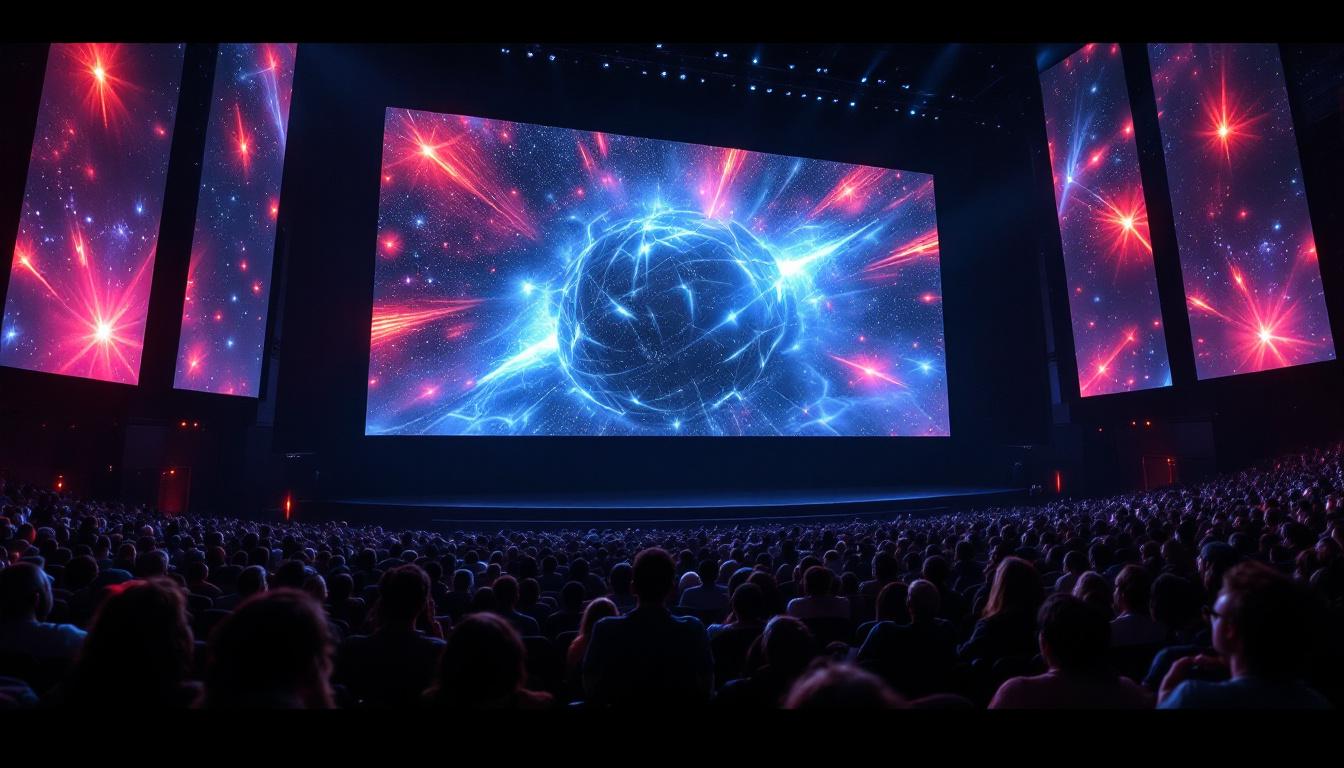
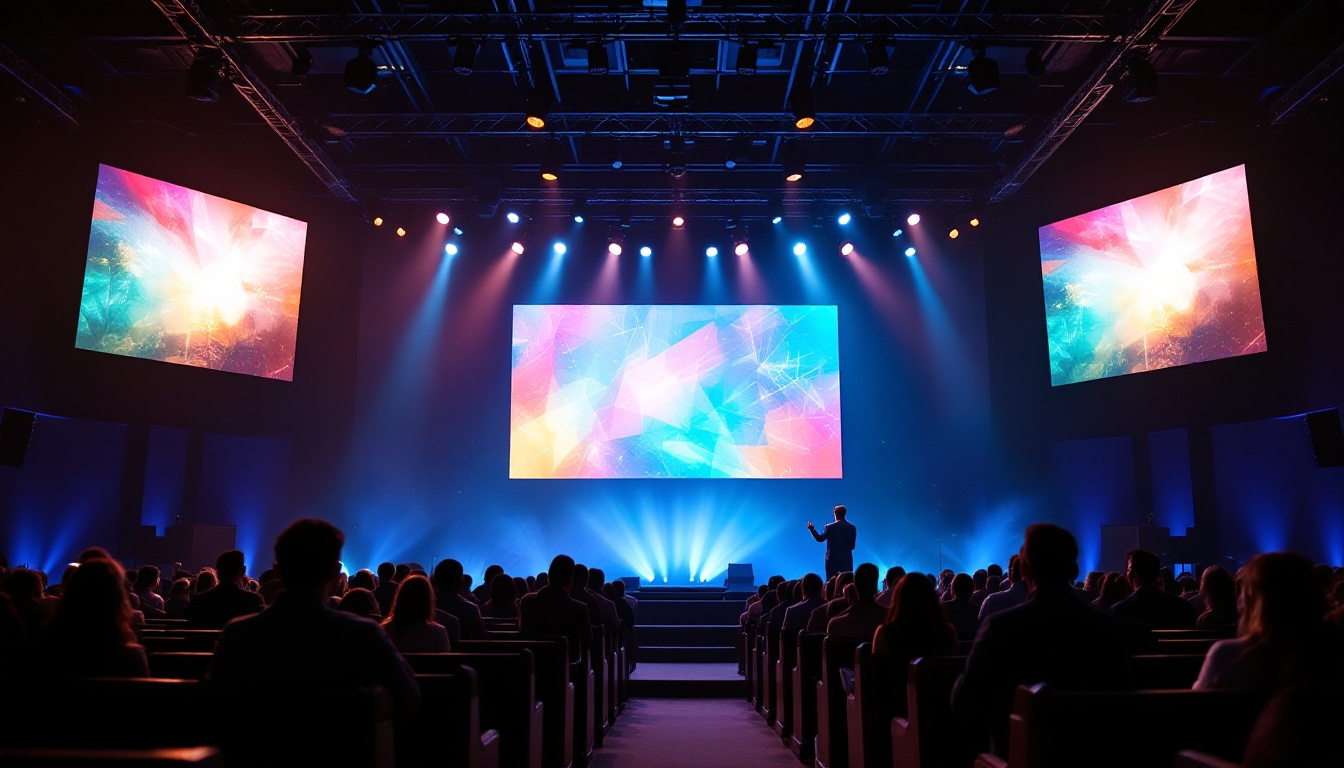
One of the primary reasons LED screens dominate stage setups is their ability to deliver stunning visuals. Their high brightness and contrast ratios ensure that images and videos are vivid and eye-catching, even in challenging lighting conditions. This capability allows artists and event producers to create memorable experiences that captivate audiences.
For example, at major music festivals like Coachella or Glastonbury, massive LED walls display live footage, animations, and visual effects synchronized with performances, amplifying the emotional connection between performers and the crowd.
Versatility and Customization
LED screens offer unmatched versatility. They can display anything from static images and logos to complex animations and live video streams. This flexibility enables event organizers to tailor content to the theme, mood, or branding of the event.
Moreover, LED screens come in various shapes and sizes, allowing for creative stage designs. From giant rectangular walls to curved or even floor LED panels, the technology adapts to diverse production needs.
Improved Audience Engagement
By integrating LED screens into stage design, performers and presenters can interact more effectively with their audience. Real-time content such as social media feeds, interactive polls, or live camera shots can be displayed, making the event more immersive and participatory.
For corporate events, LED screens facilitate clearer communication by displaying presentations, data visualizations, and multilingual subtitles, enhancing overall comprehension and engagement.
Energy Efficiency and Longevity
Compared to older display technologies like incandescent bulbs or plasma screens, LEDs consume significantly less power. This energy efficiency reduces operational costs and environmental impact, which is increasingly important for event organizers aiming for sustainable practices.
Additionally, LED screens have long lifespans, often exceeding 100,000 hours of operation, meaning they require less frequent replacement and maintenance.
Key Considerations When Choosing an LED Screen for Stage Use
Pixel Pitch and Viewing Distance
Pixel pitch is a critical factor influencing the resolution and clarity of an LED screen. It is measured in millimeters and represents the distance between the centers of adjacent LEDs. A smaller pixel pitch means higher resolution and better image detail, especially when viewed up close.
For stage applications, the ideal pixel pitch depends on the audience’s viewing distance. For example, a pixel pitch of 2.5mm to 4mm is suitable for indoor stages where viewers are relatively close, while outdoor stages with larger audiences might use pixel pitches of 6mm or more.
Brightness and Contrast
Brightness is measured in nits (candelas per square meter) and determines how well the screen performs under various lighting conditions. Indoor LED screens typically have brightness levels between 800 and 1,500 nits, sufficient for dim or controlled lighting environments.
Outdoor screens require much higher brightness, often 5,000 nits or more, to remain visible under direct sunlight. Contrast ratio also plays a role in image quality, affecting how well the screen displays dark and bright areas simultaneously.
Refresh Rate and Color Accuracy
A high refresh rate (above 1,920Hz) is essential to prevent flickering, especially when the event is being recorded or broadcast live. Flicker-free screens ensure smooth video playback and reduce eye strain.
Color accuracy is equally important for delivering true-to-life visuals. High-quality LED screens use advanced calibration techniques to maintain consistent color reproduction across the entire display.
Installation and Maintenance
The physical setup of LED screens on stage requires careful planning. Factors such as weight, mounting options, and power requirements must be considered. Rental screens prioritize quick assembly with lightweight modules, while fixed installations may involve custom frames and infrastructure integration.
Maintenance access is also crucial. LED modules should be easily replaceable to minimize downtime during events. Many modern LED screens feature front or rear access panels to facilitate repairs and cleaning.
Popular Applications of LED Screens in Stage Productions
Concerts and Music Festivals
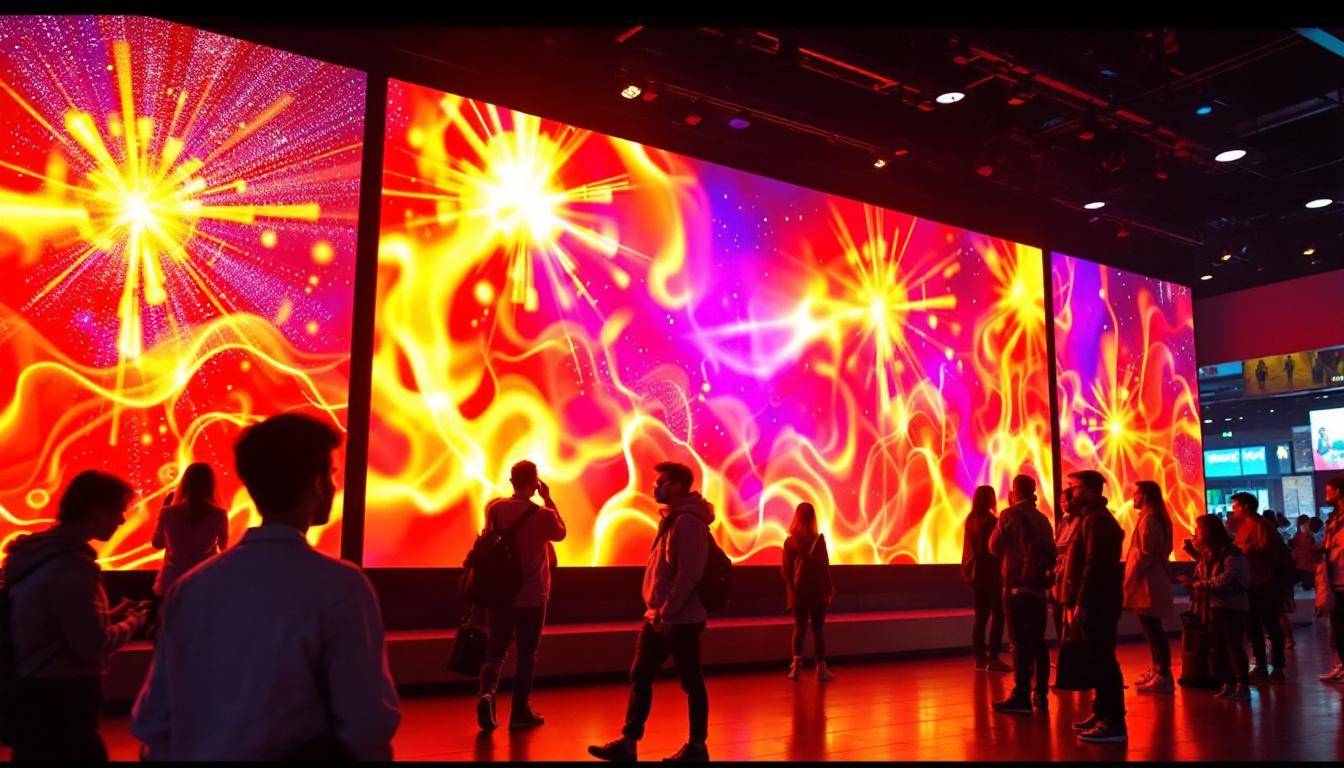
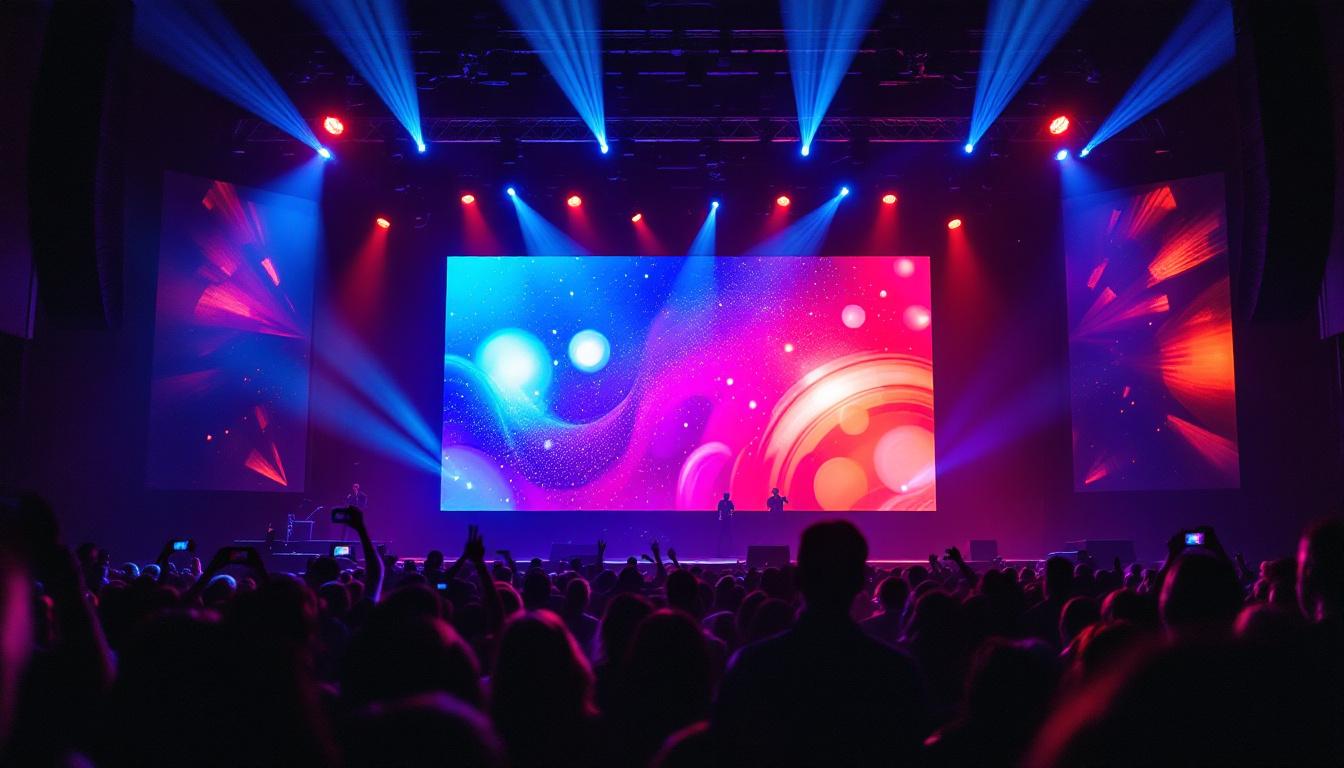
LED screens have become a staple in live music events, enhancing the visual spectacle and audience experience. They display live feeds of performers, elaborate animations, and synchronized light shows that complement the music.
Artists like Beyoncé, Coldplay, and BTS utilize massive LED walls to create immersive environments that transform their performances into multi-sensory experiences.
Theater and Performing Arts
Theater productions increasingly incorporate LED screens to create dynamic backdrops and special effects that were once impossible or prohibitively expensive. LED displays enable quick scene changes, interactive storytelling, and integration with lighting and sound design.
For example, productions like “The Lion King” and “Harry Potter and the Cursed Child” use LED technology to enhance their visual narratives and transport audiences into fantastical worlds.
Corporate Events and Conferences
In the corporate world, LED screens facilitate impactful presentations, product launches, and branding opportunities. High-resolution displays ensure that detailed charts, videos, and live streams are clearly visible to large audiences.
LED walls also enable hybrid event formats, combining in-person and virtual participation with seamless content sharing.
Sports Arenas and Live Broadcasts
LED screens are integral to sports venues, providing instant replays, live scores, and advertisements. Their high brightness and wide viewing angles ensure visibility from all seating areas.
During live broadcasts, LED walls serve as dynamic backgrounds for commentators and hosts, enhancing the visual appeal of the production.
Future Trends in LED Screen Technology for Stage Use
MicroLED and MiniLED Innovations
Emerging technologies like MicroLED and MiniLED promise even higher resolution, improved brightness, and better energy efficiency. MicroLED screens use microscopic LEDs as individual pixels, offering superior contrast and color accuracy compared to traditional LED displays.
These advancements are expected to further blur the line between physical and digital stage elements, enabling hyper-realistic visuals.
Interactive and Transparent LED Screens
Interactive LED screens that respond to touch, motion, or audience input are gaining traction in live events. Transparent LED panels allow for creative layering of visuals without obstructing performers or stage elements, opening new avenues for immersive storytelling.
Integration with Augmented Reality (AR) and Virtual Reality (VR)
Combining LED screens with AR and VR technologies will create hybrid experiences where digital content seamlessly interacts with the physical stage. This integration will enhance audience engagement and expand creative possibilities for producers and artists.
Conclusion
LED screens have transformed the landscape of stage production, offering unparalleled visual quality, flexibility, and engagement opportunities. Understanding the technology behind LED displays, their types, benefits, and practical considerations is essential for event professionals, artists, and venue managers aiming to deliver compelling live experiences.
As LED technology continues to evolve, it will unlock even more innovative ways to captivate audiences and bring stories to life on stage. Whether for a small theater production or a massive outdoor concert, LED screens remain a cornerstone of modern event design and execution.
Illuminate Your Stage with LumenMatrix
Ready to elevate your stage production with the most advanced LED display technology? LumenMatrix is at the forefront of creating immersive visual experiences that captivate and engage. From Indoor and Outdoor LED Wall Displays to innovative solutions like Vehicle LED Displays, LED Posters, and even Custom LED Displays, we have everything you need to make your vision a reality. Discover the transformative power of our LED display modules and join the revolution in visual communication. Check out LumenMatrix LED Display Solutions today and bring your stage to life like never before.