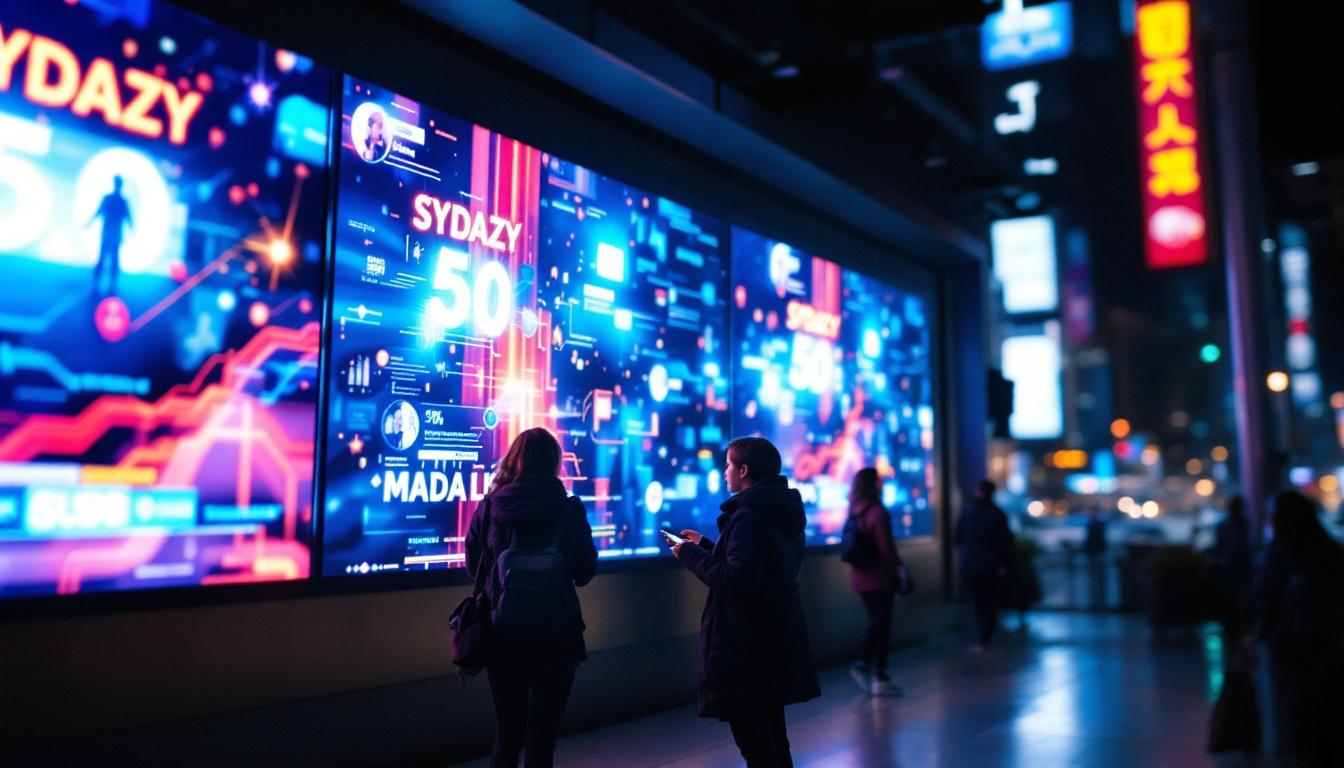
In today’s fast-paced world, capturing attention is more challenging than ever. Whether it’s advertising in a bustling city center, broadcasting live events, or providing real-time information in stadiums and transit hubs, big screen display boards have become essential tools. Among the various technologies available, LED displays stand out for their brightness, versatility, and energy efficiency. This article delves into the world of LED display boards, explaining how they work, their advantages, and why they have become the preferred choice for large-scale visual communication.
Understanding LED Display Technology
What is an LED Display?
LED stands for Light Emitting Diode, a semiconductor light source that emits light when an electric current passes through it. An LED display board is essentially a large screen made up of thousands, or even millions, of these tiny diodes arranged in a matrix. Each diode acts as a pixel, producing light in red, green, and blue (RGB) colors. By combining these colors at varying intensities, LED displays can produce a full spectrum of colors, enabling vibrant, high-resolution images and videos.
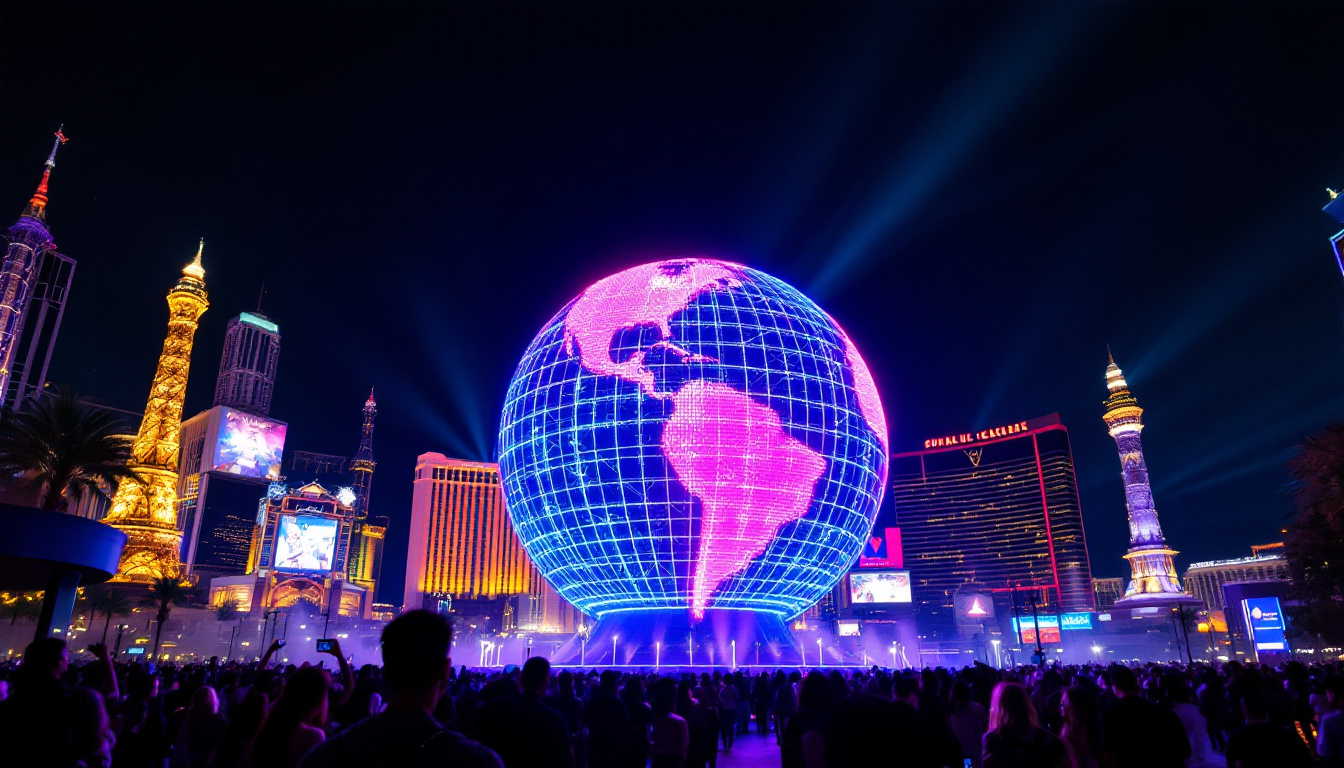
The modular nature of LED panels allows manufacturers to build screens of virtually any size and shape. This scalability makes LED technology ideal for large outdoor billboards, indoor event screens, and even curved or irregularly shaped installations. The versatility of LED displays extends beyond mere size; they can also be designed for various applications, from advertising and entertainment to information dissemination in public spaces. For instance, in sports arenas, LED displays are used not only for scoreboards but also for instant replays and dynamic advertisements, enhancing the overall spectator experience.
How Do LED Displays Work?
At the core, LED displays function by controlling the brightness of each diode to form images. The diodes are grouped into pixels, typically consisting of three LEDs (red, green, and blue). By adjusting the intensity of each LED within a pixel, the display can render millions of colors. This process is managed by a control system that receives input signals—such as video feeds or computer graphics—and translates them into commands for the LEDs.
Modern LED displays use advanced driving circuits and software algorithms to optimize brightness, color accuracy, and refresh rates. This ensures smooth video playback without flicker, even in bright daylight conditions. Additionally, technologies like pulse-width modulation (PWM) help regulate LED brightness efficiently, contributing to energy savings and longer lifespan. Furthermore, the latest advancements in LED technology include features like high dynamic range (HDR) imaging, which allows for greater contrast and a wider range of colors, making the viewing experience even more immersive. As a result, LED displays are increasingly being adopted in various fields, including broadcasting, retail, and even art installations, where visual impact is paramount.
The Advantages of LED Display Boards
Exceptional Brightness and Visibility
One of the standout features of LED displays is their incredible brightness. Unlike LCD or projection screens, LED boards emit their own light, making them highly visible even under direct sunlight. Outdoor LED screens can reach brightness levels of 5,000 to 7,000 nits or more, ensuring content remains clear and readable in all lighting conditions.
This brightness advantage is crucial for applications such as roadside advertising, sports arenas, and public transportation hubs, where visibility can directly impact effectiveness and safety. For instance, in a bustling urban environment, a brightly lit LED billboard can capture the attention of passing motorists and pedestrians, effectively conveying messages that might otherwise be lost in the noise of the city. The ability to display dynamic content, such as videos and animations, further enhances engagement, making LED displays a powerful tool for advertisers and event organizers alike.
Energy Efficiency and Longevity
Despite their brightness, LED displays are remarkably energy-efficient compared to other large-format display technologies. Advances in LED chip design and power management mean that these displays consume less electricity per square meter, reducing operational costs and environmental impact.
Moreover, LEDs have a long operational lifespan, often exceeding 100,000 hours of use. This longevity translates to fewer replacements and maintenance interventions, making LED boards a cost-effective investment over time. The reduced need for frequent replacements not only saves money but also minimizes waste, aligning with growing environmental concerns. Many businesses are now prioritizing sustainability, and the energy efficiency of LED displays makes them an attractive option for those looking to reduce their carbon footprint while still delivering high-quality visual content.
Flexibility and Customization
LED display boards come in a wide range of pixel pitches—the distance between individual LEDs—which determines the resolution and viewing distance. Fine-pitch LEDs (less than 2 mm) are suitable for indoor environments where viewers are close, while larger pitches (10 mm or more) are ideal for outdoor displays viewed from afar.
Additionally, LED modules can be configured into various shapes and sizes, including curved surfaces. This flexibility allows designers to create immersive visual experiences tailored to specific venues and purposes. For example, in a retail setting, a curved LED display can wrap around a product showcase, drawing customers in with captivating visuals that create a sense of depth and engagement. Furthermore, the modular nature of LED technology means that displays can be easily expanded or reconfigured as needed, making them a versatile choice for businesses that anticipate growth or change in their advertising strategies.
Applications of Big Screen LED Display Boards
Advertising and Digital Billboards
With the global digital out-of-home (DOOH) advertising market projected to surpass $40 billion by 2025, LED display boards have become a cornerstone of modern advertising strategies. Their ability to display dynamic, eye-catching content attracts more attention than static billboards, increasing engagement and brand recall.
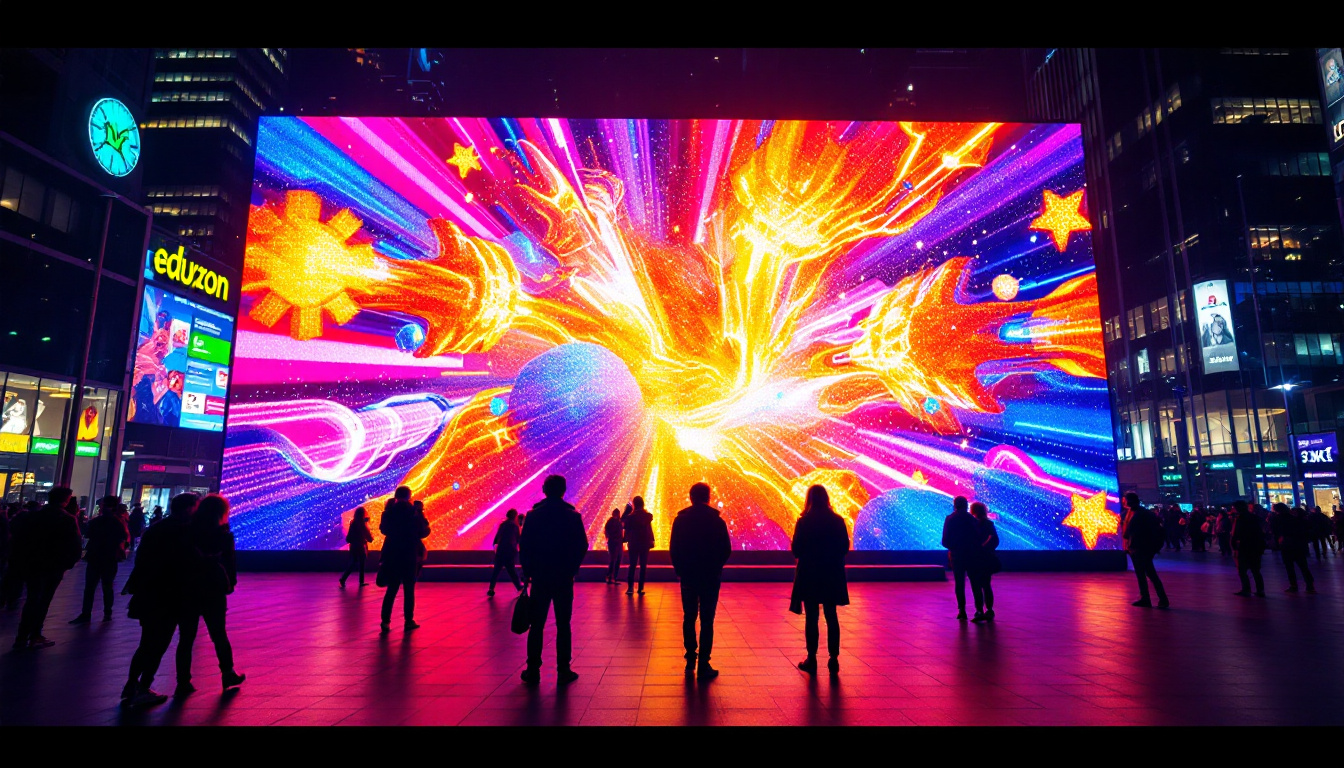
In urban centers like Times Square in New York or Piccadilly Circus in London, massive LED screens create iconic visual landmarks. Advertisers leverage these platforms to deliver real-time promotions, interactive campaigns, and even social media integrations.
Sports and Entertainment Venues
Sports stadiums and concert arenas rely heavily on LED display boards to enhance the spectator experience. Large LED screens provide live video feeds, instant replays, scores, and interactive content, ensuring fans stay engaged throughout the event.
For example, the AT&T Stadium in Texas features one of the world’s largest center-hung LED displays, measuring over 160 feet wide and 72 feet tall. This immersive setup showcases the potential of LED technology to transform live events into multimedia spectacles.
Transportation and Public Information
LED displays are vital in transportation hubs such as airports, train stations, and bus terminals. Their high visibility and reliability make them ideal for displaying schedules, alerts, and wayfinding information.
In addition, many cities use LED boards for traffic management and public safety announcements. Dynamic messaging can be updated instantly to inform drivers about road conditions, emergencies, or special events.
Key Considerations When Choosing an LED Display Board
Pixel Pitch and Resolution
Pixel pitch is a critical factor in determining the clarity and detail of an LED display. A smaller pixel pitch means higher resolution and better image quality, but also higher cost. For indoor applications where viewers are close, a fine pitch (1.2 mm to 2.5 mm) is preferred. Outdoor displays, viewed from greater distances, typically use pitches ranging from 6 mm to 20 mm.
Choosing the right pixel pitch ensures that content looks sharp without unnecessary expense.
Brightness and Contrast Ratio
Brightness must be sufficient to counter ambient light, especially outdoors. Contrast ratio—the difference between the brightest white and darkest black the display can produce—is equally important for image depth and color vibrancy.
High-quality LED boards offer brightness levels adjustable to environmental conditions, often featuring sensors to optimize display settings automatically.
Durability and Weather Resistance
Outdoor LED displays must withstand harsh weather conditions including rain, wind, dust, and temperature extremes. Look for screens with IP65 or higher ratings, indicating protection against water jets and dust ingress.
Robust construction and quality materials ensure reliable operation and reduce maintenance costs over the display’s lifespan.
Installation and Maintenance
Modular LED panels simplify installation and maintenance by allowing individual sections to be replaced or serviced without dismantling the entire screen. Consider the ease of access, mounting options, and available technical support when selecting a display system.
The Future of LED Display Technology
MicroLED and MiniLED Innovations
Emerging technologies like MicroLED and MiniLED promise to push LED display performance even further. MicroLEDs are significantly smaller than conventional LEDs, enabling ultra-high resolution and improved color accuracy. They also offer better energy efficiency and longer lifespans.
While still relatively expensive, these technologies are gradually entering premium markets such as smartphones, televisions, and specialized commercial displays.
Integration with Smart Technologies
LED displays are increasingly integrated with smart systems, including IoT sensors and AI-driven content management. This allows for dynamic, context-aware content that can adapt to audience demographics, weather, or time of day.
For example, a digital billboard might automatically change its advertisement based on traffic patterns or social media trends, maximizing relevance and engagement.
Sustainability and Eco-Friendly Solutions
As environmental concerns grow, manufacturers are focusing on sustainable LED display solutions. This includes using recyclable materials, improving energy efficiency, and designing for easy disassembly and recycling at end-of-life.
Green initiatives not only reduce environmental impact but also appeal to eco-conscious brands and consumers.
Conclusion
Big screen LED display boards have revolutionized the way information and advertising are presented in public spaces. Their unparalleled brightness, flexibility, and energy efficiency make them an indispensable tool across industries—from advertising and entertainment to transportation and public safety.
Understanding the technology behind LED displays, along with the key factors influencing performance and cost, empowers businesses and organizations to make informed decisions when investing in large-format visual communication solutions. As LED technology continues to evolve, it promises even more exciting possibilities for engaging audiences and delivering impactful messages on the big screen.
Illuminate Your Message with LumenMatrix
Ready to elevate your visual communication to new heights? Discover LumenMatrix’s comprehensive range of LED display solutions, designed to captivate your audience and amplify your brand’s presence. From the vibrant clarity of Indoor LED Wall Displays to the dynamic impact of Outdoor LED Wall Displays, and the innovative versatility of Custom and All-in-One LED Displays, LumenMatrix is at the forefront of LED innovation. Embrace the future of advertising, entertainment, and public information with our cutting-edge technology. Check out LumenMatrix LED Display Solutions today and transform your space into a beacon of engagement.