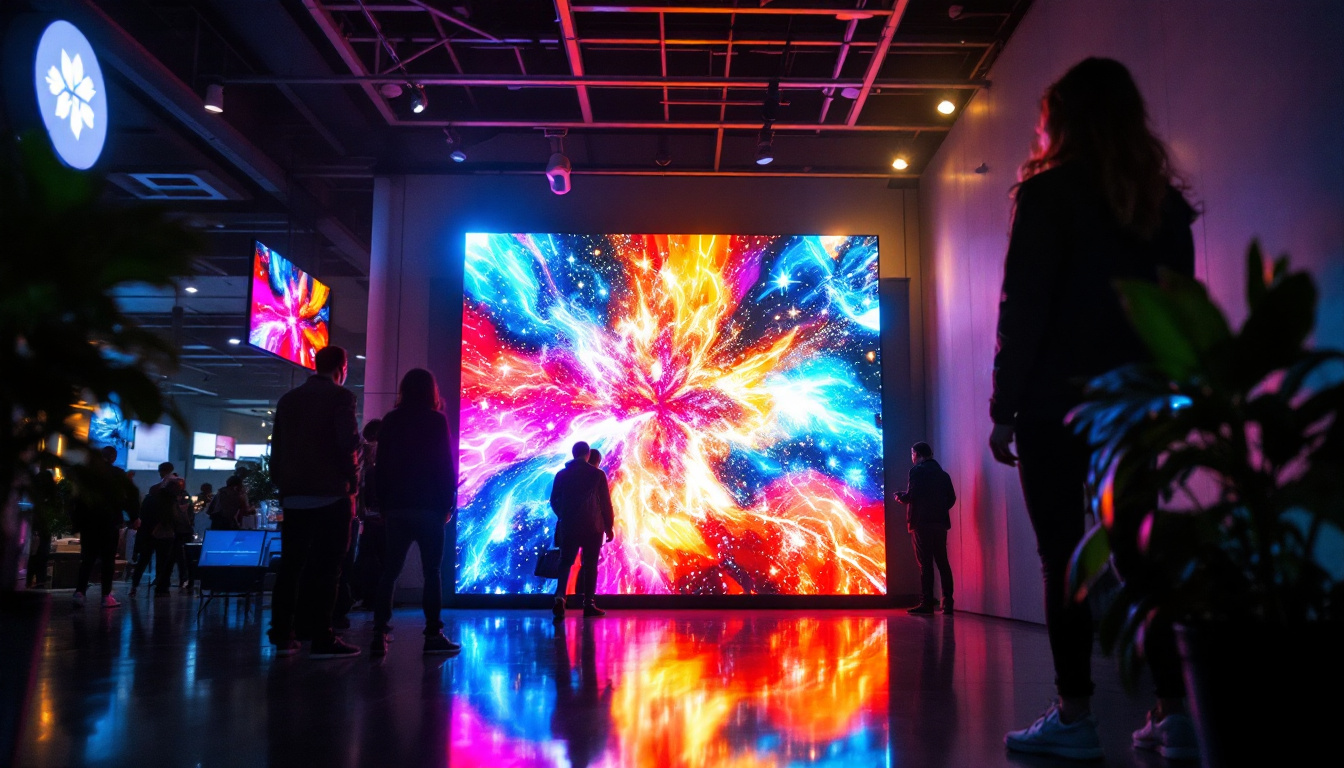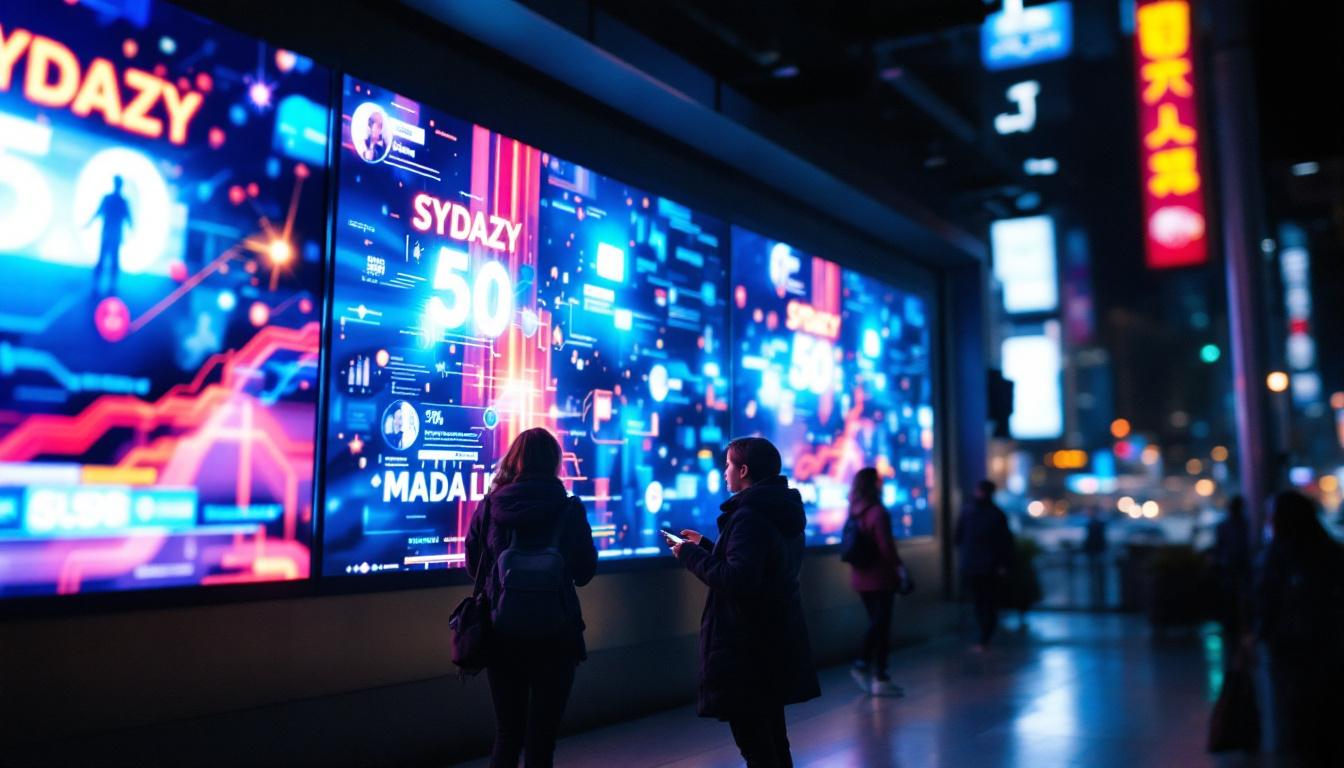
In the rapidly evolving world of digital signage, LED displays have emerged as a dominant technology, transforming how businesses communicate with their audiences. From vibrant advertising billboards to dynamic indoor screens, LED displays offer unmatched brightness, flexibility, and durability. This article delves into the fundamentals of LED display technology, its advantages, key applications, and the latest trends shaping the industry.
Understanding LED Display Technology
What is an LED Display?
LED, or Light Emitting Diode, displays consist of an array of tiny light sources that emit light when an electric current passes through them. Unlike traditional LCD or projection screens, LEDs produce their own light, enabling higher brightness levels and better contrast ratios. LED displays are composed of numerous modules or panels, each containing multiple LEDs arranged in a grid pattern. By controlling the intensity and color of each LED, these displays can render images, videos, and text with remarkable clarity and vibrancy.
Types of LED Displays
LED displays come in various forms tailored to different environments and purposes. The two primary categories are:
- Indoor LED Displays: Designed for controlled lighting conditions, these displays feature smaller pixel pitches (the distance between individual LEDs), often ranging from 0.9mm to 4mm. This allows for high-resolution images suitable for close viewing distances, such as in retail stores, conference rooms, or airports.
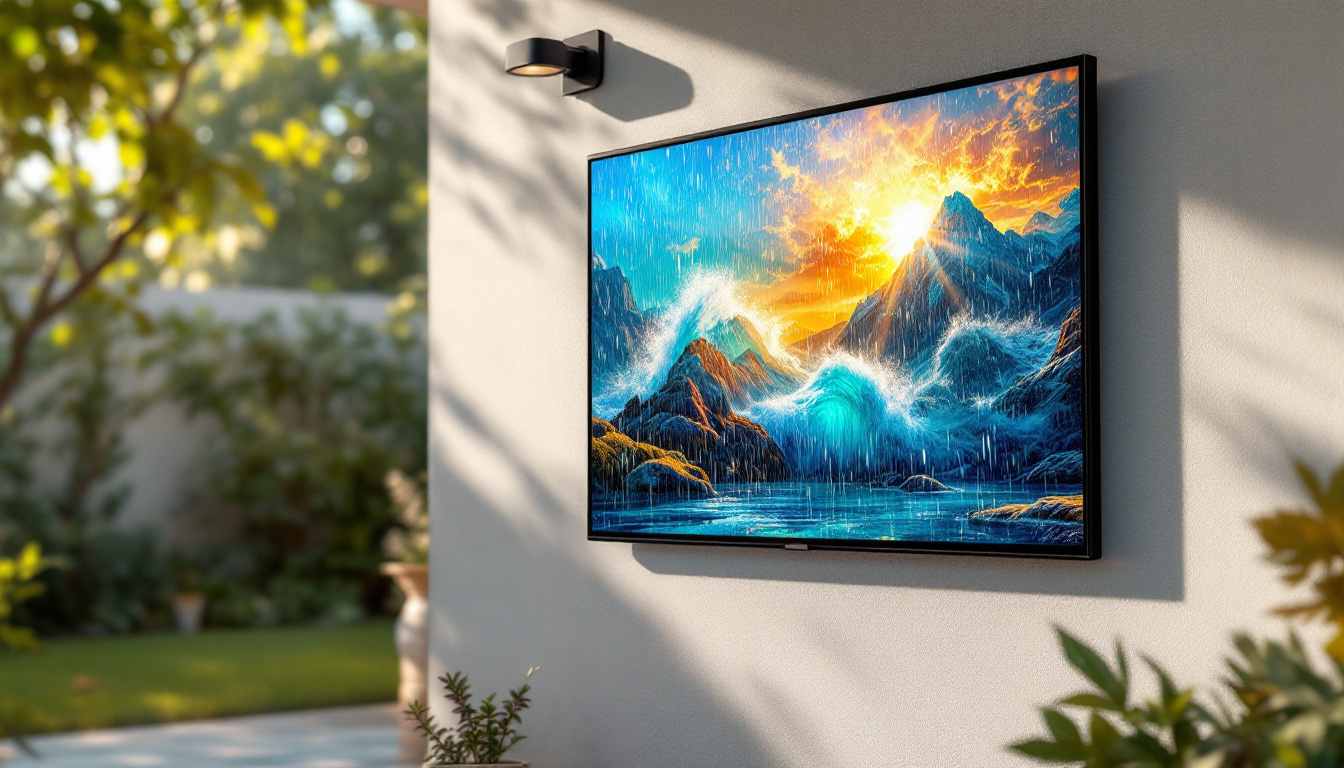
- Outdoor LED Displays: Built to withstand harsh weather conditions and direct sunlight, outdoor LEDs have larger pixel pitches (typically 4mm to 20mm or more) to maintain visibility from greater distances. Their robust construction includes waterproofing and high brightness levels, often exceeding 5,000 nits, to ensure content remains clear even in bright daylight.
Additionally, emerging technologies such as MicroLED and MiniLED are pushing the boundaries of LED display performance, offering even finer pixel pitches and improved energy efficiency. MicroLED technology, for instance, utilizes microscopic LEDs to create self-emissive pixels, which can achieve stunning resolutions and deeper blacks, making them ideal for high-end home theaters and professional applications. MiniLED, on the other hand, enhances traditional LCD displays by using a larger number of smaller LEDs for backlighting, resulting in improved contrast and color accuracy, which is particularly beneficial for HDR content.
The versatility of LED displays extends beyond just their types; they are also used in a variety of applications. From massive digital billboards that light up city skylines to smaller screens in sports arenas displaying real-time statistics, LED technology plays a crucial role in modern visual communication. Furthermore, the integration of smart technology allows for dynamic content management, enabling advertisers and event organizers to update displays in real-time, tailoring messages to specific audiences or occasions. This adaptability not only enhances viewer engagement but also maximizes the return on investment for businesses utilizing these advanced display systems.
Advantages of LED Displays in Digital Signage
Superior Brightness and Visibility
One of the most significant advantages of LED displays is their exceptional brightness. Typical LED screens can reach brightness levels between 1,000 and 6,000 nits, far surpassing LCD displays, which usually max out around 500 nits. This high brightness ensures content remains visible in various lighting conditions, including direct sunlight, making LED displays ideal for outdoor advertising and public information systems.
Energy Efficiency and Longevity
LED technology is inherently energy-efficient compared to other display types. LEDs consume less power while delivering brighter images, which translates to lower operating costs over time. Furthermore, LED displays boast impressive lifespans, often exceeding 100,000 hours of operation before significant brightness degradation occurs. This durability makes them a cost-effective investment for businesses seeking long-term digital signage solutions.
Flexibility and Customization
LED displays offer unparalleled flexibility in size and shape. Because they are modular, screens can be assembled into virtually any dimension or configuration, from small menu boards to massive stadium screens. Curved, transparent, and flexible LED panels have also become increasingly popular, allowing for innovative and eye-catching installations that capture audience attention.
Vivid Color Reproduction and Contrast
Thanks to the precise control of individual LEDs, these displays produce vibrant colors with deep blacks and high contrast ratios. This capability enhances the visual impact of digital signage content, making advertisements, announcements, and interactive displays more engaging and effective.
Key Applications of LED Displays in Digital Signage
Outdoor Advertising and Billboards
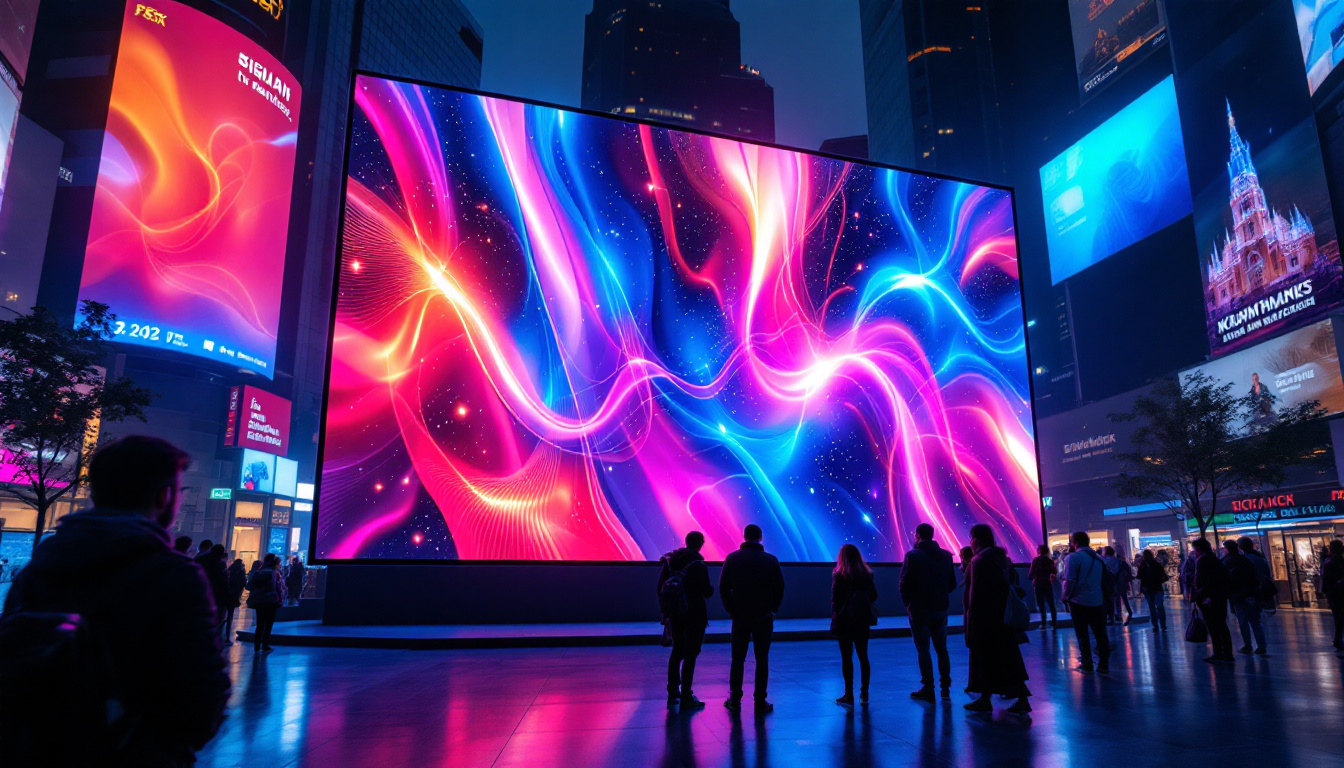
LED billboards have revolutionized outdoor advertising by enabling dynamic, real-time content updates. Unlike static posters, LED billboards can display multiple advertisements in rotation, incorporate animations or videos, and adjust brightness based on ambient light. This adaptability increases advertiser appeal and audience engagement. According to industry reports, the global digital out-of-home (DOOH) advertising market, which heavily relies on LED displays, is projected to grow at a compound annual growth rate (CAGR) of over 10% through 2027.
Retail and Shopping Centers
In retail environments, LED displays serve as powerful tools for brand promotion and customer interaction. High-resolution indoor LED screens can showcase product launches, promotions, and interactive content that enhances the shopping experience. Retailers also use LED video walls for immersive storytelling and to create visually striking store layouts. The ability to quickly update content remotely helps retailers stay agile in fast-changing markets.
Transportation Hubs and Public Spaces
Airports, train stations, and bus terminals utilize LED displays to provide travelers with real-time information such as schedules, alerts, and wayfinding assistance. The high visibility and reliability of LED technology ensure critical messages are delivered clearly to large, diverse audiences. Additionally, LED screens in public spaces can be used for community announcements, emergency notifications, and cultural events.
Sports Arenas and Entertainment Venues
Sports venues benefit from large-scale LED screens that enhance spectator experiences by displaying live game footage, replays, and interactive content. These displays also offer advertising opportunities during events. The flexibility of LED panels allows for creative installations, including ribbon boards and immersive video walls that wrap around seating areas.
Latest Trends and Innovations in LED Display Technology
MicroLED and MiniLED Advancements
MicroLED and MiniLED technologies represent the next frontier in LED displays. MicroLEDs are microscopic LEDs that enable ultra-high resolution and contrast comparable to OLED displays but with greater brightness and longevity. MiniLEDs, which use smaller LEDs as backlighting for LCD panels, improve contrast and color accuracy while reducing power consumption. Both technologies are gaining traction in premium digital signage and consumer electronics.
Interactive and Smart LED Displays
Interactivity is becoming a key feature in digital signage, with LED displays integrating touch sensors, gesture recognition, and artificial intelligence. Smart LED displays can adapt content based on audience demographics, environmental factors, or user inputs, creating personalized and engaging experiences. For example, retail stores use interactive LED walls to recommend products based on customer behavior, while public installations offer wayfinding through touch-enabled screens.
Energy-Efficient and Sustainable Solutions
As sustainability becomes a priority, manufacturers are developing LED displays with lower power consumption and recyclable materials. Innovations include dynamic brightness control, improved thermal management, and eco-friendly manufacturing processes. These advancements help businesses reduce their carbon footprint while maintaining high-quality digital signage.
Integration with IoT and Cloud-Based Management
Modern LED signage systems increasingly leverage Internet of Things (IoT) connectivity and cloud-based platforms for remote content management and monitoring. This integration allows operators to update displays instantly, track performance metrics, and perform predictive maintenance, reducing downtime and operational costs. Cloud-based solutions also facilitate scalability, enabling large networks of LED displays to be managed from a single interface.
Choosing the Right LED Display for Your Digital Signage Needs
Assessing Viewing Distance and Environment
Selecting an appropriate LED display begins with understanding the viewing distance and environmental conditions. Smaller pixel pitches are ideal for close-range viewing, such as in retail stores or conference rooms, while larger pixel pitches suit outdoor billboards and stadium screens viewed from afar. Environmental factors like ambient light, weather exposure, and installation location also influence the choice between indoor and outdoor-rated displays.
Resolution and Pixel Pitch Considerations
The resolution of an LED display is determined by its pixel pitch and overall size. A smaller pixel pitch means higher resolution and finer image detail. For applications requiring detailed graphics or text, such as corporate presentations or digital menus, investing in a high-resolution display is crucial. Conversely, for large-scale advertising viewed from a distance, a lower resolution with a larger pixel pitch may suffice.
Budget and Total Cost of Ownership
While LED displays can represent a significant upfront investment, it is important to consider the total cost of ownership, including installation, maintenance, and energy consumption. High-quality LED displays typically offer better longevity and lower operating costs, making them more economical over time. Additionally, modular designs facilitate easier repairs and upgrades, protecting the initial investment.
Content Management and Software Compatibility
Effective digital signage relies on robust content management systems (CMS) that allow easy scheduling, updating, and customization of displayed content. When choosing an LED display, ensure compatibility with your preferred CMS and consider features like remote management, multi-screen synchronization, and support for various media formats. Integration with existing IT infrastructure can streamline operations and improve overall efficiency.
Conclusion
LED display technology has become a cornerstone of modern digital signage, offering unparalleled brightness, versatility, and durability. Its ability to deliver vivid, dynamic content across diverse environments makes it an invaluable tool for advertisers, retailers, public institutions, and entertainment venues alike. As innovations like MicroLED, interactive features, and IoT integration continue to advance, LED displays will only grow more powerful and adaptable.
For businesses seeking to enhance their visual communication strategies, understanding the nuances of LED technology is essential. By carefully considering factors such as pixel pitch, environmental conditions, and content management needs, organizations can select the ideal LED display solution that maximizes engagement and delivers measurable results.
Explore Cutting-Edge LED Display Solutions with LumenMatrix
Ready to elevate your visual communication strategy with the latest in LED display technology? LumenMatrix is at the forefront of innovation, offering a diverse range of LED display modules designed to capture attention and create immersive visual experiences. From Indoor and Outdoor LED Wall Displays to specialized solutions like Vehicle, Sports, and Floor LED Displays, our products are crafted to revolutionize how businesses engage with their audiences. Discover how LumenMatrix’s custom and all-in-one LED display solutions can transform your brand visibility and messaging. Check out LumenMatrix LED Display Solutions today and take the first step towards a brighter, more dynamic future.