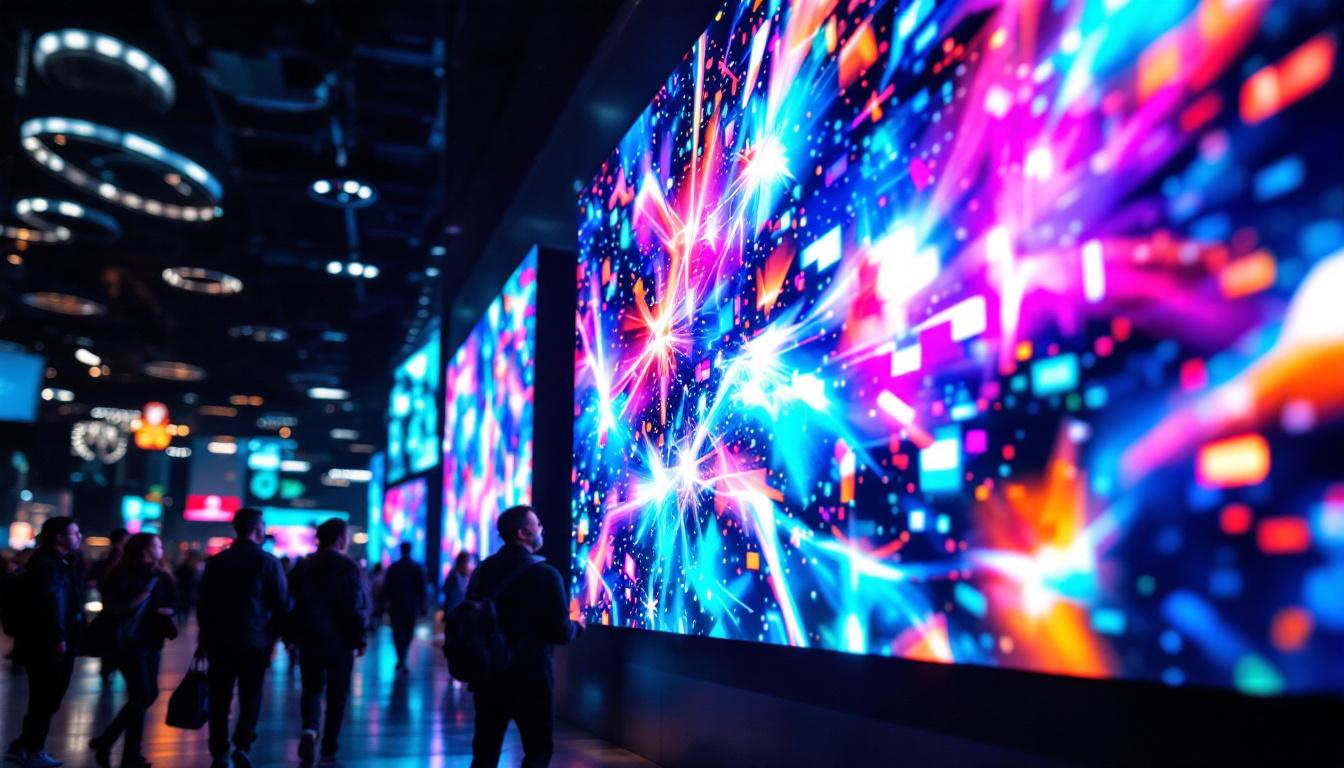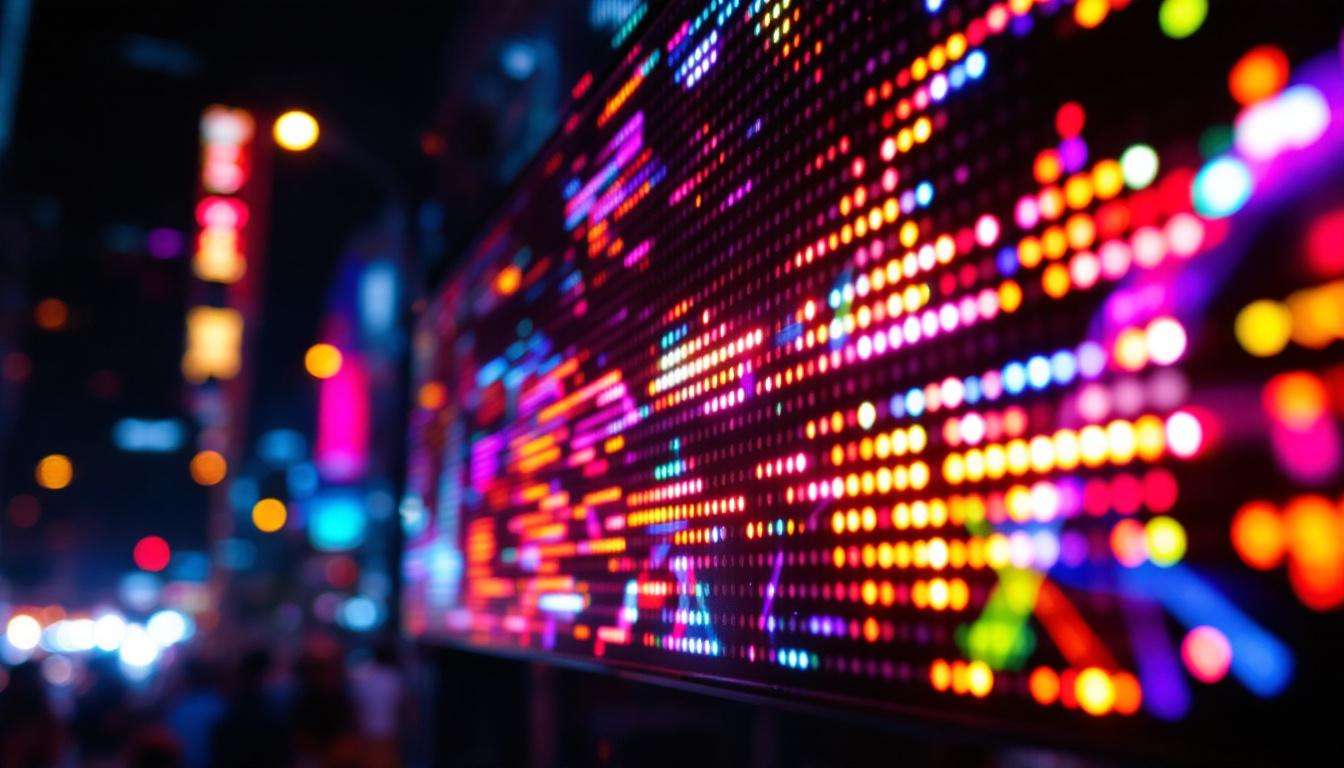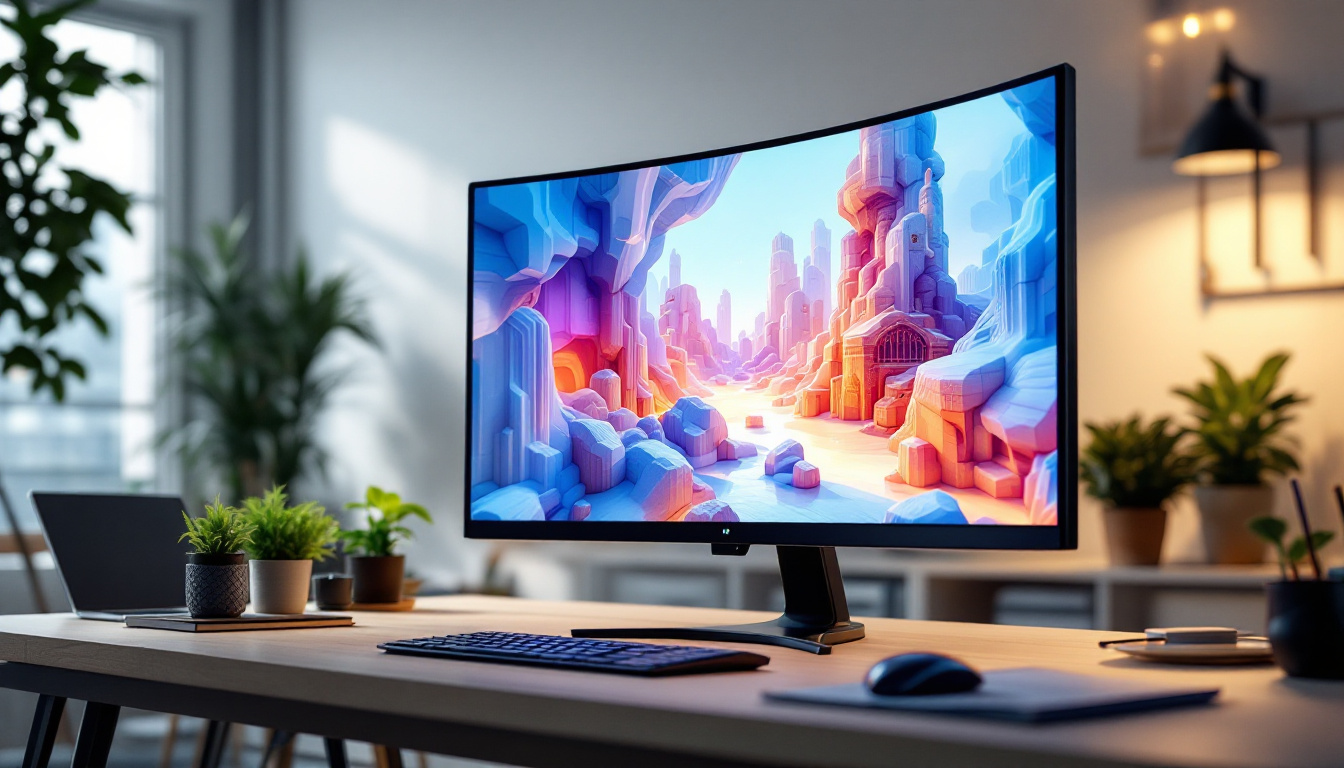
In today’s fast-paced digital world, LED displays have become an integral part of advertising, information dissemination, and entertainment. From towering billboards in Times Square to vibrant screens in stadiums and retail stores, LED displays captivate audiences with their brightness, clarity, and versatility. But what exactly goes into making these displays, and who are the key players behind their production? This article delves into the world of LED display manufacturers, explaining the technology, types, applications, and industry trends shaping this dynamic market.
Understanding LED Display Technology
What is an LED Display?
LED stands for Light Emitting Diode, a semiconductor device that emits light when an electric current passes through it. An LED display is a flat panel display that uses an array of LEDs as pixels to create images and videos. Unlike traditional LCD or plasma screens, LED displays are self-illuminating, meaning each diode emits its own light, enabling higher brightness and contrast levels.
LED displays are composed of thousands to millions of tiny LEDs arranged in a grid. These LEDs can be red, green, blue, or a combination, which together produce a full spectrum of colors through a process called additive color mixing. The ability to control each LED individually allows for high-resolution images and dynamic content. This technology not only enhances visual experiences but also contributes to energy efficiency, as LED displays consume less power compared to their predecessors, making them a more sustainable choice for both consumers and businesses.
Types of LED Displays
LED displays come in various forms, each suited for different applications:
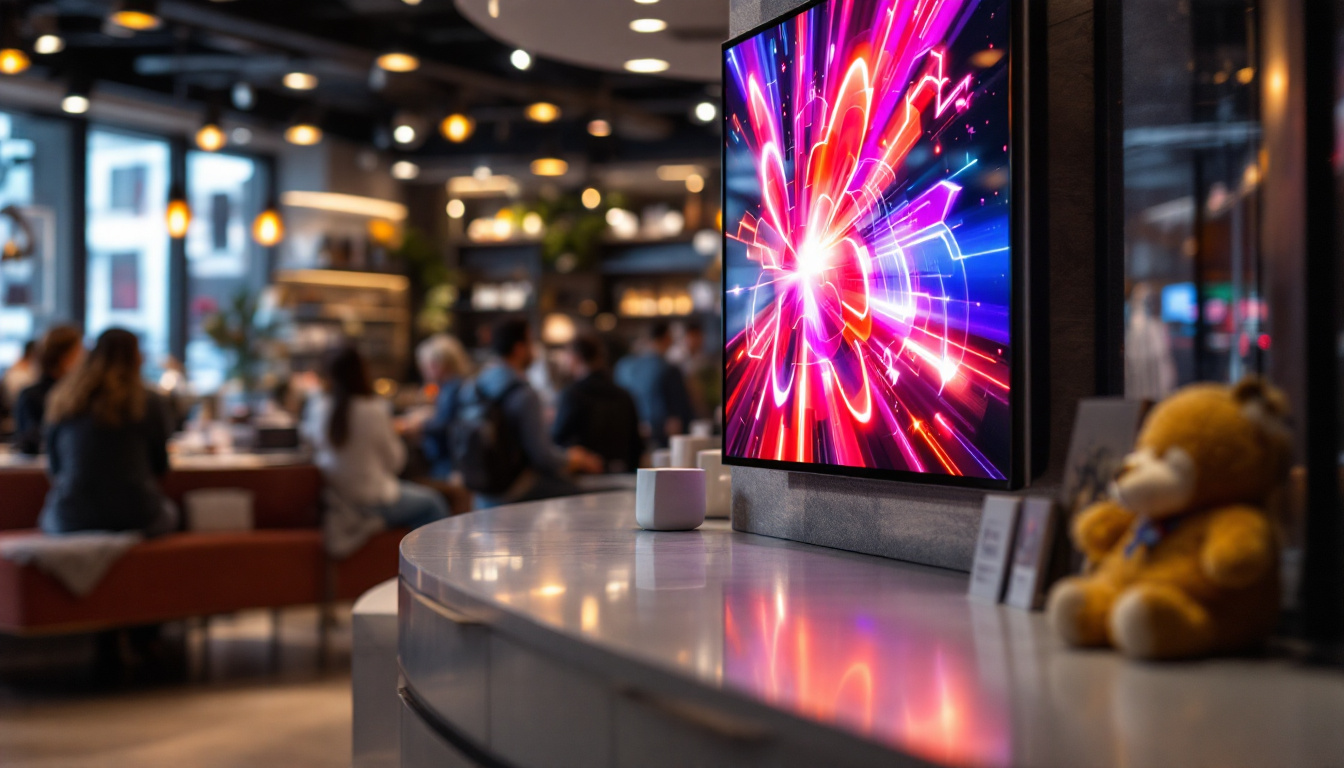
- Indoor LED Displays: Designed for close viewing distances, these displays have smaller pixel pitches (the distance between LEDs) to provide higher resolution and finer detail. They are commonly used in conference rooms, retail environments, and indoor advertising. The vibrant colors and sharp images make them ideal for presentations and promotional displays, capturing the attention of audiences effectively.
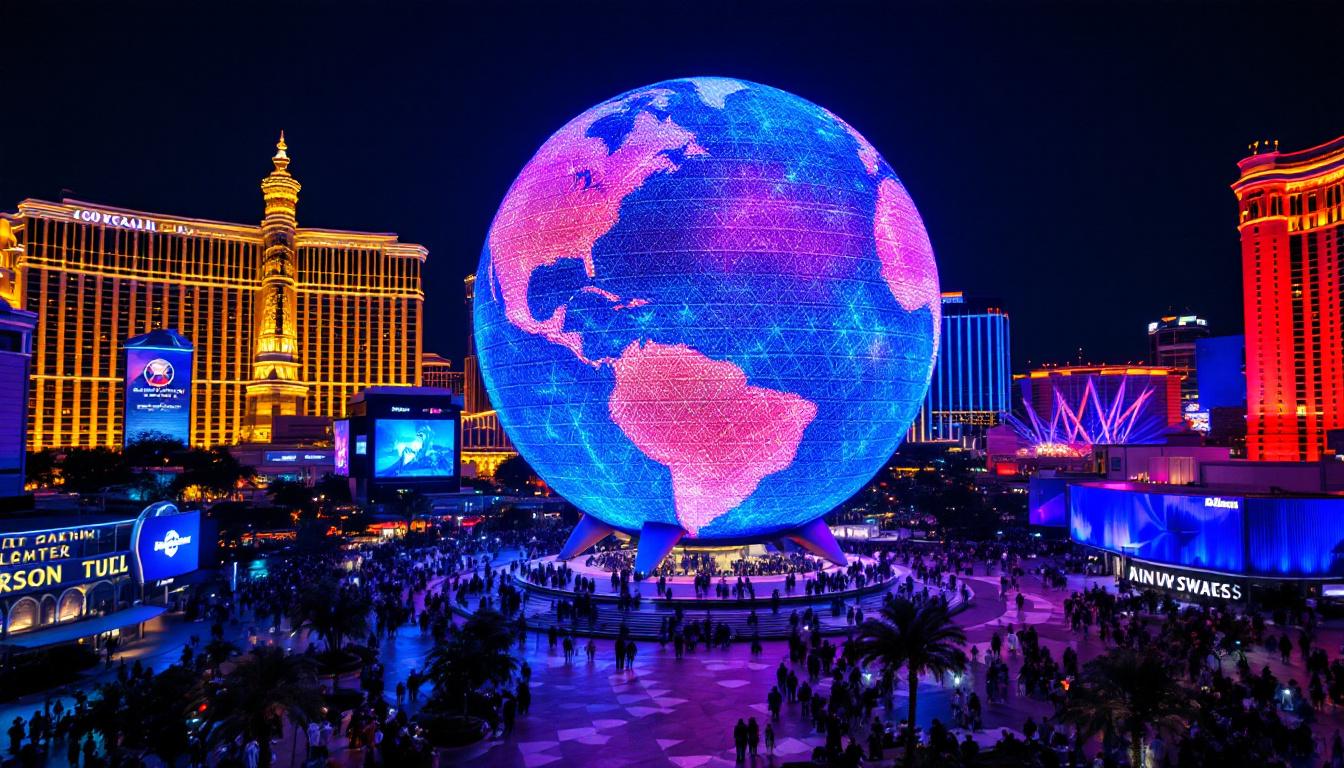
- Outdoor LED Displays: Built to withstand harsh weather conditions, these displays have larger pixel pitches and higher brightness levels to remain visible in direct sunlight. They are often found in sports arenas, billboards, and public information boards. The durability of outdoor LED displays ensures they can operate continuously, providing real-time information and advertisements to large crowds, thus maximizing engagement and visibility.
- Flexible and Transparent LED Displays: Innovations in LED technology have led to flexible panels that can curve around surfaces and transparent screens that allow light to pass through, opening new possibilities in architectural design and retail displays. These displays can be integrated into windows or walls, creating a seamless blend of technology and environment, which is particularly appealing in modern retail spaces where aesthetic and functionality coexist.
Moreover, the advancements in LED technology have paved the way for high-definition video walls that can be configured in various shapes and sizes, making them perfect for immersive experiences in entertainment venues and exhibitions. The modular nature of these displays allows for easy upgrades and repairs, ensuring longevity and adaptability in a rapidly evolving technological landscape. As LED technology continues to advance, we can expect even more innovative applications that enhance how we interact with digital content in our daily lives.
The Role of LED Display Manufacturers
From Components to Complete Solutions
LED display manufacturers are responsible for designing, assembling, and testing LED panels and screens. Their expertise spans multiple disciplines, including electronics, optics, materials science, and software engineering. The manufacturing process typically involves sourcing high-quality LEDs, driver ICs (integrated circuits), control systems, and structural components. Each of these elements must be meticulously engineered to ensure optimal performance, longevity, and visual appeal. For instance, the choice of materials can greatly influence the brightness and color accuracy of the display, while the design of the control systems determines how effectively the display can be integrated with various content sources.
Leading manufacturers often provide turnkey solutions, offering not just the hardware but also software for content management, installation services, and after-sales support. This end-to-end approach ensures that clients receive reliable, customized displays tailored to their specific needs. Furthermore, many manufacturers are now incorporating smart technology into their displays, allowing for features such as remote monitoring, real-time content updates, and interactive capabilities. This evolution in technology not only enhances user experience but also opens up new avenues for businesses to engage with their audiences in dynamic ways.
Key Players in the Industry
The LED display manufacturing industry is highly competitive and global. Some of the most prominent manufacturers include companies like Samsung Electronics, LG Electronics, Unilumin, Leyard, and Daktronics. These companies invest heavily in research and development to improve display quality, energy efficiency, and durability. Their commitment to innovation is evident in the development of advanced technologies such as MicroLED and MiniLED, which promise to deliver even higher resolutions and better color performance than traditional LED displays.
Emerging manufacturers from China have significantly impacted the market by offering cost-effective solutions without compromising quality. This has made LED displays more accessible to small and medium-sized businesses worldwide. Additionally, the rise of these manufacturers has fostered healthy competition, driving down prices and spurring innovation across the industry. As a result, we are witnessing a rapid evolution in display technology, with new features such as flexible displays and ultra-thin designs becoming increasingly common. This democratization of technology is empowering a broader range of industries—from retail to entertainment—to leverage high-quality visual displays to enhance their branding and customer engagement strategies.
Applications of LED Displays Across Industries
Advertising and Marketing
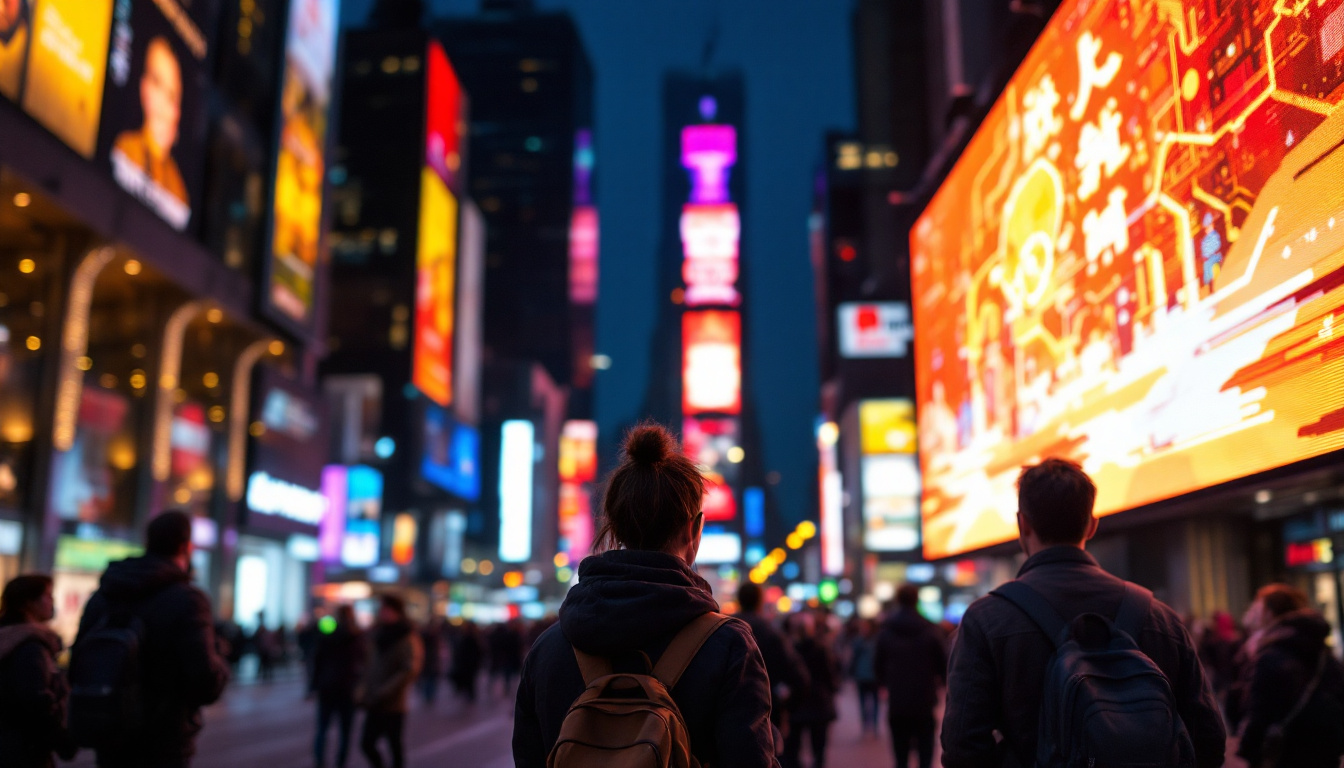
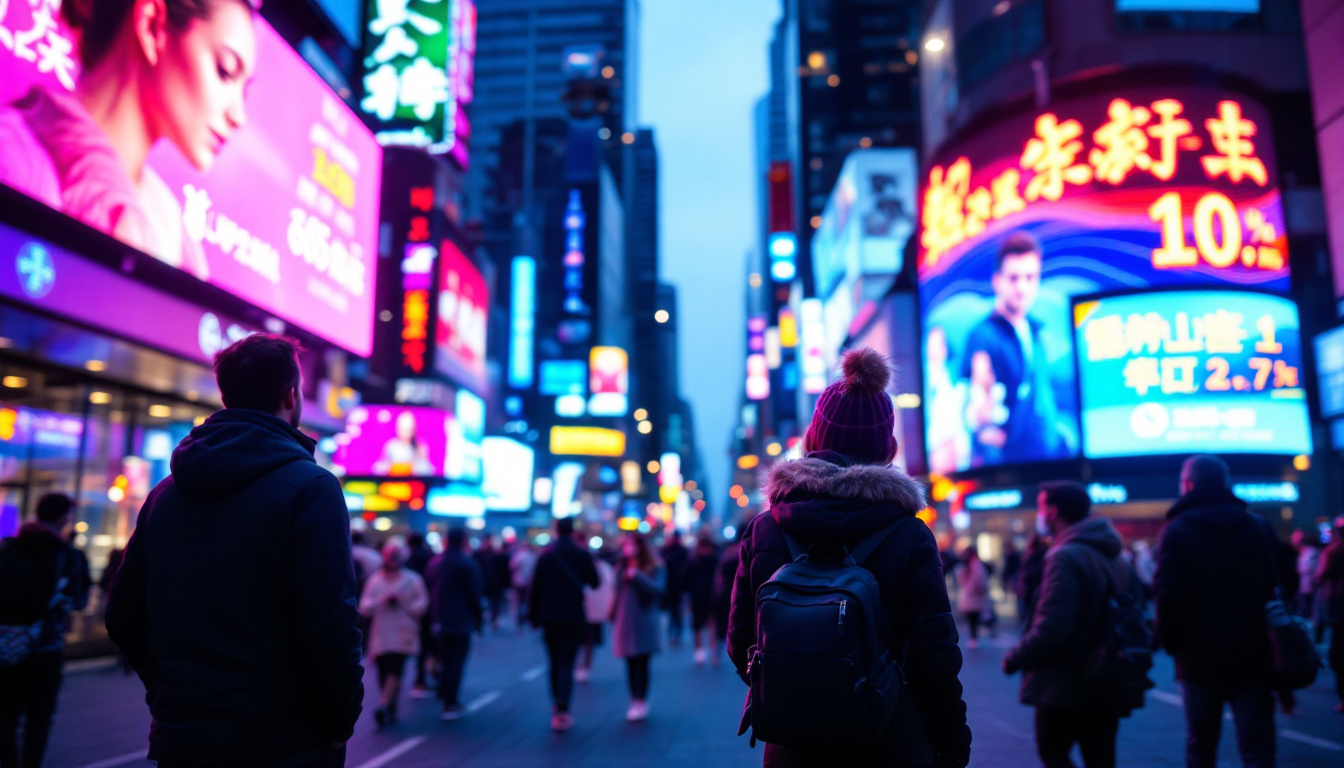
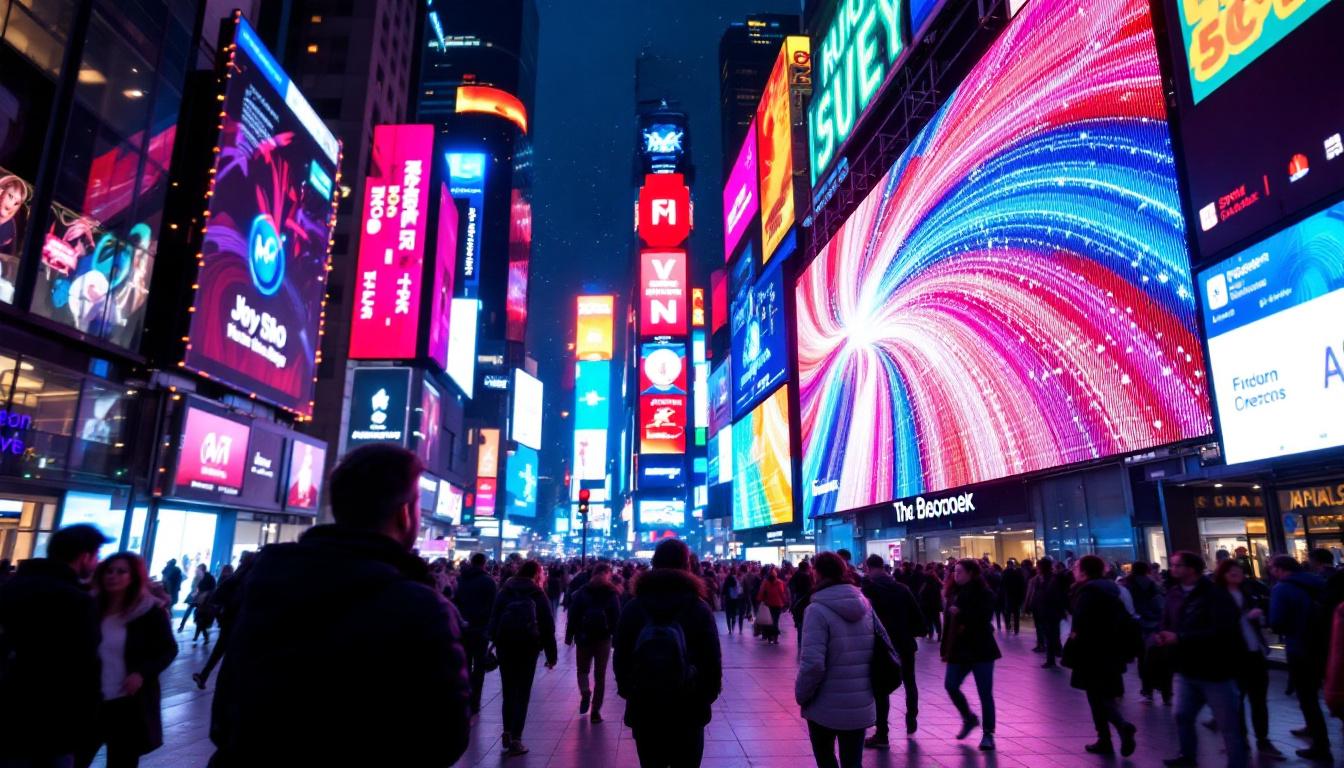
One of the most visible uses of LED displays is in outdoor advertising. Digital billboards equipped with LED technology offer dynamic, eye-catching content that can be updated remotely in real time. This flexibility allows advertisers to tailor messages based on time of day, weather conditions, or audience demographics.
Indoor LED displays are also popular in retail environments, enhancing customer engagement through interactive signage and promotional content. Studies have shown that digital signage can increase sales by up to 30%, highlighting the effectiveness of LED displays in marketing strategies.
Sports and Entertainment Venues
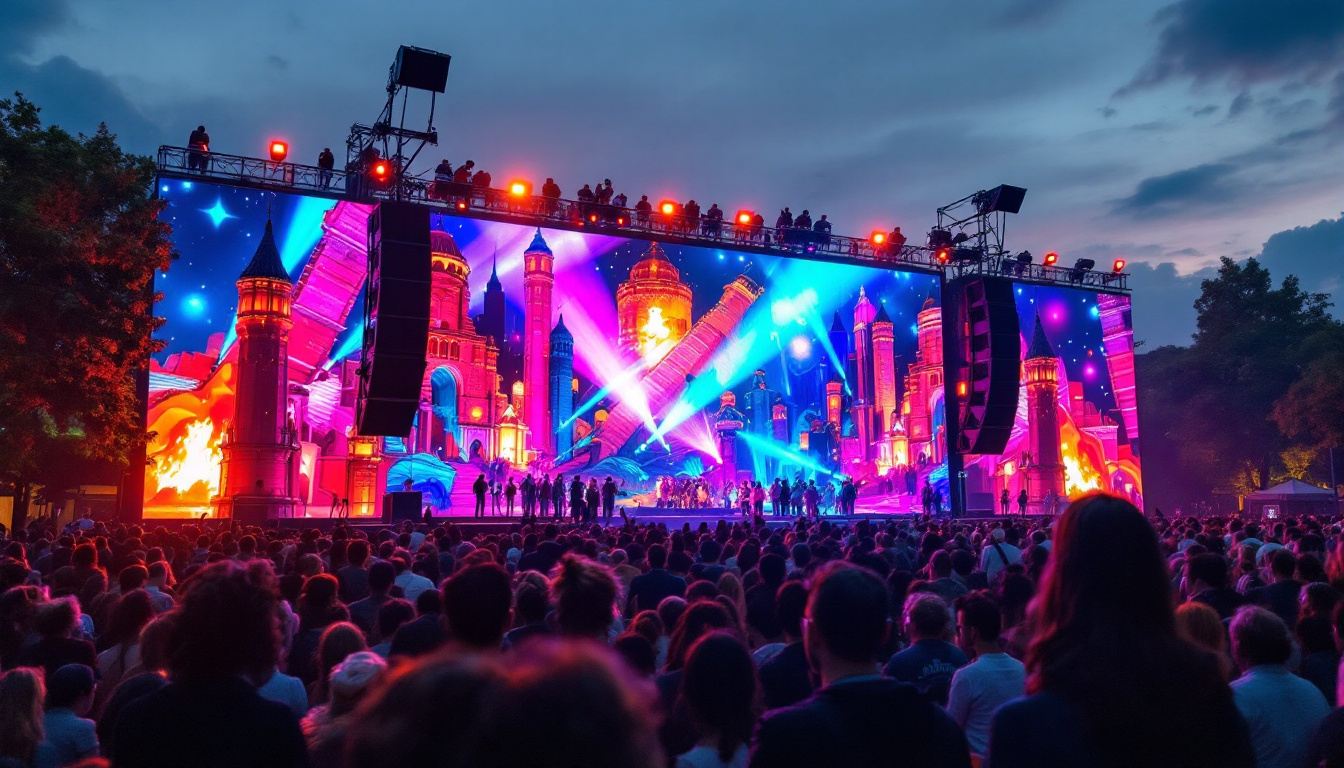
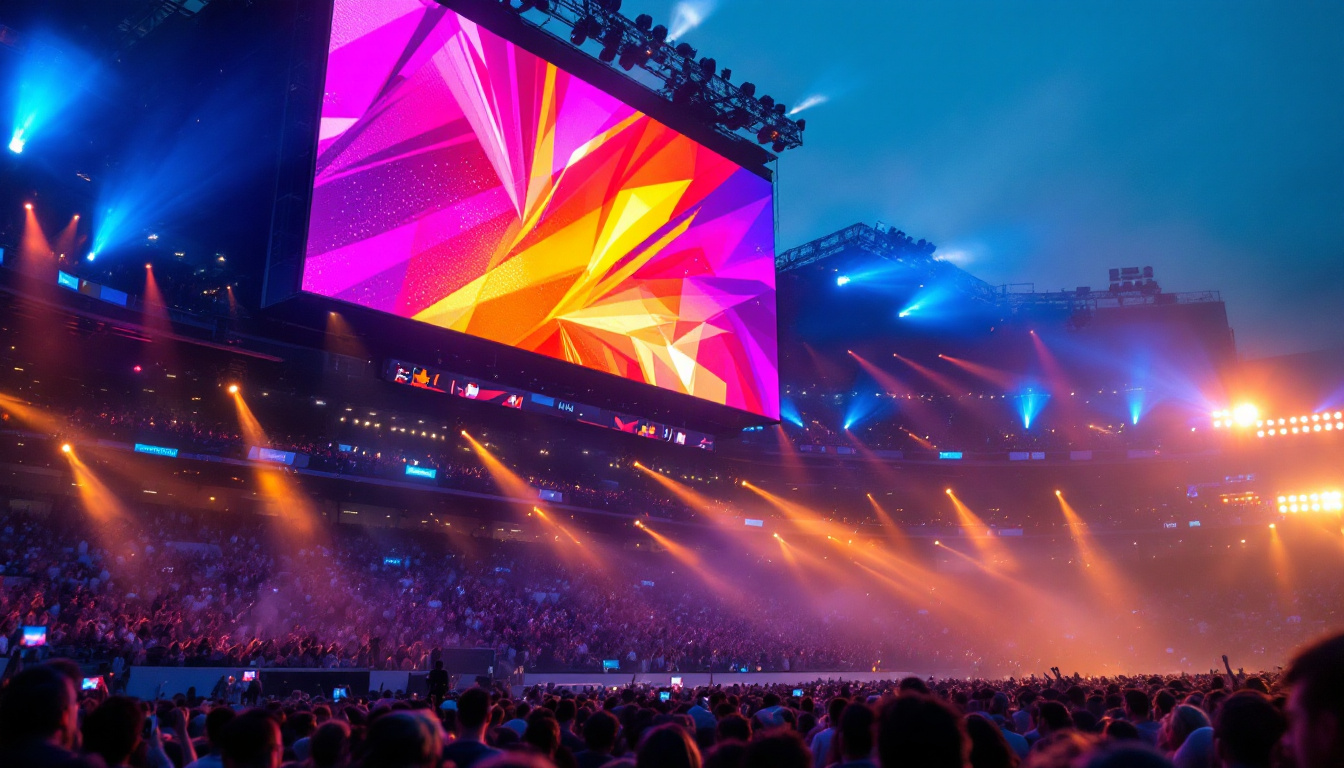
Stadiums and arenas rely on large-scale LED displays to provide spectators with instant replays, scores, and interactive content. The high brightness and wide viewing angles of LED screens ensure visibility even in daylight and from distant seating areas.
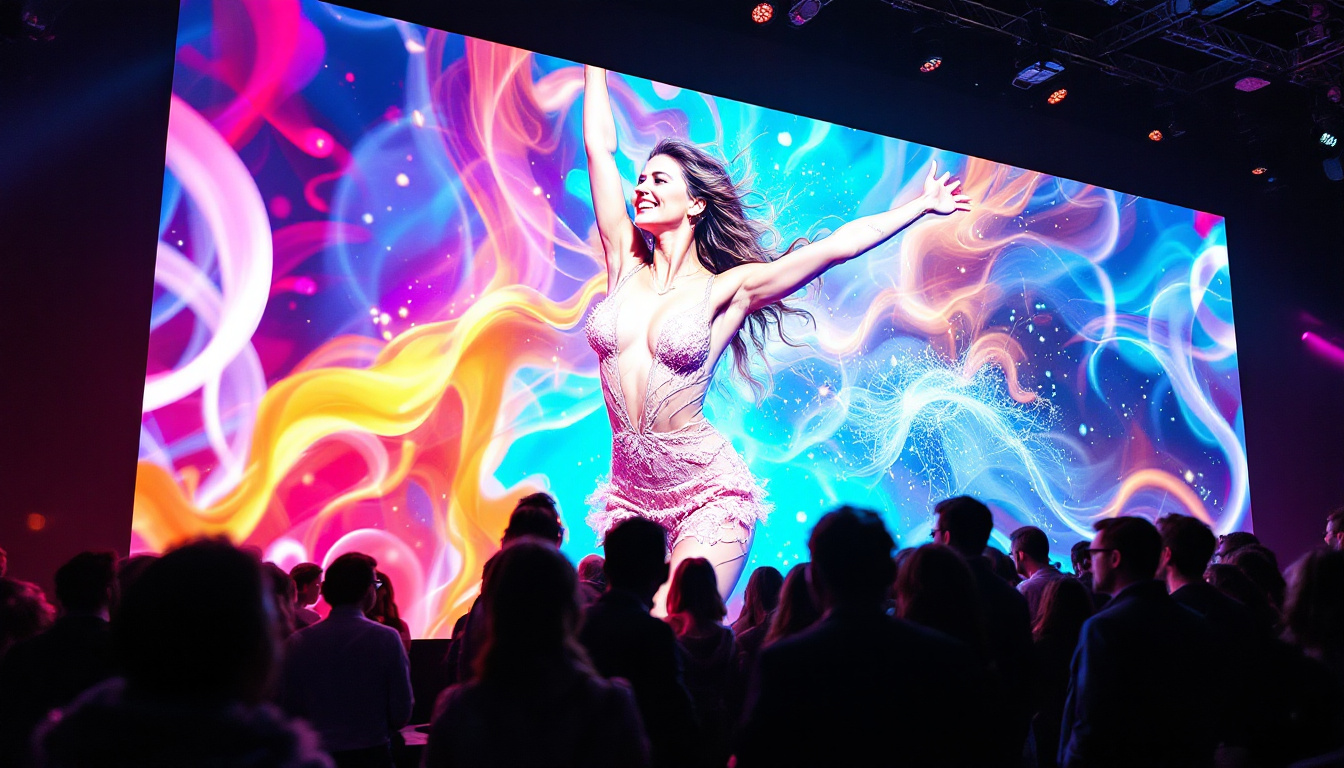
Concerts and events use LED walls and floors to create immersive visual experiences. The ability to customize shapes and sizes allows designers to integrate LED displays seamlessly into stage designs, enhancing the overall production value.
Transportation and Public Information
LED displays are essential in airports, train stations, and bus terminals for real-time information dissemination. Their reliability and visibility make them ideal for schedules, alerts, and wayfinding signage.
Smart city initiatives increasingly incorporate LED displays for public safety messages, traffic updates, and environmental monitoring, contributing to more connected and informed urban environments.
Technological Trends and Innovations in LED Display Manufacturing
Mini-LED and Micro-LED Technologies
Recent advancements have introduced mini-LED and micro-LED technologies, which use smaller diodes to achieve higher pixel densities and improved image quality. Mini-LED backlighting enhances LCD displays by providing better contrast and brightness, while micro-LEDs promise self-emissive displays with superior color accuracy and energy efficiency.
These technologies are gaining traction in high-end televisions, smartphones, and professional displays, pushing the boundaries of what LED displays can achieve.
Energy Efficiency and Sustainability
With growing environmental concerns, manufacturers are focusing on reducing the energy consumption of LED displays. Innovations such as adaptive brightness control, efficient driver circuits, and recyclable materials help minimize the ecological footprint.
Some manufacturers have adopted circular economy principles, designing displays for easy disassembly and component reuse, aligning with global sustainability goals.
Integration with IoT and Smart Technologies
Smart LED displays equipped with sensors and connectivity features enable real-time data collection and remote management. Integration with Internet of Things (IoT) platforms allows for dynamic content adjustment based on environmental factors or user interactions.
This connectivity enhances the functionality of LED displays in retail analytics, traffic management, and public safety applications.
Choosing the Right LED Display Manufacturer
Factors to Consider
When selecting an LED display manufacturer, several factors should be evaluated to ensure the best fit for your project:
- Quality and Reliability: Verify the manufacturer’s reputation, certifications, and product warranties to ensure durable and high-performance displays.
- Customization Capabilities: Consider whether the manufacturer can tailor displays to your specific size, resolution, and environmental requirements.
- Technical Support and Service: Evaluate the availability of installation assistance, maintenance services, and customer support.
- Cost and Budget: Balance the quality and features against your budget constraints, keeping in mind that cheaper options may incur higher long-term costs.
- Innovation and Future-Proofing: Choose manufacturers who invest in R&D and offer scalable solutions to keep pace with technological advancements.
Case Study: Successful LED Display Implementation
One notable example is the deployment of a massive outdoor LED display in a major metropolitan transit hub. The manufacturer provided a weather-resistant, high-brightness screen with integrated IoT sensors to monitor crowd density and air quality. This installation not only enhanced passenger experience with real-time updates but also contributed to urban management efforts.
The success of this project underscored the importance of partnering with a manufacturer capable of delivering customized, technologically advanced solutions.
Conclusion
LED displays have revolutionized the way information and advertising are presented in public and private spaces. Understanding the technology behind these displays and the role of manufacturers helps businesses and organizations make informed decisions when investing in LED solutions. As innovations continue to emerge, LED display manufacturers remain at the forefront of delivering vibrant, efficient, and versatile displays that meet the evolving needs of diverse industries.
Whether for advertising, entertainment, transportation, or smart city applications, choosing the right LED display and manufacturer is crucial to achieving impactful and sustainable results.
Discover LumenMatrix’s Innovative LED Displays
As you consider the vast possibilities of LED displays for your business or project, LumenMatrix stands ready to illuminate your vision. With a commitment to innovation and quality, LumenMatrix offers a comprehensive range of LED display solutions, from Indoor and Outdoor LED Walls to specialized options like Vehicle, Sports, and Floor LED Displays. Our mission is to transform your visual communication, ensuring your message resonates with brilliance and precision. To explore how our LED display modules can elevate your brand and create immersive experiences, Check out LumenMatrix LED Display Solutions today.