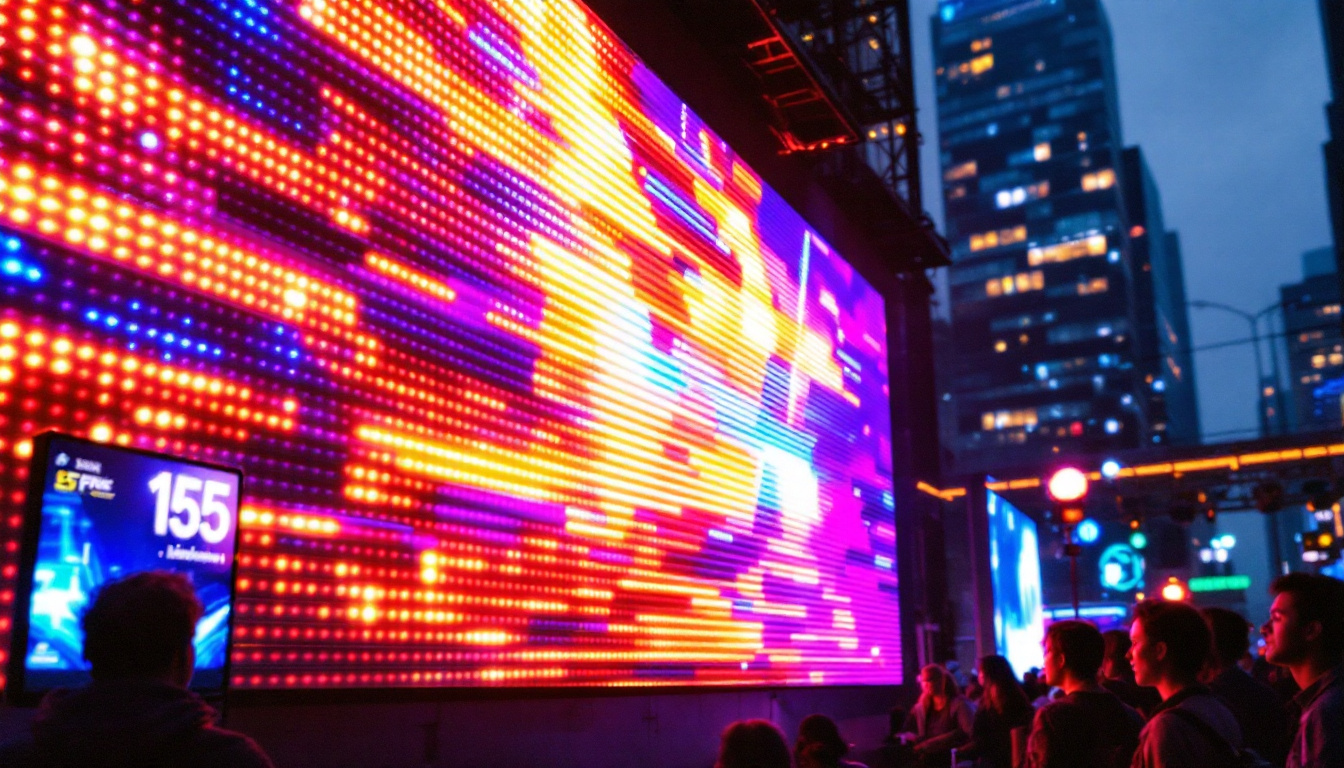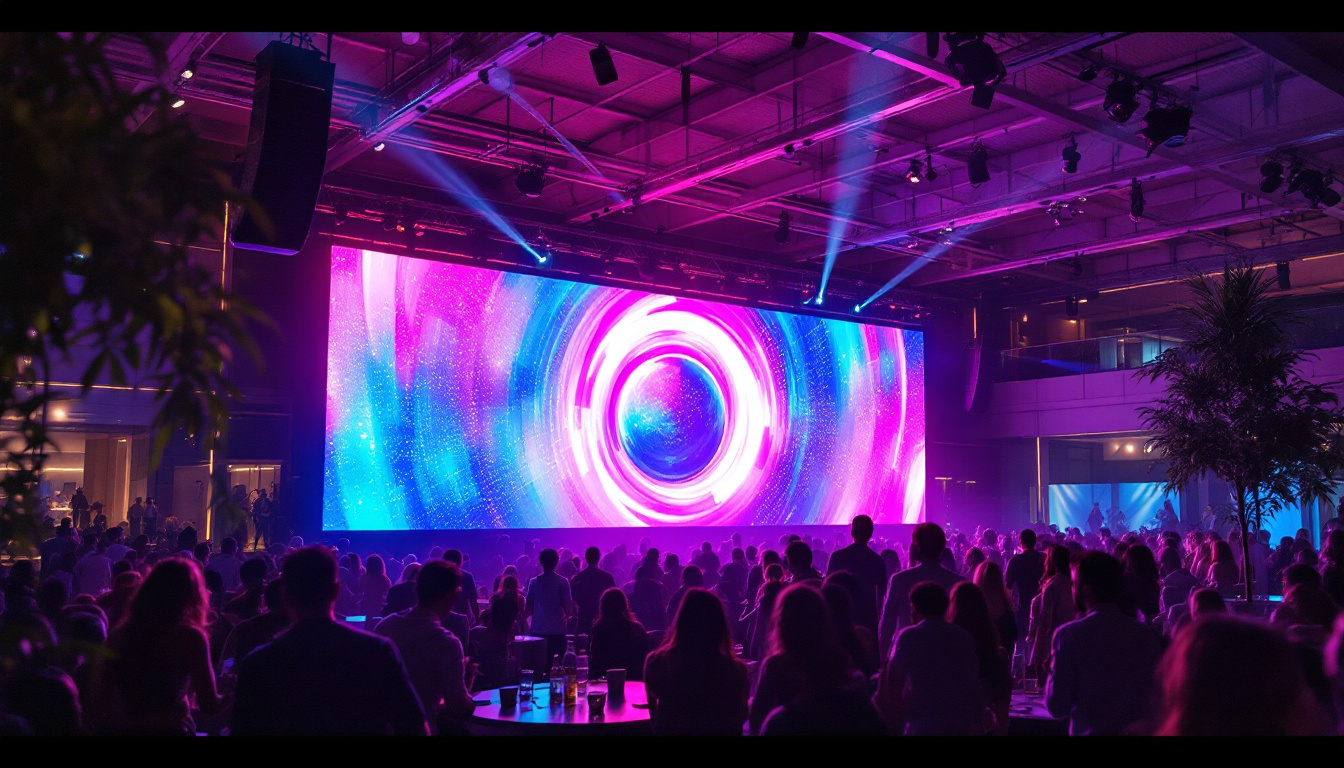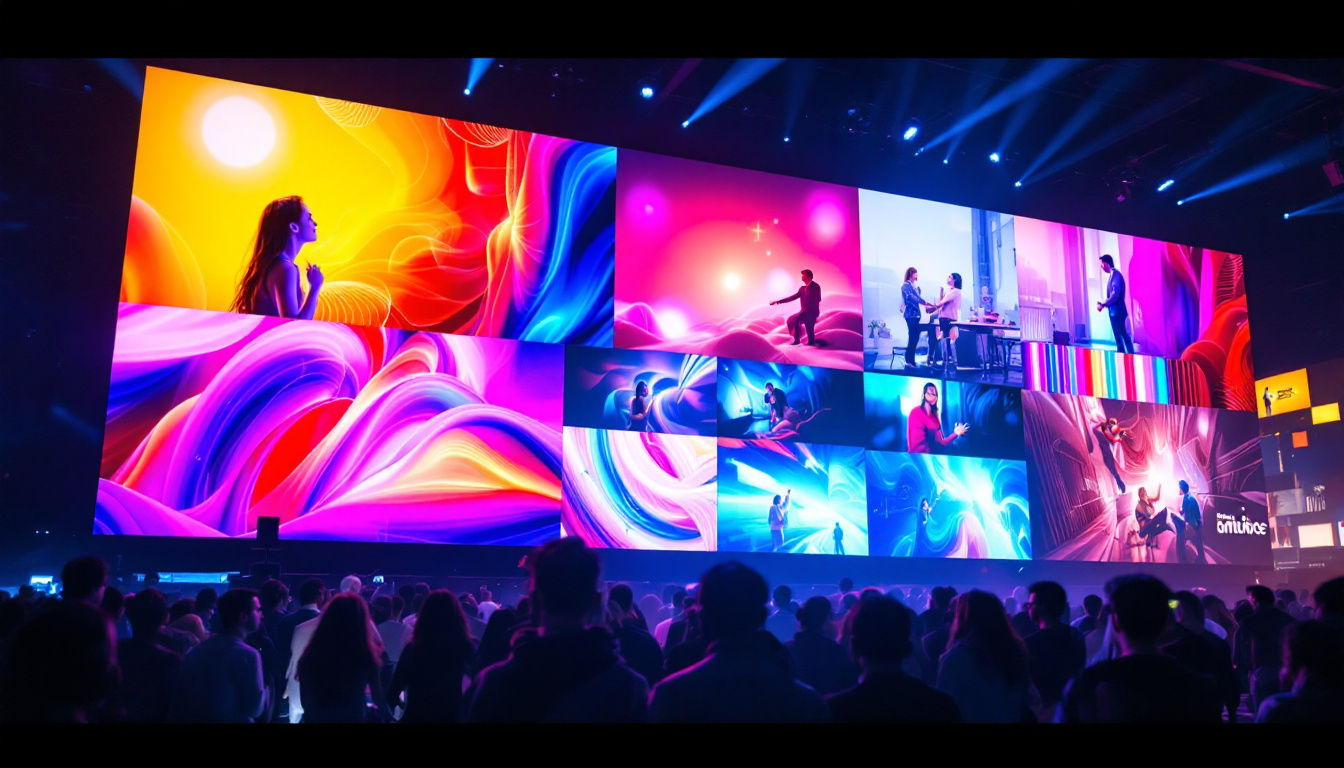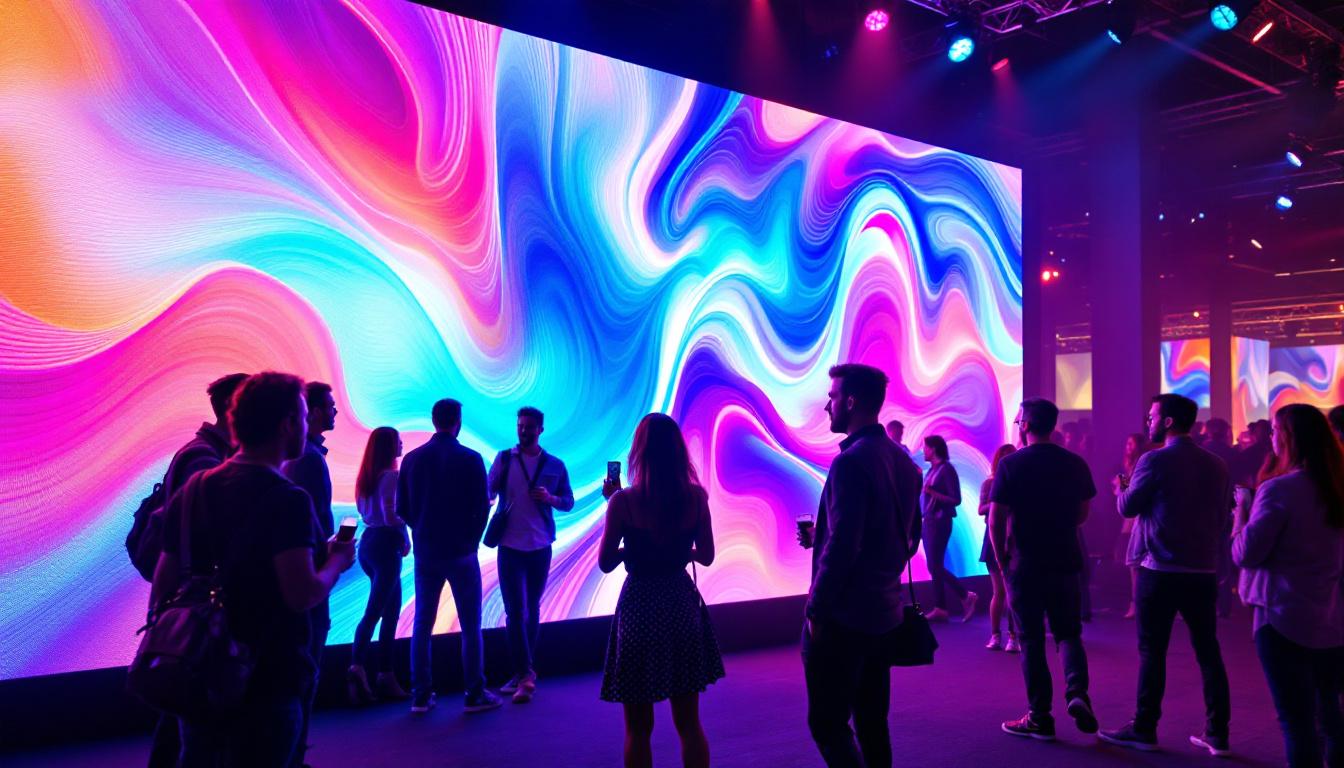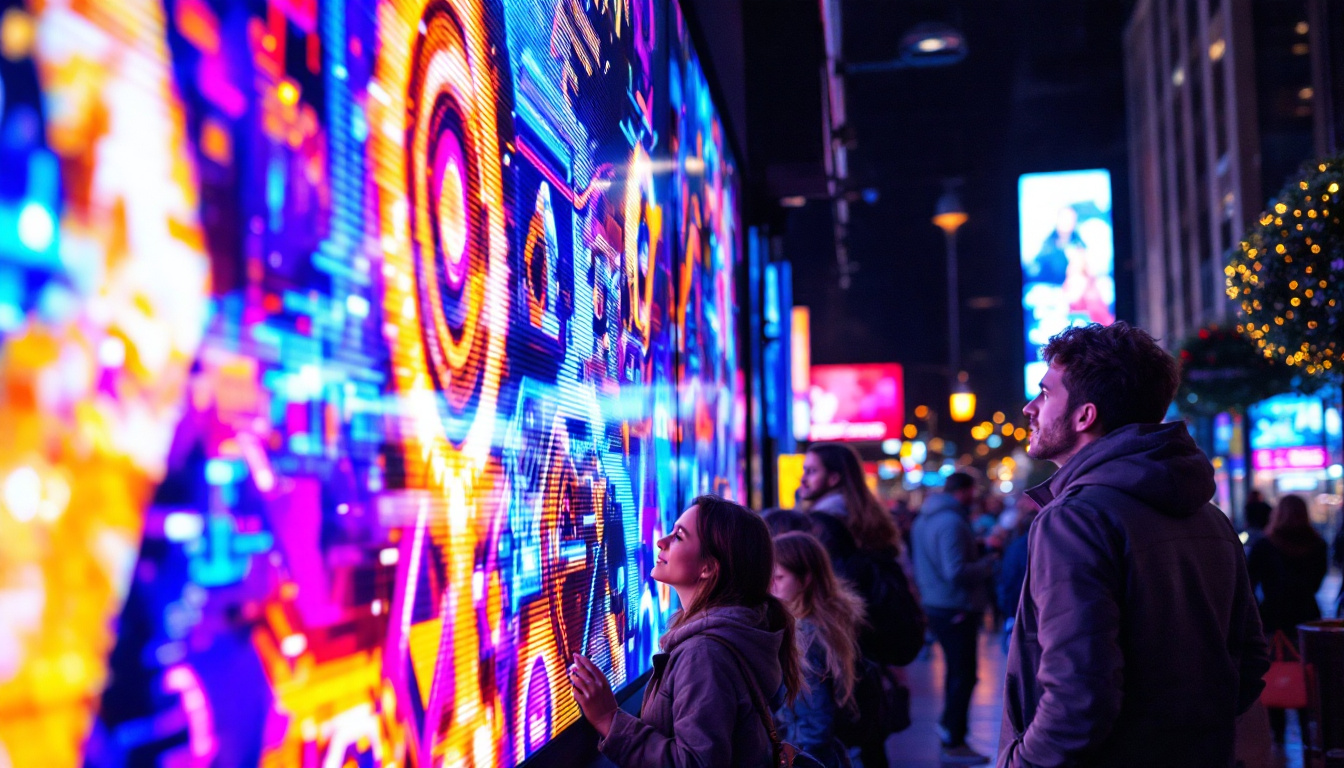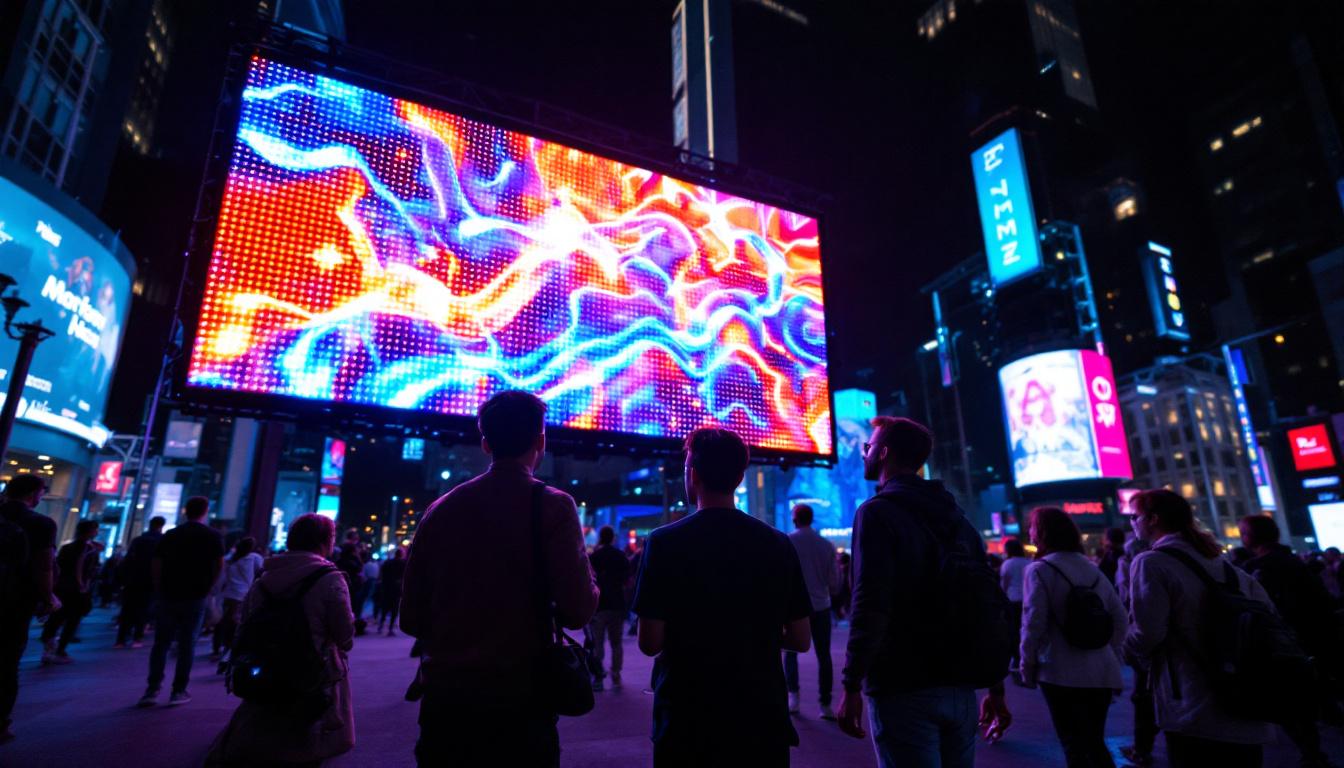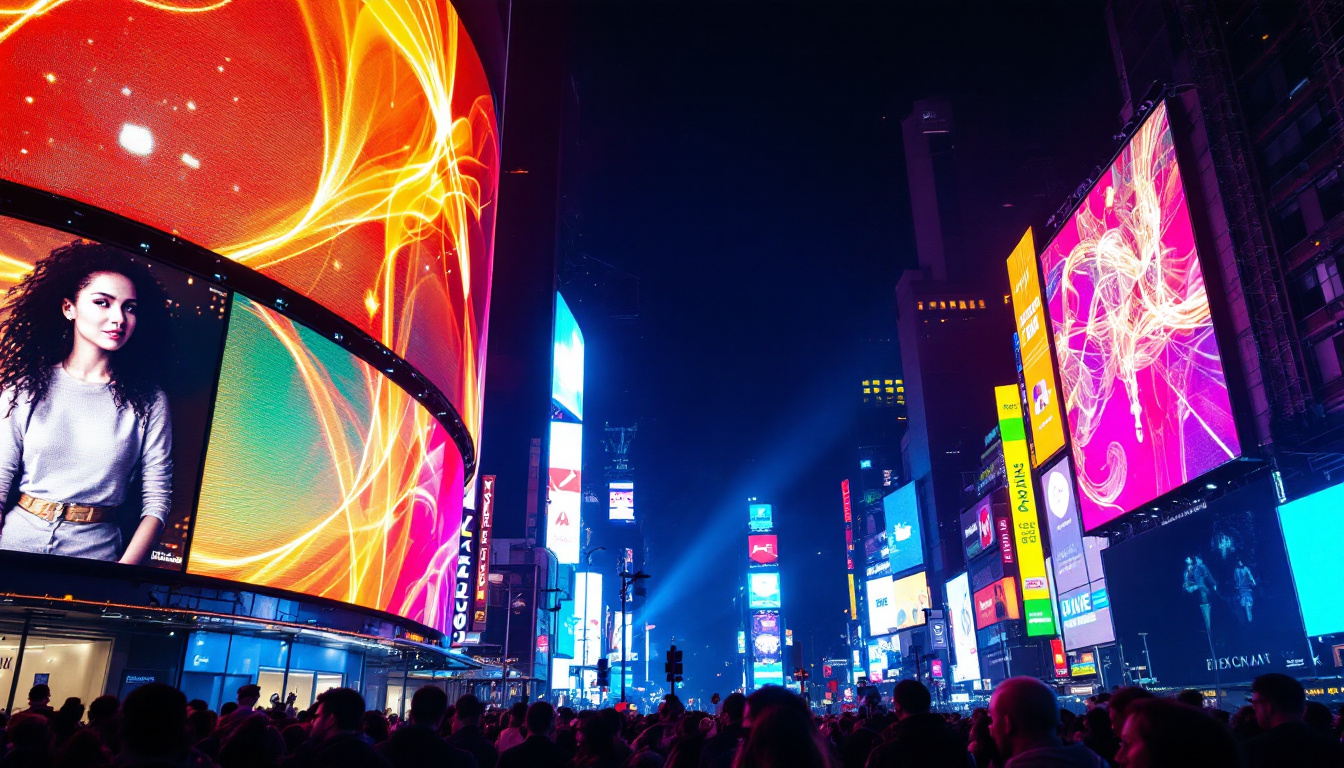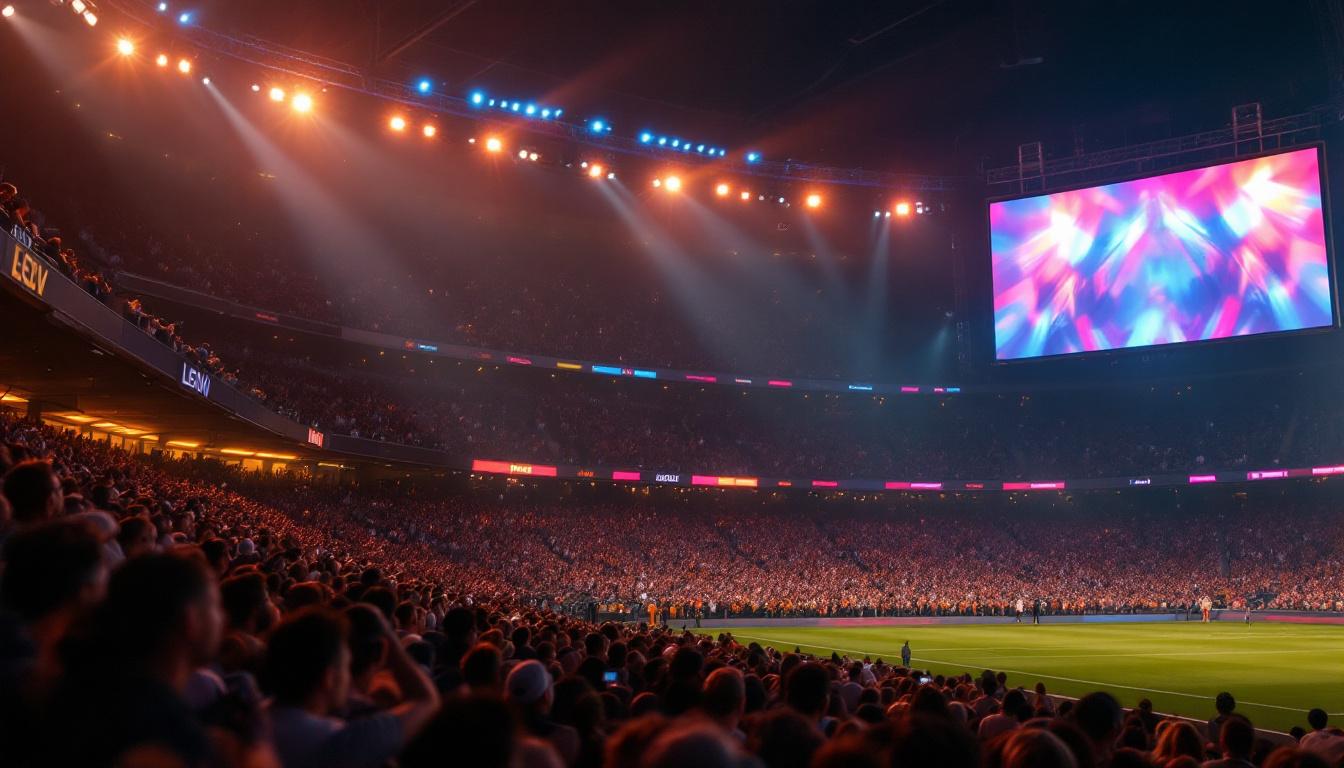
In the modern era of sports and entertainment, stadiums have transformed into immersive environments where fans expect more than just a live event. Central to this transformation is the use of LED stadium screens, which have revolutionized how audiences experience games, concerts, and other large-scale events. This article delves into the technology behind LED displays, their applications in stadiums, and why they have become indispensable in delivering dynamic and engaging content to thousands of spectators.
Understanding LED Technology in Stadium Screens
LED, or Light Emitting Diode, technology forms the backbone of stadium screens. Unlike traditional display technologies such as LCD or projection, LEDs emit light directly, allowing for brighter, more vivid images that remain clear even under direct sunlight. This makes LED screens especially suitable for outdoor stadium environments. The ability to produce high-quality visuals in various lighting conditions not only enhances the spectator experience but also plays a crucial role in broadcasting events to a wider audience, ensuring that viewers at home can enjoy the same clarity and detail as those in attendance.
At its core, an LED display consists of thousands of tiny LEDs arranged in a matrix. Each LED acts as a pixel, capable of producing a wide range of colors by combining red, green, and blue diodes. The intensity of each diode is controlled to create the desired color and brightness, resulting in a high-resolution image that can be viewed from great distances. This technology allows for dynamic content, such as animations and live feeds, to be displayed seamlessly, keeping fans engaged and informed throughout the event. The versatility of LED screens also enables them to be used for various applications, from displaying scores and advertisements to showcasing replays and player statistics.
Types of LED Displays Used in Stadiums
There are primarily two types of LED displays used in stadiums: indoor and outdoor LED screens. Outdoor LED screens are built to withstand harsh weather conditions, including rain, wind, and extreme temperatures. They feature higher brightness levels, often exceeding 5,000 nits, to ensure visibility even in direct sunlight. Indoor LED screens, on the other hand, prioritize higher pixel density and color accuracy, as they operate in controlled lighting environments. These screens often utilize advanced technologies such as HDR (High Dynamic Range) to enhance color depth and contrast, creating a more immersive viewing experience for fans seated inside arenas.
Another important classification is based on pixel pitch, which refers to the distance between the centers of two adjacent LEDs. Smaller pixel pitches (e.g., 2mm to 4mm) provide higher resolution and are suitable for screens viewed from closer distances. Larger pixel pitches (e.g., 10mm to 20mm) are common in massive stadium screens viewed from far away, where ultra-high resolution is less critical than overall size and brightness. Additionally, advancements in LED technology have led to the development of flexible and curved displays, allowing for innovative designs that can fit any stadium architecture. These cutting-edge displays not only enhance the aesthetic appeal of the venue but also provide unique viewing angles that can further engage fans and elevate the overall event experience.
Why LED Stadium Screens Are Essential
Stadiums are no longer just venues for watching sports; they are entertainment hubs that engage fans before, during, and after events. LED stadium screens play a pivotal role in enhancing this experience by offering a variety of functions that benefit both spectators and event organizers.
Enhancing Fan Engagement and Experience
One of the primary reasons stadiums invest in LED screens is to boost fan engagement. These screens display live action replays, close-ups, and instant highlights, allowing spectators to catch every critical moment, even if they are seated far from the field. Additionally, LED screens can show player statistics, interactive games, and social media feeds, creating a more interactive and immersive experience.
For example, during the 2022 FIFA World Cup, stadiums around the world utilized giant LED screens to provide real-time stats and instant replays, significantly enhancing the viewing experience for fans in the stands. This level of engagement helps maintain excitement and keeps the audience invested throughout the event. Moreover, the integration of augmented reality features on these screens allows fans to visualize player movements and strategies, deepening their understanding of the game and fostering a stronger connection to their favorite teams.
Advertising and Revenue Generation
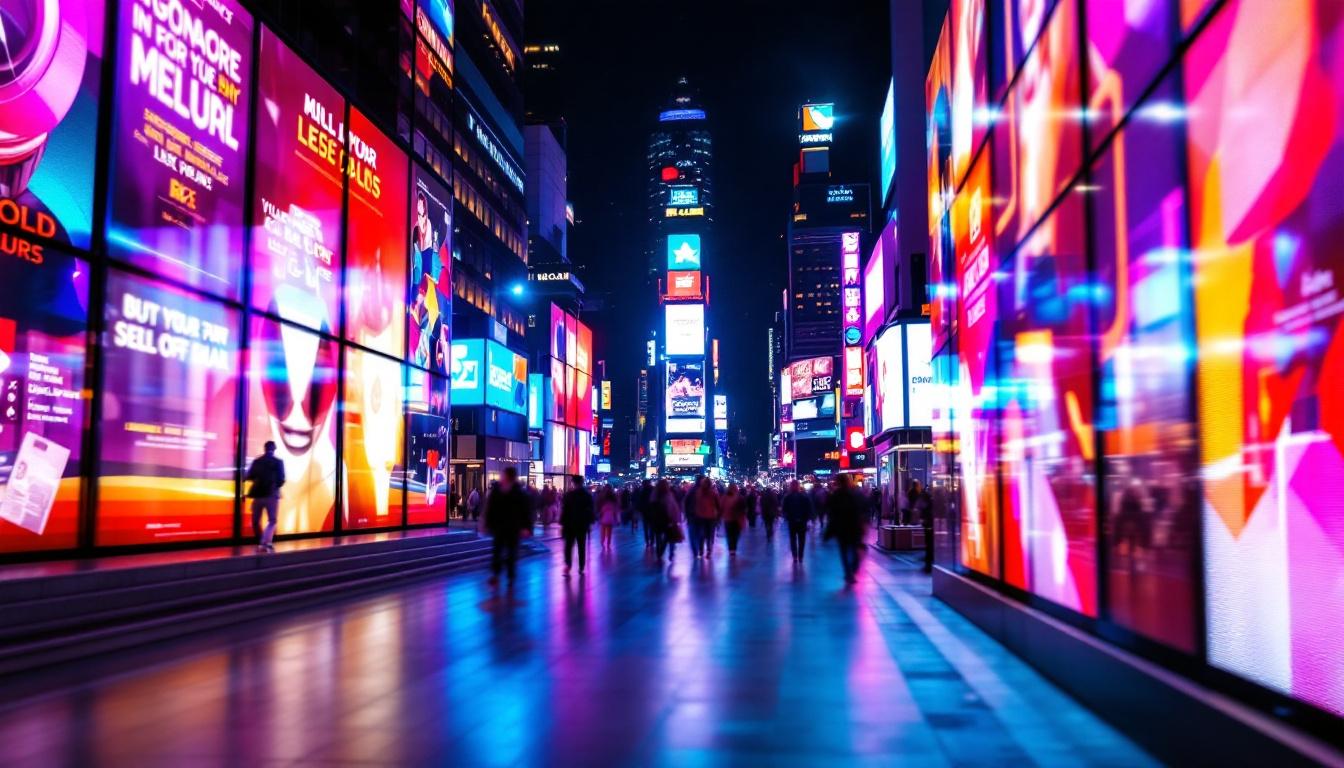
LED stadium screens are also powerful tools for advertising and sponsorship. Their large size and high visibility make them ideal for displaying dynamic advertisements that can change throughout the event. This flexibility allows stadiums to maximize advertising revenue by offering multiple sponsors the opportunity to showcase their brands during a single game or concert.
According to industry reports, digital out-of-home advertising, including LED stadium screens, is expected to grow by over 10% annually through 2025. This trend underscores the increasing importance of LED displays as revenue-generating assets for stadium operators. Furthermore, the ability to track viewer engagement through analytics provides sponsors with valuable insights into their campaigns’ effectiveness, making advertising on LED screens not just a visual experience but a measurable investment. This data-driven approach enhances the appeal for brands looking to connect with a passionate audience, ultimately transforming stadiums into lucrative marketing platforms.
Technical Considerations for Stadium LED Screens
Deploying LED screens in stadiums involves several technical considerations to ensure optimal performance and longevity. Understanding these factors is crucial for stadium managers, event organizers, and technology providers.
Brightness and Contrast
Brightness is a critical factor for outdoor stadium screens. To remain visible under direct sunlight, screens typically need to deliver brightness levels between 5,000 and 8,000 nits. Contrast ratio, which measures the difference between the darkest black and the brightest white a screen can display, also impacts image clarity and depth. High contrast ratios help ensure that images are sharp and colors are vibrant, even in challenging lighting conditions. Furthermore, advancements in LED technology have led to the development of dynamic brightness adjustment features. These allow screens to automatically calibrate their brightness based on ambient light levels, ensuring optimal visibility while reducing energy consumption.
Viewing Angles and Distance
Stadium screens must be designed to provide clear visibility from multiple angles and distances. Wide viewing angles ensure that spectators seated at various points around the stadium can see the screen without color distortion or loss of brightness. Additionally, the size and resolution of the screen must be calibrated based on the typical viewing distance, with larger pixel pitches used for screens viewed from hundreds of feet away. The integration of advanced pixel mapping technology has further enhanced the viewing experience, allowing for more detailed and engaging visual content that can be tailored to different sections of the audience, ensuring that everyone feels included in the action, regardless of their seat location.
Durability and Maintenance
Given the outdoor nature of many stadiums, LED screens must be rugged and weather-resistant. They are often housed in protective enclosures that shield the delicate LEDs from moisture, dust, and physical impact. Maintenance is another important consideration; modular designs allow for quick replacement of individual LED panels, minimizing downtime during events. Additionally, many modern LED screens are equipped with remote monitoring systems that provide real-time diagnostics. This technology enables maintenance teams to identify potential issues before they escalate, ensuring that screens remain operational and that any necessary repairs can be scheduled during off-peak hours, thus preserving the fan experience during events.
Innovations and Future Trends in LED Stadium Screens
The LED display industry continues to evolve rapidly, driven by advances in materials, manufacturing, and software. Several emerging trends are shaping the future of stadium screens.
Higher Resolution and Pixel Density
As LED technology improves, screens with smaller pixel pitches are becoming more affordable, enabling ultra-high-definition displays even in large venues. This trend allows stadiums to install screens that provide crystal-clear images and video, enhancing the spectator experience further.
Flexible and Curved LED Screens
New manufacturing techniques have made it possible to produce flexible LED panels that can be curved or shaped to fit unique architectural designs. This innovation allows stadiums to integrate screens seamlessly into their structures, creating visually stunning installations that captivate audiences.
Interactive and Smart Screens
Integration with IoT (Internet of Things) technology is enabling LED stadium screens to become more interactive. For example, screens can now respond to crowd noise levels, display personalized content based on audience demographics, or sync with mobile apps to offer interactive games and polls. These smart capabilities are setting new standards for fan engagement.
Case Studies: Successful LED Stadium Screen Installations
Examining real-world examples highlights the impact of LED stadium screens on fan experience and stadium operations.
AT&T Stadium, Dallas
Home to the Dallas Cowboys, AT&T Stadium features one of the largest high-definition LED video boards in the world. Measuring approximately 160 feet wide and 72 feet tall, this screen delivers stunning visuals that can be seen from every corner of the stadium. Its installation has set a benchmark for other venues aiming to enhance fan engagement through technology.
Wembley Stadium, London
Wembley Stadium employs multiple LED screens strategically placed around the venue to provide fans with real-time updates, replays, and advertisements. The combination of high brightness and advanced control systems ensures that content remains clear and vibrant, even during daytime events.
Conclusion
LED stadium screens have become an integral part of the modern sports and entertainment landscape. Their ability to deliver bright, vivid, and dynamic content enhances the fan experience, drives advertising revenue, and supports stadium branding efforts. As technology continues to advance, these screens will become even more immersive, interactive, and visually impressive, further transforming how audiences engage with live events.
For stadium operators and event organizers, investing in high-quality LED displays is no longer optional but essential to meet the expectations of today’s tech-savvy audiences and maintain a competitive edge in the entertainment industry.
Illuminate Your Stadium Experience with LumenMatrix
Ready to elevate your venue’s live event experience with unparalleled brightness, clarity, and dynamic content? Discover LumenMatrix’s innovative LED display solutions, designed to captivate your audience and amplify your brand’s message. From the roar of the crowd in a sports arena to the encore at a concert, our Indoor and Outdoor LED Wall Displays, along with specialized options like LED Sports and Floor Displays, ensure every moment is unforgettable. Embrace the future of visual engagement with LumenMatrix. Check out LumenMatrix LED Display Solutions and transform your stadium into a beacon of entertainment.