In today’s fast-paced digital world, the way businesses and organizations communicate with their audiences has evolved dramatically. One of the most impactful and visually striking methods to captivate attention is through custom media walls featuring LED displays. These dynamic installations have transformed spaces ranging from corporate lobbies and retail environments to stadiums and public venues. But what exactly are custom media walls, how do LED displays work, and why are they becoming essential tools for modern communication and branding? This article delves deep into the technology, design considerations, and practical applications of LED media walls, offering a comprehensive understanding for anyone interested in leveraging this powerful medium.
Understanding Custom Media Walls
What Is a Custom Media Wall?
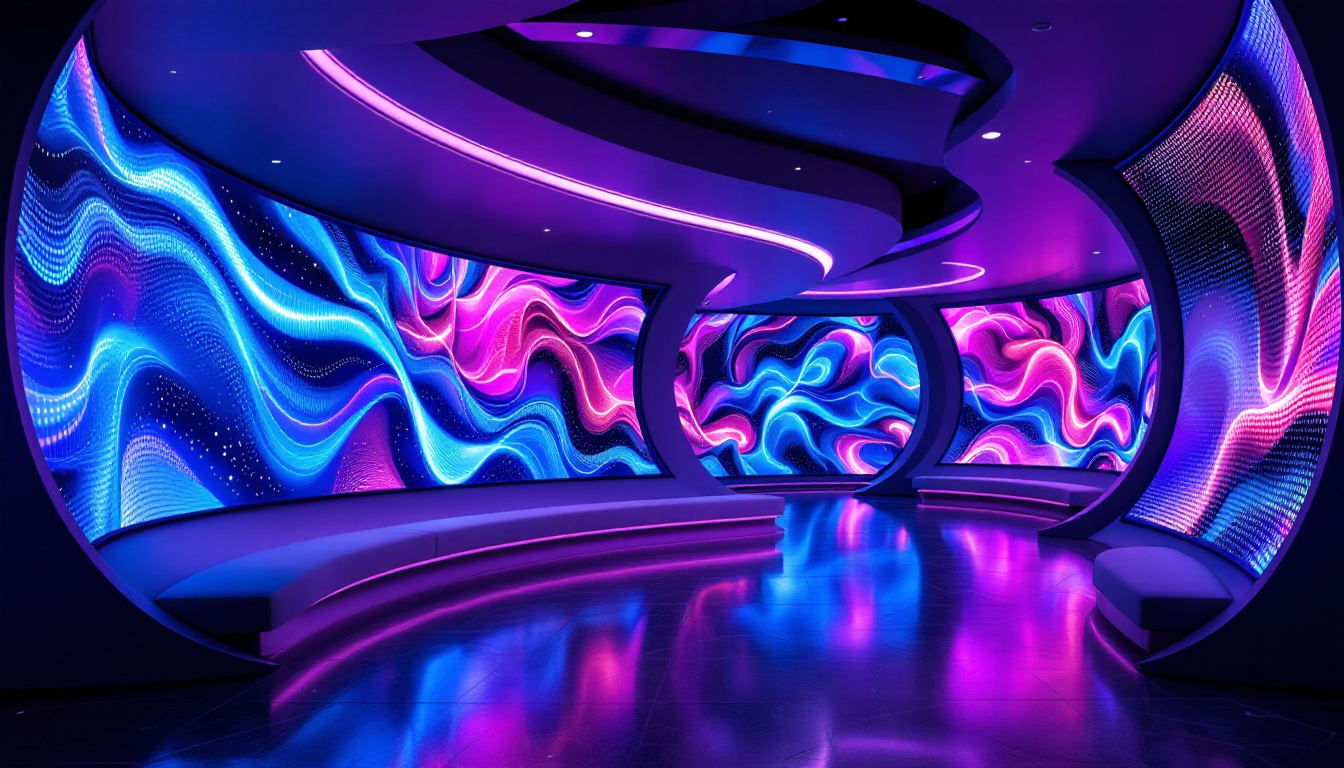
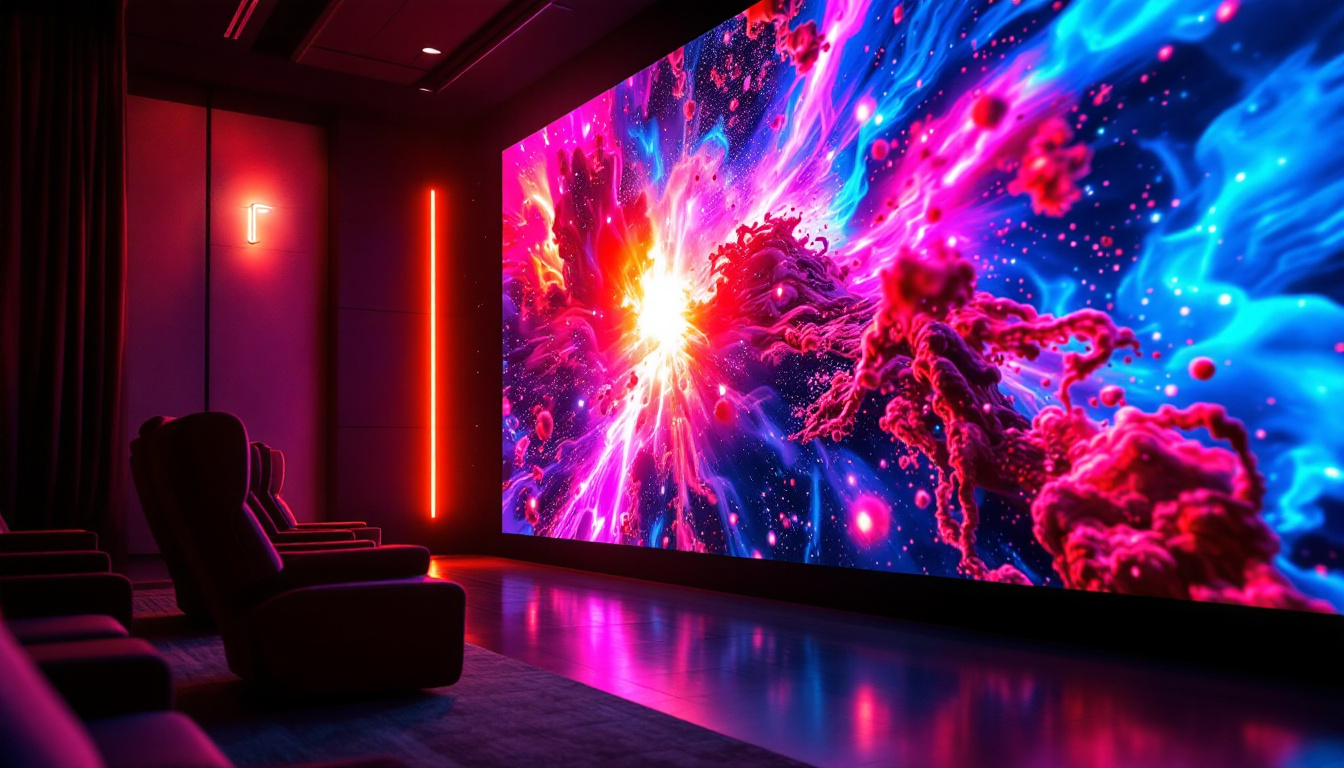
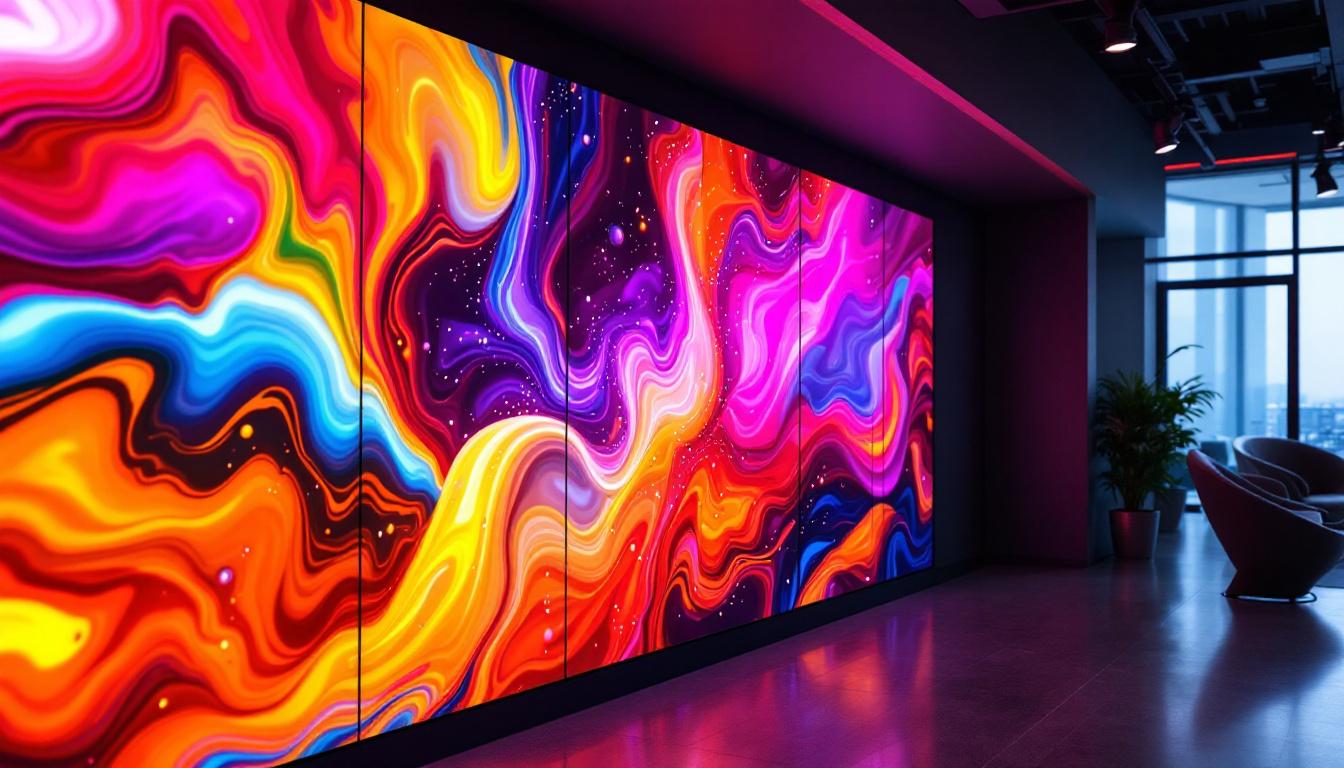
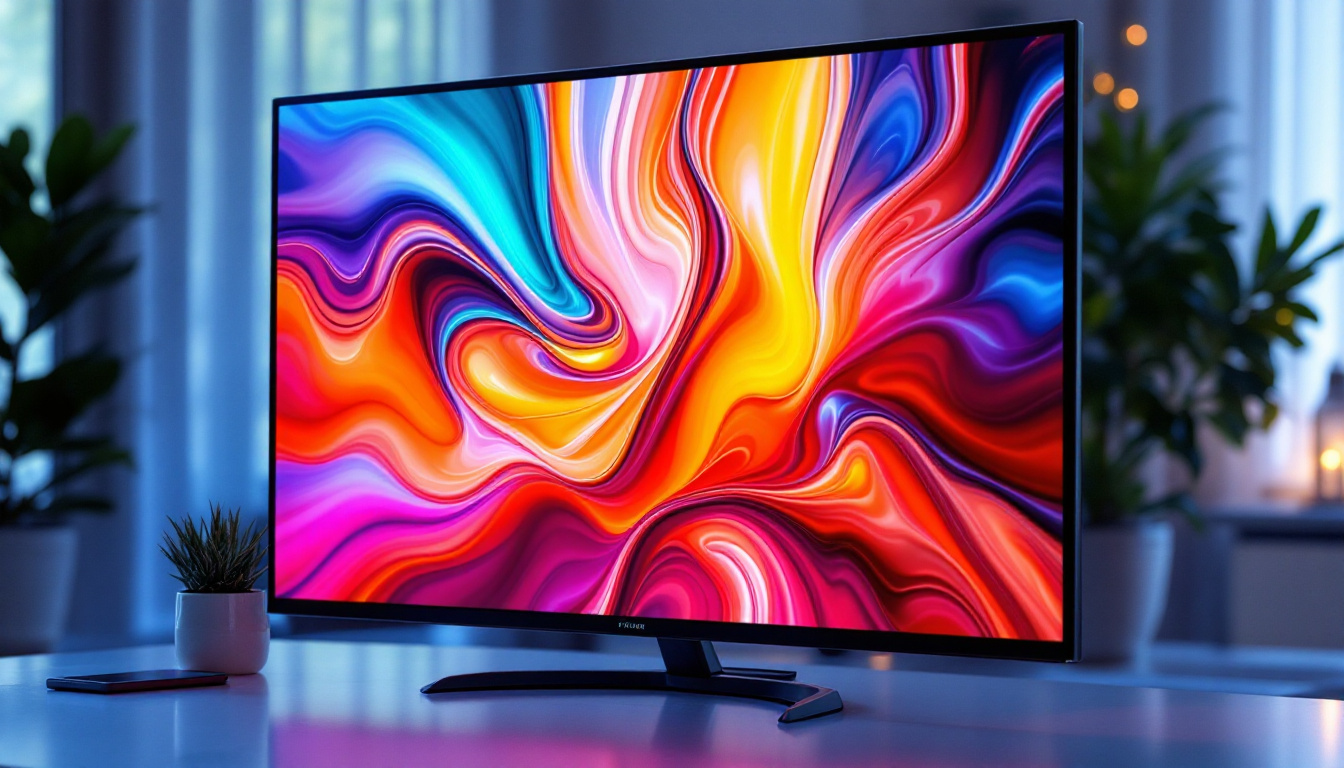
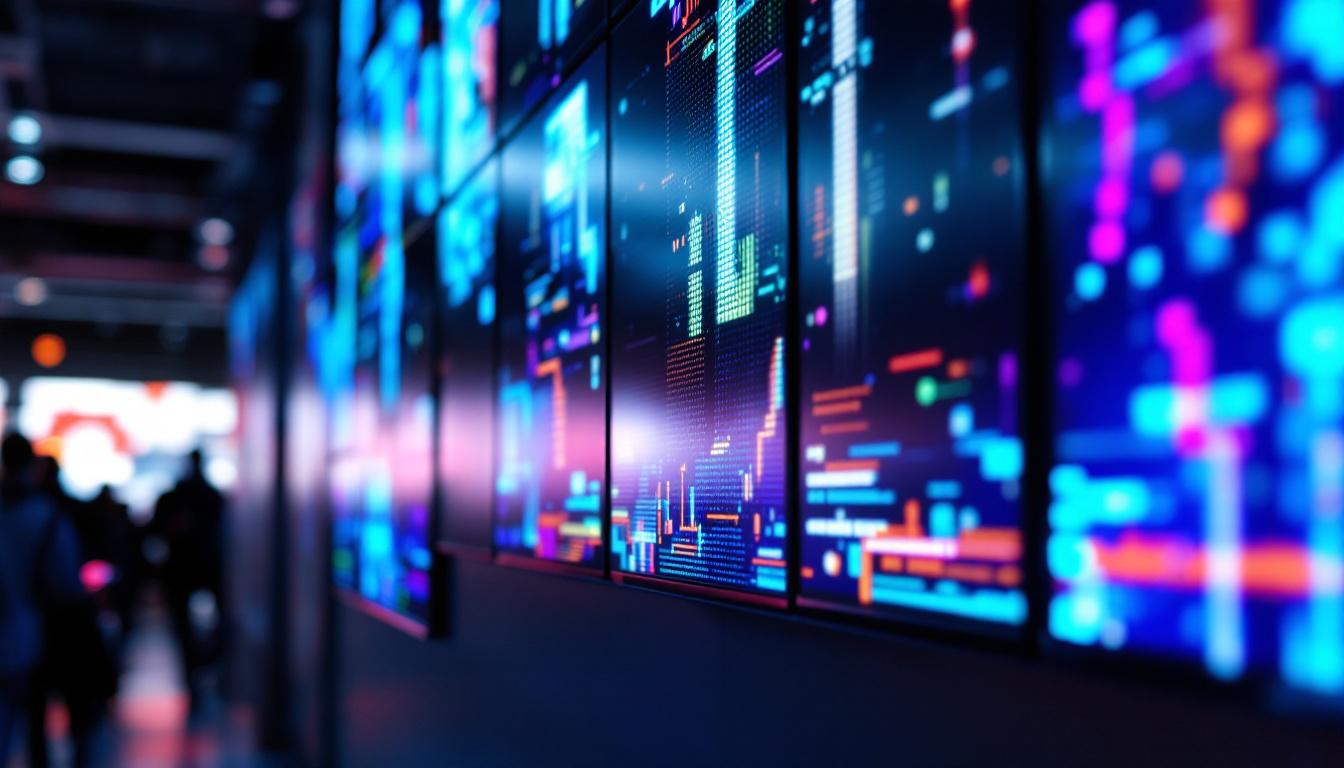
A custom media wall is a large-scale digital display system designed to showcase multimedia content such as videos, images, animations, and live feeds. Unlike traditional static billboards or posters, media walls are dynamic and can be tailored to fit specific dimensions, shapes, and resolutions to suit the environment and the brand’s messaging needs.
These walls are often constructed using modular panels, allowing for flexible configurations that can range from a single large screen to a mosaic of multiple smaller displays. The “custom” aspect refers to the ability to design the media wall to fit unique architectural spaces and specific functional requirements, whether that means curved surfaces, irregular shapes, or integration with other design elements. This adaptability not only enhances the aesthetic appeal of a space but also allows businesses to create immersive experiences that engage audiences on multiple levels. For instance, a custom media wall in a retail environment can be programmed to showcase promotional content during peak shopping hours, while also displaying interactive elements that invite customer participation.
Moreover, the integration of advanced software solutions enables real-time content updates, allowing businesses to respond promptly to changing marketing strategies or events. This capability is particularly beneficial in environments like airports or stadiums, where information needs to be current and relevant. By utilizing a custom media wall, brands can ensure that their messaging remains fresh and engaging, ultimately enhancing customer experience and driving foot traffic.
The Rise of LED Technology in Media Walls
While various display technologies exist, LED (Light Emitting Diode) has emerged as the preferred choice for media walls due to its superior brightness, energy efficiency, and versatility. LED displays use tiny light-emitting diodes as pixels, which can produce vibrant colors and deep blacks, resulting in high contrast and excellent visibility even in brightly lit environments.
Advancements in LED technology have also made it possible to create ultra-thin, lightweight panels that can be seamlessly joined to form large, high-resolution displays. This scalability and adaptability have made LED media walls a staple in modern digital signage. Furthermore, the durability of LED technology means that these displays can withstand the rigors of both indoor and outdoor environments, making them suitable for a wide range of applications—from corporate lobbies to outdoor festivals.
Additionally, the energy efficiency of LED media walls contributes to lower operational costs, making them an environmentally friendly option for businesses looking to reduce their carbon footprint. With the capability to control brightness levels and color settings, companies can optimize their displays for different times of day or specific events, ensuring that their content is always presented in the best possible light. As a result, LED media walls not only serve as powerful marketing tools but also reflect a commitment to sustainability and innovation in the digital age.
How LED Displays Work in Media Walls
The Basics of LED Display Technology
At the core of an LED display are thousands to millions of tiny LEDs arranged in a grid. Each LED acts as a pixel or part of a pixel, emitting light when an electrical current passes through it. By controlling the intensity and color of each LED, the display can render detailed images and videos.
There are two primary types of LED displays used in media walls: direct-view LED and LED-backlit LCD. Direct-view LED displays are composed entirely of LEDs that emit light directly to the viewer, offering superior brightness and contrast. LED-backlit LCDs use LEDs as a backlight behind an LCD panel, which is more common in smaller screens but less prevalent in large media walls.
Pixel Pitch and Resolution
One critical factor in LED media wall quality is pixel pitch, which refers to the distance between the centers of two adjacent LEDs. A smaller pixel pitch means higher resolution and sharper images, especially important when viewers are close to the display. For example, a pixel pitch of 1.2mm is considered ultra-fine and suitable for indoor environments where viewers stand near the wall, while a pitch of 10mm or more is common for outdoor displays viewed from a distance.
Choosing the right pixel pitch involves balancing image clarity, viewing distance, and cost. Higher resolution panels tend to be more expensive but provide a more immersive and detailed visual experience.
Brightness, Contrast, and Color Accuracy
LED displays are renowned for their brightness, often reaching levels of 1,000 to 5,000 nits or more, which ensures visibility even under direct sunlight. This makes LED media walls ideal for both indoor and outdoor applications. Contrast ratio, the difference between the darkest black and brightest white, is another essential specification, influencing image depth and realism.
Modern LED panels also support wide color gamuts and high color accuracy, enabling brands to display vibrant and true-to-life visuals. This capability is crucial for maintaining brand consistency and delivering impactful content.
Design Considerations for Custom LED Media Walls
Space and Structural Requirements
Designing a custom media wall begins with assessing the physical space. The wall’s size, shape, and mounting surface must be considered to ensure proper installation and optimal viewing angles. Structural support is critical, especially for large or heavy LED panels, requiring collaboration with architects and engineers.
Additionally, considerations such as ventilation, access for maintenance, and cable management play significant roles in the long-term performance and reliability of the installation.
Content Strategy and Software Integration
A media wall’s impact depends heavily on the content it displays. Developing a content strategy aligned with business goals and audience preferences is essential. Content management systems (CMS) tailored for LED displays enable scheduling, real-time updates, and integration with external data sources like social media feeds or event schedules.
Advanced software solutions also support interactive capabilities, allowing users to engage with the media wall through touchscreens, motion sensors, or mobile devices. This interactivity can enhance user experience and increase dwell time.
Energy Efficiency and Sustainability
Energy consumption is a growing concern for businesses investing in large digital displays. LED technology is inherently energy-efficient compared to older display types, but power usage can still be significant depending on brightness and size. Selecting energy-efficient components and implementing smart controls, such as ambient light sensors and scheduled power-downs, can reduce operational costs and environmental impact.
Applications and Benefits of Custom LED Media Walls
Corporate Environments
In corporate settings, custom LED media walls serve as impressive focal points in lobbies, conference rooms, and event spaces. They can display company branding, live data dashboards, news feeds, and promotional content, reinforcing corporate identity and enhancing communication with employees and visitors.
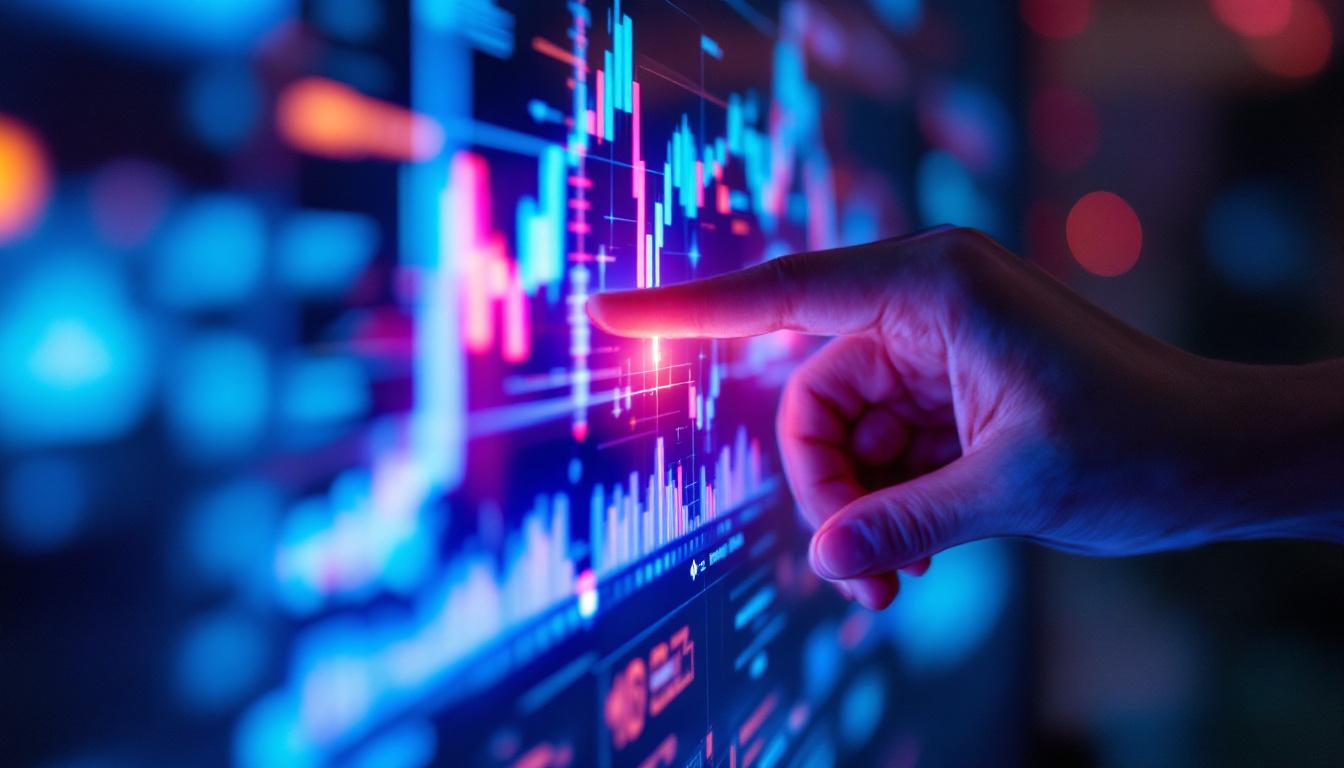
For example, a financial firm might use a media wall to showcase real-time market data, while a technology company could highlight product launches and innovation stories.
Retail and Hospitality
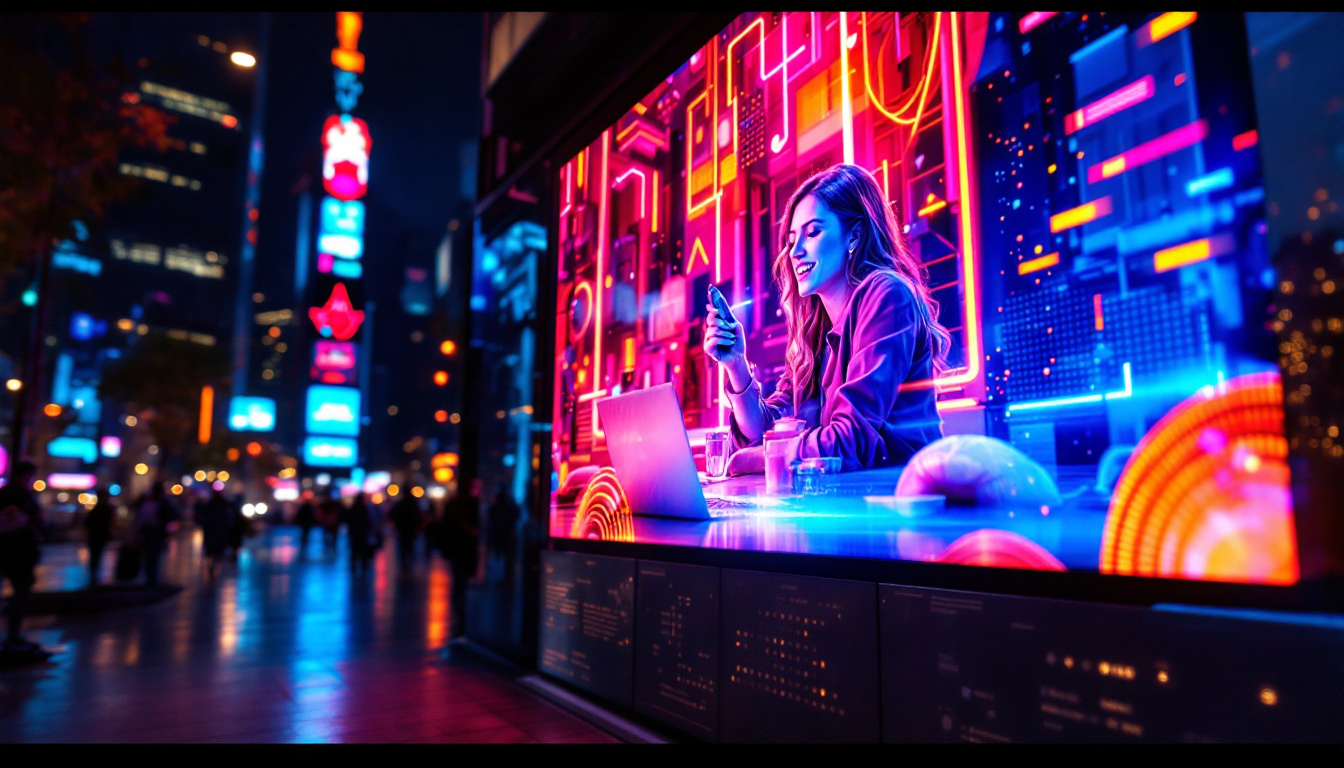
Retailers leverage LED media walls to create immersive shopping experiences, promote products, and influence purchasing decisions. Dynamic visuals and interactive elements can attract foot traffic and encourage longer store visits.
In the hospitality industry, hotels and resorts use media walls to welcome guests, provide information, and showcase amenities or local attractions, enhancing guest engagement and satisfaction.
Entertainment and Public Venues
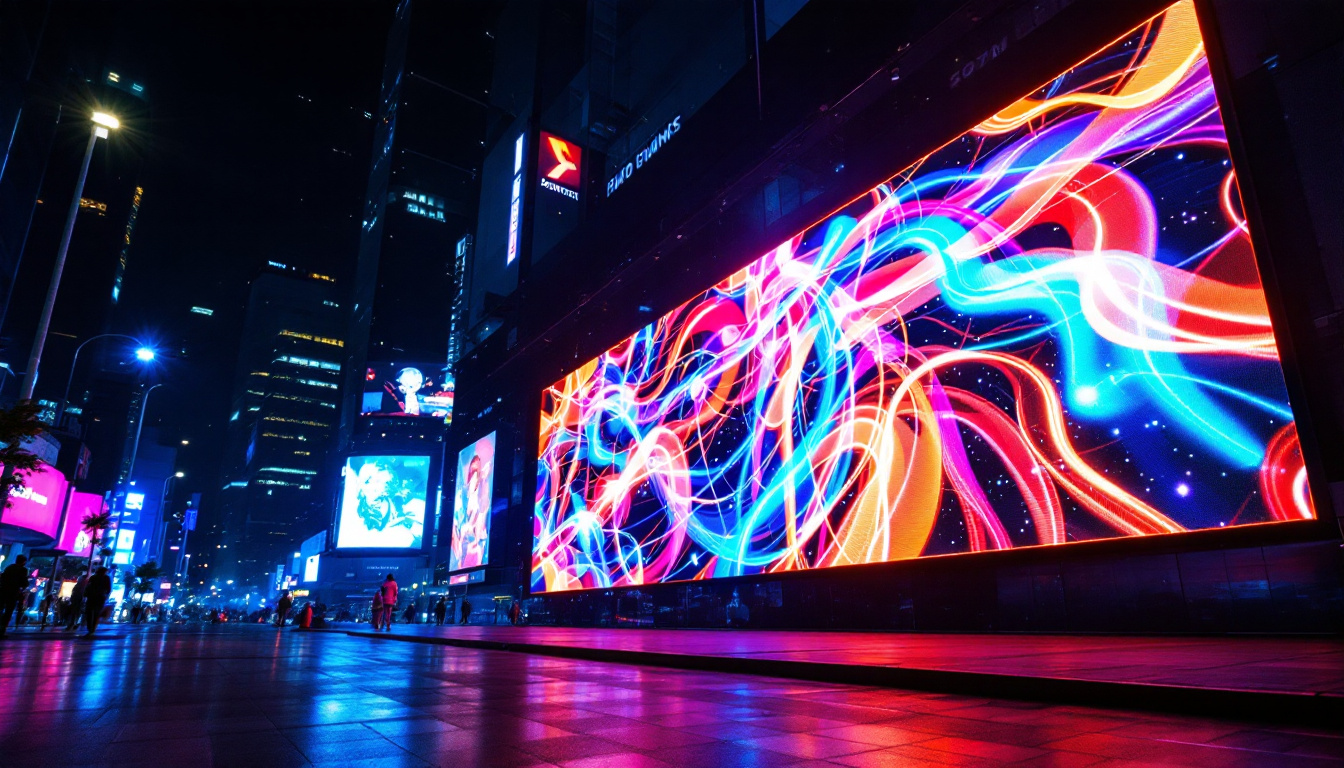
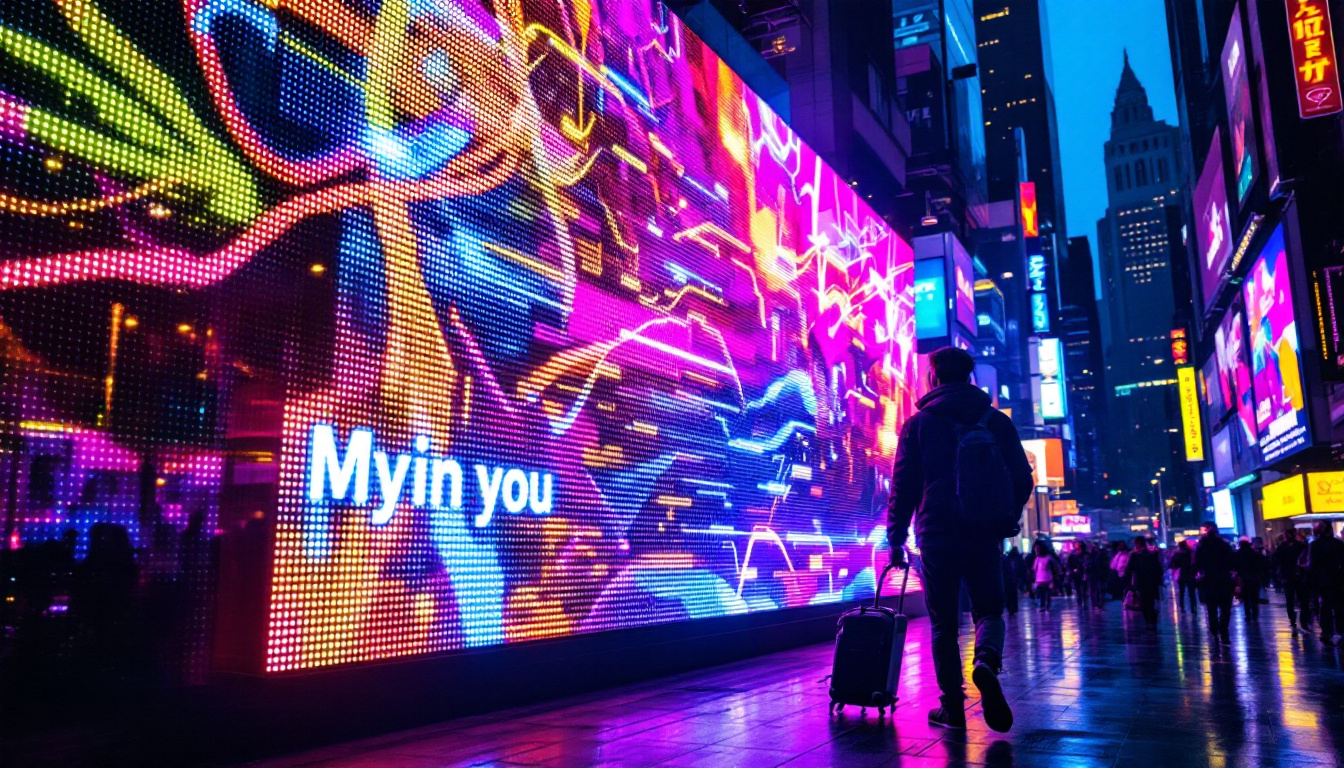
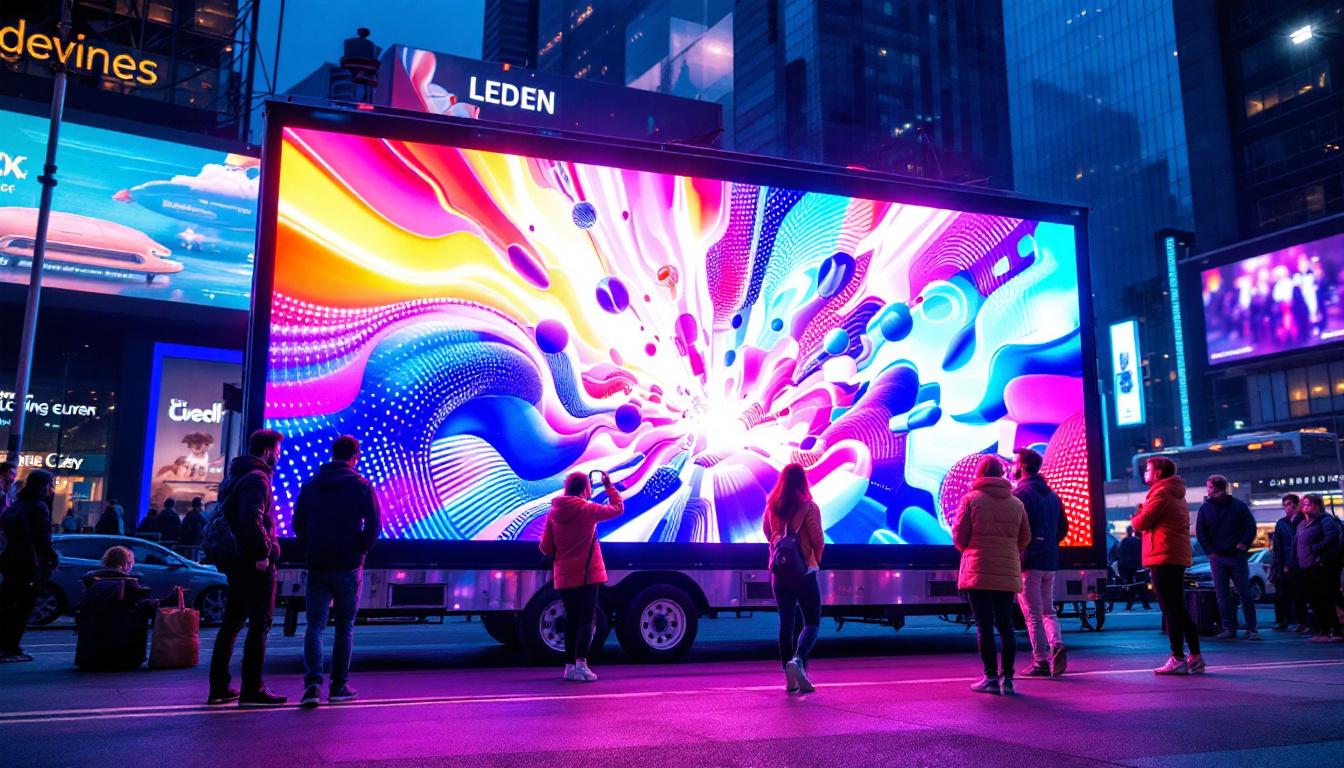
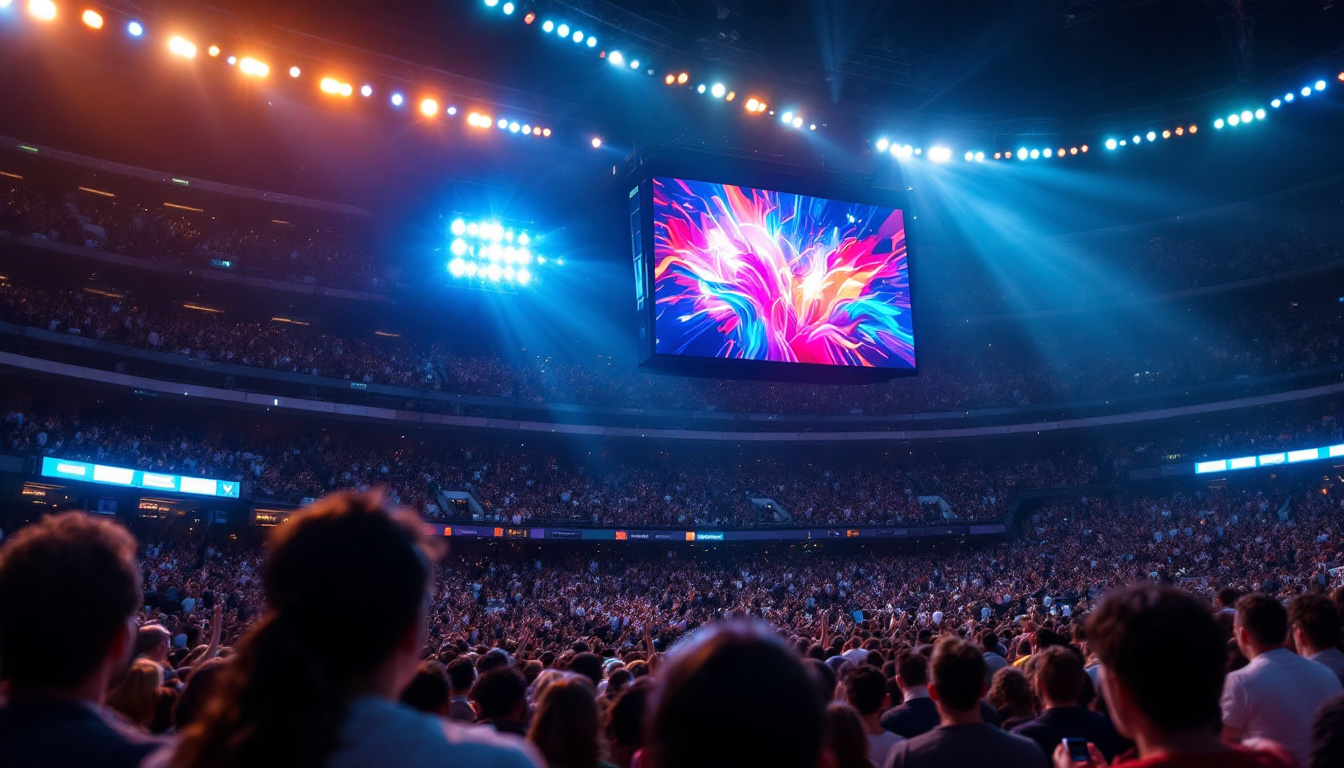
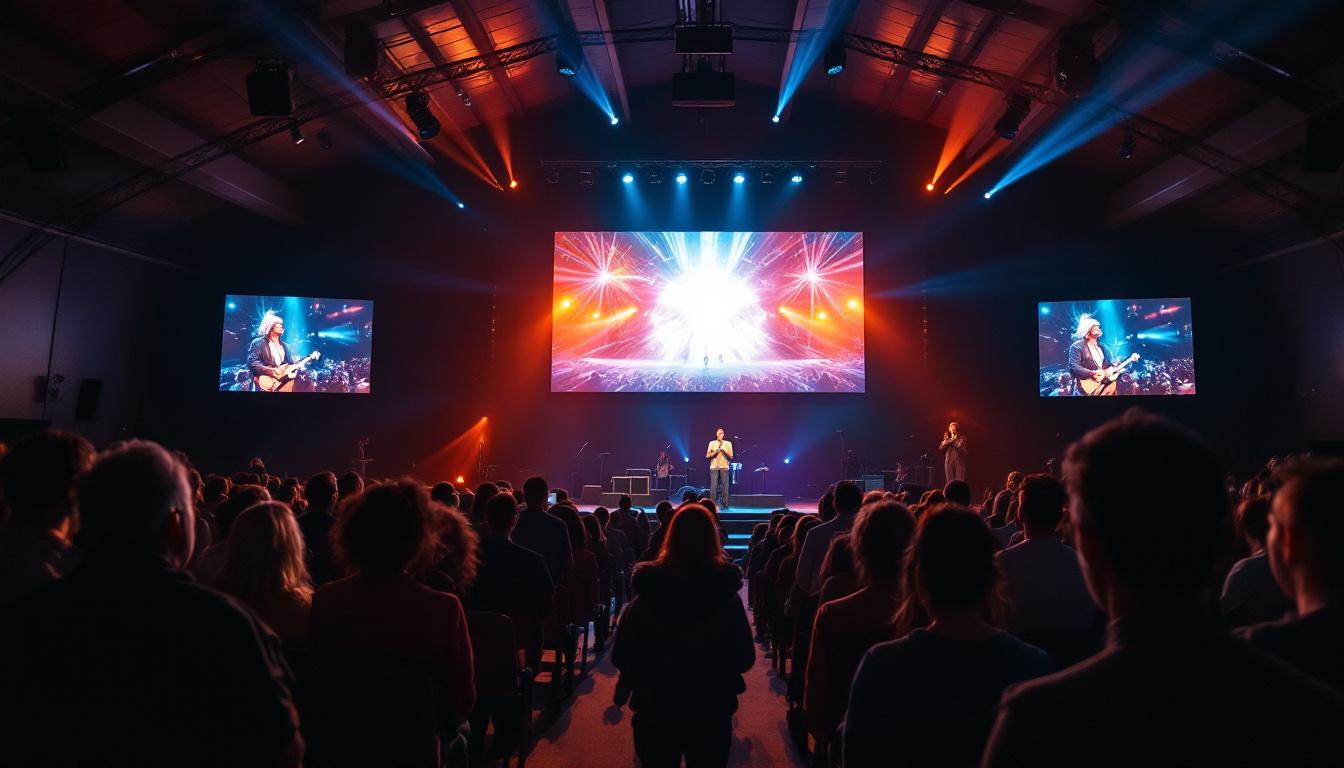
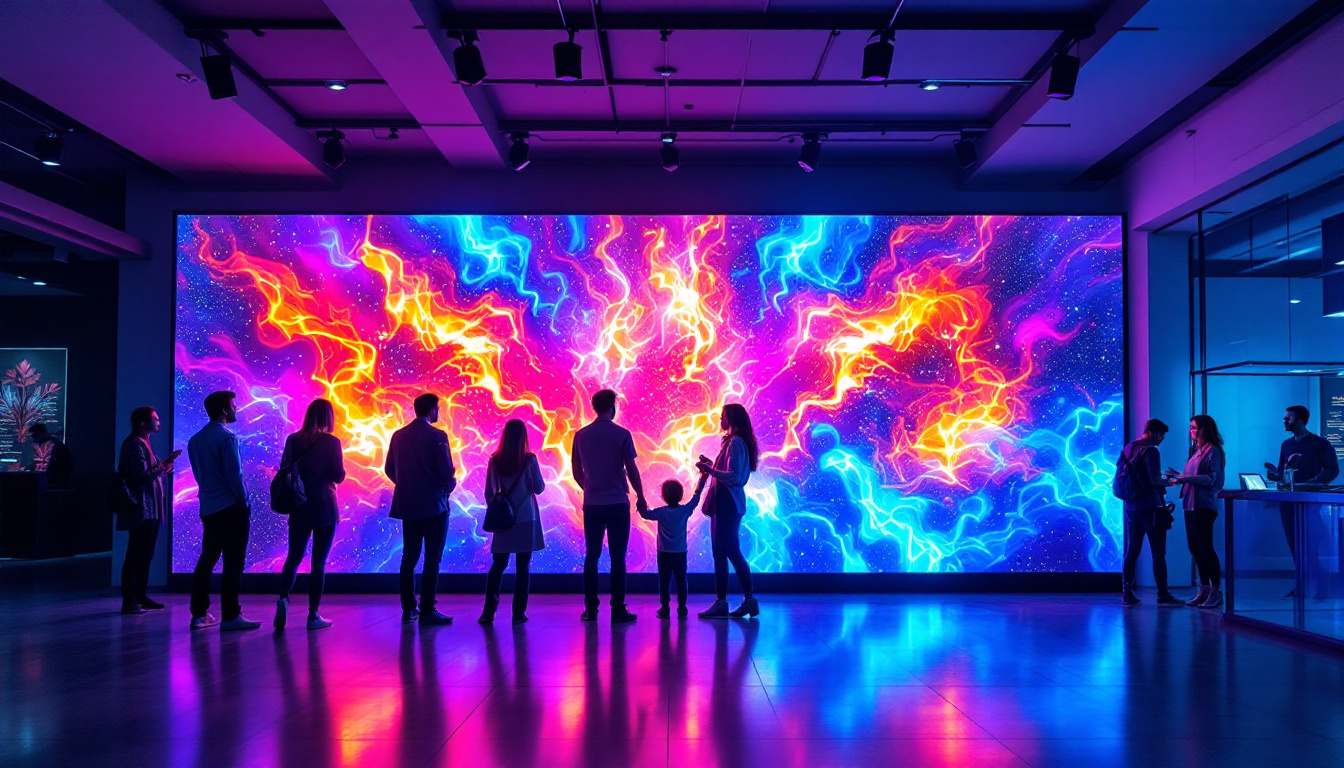
Stadiums, theaters, museums, and public squares benefit from large-scale LED media walls to deliver live event coverage, advertisements, and artistic displays. The ability to customize size and shape allows these venues to integrate media walls seamlessly into their architectural designs.
For instance, sports arenas often feature massive LED screens that provide instant replays, scores, and interactive fan experiences, significantly enriching the atmosphere.
Future Trends in LED Media Walls
MicroLED and MiniLED Technologies
Emerging technologies like MicroLED and MiniLED promise to further enhance media wall performance. MicroLED offers even smaller pixel pitches and higher brightness with lower power consumption, potentially revolutionizing display quality. MiniLED, which uses smaller LEDs for backlighting, improves contrast and color accuracy in hybrid displays.
Integration with Augmented Reality (AR) and Artificial Intelligence (AI)
Future media walls are expected to integrate AR and AI to create more personalized and interactive experiences. AI-driven content optimization can tailor visuals based on audience demographics or environmental factors, while AR overlays can add layers of information and engagement.
Sustainability and Smart Building Integration
As sustainability becomes a priority, media walls will increasingly incorporate eco-friendly materials and energy-saving technologies. Integration with smart building systems will allow for adaptive lighting and power management, reducing environmental impact while maintaining stunning visual performance.
Conclusion
Custom media walls featuring LED displays represent a powerful fusion of technology, design, and communication. Their ability to deliver vibrant, dynamic content in virtually any environment makes them invaluable tools for businesses and organizations seeking to engage audiences and elevate their brand presence. Understanding the technology behind LED displays, the design considerations, and the diverse applications helps stakeholders make informed decisions and maximize the impact of their media walls.
As LED technology continues to advance and integrate with emerging digital trends, custom media walls will become even more versatile, immersive, and sustainable, shaping the future of visual communication across industries.
Illuminate Your Space with LumenMatrix
Ready to transform your environment with a custom media wall that commands attention and captivates your audience? LumenMatrix is at the forefront of LED display innovation, offering a diverse range of solutions tailored to your unique needs. From Indoor and Outdoor LED Wall Displays to specialized options like Vehicle, Sports, and Floor LED Displays, our mission is to revolutionize your visual communication. Experience the power of cutting-edge technology and let your message shine with clarity and impact. Check out LumenMatrix LED Display Solutions today and take the first step towards an unforgettable visual experience.