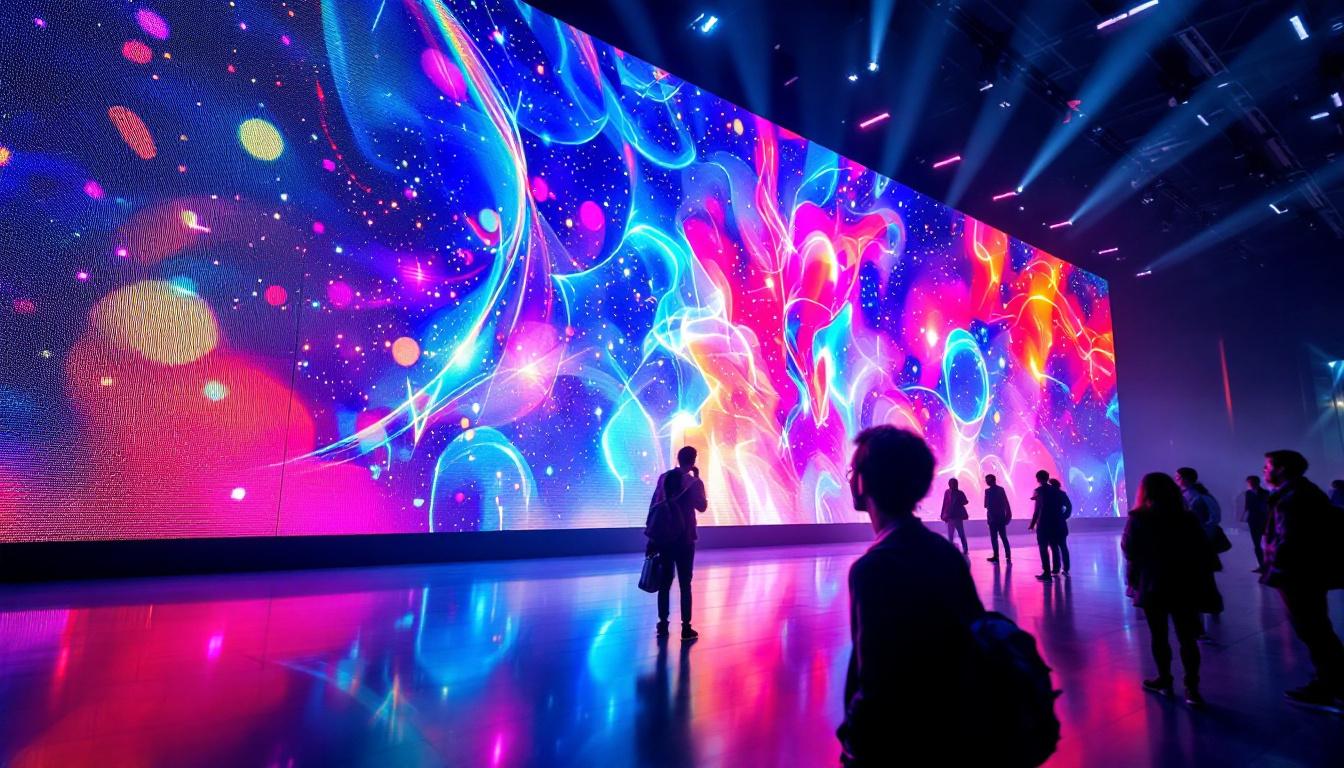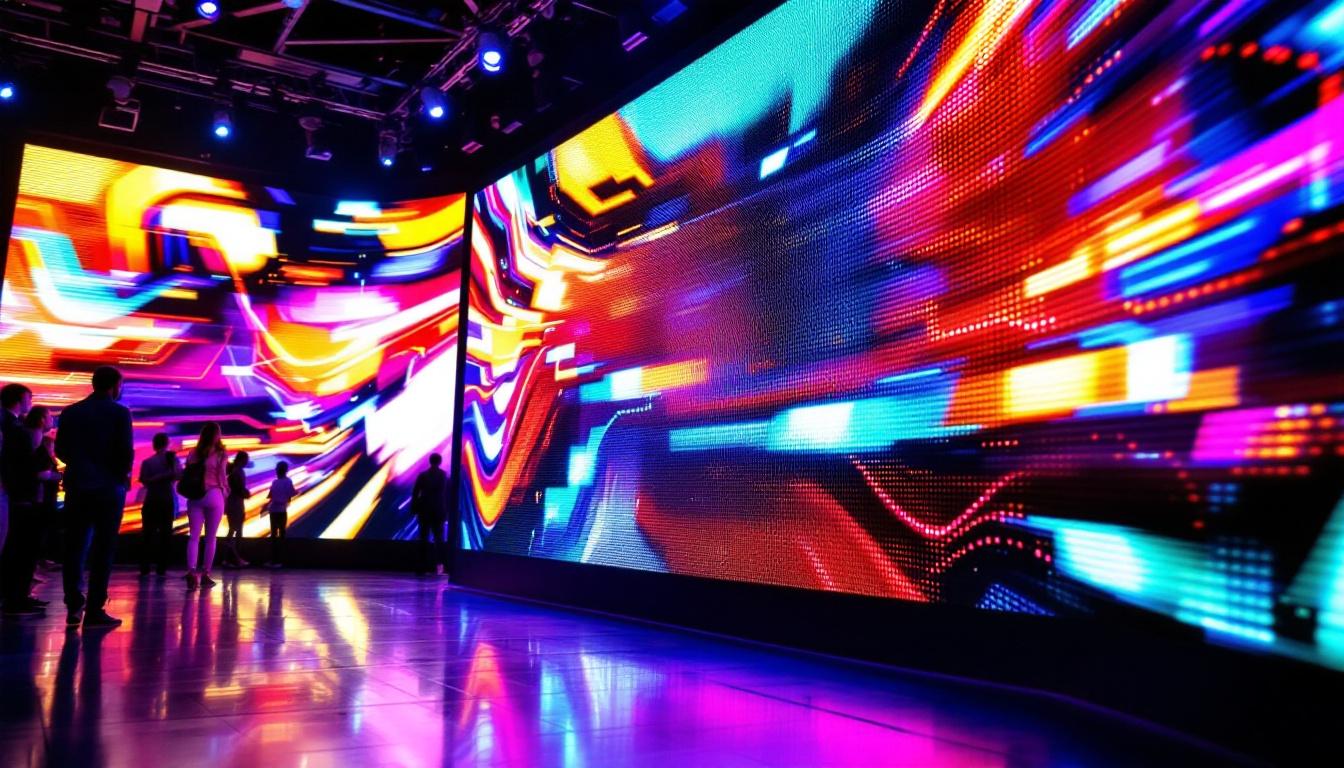
In today’s visually driven world, LED displays have become a cornerstone of modern communication, advertising, and entertainment. From massive outdoor billboards to sleek indoor digital signage, LED screens are everywhere. But what exactly determines the quality of an LED display? Understanding the factors that influence LED screen quality can help businesses, event organizers, and consumers make informed decisions when selecting or evaluating these displays.
This article delves into the technical and practical aspects of LED screen quality, explaining key concepts, technologies, and metrics. Whether you’re a professional in the AV industry or a curious consumer, this guide will clarify how LED displays work and what makes one display stand out from another.
Understanding LED Display Technology
What is an LED Screen?
LED stands for Light Emitting Diode, a semiconductor device that emits light when an electric current passes through it. An LED screen is a flat panel display that uses an array of these tiny LEDs as pixels to produce images and videos. Unlike traditional LCD or plasma screens, LED displays generate their own light, which results in brighter images and better contrast, especially in outdoor or brightly lit environments.
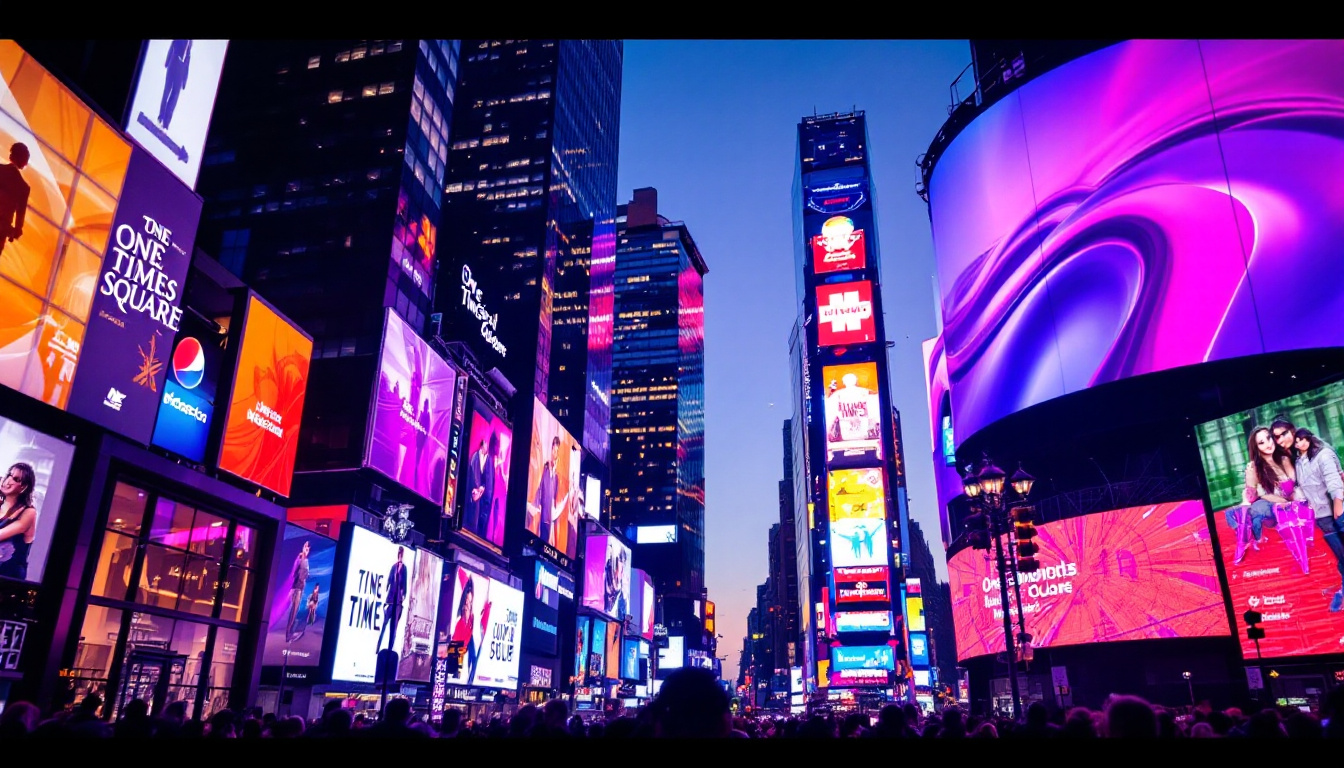
LED screens can be categorized broadly into two types: direct-view LED displays and LED-backlit LCDs. This article focuses on direct-view LED displays, which are composed of thousands to millions of individual LEDs arranged in a matrix to form the visible image. These displays are particularly popular for large-scale applications such as billboards, stadium screens, and concert backdrops, where visibility from a distance is paramount. The ability to create massive screens with high resolution has revolutionized advertising and entertainment, allowing for dynamic content that can capture audience attention effectively.
How Do LED Pixels Work?
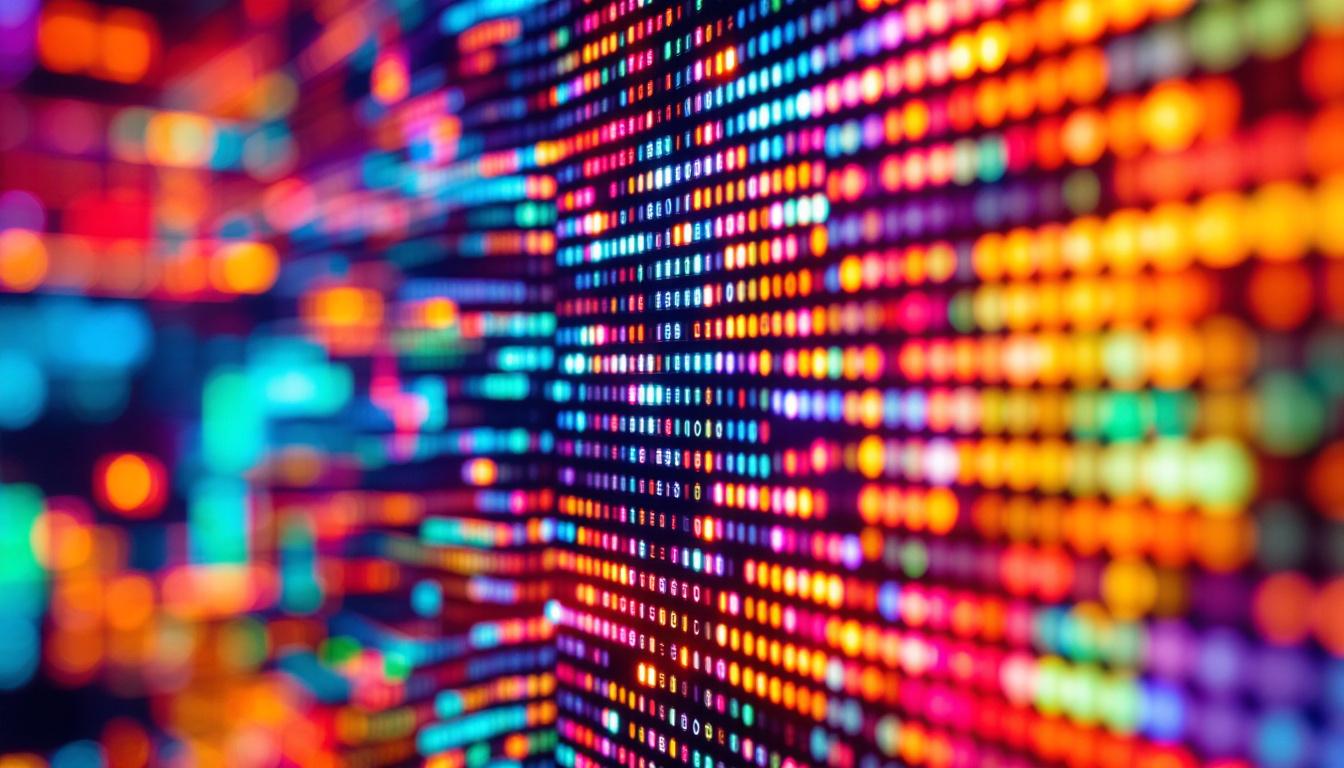
Each pixel on an LED screen is made up of one or more LEDs, typically red, green, and blue (RGB). By adjusting the brightness of these three LEDs, the pixel can produce a wide range of colors. The combination of millions of such pixels creates the full image on the screen. This RGB configuration allows for the mixing of colors at the pixel level, enabling the display to render complex images and videos with stunning accuracy.
The quality of an LED screen depends heavily on the precision and consistency of these pixels. Uniform brightness, accurate color reproduction, and seamless pixel alignment are critical for delivering a sharp and vibrant image. Additionally, advancements in technology have led to the development of features such as HDR (High Dynamic Range) and wide color gamut, which enhance the viewing experience by providing deeper blacks and brighter whites, as well as a broader spectrum of colors. Furthermore, the durability and energy efficiency of LED screens make them an attractive choice for both indoor and outdoor applications, as they can operate effectively in various environmental conditions while consuming less power compared to traditional display technologies.
Key Factors Determining LED Screen Quality
Pixel Pitch: The Foundation of Resolution
Pixel pitch refers to the distance between the centers of two adjacent pixels, usually measured in millimeters. It is one of the most important specifications affecting LED screen quality. A smaller pixel pitch means more pixels per unit area, resulting in higher resolution and finer image detail.
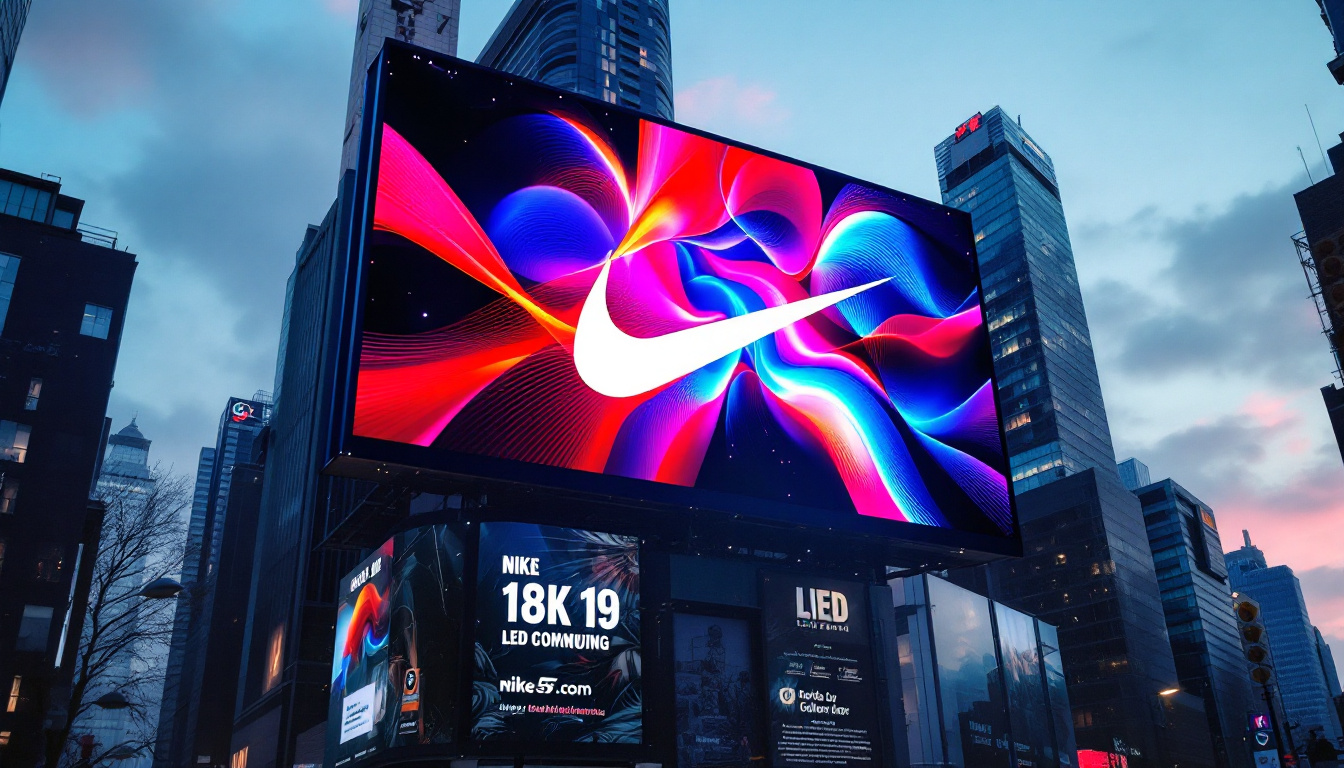
For example, a pixel pitch of 1.5mm is common for indoor LED displays where viewers are close to the screen, providing crisp visuals and smooth gradients. In contrast, outdoor LED billboards typically have a larger pixel pitch, such as 10mm or more, because viewers are farther away and do not require ultra-high resolution.
Choosing the right pixel pitch depends on the intended viewing distance. A general rule of thumb is that the optimal viewing distance (in meters) should be roughly 1,000 times the pixel pitch (in millimeters). So, a 5mm pixel pitch screen is best viewed from about 5 meters or more. This principle allows designers and engineers to create displays that maximize visual impact while minimizing unnecessary costs associated with overly dense pixel arrangements.
Furthermore, advancements in technology have led to the development of microLED displays, which utilize even smaller pixel pitches, often below 1mm. These displays not only enhance resolution but also improve energy efficiency and lifespan, making them an attractive option for high-end installations in venues such as museums and art galleries, where detail and clarity are paramount.
Brightness and Contrast: Visibility in Any Environment
Brightness is measured in nits (candelas per square meter) and indicates how much light the screen emits. High brightness is essential for outdoor LED screens exposed to direct sunlight, where typical brightness levels range from 5,000 to 10,000 nits. Indoor LED displays usually require lower brightness, around 800 to 1,500 nits, to prevent eye strain and maintain color accuracy.
Contrast ratio is the difference between the brightest white and the darkest black the screen can produce. Higher contrast ratios contribute to more vivid images and better depth perception. Direct-view LED displays often achieve excellent contrast because LEDs can be turned off completely to produce true blacks, unlike LCDs which rely on backlighting.
Moreover, the ability to adjust brightness dynamically based on environmental conditions can significantly enhance the viewing experience. Some modern LED screens incorporate ambient light sensors that automatically adjust brightness levels, ensuring optimal visibility without manual intervention. This feature is particularly beneficial in venues that experience varying lighting conditions throughout the day, such as sports arenas or concert halls, where maintaining visual integrity is crucial for audience engagement.
Color Accuracy and Calibration
Accurate color reproduction is vital for applications like digital advertising, live events, and broadcast studios. LED displays must be calibrated to ensure that colors appear consistent and true to the source content. This involves adjusting the intensity of each RGB LED and balancing the overall color temperature.
Modern LED screens often support a wide color gamut, covering up to 90% or more of the DCI-P3 color space, which is used in digital cinema. This capability allows for richer and more saturated colors compared to standard sRGB displays.
In addition to color gamut, the uniformity of color across the screen is critical. Variations in color output can lead to noticeable discrepancies, especially in large displays. Advanced calibration tools and techniques, such as color mapping and pixel-level adjustments, are employed to ensure that every section of the screen maintains consistent color fidelity. This meticulous attention to detail is essential for applications like virtual production in filmmaking, where seamless integration of digital and physical elements relies heavily on accurate color representation.
Refresh Rate and Frame Rate
The refresh rate, measured in Hertz (Hz), indicates how many times per second the screen updates its image. Higher refresh rates reduce flicker and motion blur, making fast-moving content appear smoother. For LED screens used in broadcasting or live events, refresh rates of 3,000 Hz or higher are common to avoid flicker on camera.
Frame rate compatibility is also important, especially for video content. Most LED displays support standard frame rates such as 24, 30, or 60 frames per second, ensuring smooth playback of movies, sports, and other dynamic visuals.
Additionally, some high-end LED displays are capable of adaptive refresh rates, which can adjust in real-time based on the content being displayed. This feature is particularly advantageous for gaming applications, where rapid changes in frame rates can occur. By synchronizing the refresh rate with the frame rate of the source content, these displays can eliminate tearing and stuttering, providing a fluid and immersive viewing experience that is essential for competitive gaming and high-octane action sequences.
Types of LED Displays and Their Quality Considerations
Indoor vs. Outdoor LED Screens
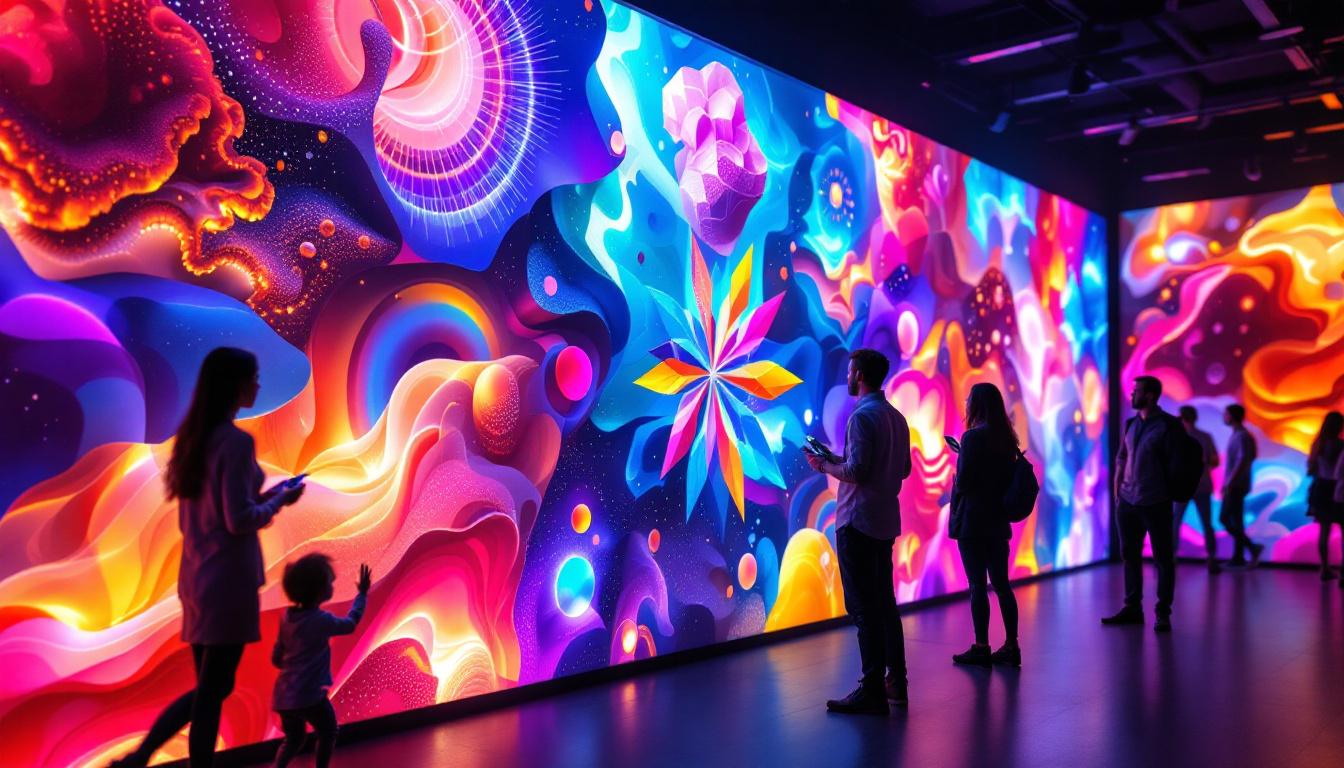
Indoor LED displays are designed for controlled lighting environments and close viewing distances. They typically have smaller pixel pitches (1.2mm to 4mm), lower brightness, and higher resolution to deliver detailed images. These screens are used in retail stores, conference rooms, and entertainment venues.
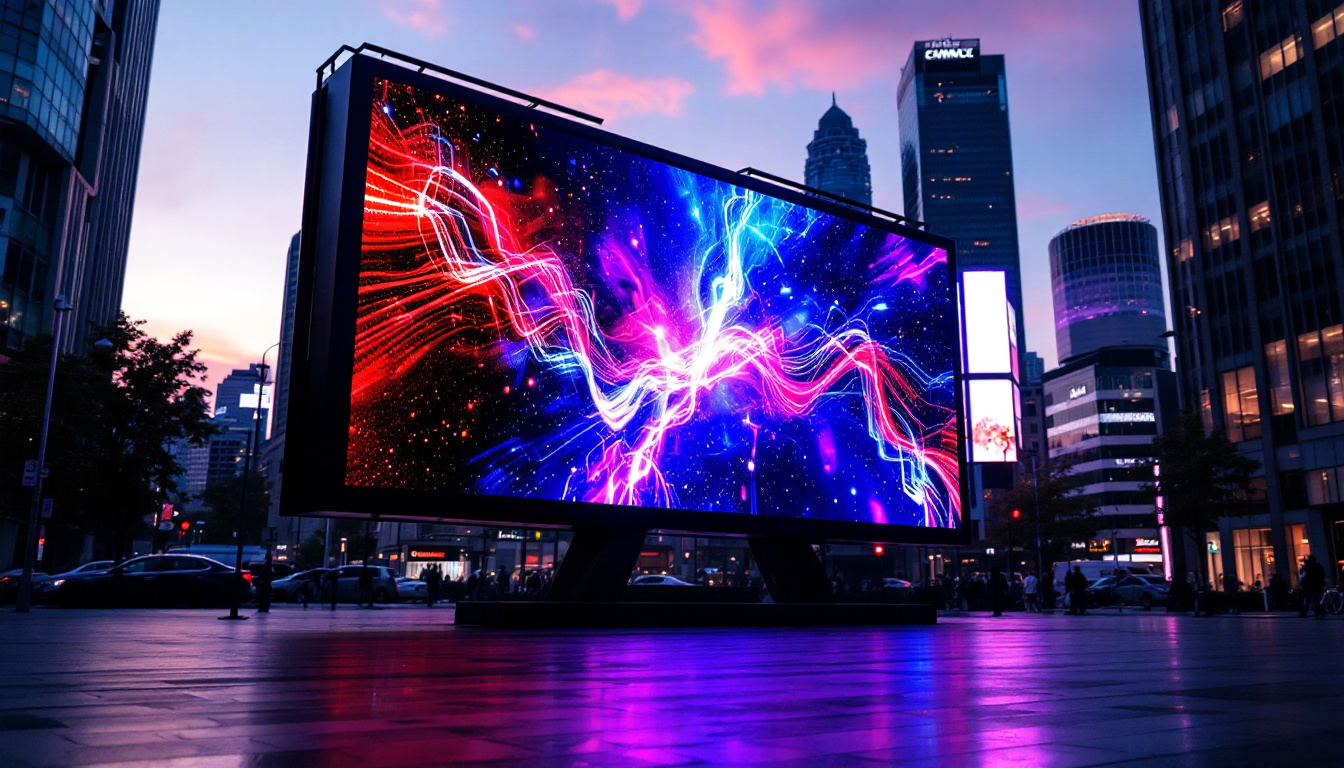
Outdoor LED screens must withstand harsh weather conditions, including rain, dust, and extreme temperatures. They feature higher brightness levels (up to 10,000 nits or more) to remain visible in direct sunlight. Pixel pitches are larger (4mm to 20mm or more) to accommodate longer viewing distances. Additionally, outdoor screens have robust enclosures with IP65 or higher ratings for water and dust resistance.
Flexible and Transparent LED Displays
Recent innovations include flexible LED panels that can curve around surfaces, enabling creative installations on curved walls or cylindrical structures. Transparent LED displays allow light to pass through, making them ideal for storefront windows and glass facades without obstructing the view.
While these technologies offer exciting possibilities, they also introduce challenges in maintaining uniform brightness and color accuracy across irregular shapes or transparent substrates. Quality in these displays depends on advanced engineering and precise calibration.
Evaluating LED Screen Quality: Practical Tips
Inspecting Visual Uniformity
When assessing an LED display, look for consistent brightness and color across the entire screen. Uneven lighting, color shifts, or dark spots indicate poor panel quality or inadequate calibration. High-quality LED screens maintain uniformity even at close viewing distances.
Checking Viewing Angles
Good LED displays offer wide viewing angles, typically around 140 to 160 degrees horizontally and vertically. This means the image remains clear and colors stay accurate even when viewed from the side or above. Narrow viewing angles can limit audience engagement in large venues.
Assessing Build Quality and Durability
Examine the physical construction of the LED modules and the overall frame. Sturdy materials, proper ventilation, and weatherproofing are indicators of a durable screen. For outdoor installations, ensure the screen has appropriate IP ratings and certifications for environmental resistance.
Emerging Trends and Future Directions in LED Display Quality
Mini-LED and Micro-LED Technologies
Mini-LED and Micro-LED are next-generation technologies that use much smaller LEDs, allowing for even finer pixel pitches and improved image quality. Micro-LED displays, in particular, promise superior brightness, contrast, and energy efficiency compared to traditional LEDs and OLEDs.
Although still expensive and primarily used in high-end applications, Micro-LED is expected to revolutionize the display industry in the coming years, offering unparalleled visual performance.
Integration with Smart Technologies
Modern LED screens increasingly incorporate smart features such as AI-based calibration, remote diagnostics, and content management systems. These advancements help maintain optimal screen quality over time and simplify operation for users.
Sustainability and Energy Efficiency
Energy consumption is a growing concern in large-scale LED installations. Manufacturers are developing more efficient LEDs and power management systems to reduce environmental impact without compromising brightness or color quality.
Conclusion
LED screen quality is a multifaceted concept influenced by pixel pitch, brightness, contrast, color accuracy, refresh rates, and build quality. Understanding these factors is essential for selecting the right LED display for any application, whether it’s a towering outdoor billboard or an immersive indoor video wall.
As LED technology continues to evolve, with innovations like Micro-LED and smart integrations, the potential for stunning, high-performance displays grows. Staying informed about these developments ensures that businesses and consumers can make the most of LED displays’ vibrant and dynamic visual capabilities.
Discover High-Quality LED Displays with LumenMatrix
Ready to elevate your visual experience with top-tier LED display technology? Look no further than LumenMatrix, a pioneer in crafting LED displays that bring your content to life. Whether you need an Indoor LED Wall Display for your corporate events, an Outdoor LED Wall Display for impactful advertising, or any of our specialized solutions like Vehicle LED Displays, LED Sports Displays, or Custom LED Displays, LumenMatrix has you covered. Embrace the future of visual communication and captivate your audience with our cutting-edge LED display modules. Check out LumenMatrix LED Display Solutions today and transform your space into a dynamic visual storytelling platform.