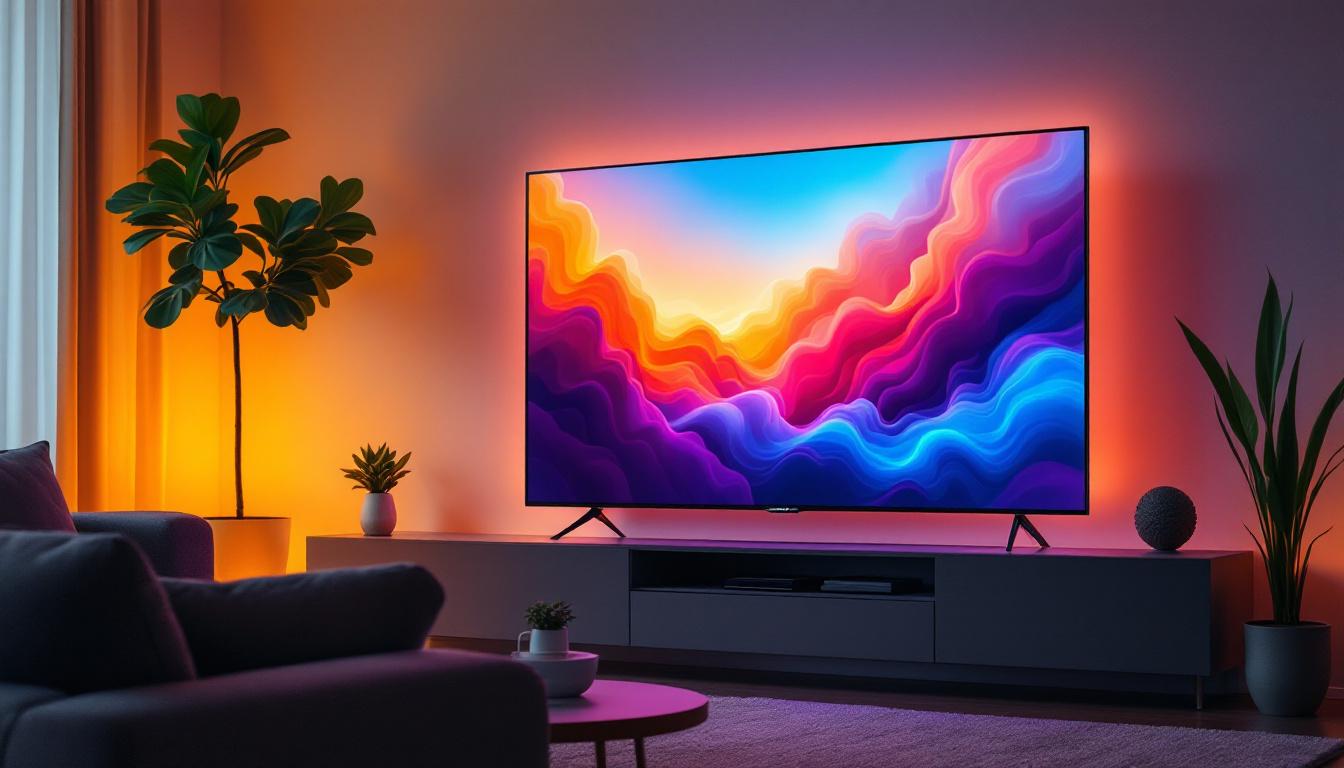
In recent years, the television market has witnessed a remarkable evolution, with thin LED TVs becoming the standard in homes worldwide. These sleek, lightweight displays offer more than just aesthetic appeal—they deliver superior picture quality, energy efficiency, and a host of technological innovations. But what exactly makes a thin LED TV different from other types of displays? This article delves into the technology behind LED displays, exploring how they work, their advantages, and what consumers should consider when purchasing one.
Understanding LED Technology in TVs
What Does LED Stand For?
LED stands for Light Emitting Diode, a semiconductor device that emits light when an electric current passes through it. In the context of televisions, LEDs serve as the backlighting source for the display panel. Unlike traditional LCD TVs that use cold cathode fluorescent lamps (CCFLs) for backlighting, LED TVs utilize these tiny diodes to illuminate the screen, resulting in thinner, more energy-efficient designs. This advancement has not only transformed the aesthetics of televisions, making them sleeker and more modern, but it has also contributed to a significant reduction in energy consumption, aligning with the growing demand for eco-friendly technology.
How Does an LED TV Work?
At its core, an LED TV is essentially an LCD (Liquid Crystal Display) television that uses LED backlighting instead of CCFLs. The LCD panel itself does not emit light; it manipulates light passing through it to create images. The LEDs positioned behind or along the edges of the screen provide the necessary illumination. This innovative approach allows for a broader range of color reproduction and enhanced brightness, which is particularly noticeable in brightly lit environments.
There are two primary types of LED backlighting:
- Edge-lit LED: LEDs are placed along the edges of the screen, allowing for thinner TV designs. Light is spread across the panel using light guides.
- Full-array LED: LEDs are distributed evenly behind the entire screen, enabling better control over brightness and contrast through local dimming.
This backlighting technology directly influences picture quality, energy consumption, and the overall thickness of the TV. Additionally, advancements in LED technology have led to features such as HDR (High Dynamic Range), which enhances the viewing experience by providing a wider range of colors and improved contrast, making images appear more lifelike.
LED vs. OLED: What’s the Difference?
While LED TVs use LED backlighting with an LCD panel, OLED (Organic Light Emitting Diode) TVs function differently. Each pixel in an OLED display emits its own light, eliminating the need for a separate backlight. This distinction allows OLED TVs to achieve perfect blacks and superior contrast ratios. The ability to turn off individual pixels results in a level of detail and depth that is hard to match, especially in dark scenes.
However, OLED TVs tend to be more expensive and can face issues like image retention over time. On the other hand, LED TVs, especially those with advanced local dimming, offer excellent brightness and color accuracy at a more accessible price point. Understanding these differences helps consumers make informed choices based on their preferences and budget. Furthermore, the rapid evolution of LED technology continues to bridge the gap between these two types of displays, with innovations like Mini-LED and Micro-LED promising to deliver enhanced performance and image quality, making the choice even more nuanced for potential buyers.
The Advantages of Thin LED TVs
Sleek Design and Space Efficiency
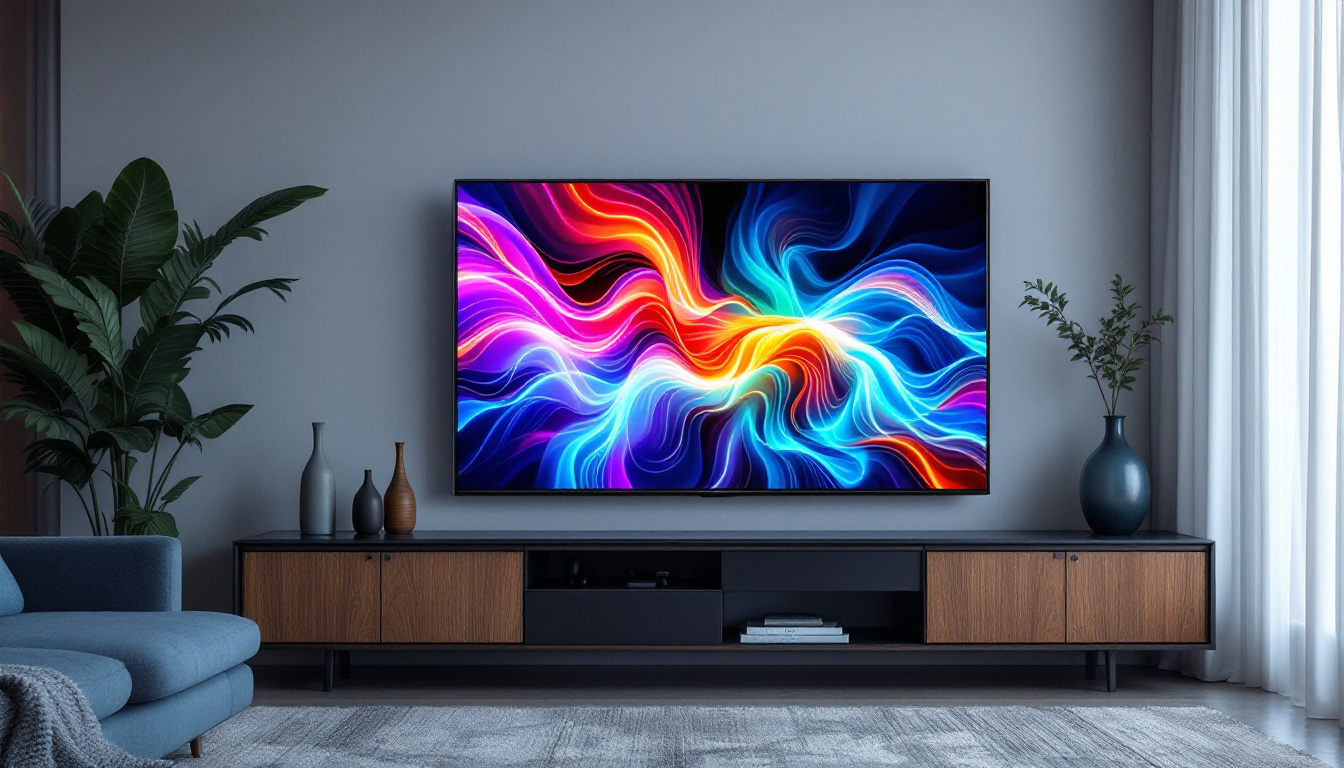
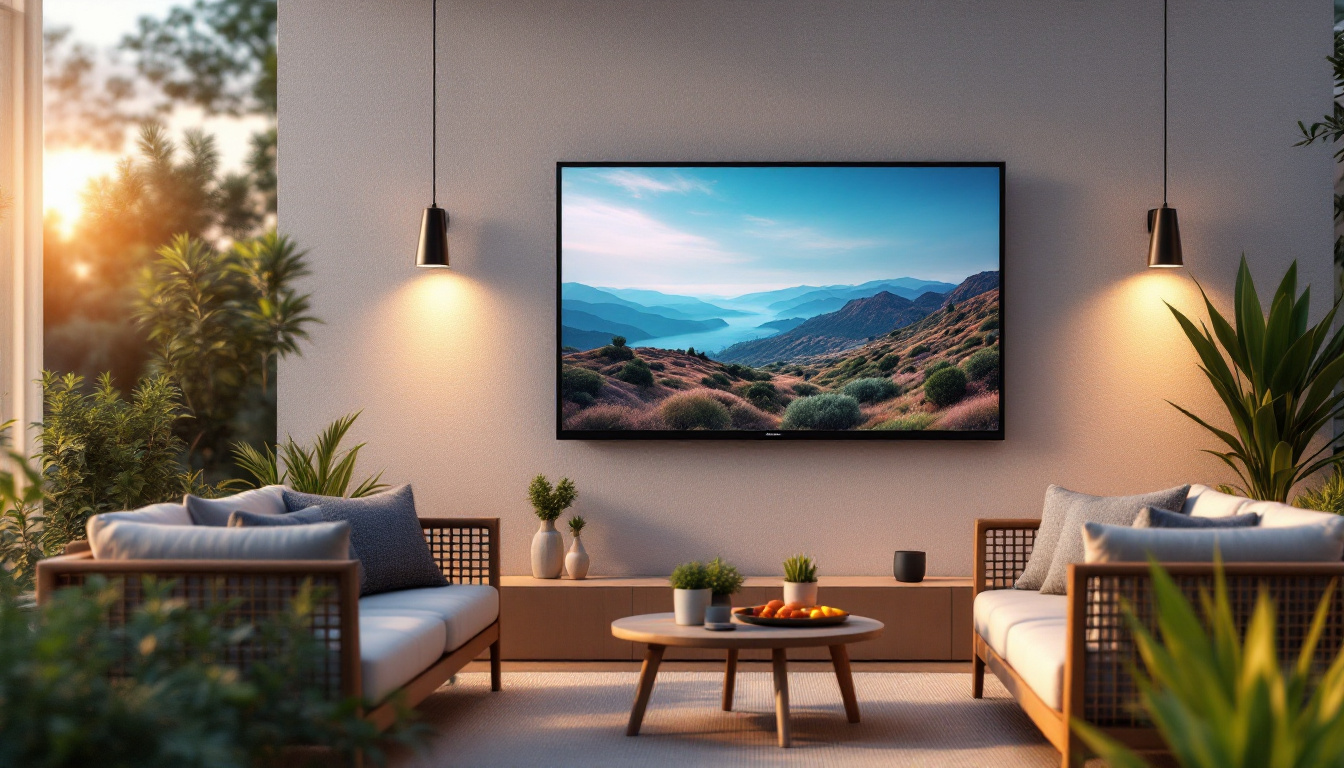
One of the most noticeable benefits of thin LED TVs is their slim profile. Thanks to the compact size of LED backlights, manufacturers can produce televisions that are just a few centimeters thick. This design not only looks modern and stylish but also makes it easier to mount the TV on walls, saving valuable floor space in living rooms or bedrooms.
Energy Efficiency and Environmental Impact
LED backlighting is significantly more energy-efficient compared to older CCFL technology. According to the U.S. Department of Energy, LED TVs can consume up to 30-40% less power than comparable CCFL LCD models. This reduction in energy use not only lowers electricity bills but also contributes to a smaller carbon footprint, aligning with growing environmental concerns among consumers.
Improved Picture Quality
Thin LED TVs offer enhanced brightness and color accuracy. Full-array LED models with local dimming can dim specific zones of the screen independently, boosting contrast and delivering deeper blacks. This technology results in more vibrant images, especially in dark scenes, enhancing the overall viewing experience.
Moreover, LED TVs typically support higher resolutions such as 4K and even 8K, along with High Dynamic Range (HDR) standards like HDR10 and Dolby Vision. These features provide richer colors and greater detail, making movies, sports, and video games more immersive.
Longevity and Durability
LEDs have a longer lifespan compared to CCFLs, often lasting tens of thousands of hours without significant degradation. This durability ensures that thin LED TVs maintain their brightness and color quality over many years, providing excellent value for consumers.
Key Features to Consider When Buying a Thin LED TV
Screen Size and Resolution
Choosing the right screen size depends on the viewing distance and room size. For example, a 55-inch 4K LED TV is ideal for a living room where viewers sit about 7-9 feet away. Higher resolutions like 4K (3840×2160 pixels) are now standard, offering four times the detail of Full HD. Some premium models also support 8K resolution, though content availability remains limited.
Backlighting Type and Local Dimming
Understanding the backlighting method is crucial for picture quality. Edge-lit LED TVs are thinner and often more affordable but may suffer from uneven brightness or “clouding” effects. Full-array LED TVs with local dimming provide superior contrast and uniformity, especially in dark scenes, but tend to be thicker and pricier.
Refresh Rate and Motion Handling
Refresh rate, measured in Hertz (Hz), indicates how many times the screen updates per second. A higher refresh rate, such as 120Hz or 240Hz, results in smoother motion, which is important for fast-paced content like sports and gaming. Many LED TVs use motion interpolation technology to enhance perceived smoothness, but this can sometimes introduce artifacts.
Smart TV Capabilities
Most modern thin LED TVs come with built-in smart platforms, enabling access to streaming services, apps, and voice assistants. Popular platforms include Roku TV, Android TV, and proprietary systems like Samsung’s Tizen or LG’s webOS. When selecting a TV, consider the ease of use, app availability, and compatibility with other smart home devices.
Connectivity Options
Ensure the TV offers sufficient HDMI ports for connecting gaming consoles, Blu-ray players, soundbars, and other peripherals. Support for HDMI 2.1 is increasingly important for future-proofing, especially for gamers seeking 4K at 120Hz or variable refresh rate (VRR) features. Additional ports like USB, Ethernet, and optical audio can enhance versatility.
Common Misconceptions About Thin LED TVs
“Thinner TVs Mean Lower Quality”
Some consumers believe that ultra-thin TVs compromise on picture quality or durability. However, advancements in LED technology and materials have allowed manufacturers to produce thin TVs without sacrificing performance. High-end models combine slim designs with full-array backlighting and advanced processing to deliver exceptional visuals.
“LED TVs Are the Same as OLED TVs”
As discussed earlier, LED and OLED are fundamentally different technologies. While both offer excellent picture quality, understanding their distinctions helps consumers set realistic expectations and choose the right product for their needs.
“LED TVs Consume a Lot of Power”
Contrary to this belief, LED TVs are among the most energy-efficient display technologies available today. Their low power consumption makes them environmentally friendly and cost-effective to operate over time.
The Future of Thin LED TV Technology
Mini-LED and Micro-LED Innovations
The next generation of LED TVs is already emerging, with Mini-LED and Micro-LED technologies pushing the boundaries of picture quality and design. Mini-LED TVs use thousands of tiny LEDs as backlighting, enabling even finer local dimming and improved contrast. This technology narrows the gap between traditional LED and OLED displays.
Micro-LED, on the other hand, consists of microscopic LEDs that emit their own light, similar to OLED but without organic materials. This approach promises exceptional brightness, color accuracy, and longevity, potentially revolutionizing the market in the coming years.
Integration with Smart Home Ecosystems
As smart homes become more prevalent, thin LED TVs are increasingly integrated with voice assistants, IoT devices, and home automation systems. Future models will likely offer seamless control, personalized content recommendations, and enhanced interactivity, making the TV a central hub for entertainment and connectivity.
Environmental Sustainability
Manufacturers are also focusing on sustainable materials and production methods to reduce the environmental impact of TVs. Energy-efficient components, recyclable materials, and longer product lifecycles are becoming standard considerations, aligning with consumer demand for greener technology.
Conclusion
Thin LED TVs represent a significant advancement in television technology, combining sleek design with impressive picture quality, energy efficiency, and smart features. By understanding the underlying LED technology, the differences from other display types, and the key factors to consider when purchasing, consumers can make informed decisions that enhance their viewing experience.
As the industry continues to innovate with Mini-LED, Micro-LED, and smarter integration, thin LED TVs will remain at the forefront of home entertainment, offering a blend of style, performance, and sustainability. Whether upgrading an existing setup or buying a new TV for the first time, appreciating the technology behind these displays is essential for getting the most value and enjoyment from this vital household device.
Discover the Future of Visual Experience with LumenMatrix
Ready to elevate your viewing experience with the latest in LED display technology? LumenMatrix is at the forefront of innovation, offering a wide range of LED display solutions that bring your content to life. From the comfort of your home to the vibrancy of outdoor settings, our Indoor and Outdoor LED Wall Displays, along with specialized options like Vehicle LED Displays and LED Sports Displays, ensure unparalleled clarity and engagement. Embrace the future of visual communication with our All-in-One LED Displays and Custom LED solutions tailored to your needs. Don’t just watch; immerse yourself in a world of vivid imagery and dynamic storytelling. Check out LumenMatrix LED Display Solutions today and transform your space into a captivating visual journey.