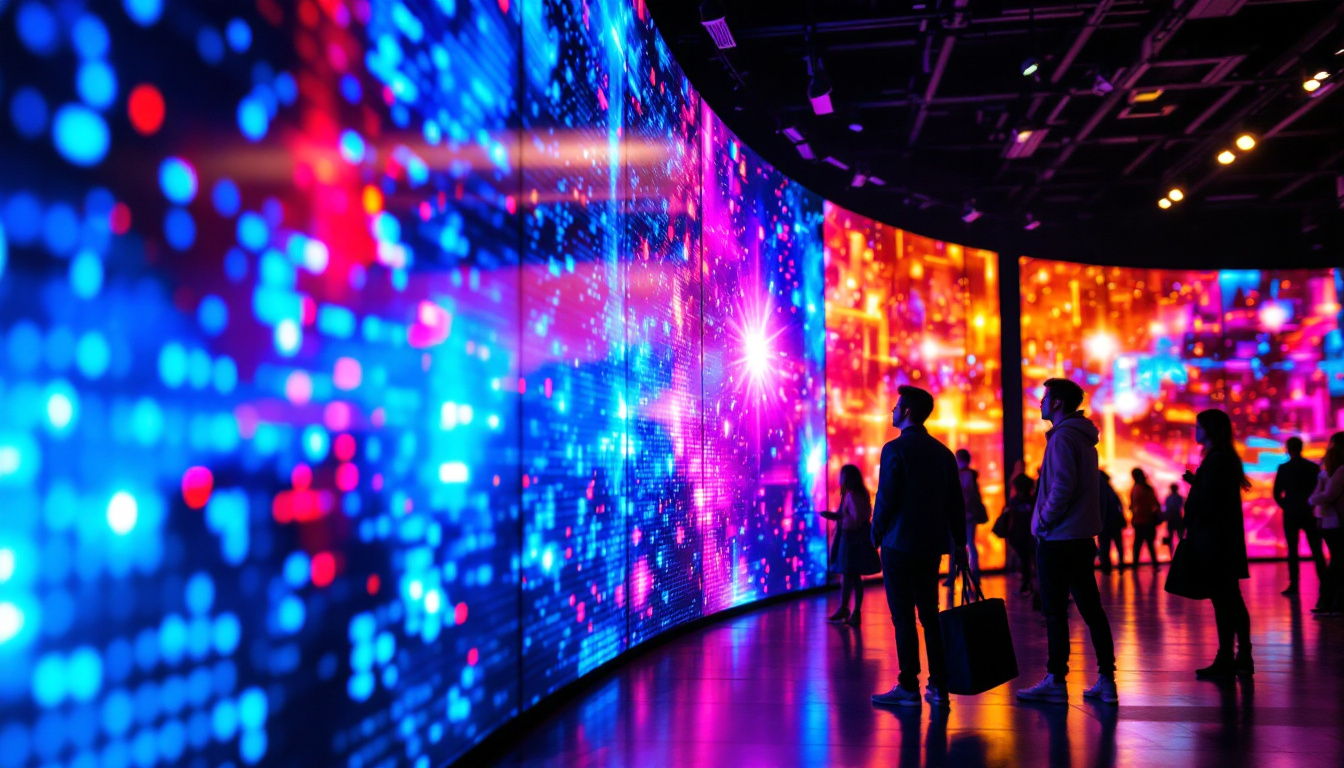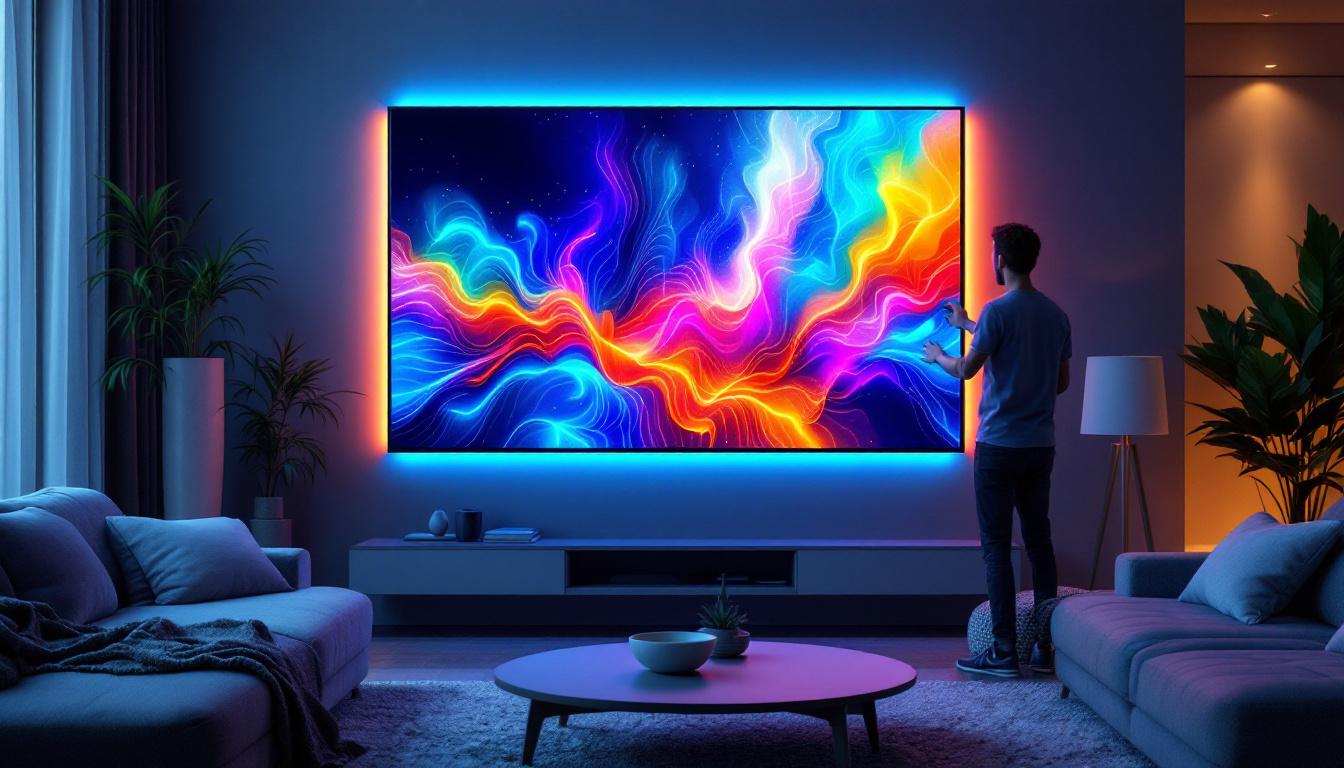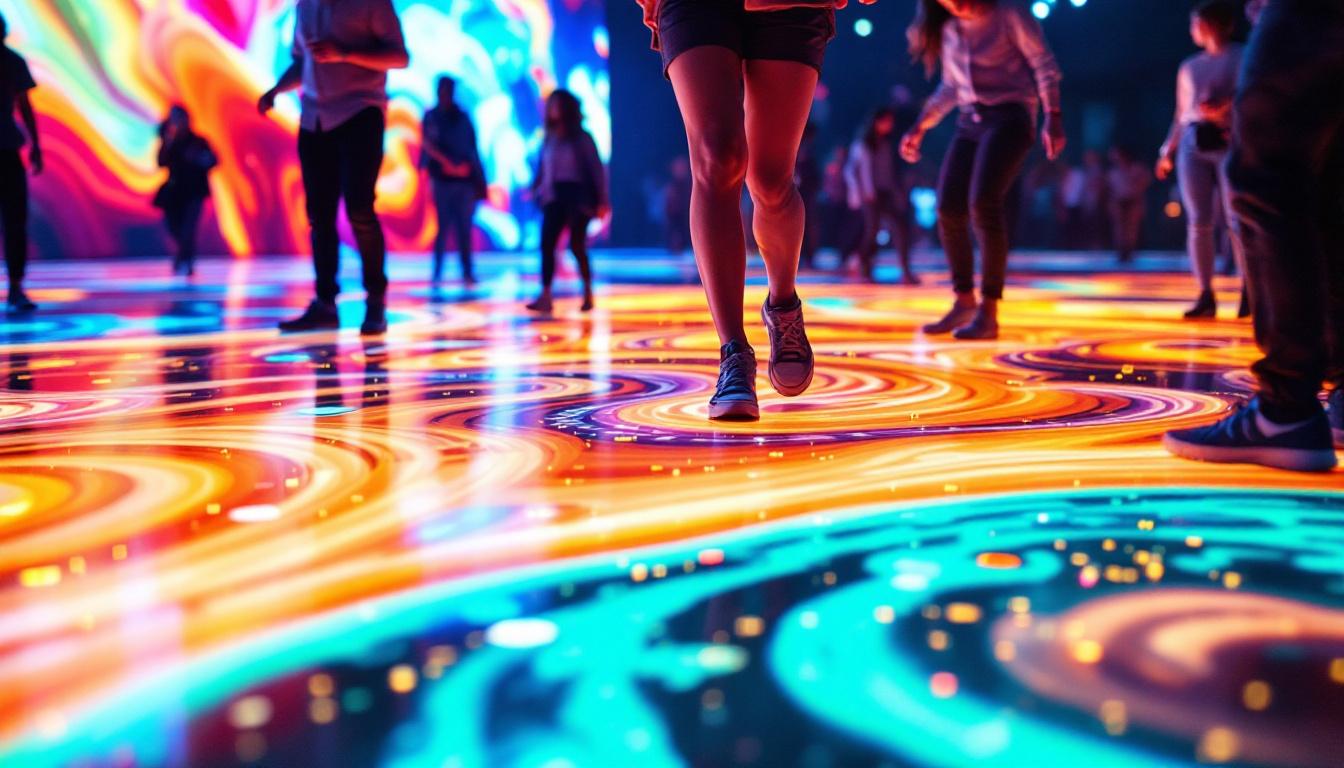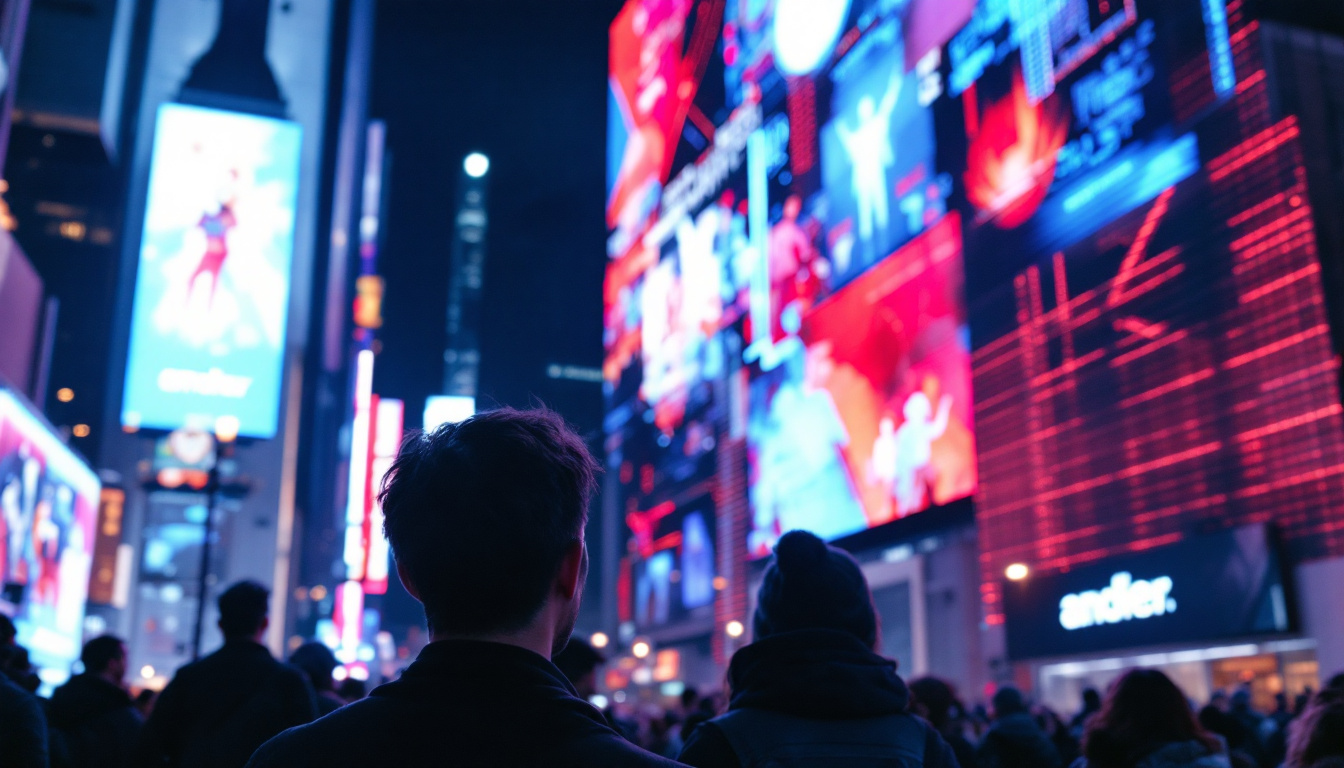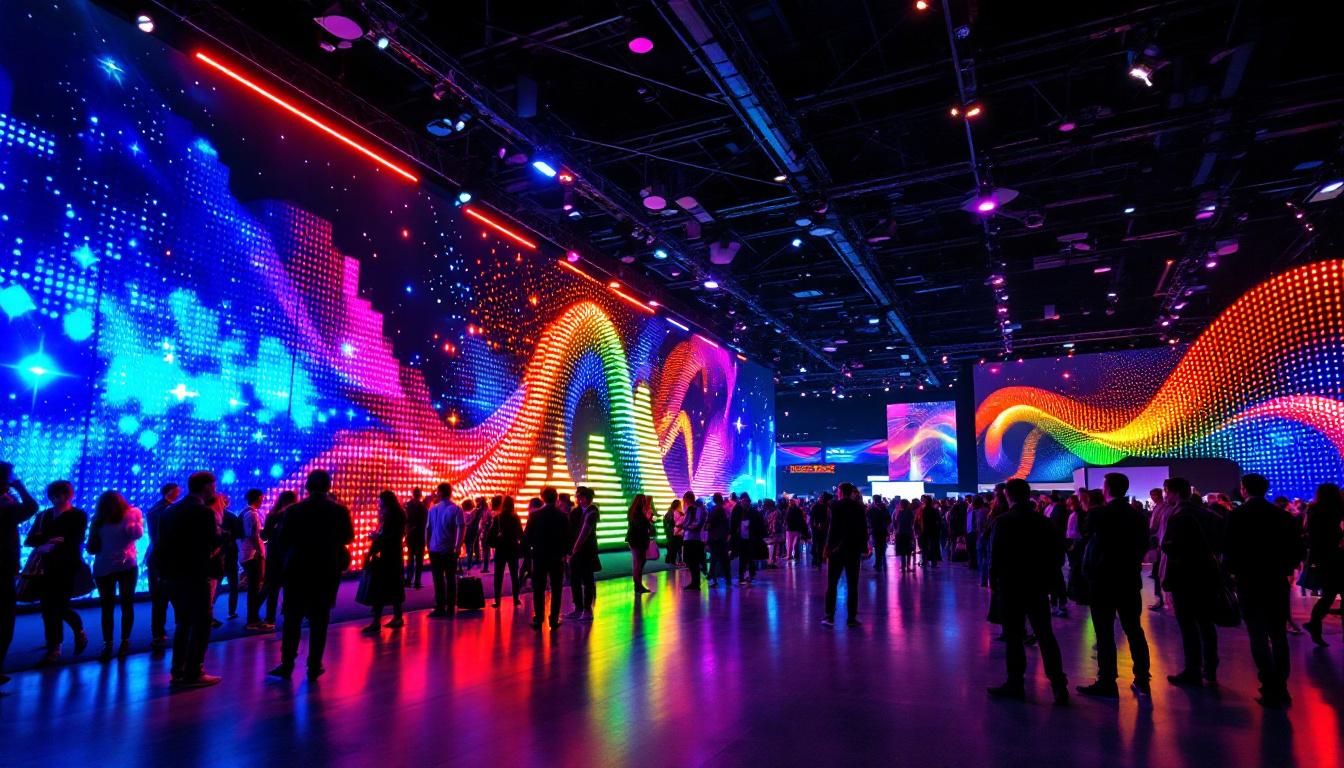
Trade shows are a bustling hub of innovation, networking, and competition. For businesses aiming to make a lasting impression, the design and functionality of their booth can be a game-changer. One of the most effective ways to captivate attendees is through the strategic use of LED lights and displays. This article delves into the world of LED lighting for trade show booths, explaining how LED displays work, their benefits, and practical tips for maximizing their impact.
Understanding LED Technology in Trade Show Displays
What Are LED Lights?
LED stands for Light Emitting Diode, a semiconductor device that emits light when an electric current passes through it. Unlike traditional incandescent bulbs, LEDs are highly energy-efficient, produce less heat, and have a significantly longer lifespan. These attributes make LED lights ideal for environments like trade shows where continuous, vibrant lighting is essential.
In the context of trade show booths, LED lights are not just for illumination—they serve as dynamic visual tools that can highlight products, create ambiance, and attract visitors from across the exhibition floor.
How LED Displays Work
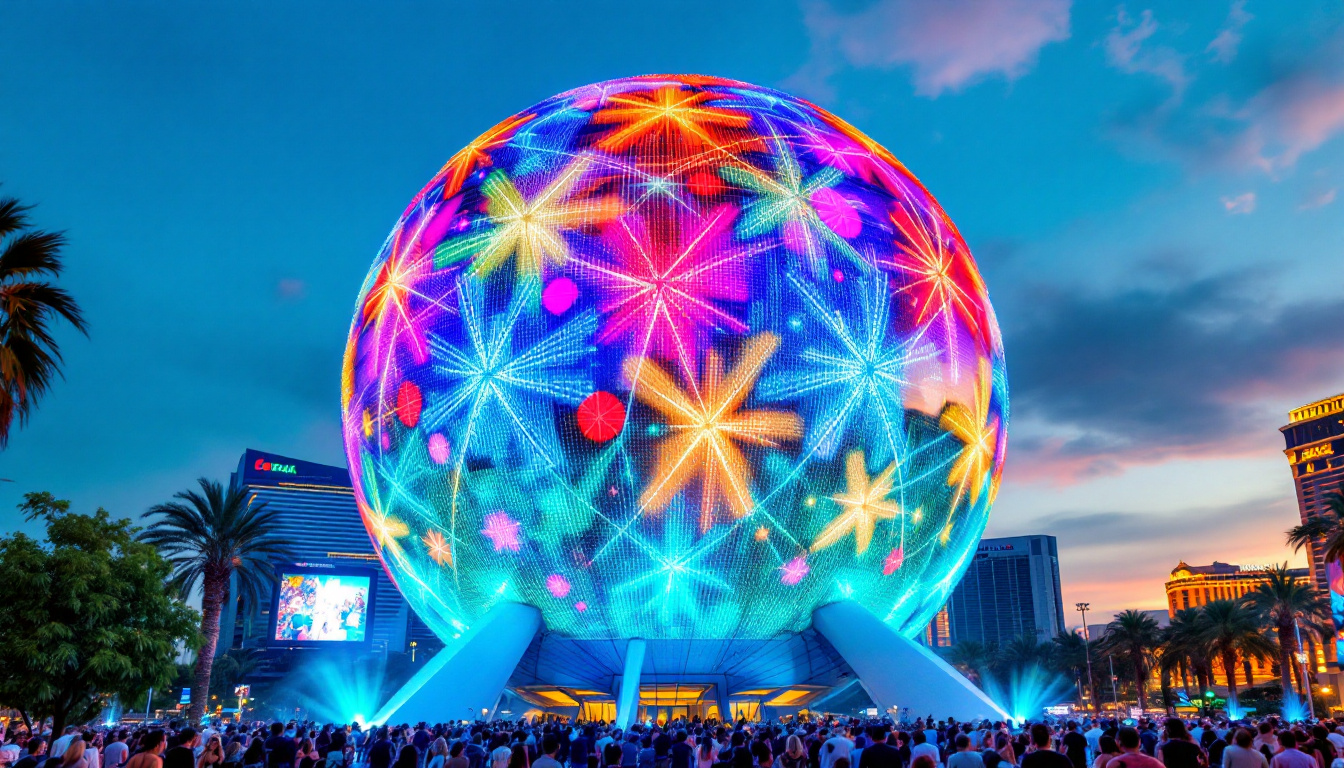
LED displays are composed of numerous tiny LEDs arranged in a matrix. Each LED acts as a pixel, and by controlling the brightness and color of each pixel, the display can render images, videos, and animations. The technology behind LED displays is versatile, allowing for both indoor and outdoor use, with varying resolutions tailored to the viewing distance and booth size.
Modern LED displays use surface-mounted diode (SMD) technology, which allows for smaller pixel pitches—the distance between pixels—resulting in sharper images. For trade show booths, this means vibrant, eye-catching visuals that can be viewed clearly even from a distance.
Benefits of Using LED Lights and Displays at Trade Shows
Enhanced Visibility and Attraction
Trade shows are crowded spaces filled with competing booths. LED lights and displays naturally draw attention due to their brightness and color intensity. Studies show that exhibits with dynamic lighting and digital displays can increase visitor engagement by up to 30% compared to static displays.
LED lighting can be programmed to change colors, pulse, or display animations, creating a visually stimulating environment that encourages attendees to stop and explore. This heightened visibility is crucial for smaller brands competing against industry giants.
Energy Efficiency and Cost Savings
LED lights consume up to 75% less energy than traditional incandescent lighting. For trade show exhibitors, this translates into lower electricity costs, especially important when participating in multi-day events. Additionally, LEDs generate minimal heat, reducing the need for additional cooling solutions within the booth space.
Moreover, the longevity of LEDs—often rated for 25,000 to 50,000 hours—means fewer replacements and maintenance during the event, allowing exhibitors to focus on engagement rather than technical issues.
Customizability and Flexibility
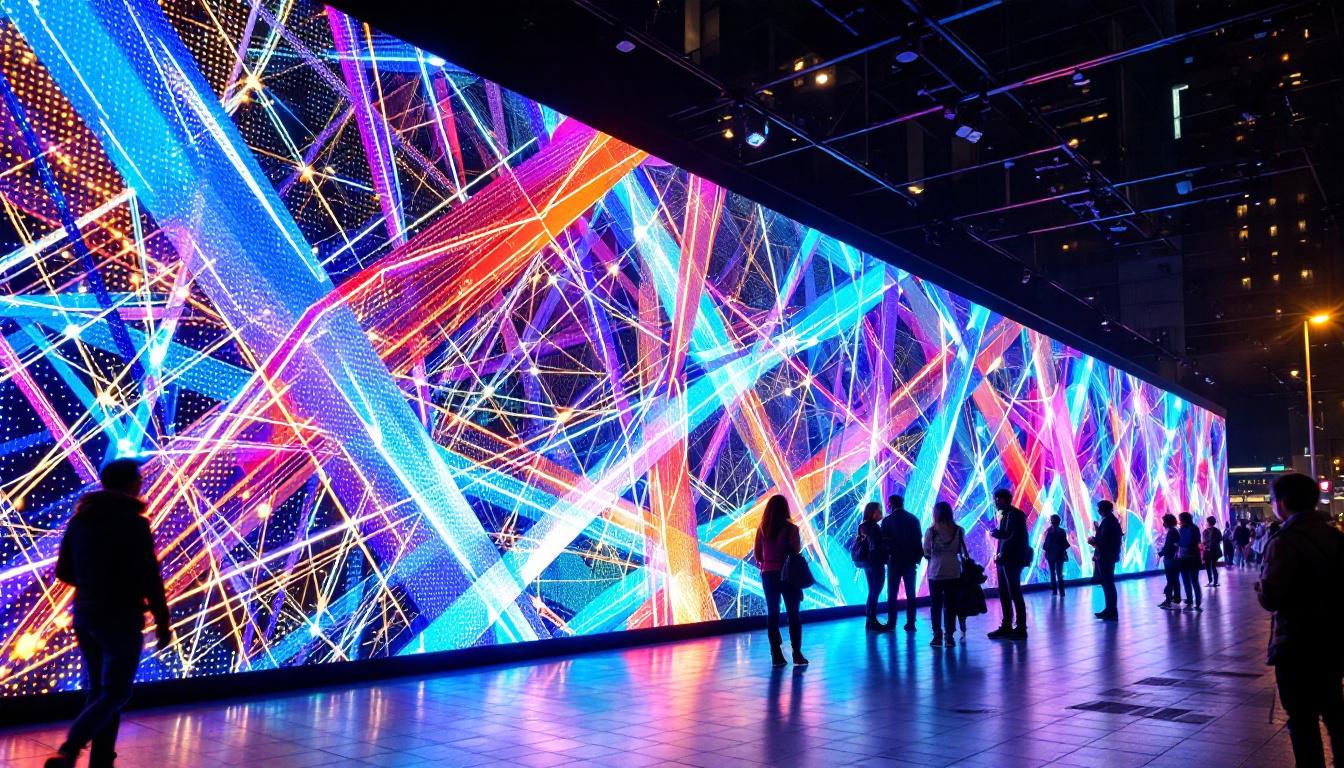
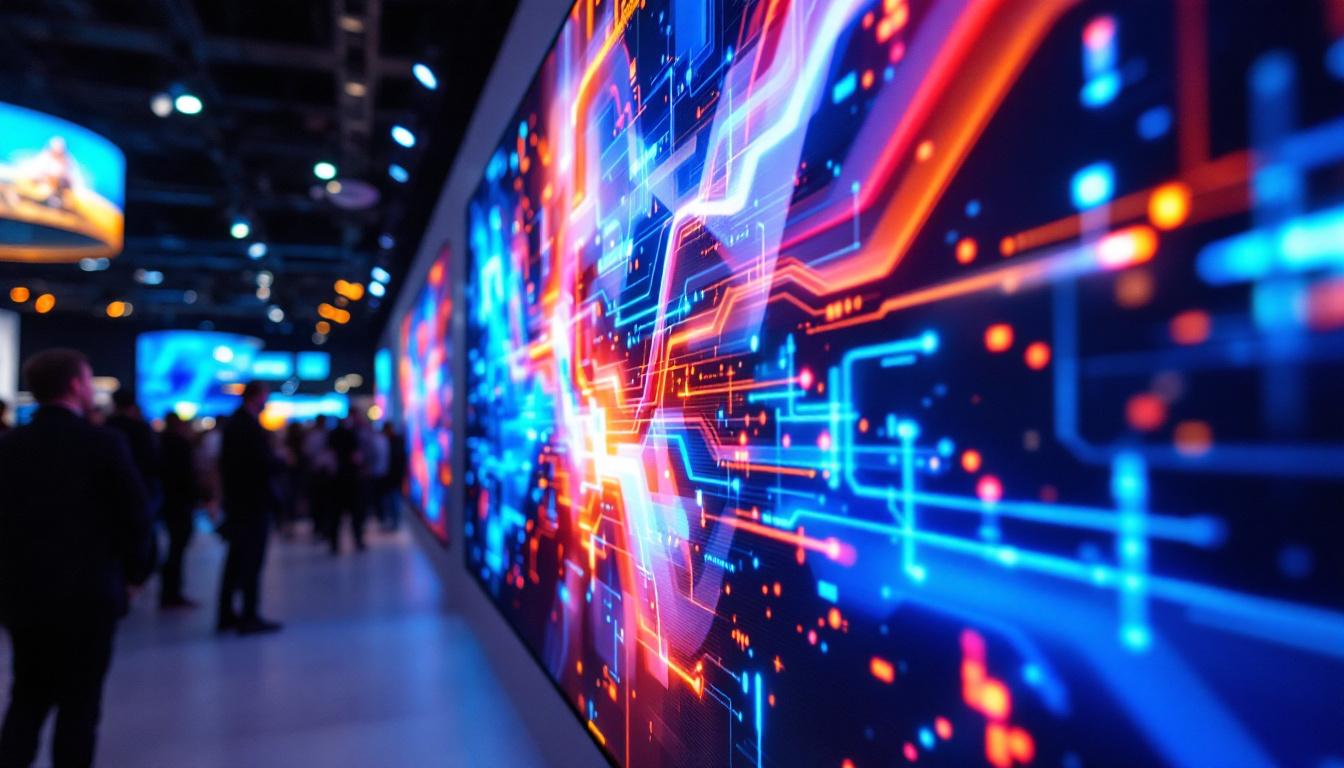
LED technology offers unparalleled flexibility in booth design. LED strips can be embedded into furniture, signage, and structural elements to create immersive environments. LED displays can be tailored in size and shape, from small digital screens to large video walls spanning several feet.
This adaptability allows brands to reinforce their identity through consistent color schemes, logos, and messaging displayed dynamically. Interactive LED touchscreens can also be integrated to provide product information or collect visitor data, enhancing the overall experience.
Choosing the Right LED Display for Your Trade Show Booth
Consider Viewing Distance and Resolution
One of the most critical factors in selecting an LED display is the pixel pitch, which directly affects resolution and image clarity. For trade show booths, where viewers may be standing just a few feet away, a smaller pixel pitch (e.g., 1.5mm to 3mm) ensures crisp visuals.
If the display is intended to be viewed from a distance, such as across an exhibition hall, a larger pixel pitch (e.g., 4mm to 6mm) may suffice and is generally more cost-effective. Understanding the typical viewing distance helps balance quality with budget.
Size and Aspect Ratio
The physical size of the LED display should complement the booth layout without overwhelming the space. Large video walls can create a dramatic focal point but may require additional structural support and transportation planning.
Aspect ratio is also important; common formats like 16:9 are ideal for video content, while custom ratios may be better suited for branding elements or interactive displays. Planning the content beforehand ensures the display size and shape align with your marketing goals.
Brightness and Color Accuracy
Trade show halls often have bright ambient lighting, so LED displays need sufficient brightness to stand out. Most indoor LED displays offer brightness levels between 800 to 1500 nits, which is adequate for typical trade show environments.
Color accuracy is essential for brand consistency. High-quality LED displays support wide color gamuts and high refresh rates, preventing flicker and ensuring smooth motion—particularly important for video content and animations.
Designing Your Trade Show Booth with LED Lighting
Creating a Cohesive Visual Experience
Integrating LED lighting into your booth design should enhance the overall aesthetic and messaging. Use LED accent lighting to highlight key products or areas, such as new launches or interactive zones. This targeted illumination guides visitors’ attention and encourages exploration.
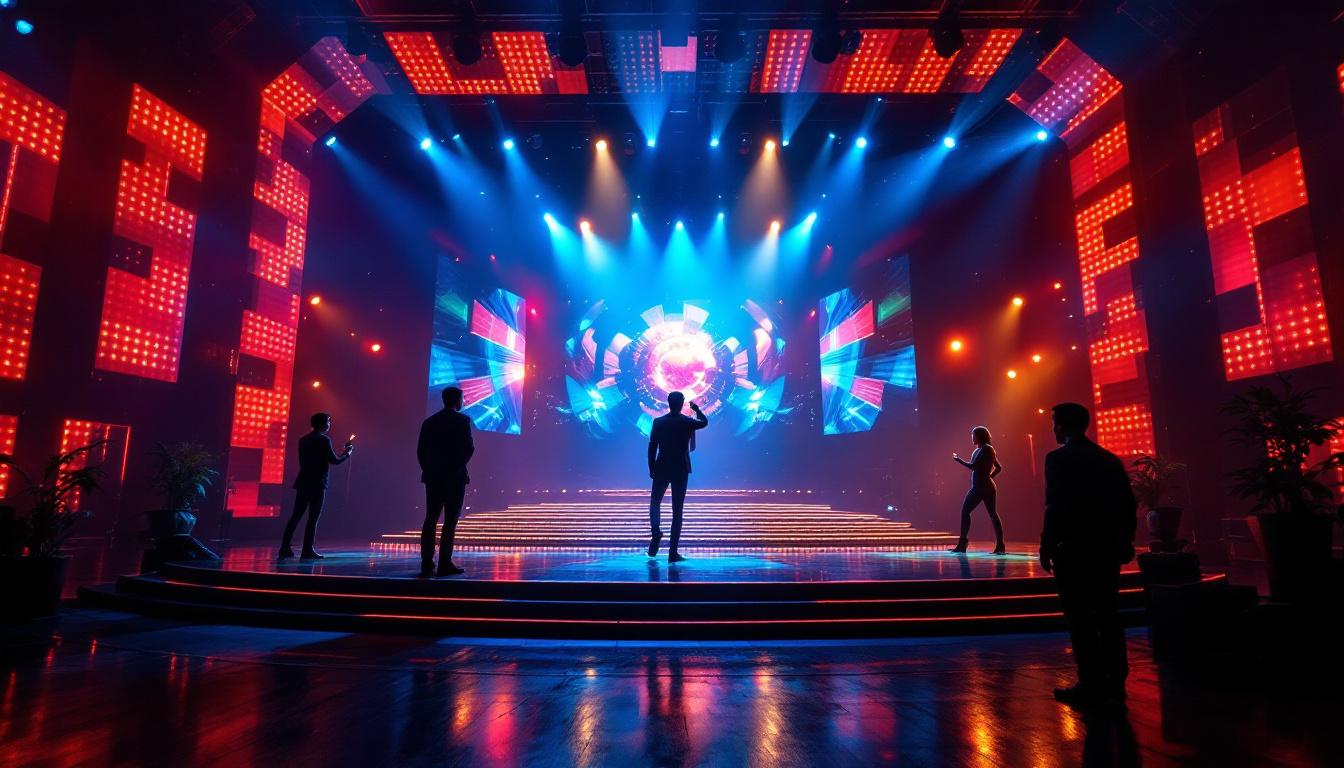
LED displays can showcase dynamic content like product demos, testimonials, or social media feeds, providing visitors with engaging information without the need for constant staff interaction. This blend of lighting and digital content creates a memorable and immersive experience.
Incorporating Interactive Elements
Interactive LED displays, such as touchscreens or motion-activated panels, can significantly boost visitor engagement. These technologies allow attendees to navigate product catalogs, customize options, or participate in games and contests, making the booth experience more personal and memorable.
Interactive LED walls can also collect valuable data, such as contact information or preferences, facilitating follow-up after the event. When combined with well-trained staff, these tools can convert casual visitors into qualified leads.
Balancing Lighting with Other Booth Elements
While LED lighting is powerful, it should not overshadow other booth components. Balance bright LED displays with softer ambient lighting to create comfortable spaces for conversation and demonstrations.
Consider the color temperature of LED lights to match your brand’s tone—cool white LEDs convey modernity and professionalism, while warmer tones evoke comfort and approachability. Proper lighting design ensures your booth is inviting without being overwhelming.
Practical Tips for Implementing LED Displays at Trade Shows
Plan for Power and Connectivity
LED displays require reliable power sources and often need data connections for content updates. Coordinate with the trade show organizers to understand power availability and any restrictions. Bringing backup power solutions, such as portable batteries or UPS systems, can prevent downtime during the event.
Ensure your content management system is user-friendly and allows for quick adjustments on-site. This flexibility is crucial for responding to audience reactions or last-minute changes.
Test and Rehearse Before the Event
Set up your LED displays well before the trade show opens to test brightness, color calibration, and content playback. Rehearse transitions and interactive elements to ensure smooth operation. This preparation minimizes technical issues and enhances professionalism.
Additionally, train your booth staff on the features of the LED displays so they can confidently assist visitors and troubleshoot minor issues.
Consider Rental vs. Purchase
For companies new to LED displays or those attending infrequent trade shows, renting LED equipment can be a cost-effective option. Rental providers often include setup and technical support, reducing logistical burdens.
However, purchasing LED displays may be advantageous for frequent exhibitors, offering long-term savings and the ability to customize content extensively. Evaluate your trade show schedule, budget, and technical expertise when making this decision.
Case Studies: Successful Use of LED Displays at Trade Shows
Technology Company’s Immersive Product Launch
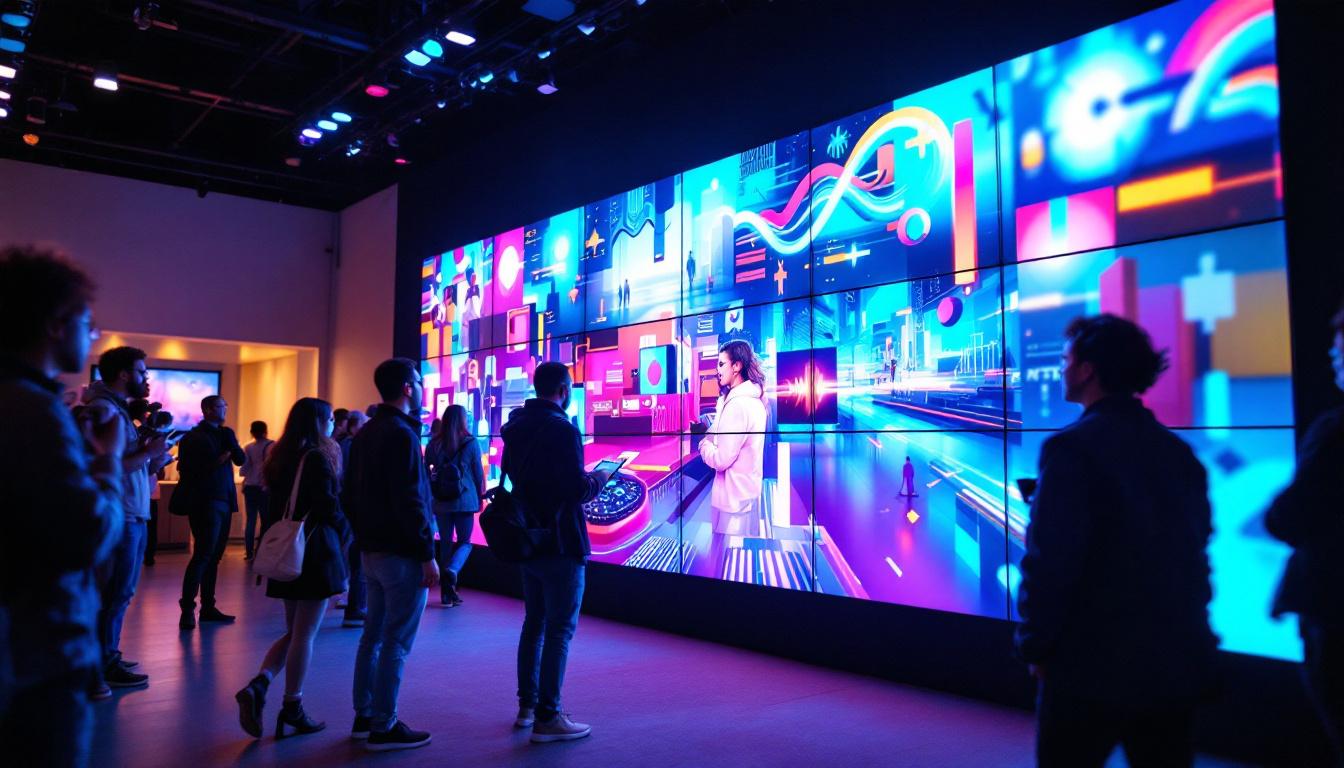
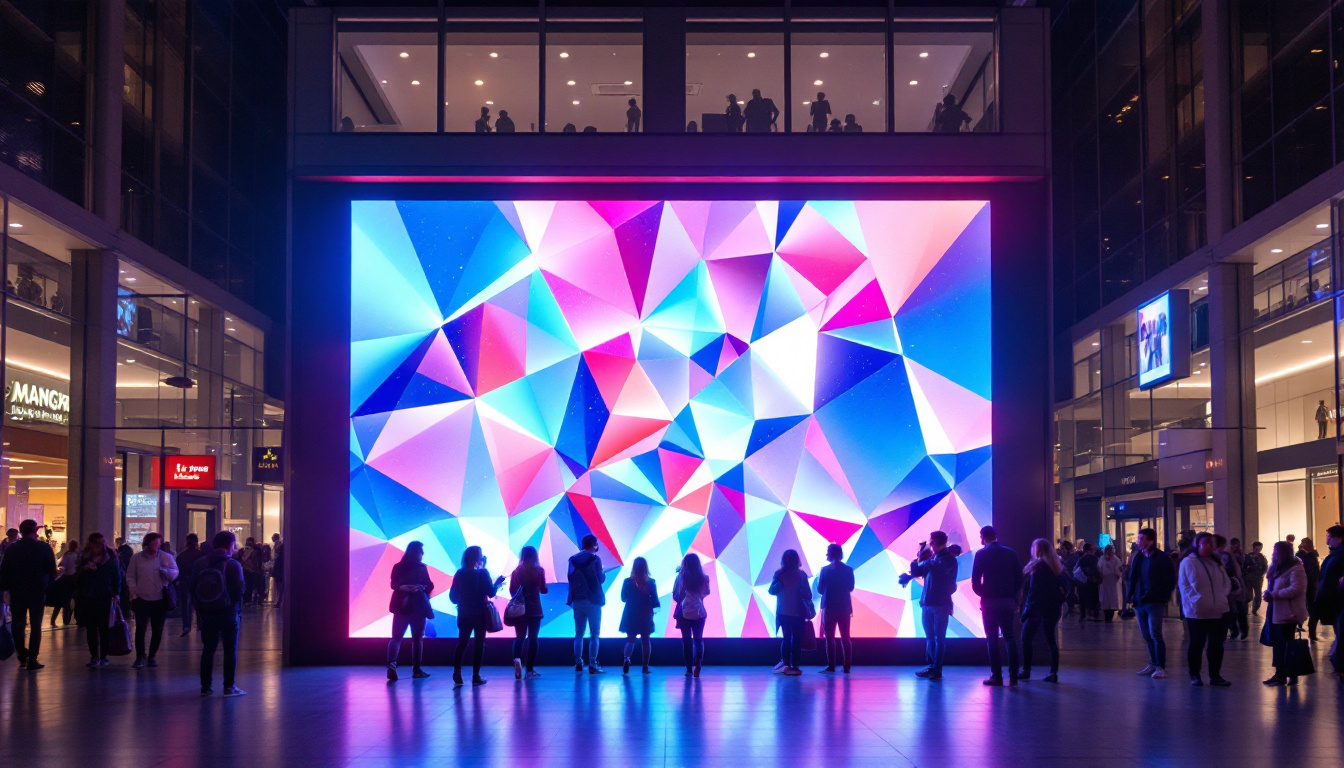
A leading technology firm recently unveiled a new product line at a major industry trade show using a 20-foot-wide LED video wall. The display showcased high-definition product demos and customer testimonials, attracting significant foot traffic. The company reported a 40% increase in booth visits compared to previous years, attributing much of this success to the dynamic LED visuals.
Consumer Brand’s Interactive Experience
A consumer goods brand integrated interactive LED touchscreens into their booth, allowing visitors to explore product features and customize options. The engaging experience led to longer visitor dwell times and a 25% increase in lead generation. Post-event surveys indicated that attendees found the booth more memorable due to its innovative use of LED technology.
Future Trends in LED Lighting for Trade Shows
Advancements in MicroLED and Flexible Displays
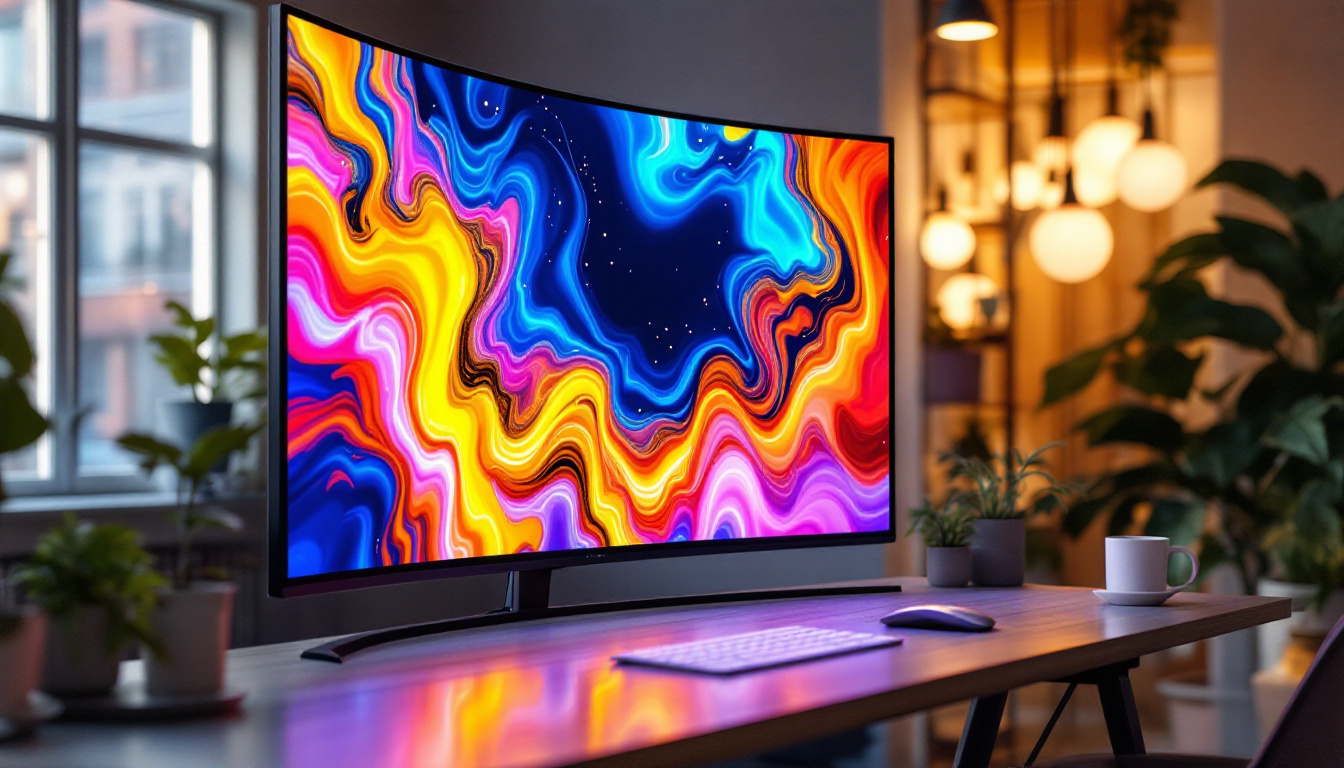
Emerging microLED technology promises even higher resolution and brightness with lower power consumption. Flexible LED displays are becoming more accessible, enabling curved and unconventional booth designs that were previously difficult to achieve.
These innovations will allow exhibitors to create more immersive and visually stunning environments, further enhancing attendee engagement.
Integration with Augmented Reality (AR)
Combining LED displays with AR technology is an exciting frontier. Attendees can interact with digital overlays on LED screens, blending physical and virtual experiences. This hybrid approach offers personalized and memorable interactions, setting booths apart in competitive trade show environments.
Conclusion
LED lights and displays have transformed the trade show landscape, offering exhibitors powerful tools to attract attention, communicate messages, and engage visitors. By understanding the technology, benefits, and design considerations, businesses can leverage LED solutions to maximize their trade show ROI.
Careful planning, from selecting the right display to integrating interactive elements and balancing lighting, ensures that LED installations enhance rather than overwhelm. As LED technology continues to evolve, staying informed about new trends will keep trade show booths fresh, innovative, and impactful.
Investing in LED lighting and displays is not just about illumination—it’s about creating an experience that resonates long after the event ends.
Illuminate Your Brand with LumenMatrix
Ready to elevate your trade show presence and captivate your audience like never before? Discover LumenMatrix’s innovative LED display solutions, designed to bring your brand to life with unparalleled brightness and clarity. From Indoor and Outdoor LED Wall Displays to specialized options like Vehicle, Sports, and Floor LED Displays, LumenMatrix offers a spectrum of customizable and cutting-edge visual technologies. Embrace the future of visual communication with our All-in-One and Transparent LED Displays, and create experiences that resonate with impact. Check out LumenMatrix LED Display Solutions today and transform your trade show booth into a beacon of engagement.