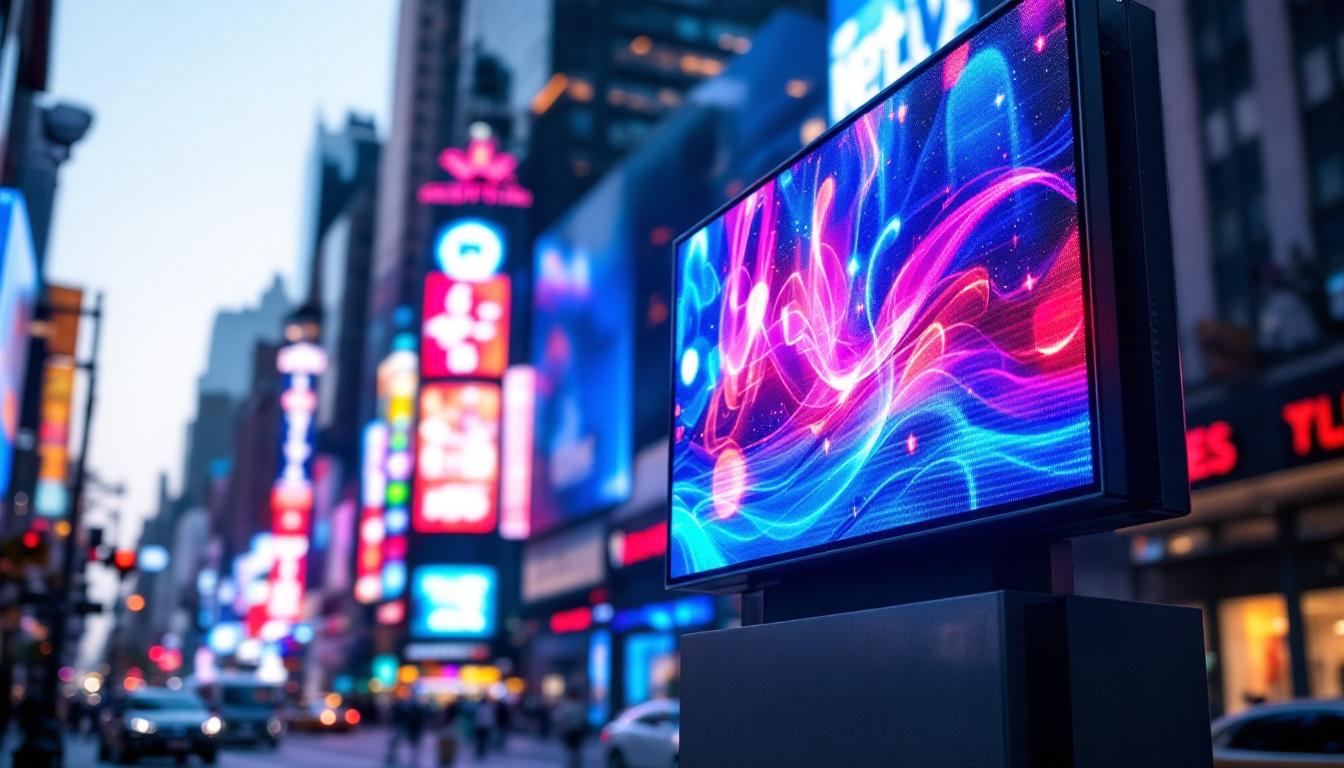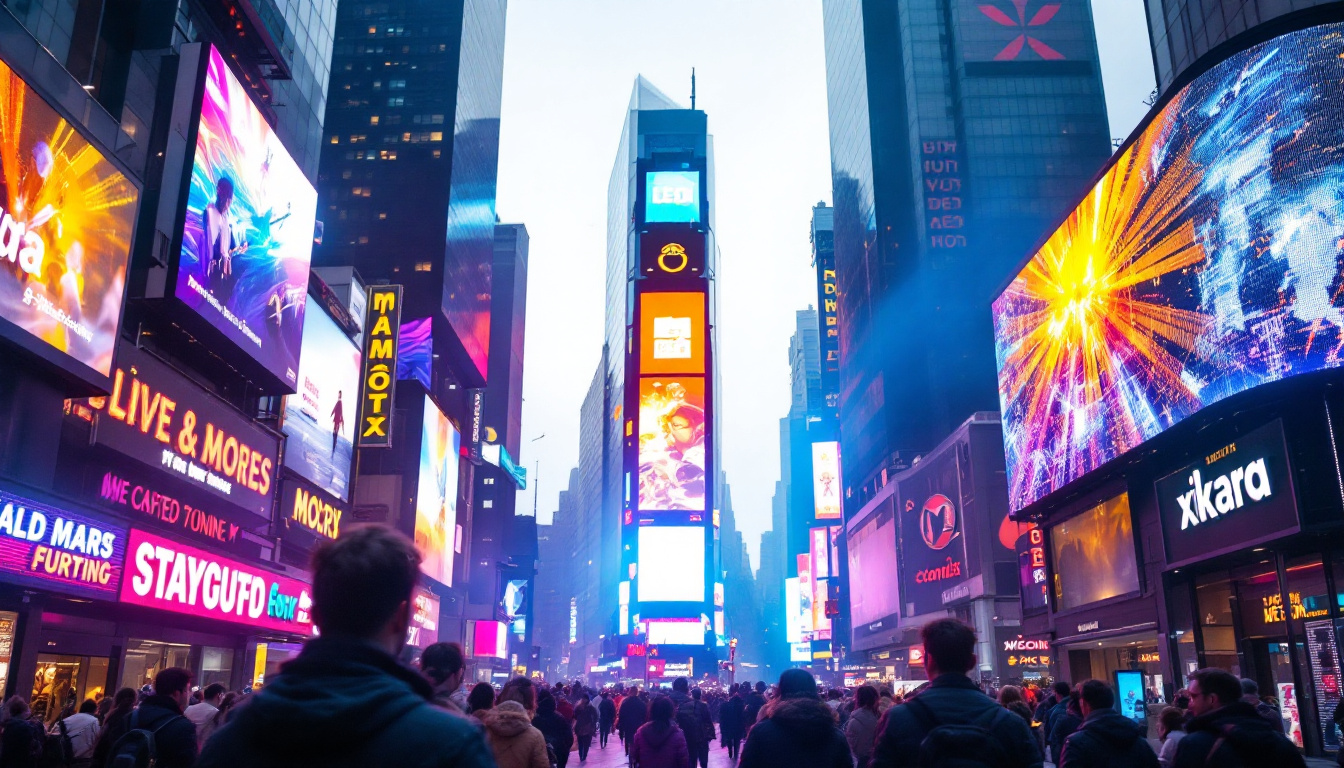
In today’s fast-paced digital environment, visual communication plays a crucial role across industries. From corporate boardrooms and control centers to retail stores and public venues, wall monitor displays have become essential for delivering impactful, real-time information. Among the various display technologies available, LED displays stand out for their brightness, versatility, and scalability. This article delves into the world of wall monitor LED displays, explaining their technology, advantages, applications, and considerations for selecting the right solution.
Understanding LED Display Technology
What Is an LED Display?
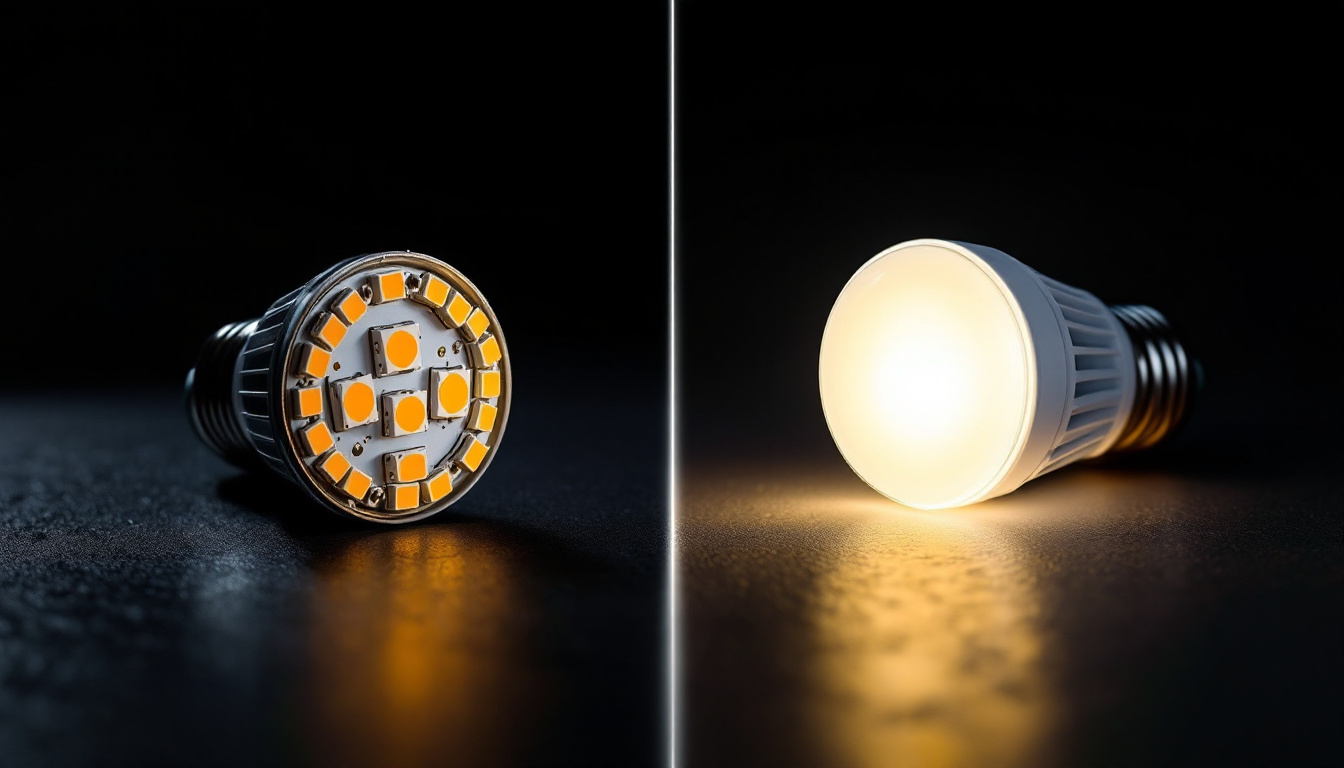
LED stands for Light Emitting Diode, a semiconductor device that emits light when an electric current passes through it. An LED display is a flat panel that uses an array of these tiny diodes to produce images and videos. Unlike traditional LCD or plasma screens, LED displays rely on direct light emission from each pixel, which results in higher brightness and contrast levels. This capability makes them particularly effective in environments with high ambient light, where other display technologies might struggle to maintain visibility.
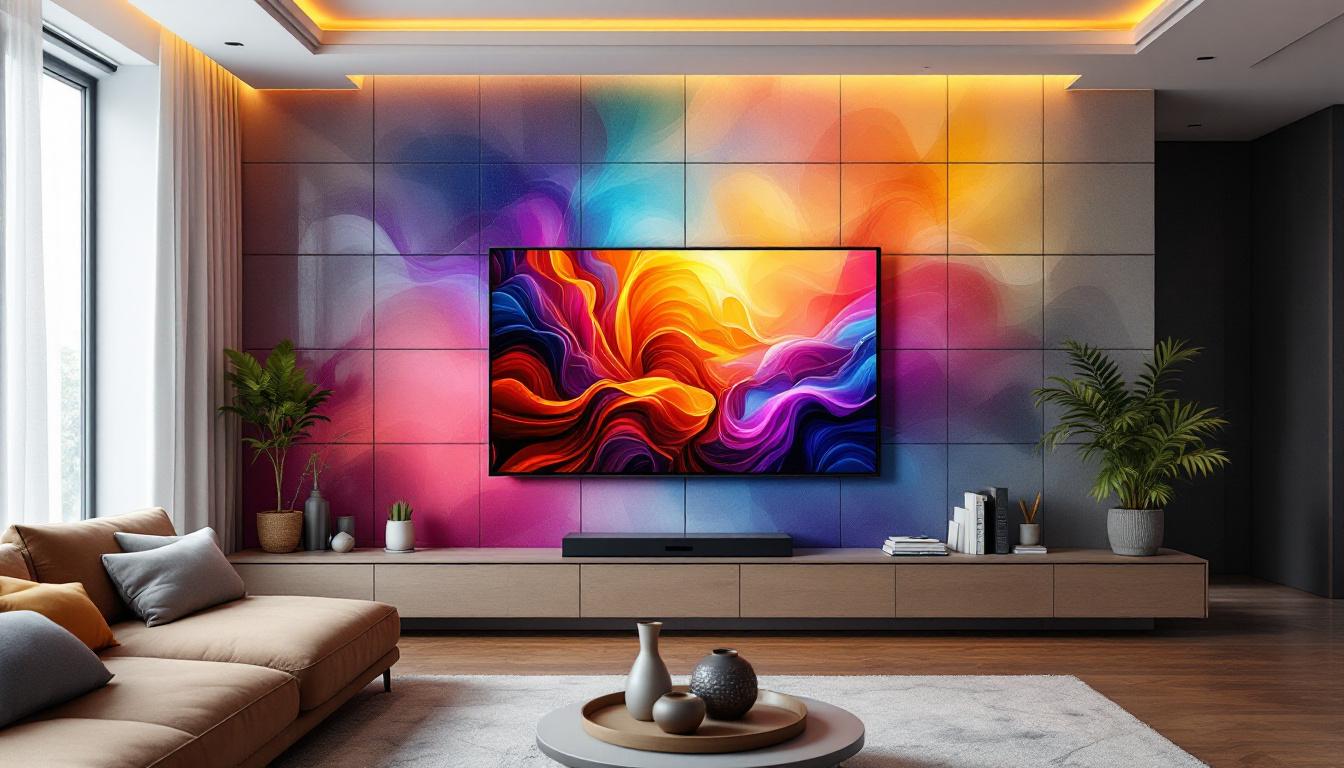
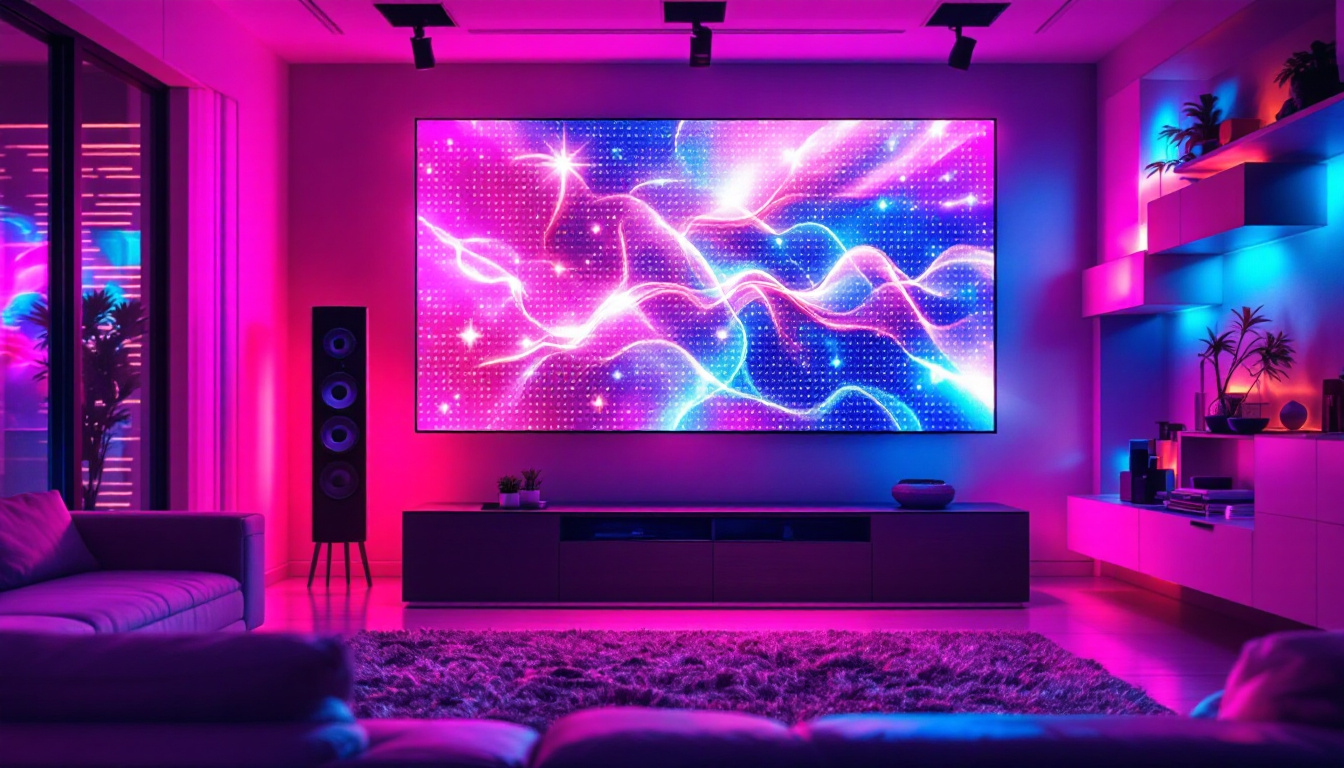
Wall monitor LED displays are typically composed of multiple LED modules assembled together to form a larger screen. This modular design allows for customizable sizes and resolutions, making them ideal for large-scale applications such as video walls in control rooms or advertising billboards. Additionally, the flexibility of LED modules enables creative configurations, allowing for curved or irregular shapes that can enhance the visual impact of a display in unique architectural settings.
Types of LED Displays
LED displays come in various forms, primarily categorized as:
- Direct View LED (DVLED): These displays use LEDs as pixels directly visible to the viewer. They offer superior brightness and color accuracy, making them suitable for both indoor and outdoor use. Their ability to produce deep blacks and vibrant colors makes them a favorite for live events and sports arenas, where dynamic visuals are crucial.
- LED-backlit LCD: These are traditional LCD screens illuminated by LED backlights. While common in consumer electronics, they are less prevalent in large wall monitor setups due to limitations in brightness and viewing angles. However, they still serve well in applications where cost is a primary concern, providing satisfactory performance for everyday use.
For wall monitor applications, Direct View LED technology is the preferred choice due to its scalability, vivid color reproduction, and ability to maintain image quality over large surfaces. Moreover, advancements in LED technology have led to the development of finer pixel pitches, which allow for closer viewing distances without sacrificing image clarity. This makes DVLED displays increasingly popular in venues like museums, art galleries, and retail spaces, where detailed visuals can significantly enhance the viewer’s experience.
In addition to their visual prowess, LED displays are also lauded for their energy efficiency and longevity. Compared to traditional lighting technologies, LEDs consume significantly less power and can last tens of thousands of hours, reducing maintenance costs and environmental impact. As technology continues to evolve, we can expect even more innovations in LED display solutions, including enhanced interactivity and integration with smart technologies, further expanding their applications across various industries.
Key Advantages of LED Wall Monitor Displays
Exceptional Brightness and Visibility
One of the most significant benefits of LED displays is their exceptional brightness. LED wall monitors can achieve brightness levels ranging from 1,000 to over 5,000 nits, far surpassing typical LCD screens. This makes them highly visible even in brightly lit environments or outdoor settings where sunlight can wash out other display types.
For example, in transportation hubs such as airports and train stations, LED video walls ensure that important announcements and schedules remain clearly readable regardless of ambient lighting conditions.
Scalability and Customization
LED displays are inherently modular, composed of smaller panels or tiles that can be combined to create virtually any screen size or aspect ratio. This flexibility allows organizations to tailor their wall monitor displays to fit unique spaces, whether it’s a massive video wall spanning an entire conference room or a compact display for a retail kiosk.
Moreover, LED technology supports seamless bezel-less designs, meaning multiple modules can be joined without visible gaps, creating a smooth and immersive viewing experience.
Superior Color Accuracy and Contrast
Because each LED emits its own light, LED displays can produce deep blacks and vibrant colors with high contrast ratios. This results in images that are more lifelike and engaging, which is essential for applications such as digital signage, broadcast studios, and control centers where accurate color representation is critical.
Energy Efficiency and Longevity
Modern LED displays are designed with energy efficiency in mind. Compared to older display technologies, LEDs consume less power while delivering higher brightness. Additionally, LED panels typically have a longer lifespan, often exceeding 100,000 hours of operation before significant brightness degradation occurs.
This combination of energy savings and durability translates to lower total cost of ownership, making LED wall monitors a financially sound investment over time.
Common Applications of LED Wall Monitor Displays
Corporate and Control Rooms
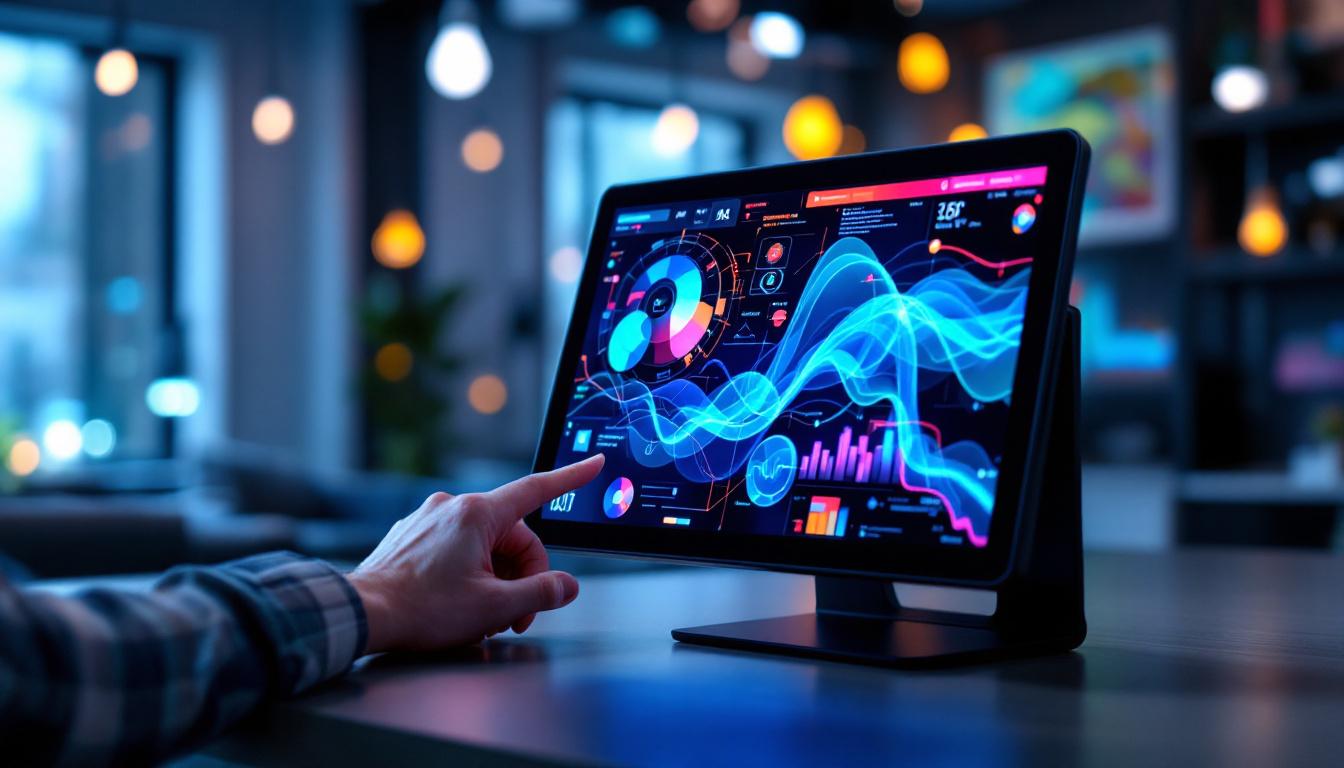
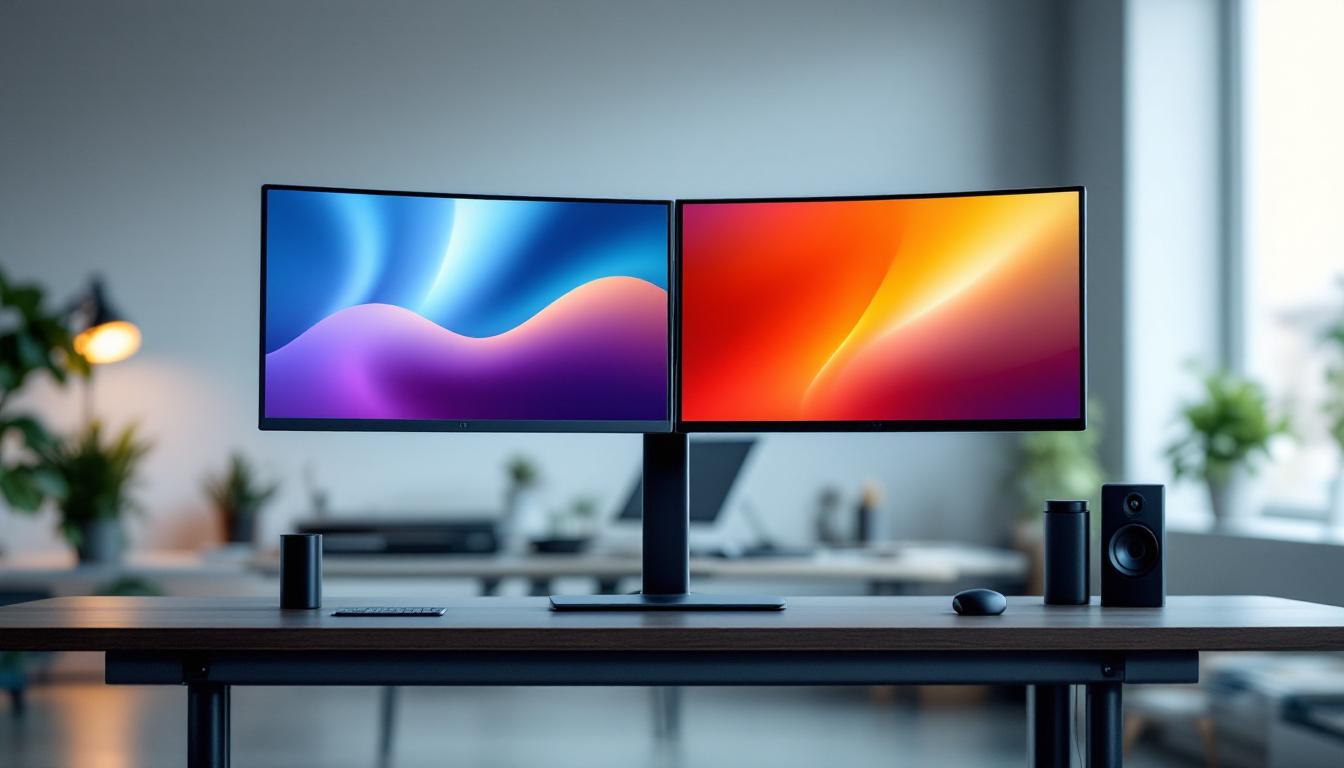
In corporate environments, LED video walls are frequently used in boardrooms and conference centers to facilitate presentations, video conferencing, and data visualization. Their large size and high resolution enable multiple data sources to be displayed simultaneously, improving decision-making and collaboration.
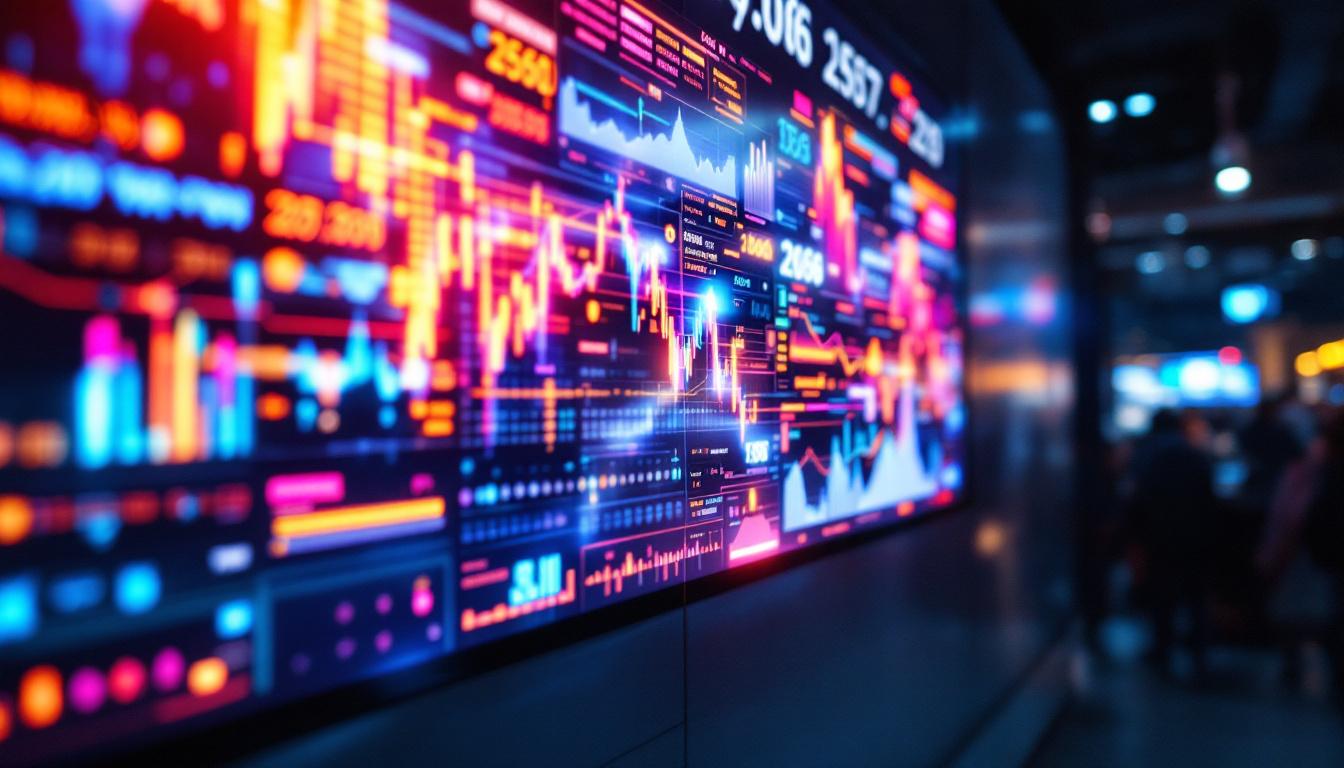
Control rooms in industries such as utilities, transportation, and security rely heavily on LED wall monitors to monitor real-time data feeds, CCTV footage, and operational dashboards. The high brightness and clarity ensure operators can quickly interpret critical information, enhancing situational awareness and response times.
Retail and Advertising
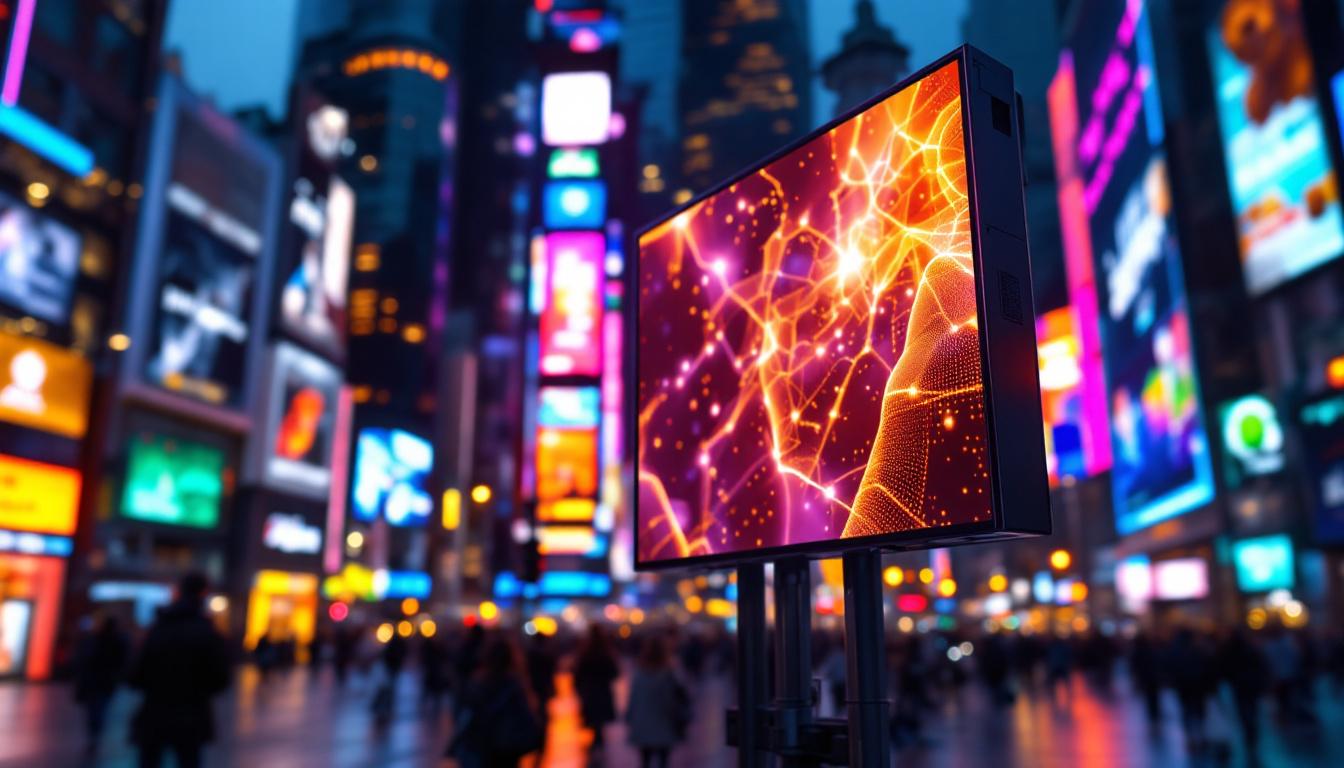
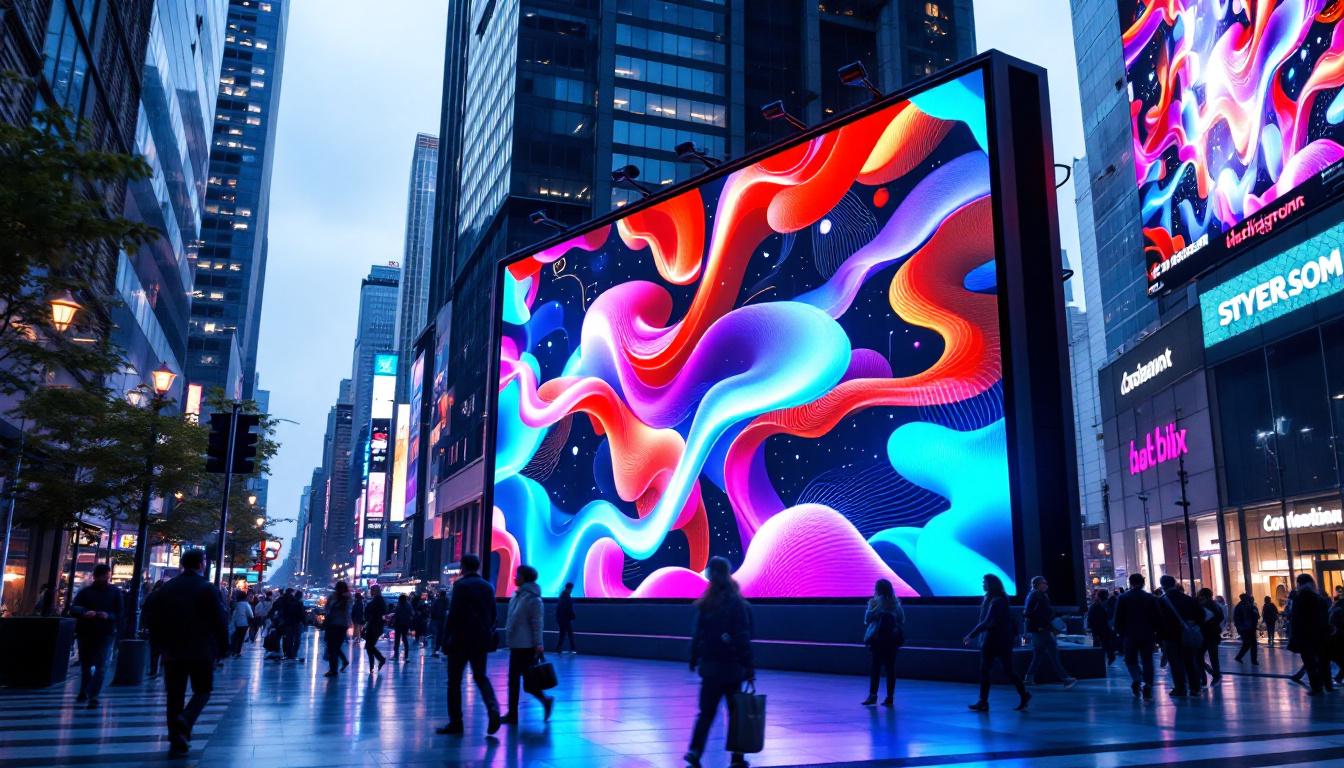
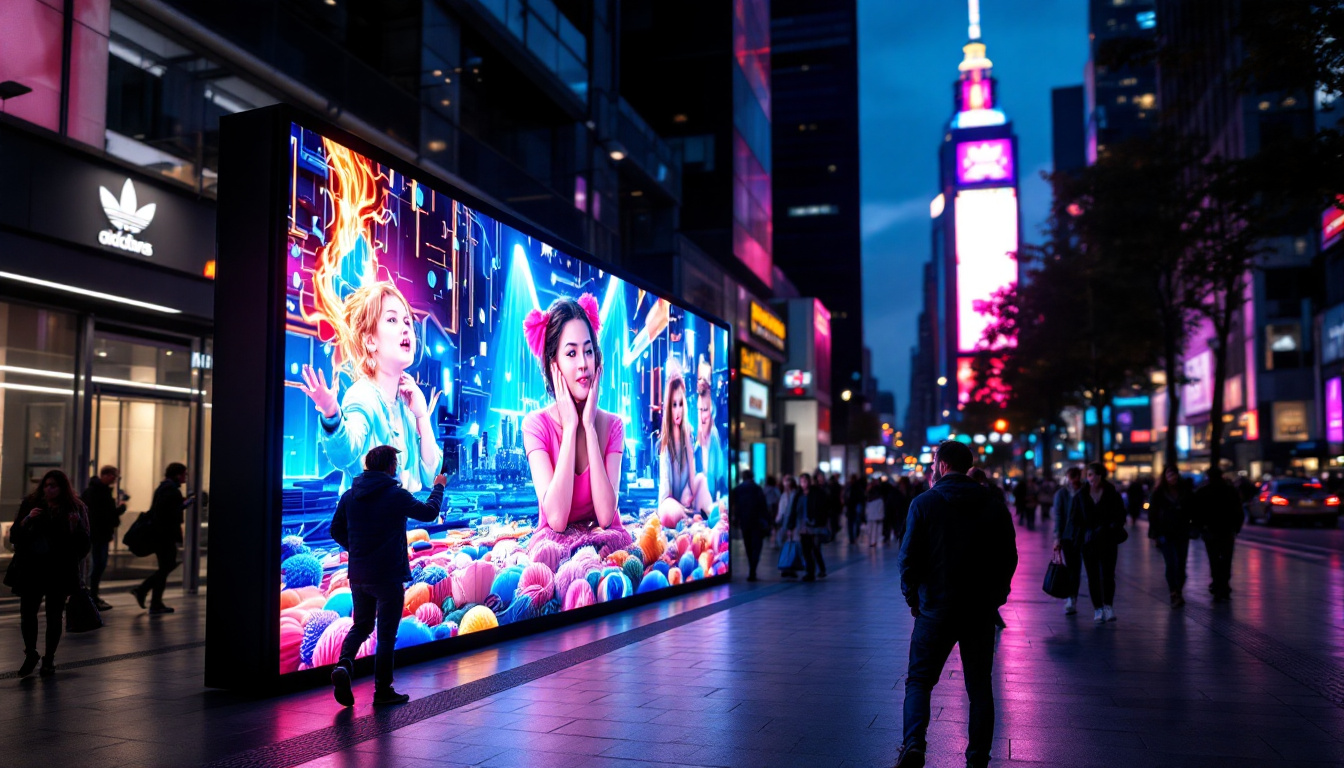
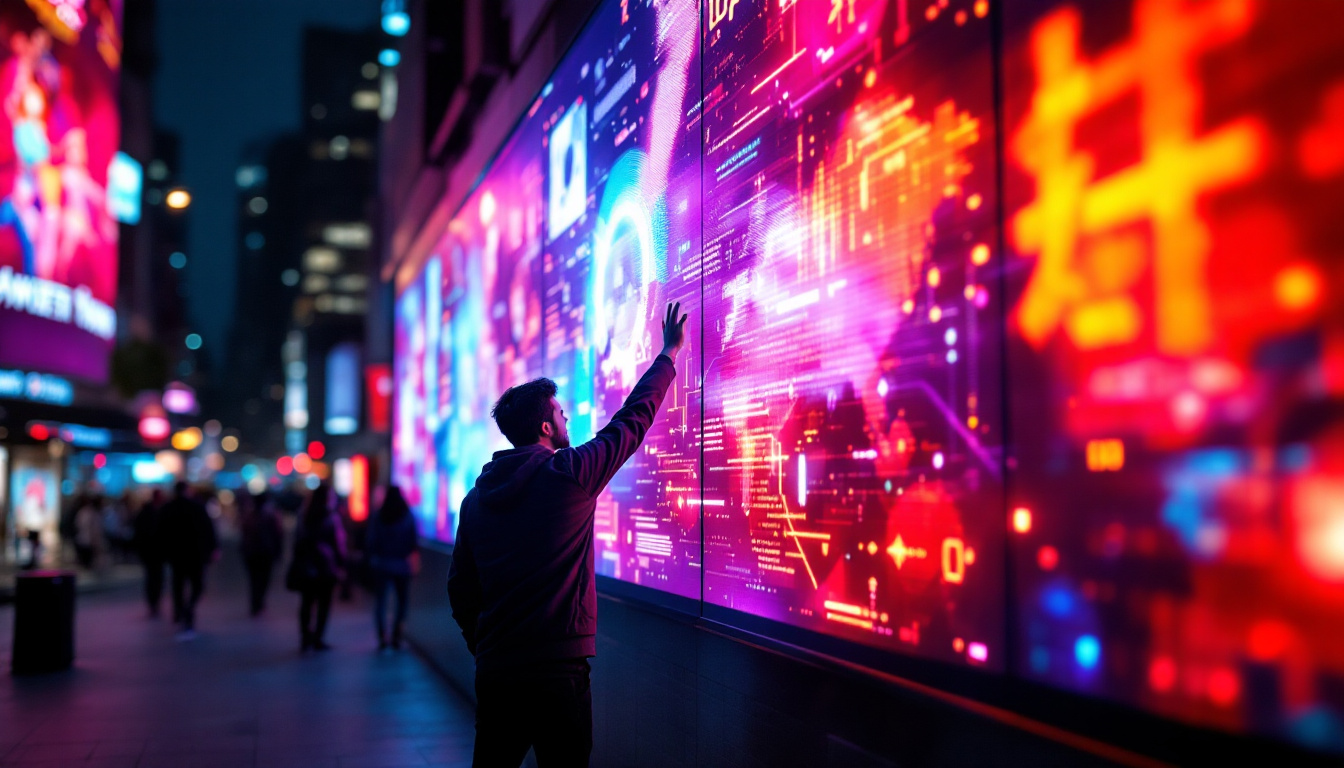
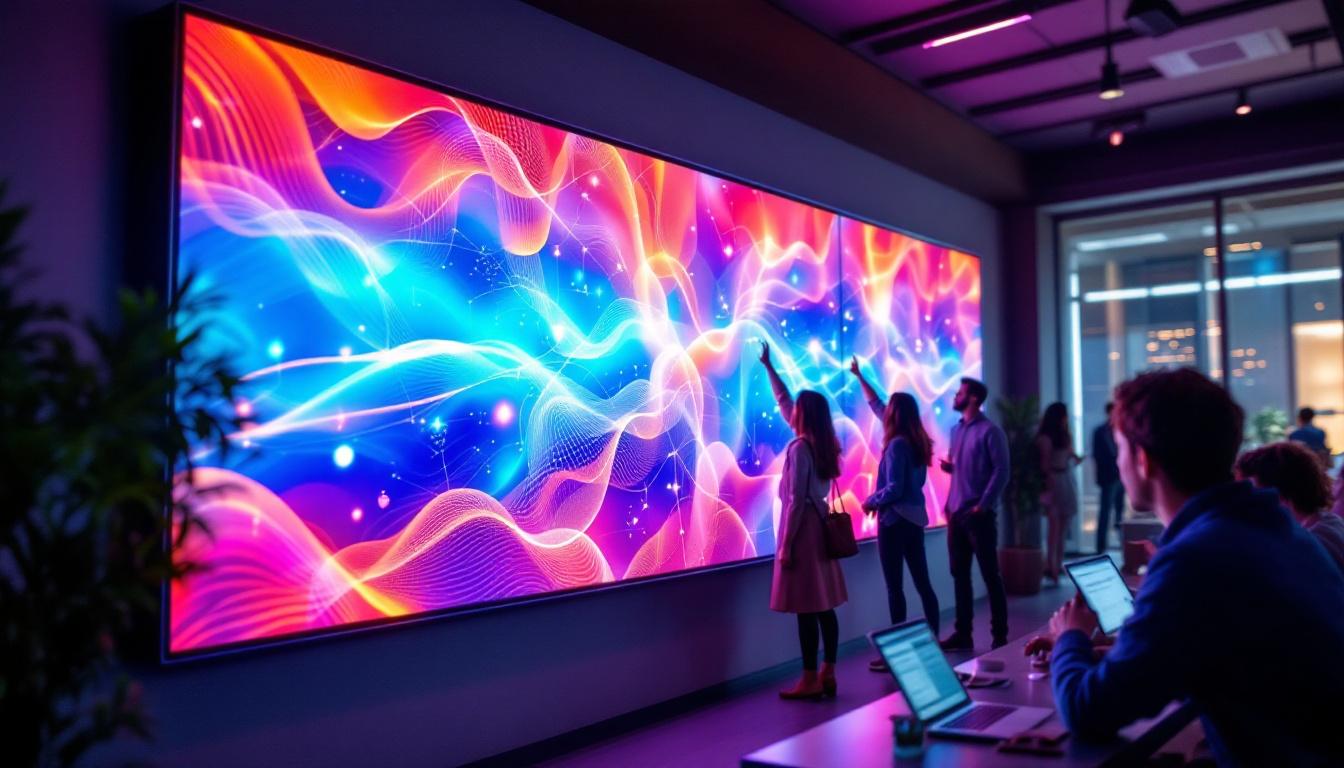
Retailers leverage LED displays to attract customers with dynamic digital signage that can be updated instantly to promote sales, new products, or events. The ability to create eye-catching visuals with vivid colors and motion graphics makes LED video walls a powerful marketing tool.
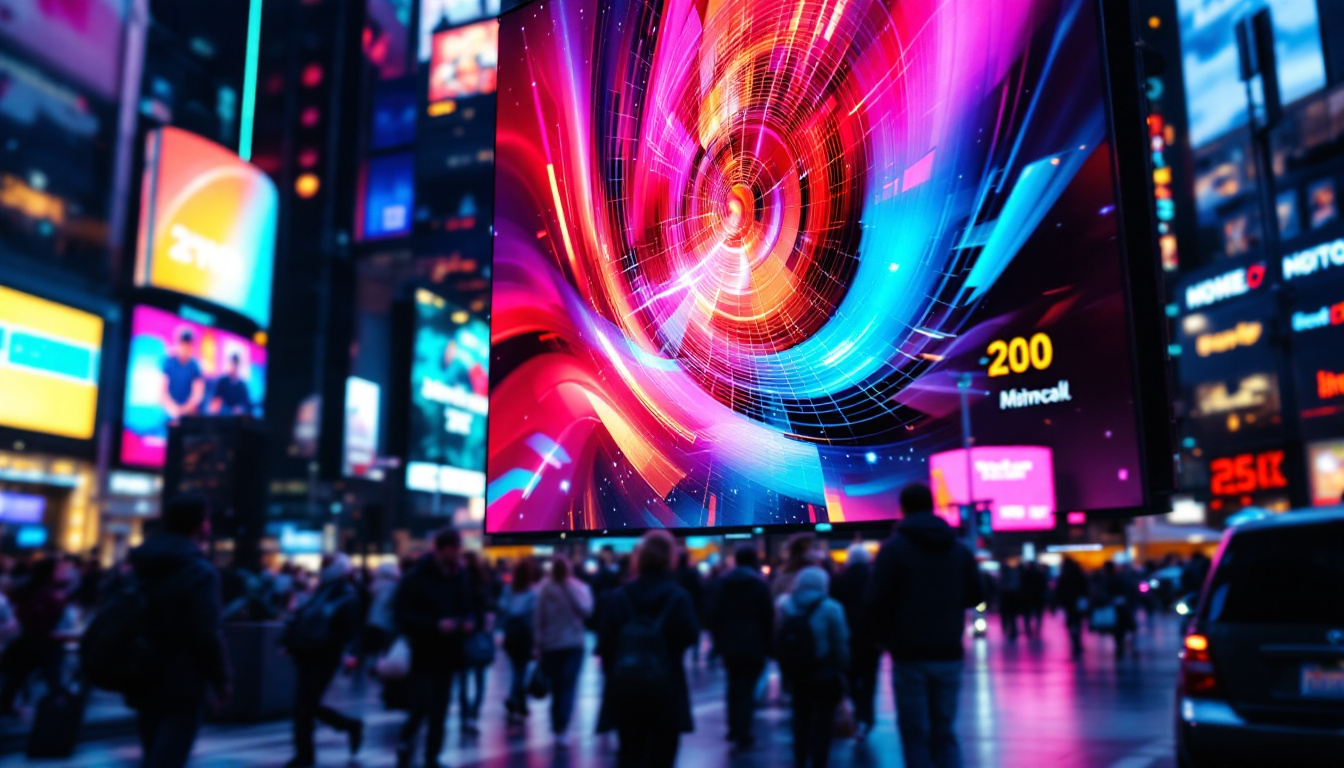
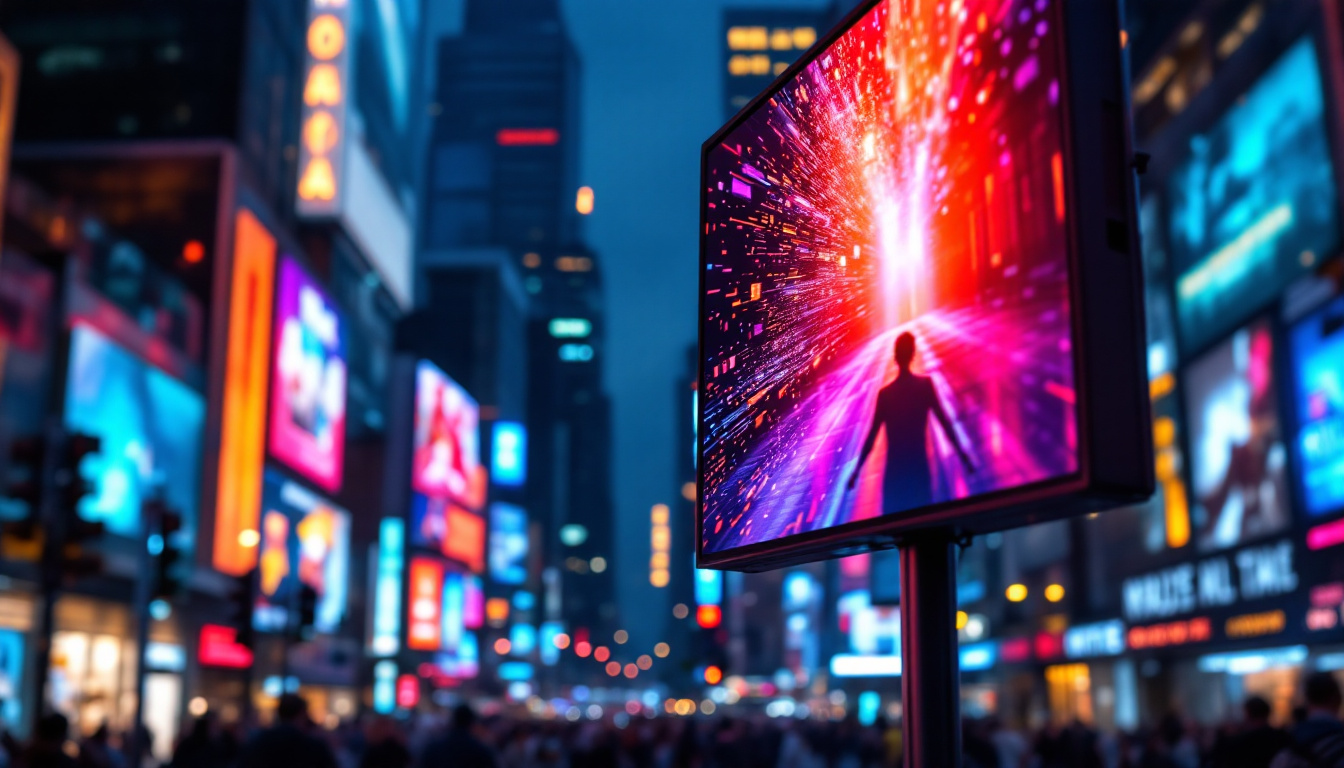
Outdoor LED billboards have revolutionized the advertising industry by enabling real-time content updates and interactive campaigns. According to recent market research, the global digital signage market is expected to grow at a compound annual growth rate (CAGR) of over 8% through 2027, driven in large part by advancements in LED display technologies.
Entertainment and Events
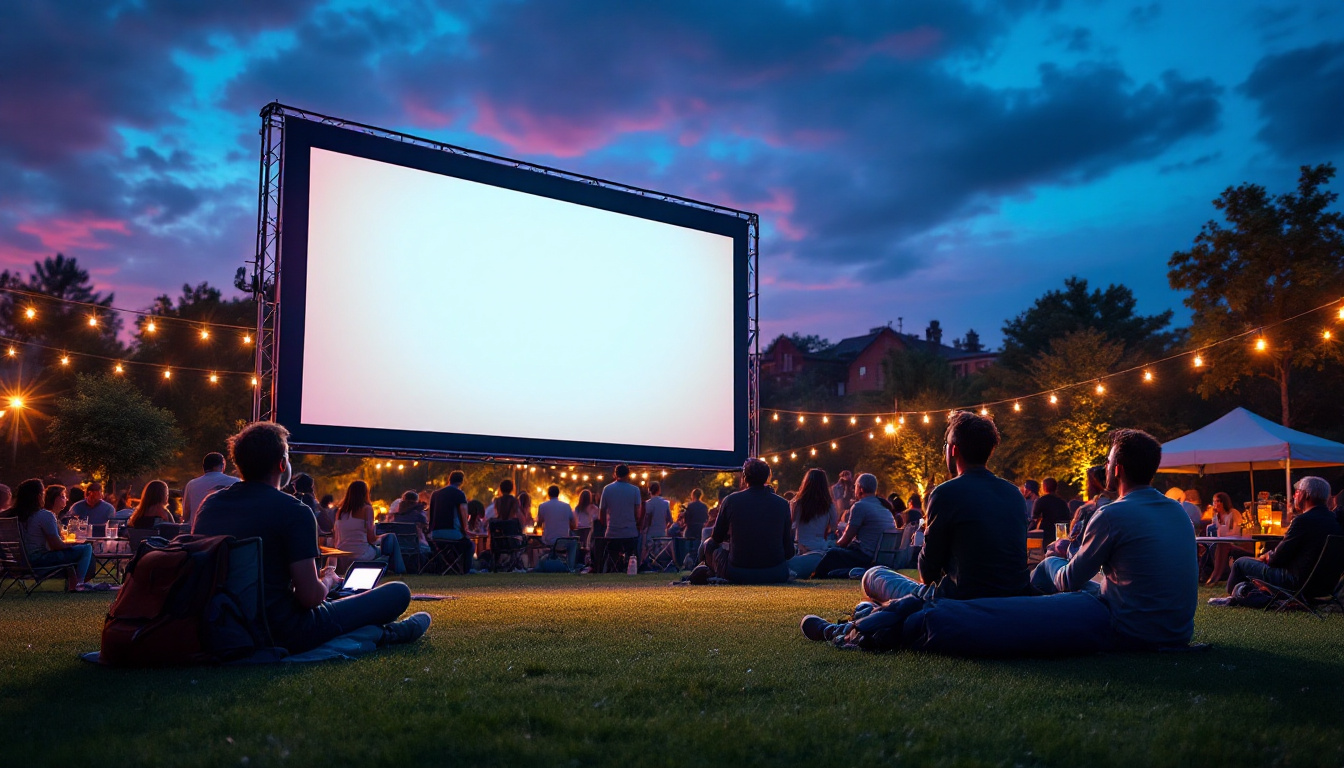
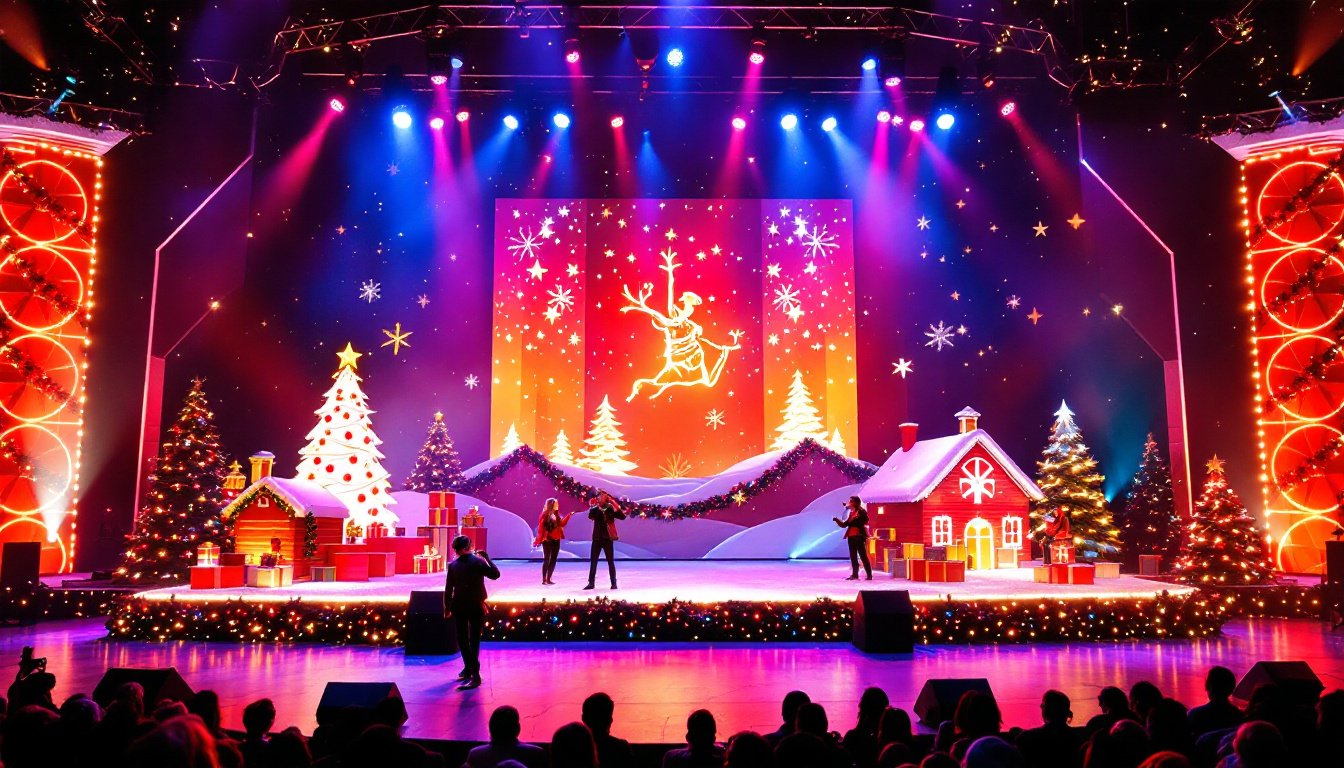
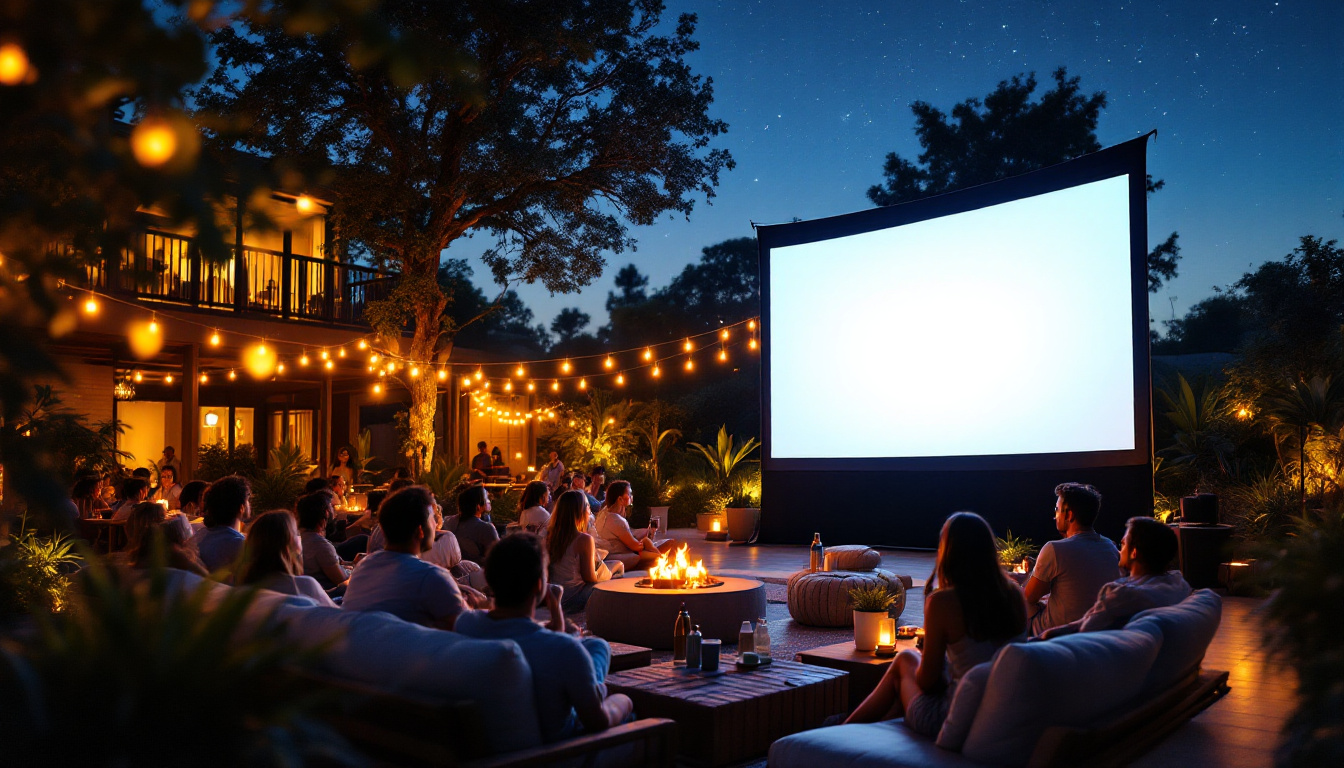
Concerts, sports arenas, and live events frequently use massive LED video walls to enhance the spectator experience. These displays provide high-definition visuals that can be seen clearly from great distances, displaying live feeds, replays, and immersive graphics.
In broadcast studios, LED walls serve as dynamic backdrops that can be changed instantly, offering greater flexibility and creativity in production design.
Factors to Consider When Choosing an LED Wall Monitor Display
Resolution and Pixel Pitch
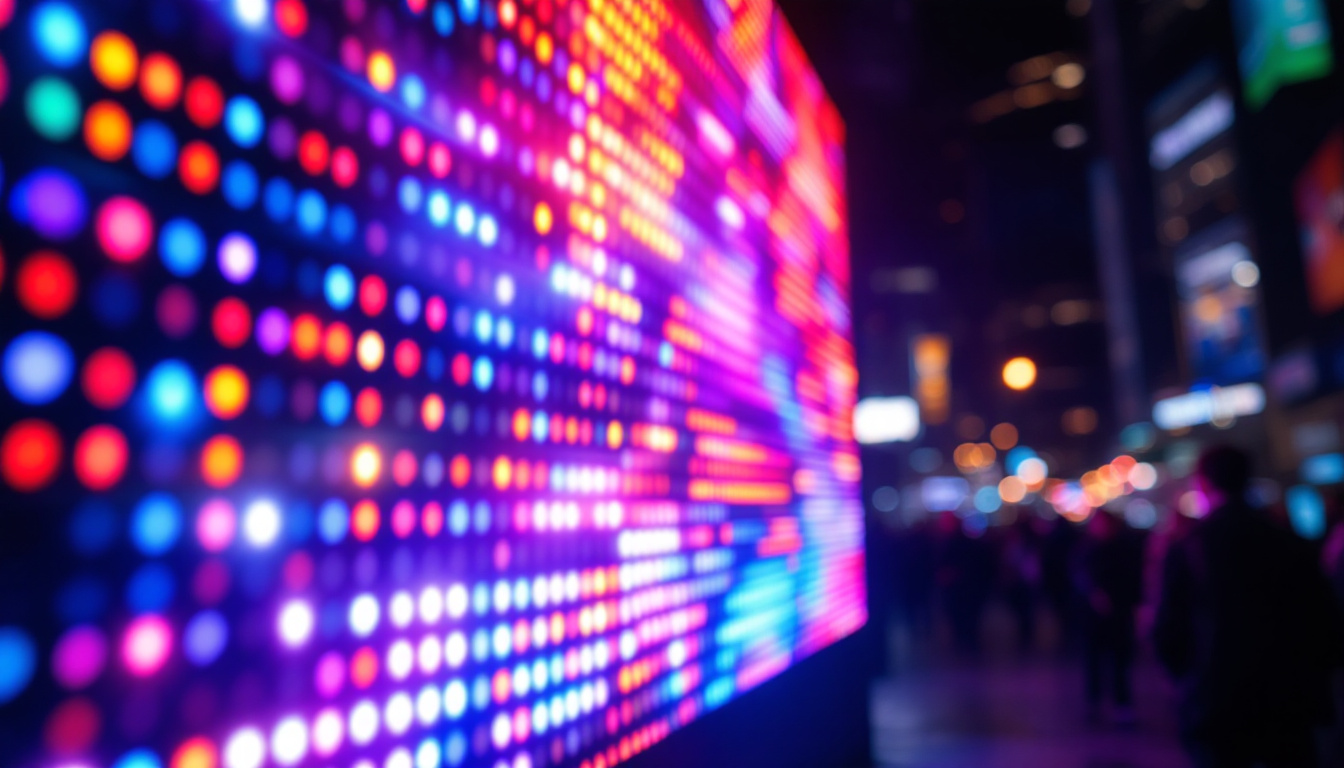
Resolution is a critical factor that determines the clarity and detail of the displayed image. It is influenced by the pixel pitch, which is the distance between the centers of adjacent LEDs. Smaller pixel pitches result in higher resolution and sharper images, especially at close viewing distances.
For indoor wall monitors viewed from a few feet away, pixel pitches as low as 0.9mm to 2.5mm are common. Outdoor displays, which are typically viewed from greater distances, can have larger pixel pitches ranging from 4mm to 10mm or more.
Brightness and Environmental Conditions
Consider the ambient lighting conditions where the display will be installed. High-brightness LED panels are necessary for environments with strong natural or artificial light to maintain visibility. For indoor applications, 800 to 1,500 nits may suffice, while outdoor displays often require 3,000 nits or higher.
Viewing Angle and Uniformity
LED displays generally offer wide viewing angles, often exceeding 140 degrees horizontally and vertically. This ensures that images remain clear and colors consistent even when viewed from the side, which is important in large rooms or public spaces.
Installation and Maintenance
Modular LED wall monitors should be easy to install and service. Front-access panels allow maintenance without dismantling the entire display, reducing downtime and operational disruption. Additionally, consider the structural support requirements and whether the display will be mounted on a wall, suspended, or freestanding.
Connectivity and Control Systems
Modern LED displays support a variety of input sources, including HDMI, DisplayPort, and network streaming. Integrated control systems enable remote management, content scheduling, and real-time monitoring, which are essential for dynamic environments such as retail or control rooms.
Future Trends in LED Wall Monitor Displays
MicroLED and MiniLED Technologies
Emerging technologies such as MicroLED and MiniLED are pushing the boundaries of LED display performance. MicroLEDs are significantly smaller than traditional LEDs, enabling even higher resolutions and improved energy efficiency. Although still in early stages of commercial adoption, MicroLED displays promise to deliver unprecedented image quality for wall monitors.
Integration with AI and IoT
Artificial intelligence (AI) and Internet of Things (IoT) integration are transforming how LED wall monitors are used. Smart displays can adapt content dynamically based on audience demographics, environmental conditions, or real-time data inputs, enhancing engagement and operational efficiency.
Flexible and Transparent LED Displays
Innovations in flexible and transparent LED panels are opening new possibilities for creative installations. Transparent LED walls can be installed on glass surfaces without obstructing views, while flexible panels allow for curved or irregular shapes, expanding design freedom in architectural applications.
Conclusion
LED wall monitor displays represent a powerful and versatile solution for delivering high-impact visual content across a wide range of settings. Their superior brightness, color accuracy, scalability, and energy efficiency make them ideal for applications from corporate environments and control rooms to retail and entertainment venues.
When selecting an LED display, it is essential to consider factors such as resolution, pixel pitch, brightness, viewing angle, and installation requirements to ensure the display meets the specific needs of the environment. As LED technology continues to evolve with innovations like MicroLED and AI integration, the future of wall monitor displays promises even greater capabilities and creative possibilities.
For organizations seeking to enhance communication, engagement, and operational effectiveness, investing in a high-quality LED wall monitor display is a strategic choice that delivers lasting value.
Discover LumenMatrix’s Innovative LED Display Solutions
Ready to elevate your visual communication with high-impact LED displays? LumenMatrix offers a comprehensive range of cutting-edge LED display modules designed to captivate your audience and enhance your brand’s visibility. From vibrant Indoor and Outdoor LED Wall Displays to dynamic Vehicle, Sports, and Floor LED Displays, our solutions are tailored to meet your unique needs. Experience the future of digital signage with our Custom, All-in-One, and Transparent LED Displays, and see how our commitment to innovation can revolutionize your visual storytelling. Check out LumenMatrix LED Display Solutions today and transform your space with unparalleled clarity and engagement.