In today’s digital age, display technology plays a crucial role in how information is shared, advertisements are presented, and entertainment is consumed. Among the various types of display panels, LED displays have become a dominant force due to their versatility, brightness, and energy efficiency. This article delves into the fundamentals of LED display technology, exploring how it works, its types, applications, advantages, and future trends.
Understanding LED Display Technology
What is an LED Display?
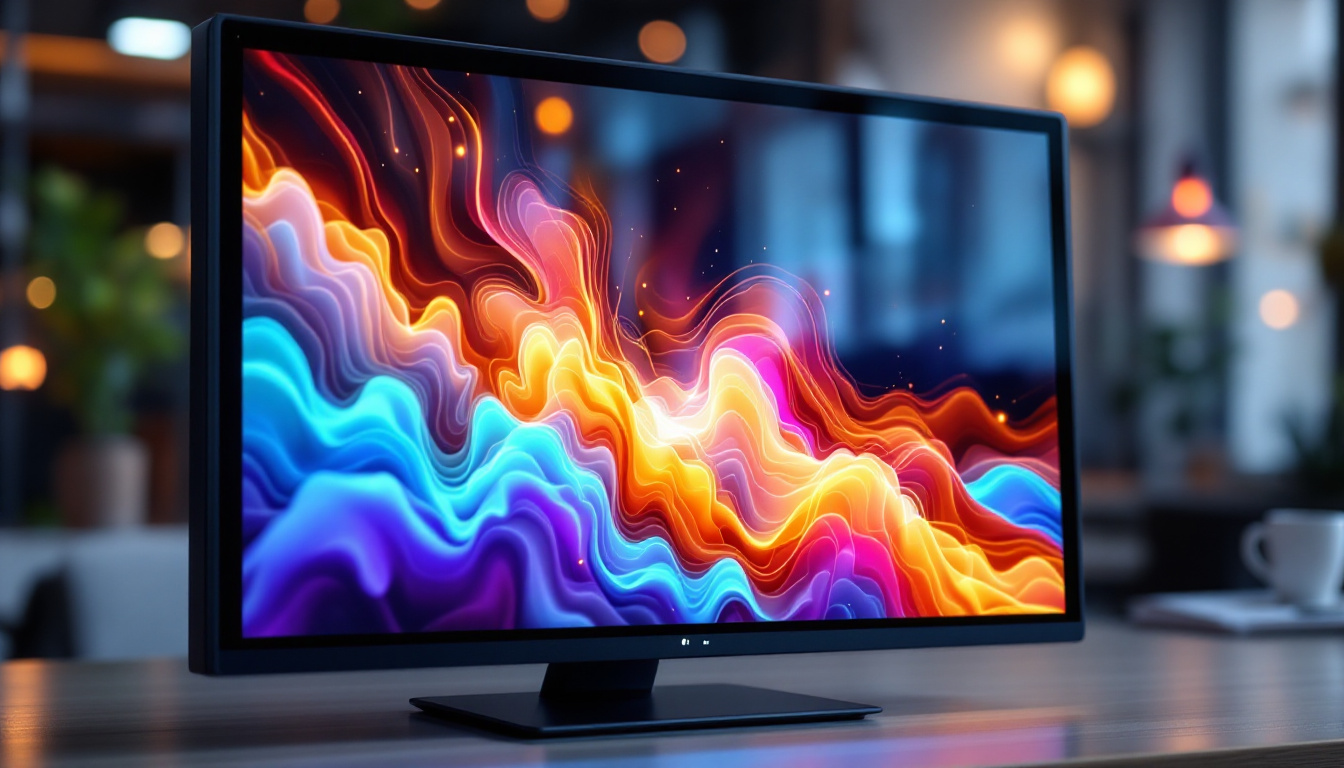
LED stands for Light Emitting Diode, a semiconductor device that emits light when an electric current passes through it. An LED display panel is a flat panel that uses an array of these tiny LEDs as pixels to create images, videos, or text. Unlike traditional LCD screens that rely on backlighting, LED displays produce their own light, resulting in higher brightness and better contrast ratios. This intrinsic capability allows LED displays to achieve deeper blacks and more vibrant colors, enhancing the overall viewing experience.
LED displays are widely used in various environments, from small indoor screens to massive outdoor billboards. Their ability to deliver vivid, high-contrast visuals even under direct sunlight makes them particularly popular for advertising and public information systems. Additionally, LED technology is energy-efficient, consuming less power than older display technologies, which not only reduces operational costs but also contributes to a smaller carbon footprint. This eco-friendly aspect has made LED displays a preferred choice for businesses looking to promote sustainability while maintaining high-quality visual communication.
How Do LED Displays Work?
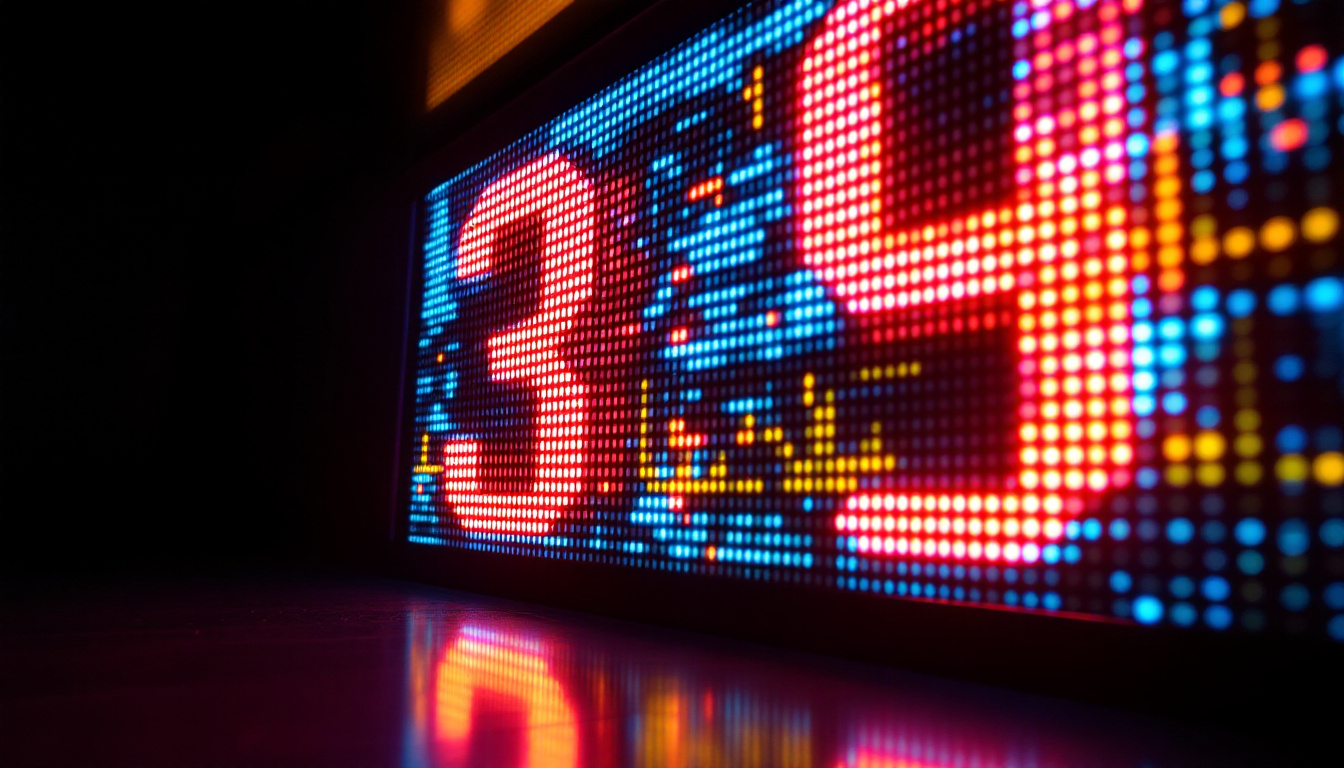
Each pixel in an LED display consists of one or more LEDs, typically red, green, and blue (RGB). By adjusting the intensity of these three colors, the display can produce a broad spectrum of colors visible to the human eye. This process is known as additive color mixing. The precision with which these colors can be manipulated allows for the creation of stunning visuals that can captivate audiences, making LED displays ideal for concerts, sporting events, and art installations.
The LEDs are arranged in a grid, and the display controller manages which LEDs light up and at what intensity to form the desired image. The refresh rate, or how often the image is updated per second, is critical for smooth video playback and reducing flicker, especially in large outdoor displays. Furthermore, advancements in LED technology have led to the development of flexible and transparent displays, opening new avenues for creative applications in architecture and design. These innovations allow for seamless integration of digital content into physical spaces, transforming the way we interact with our environment and enhancing the aesthetic appeal of urban landscapes.
Types of LED Displays
Indoor LED Displays
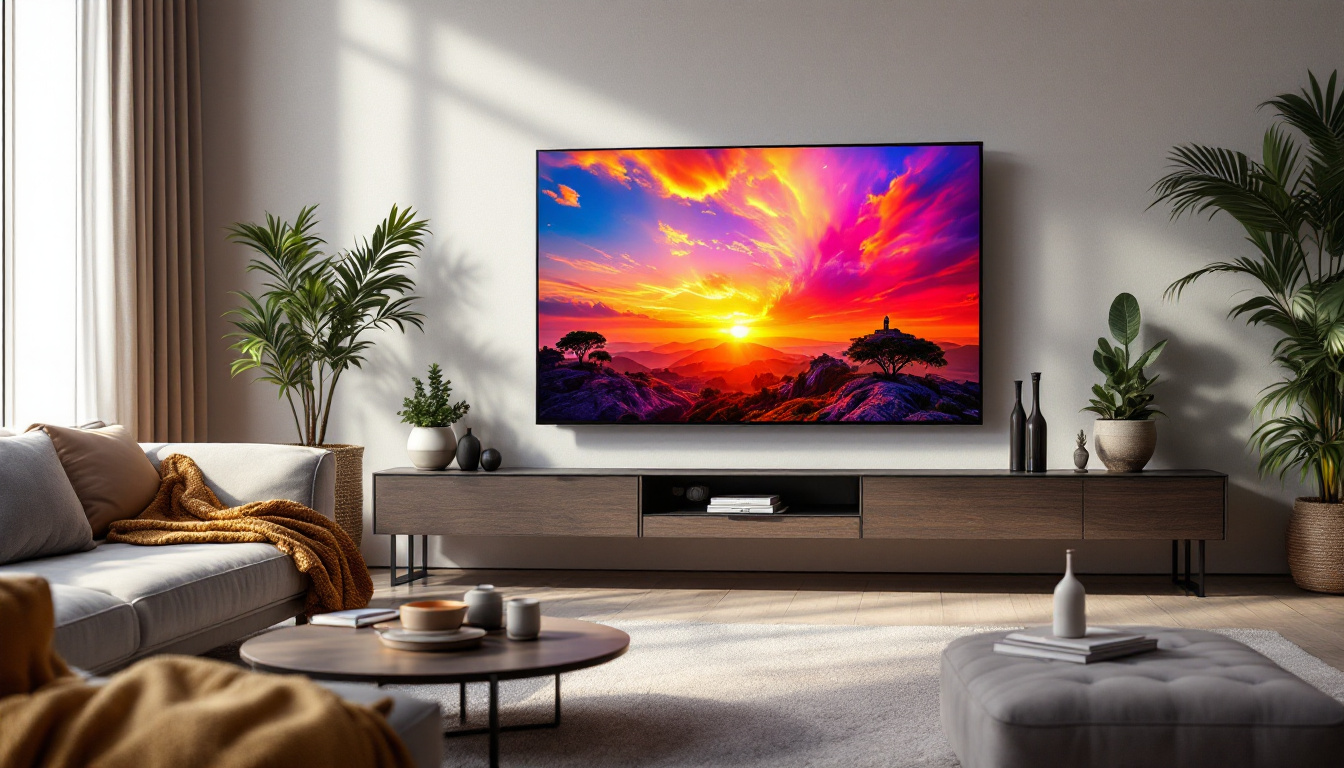
Indoor LED displays are designed for environments with controlled lighting conditions. They typically have a higher pixel density, meaning the LEDs are packed closer together, resulting in sharper images and finer detail. Common applications include digital signage in malls, conference rooms, airports, and retail stores.
These displays often feature smaller pixel pitches—sometimes as low as 0.9mm—which allows viewers to stand closer without noticing individual pixels. Additionally, indoor LED panels are optimized for lower brightness levels to prevent eye strain and ensure comfortable viewing.
Outdoor LED Displays
Outdoor LED displays are built to withstand harsh weather conditions such as rain, dust, and extreme temperatures. They are much brighter than indoor displays, often exceeding 5,000 nits, to remain visible under direct sunlight. The pixel pitch is generally larger, ranging from 4mm to 20mm or more, since viewers typically observe these displays from a greater distance.
Examples of outdoor LED displays include stadium screens, billboards, and public transportation information boards. These panels are rugged and often include protective coatings and cooling systems to maintain performance and longevity.
Transparent and Flexible LED Displays
Recent advancements have introduced transparent and flexible LED displays, expanding the possibilities for creative installations. Transparent LED panels allow light to pass through, making them ideal for storefront windows or architectural facades where maintaining visibility is important.
Flexible LED displays use bendable substrates, enabling them to conform to curved surfaces. This innovation has opened new avenues in design, including wearable technology, curved advertising displays, and immersive environments.
Applications of LED Displays
Advertising and Marketing
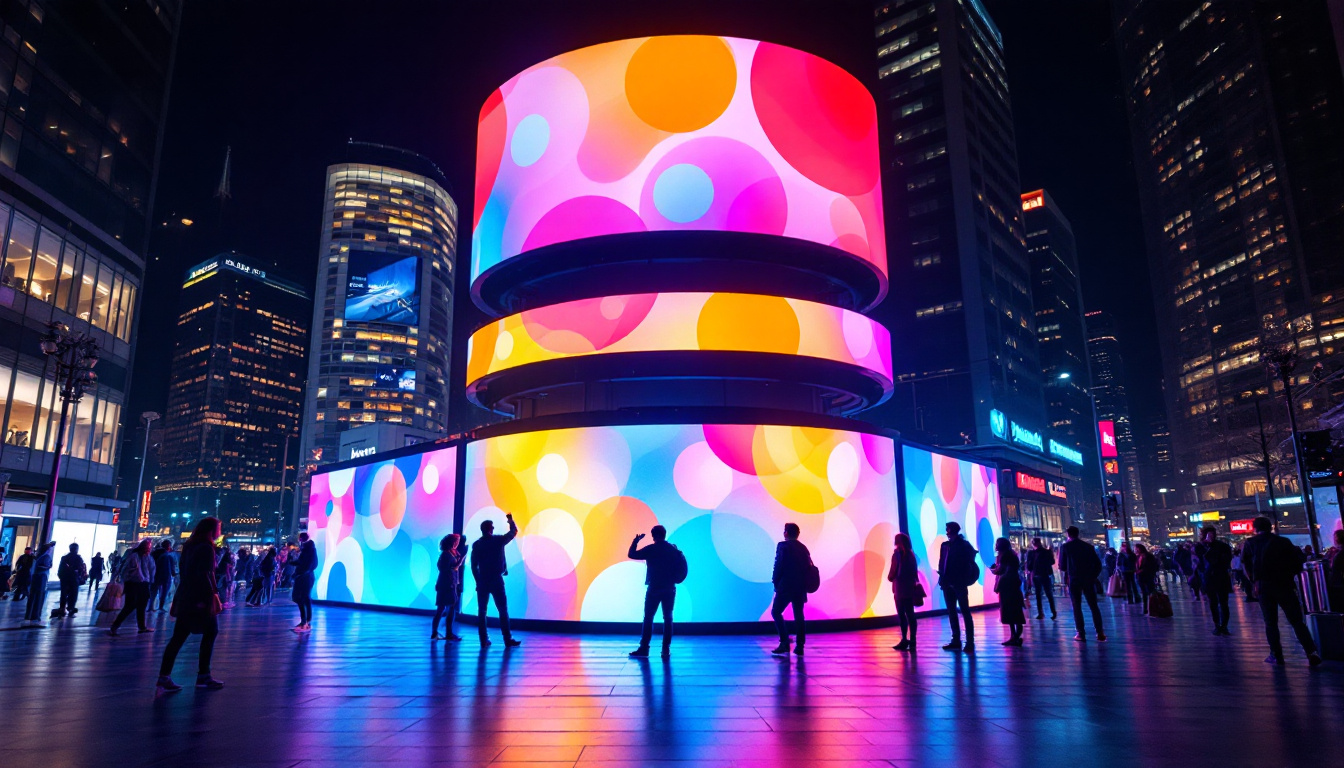
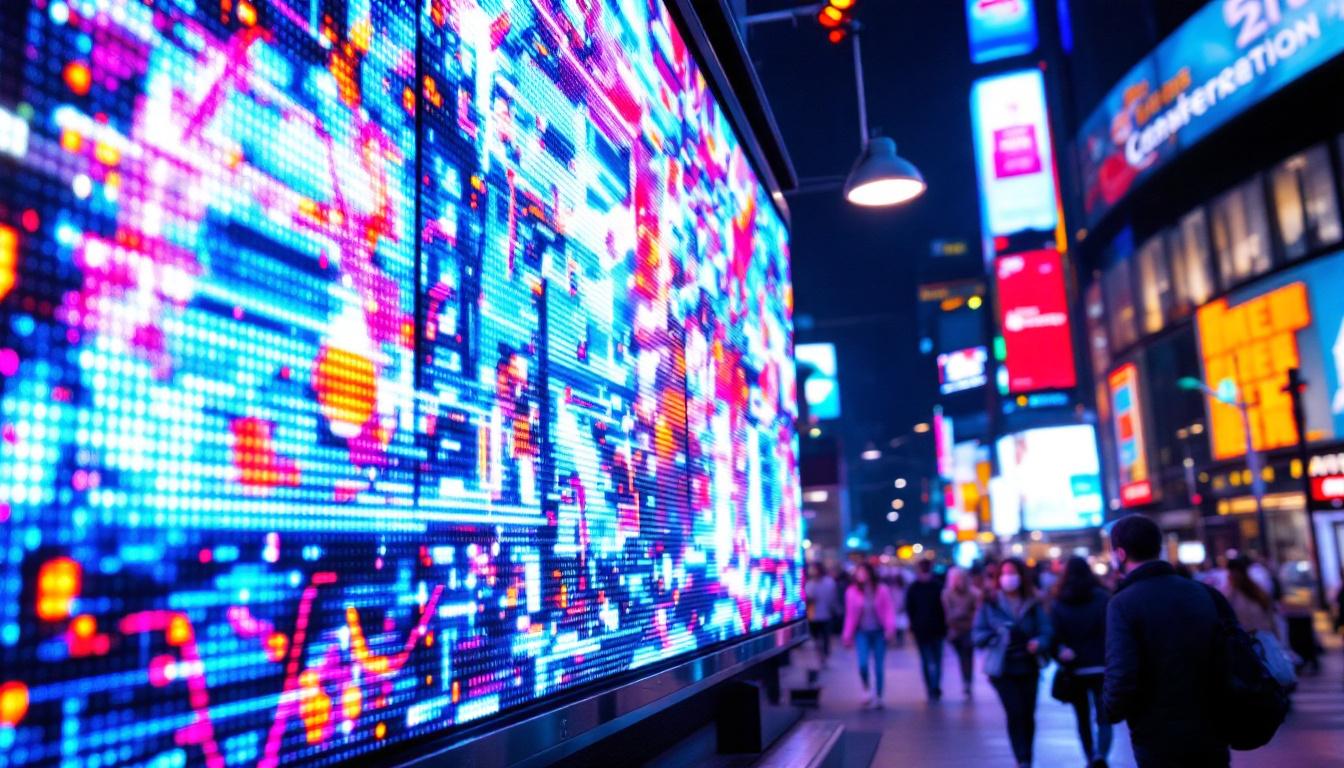
LED displays have revolutionized advertising by enabling dynamic, eye-catching content that can be updated in real-time. Digital billboards equipped with LED panels can display multiple advertisements throughout the day, targeting different audiences and maximizing revenue potential.
Brands leverage LED displays for product launches, promotions, and interactive campaigns. The ability to display vibrant colors and motion graphics attracts attention more effectively than static signs, increasing engagement and recall.
Sports and Entertainment Venues
Large LED screens are a staple in stadiums and arenas, enhancing the spectator experience by providing live video feeds, instant replays, and interactive content. These displays must be large, bright, and capable of handling fast-moving images without lag or distortion.
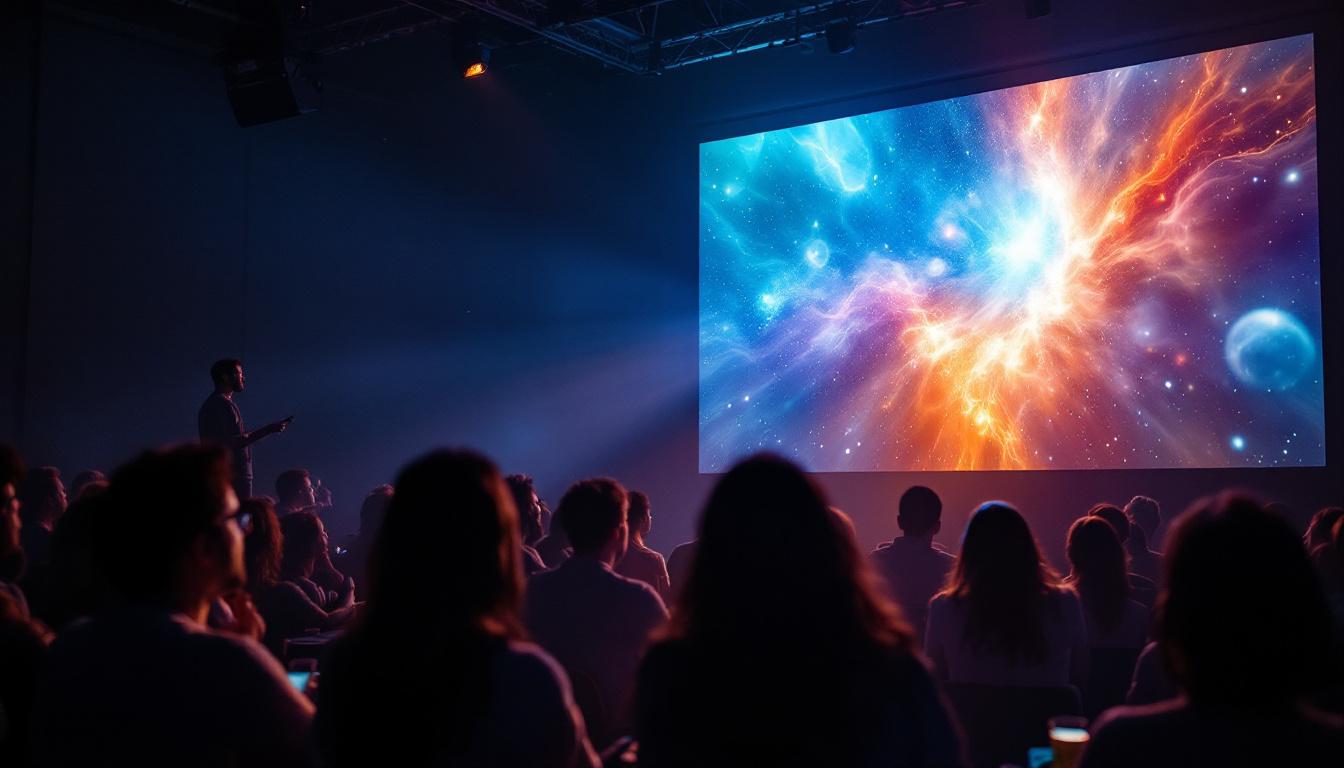
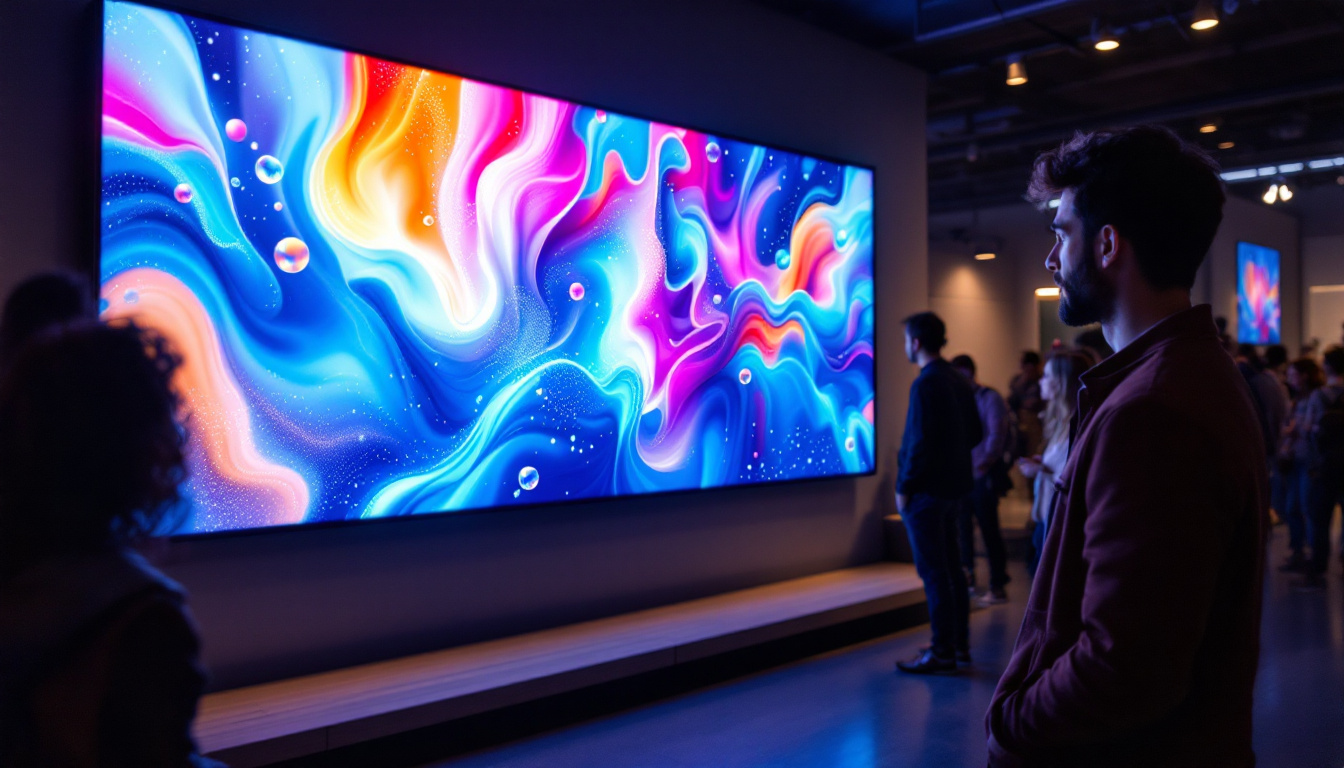
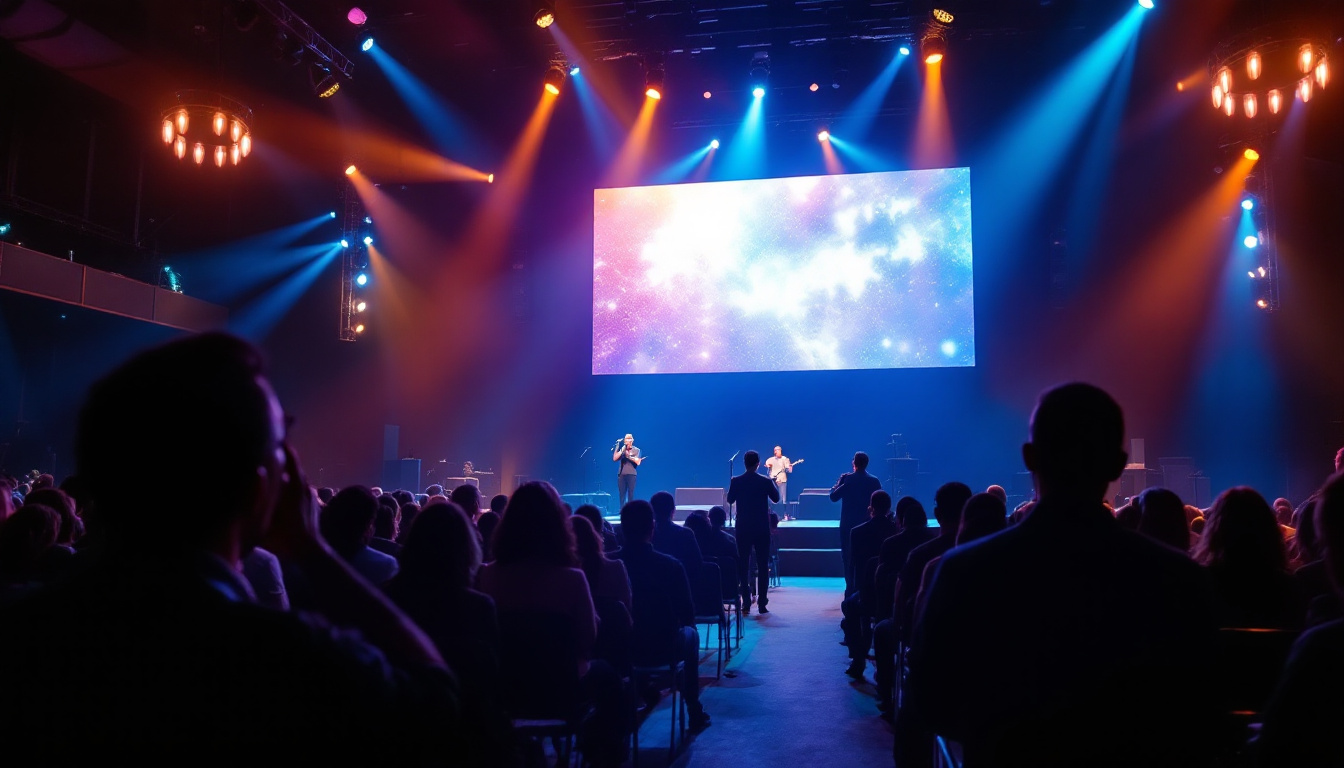
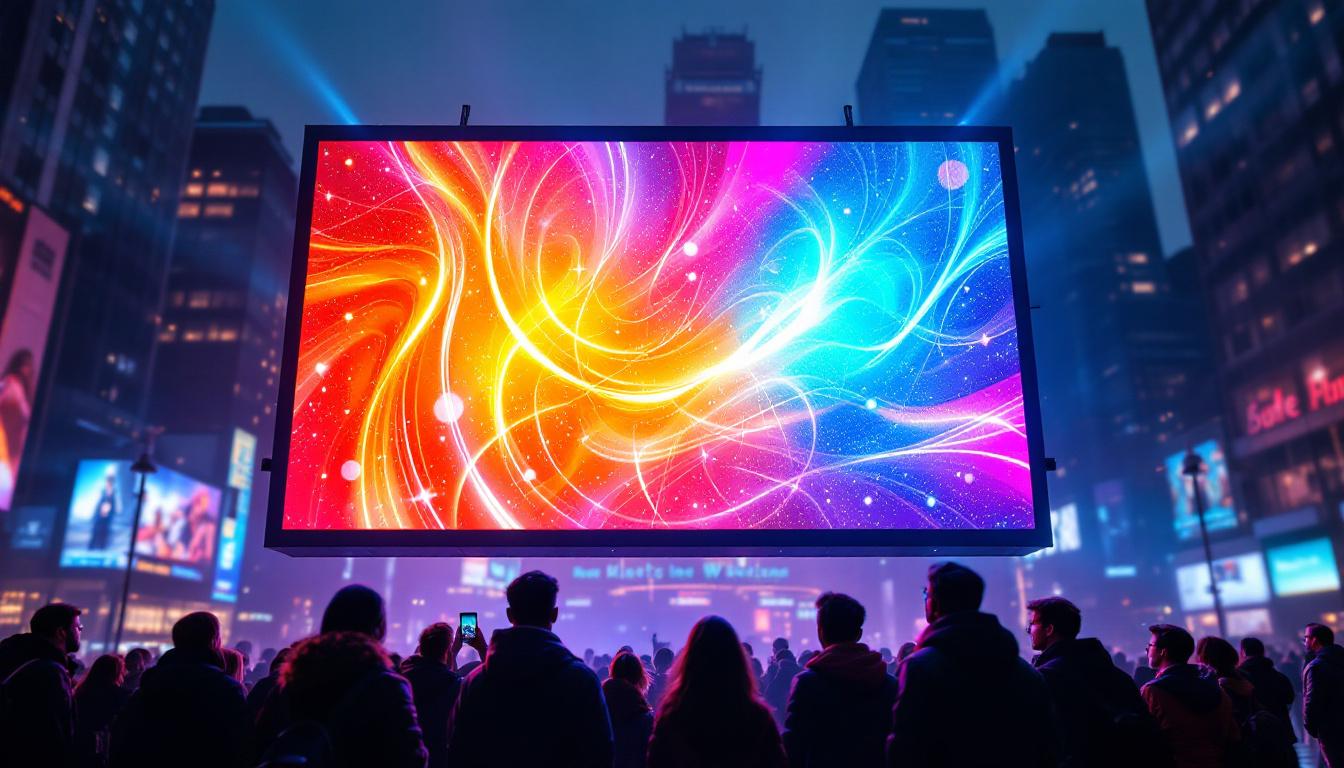
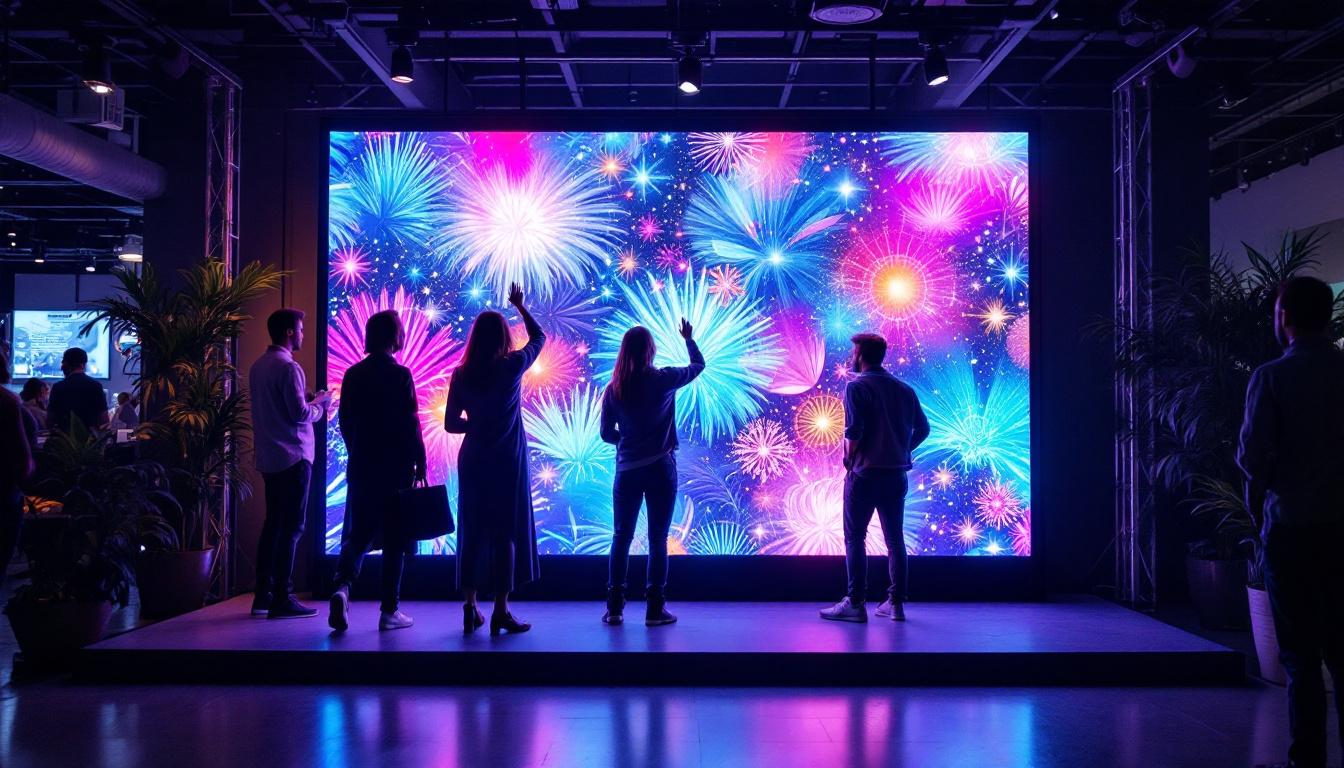
Concerts and events also use LED walls and floors to create immersive visual effects, synchronized with lighting and sound for a captivating performance. The modular nature of LED panels allows for custom shapes and sizes, adapting to various stage designs.
Transportation and Public Information
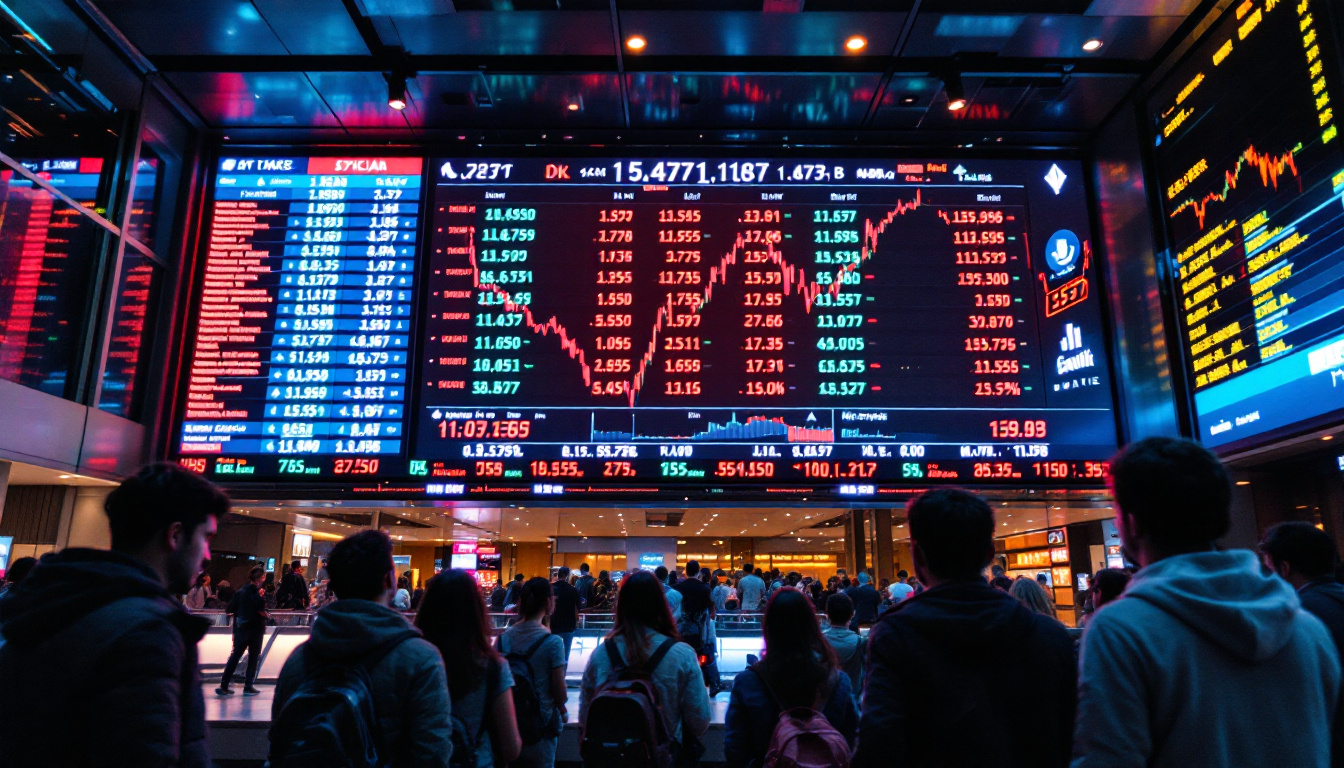
LED displays are extensively used in transportation hubs such as airports, train stations, and bus terminals. They provide real-time updates on schedules, delays, and safety information. The high visibility and reliability of LED panels make them ideal for critical communication in public spaces.
Traffic management systems use LED signs to convey warnings, speed limits, and route changes, improving safety and traffic flow. Additionally, smart city initiatives incorporate LED displays for environmental monitoring and public announcements.
Retail and Corporate Environments
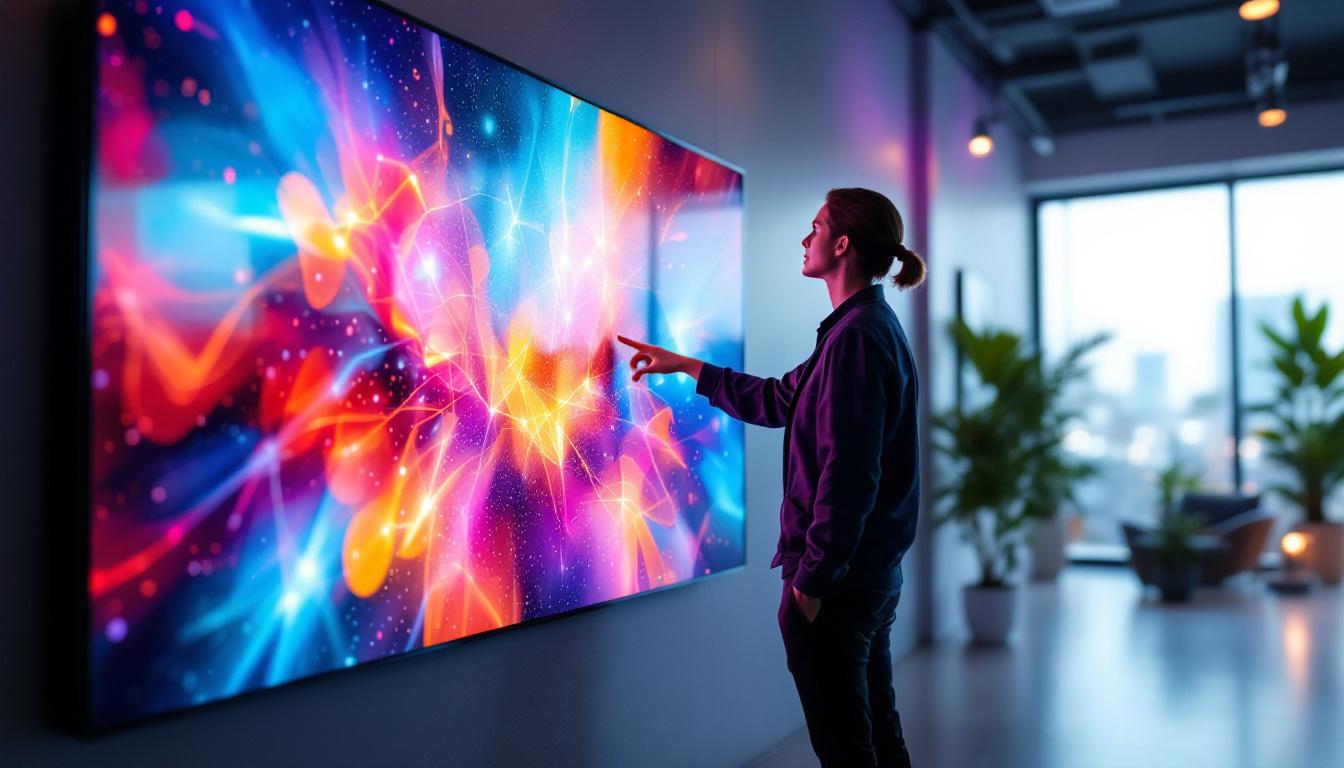
Retailers use LED displays to enhance the shopping experience by showcasing promotions, product information, and interactive content. In corporate settings, LED video walls serve as digital backdrops for presentations, video conferencing, and branding.
The flexibility of LED technology allows integration into various architectural elements, creating visually appealing environments that reinforce brand identity and improve communication.
Advantages of LED Displays
Brightness and Visibility
One of the most significant advantages of LED displays is their superior brightness, which can reach up to 10,000 nits or more. This level of luminance ensures clear visibility even in direct sunlight, making them ideal for outdoor use where other display technologies struggle.
The high contrast ratio, resulting from the LEDs’ ability to switch off completely to produce true blacks, enhances image quality and readability. This is particularly important for text-heavy content and detailed graphics.
Energy Efficiency and Longevity
Compared to traditional lighting and display technologies, LEDs consume significantly less power. Advances in LED efficiency have reduced energy costs and environmental impact, which is a critical consideration for large-scale installations.
LED displays also boast long operational lifespans, often exceeding 100,000 hours of use. This durability reduces maintenance costs and downtime, making them a cost-effective choice over time.
Flexibility and Scalability
LED displays are modular, allowing for easy customization in size and shape. This scalability is advantageous for applications ranging from small indoor screens to massive outdoor video walls spanning thousands of square feet.
The modular design also facilitates maintenance, as individual panels or modules can be replaced without dismantling the entire display. This feature minimizes service interruptions and extends the overall lifespan of the installation.
Considerations When Choosing an LED Display
Pixel Pitch and Resolution
Pixel pitch refers to the distance between the centers of adjacent LEDs and directly affects the display’s resolution and viewing distance. A smaller pixel pitch results in higher resolution and sharper images, suitable for close-up viewing.
When selecting an LED display, it’s essential to match the pixel pitch to the intended viewing distance. For example, indoor displays might have pixel pitches under 2mm, while outdoor billboards typically use pitches of 10mm or more.
Brightness and Environmental Conditions
The display’s brightness must align with the environment where it will be installed. Outdoor displays require higher brightness to combat sunlight, while indoor displays benefit from lower brightness to reduce glare and eye strain.
Environmental factors such as temperature, humidity, and exposure to dust or water also influence the choice of LED panels. Ensuring the display has appropriate ingress protection (IP) ratings can safeguard against damage and ensure reliable performance.
Control Systems and Connectivity
Modern LED displays rely on sophisticated control systems to manage content, color calibration, and synchronization. These systems often support remote management, allowing operators to update content from anywhere in real-time.
Connectivity options such as HDMI, DVI, Ethernet, and wireless interfaces provide flexibility in integrating LED displays with other digital systems, enhancing their functionality and ease of use.
The Future of LED Display Technology
MicroLED and MiniLED Innovations
Emerging technologies like MicroLED and MiniLED promise to push the boundaries of LED display performance. MicroLEDs are microscopic LEDs that offer even higher resolution, better color accuracy, and improved energy efficiency compared to conventional LEDs.
MiniLED technology uses smaller LEDs to improve backlighting in LCD panels, resulting in better contrast and brightness. Both technologies are poised to impact consumer electronics, automotive displays, and large-scale digital signage.
Integration with Smart Technologies
LED displays are increasingly integrated with smart technologies such as AI-driven content management, sensors, and IoT connectivity. These advancements enable personalized advertising, adaptive brightness control, and interactive experiences.
For example, smart LED billboards can change content based on weather conditions, time of day, or audience demographics, maximizing engagement and effectiveness.
Sustainability and Environmental Impact
As sustainability becomes a global priority, LED display manufacturers are focusing on eco-friendly materials, energy-efficient designs, and recyclability. Innovations in manufacturing processes aim to reduce carbon footprints and promote circular economy principles.
Additionally, the long lifespan and low power consumption of LED displays contribute to reducing electronic waste and operational costs, aligning with green building standards and corporate social responsibility goals.
Conclusion
LED display technology has transformed the way visual information is presented across industries. Its superior brightness, energy efficiency, and versatility make it an ideal choice for a wide range of applications, from advertising and entertainment to public information and corporate communications.
Understanding the different types of LED displays, their advantages, and the factors to consider when choosing a panel can help businesses and organizations make informed decisions that maximize impact and return on investment. As LED technology continues to evolve, it promises even greater possibilities for innovation, interactivity, and sustainability in the years to come.
Explore Cutting-Edge LED Display Solutions with LumenMatrix
Ready to elevate your visual communication and captivate your audience with unparalleled clarity and impact? Discover LumenMatrix’s innovative LED display technology, from vibrant Indoor and Outdoor LED Wall Displays to dynamic Vehicle and Sports LED Displays. Our extensive range, including LED Poster Displays, Floor LED Displays, Custom Solutions, All-in-One, and Transparent LED Displays, is designed to revolutionize your advertising and engagement strategies. Check out LumenMatrix LED Display Solutions today and join the forefront of digital signage excellence.