In the world of digital signage and electronic displays, LED technology stands out for its brightness, energy efficiency, and versatility. Among the various configurations and terminologies used in LED displays, the term “4X9 8” often appears, yet it can be puzzling for those unfamiliar with display specifications. This article aims to demystify the “4X9 8” LED display, explaining what it means, how it works, and why it matters for industries relying on LED technology.
Understanding the Basics of LED Displays
Before diving into the specifics of the “4X9 8” LED display, it’s essential to grasp the fundamentals of LED technology. LED, or Light Emitting Diode, displays consist of numerous tiny light sources that emit light when an electric current passes through them. These displays are widely used in advertising, information boards, traffic signals, and even large-scale video walls.
LED displays are favored for their high brightness levels, which make them visible even in direct sunlight, and their energy efficiency compared to traditional display technologies such as LCD or plasma screens. They also offer excellent color reproduction and durability, making them ideal for both indoor and outdoor applications. Additionally, the lifespan of LED displays can often exceed 50,000 hours, significantly reducing the need for frequent replacements and maintenance, which is a crucial factor for businesses looking to minimize operational costs.
Pixel and Module Structure
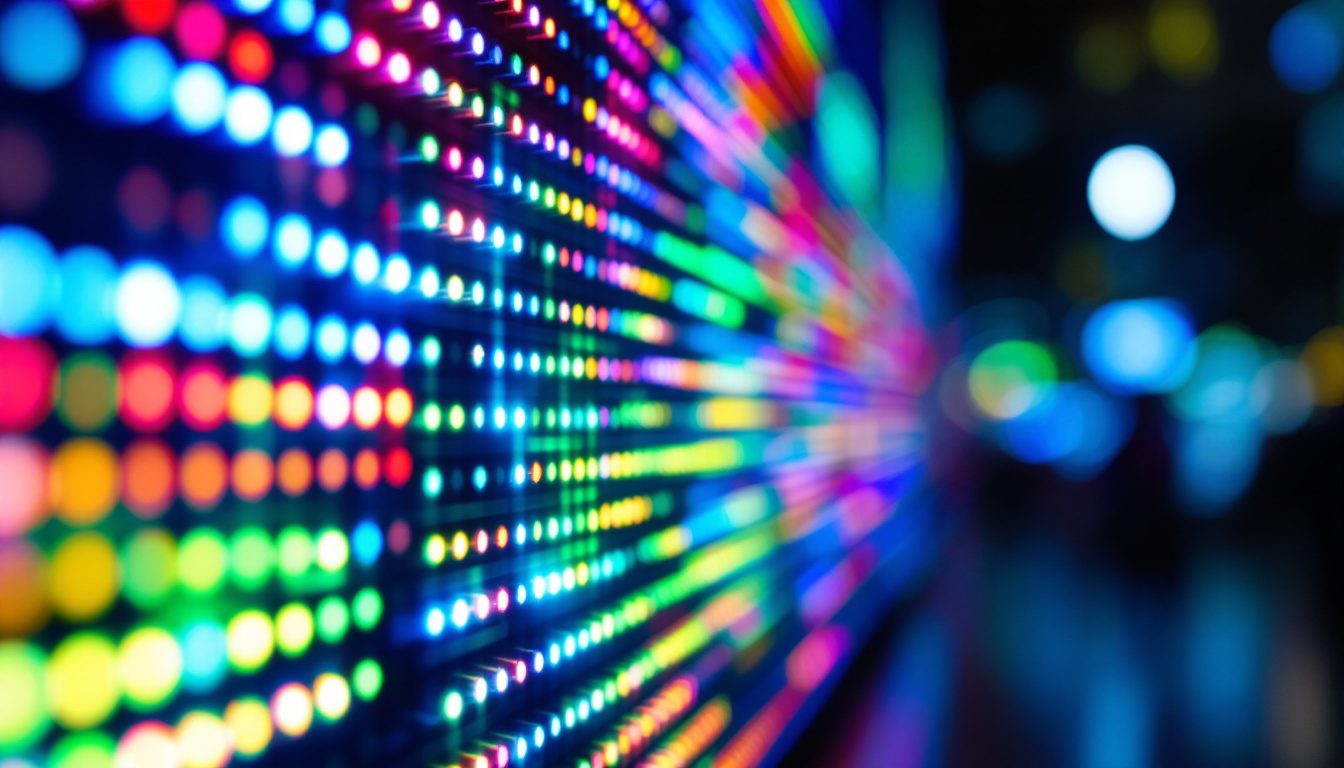
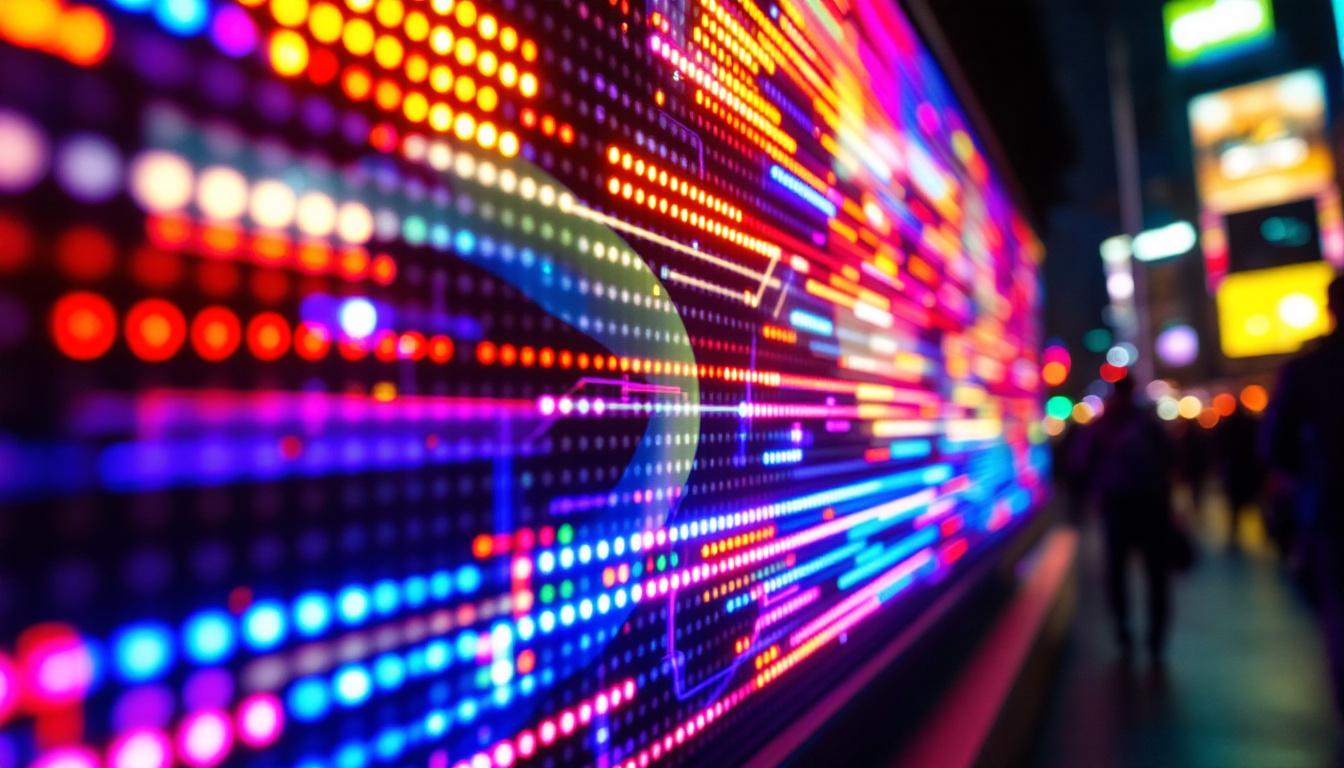
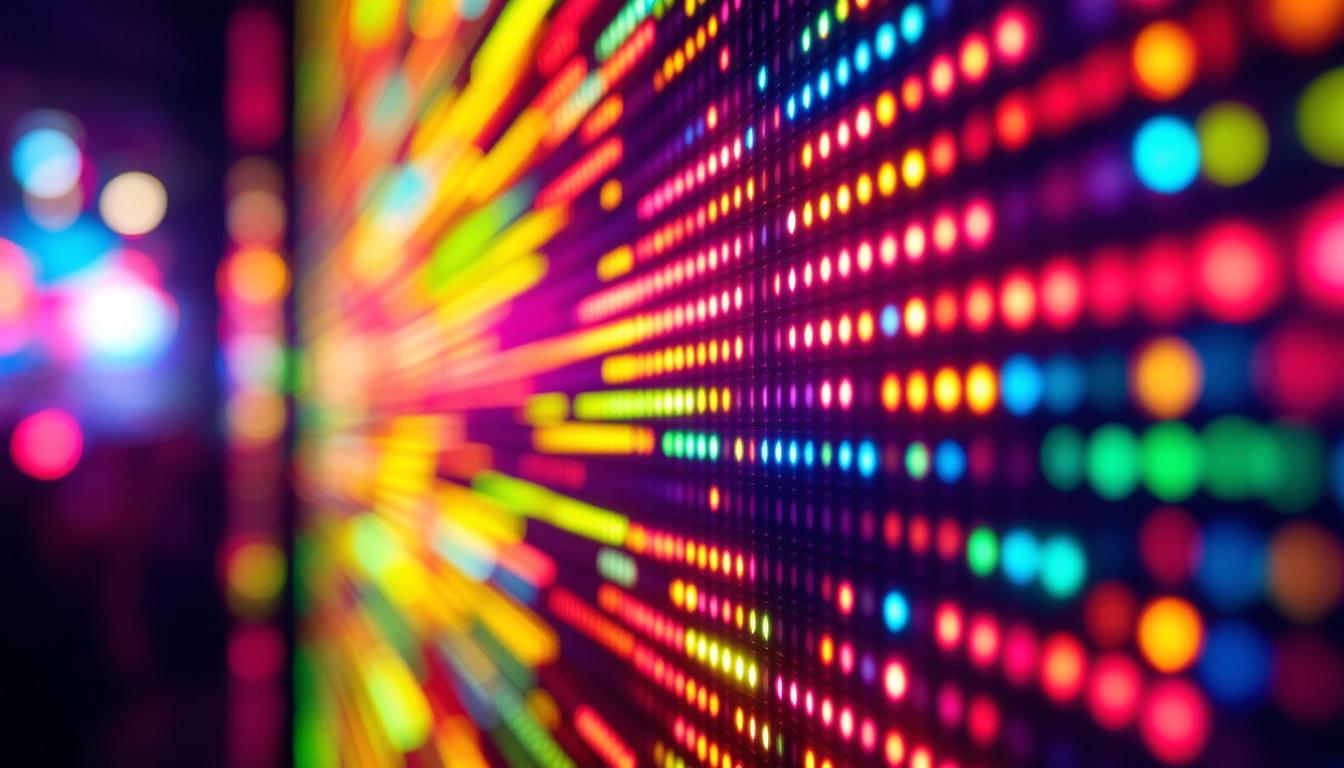
LED displays are composed of pixels, each made up of one or more LEDs. These pixels are grouped into modules, which are then assembled to create larger display panels. The resolution and clarity of an LED display depend on the number of pixels per module and the total number of modules used. The arrangement of these pixels can vary, with some displays utilizing RGB (Red, Green, Blue) configurations to produce a full spectrum of colors, while others may use monochrome or bi-color setups for specific applications.
Understanding how pixels and modules are arranged is critical to interpreting terms like “4X9 8,” which relate to the configuration and control of these components. For instance, a “4X9” configuration might indicate a module that contains four rows of pixels and nine columns, influencing the overall pixel density and image sharpness. This modular design not only allows for easy customization of display size and shape but also facilitates straightforward repairs and upgrades, as individual modules can be replaced without needing to dismantle the entire display. As technology advances, innovations in pixel pitch—the distance between the centers of two adjacent pixels—continue to enhance the visual experience, enabling even finer details and smoother images for viewers.
Decoding the “4X9 8” Terminology
The term “4X9 8” might initially seem cryptic, but it refers to a specific configuration of the LED display’s scanning and control system. This notation is commonly used in the context of multiplexed LED displays, where the LEDs are controlled in groups to reduce wiring complexity and improve efficiency.
What Does “4X9” Mean?
The “4X9” portion typically describes the matrix arrangement of the LED display. It indicates that the display is organized into 4 rows and 9 columns of LED modules or segments. This matrix layout determines how the LEDs are addressed and lit up to form images or text.
For example, in a 4X9 matrix, there are 36 individual units (4 multiplied by 9), each representing a segment of the overall display. This structure is crucial for applications like numeric or alphanumeric displays, where each segment can be controlled independently to show different characters or symbols. The arrangement allows for flexibility in design, enabling the display to be used in various applications, from digital clocks to scoreboards in sports arenas, where clarity and visibility are paramount.
Moreover, the 4X9 configuration also facilitates easier troubleshooting and maintenance. If one segment fails, it can often be replaced without affecting the entire display, making it a practical choice for both manufacturers and end-users who rely on consistent performance.
Understanding the “8” in “4X9 8”
The number “8” in this context usually refers to the bit depth or the number of bits used for controlling the brightness or color of each LED segment. An 8-bit depth means that each LED can display 256 levels of brightness (2^8 = 256), allowing for smooth gradations and richer color representation.
In some cases, the “8” might also indicate the number of digits or characters the display can show simultaneously, particularly in numeric LED displays. However, the most common interpretation relates to the bit depth, which is vital for achieving high-quality visuals. This capability is especially important in applications where color accuracy and brightness consistency are critical, such as in advertising displays or artistic installations, where the visual impact can significantly influence viewer engagement.
Furthermore, the use of 8-bit control allows for advanced features such as dimming and color mixing, which can enhance the overall aesthetic of the display. This level of control is essential in environments where lighting conditions vary, ensuring that the display remains vibrant and legible regardless of external factors. As technology advances, the integration of 8-bit depth with smart control systems is paving the way for even more dynamic and interactive LED display solutions.
How the 4X9 8 LED Display Operates
To appreciate the functionality of a 4X9 8 LED display, it’s helpful to understand the principles of multiplexing and bit-depth control in LED technology.
Multiplexing in LED Displays
Multiplexing is a technique used to control multiple LEDs with fewer wires by rapidly switching between rows and columns. In a 4X9 matrix, the controller activates one row at a time while sending signals to the corresponding columns. This rapid scanning creates the illusion that all LEDs are lit simultaneously, even though only one row is active at any given moment.
This method significantly reduces the complexity of wiring and the number of control pins required, which is especially beneficial in large displays. It also helps manage power consumption and heat generation, enhancing the display’s longevity.
Bit Depth and Brightness Control
The “8” bit depth allows each LED pixel to display 256 different brightness levels. This granularity is essential for producing smooth gradients and detailed images rather than just simple on/off states. By adjusting the pulse width modulation (PWM) of the LEDs, the display can vary the perceived brightness, enabling richer and more dynamic visuals.
For color LED displays, 8-bit depth per color channel (red, green, and blue) results in over 16 million possible colors (256^3), providing vibrant and accurate color reproduction suitable for high-quality video and graphics.
Applications of 4X9 8 LED Displays
The 4X9 8 LED display configuration is versatile and finds applications across various industries. Its balance of resolution, brightness control, and efficient wiring makes it suitable for both simple and complex display needs.
Digital Signage and Advertising
Retailers and advertisers leverage 4X9 8 LED displays to create eye-catching signs and promotional materials. The ability to display multiple characters or symbols with controlled brightness levels ensures messages are clear and visually appealing, even in bright outdoor environments.
For example, price boards at gas stations or store window displays often use such configurations to update information dynamically while maintaining high visibility.
Industrial and Public Information Displays
In industrial settings, 4X9 8 LED displays are used for status indicators, numeric readouts, and alerts. Their durability and readability make them ideal for factory floors, transportation hubs, and public spaces where real-time information is critical.
Train station departure boards, airport gate displays, and traffic signal indicators commonly utilize LED matrices with similar configurations to ensure passengers receive accurate and timely updates.
Scoreboards and Event Displays
Sports venues and event organizers use 4X9 8 LED displays for scoreboards and timers. The clear numeric display and brightness control allow spectators to easily follow game progress, even from a distance or under varying lighting conditions.
Advantages and Limitations of 4X9 8 LED Displays
While the 4X9 8 LED display offers many benefits, it’s important to consider both its strengths and potential drawbacks to determine if it fits specific application needs.
Advantages
- Efficient Wiring: Multiplexing reduces the number of control lines, simplifying installation and maintenance.
- Brightness Control: 8-bit depth enables smooth brightness gradations and color variations, enhancing visual quality.
- Versatility: Suitable for numeric, alphanumeric, and simple graphic displays across multiple industries.
- Cost-Effectiveness: Balanced complexity and functionality make it an affordable option for many applications.
Limitations
- Resolution Constraints: With only 4 rows and 9 columns, the display is limited in resolution and may not support detailed images or videos.
- Refresh Rate: Multiplexing can introduce flicker if not properly managed, especially in lower-quality controllers.
- Scalability: Larger, more complex displays may require different configurations or higher bit depths for optimal performance.
Future Trends in LED Display Technology
As LED technology continues to evolve, configurations like the 4X9 8 matrix are being enhanced with smarter control systems, higher bit depths, and improved materials. Innovations such as micro-LEDs and flexible displays promise even greater resolution, brightness, and energy efficiency.
Moreover, integration with IoT (Internet of Things) and AI-driven content management systems is enabling dynamic, context-aware displays that adapt in real-time to audience needs or environmental conditions.
For industries relying on LED displays, staying informed about these developments is crucial to leveraging the full potential of their signage and communication tools.
Conclusion
The “4X9 8” LED display represents a specific and practical configuration within the broader landscape of LED technology. By understanding its matrix layout and bit depth, users can appreciate how it balances simplicity, efficiency, and visual quality.
Whether used in advertising, industrial applications, or public information systems, the 4X9 8 LED display offers a reliable solution for clear, bright, and dynamic digital content. As technology advances, these displays will continue to evolve, offering even more capabilities to meet the diverse needs of modern communication.
Explore Cutting-Edge LED Displays with LumenMatrix
Ready to elevate your visual communication with the latest in LED display technology? LumenMatrix is at the forefront of innovation, offering a wide array of LED display solutions tailored to your needs. From vibrant Indoor and Outdoor LED Wall Displays to dynamic Vehicle and Sports LED Displays, our products are designed to captivate your audience and amplify your brand’s message. Discover the possibilities with our Custom, All-in-One, and Transparent LED Displays, and see how LumenMatrix can transform your space with engaging digital signage. Check out LumenMatrix LED Display Solutions today and step into the future of visual storytelling.