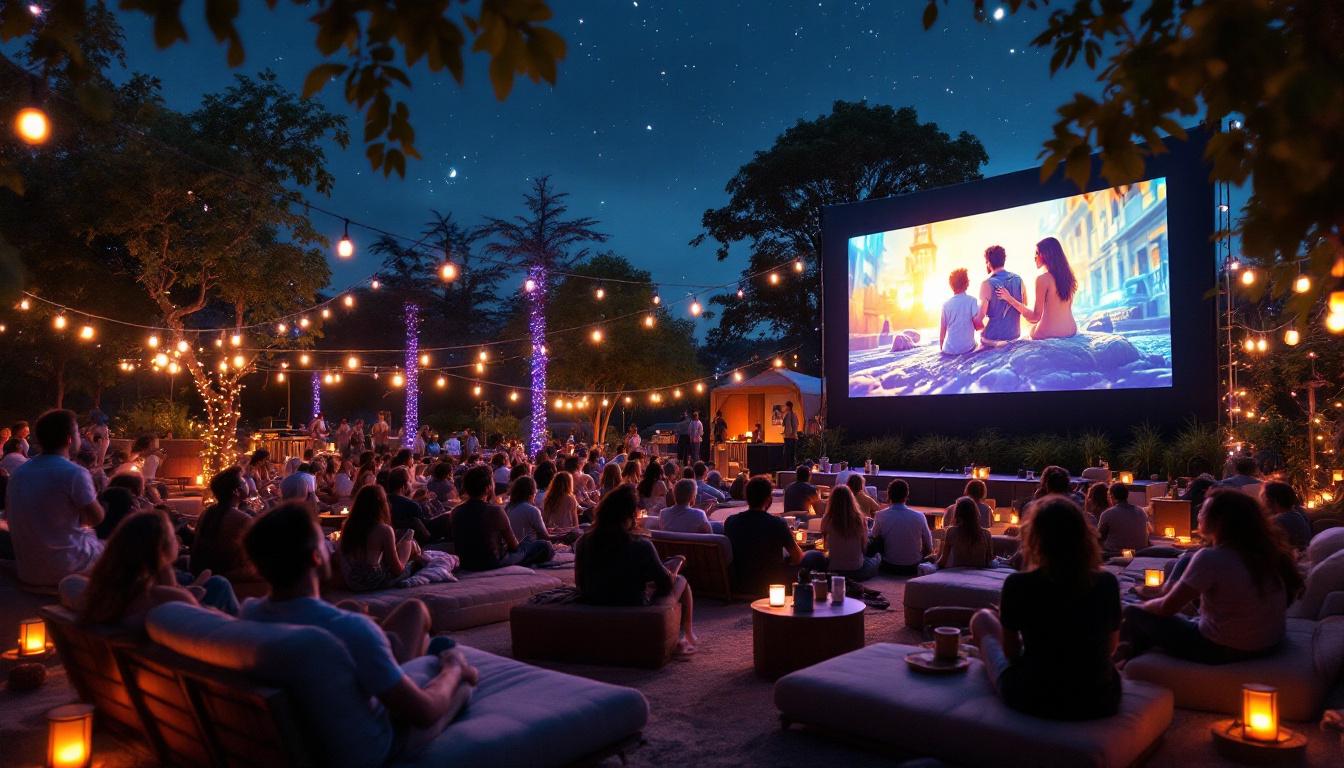
Outdoor movie screenings have surged in popularity over recent years, transforming parks, backyards, and public spaces into vibrant community hubs. Whether it’s a neighborhood movie night, a corporate event, or a large-scale festival, the demand for high-quality outdoor viewing experiences continues to grow. Central to these experiences are the screens and projectors that bring films to life under the open sky.
Traditionally, inflatable or fixed-frame projector screens paired with powerful projectors have been the go-to solution. However, LED display technology is rapidly changing the landscape of outdoor movie rentals. This article explores the nuances of outdoor movie screen and projector rentals, with a special focus on how LED displays are revolutionizing the industry.
Understanding Outdoor Movie Screen and Projector Rentals
The Basics of Outdoor Movie Setups
Outdoor movie events typically require two main components: a screen and a projector. The screen can be an inflatable, fixed-frame, or portable fabric screen, designed to provide a large, flat surface for image projection. The projector, often a high-lumen device, casts the movie onto the screen, ensuring visibility even in ambient light conditions. The choice of screen type can significantly affect the viewing experience; for instance, inflatable screens are popular for their ease of setup and portability, while fixed-frame screens offer superior image quality due to their tensioned surfaces that minimize wrinkles and distortions.
Rental companies offer a variety of packages that include screens, projectors, sound systems, and sometimes even seating and lighting. These rentals cater to diverse needs, from small private gatherings to large public events. The choice of equipment depends on factors such as audience size, location, ambient lighting, and budget. For instance, a backyard movie night for a family might only require a smaller, portable setup, while a community event in a park could necessitate a larger screen and a more powerful projector to accommodate hundreds of viewers. Additionally, some rental services provide add-ons like popcorn machines or concession stands, enhancing the overall movie-going experience.
Challenges of Traditional Projector and Screen Rentals
While traditional projector setups are effective, they come with several challenges. Ambient light can significantly reduce image quality, making daytime or early evening screenings difficult without darkening the environment. The screens themselves can be cumbersome to transport and set up, often requiring multiple people and considerable time. Moreover, the positioning of the projector is crucial; it must be placed at the right distance to ensure a clear and properly sized image, which can be tricky in outdoor settings where space is limited.
Additionally, projectors rely on bulbs or lamps that degrade over time, potentially affecting brightness and color accuracy. Weather conditions such as wind or rain can also impact the stability and safety of inflatable or fabric screens. These factors have prompted event organizers to explore alternative display technologies that offer greater flexibility and reliability. For example, some are turning to LED screens, which provide bright, vibrant images and are less affected by environmental conditions. Furthermore, advancements in wireless technology have made it easier to connect devices and stream content directly to projectors, eliminating the need for cumbersome cables and allowing for a more streamlined setup. As the outdoor movie experience continues to evolve, the integration of these modern technologies promises to enhance viewer enjoyment and simplify the logistics of event planning.
LED Displays: A Modern Solution for Outdoor Movie Events
What is an LED Display?
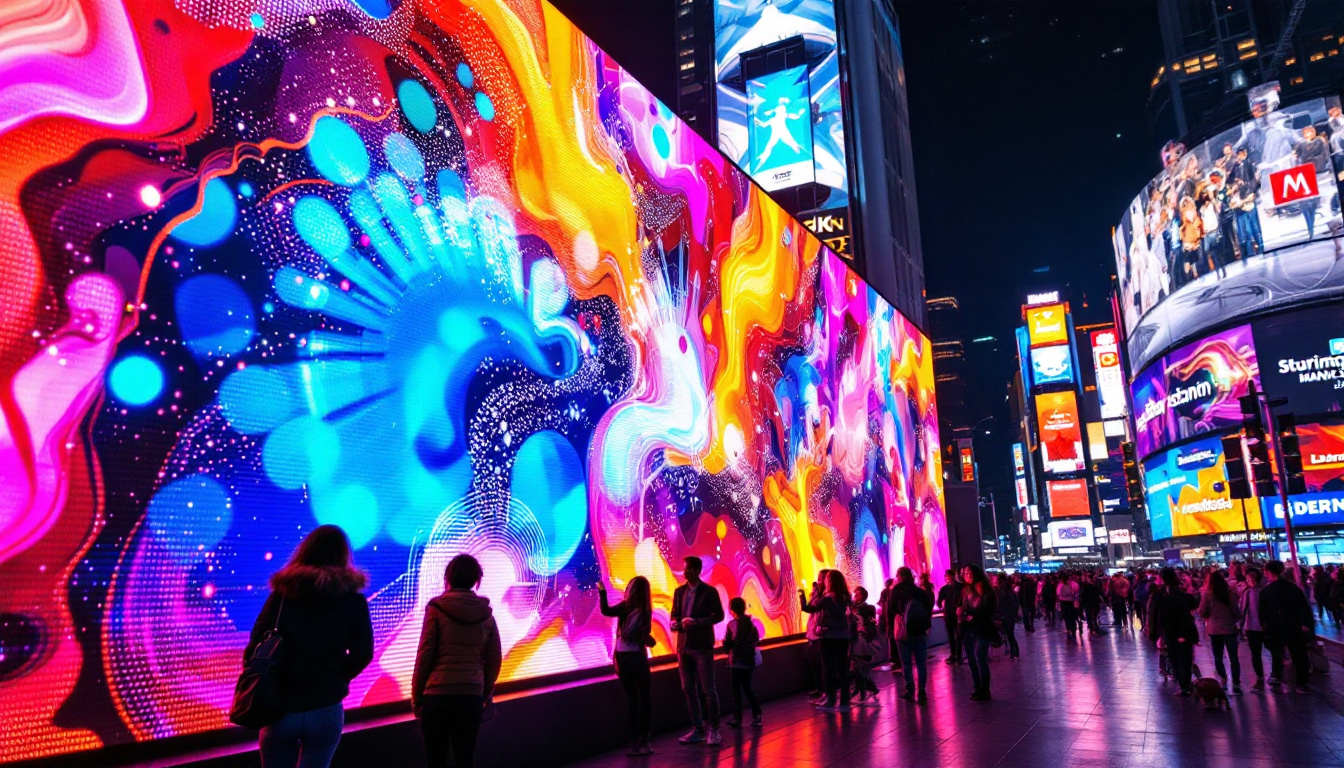
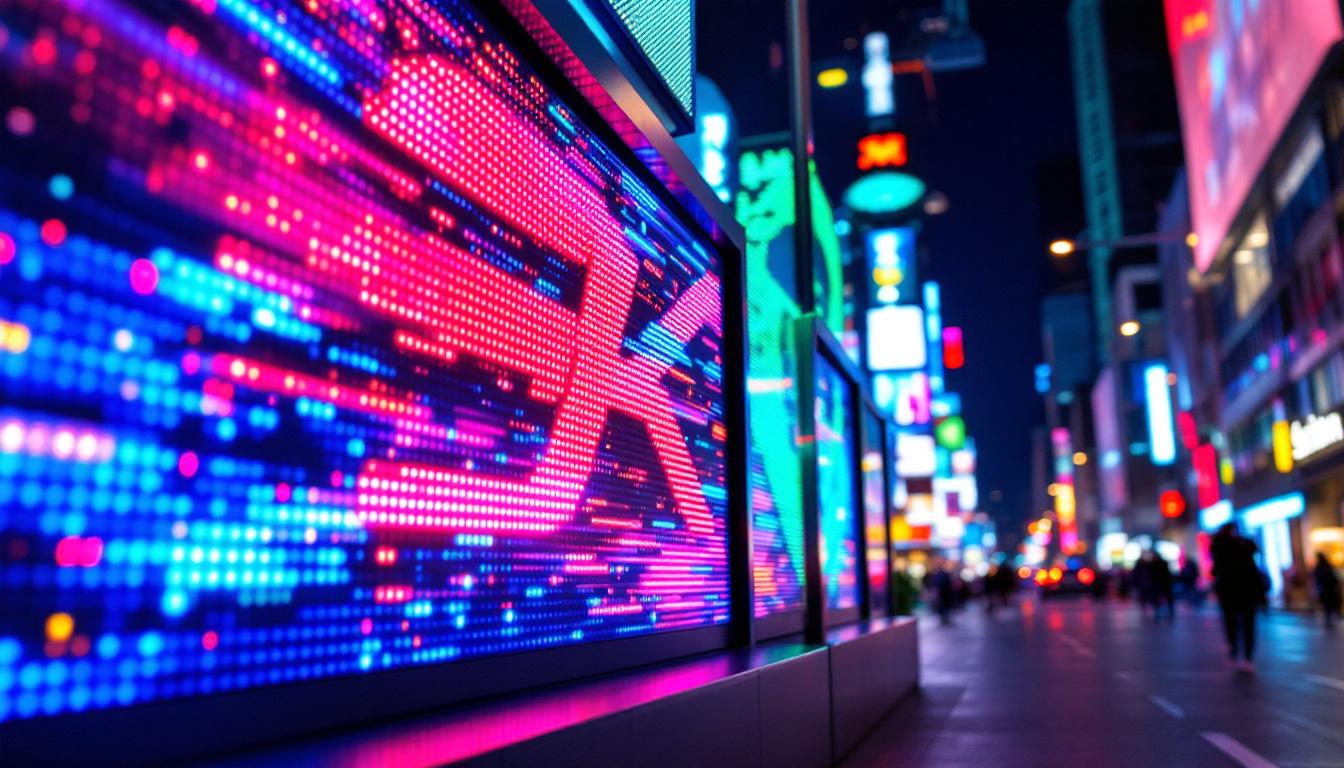
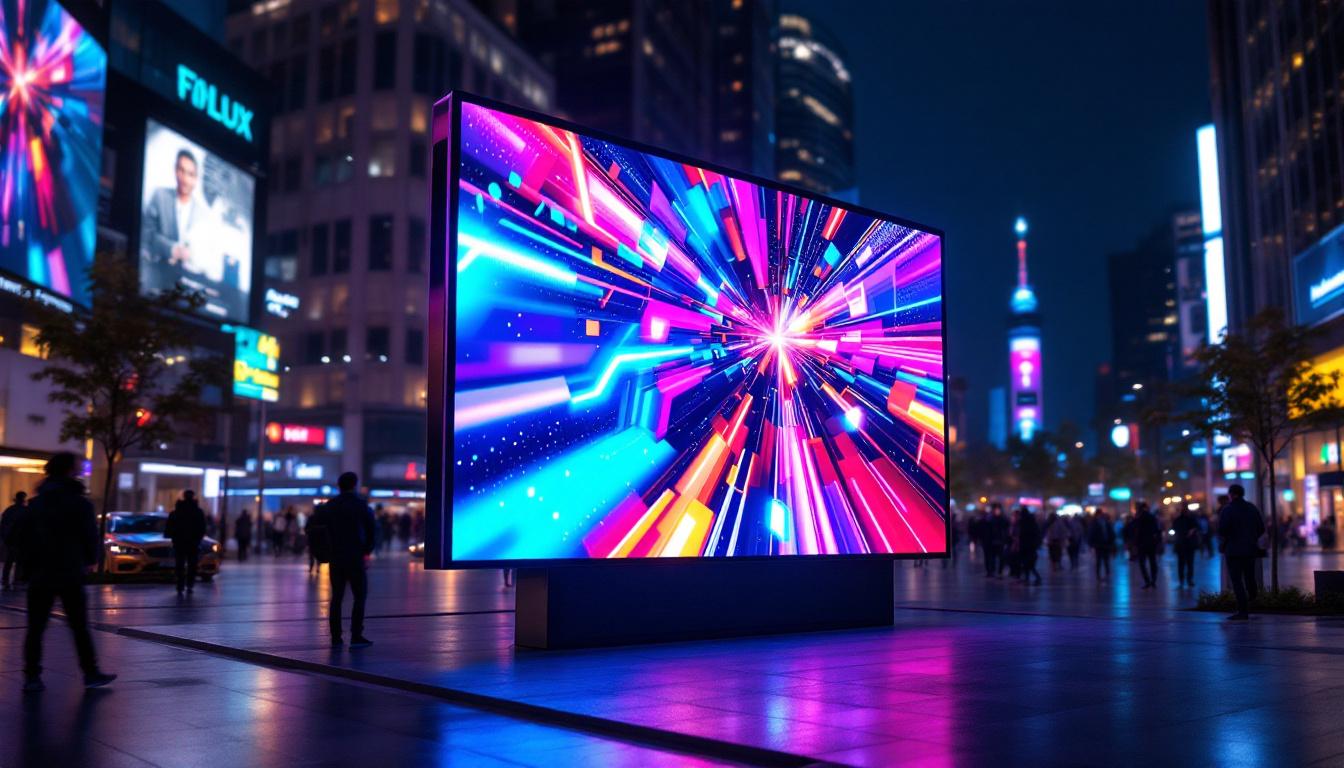
LED (Light Emitting Diode) displays are composed of thousands of tiny light-emitting diodes arranged in a grid to form a screen. Unlike traditional projector setups, LED displays emit their own light, eliminating the need for an external light source. This self-illumination allows for vibrant colors, high contrast, and excellent visibility in various lighting conditions.
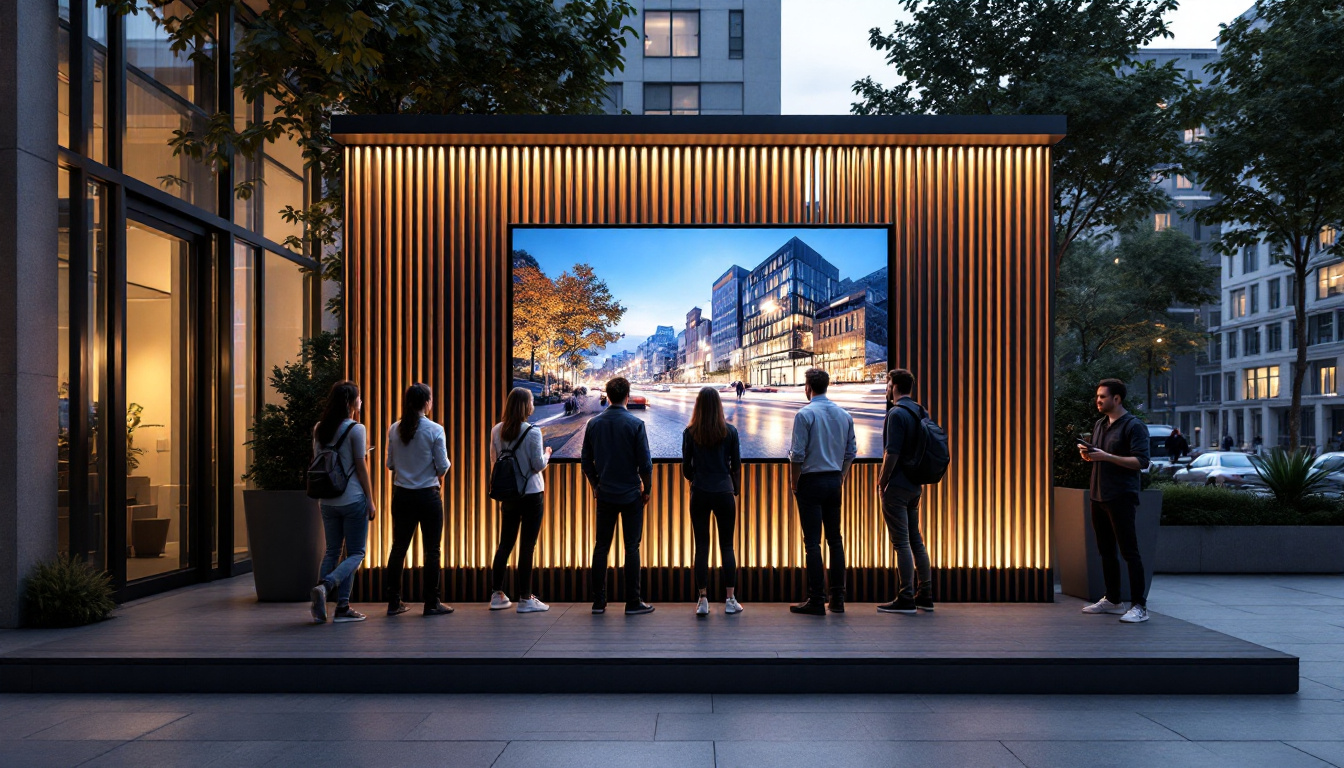
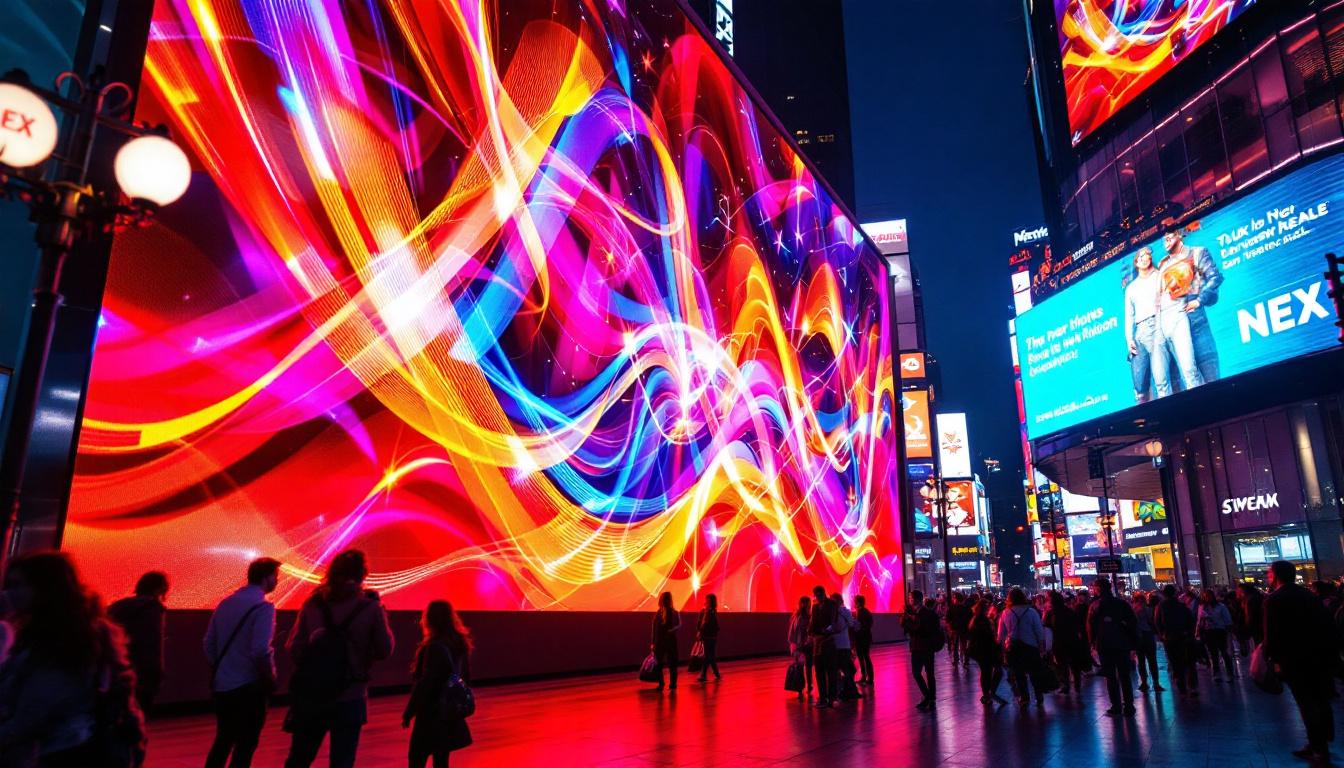
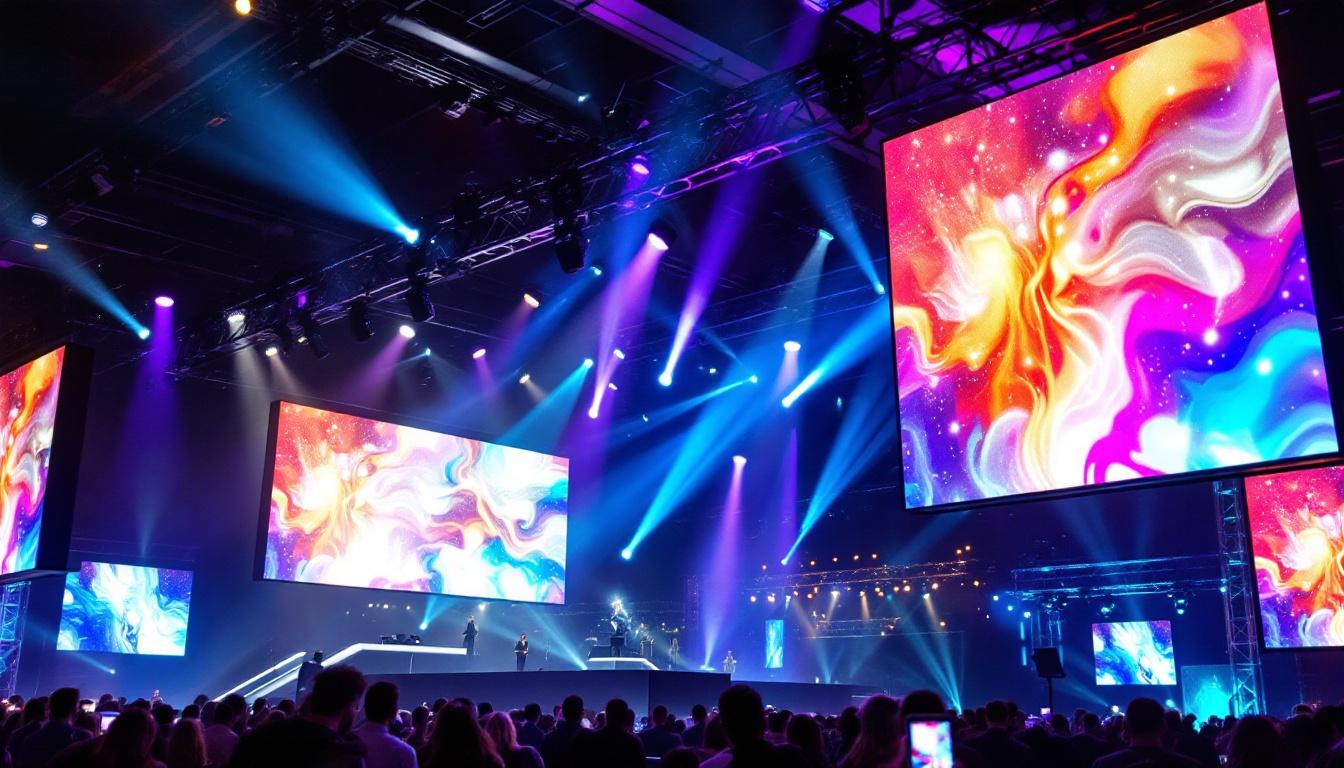
LED technology has been widely adopted in stadiums, concerts, and advertising due to its durability and brightness. Its application in outdoor movie events is a natural extension, offering a premium viewing experience without many of the limitations associated with projectors.
Advantages of LED Displays Over Traditional Projectors
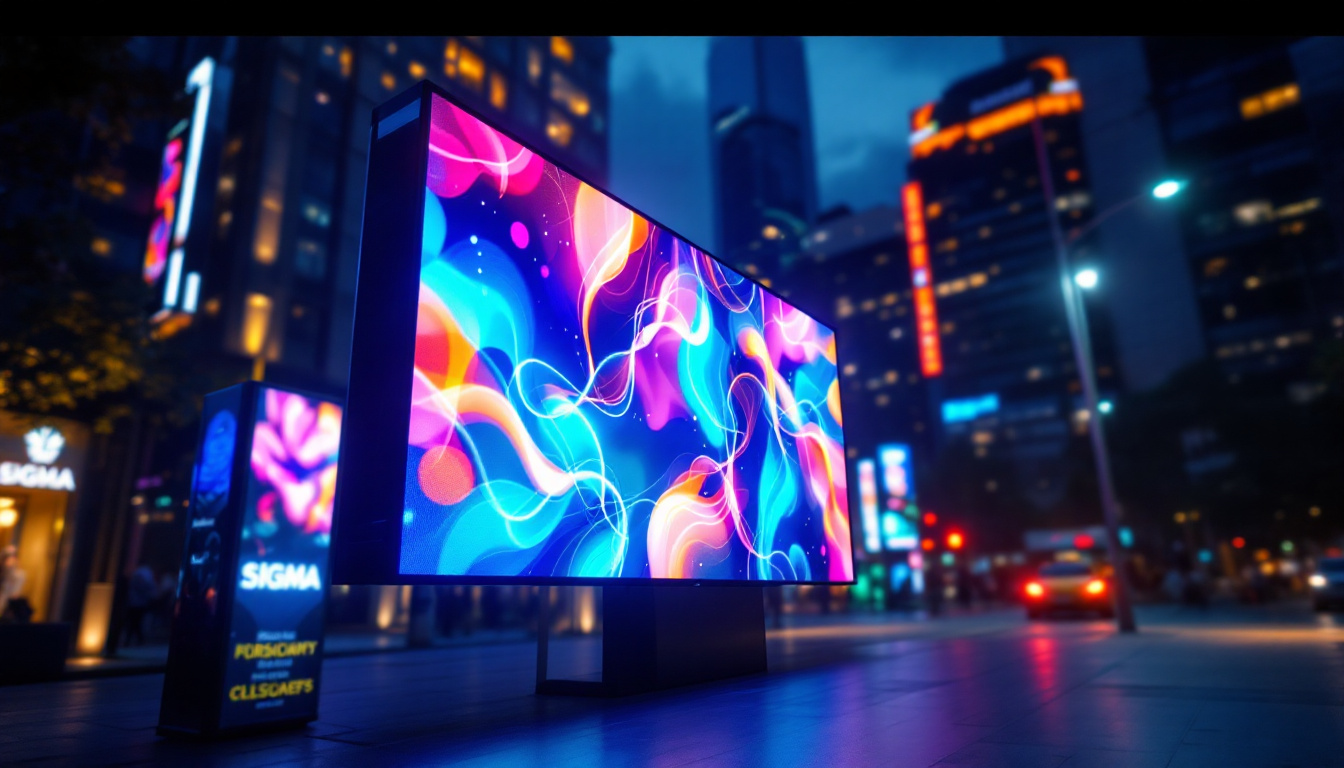
One of the most significant benefits of LED displays is their superior brightness. Outdoor LED screens can reach brightness levels of 5,000 nits or more, compared to projectors which typically range from 2,000 to 5,000 lumens. This means LED screens remain clear and vibrant even in daylight or under street lighting.
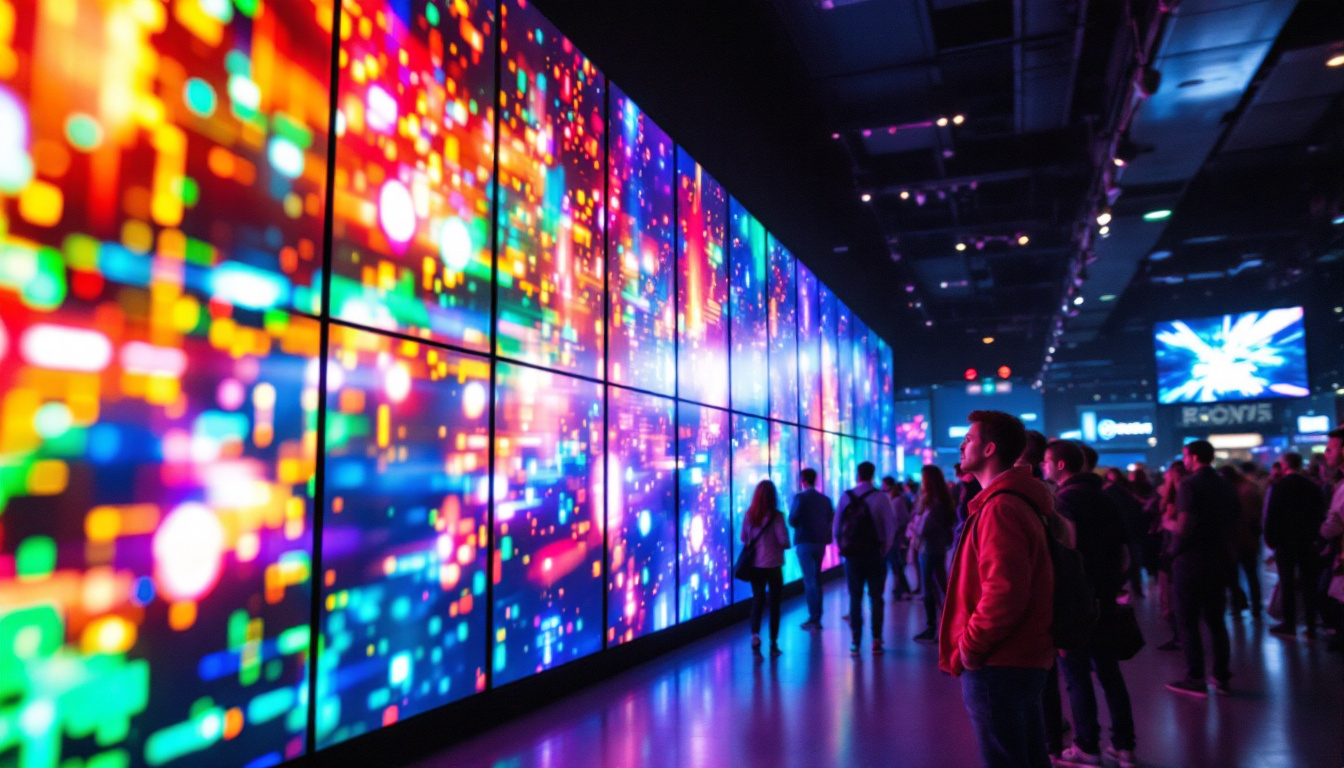
Another advantage is the elimination of shadows and distortion caused by uneven screen surfaces or environmental factors like wind. LED panels are rigid and modular, allowing for seamless assembly into large screens with consistent image quality. Setup times are often shorter, and the screens are less susceptible to damage from weather or handling.
Furthermore, LED displays offer better color accuracy and wider viewing angles, ensuring that audiences seated off-center still enjoy a crisp and bright image. Maintenance is also simplified, as LEDs have longer lifespans and do not require bulb replacements.
Key Considerations When Renting LED Displays for Outdoor Movies
Screen Size and Resolution
When selecting an LED display for an outdoor movie, screen size is a critical factor. Larger screens enhance visibility and immersion but require more LED modules and a higher budget. Rental companies typically offer screens ranging from 10 feet to over 30 feet diagonally.
Resolution is equally important. LED screens are measured in pixel pitch—the distance between individual LEDs. A smaller pixel pitch means higher resolution and sharper images. For outdoor movie screenings, a pixel pitch between 3mm and 6mm is common, balancing cost and image clarity at typical viewing distances.
Brightness and Environmental Factors
Brightness requirements depend on the time of day and ambient lighting. For evening or nighttime events, lower brightness may suffice, but daytime screenings demand higher nit levels to combat sunlight. LED displays with adjustable brightness settings allow operators to optimize picture quality while conserving energy.
Weather resistance is another consideration. Outdoor LED displays are designed with IP65 or higher ratings, meaning they are dust-tight and protected against water jets. This durability ensures that events can proceed smoothly despite unpredictable weather.
Audio Integration and Connectivity
Visual quality is only part of the experience. High-quality audio systems are essential for outdoor movie events. Many LED display rentals include integrated sound systems or offer packages with professional-grade speakers. Wireless connectivity options also facilitate seamless streaming and content management.
Compatibility with various media sources, including laptops, Blu-ray players, and streaming devices, is crucial. Rental providers often supply technical support to ensure smooth setup and operation.
Cost Analysis: LED Displays vs. Traditional Projector Rentals
Initial Rental Costs
LED display rentals generally command higher upfront costs compared to traditional projector setups. For example, renting a 20-foot LED screen might cost between $2,500 to $5,000 per day, while projector and inflatable screen packages for similar audience sizes may range from $1,000 to $2,500.
However, these costs vary widely depending on location, event size, and rental duration. Many providers offer discounts for multi-day rentals or bundled services.
Long-Term Value and Reliability
While LED rentals are more expensive initially, their reliability and ease of use can reduce labor costs and setup time. The superior image quality also enhances audience satisfaction, which can be critical for commercial or community events aiming to build a loyal following.
Traditional projectors may incur additional costs for bulb replacements, repairs, and troubleshooting during the event. Weather-related risks to inflatable screens can also lead to unexpected expenses.
Case Studies: Successful Outdoor Events Using LED Displays
Community Movie Night in a Public Park
A midsize city organized a weekly summer movie series in a central park, attracting hundreds of attendees each week. By switching from inflatable screens and projectors to a 15-foot LED display, the organizers reported a 30% increase in attendance. The LED screen’s brightness allowed for earlier start times, accommodating families with young children.
Feedback highlighted the crisp image quality and vibrant colors, even as dusk fell. The reduced setup time also enabled smoother transitions between events.
Corporate Event with Brand Activation
A technology company hosted an outdoor product launch featuring a live-streamed keynote and a movie screening. Using a 25-foot LED display, the event combined high-impact visuals with integrated audio, creating an immersive experience. The LED screen’s modular design allowed for custom branding around the display, enhancing marketing impact.
The event’s success demonstrated how LED displays can elevate corporate outdoor events beyond traditional setups.
Future Trends in Outdoor Movie Screen Technology
Advancements in LED Technology
As LED technology continues to evolve, expect improvements in pixel density, energy efficiency, and screen flexibility. MicroLED and MiniLED innovations promise even higher resolution and thinner, lighter panels, making transportation and installation easier.
Transparent and curved LED screens are also emerging, offering new creative possibilities for outdoor events.
Integration with Smart Event Technology
Future outdoor movie setups will increasingly incorporate smart technology, such as automated brightness adjustment, remote diagnostics, and interactive features. Integration with mobile apps can enhance audience engagement through voting, social media interaction, and real-time feedback.
These advancements will make outdoor movie experiences more dynamic and user-friendly.
Conclusion
The rise of LED displays in outdoor movie screen and projector rentals marks a significant shift in how events are produced and experienced. While traditional projector setups remain viable for many occasions, LED technology offers unmatched brightness, durability, and image quality that can transform outdoor screenings into premium events.
Event organizers should weigh the benefits of LED displays against their budget and specific needs. For those seeking to create memorable, high-impact outdoor movie experiences, investing in LED display rentals is a forward-thinking choice that aligns with current trends and audience expectations.
As technology advances, LED displays will continue to redefine the possibilities of outdoor entertainment, making movie nights under the stars brighter, clearer, and more enjoyable than ever before.
Illuminate Your Next Event with LumenMatrix
Ready to elevate your outdoor movie experience with unparalleled brightness and clarity? Discover LumenMatrix’s innovative LED display solutions, designed to captivate your audience and bring your vision to life. From immersive outdoor screenings to dynamic brand activations, our extensive range of LED display modules—including Indoor, Outdoor, Vehicle, Poster, Sports, Floor, Custom, All-in-One, and Transparent Displays—ensures that every event shines. Embrace the future of visual storytelling with LumenMatrix. Check out LumenMatrix LED Display Solutions today and transform your next gathering under the stars into a spectacular visual feast.