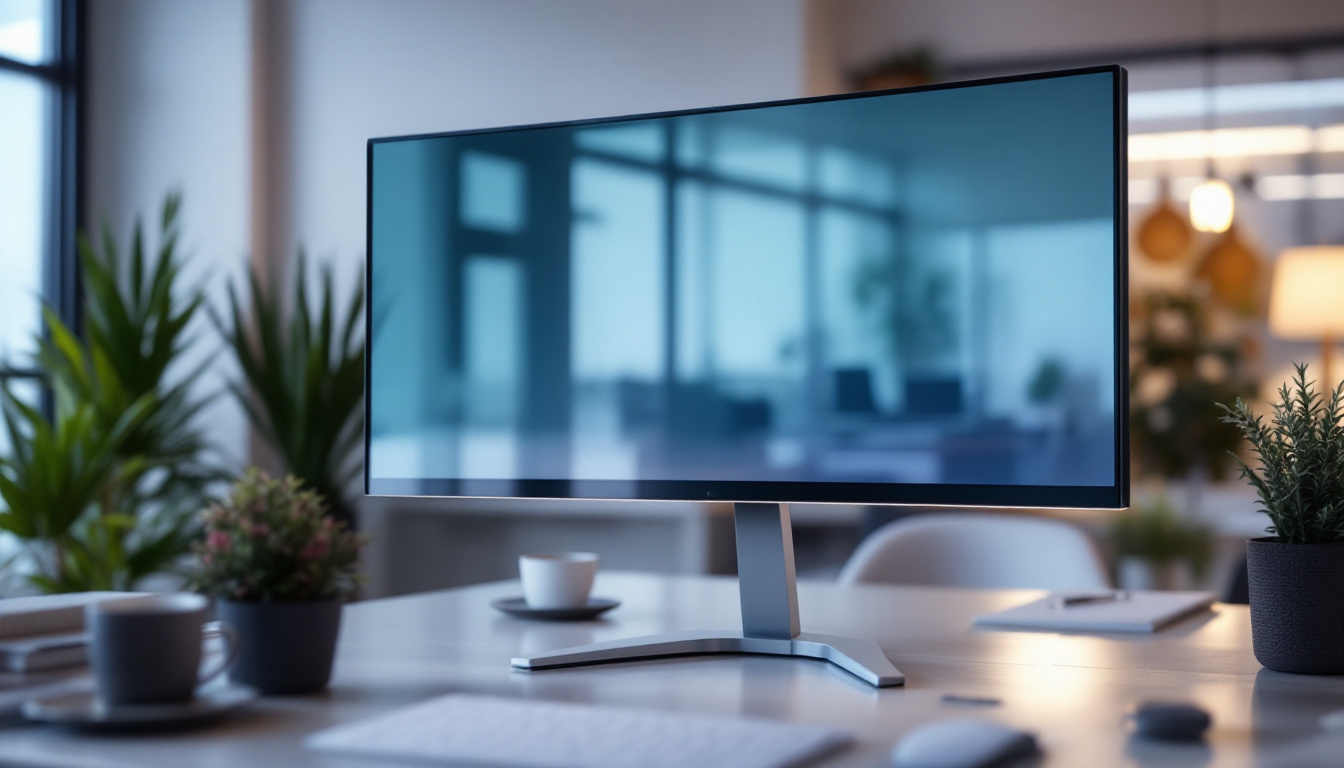
In today’s fast-evolving digital landscape, touch monitors have become an essential component across various industries—from retail and healthcare to education and corporate environments. Among these, the 24-inch touch monitor with LED display stands out for its balance of screen real estate, responsiveness, and visual clarity. This article delves into the intricacies of the Touch Monitor 24, focusing on the LED display technology that powers it, and explores why this combination is increasingly favored by professionals and consumers alike.
Understanding the Basics: What Is a 24-Inch Touch Monitor?
A 24-inch touch monitor is a display device that combines a 24-inch screen size with touch-sensitive technology, allowing users to interact directly with the screen through taps, swipes, and gestures. This size is particularly popular because it offers ample viewing space without overwhelming desk setups, making it versatile for various applications.
Touch monitors come in different sizes, but the 24-inch model strikes a balance between portability and functionality. It is large enough to provide detailed visuals for tasks such as graphic design, video conferencing, or point-of-sale operations, yet compact enough to fit comfortably in office cubicles or retail counters.
Why Choose a Touch Monitor?
Touch monitors enhance user experience by enabling intuitive interaction. Instead of relying solely on a mouse or keyboard, users can directly manipulate on-screen elements, which can speed up workflows and improve accessibility. This is especially valuable in environments where quick, hands-on control is necessary, such as in kiosks, healthcare devices, or interactive learning stations.
Moreover, touch monitors often support multi-touch gestures, allowing for more complex commands and smoother navigation. This capability is crucial for modern software interfaces designed for touch input, including Windows 10/11 and various Android-based systems.
LED Display Technology: The Heart of the Touch Monitor 24
The term “LED display” refers to the type of backlighting used in the monitor’s screen. LED stands for Light Emitting Diode, a technology that has revolutionized display panels by offering superior brightness, energy efficiency, and color accuracy compared to older LCD monitors with CCFL (Cold Cathode Fluorescent Lamp) backlighting.
How LED Displays Work
At its core, an LED display is an LCD panel illuminated by an array of LEDs. The LCD (Liquid Crystal Display) controls the pixels that form the image, while the LEDs provide the necessary light from behind or along the edges of the screen. This combination results in a thinner, lighter, and more energy-efficient display.
There are two main types of LED backlighting used in 24-inch touch monitors:
- Edge-Lit LED: LEDs are positioned along the edges of the screen, and light is distributed across the panel using light guides. This design allows for slimmer monitors but may sometimes lead to uneven brightness.
- Direct-Lit or Full-Array LED: LEDs are placed directly behind the screen in a grid pattern, providing more uniform lighting and better contrast, especially in darker scenes.
Advantages of LED Displays in Touch Monitors
LED displays offer several benefits that make them ideal for 24-inch touch monitors:
- Energy Efficiency: LED backlighting consumes less power than traditional CCFL, reducing operational costs and environmental impact.
- Improved Brightness and Contrast: LED displays can achieve higher brightness levels, making screens easier to read in bright environments such as retail stores or outdoor kiosks.
- Color Accuracy and Wide Gamut: Modern LED panels support a wide color gamut, ensuring vibrant and true-to-life colors, which is critical for design and media applications.
- Longer Lifespan: LEDs generally last longer than CCFLs, reducing maintenance and replacement costs over time.
- Thin and Lightweight Design: LED technology enables slimmer monitors that are easier to mount or transport.
Touch Technology Types in 24-Inch LED Monitors
While the LED display provides the visual output, the touch functionality depends on the underlying touch technology integrated into the monitor. Understanding these technologies helps in selecting the right monitor for specific needs.
Capacitive Touch
Capacitive touch technology is widely used in consumer electronics like smartphones and tablets and is increasingly common in touch monitors. It works by detecting changes in the electrical field caused by a conductive object, such as a finger.
Advantages of capacitive touch include high sensitivity, multi-touch support, and excellent durability since the screen surface is typically glass. However, capacitive touch may not respond well to gloved hands or styluses unless specifically designed for such use.
Resistive Touch
Resistive touch technology relies on pressure applied to two flexible layers that register contact when pressed together. It supports input from fingers, gloved hands, or any pointing device, making it versatile for industrial or medical environments.
While resistive touch screens tend to be less sensitive and do not support multi-touch gestures as effectively as capacitive screens, they are often more affordable and robust against harsh conditions.
Infrared and Optical Touch
Infrared (IR) and optical touch technologies use sensors around the screen’s edges to detect touch by interrupting light beams. These technologies allow for high durability and multi-touch capability without requiring a specialized screen surface.
They are commonly used in large-format touch displays but can also be found in 24-inch monitors where ruggedness and precision are priorities.
Key Features to Consider When Choosing a 24-Inch Touch Monitor with LED Display
Selecting the right 24-inch touch monitor involves evaluating several factors beyond just screen size and touch technology. These features directly impact usability, performance, and integration potential.
Resolution and Image Quality
Resolution determines the sharpness and clarity of the display. For a 24-inch monitor, Full HD (1920 x 1080 pixels) is the most common resolution, offering crisp images suitable for most business and entertainment purposes.
Higher resolutions such as 2K (2560 x 1440) or 4K (3840 x 2160) are available but may come at a premium price and require more powerful hardware to drive them effectively. The choice depends on the nature of the work—graphic designers and video editors benefit from higher resolutions, while standard office tasks do not necessarily require them.
Touch Responsiveness and Accuracy
The responsiveness of the touch screen affects how smoothly users can interact with the device. Low latency and precise touch recognition are essential for applications like point-of-sale systems, medical diagnostics, or interactive presentations.
High-quality touch monitors often feature advanced controllers and software to minimize lag and improve accuracy, enhancing the overall user experience.
Durability and Build Quality
In commercial or industrial settings, monitors must withstand frequent use and occasional impacts. Features such as tempered glass, IP-rated water and dust resistance, and robust casing materials contribute to longevity.
Some 24-inch touch monitors come with anti-glare coatings and scratch-resistant surfaces, which maintain screen visibility and aesthetics over time.
Connectivity Options
Modern touch monitors support various connectivity interfaces, including HDMI, DisplayPort, USB-C, and legacy VGA or DVI ports. USB ports are also important for connecting peripherals or enabling touch data transmission.
USB-C is gaining popularity due to its ability to carry video, data, and power through a single cable, simplifying setup and reducing clutter.
Operating System Compatibility
Ensuring the touch monitor is compatible with the intended operating system is critical. Most 24-inch touch monitors support Windows and Android platforms, with some also compatible with Linux or macOS.
Driver support and plug-and-play functionality can significantly affect ease of installation and integration into existing systems.
Applications of 24-Inch Touch Monitors with LED Displays
The versatility of a 24-inch touch monitor with LED display makes it suitable for a wide range of applications across different sectors.
Retail and Point-of-Sale Systems
In retail environments, touch monitors streamline checkout processes and improve customer interaction. The 24-inch size provides enough space for detailed product information, promotions, and transaction details, while the LED display ensures visibility under various lighting conditions.
Multi-touch capabilities allow cashiers or customers to quickly navigate menus, select items, or sign digitally, enhancing efficiency and satisfaction.
Healthcare and Medical Devices
Healthcare professionals use touch monitors for patient monitoring, diagnostics, and electronic health record management. The high resolution and color accuracy of LED displays are critical for interpreting medical images and data.
Durability and ease of cleaning are also important, as devices must comply with hygiene standards and withstand frequent sanitization.
Education and Training
Interactive learning benefits greatly from touch monitors that encourage engagement through direct manipulation of educational content. The 24-inch size is ideal for individual workstations or small group settings, while LED brightness ensures readability even in brightly lit classrooms.
Teachers and trainers can use multi-touch gestures to zoom, annotate, or navigate materials seamlessly.
Corporate and Office Use
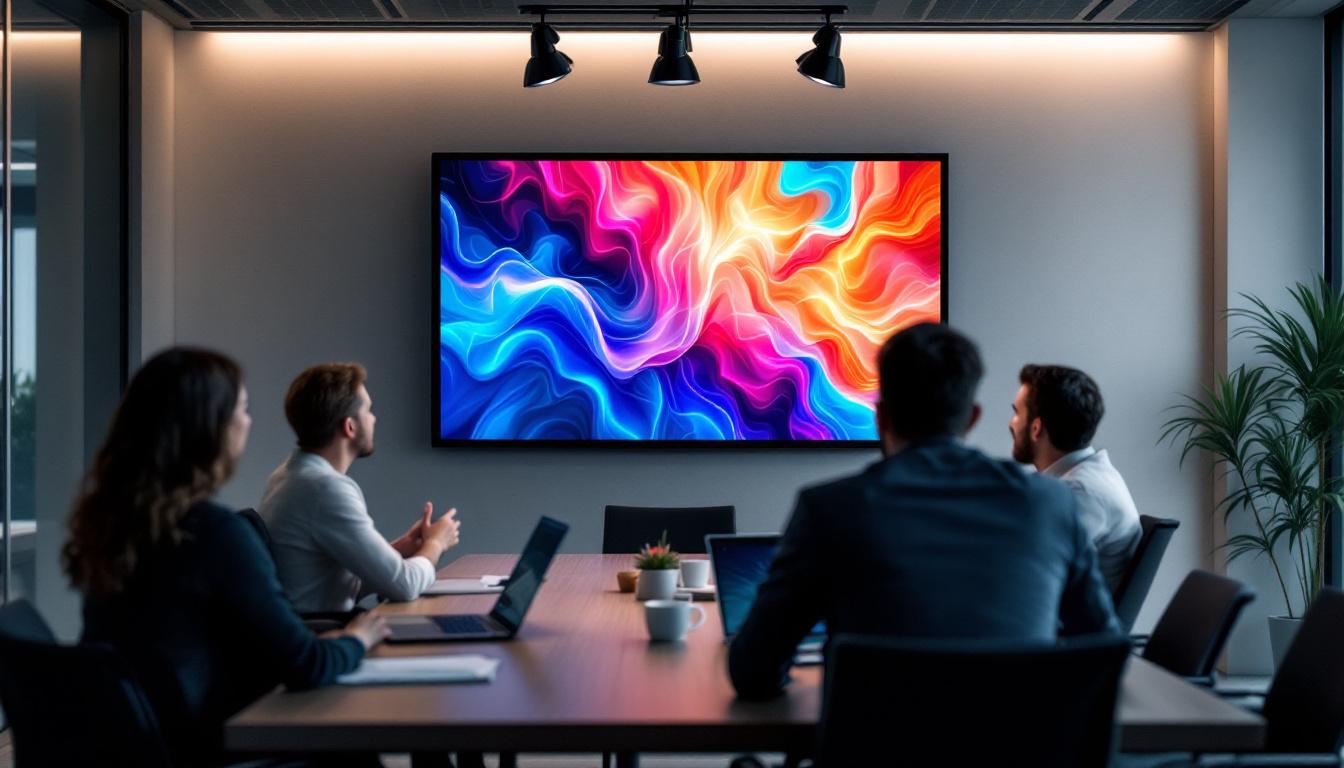
In corporate environments, touch monitors facilitate presentations, video conferencing, and collaborative work. The combination of LED display quality and touch responsiveness supports dynamic workflows and enhances communication.
Additionally, the sleek design of LED-backlit monitors complements modern office aesthetics.
Future Trends in Touch Monitor and LED Display Technology
The technology behind 24-inch touch monitors continues to evolve, driven by advances in display panels, touch sensors, and integration capabilities.
Mini-LED and Micro-LED Backlighting
Emerging LED technologies such as Mini-LED and Micro-LED promise even better contrast ratios, brightness, and energy efficiency. Mini-LED uses thousands of tiny LEDs for more precise local dimming, enhancing HDR (High Dynamic Range) performance.
Micro-LED, still in early stages, offers self-emissive pixels that can rival OLED displays in color accuracy and response time without the risk of burn-in.
Improved Touch Sensitivity and Haptics
Future touch monitors may incorporate advanced haptic feedback mechanisms, providing tactile responses to touch inputs. This can improve user interaction by simulating physical button presses or textures on a flat screen.
Enhanced sensitivity will also support more nuanced gestures and stylus input, benefiting creative professionals and technical users.
Integration with AI and IoT
Smart touch monitors integrated with artificial intelligence (AI) and Internet of Things (IoT) technologies will offer personalized interfaces, voice recognition, and context-aware features. This will make touch interaction more intuitive and adaptive to user needs.
For example, in retail, AI-powered touch monitors could recommend products based on customer behavior, while in healthcare, they could assist clinicians with diagnostic suggestions.
Conclusion
The 24-inch touch monitor with LED display represents a harmonious blend of size, technology, and functionality that caters to a broad spectrum of professional and personal uses. LED backlighting enhances visual quality and energy efficiency, while various touch technologies provide responsive and versatile user interaction.
Choosing the right monitor involves considering resolution, touch type, durability, connectivity, and compatibility to ensure it meets specific application demands. As display and touch technologies continue to advance, these monitors will become even more integral to how people work, learn, and engage with digital content.
Whether for retail, healthcare, education, or corporate use, the Touch Monitor 24 with LED display remains a compelling choice for those seeking a reliable, high-performance interactive display solution.
Discover LumenMatrix’s Advanced LED Display Solutions
Ready to elevate your interactive display experience? LumenMatrix, a pioneer in LED display technology, offers a comprehensive range of innovative solutions designed to bring your digital interactions to life. From captivating Indoor LED Walls to dynamic Outdoor LED Displays and beyond, our products are crafted to maximize engagement and deliver your message with unparalleled clarity. Don’t miss the opportunity to transform your professional or personal space with our cutting-edge displays. Check out LumenMatrix LED Display Solutions today and witness the future of visual communication.