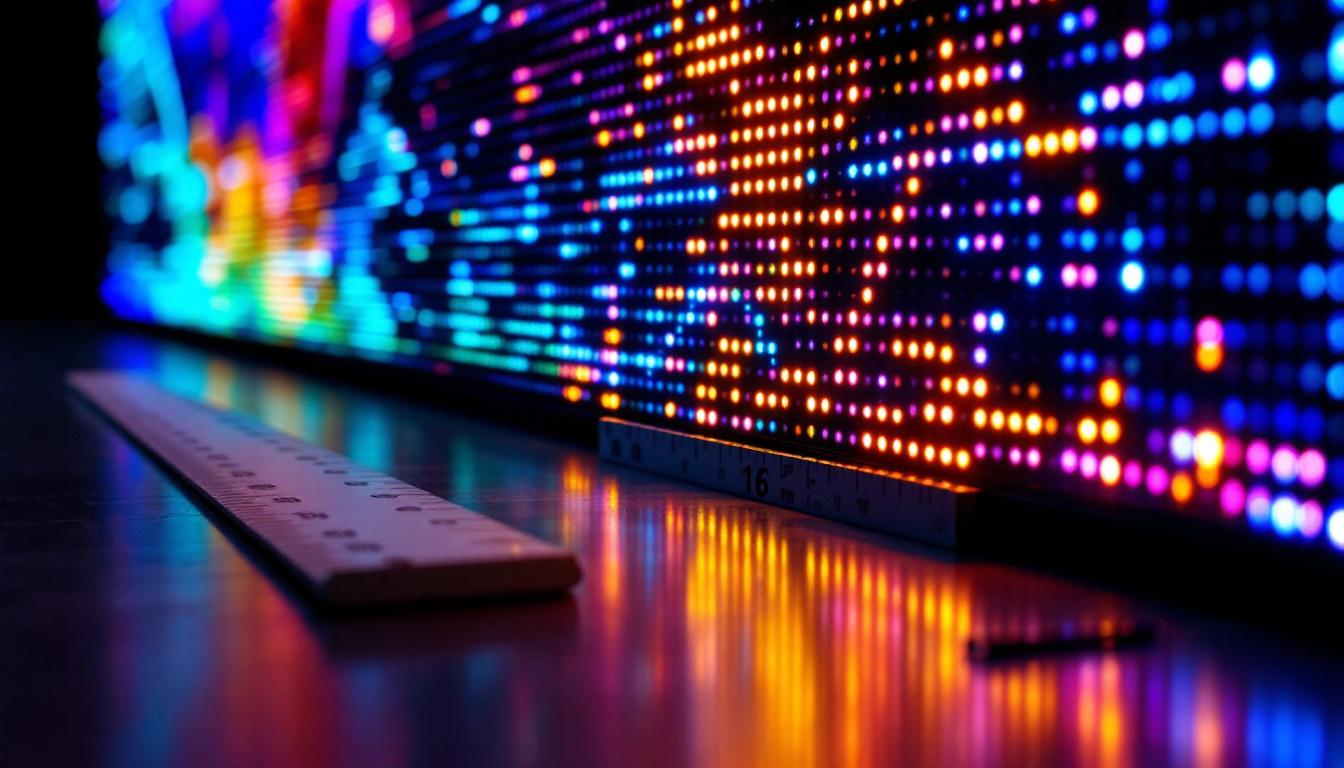
Understanding the conversion between feet and millimeters is essential in many industries, especially when dealing with LED displays. Whether you are a designer, engineer, or business owner planning to install an LED display, knowing how to accurately convert measurements ensures precision and helps avoid costly mistakes. This article delves into the conversion of 16 feet to millimeters, explores the significance of LED display dimensions, and explains how this knowledge applies to LED technology in practical scenarios.
Understanding Measurement Units: Feet and Millimeters
Measurement units are fundamental in engineering, construction, and technology sectors. Feet (ft) and millimeters (mm) are two commonly used units of length, but they belong to different measurement systems. Feet are part of the Imperial system, primarily used in the United States, while millimeters belong to the Metric system, which is widely adopted internationally.
One foot equals exactly 304.8 millimeters. This precise conversion factor is vital when translating dimensions from one system to another, ensuring consistency and accuracy in design and manufacturing. The ability to convert between these units is not just a matter of convenience; it can significantly impact project timelines and budgets, especially in global collaborations where teams may be using different measurement standards.
Why Convert Feet to Millimeters?
Many LED display components and specifications are designed using metric units, especially since most electronic components and manufacturing processes follow international standards. For professionals working with LED displays, converting feet to millimeters allows for better compatibility with technical drawings, component datasheets, and installation guidelines. This compatibility is crucial in avoiding costly errors that can arise from misinterpretation of dimensions.
For example, when ordering LED panels or designing mounting structures, knowing the exact size in millimeters helps avoid misfits and ensures seamless integration with other hardware. Additionally, understanding the conversion process can enhance communication among international teams, as it fosters a common language around measurements. This is particularly important in industries like aerospace and automotive, where precision is paramount and even the slightest miscalculation can lead to significant safety concerns or operational inefficiencies. By adopting a mindset that embraces both measurement systems, professionals can navigate the complexities of global projects with greater ease and confidence.
Converting 16 Feet to Millimeters
The conversion from feet to millimeters is straightforward but must be done carefully to maintain precision. Using the conversion factor:
1 foot = 304.8 millimeters
To convert 16 feet to millimeters, multiply 16 by 304.8:
16 ft × 304.8 mm/ft = 4876.8 mm
Therefore, 16 feet is equivalent to 4876.8 millimeters.
Practical Implications of This Conversion
When working with LED displays, this conversion helps in multiple scenarios:
- Screen Size Planning: Knowing the exact size in millimeters allows for precise layout planning, especially when integrating displays into architectural designs.
- Component Sizing: LED modules, pixel pitches, and cabinet sizes are often specified in millimeters, so converting overall dimensions ensures compatibility.
- Installation Accuracy: Mounting brackets and support frames require exact measurements to secure the display safely and effectively.
For instance, if an LED display is planned to be 16 feet wide, understanding that this equals 4876.8 mm helps in ordering the correct number of LED modules, which are typically measured in millimeters.
Moreover, this level of precision is crucial not just for aesthetic purposes but also for functionality. In environments where multiple displays are used, such as in sports arenas or concert venues, even the slightest miscalculation can lead to misalignment, which can detract from the overall viewing experience. Therefore, ensuring that every measurement is accurate and consistent across all components is vital for achieving a seamless visual output.
Additionally, in the context of international projects, where different measurement systems may be in use, having a reliable conversion method becomes essential. Engineers and designers often collaborate across borders, and a shared understanding of dimensions in millimeters can facilitate smoother communication and reduce the risk of errors. This is particularly important in industries like automotive or aerospace, where precision engineering is paramount, and even a minor discrepancy can have significant implications.
LED Display Dimensions and Their Importance
LED displays come in various sizes and resolutions, and their dimensions play a critical role in determining visual quality, viewing distance, and installation feasibility. The right dimensions can enhance the effectiveness of the display, ensuring that content is not only visible but also engaging to the audience.
Dimensions are usually expressed in width and height, and sometimes depth, depending on the display type. These measurements influence pixel density, brightness uniformity, and overall user experience. For instance, a larger display with a lower pixel density may appear pixelated when viewed up close, while a smaller display with a higher pixel density can deliver crisp and clear images even from a short distance.
Pixel Pitch and Its Relationship to Size
Pixel pitch is the distance between the centers of two adjacent pixels on an LED display, typically measured in millimeters. It directly affects the resolution and clarity of the displayed image. Smaller pixel pitches mean higher resolution and better image quality, especially at close viewing distances. This is particularly important in environments such as control rooms or retail spaces where customers are likely to be near the display.
For example, a display 4876.8 mm wide (16 ft) with a pixel pitch of 3 mm will have approximately 1625 pixels across its width (4876.8 ÷ 3 ≈ 1625). This calculation is essential for determining the display’s resolution and ensuring it meets the intended viewing requirements. Additionally, as technology advances, manufacturers are continually developing finer pixel pitches, allowing for even more detailed imagery and vibrant colors, enhancing the overall viewing experience.
Choosing the Right Size for Your Application
The size of an LED display depends on its intended use. Outdoor advertising billboards, for instance, are often very large to be visible from long distances, while indoor displays in retail or conference environments are smaller but require higher pixel density. The choice of size is not just about visibility; it also involves considering the content that will be displayed. High-resolution images or videos can benefit from larger screens, while text-heavy displays may not require the same level of detail.
Understanding the conversion between feet and millimeters allows designers and installers to select the appropriate display size and pixel pitch, balancing cost, visibility, and installation constraints. Moreover, factors such as ambient light conditions, viewing angles, and the type of content being displayed should also be taken into account. For instance, in brightly lit environments, a display with higher brightness levels may be necessary to ensure that content remains legible and visually appealing. By carefully considering these elements, stakeholders can maximize the impact of their LED displays, ensuring they effectively communicate their message to the intended audience.
Case Study: Designing a 16-Foot Wide LED Display
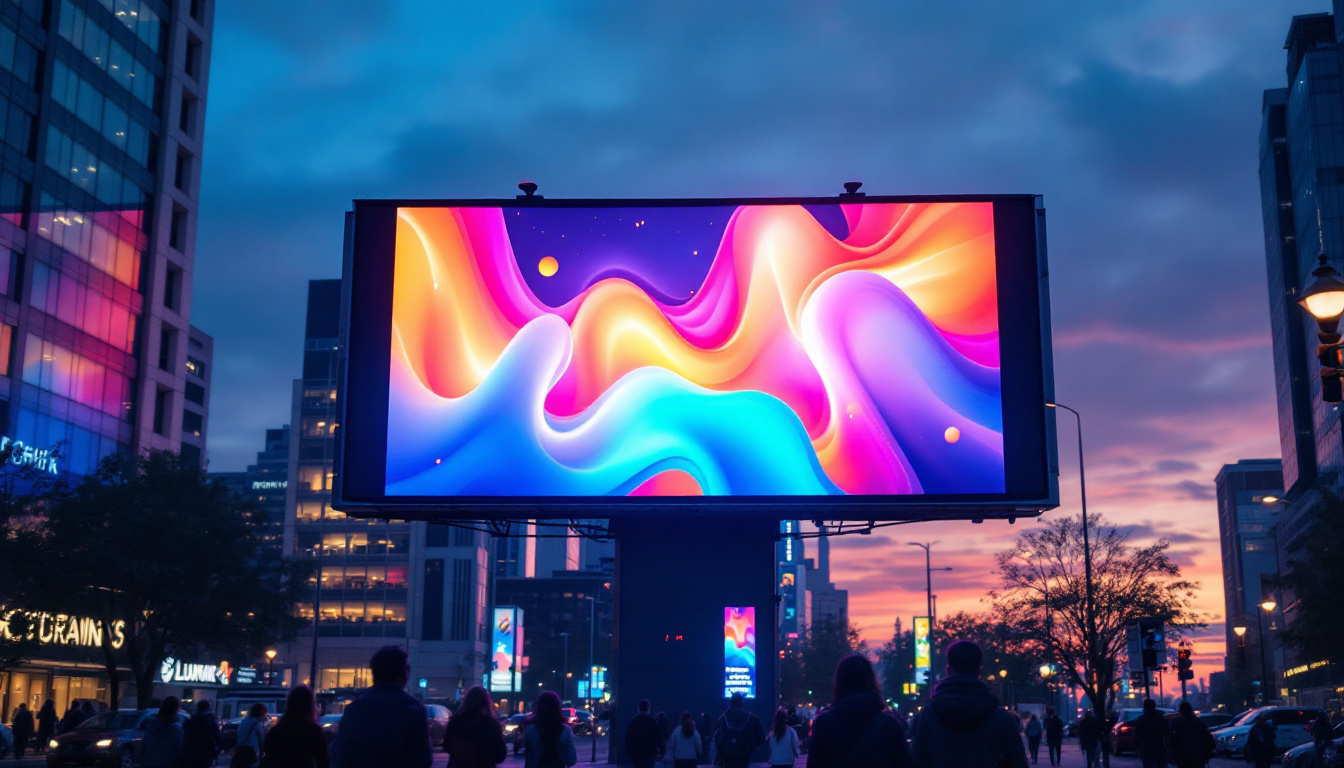
Consider a company planning to install a 16-foot wide LED display for an outdoor advertising campaign. The design team needs to convert the width into millimeters to work with LED module specifications and installation hardware.
Step 1: Convert Width to Millimeters
As established, 16 feet equals 4876.8 millimeters. This measurement will be the basis for ordering LED modules and designing the frame. It is crucial for the design team to ensure that all components align perfectly, as even minor discrepancies can lead to significant issues during installation. Accurate measurements will also facilitate the procurement process, allowing the team to source the right materials without delays.
Step 2: Determine Pixel Pitch
The team selects a pixel pitch of 10 mm, suitable for outdoor viewing distances where viewers are typically more than 20 feet away. This choice balances cost and image quality effectively. A pixel pitch of 10 mm provides a good compromise between resolution and brightness, ensuring that the display remains visible even in direct sunlight. Furthermore, this decision will influence the overall viewing experience, as a well-calibrated pixel pitch can enhance the clarity of images and text, making advertisements more engaging for passersby.
Step 3: Calculate Number of Pixels
Number of pixels across width = 4876.8 mm ÷ 10 mm = approximately 488 pixels.
This resolution ensures the display is clear and vibrant from the intended viewing distance. The design team must also consider the height of the display, as this will affect the total pixel count and overall resolution. A higher pixel count can lead to more detailed images, which is particularly important for high-impact advertising campaigns that aim to capture attention quickly in a crowded environment.
Step 4: Plan Installation
Knowing the exact millimeter measurement ensures the mounting structure is built to fit the display precisely, avoiding gaps or overlaps that could affect the visual appearance or structural integrity. Additionally, the installation plan must account for environmental factors such as wind load and potential weather conditions. The team will need to collaborate with structural engineers to ensure that the mounting system is robust enough to withstand the elements while providing a stable platform for the LED display. Proper planning at this stage will minimize the risk of future maintenance issues and ensure the longevity of the installation.
Additional Considerations When Working with LED Displays
Beyond size conversion, several factors influence the success of an LED display installation.
Environmental Factors
Outdoor LED displays must withstand weather conditions such as rain, wind, and temperature fluctuations. Accurate dimensioning ensures that protective enclosures and seals fit correctly, maintaining durability and performance.
Power and Connectivity
Large displays, like a 16-foot wide screen, require careful planning of power supply and data connections. Precise measurements help in routing cables and placing power units efficiently.
Regulatory Compliance
Local regulations may dictate maximum display sizes or brightness levels. Converting measurements accurately helps in adhering to these guidelines and avoiding legal issues.
Conclusion
Converting 16 feet to millimeters is a fundamental step in the design and installation of LED displays. With 16 feet equaling 4876.8 millimeters, professionals can accurately plan screen sizes, select appropriate LED modules, and ensure proper installation. Understanding this conversion and its practical applications enhances the quality and effectiveness of LED display projects, whether for advertising, entertainment, or informational purposes.
Accurate measurement conversions, combined with knowledge of pixel pitch and environmental considerations, empower businesses and engineers to create visually stunning and reliable LED displays that meet their specific needs.
Explore Cutting-Edge LED Display Solutions with LumenMatrix
Ready to take your visual displays to the next level? LumenMatrix is at the forefront of LED display innovation, offering a wide range of solutions tailored to your unique needs. From captivating Indoor and Outdoor LED Wall Displays to dynamic Vehicle and Sports LED Displays, our technology is designed to make your brand stand out. Experience the future of visual communication with our Custom, All-in-One, and Transparent LED Displays. Don’t just share your message—make a lasting impression with clarity and impact. Check out LumenMatrix LED Display Solutions today and transform your space into a visual masterpiece.