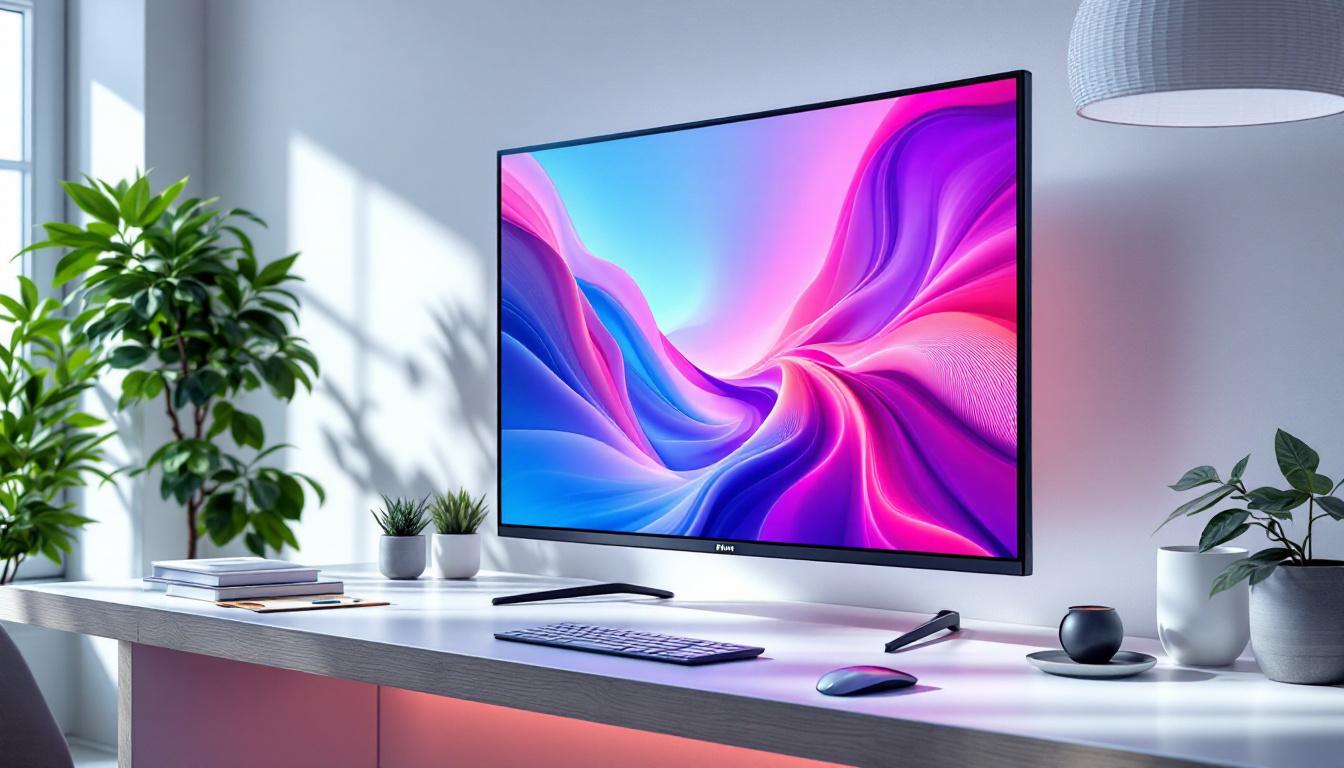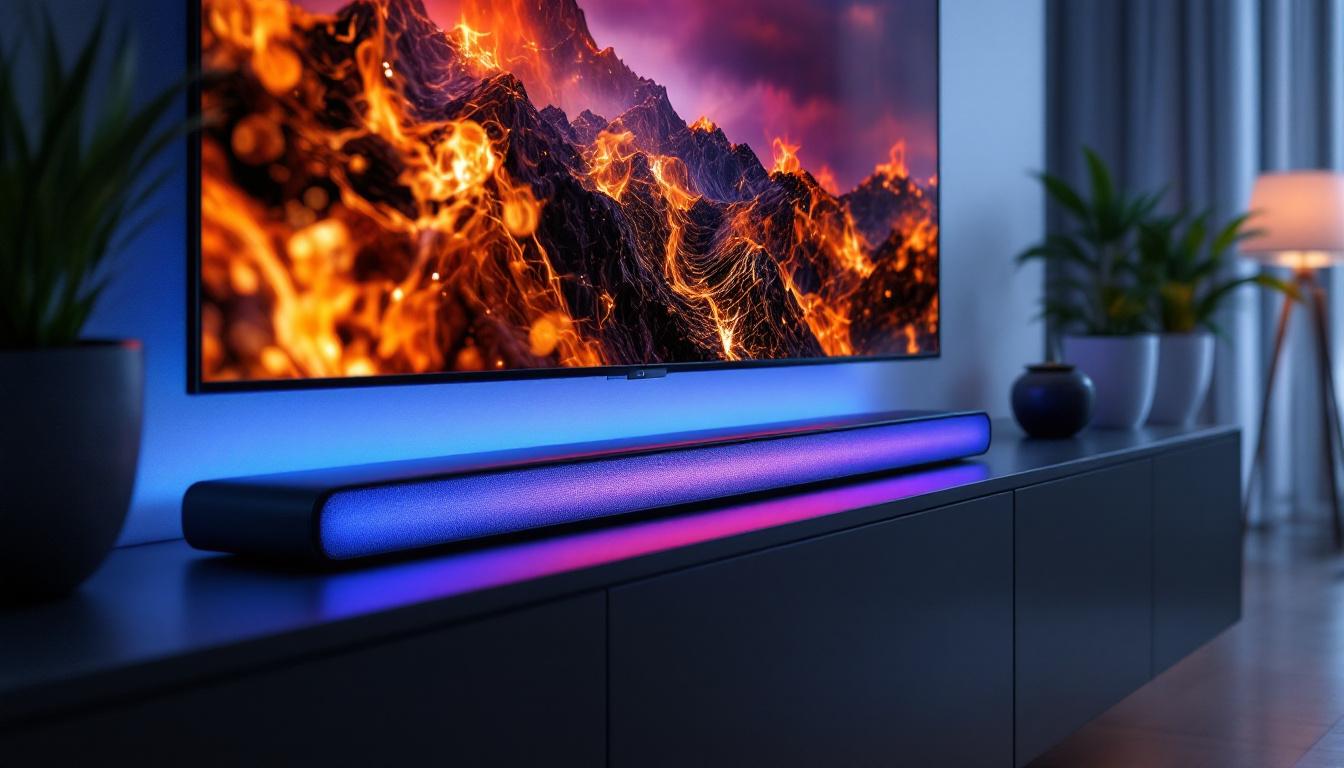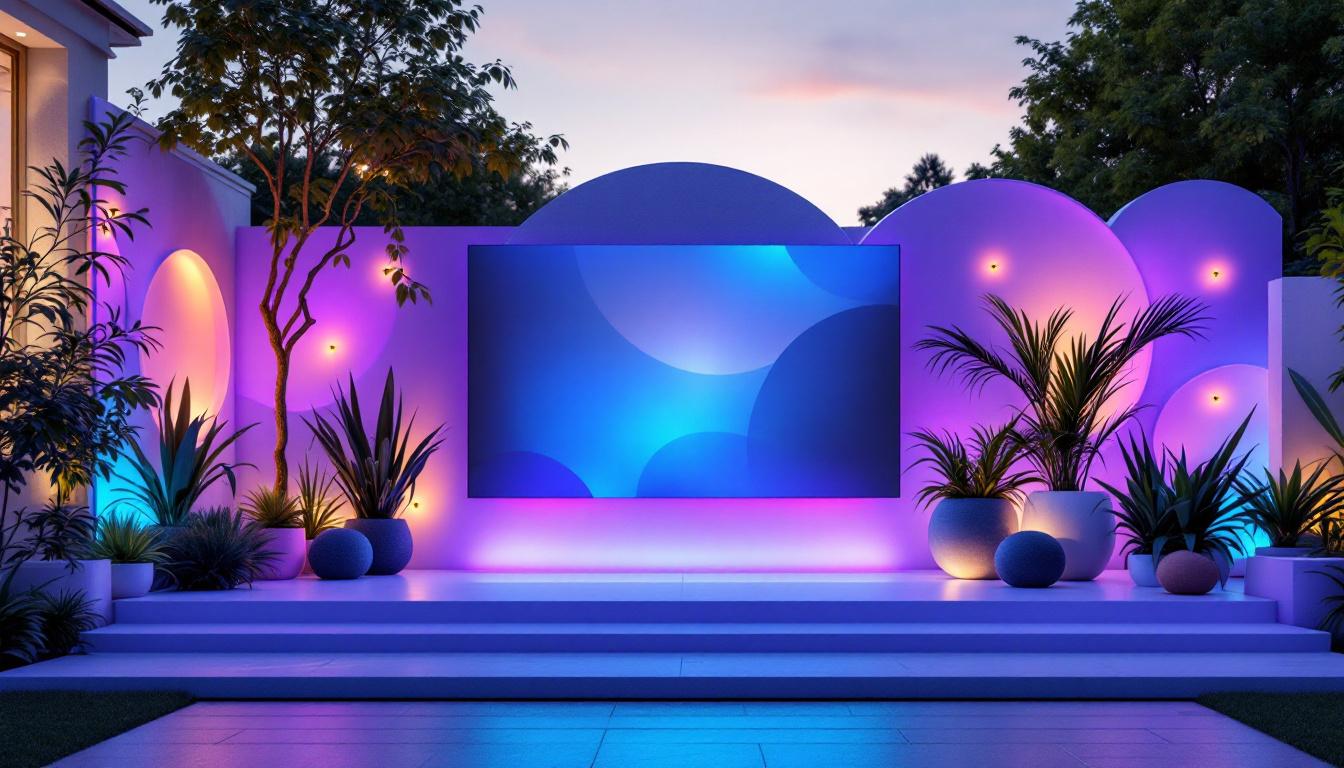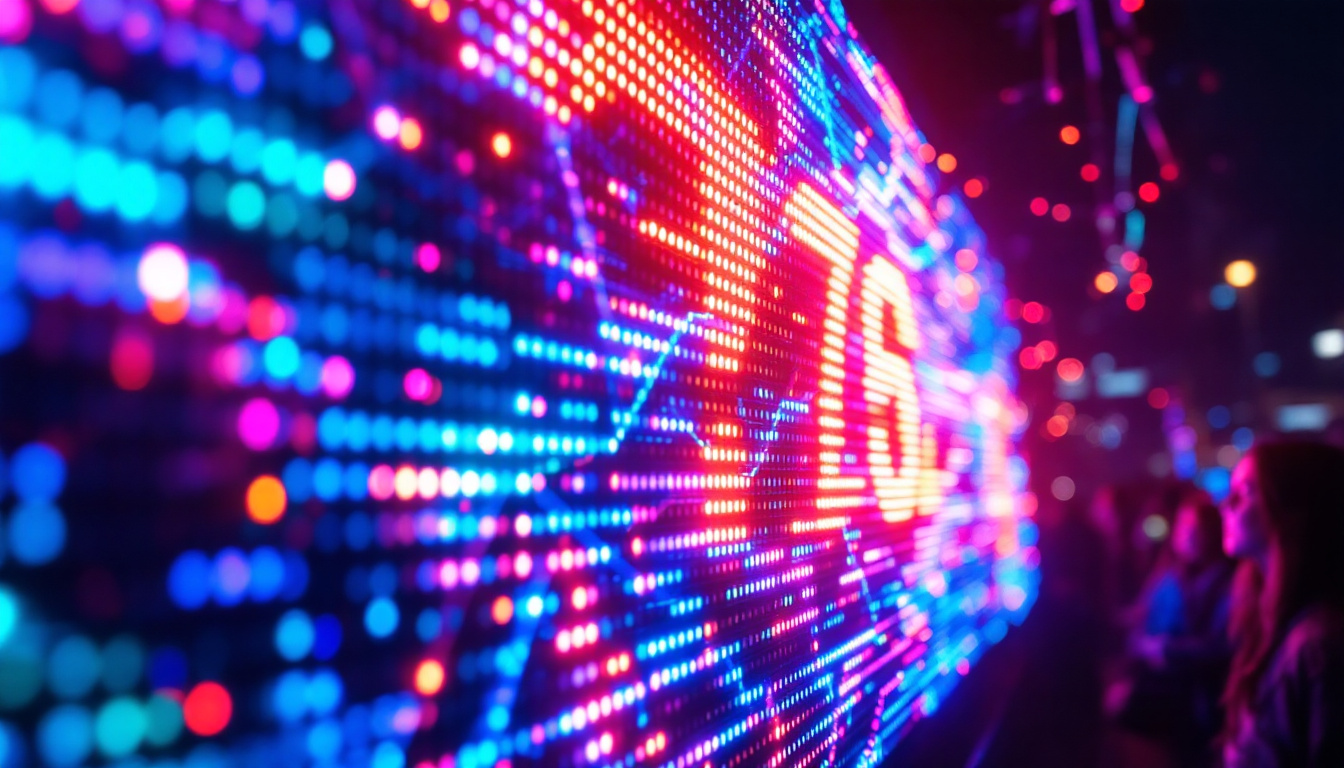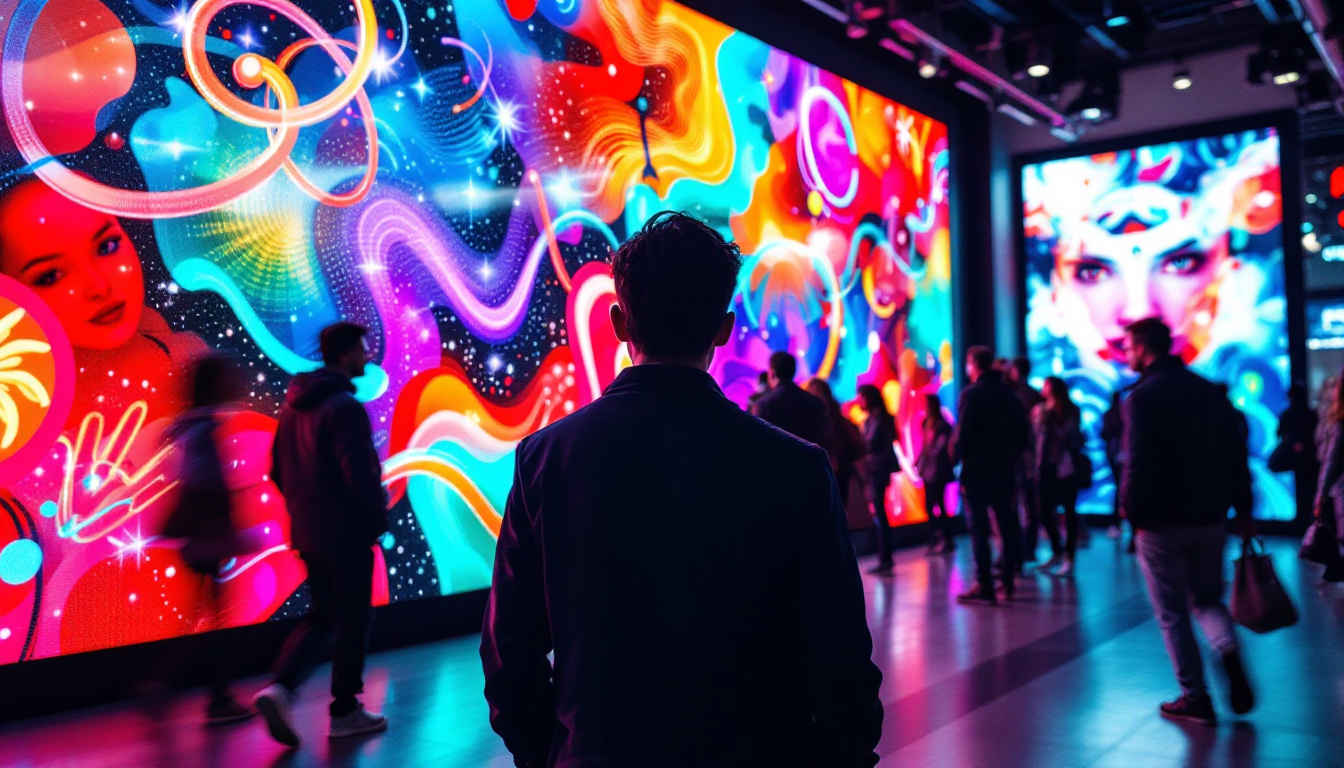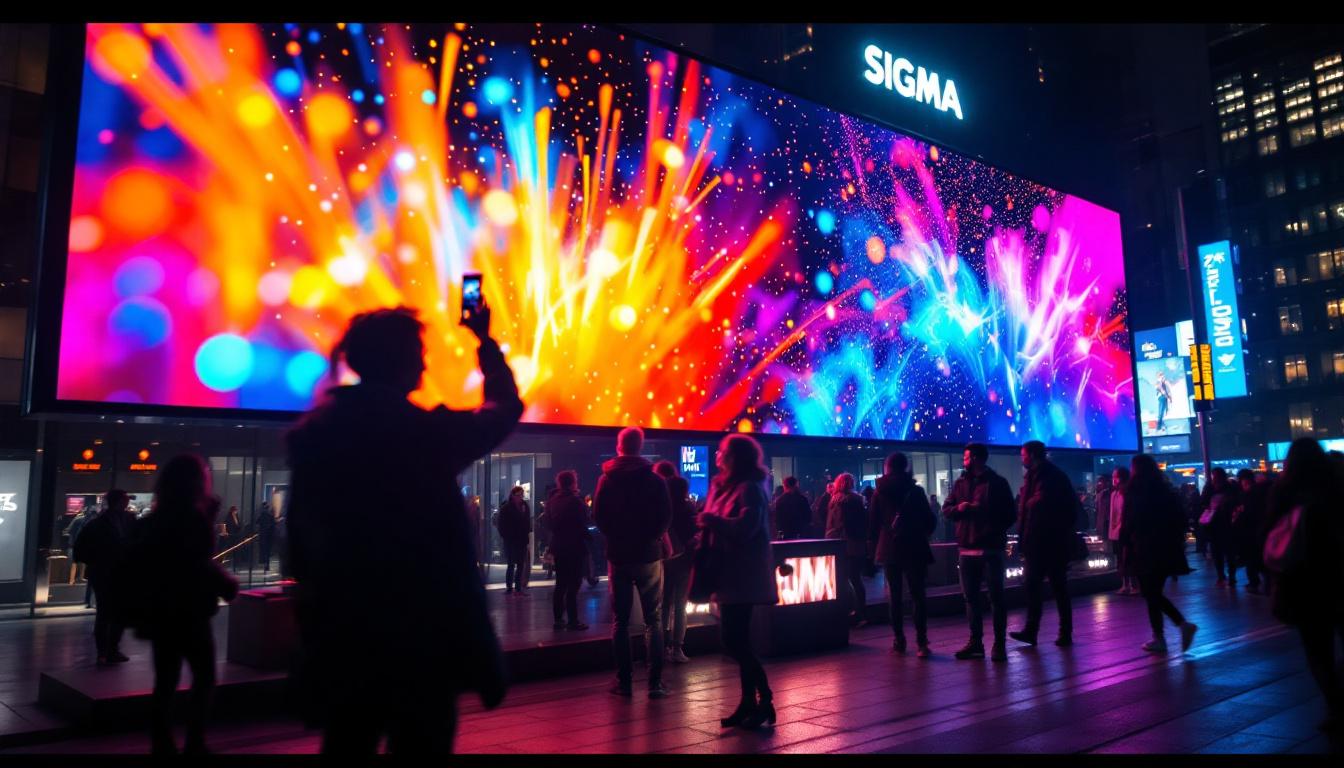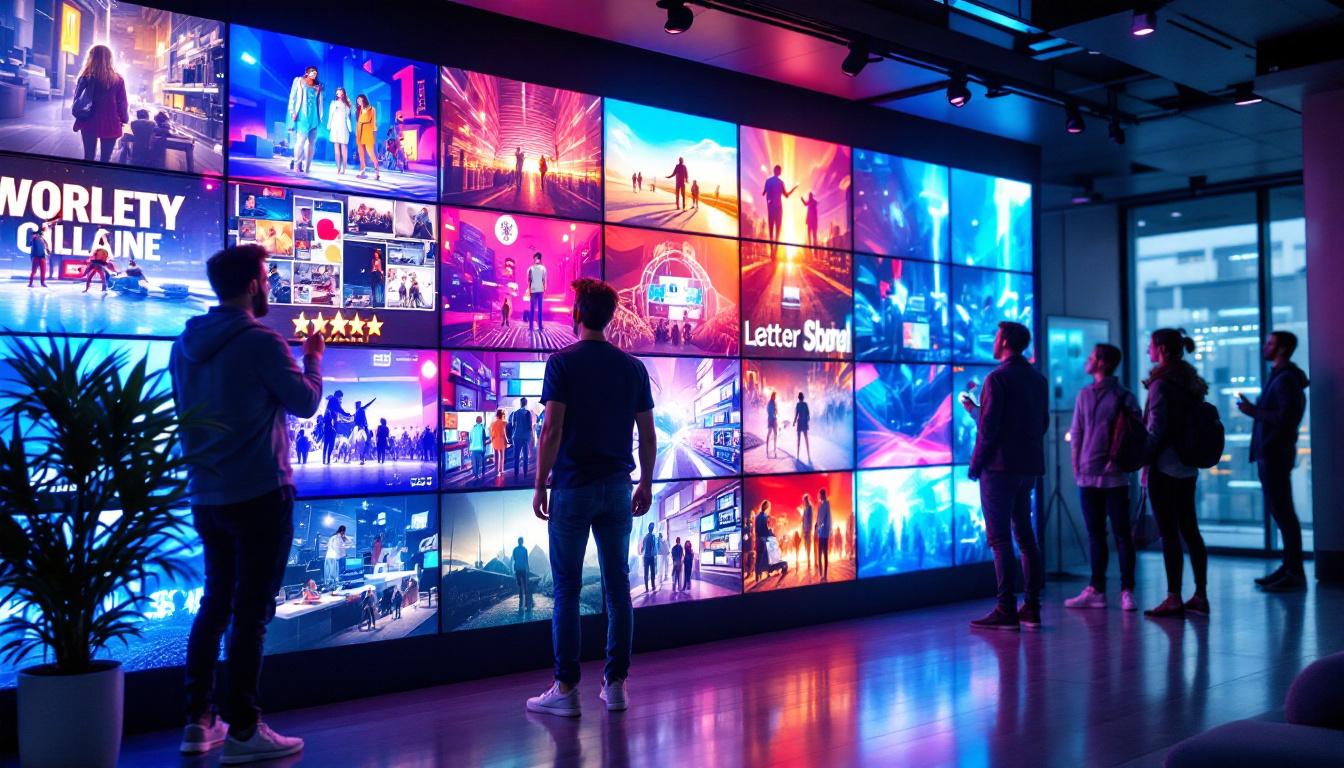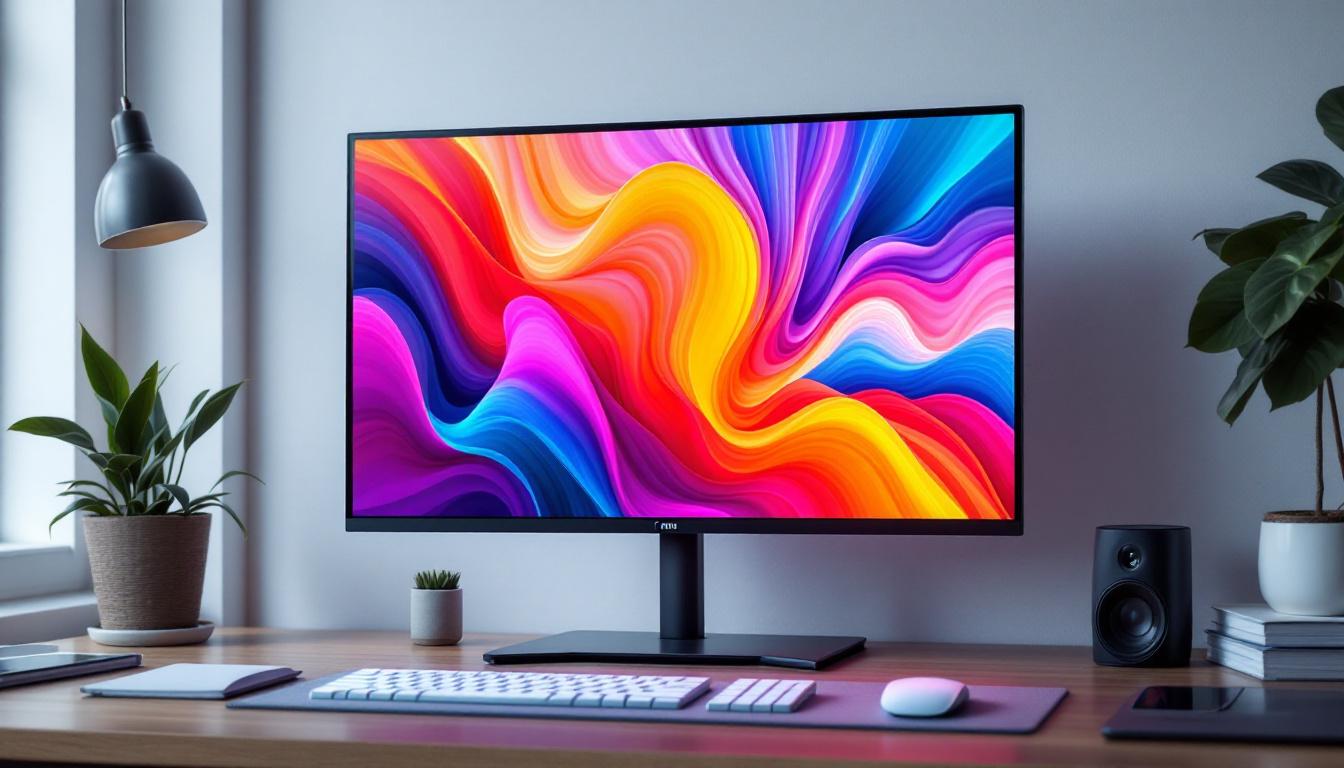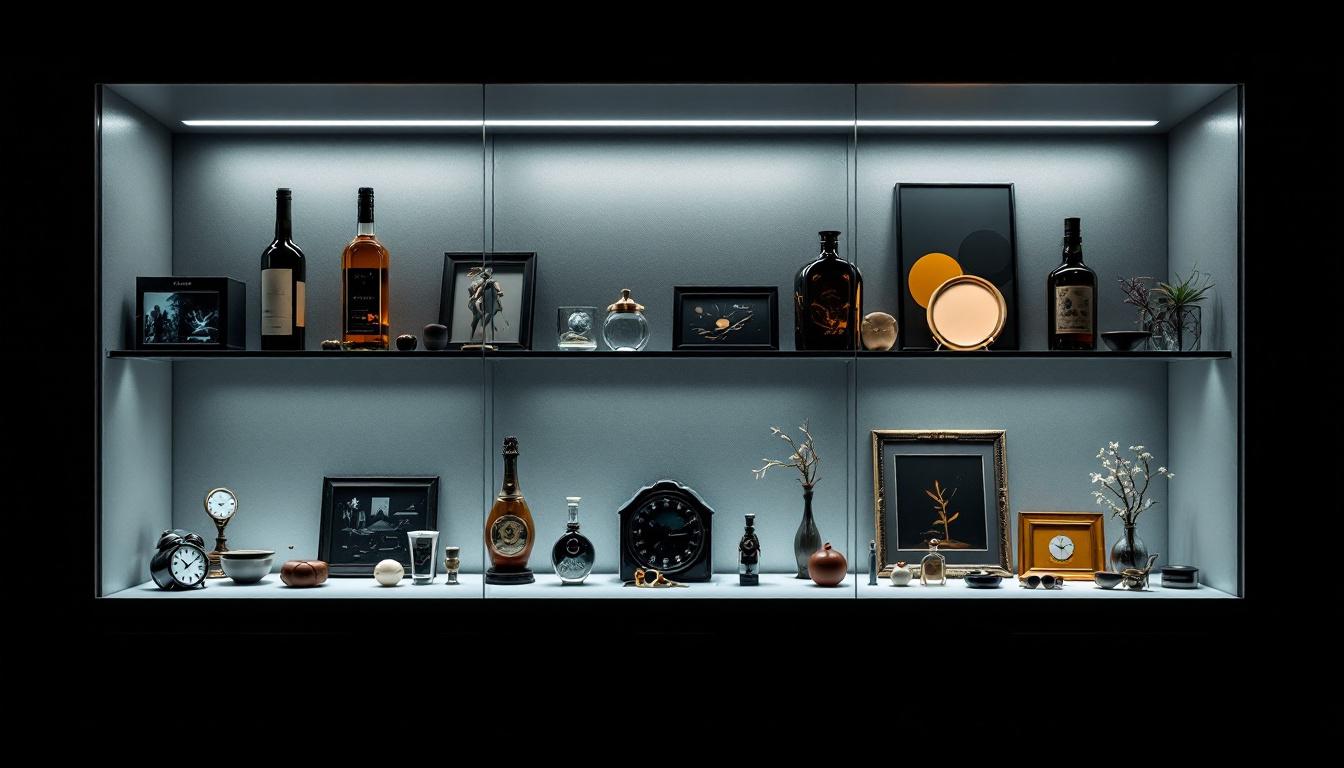
In modern interior design and retail environments, wall display cases have evolved beyond simple glass enclosures. The integration of LED displays into wall display cases has transformed how products, memorabilia, and information are showcased. This fusion of technology and display design offers dynamic visual appeal, enhanced interactivity, and improved visibility, making LED wall display cases a popular choice across various industries.
This article explores the technology behind LED display cases, their benefits, practical applications, and considerations for selecting the right LED display case for your needs.
Understanding LED Display Technology
What Is an LED Display?
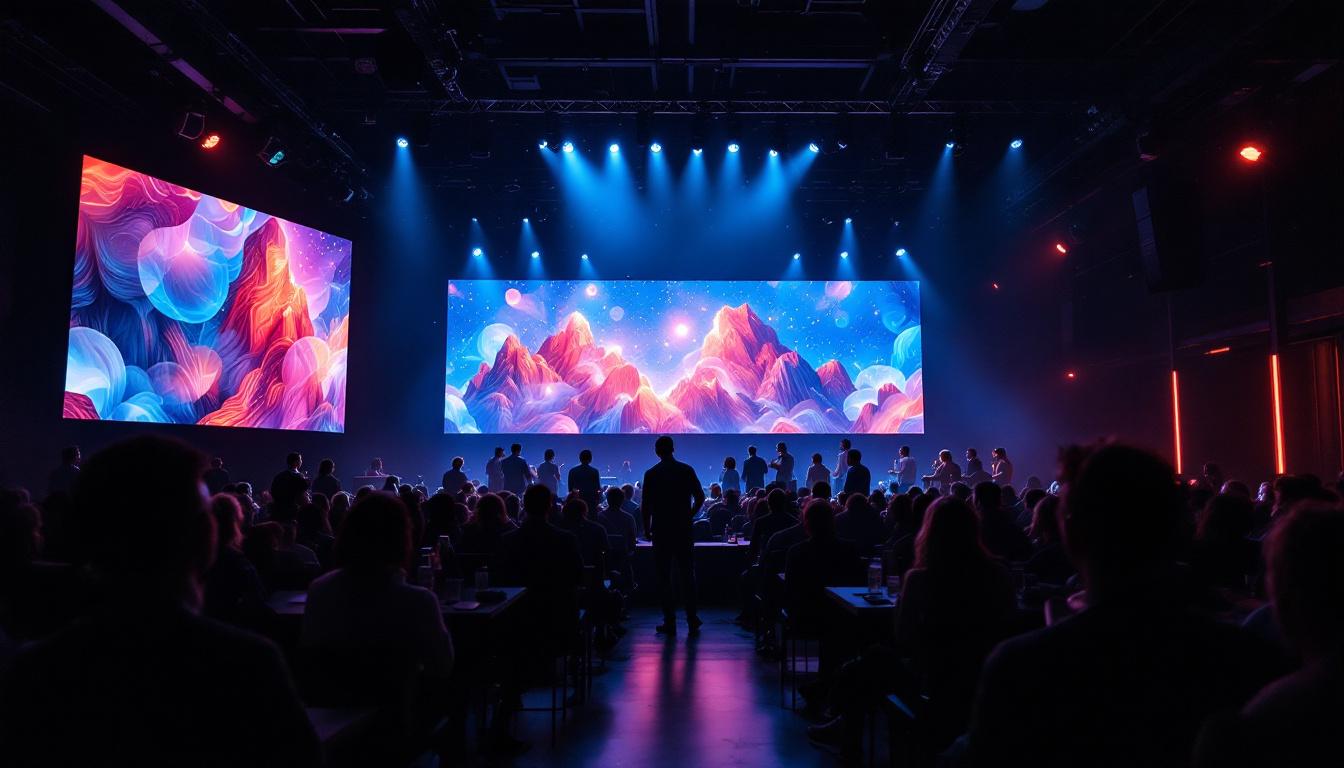
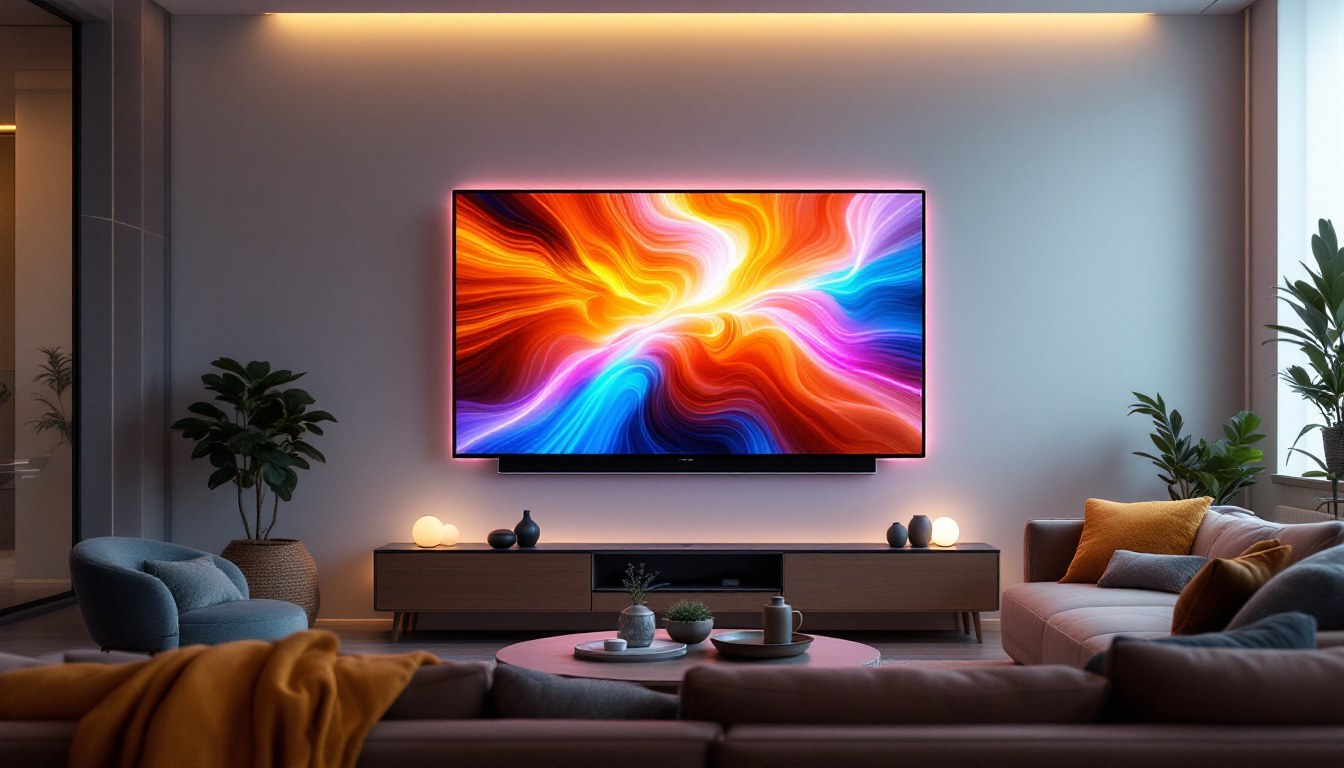
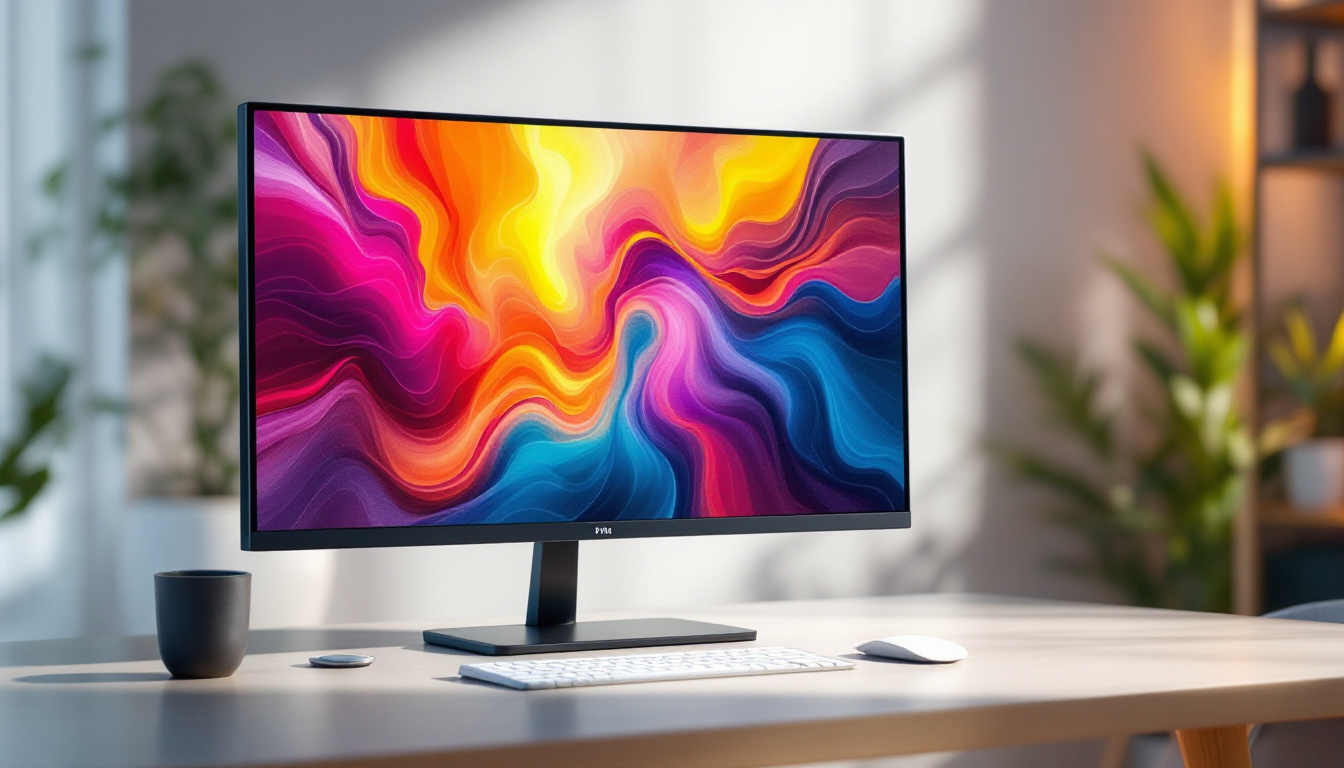
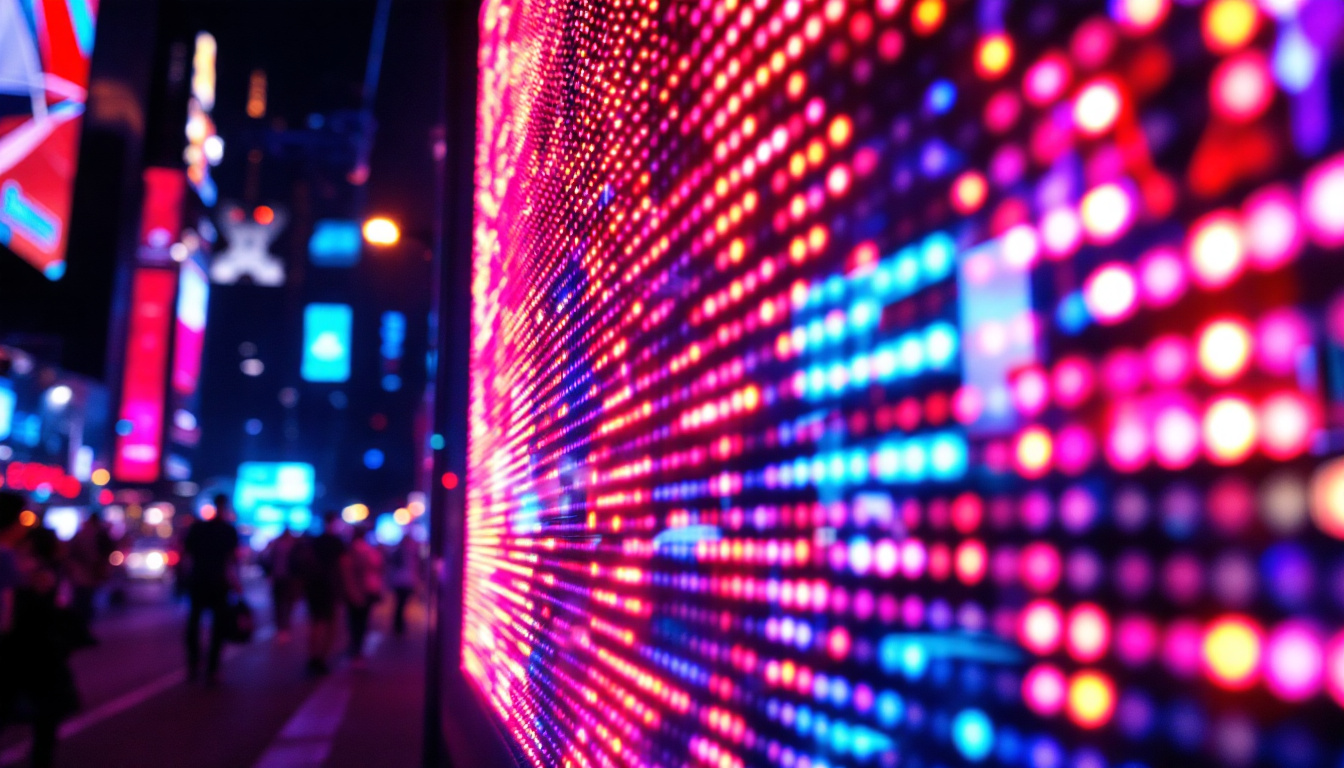
LED, or Light Emitting Diode, displays use tiny semiconductor devices that emit light when an electric current passes through them. Unlike traditional LCD screens that rely on backlighting, LED displays produce their own light, resulting in brighter images and better contrast. This technology is widely used in televisions, digital billboards, and increasingly in display cases designed for walls. The ability of LED displays to produce vibrant colors and deep blacks makes them a popular choice for environments where visual impact is critical, such as retail spaces and exhibition halls.
LED displays can be configured in various formats, including rigid panels, flexible strips, and modular tiles. This flexibility allows for seamless integration into display cases, enabling vivid, customizable presentations that draw attention and enhance the viewing experience. Furthermore, the modular nature of LED technology means that displays can be easily scaled up or down, allowing businesses to adapt their visual merchandising strategies according to their specific needs and the size of their display area.
Types of LED Displays in Wall Display Cases
There are several types of LED displays commonly used in wall display cases, each with distinct characteristics:
- Direct View LED (DVLED): Composed of individual LEDs arranged in a grid, DVLED displays offer high brightness and excellent color accuracy. They are ideal for larger display cases where visibility from a distance is important. The high pixel density of DVLED technology ensures that even intricate details are rendered with clarity, making them perfect for showcasing products in a way that captivates potential customers.
- LED Backlit LCD: Utilizes LED lights behind an LCD panel to illuminate the display. While not as bright as DVLED, this option is often more cost-effective and suitable for smaller cases or indoor environments with controlled lighting. The backlighting enhances the overall image quality, providing a balanced brightness that can be adjusted to suit various ambient light conditions, ensuring that displayed content remains engaging and visible.
- MicroLED: An emerging technology that features microscopic LEDs for each pixel, MicroLED displays promise superior brightness, energy efficiency, and lifespan, though they are currently more expensive and less common. As this technology matures, it is expected to revolutionize the display industry by offering unprecedented levels of detail and color accuracy, making it an exciting option for high-end display cases that aim to create an immersive viewing experience.
In addition to these types, LED displays can also be enhanced with various features such as touch interactivity and high refresh rates, which are particularly beneficial in environments where viewer engagement is key. Touch-enabled LED displays allow customers to interact directly with the content, providing a dynamic shopping experience that can lead to increased sales. Moreover, high refresh rates ensure that fast-moving content, such as videos or animations, are displayed smoothly without blurring, making them ideal for promotional displays that aim to capture attention quickly.
As LED technology continues to evolve, we can expect to see even more innovative applications in wall display cases. For instance, advancements in software integration will allow for real-time content updates and remote management of displays, making it easier for businesses to keep their messaging fresh and relevant. Additionally, the development of eco-friendly LED options is paving the way for more sustainable display solutions, aligning with the growing demand for environmentally responsible practices in retail and advertising sectors.
Benefits of LED Wall Display Cases
Enhanced Visual Impact
One of the primary advantages of incorporating LED displays into wall display cases is the dramatic improvement in visual impact. LEDs provide vibrant colors, sharp images, and adjustable brightness levels that make displayed items stand out. This is especially beneficial in retail settings where attracting customer attention can directly influence sales.
For museums or galleries, LED displays can be used to highlight artifacts with dynamic lighting or to provide contextual information through digital overlays, enriching the visitor experience.
Energy Efficiency and Longevity
LED technology is renowned for its energy efficiency. Compared to traditional incandescent or fluorescent lighting, LEDs consume significantly less power and generate less heat. This reduces operational costs and helps maintain the integrity of sensitive items within the display case by minimizing temperature fluctuations.
Moreover, LEDs have a longer lifespan, often exceeding 50,000 hours of use. This longevity reduces maintenance needs and replacement frequency, making LED wall display cases a cost-effective investment over time.
Customization and Interactivity
LED displays offer unparalleled customization options. Content can be changed easily via software, allowing for dynamic presentations that can be updated in real time. This capability is invaluable for retail promotions, museum exhibits, or corporate displays where messaging needs to be current and engaging.
Some advanced LED display cases incorporate touchscreens or motion sensors, enabling interactivity. Visitors can explore product details, navigate through multimedia content, or engage with augmented reality features, creating a memorable and immersive experience.
Applications of LED Wall Display Cases
Retail and Commercial Spaces
In retail environments, LED wall display cases serve as powerful marketing tools. High-end boutiques use them to showcase luxury goods with dynamic lighting and digital signage that highlights product features or promotions. Electronics stores might integrate LED displays to demonstrate product capabilities or display real-time inventory updates.
According to recent industry reports, retailers that incorporate digital displays see up to a 30% increase in customer engagement and a 20% boost in sales conversion rates. This underscores the effectiveness of LED display cases as part of a comprehensive retail strategy.
Museums and Cultural Institutions
Museums benefit from LED wall display cases by combining preservation with education. LED displays can illuminate artifacts without the damaging heat of traditional lighting, while also providing interactive content such as videos, animations, or detailed descriptions.
For example, a natural history museum might use an LED display case to showcase a fossil, accompanied by a digital timeline of its discovery and scientific significance. This approach enhances visitor understanding and appreciation.
Corporate and Office Environments
Corporations utilize LED wall display cases in lobbies, conference rooms, and executive offices to display awards, historical memorabilia, or product prototypes. The LED integration allows for dynamic content updates, such as company achievements, news, or branding messages.
This modern presentation style reinforces corporate identity and impresses clients or partners during visits, contributing to a professional and innovative image.
Choosing the Right LED Wall Display Case
Assessing Display Size and Resolution
Determining the appropriate size and resolution of an LED display case depends on the viewing distance and the nature of the content. Larger cases with higher resolution are suitable for spaces where viewers will be farther away, ensuring clarity and detail. Conversely, smaller cases or those viewed up close may prioritize pixel density to maintain sharpness.
Consulting with display technology experts can help balance these factors to achieve optimal visual performance.
Considering Environmental Factors
Lighting conditions, ambient temperature, and humidity levels affect the performance and longevity of LED wall display cases. For instance, displays in brightly lit areas require higher brightness levels to remain visible, while those in controlled environments can use lower brightness to conserve energy.
Additionally, ensuring that the display case has adequate ventilation and protection against dust or moisture is crucial for maintaining LED functionality over time.
Budget and Maintenance
While LED display cases offer long-term savings through energy efficiency and durability, initial costs can vary widely based on technology type, size, and customization. It is important to establish a budget that accounts for installation, software integration, and potential future upgrades.
Maintenance considerations include cleaning protocols, software updates, and technical support. Choosing reputable manufacturers and service providers can mitigate downtime and extend the display’s operational life.
Future Trends in LED Wall Display Cases
Advancements in Display Technology
The LED display industry continues to innovate rapidly. Emerging technologies like MicroLED and OLED (Organic LED) promise even greater brightness, flexibility, and energy efficiency. These advancements will enable thinner, lighter, and more versatile wall display cases that can adapt to diverse design requirements.
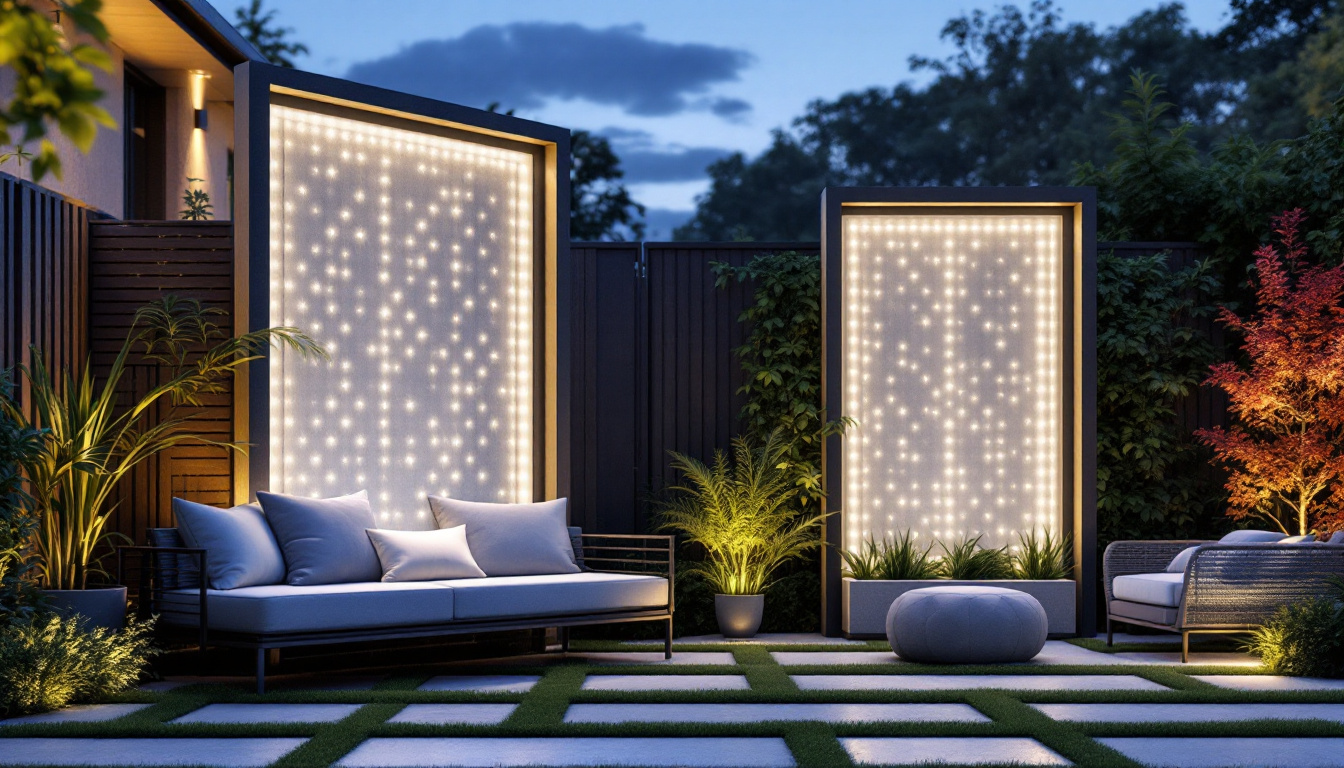
Additionally, developments in transparent LED displays are opening new possibilities for display cases that maintain visibility of the object while overlaying digital content, blending physical and virtual presentation seamlessly.
Integration with Smart Technologies
Smart building systems and the Internet of Things (IoT) are increasingly being integrated with LED displays. Future wall display cases may feature automated brightness adjustments based on ambient light, remote content management via cloud platforms, and enhanced interactivity through AI-powered interfaces.
These capabilities will empower users to create highly personalized and responsive display environments that engage audiences in novel ways.
Conclusion
LED wall display cases represent a significant advancement in how objects and information are presented in various settings. Their combination of vivid visuals, energy efficiency, and interactivity makes them an invaluable asset for retailers, museums, corporations, and beyond.
Understanding the underlying LED technology, recognizing the benefits, and carefully considering application-specific requirements are essential steps in selecting the ideal LED display case. As technology continues to evolve, these display cases will become even more integral to creating captivating and effective visual experiences.
Discover LumenMatrix LED Display Solutions
Ready to elevate your space with the latest in LED display technology? LumenMatrix is at the forefront of innovation, offering a diverse range of LED display solutions tailored to meet your unique needs. From mesmerizing Indoor LED Wall Displays to versatile Outdoor LED Wall Displays, and from dynamic Vehicle LED Displays to sleek LED Poster Displays, our products are designed to captivate and engage. Experience the future of visual communication with our LED Sports Displays, interactive Floor LED Displays, and the stunning clarity of our Custom and All-in-One LED Displays, including the revolutionary LED Transparent Display. Embrace the power of LumenMatrix to transform your visual storytelling and create unforgettable experiences. Check out LumenMatrix LED Display Solutions and start your journey towards unparalleled brand visibility today.