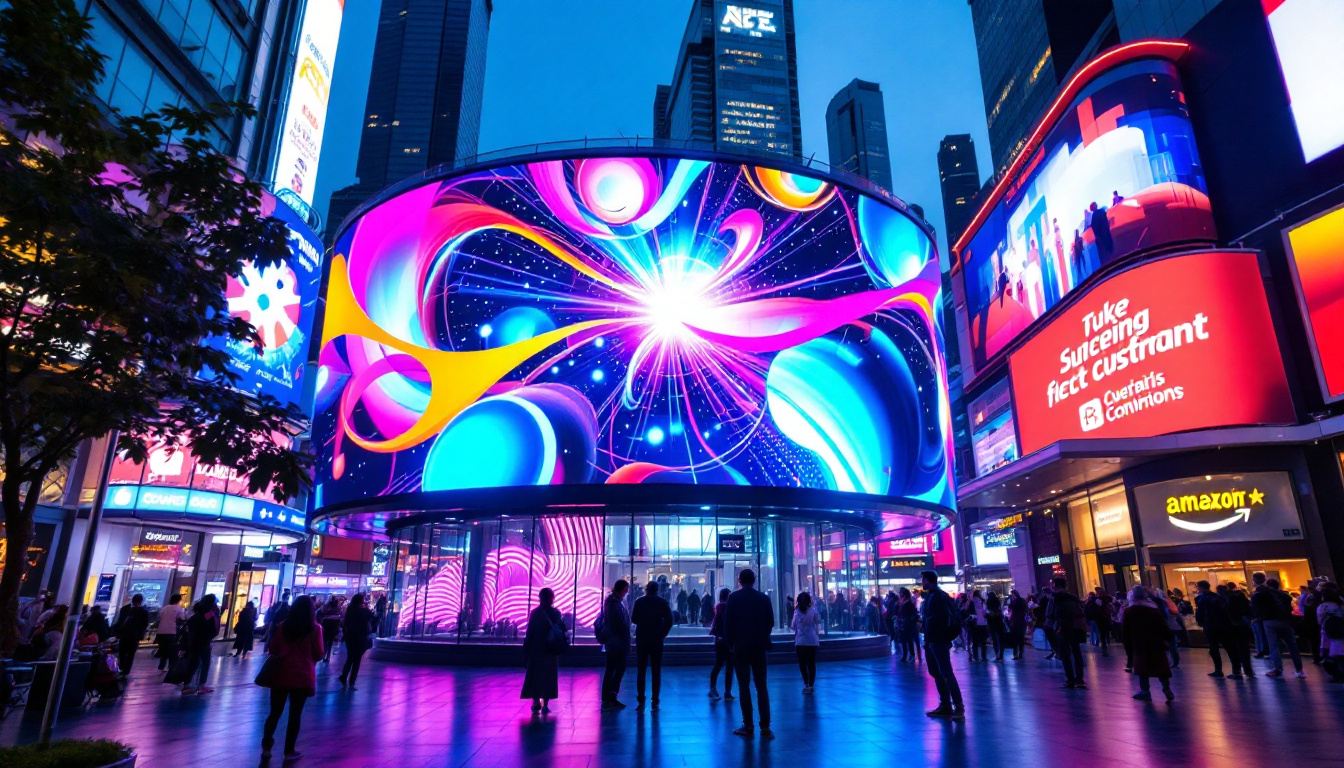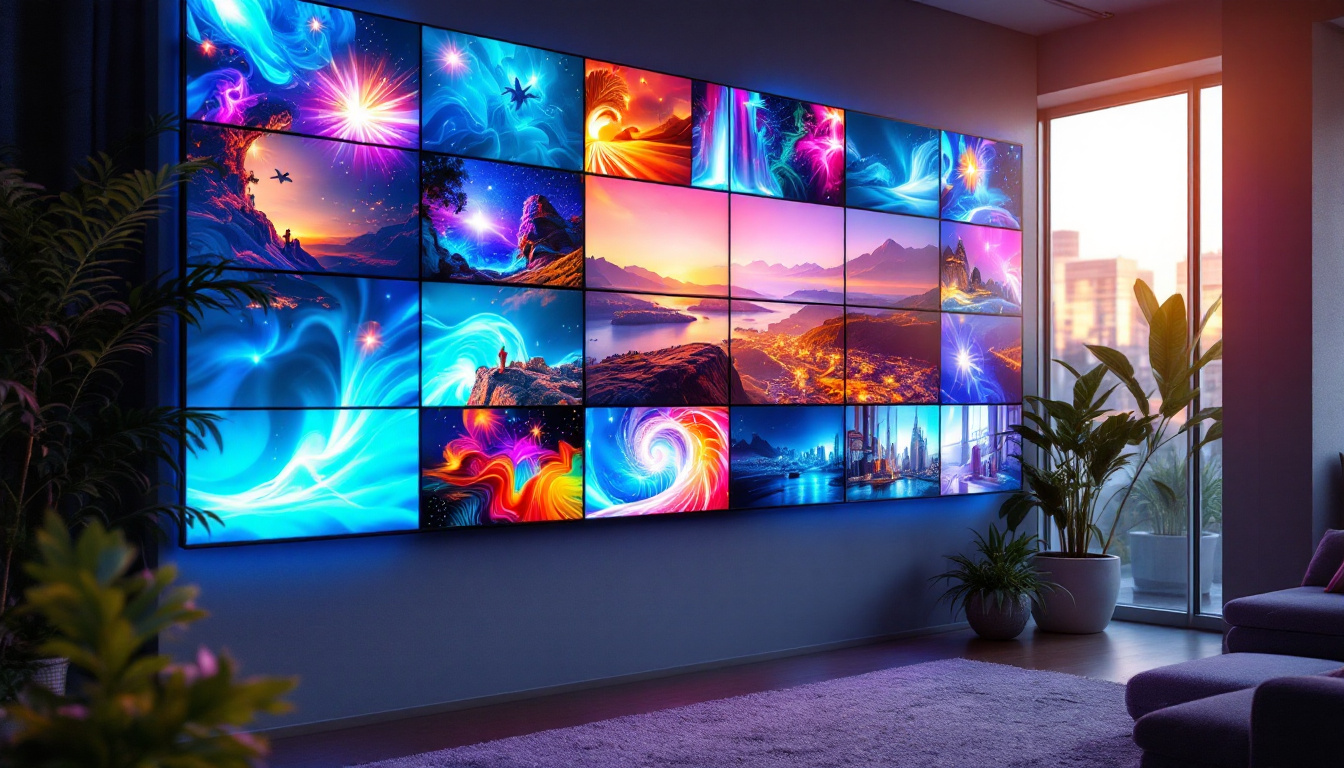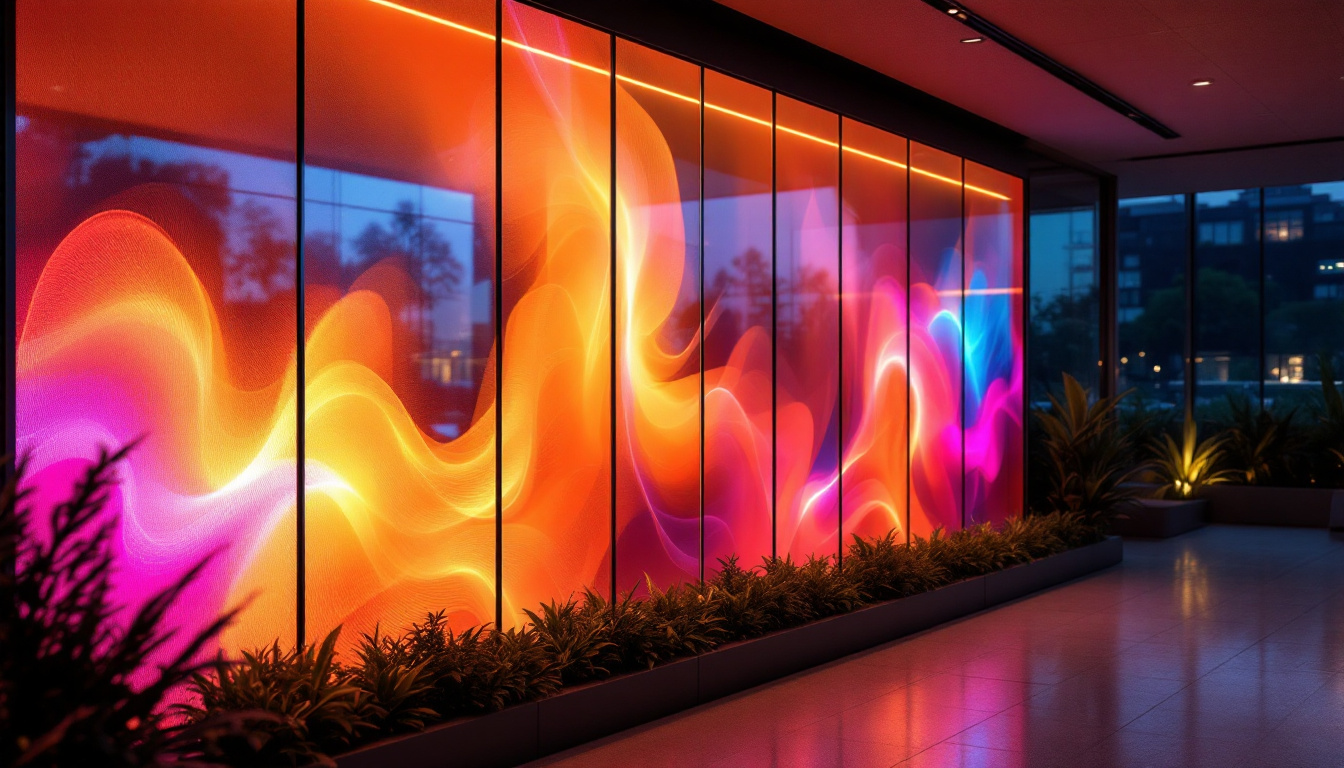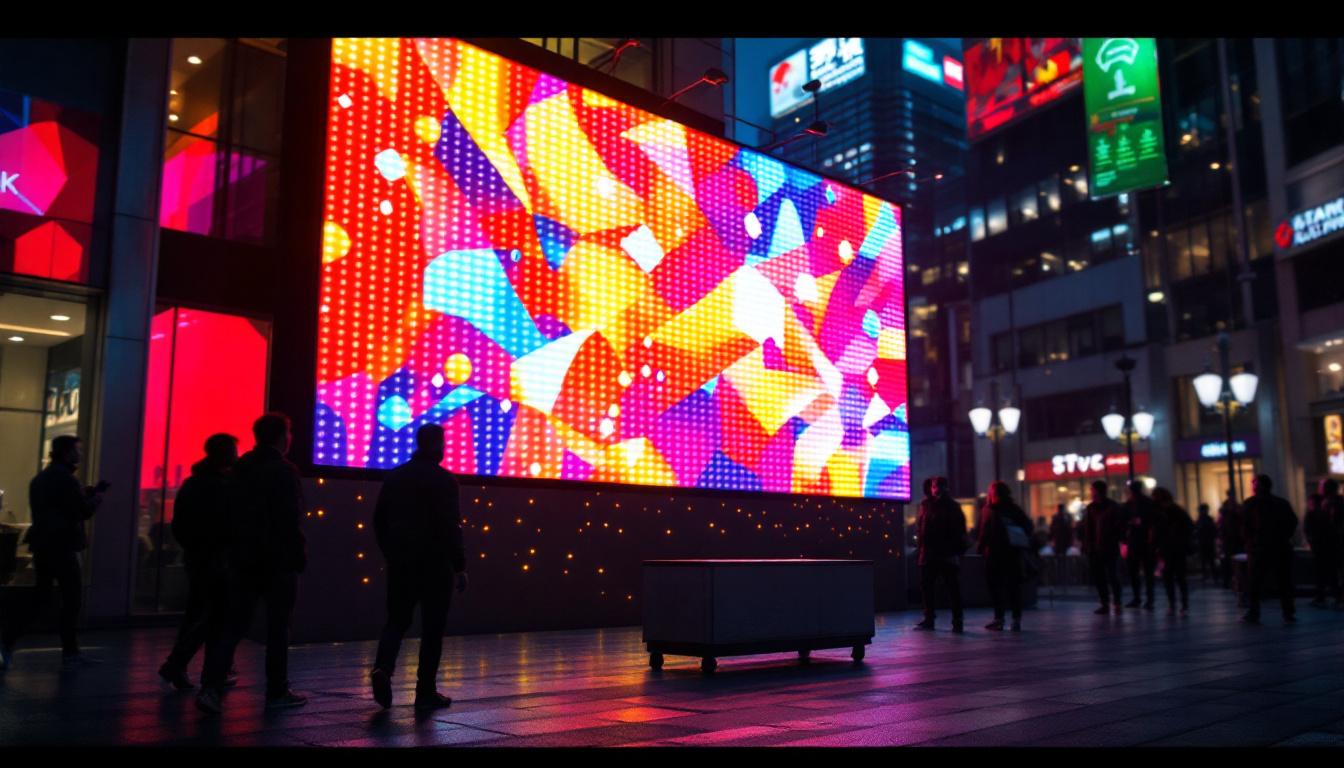
In the rapidly evolving world of digital signage and display technology, LED displays have emerged as a dominant force, transforming how information and visuals are presented across industries. Among the innovations in this space, “Cloud Touch” LED displays represent a significant leap forward, combining cloud computing capabilities with advanced LED technology to deliver dynamic, interactive, and scalable visual experiences. This article delves deep into the concept of Cloud Touch LED displays, exploring their technology, applications, benefits, and future potential.
Understanding LED Display Technology
Before exploring the specifics of Cloud Touch LED displays, it is essential to understand the fundamentals of LED display technology. LED, or Light Emitting Diode, displays use an array of tiny light sources to create images and videos. These light sources are semiconductors that emit light when an electric current passes through them.
LED displays are favored for their brightness, energy efficiency, and longevity compared to traditional display technologies like LCD or plasma. They can be configured in various sizes and resolutions, making them suitable for everything from small retail signage to massive stadium screens.
Modern LED displays are categorized mainly into two types: indoor and outdoor. Indoor LED displays prioritize higher resolution and finer pixel pitch for close viewing distances, while outdoor displays emphasize brightness and weather resistance to maintain visibility in direct sunlight and harsh environments.
Key Components of LED Displays
At the heart of an LED display are the LED modules, which consist of multiple LEDs arranged in pixels. Each pixel typically contains red, green, and blue LEDs that combine to produce a full spectrum of colors. The resolution of an LED display depends on the pixel pitch—the distance between the centers of two adjacent pixels. Smaller pixel pitches yield higher resolution and sharper images.
Other critical components include the control system, power supply, and the protective casing. The control system manages the data input and synchronizes the display output, ensuring smooth and accurate image rendering.
In addition to these core elements, thermal management is crucial for the longevity and performance of LED displays. As LEDs generate heat during operation, effective cooling solutions, such as heat sinks and fans, are implemented to dissipate this heat, preventing overheating and ensuring consistent brightness levels. Furthermore, advancements in technology have led to the development of smart LED displays that incorporate sensors and connectivity features, allowing for real-time content updates and interactivity, which can significantly enhance user engagement.
Another interesting aspect of LED display technology is its adaptability to various environments and applications. For instance, flexible LED displays are emerging as a popular choice in creative installations, allowing for curved or irregular shapes that can fit unique architectural designs. This versatility not only broadens the scope of visual storytelling but also opens up new avenues for advertising and artistic expression, making LED technology a dynamic and evolving field in the world of visual communication.
What is Cloud Touch LED Display?
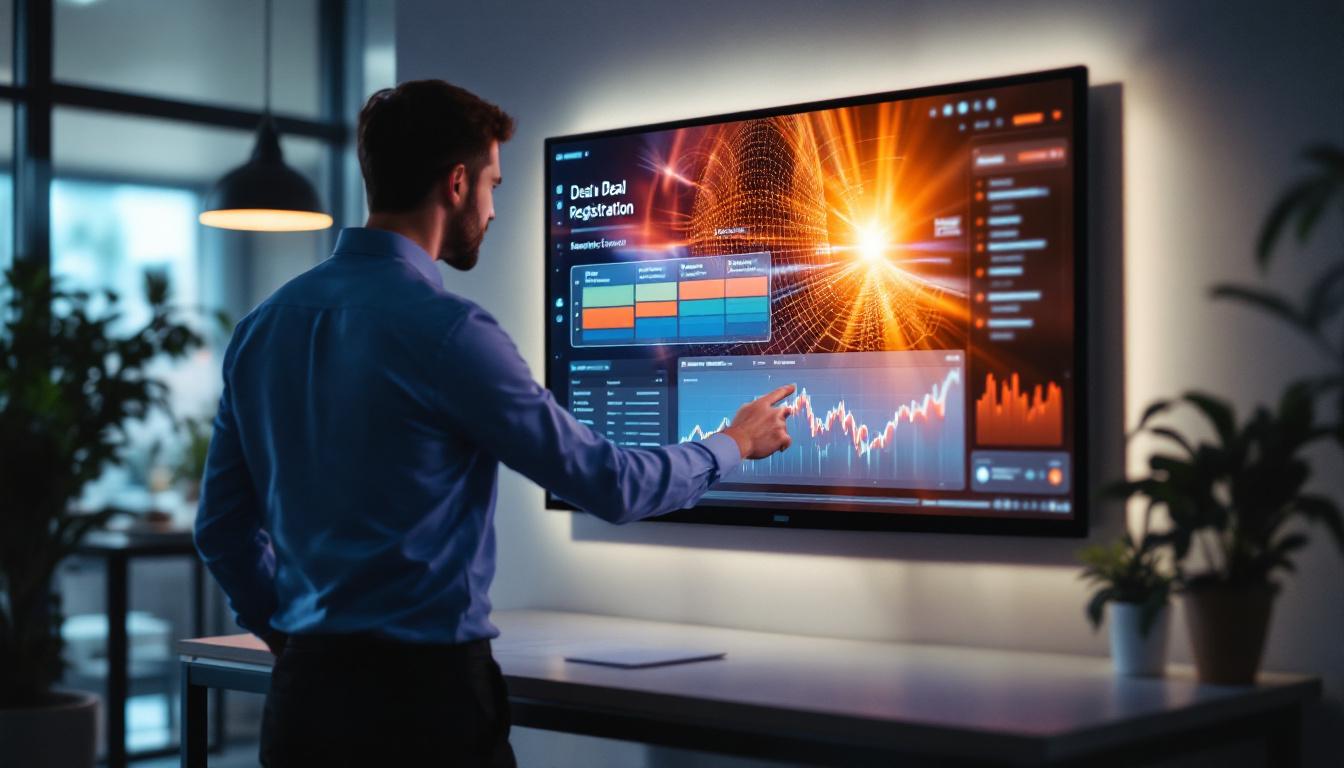
Cloud Touch LED displays represent a convergence of LED technology with cloud computing and interactive touch capabilities. This integration allows users to remotely manage, update, and interact with LED displays via cloud-based platforms, enhancing flexibility and user engagement. With the rapid evolution of digital signage, these displays are becoming increasingly essential for businesses looking to maintain a competitive edge in a visually-driven market.
Unlike traditional LED displays that require local control systems and manual updates, Cloud Touch LED displays leverage internet connectivity to enable real-time content management and interaction. This means businesses and organizations can update their signage instantly from anywhere in the world, schedule content dynamically, and even gather user data through interactive touch features. The ability to engage audiences with timely and relevant information not only boosts brand visibility but also fosters a more interactive customer experience, making it a valuable tool for marketing and communication strategies.
Core Features of Cloud Touch LED Displays
- Cloud-Based Content Management: Users can upload, schedule, and modify display content through web-based dashboards, eliminating the need for on-site technicians. This feature is particularly beneficial for companies with multiple locations, as it streamlines operations and ensures consistency across all displays.
- Interactive Touch Capabilities: Advanced touch sensors integrated into the LED panels allow for direct user interaction, enabling applications like wayfinding, product browsing, and interactive advertising. This interactivity not only captivates audiences but also encourages deeper engagement, allowing users to explore products or services at their own pace.
- Scalability and Remote Monitoring: Multiple displays across different locations can be managed simultaneously, with real-time performance monitoring and troubleshooting via the cloud. This capability is crucial for large enterprises that need to maintain a cohesive brand presence while adapting to local market demands.
- Data Analytics: Interaction data collected through touch inputs can be analyzed to gain insights into user behavior, optimizing content strategies and improving customer engagement. By understanding what content resonates most with their audience, businesses can tailor their messaging to maximize impact and drive conversions.
Moreover, the integration of AI and machine learning technologies into Cloud Touch LED displays is paving the way for even more sophisticated applications. For instance, these displays can utilize facial recognition to tailor content based on the demographics of viewers, such as age and gender, thereby enhancing personalization. This level of customization not only elevates the user experience but also increases the effectiveness of advertising campaigns, as businesses can deliver targeted messages that are more likely to resonate with specific audience segments.
Additionally, the environmental benefits of Cloud Touch LED displays should not be overlooked. With energy-efficient LED technology and the ability to control brightness and content dynamically, these displays can significantly reduce energy consumption compared to traditional signage. This not only lowers operational costs but also aligns with the growing demand for sustainable business practices, making Cloud Touch LED displays an attractive option for eco-conscious organizations looking to minimize their carbon footprint while maximizing their marketing potential.
Applications of Cloud Touch LED Displays
The versatility of Cloud Touch LED displays makes them suitable for a wide range of industries and use cases. Their ability to combine vivid visuals with interactive functionality opens new possibilities for communication and engagement.
Retail and Advertising
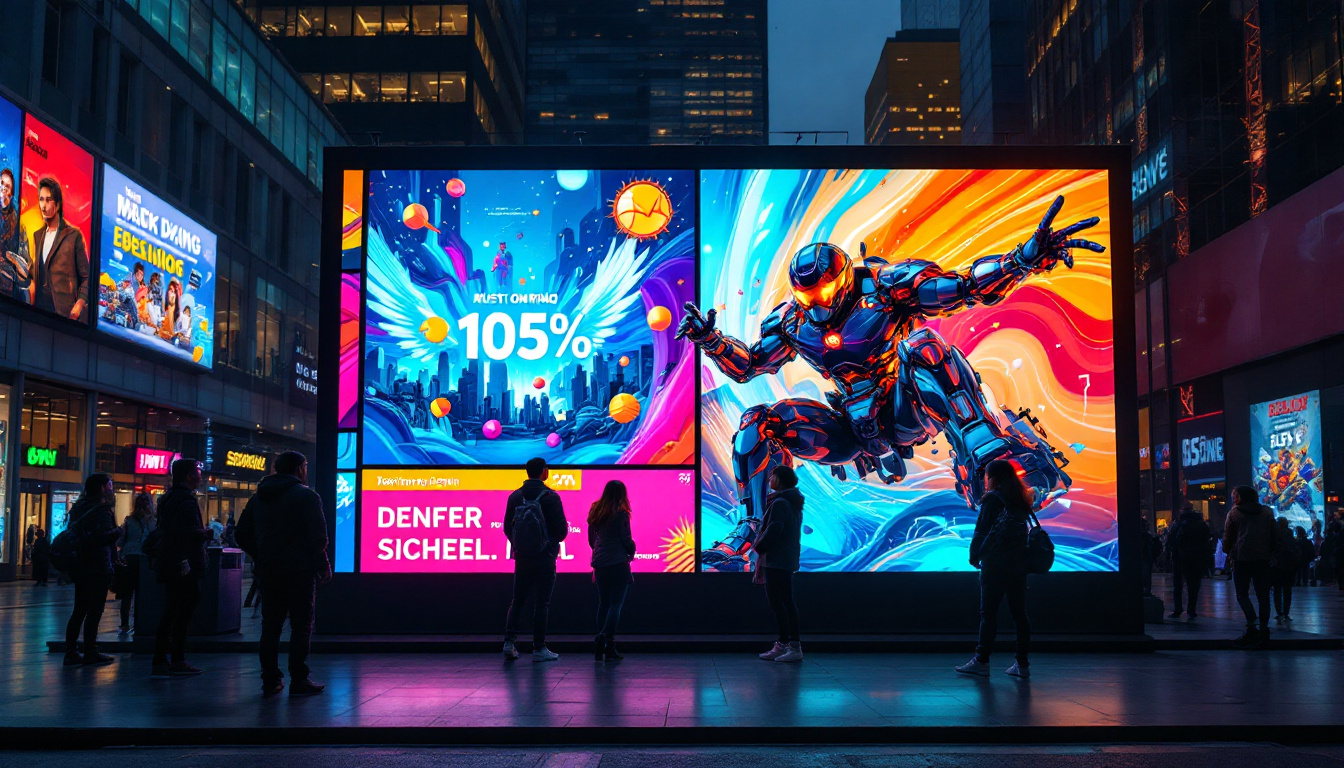
Retail environments benefit significantly from Cloud Touch LED displays by offering dynamic advertising that can be updated instantly to reflect promotions, new products, or seasonal campaigns. Interactive touchscreens allow customers to explore product details, check availability, or even customize products directly on the display.
According to a 2023 report by Grand View Research, the global digital signage market is expected to reach $32.84 billion by 2028, driven largely by innovations like cloud integration and interactivity. Retailers adopting Cloud Touch LED displays gain a competitive edge by delivering personalized and engaging shopping experiences.
Transportation and Public Spaces
Airports, train stations, and bus terminals utilize Cloud Touch LED displays for real-time updates on schedules, delays, and wayfinding assistance. The interactive component helps travelers navigate complex environments efficiently, reducing confusion and improving overall satisfaction.
In public spaces, these displays can serve as information kiosks, event guides, or emergency alert systems. The cloud connectivity ensures that critical information is disseminated promptly and can be tailored to specific locations or audiences.
Corporate and Educational Environments
Corporate offices and campuses use Cloud Touch LED displays for internal communications, digital directories, and collaborative presentations. The ability to update content remotely and interact with the display enhances meeting productivity and employee engagement.
Educational institutions leverage these displays for interactive learning modules, campus navigation, and event announcements, creating a more immersive and accessible educational environment.
Benefits of Cloud Touch LED Displays
The integration of cloud technology and touch interactivity into LED displays offers numerous advantages over traditional digital signage solutions.
Enhanced Flexibility and Control
Cloud-based management platforms allow users to control multiple displays from a single interface, schedule content changes, and respond swiftly to changing needs. This flexibility reduces operational costs and minimizes downtime associated with manual updates.
Improved User Engagement
Interactive touch capabilities transform passive viewers into active participants. By enabling users to interact directly with the display, businesses can create personalized experiences that increase attention and retention rates.
Cost Efficiency and Scalability
Cloud Touch LED displays reduce the need for on-site hardware and maintenance personnel, as much of the control and troubleshooting can be handled remotely. Additionally, scaling up to multiple locations is simplified through centralized cloud management.
Data-Driven Insights
The ability to collect and analyze interaction data provides valuable insights into customer preferences and behavior. This data can inform marketing strategies, content optimization, and operational improvements, ultimately driving better business outcomes.
Technical Challenges and Considerations
While Cloud Touch LED displays offer many benefits, there are technical challenges that organizations must consider to ensure successful deployment.
Connectivity and Security
Reliable internet connectivity is paramount for cloud-based management and real-time interaction. Network outages or slow connections can disrupt content delivery and user experience. Additionally, securing data transmissions and protecting against cyber threats is critical to safeguard sensitive information and maintain system integrity.
Touch Sensitivity and Durability
Integrating touch sensors into large LED panels requires precision engineering to maintain display brightness and color accuracy while ensuring responsive touch performance. Furthermore, these displays often operate in public or outdoor environments, necessitating robust materials that can withstand physical wear and environmental factors.
Content Design and User Experience
Creating effective interactive content requires thoughtful design to balance visual appeal with usability. Poorly designed interfaces can frustrate users and reduce engagement, negating the benefits of touch interactivity.
The Future of Cloud Touch LED Displays
As technology advances, Cloud Touch LED displays are poised to become even more sophisticated and integral to digital communication strategies.
Integration with Artificial Intelligence and IoT
Artificial intelligence (AI) can enhance content personalization by analyzing user interactions and environmental data to deliver contextually relevant messages. Integration with the Internet of Things (IoT) devices can enable displays to respond dynamically to changes in surroundings, such as adjusting brightness based on ambient light or triggering alerts based on sensor inputs.
Advancements in Display Technology
Emerging technologies like MicroLED and flexible LED panels promise higher resolution, improved energy efficiency, and novel form factors. These advancements will expand the possibilities for Cloud Touch displays, including curved, transparent, or wearable screens.
Expanded Use Cases
Beyond traditional advertising and information display, Cloud Touch LED technology will find applications in healthcare for patient interaction, in hospitality for personalized guest services, and in entertainment for immersive experiences.
Conclusion
Cloud Touch LED displays represent a transformative evolution in digital signage, blending the visual power of LED technology with the flexibility of cloud computing and the engagement potential of touch interactivity. For businesses and organizations aiming to captivate audiences, streamline operations, and harness data-driven insights, these displays offer a compelling solution.
As connectivity improves and technologies mature, the adoption of Cloud Touch LED displays is expected to accelerate, driving innovation across industries and redefining how information and experiences are delivered in the digital age.
Discover LumenMatrix’s Innovative LED Solutions
Ready to elevate your digital signage and create immersive visual experiences that captivate and engage? Explore LumenMatrix’s comprehensive range of LED display solutions, from vibrant Indoor and Outdoor LED Wall Displays to dynamic Vehicle and Sports LED Displays. Whether you’re looking for a Custom LED Display, an All-in-One solution, or the sleek aesthetics of a LED Transparent Display, LumenMatrix is your partner in revolutionizing visual communication. Check out LumenMatrix LED Display Solutions today and transform the way you share your message with the world.