In the world of live music and entertainment, visual impact is just as critical as the sound. Concertgoers expect immersive experiences that captivate their senses, and video screens have become a cornerstone of modern stage design. Among these, LED displays stand out as the premier technology for delivering vibrant, dynamic visuals to audiences of all sizes. This article explores the role of LED video screens in concerts, how they work, and why they are essential for creating unforgettable live events.
The Evolution of Video Screens in Concerts
Concert video screens have come a long way from the early days of simple projection systems and small CRT monitors. Initially, screens were used sparingly, mainly to provide close-up shots of performers for large audiences. However, as technology advanced, so did the ambition of production teams to integrate video as a core element of the show’s storytelling and atmosphere.
By the early 2000s, LED display technology began to revolutionize concert visuals. Unlike traditional projection, LEDs offered brighter images, better contrast, and greater flexibility in size and shape. This allowed concert designers to create massive, high-resolution backdrops and interactive stage elements that could be seen clearly even in daylight or large stadium settings.
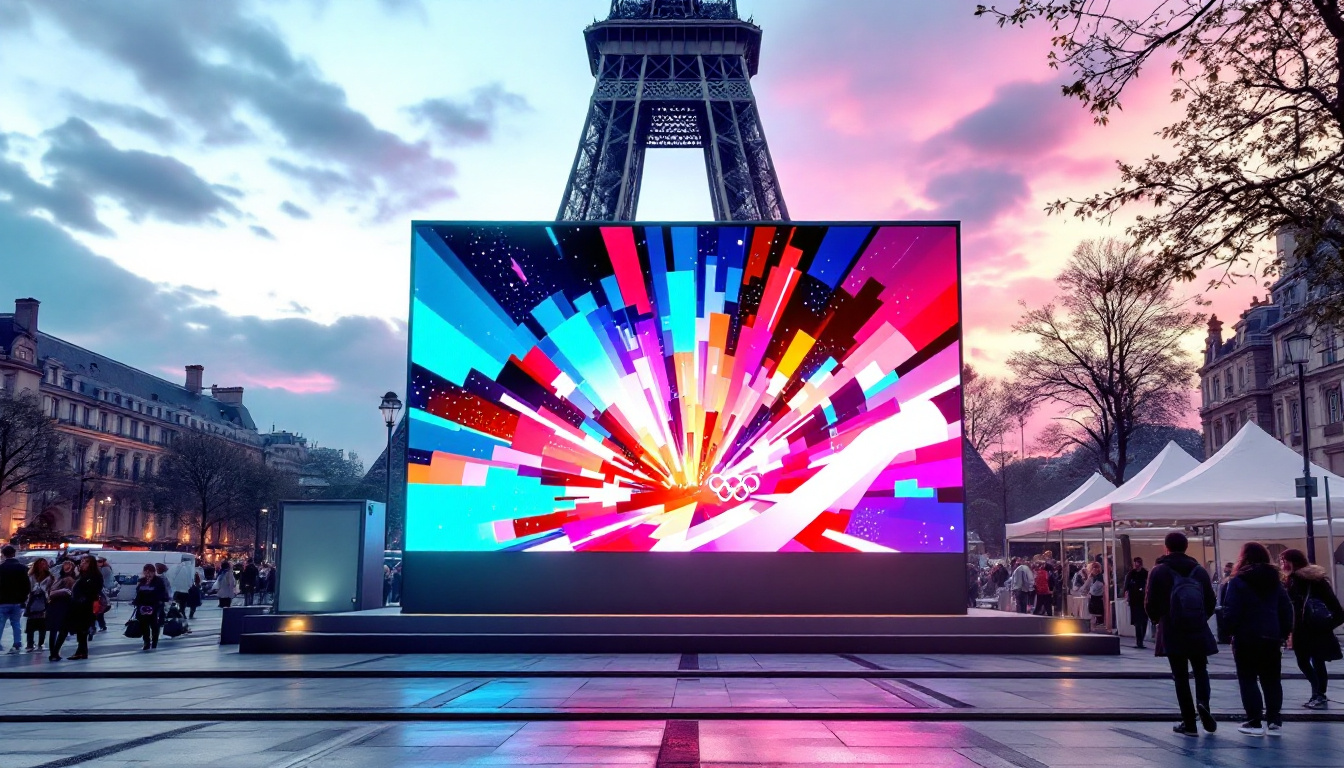
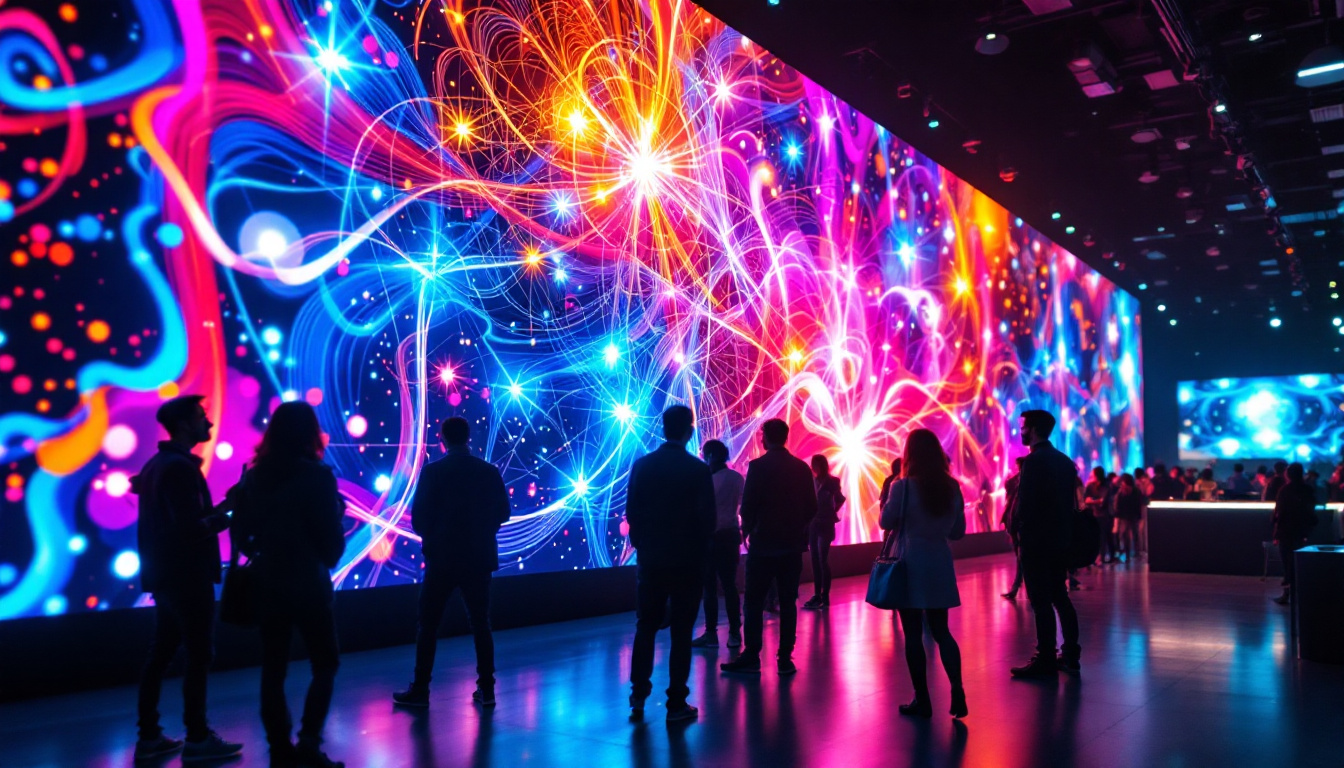
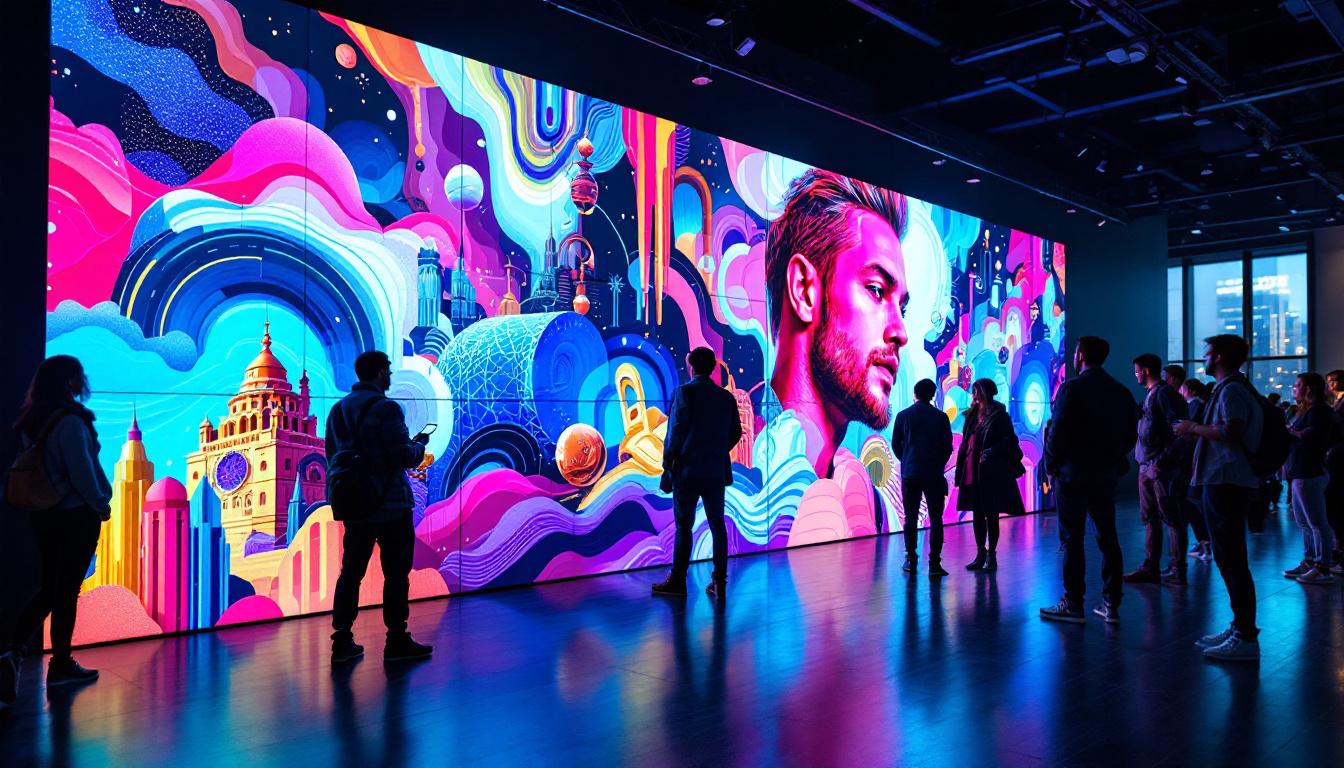
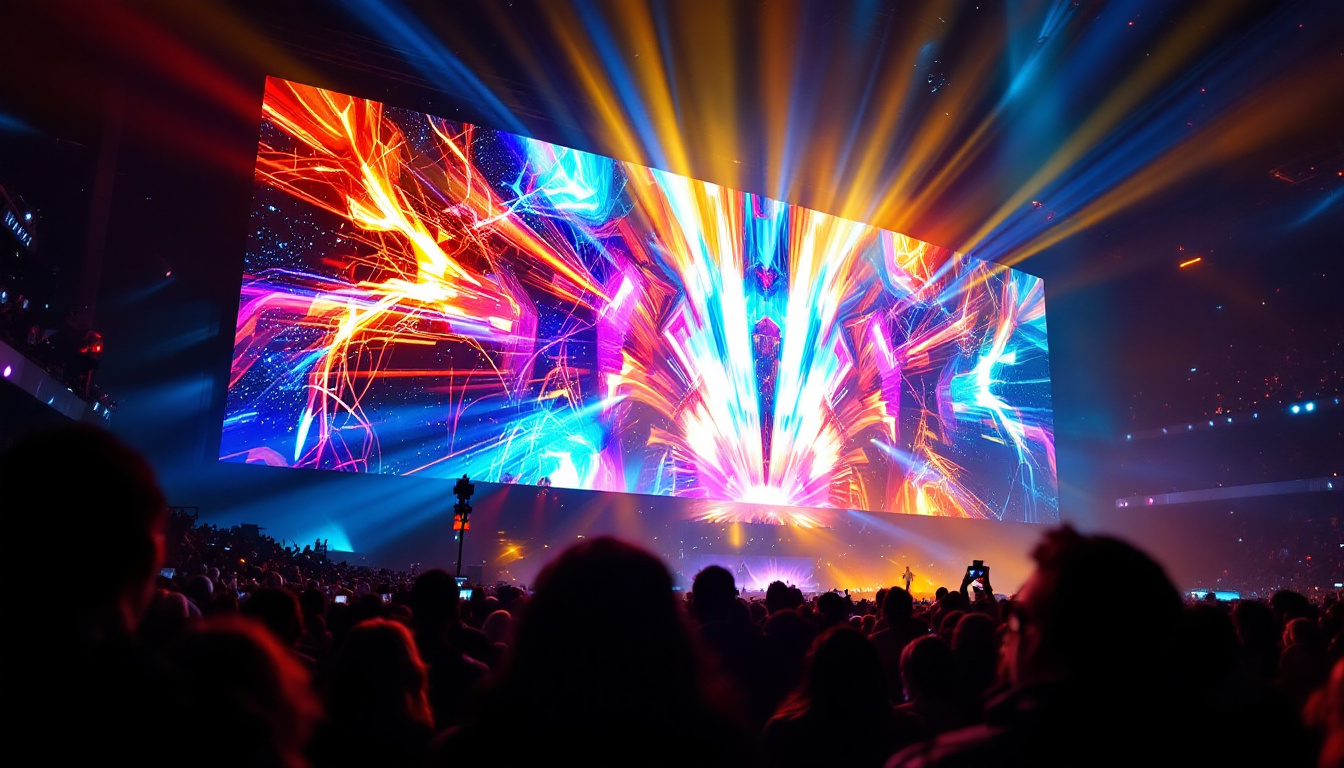
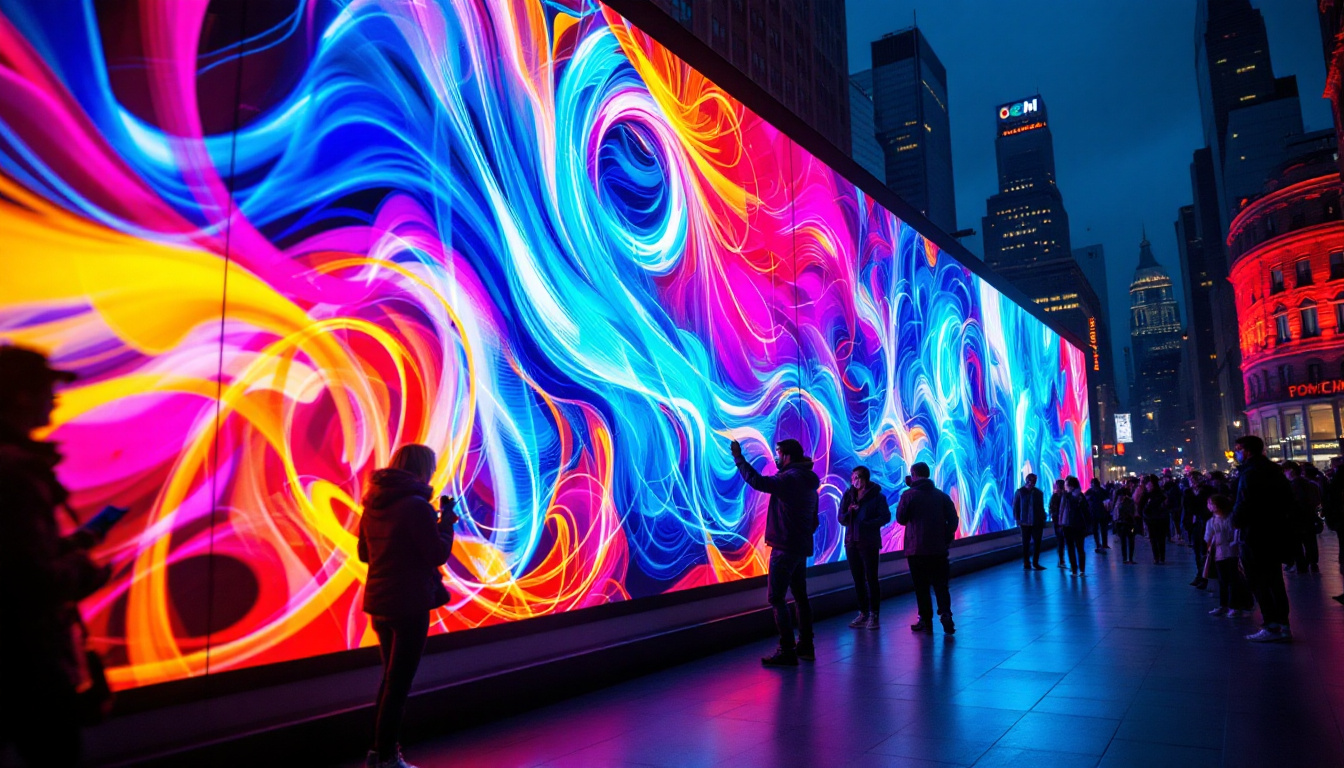
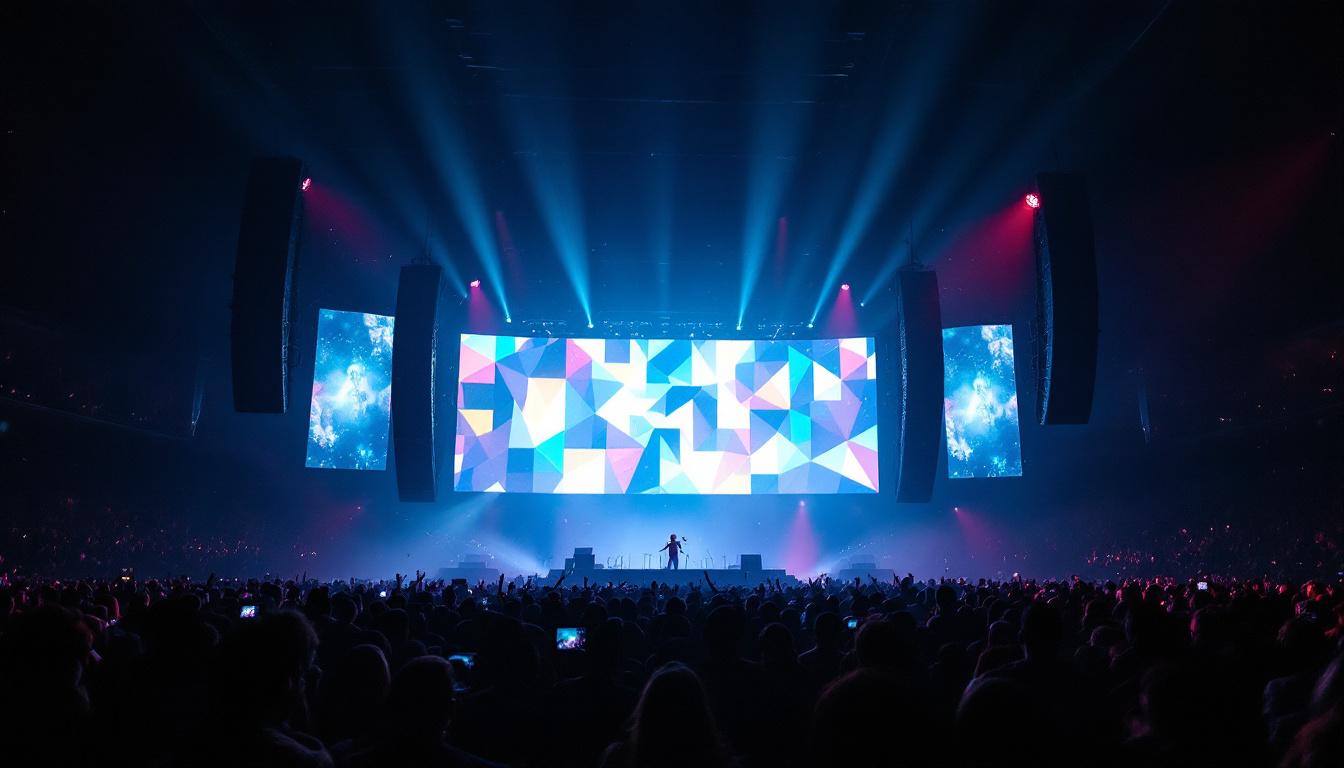
Today, LED video screens are ubiquitous at concerts, festivals, and live events, transforming stages into immersive environments that sync seamlessly with music, lighting, and special effects. The integration of advanced technologies such as 3D mapping and augmented reality has further elevated the concert experience, allowing artists to craft visually stunning narratives that captivate audiences. For instance, during a performance, a band might project a dynamic landscape that shifts in real-time, reflecting the emotional tone of the song being played. This not only enhances the visual appeal but also deepens the audience’s emotional connection to the music.
Moreover, the rise of social media and live streaming has added another layer to the evolution of concert video screens. Artists and production teams now consider how visuals will translate not just to the live audience but also to viewers at home. This has led to innovative approaches, such as multi-camera angles and interactive elements that engage online viewers, creating a more inclusive experience. Fans can feel like they are part of the event, even if they are thousands of miles away, as they share in the excitement through their screens. As technology continues to evolve, the possibilities for concert video screens seem limitless, promising even more breathtaking experiences in the future.
Understanding LED Display Technology
What is an LED Video Screen?
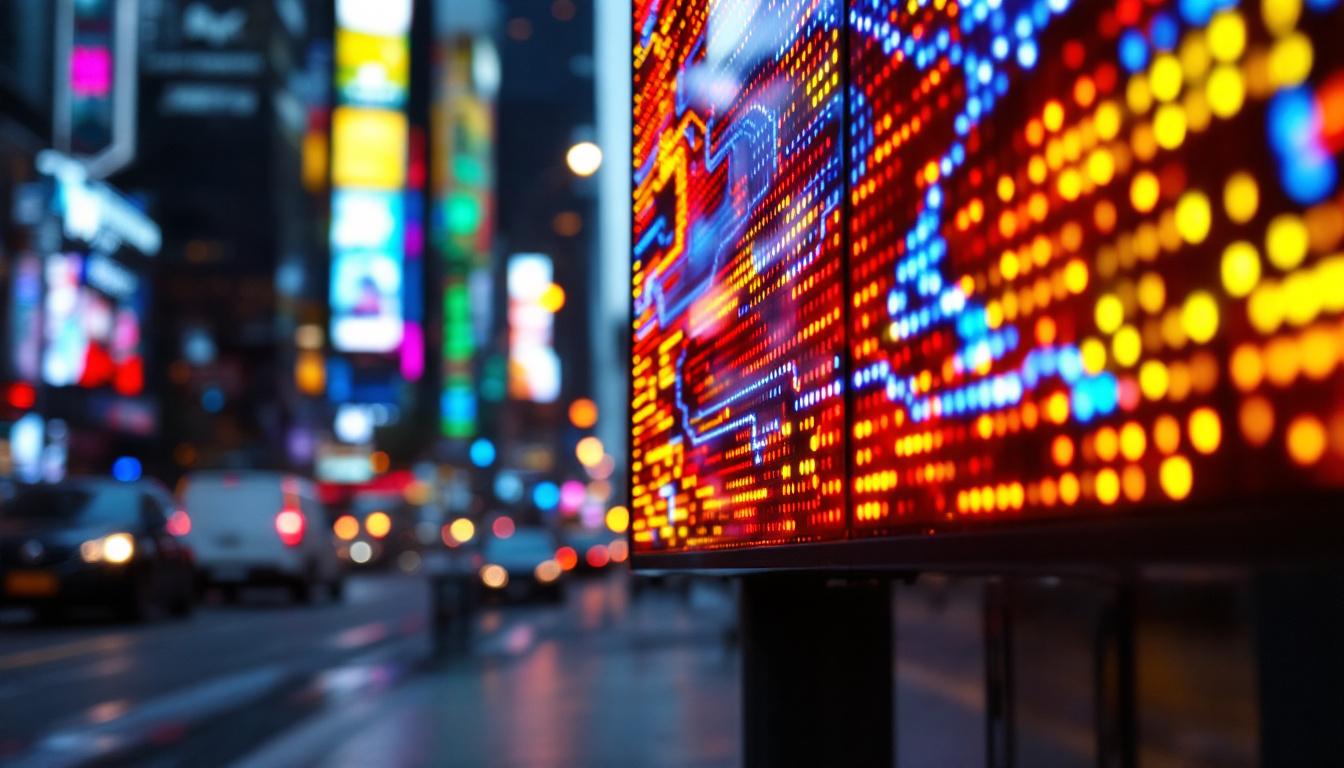
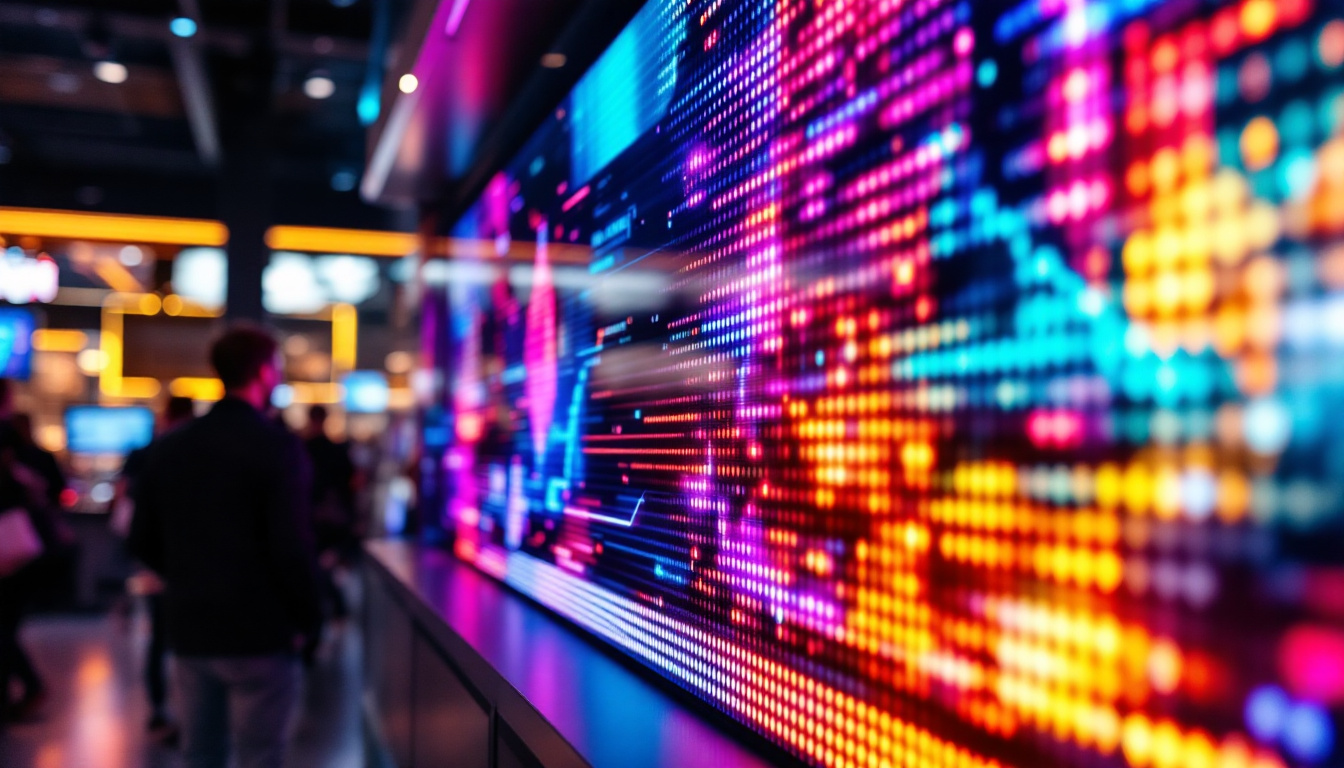
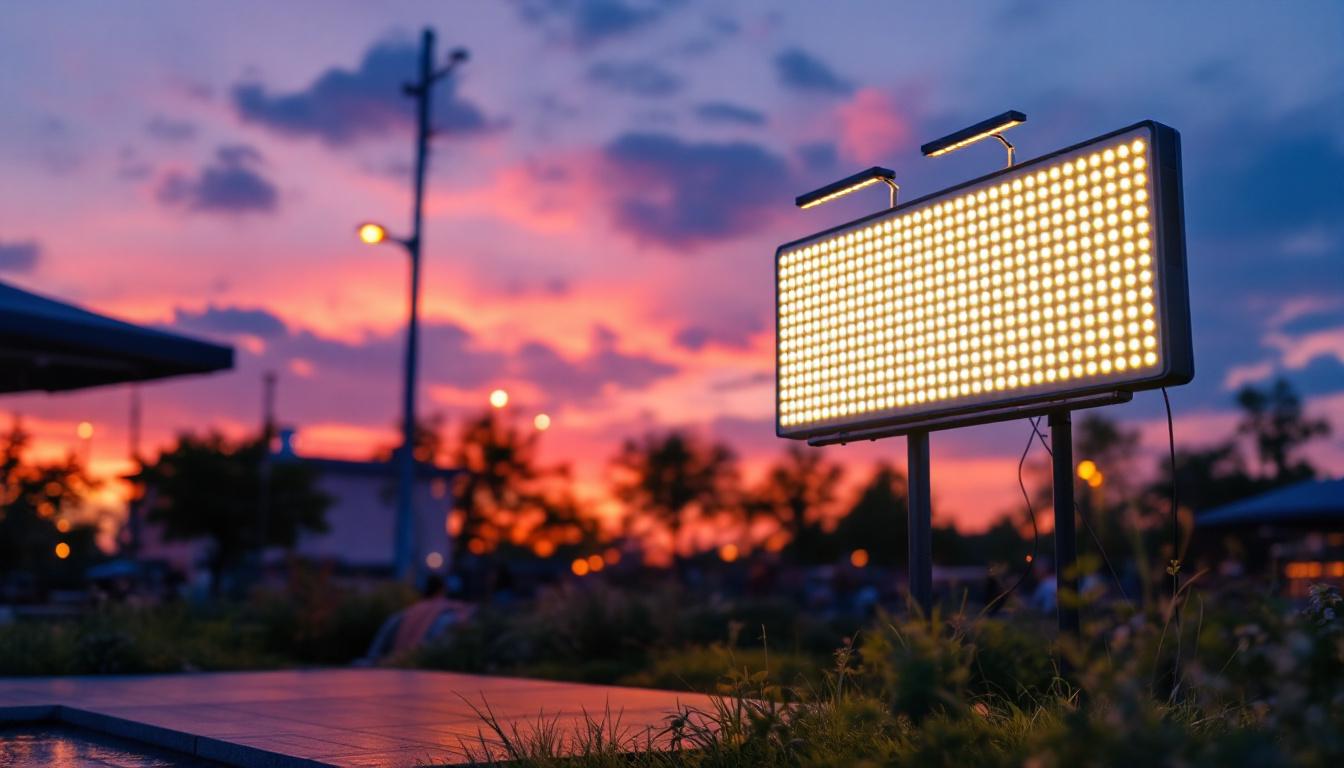
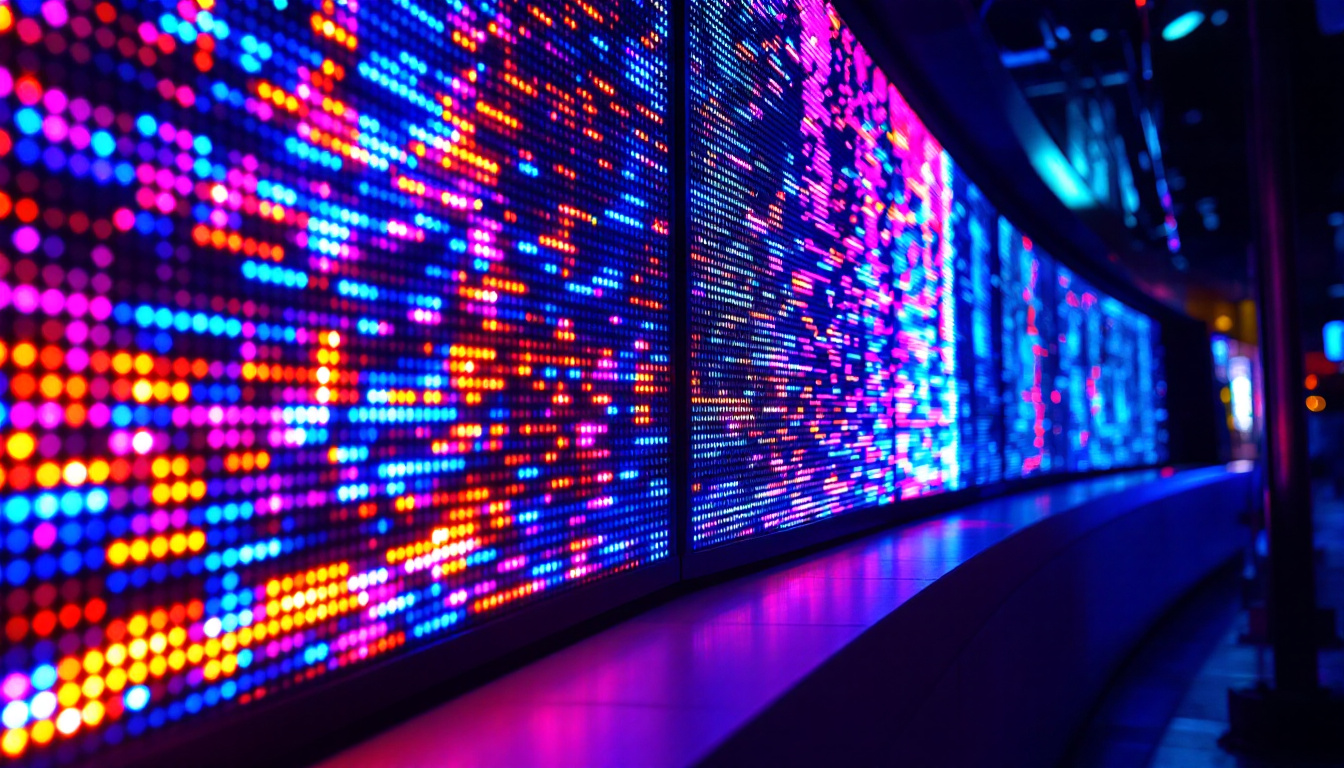
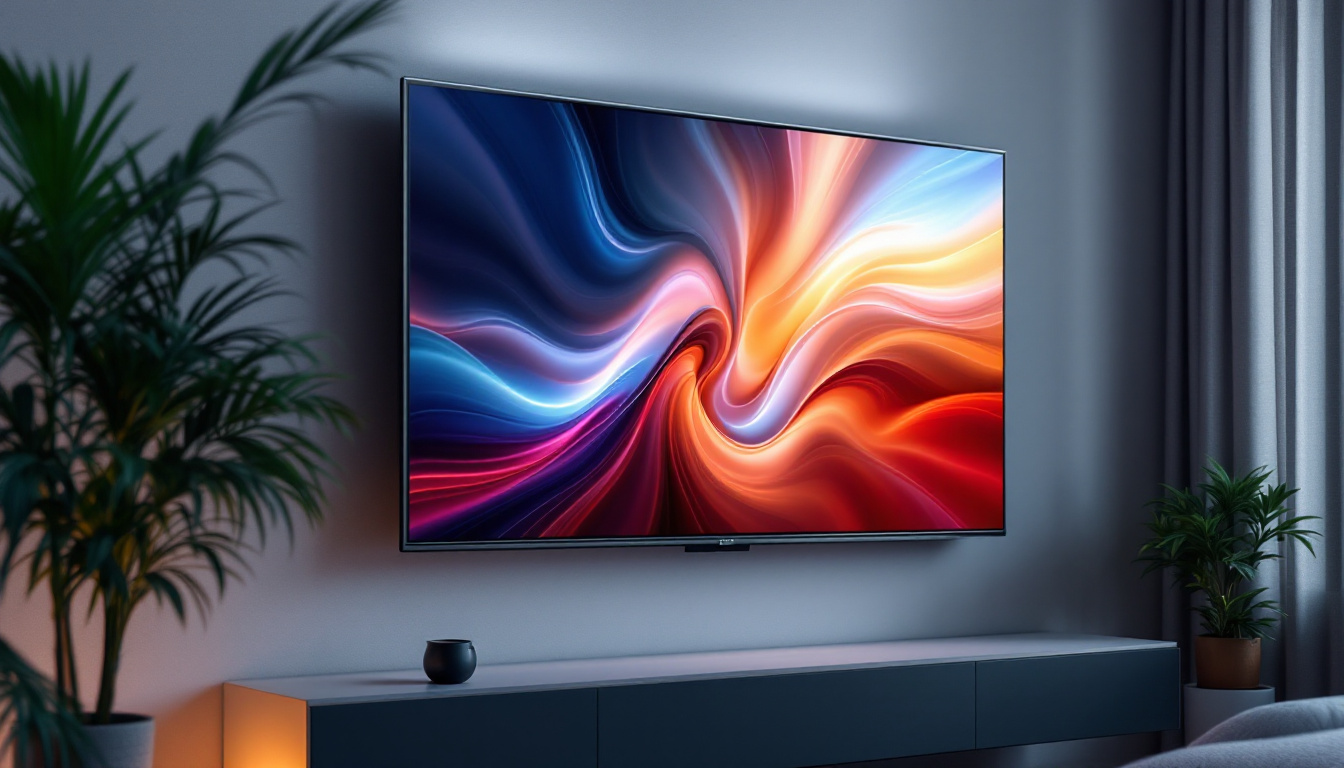
LED stands for Light Emitting Diode, a semiconductor device that emits light when an electric current passes through it. An LED video screen is composed of thousands to millions of these tiny diodes arranged in a grid to form pixels. Each pixel can emit red, green, and blue light, which combine to create full-color images and videos.
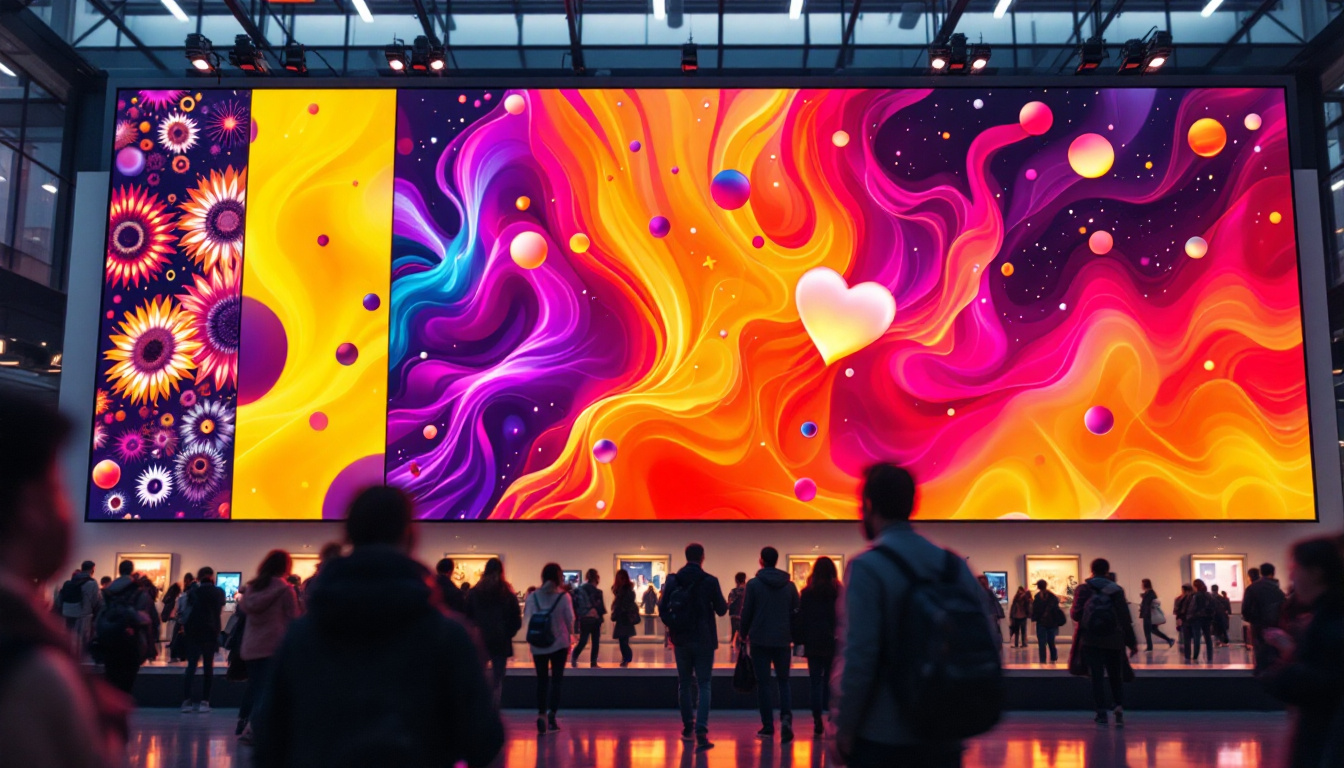
Unlike LCD or projection screens, LED displays are self-illuminating, meaning they do not require a backlight. This feature enables LED screens to produce incredibly bright and vivid images that remain visible even under direct sunlight or intense stage lighting. This characteristic makes them particularly suitable for outdoor events, advertising billboards, and large-scale public displays, where visibility is paramount. Furthermore, the rapid response time of LEDs allows for smooth video playback, making them ideal for dynamic content such as live performances and sporting events.
Key Components of LED Screens
LED screens used in concerts typically consist of modular panels that can be assembled into various sizes and shapes. These panels contain:
- LED Modules: Small sections housing clusters of LEDs that form the basic building blocks of the screen.
- Driver ICs: Integrated circuits that control the brightness and color of each LED.
- Control System: A computer or processor that sends video signals to the screen and manages synchronization.
- Power Supply: Provides the necessary electricity to illuminate the LEDs consistently.
The modular nature of LED screens allows for flexible configurations, from giant rectangular walls to curved or irregular shapes that enhance stage aesthetics. This adaptability not only caters to the artistic vision of designers but also ensures that the screens can fit into various venue layouts, maximizing audience engagement. Additionally, advancements in technology have led to the development of transparent LED screens, which allow for creative installations that blend seamlessly with their surroundings, offering a futuristic look while still delivering high-quality visuals.
Moreover, the maintenance of LED screens has become increasingly user-friendly, with many modern systems featuring hot-swappable components. This means that individual modules can be replaced without having to take the entire screen offline, minimizing downtime during events. As LED technology continues to evolve, we can expect even more innovations that enhance the functionality and visual impact of these displays, making them a staple in both entertainment and advertising industries.
Why LED Screens Are Ideal for Concerts
Brightness and Visibility
One of the most significant advantages of LED displays is their exceptional brightness. Concert venues, especially outdoor festivals, often contend with ambient light that can wash out traditional screens. LED screens can reach brightness levels upwards of 5,000 nits, making them clearly visible in daylight and under powerful stage lights.
This brightness ensures that every audience member, whether in the front row or the farthest seat, can enjoy sharp, vibrant visuals that complement the performance.
High Resolution and Image Quality
Modern LED screens offer resolutions that rival or exceed those of standard television screens. Pixel pitch—the distance between individual LED pixels—determines the screen’s clarity. Smaller pixel pitches (e.g., 2.5mm to 4mm) are used for close viewing distances, while larger pitches (e.g., 6mm to 10mm) suit bigger venues where viewers are farther away.
High-resolution LED screens enable detailed video content, live camera feeds, animations, and visual effects that enhance storytelling and audience engagement.
Durability and Weather Resistance
Concerts, especially outdoor events, demand equipment that can withstand harsh conditions. LED screens are built to be rugged and weatherproof, with IP-rated enclosures that protect against dust, rain, and temperature fluctuations. This resilience ensures reliable performance throughout multi-day festivals and tours.
Flexibility and Customization
LED technology allows for creative freedom in stage design. Screens can be curved, folded, or suspended in unique configurations, providing designers with endless possibilities to create immersive environments. Additionally, LED screens can be synchronized with lighting and sound systems, enabling complex multimedia shows that captivate audiences.
Practical Applications of LED Screens in Concerts
Live Video Feed and Close-ups
One of the most common uses of LED screens is to display live video feeds of performers. This is especially important in large venues where fans far from the stage might struggle to see details. Cameras capture close-ups of the artists, which are then broadcast in real-time onto the LED screens, ensuring everyone feels connected to the performance.
Visual Effects and Storytelling
Beyond live feeds, LED screens serve as dynamic canvases for visual effects. Concerts often incorporate thematic videos, animations, and graphics that synchronize with the music to enhance the emotional impact of songs. For example, a rock band might use fiery animations during an intense guitar solo, while a pop artist might display colorful, abstract visuals to complement upbeat tracks.
Interactive and Immersive Experiences
Some concerts leverage LED screens for interactive experiences. Using motion tracking and real-time data, visuals can respond to performers’ movements or audience participation. This interactivity elevates the concert from a passive show to an engaging event where technology and artistry merge.
Choosing the Right LED Screen for Your Concert
Consider Venue Size and Viewing Distance
The size and resolution of the LED screen should align with the venue’s dimensions and audience layout. Larger venues require bigger screens with higher brightness, while smaller clubs might opt for more compact displays with finer pixel pitches for close viewing.
Assess Content Needs
Determine the type of content you plan to display—live video, animations, graphics, or a mix. This will influence the screen’s resolution and refresh rate requirements. High-motion content benefits from screens with higher refresh rates to avoid motion blur.
Budget and Logistics
LED screens vary widely in cost depending on size, resolution, and features. Additionally, consider the logistics of installation, transport, and power requirements. Renting LED screens can be a cost-effective solution for one-off events, while owning screens might benefit touring acts.
Future Trends in LED Screens for Concerts
As LED technology continues to evolve, several trends are shaping the future of concert visuals:
- MicroLED and MiniLED: These newer technologies offer even higher brightness, better contrast, and thinner panels, enabling more innovative stage designs.
- Transparent LED Screens: Allowing light and visuals to pass through, these screens can be integrated into windows or stage elements without blocking sightlines.
- Augmented Reality Integration: Combining LED screens with AR technology to create hybrid digital-physical experiences for audiences.
- Energy Efficiency: Advances in LED efficiency reduce power consumption and heat output, making large-scale screens more sustainable.
These innovations promise to push the boundaries of live event production, offering concertgoers ever more spectacular and immersive experiences.
Conclusion
LED video screens have become indispensable tools for concert producers and artists aiming to create memorable live performances. Their brightness, versatility, and durability make them ideal for venues of all sizes and conditions. By understanding the technology and its applications, event planners can harness LED displays to enhance storytelling, engage audiences, and elevate the overall concert experience.
Whether it’s a small club show or a massive outdoor festival, LED screens provide the visual canvas that brings music to life in vivid color and motion.
Illuminate Your Concerts with LumenMatrix
Ready to take your live performances to the next level? LumenMatrix is at the forefront of LED display innovation, offering an extensive range of solutions tailored to your concert needs. From Indoor and Outdoor LED Wall Displays to specialized options like Vehicle, Sports, and Floor LED Displays, we have the technology to make your event unforgettable. Embrace the future with our Custom, All-in-One, and Transparent LED Displays, designed to captivate your audience and amplify your message. Check out LumenMatrix LED Display Solutions today and transform your concert into a visually stunning masterpiece.