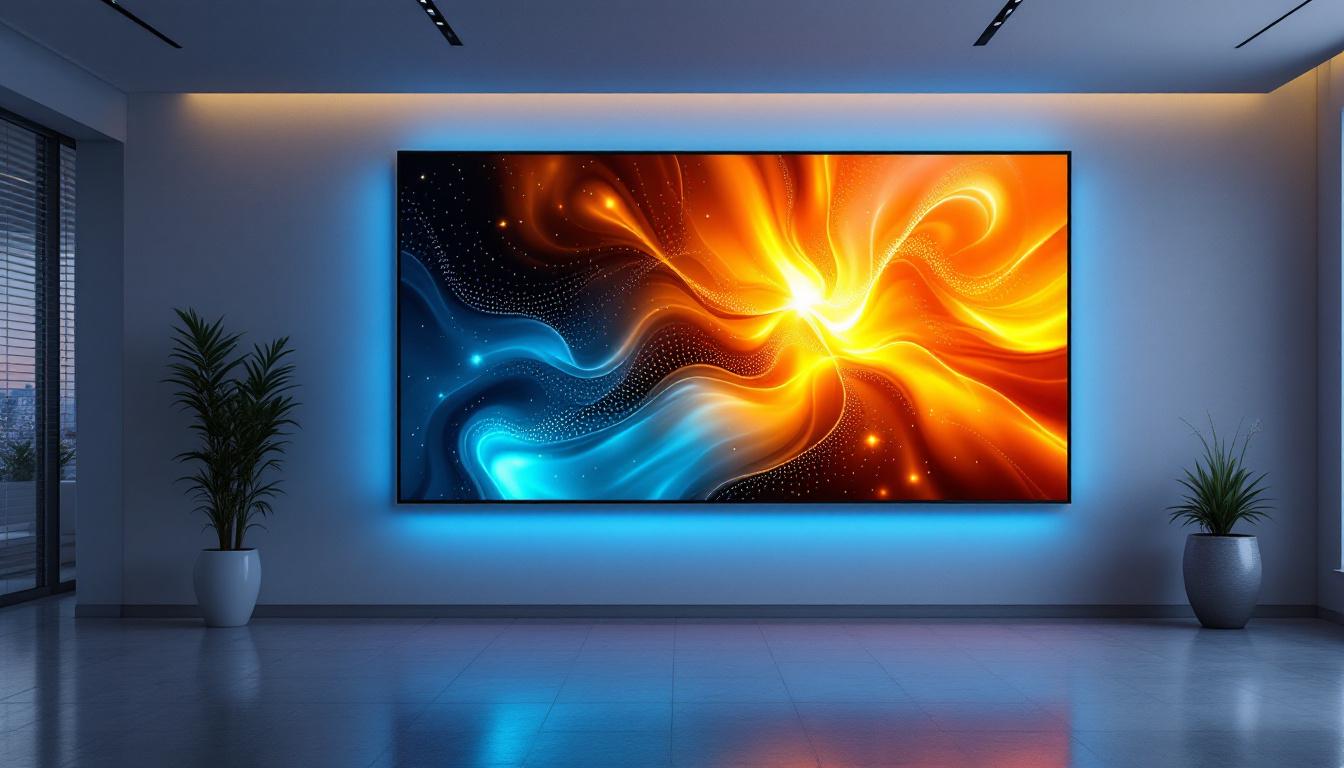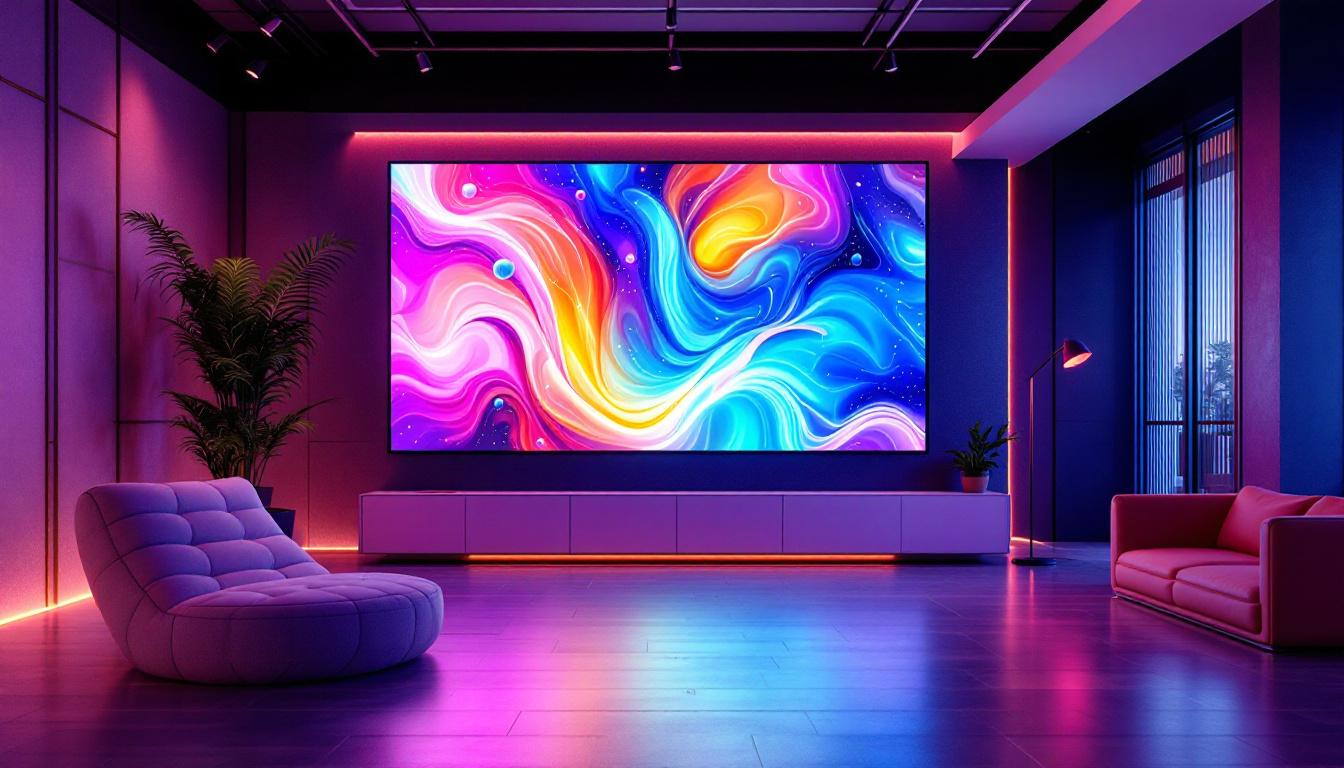
In the evolving landscape of interior design and commercial advertising, LED displays have emerged as a versatile and cost-effective solution for wall coverings. Traditionally, wall coverings such as wallpaper, paint, or murals served purely decorative purposes. However, the advent of LED technology has transformed these surfaces into dynamic, interactive canvases that can inform, entertain, and captivate audiences. This article explores how LED displays function as inexpensive wall coverings, their benefits, applications, and considerations for implementation.
Understanding LED Displays as Wall Coverings
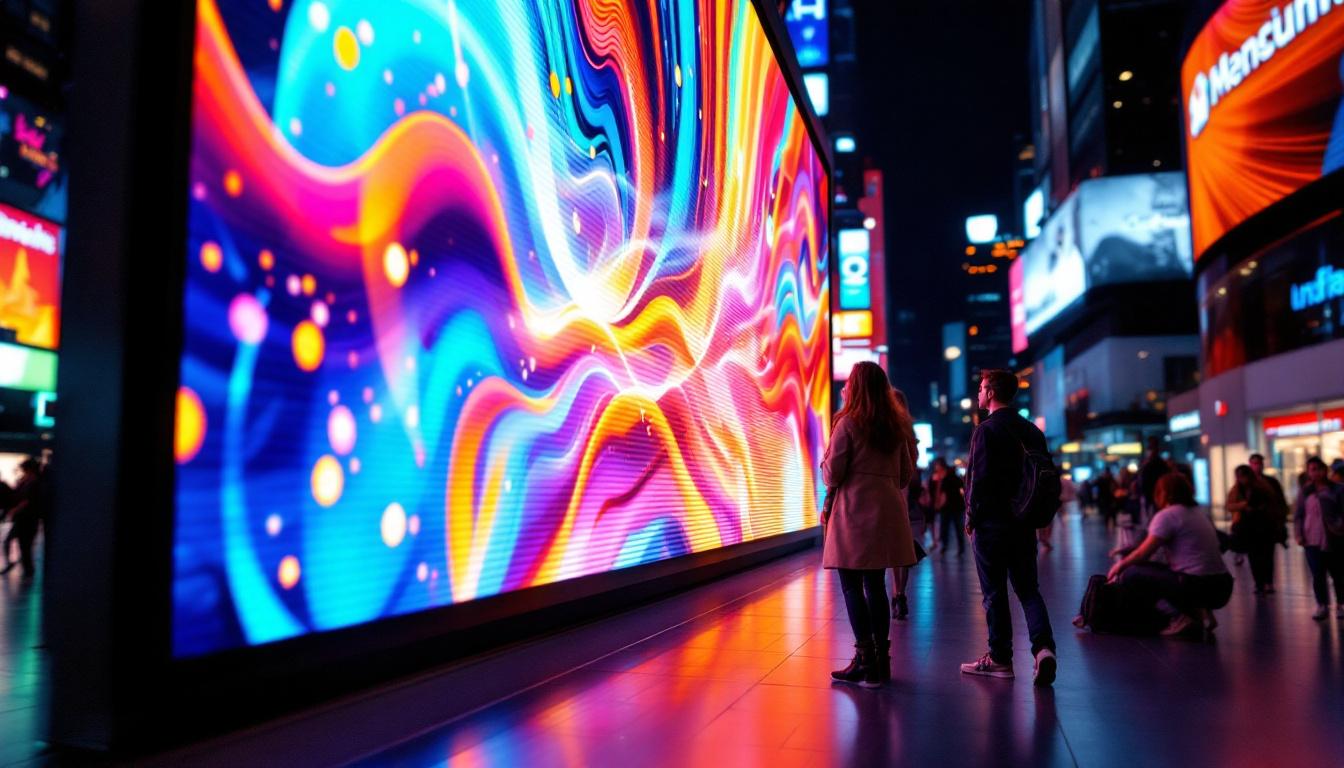
LED (Light Emitting Diode) displays consist of numerous tiny light sources arranged in a matrix to form images, videos, or text. Unlike traditional static wall coverings, LED displays offer dynamic content that can be changed instantly, making them highly adaptable to various environments and purposes. This adaptability makes them ideal for a range of applications, from retail environments that need to showcase promotions and advertisements to corporate spaces that require dynamic presentations and branding opportunities.
The cost-effectiveness of LED wall coverings stems from advancements in technology that have lowered production costs and improved energy efficiency. Modern LED panels are thinner, lighter, and more affordable than ever before, enabling their use as full-wall installations without the prohibitive expense once associated with digital displays. Additionally, the longevity of LED technology means that these displays can last for years with minimal maintenance, further enhancing their value proposition for businesses looking to invest in long-term solutions.
How LED Displays Work
Each LED display is made up of pixels, which are small clusters of red, green, and blue LEDs. By adjusting the brightness of these LEDs, the display can produce a full spectrum of colors. These pixels are controlled by a processor that interprets input signals—such as video feeds or images—and translates them into light patterns on the screen. This technology allows for not only vibrant visuals but also intricate animations and transitions that can captivate audiences in ways that static displays cannot.
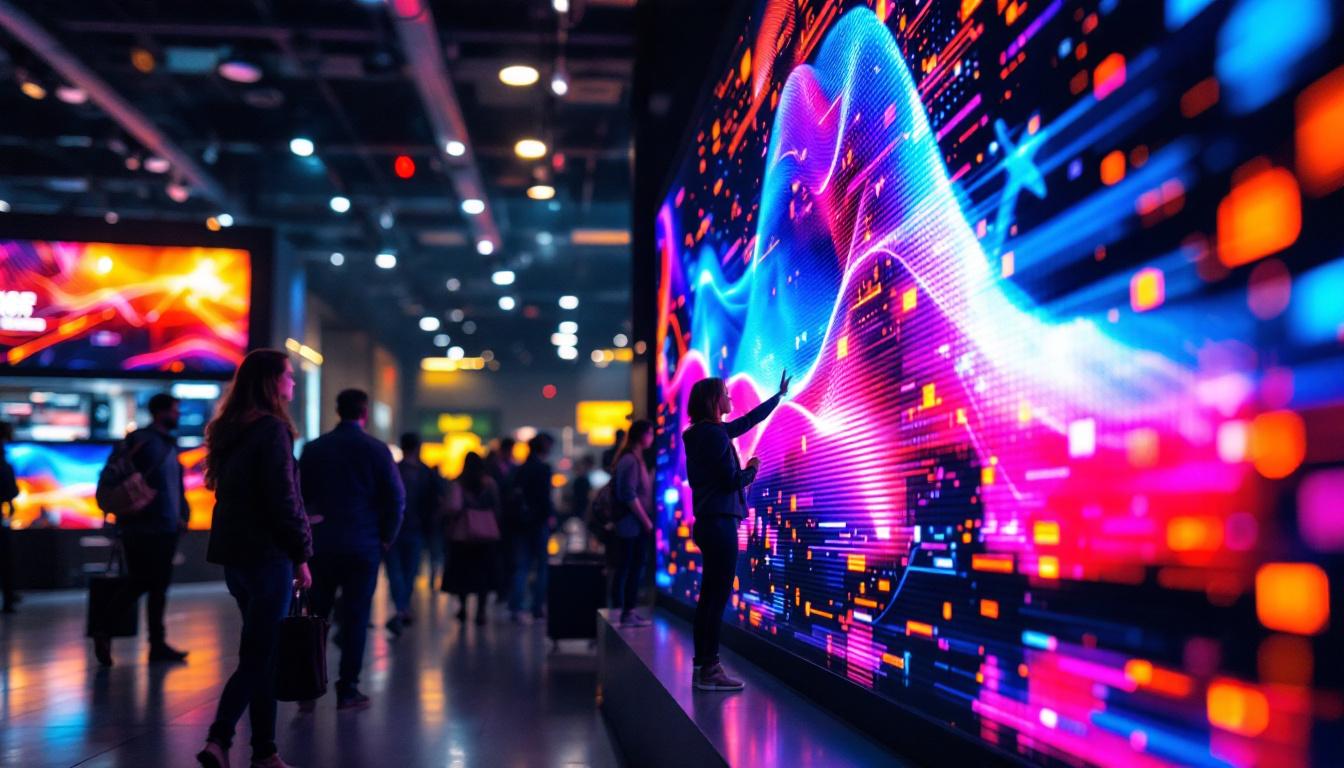
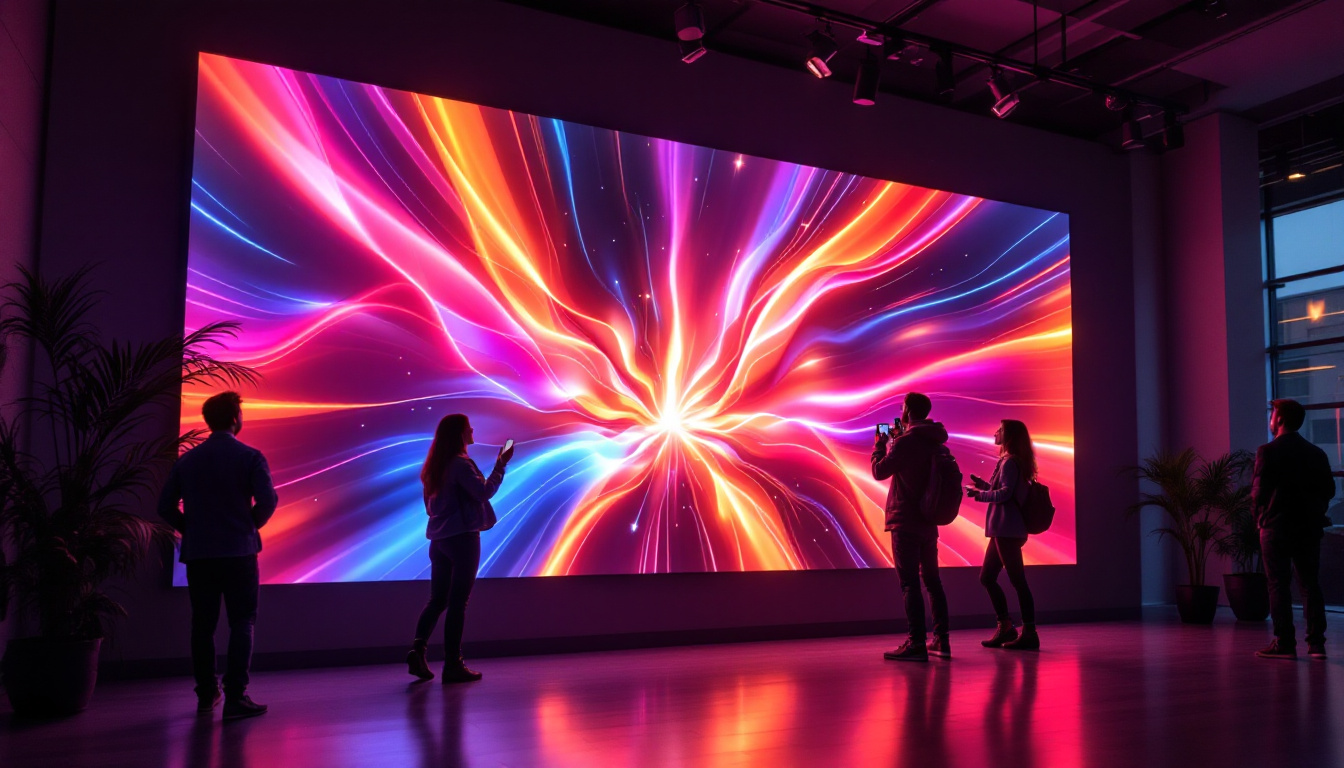
For wall covering purposes, LED panels are typically modular, allowing for seamless installation across large surfaces. They can be configured to fit walls of various sizes and shapes, providing flexibility that traditional wall coverings cannot match. Furthermore, the integration of smart technology into LED displays has opened up new possibilities for interactivity; users can engage with the content through touch or motion sensors, creating an immersive experience that draws people in and encourages interaction. This feature is particularly beneficial in spaces like museums or exhibitions, where engaging visitors is crucial to the overall experience.
Cost Benefits of LED Wall Coverings
While the initial investment in LED display technology may seem higher than conventional wall coverings, the long-term benefits often outweigh upfront costs. Key factors contributing to cost-effectiveness include durability, energy efficiency, and multifunctionality.
Durability and Maintenance
LED panels are designed to withstand environmental factors such as humidity, temperature fluctuations, and physical impact better than many traditional materials. This durability reduces the frequency and cost of maintenance or replacement. For example, a study by the Digital Signage Federation found that LED displays can last upwards of 100,000 hours, significantly outlasting wallpaper or paint that may require renewal every few years. Additionally, LED wall coverings are often resistant to fading and discoloration, ensuring that the vibrant colors and sharp images remain intact over time. This longevity not only enhances aesthetic appeal but also contributes to a lower total cost of ownership, as businesses can allocate resources elsewhere rather than on frequent renovations.
Energy Efficiency
Modern LED technology is highly energy-efficient compared to older display technologies like LCD or plasma screens. LEDs consume less power and generate less heat, which translates into lower electricity bills and reduced cooling requirements for indoor environments. This efficiency makes LED wall coverings an economical choice for businesses and homeowners concerned with operational costs. Furthermore, many LED systems are designed with smart technology that allows for automated brightness adjustments based on ambient light conditions, further optimizing energy consumption. This adaptability not only reduces energy waste but also enhances user experience by ensuring that displays are always visible and engaging, regardless of the surrounding light.
Multifunctionality and Advertising Potential
One of the most compelling cost benefits is the multifunctional nature of LED wall coverings. They can serve as decorative elements, informational displays, advertising platforms, and interactive interfaces all in one. For retail environments, this means a single installation can replace multiple marketing tools, reducing overall expenditure on advertising materials and signage. Moreover, the ability to update content in real-time allows businesses to respond quickly to market trends, seasonal promotions, or special events without the need for costly reprints or installations. This flexibility not only maximizes the return on investment but also empowers brands to maintain a dynamic presence that can attract and engage customers effectively.
Additionally, the integration of LED wall coverings into smart building systems can further enhance their value. By connecting these displays to data analytics platforms, businesses can track viewer engagement and optimize content based on audience behavior. This data-driven approach allows for targeted advertising strategies that can significantly increase conversion rates. As a result, the initial costs associated with LED technology can be quickly offset by the increased revenue generated from more effective marketing efforts, making LED wall coverings a savvy investment for forward-thinking businesses.
Applications of LED Wall Coverings
LED wall coverings are increasingly popular across diverse sectors, from commercial spaces to residential interiors. Their adaptability and visual impact make them suitable for a wide range of applications.
Retail and Commercial Spaces
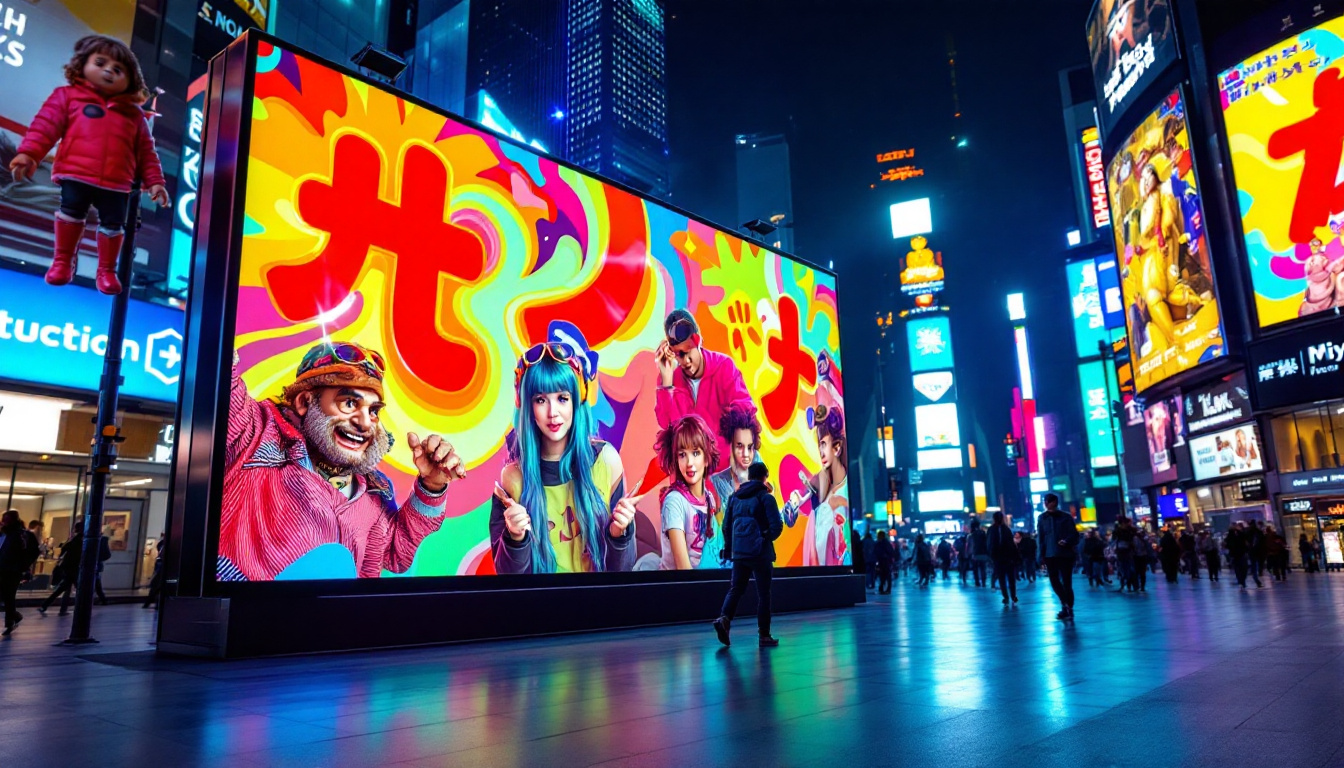
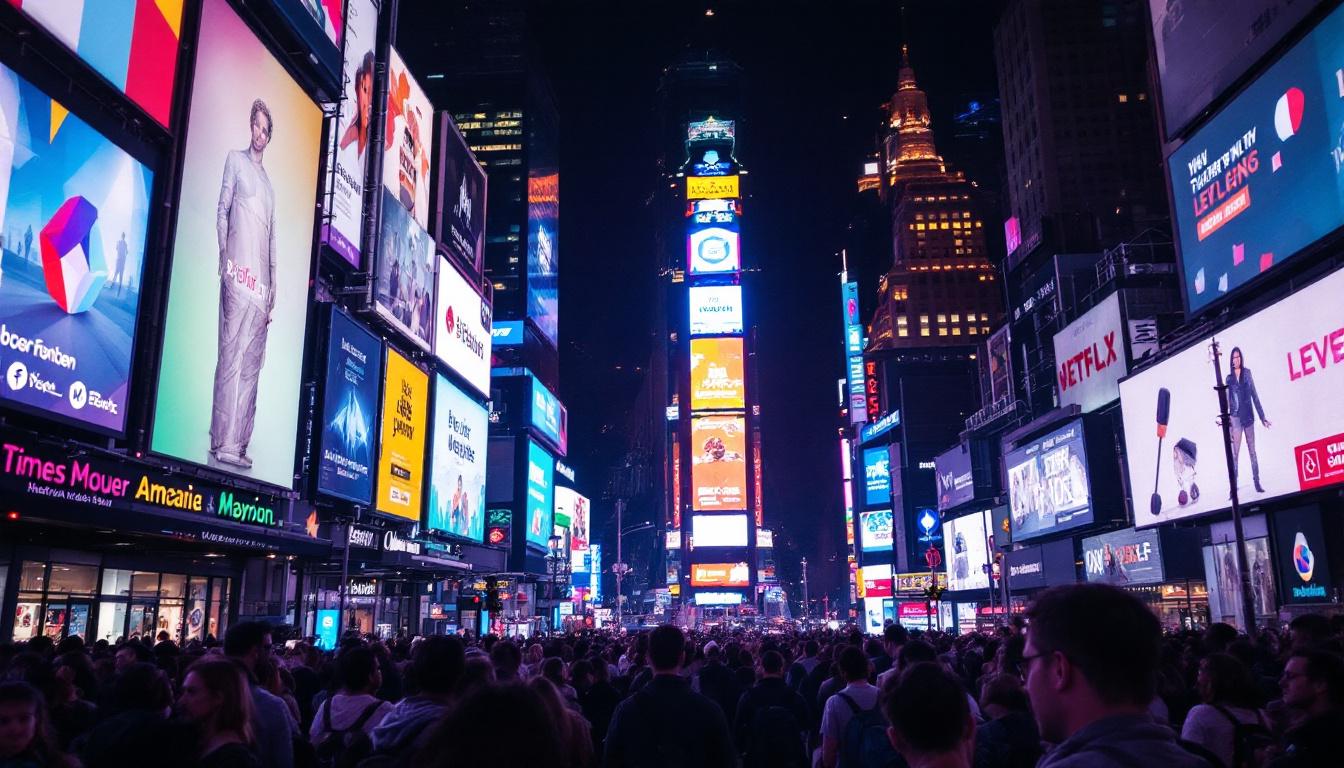
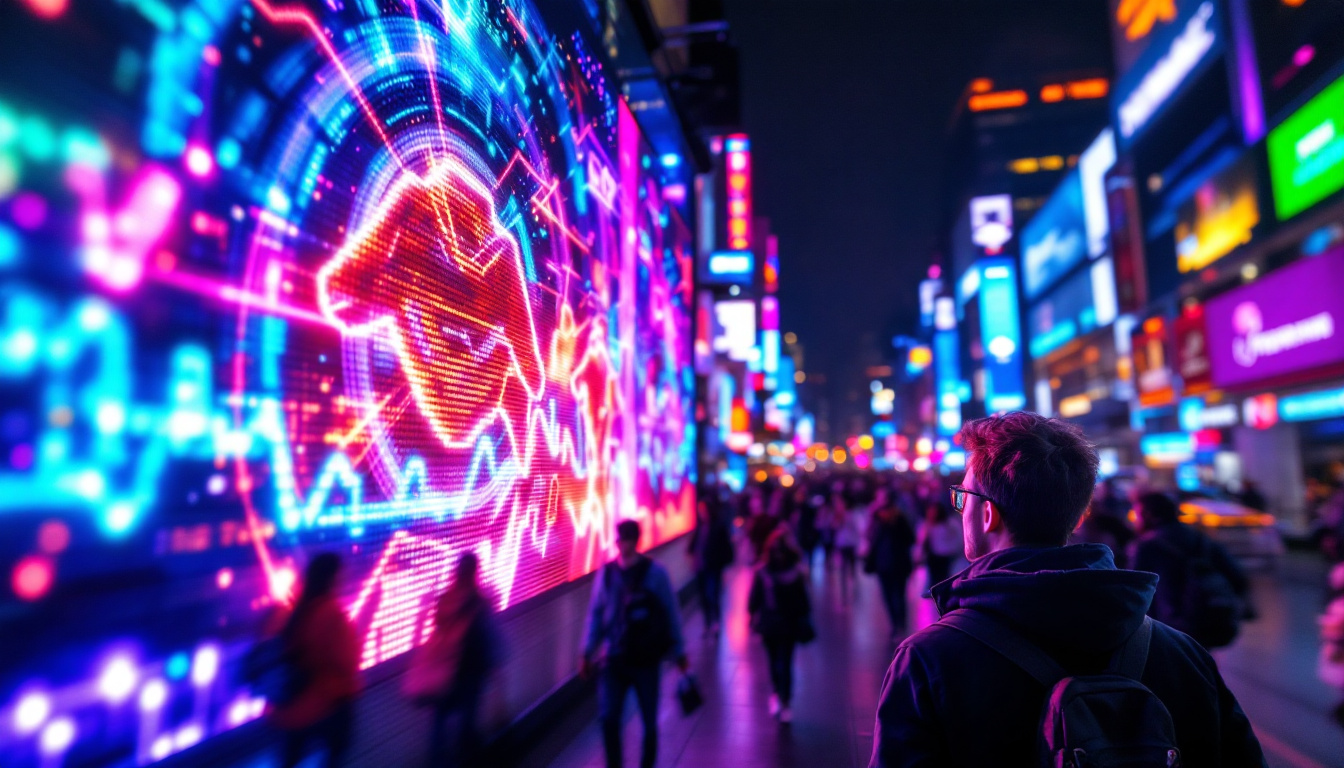
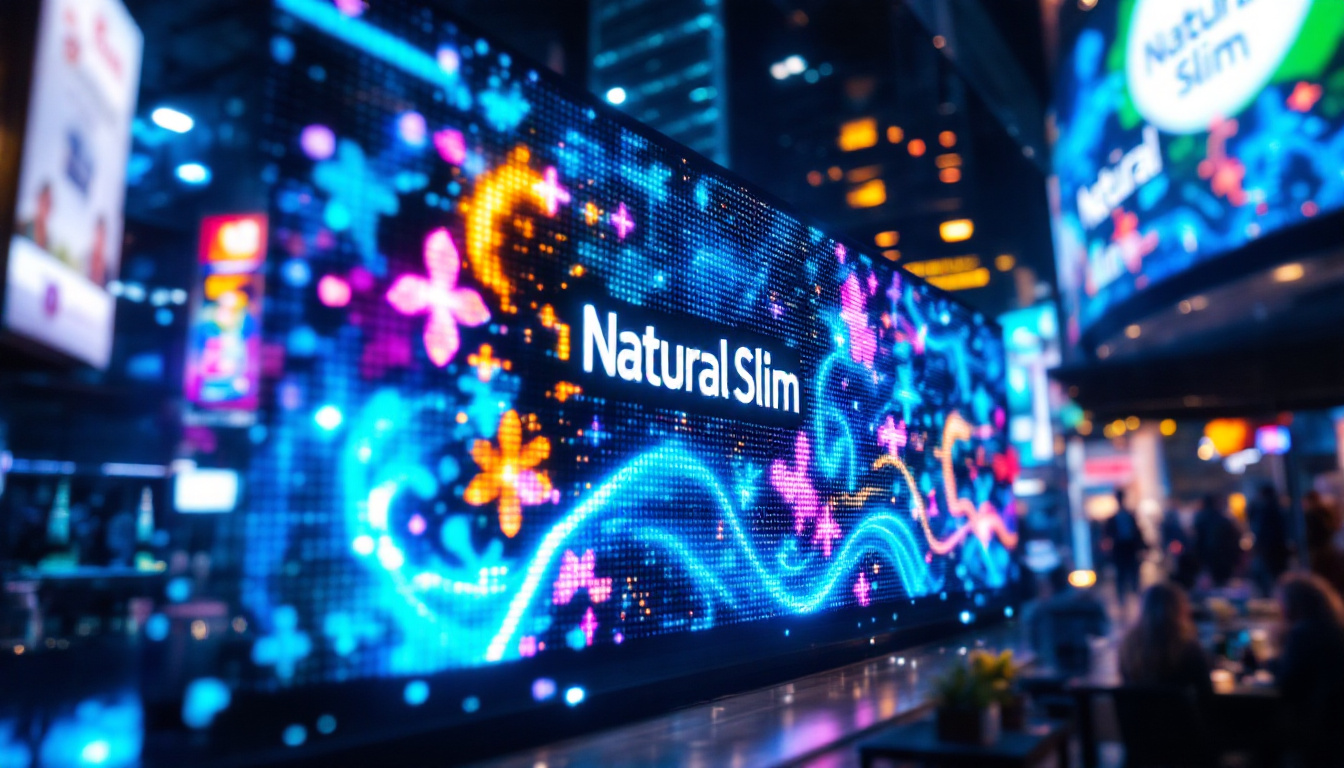
Retailers use LED walls to attract customers, showcase products, and promote sales dynamically. For example, fashion stores can display runway videos or seasonal promotions, while supermarkets can highlight special offers or nutritional information. The ability to update content instantly allows retailers to stay relevant and responsive to market trends.
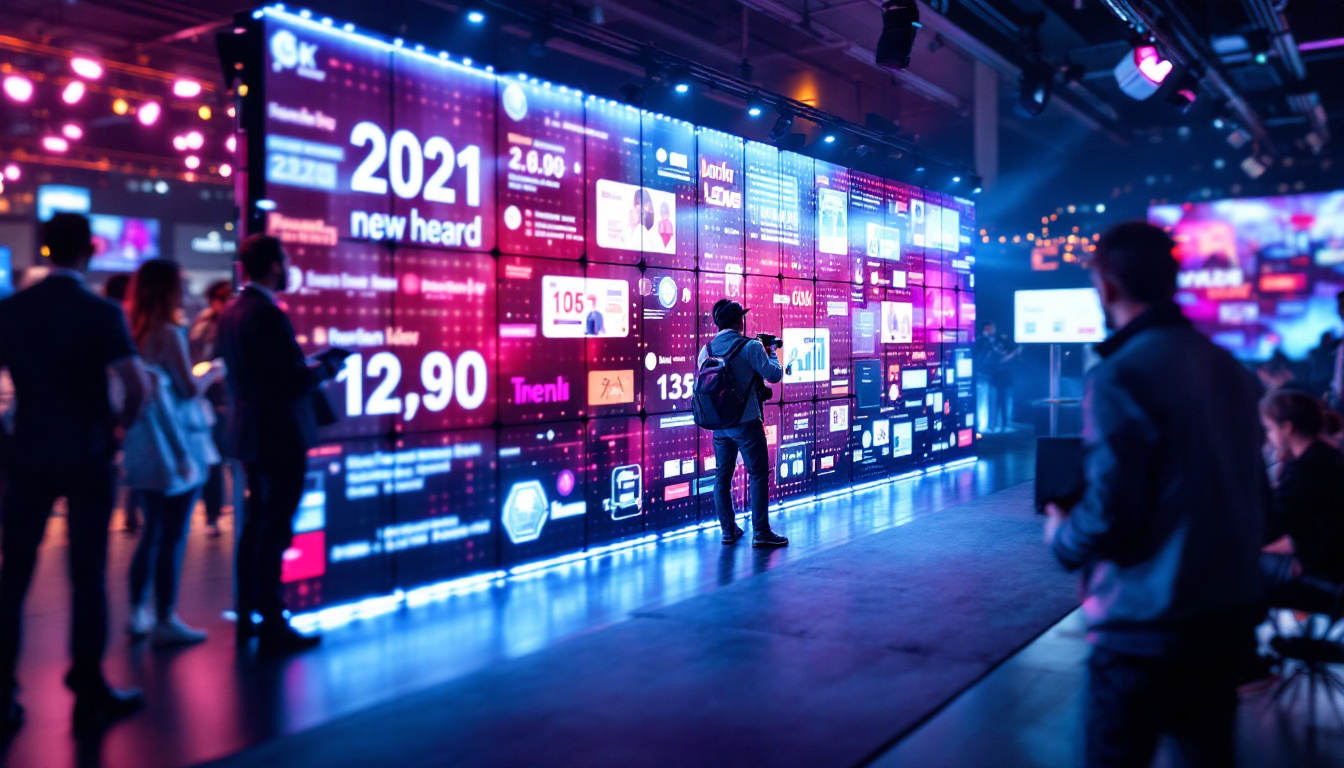
In commercial offices, LED walls can function as digital art installations or information boards, enhancing the workspace ambiance and facilitating communication. These installations can also serve as platforms for corporate branding, displaying logos and mission statements in a visually engaging manner. Furthermore, the integration of interactive elements, such as touch screens, can transform a static wall into an engaging experience, allowing employees and clients to navigate through information or presentations seamlessly.
Hospitality and Entertainment Venues
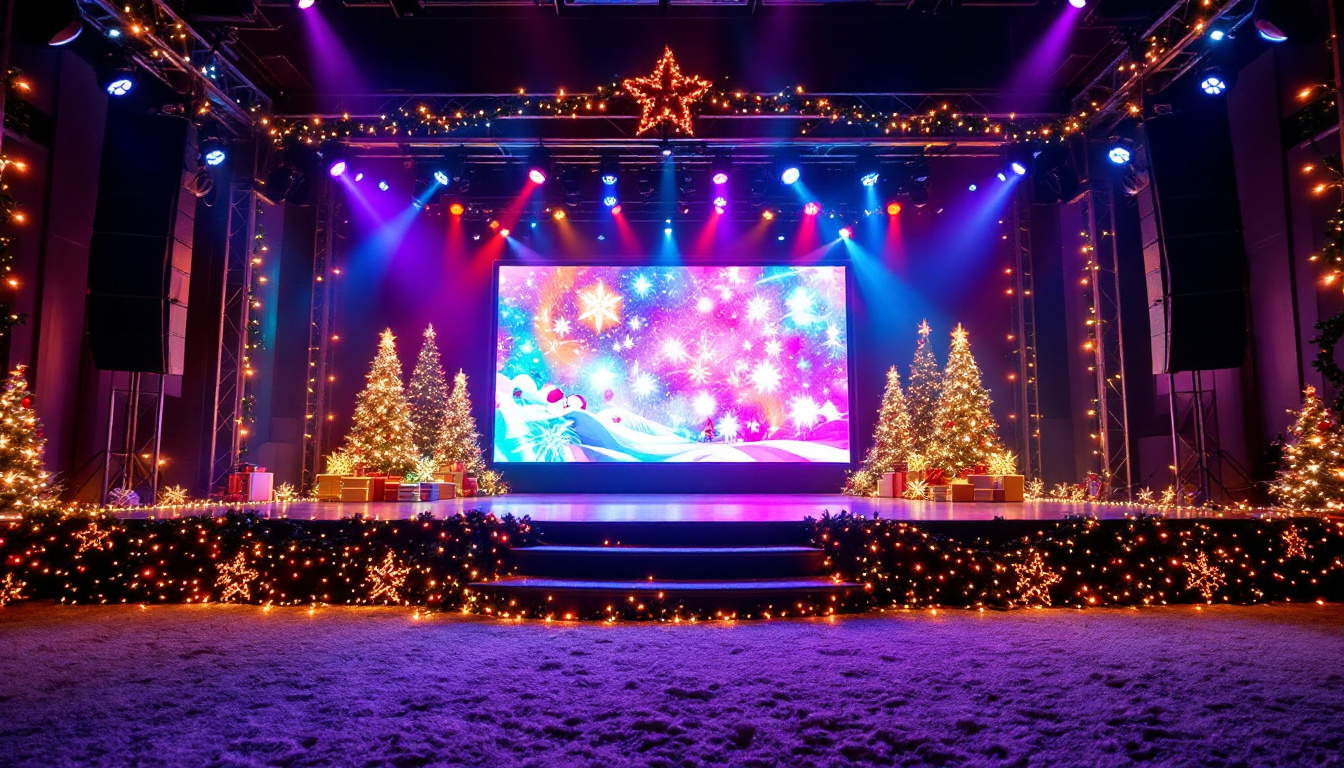
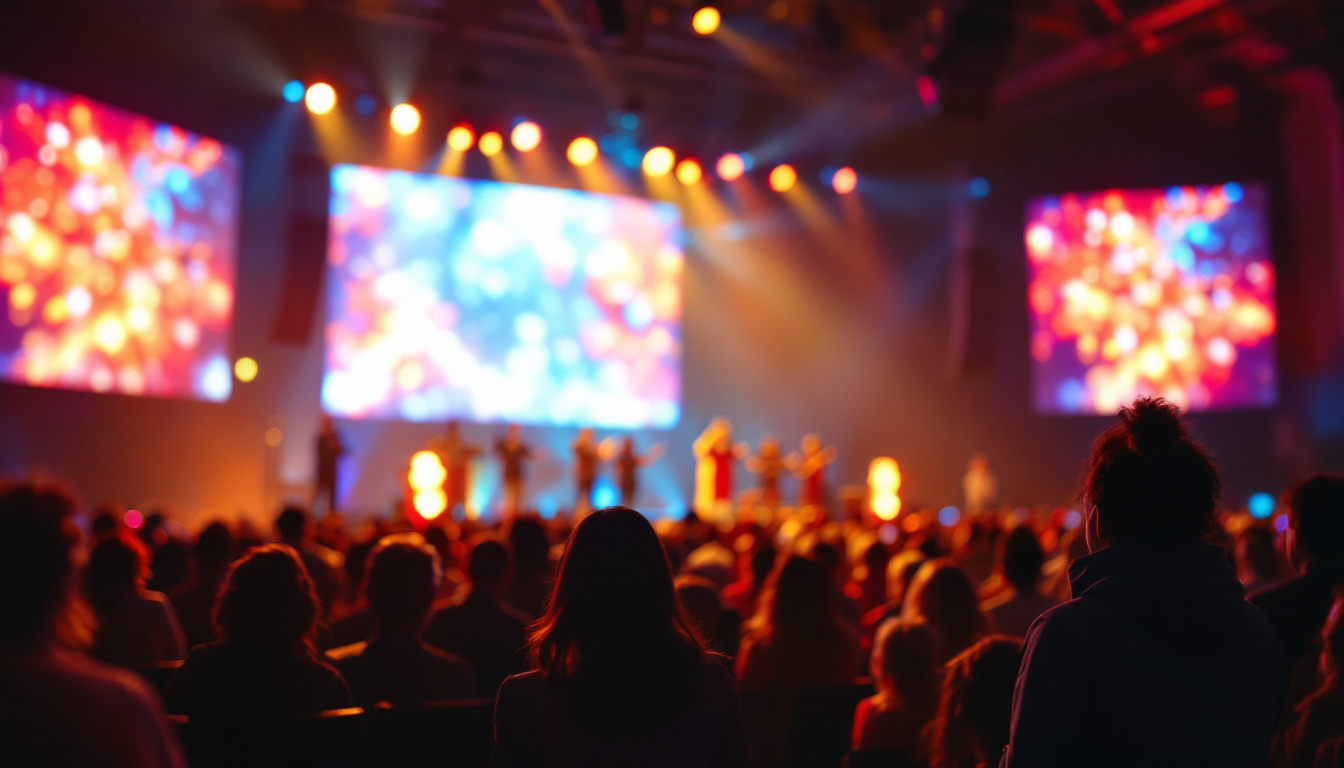
Hotels, restaurants, and entertainment venues leverage LED wall coverings to create immersive environments. Dynamic visuals can set moods, provide entertainment, or display event information. For instance, a hotel lobby might feature a digital aquarium or cityscape, while a concert venue could use LED walls for live event backdrops. The versatility of LED technology allows for stunning visual storytelling, which can enhance the overall guest experience and create memorable moments.
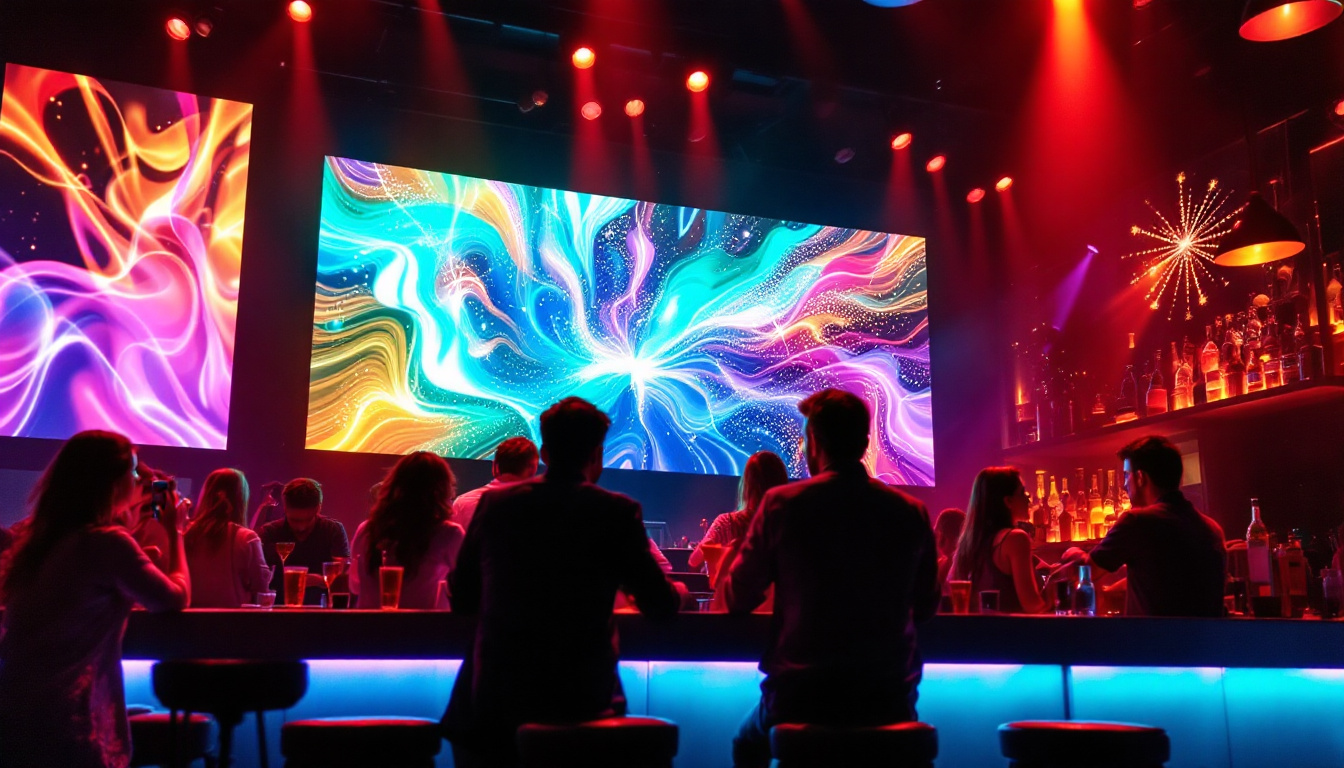
Moreover, in restaurants, LED walls can be used to showcase the culinary journey, displaying images of food preparation or highlighting the sourcing of ingredients. This not only engages diners but also builds a connection between them and the food they consume. In nightclubs and bars, LED walls can synchronize with music and lighting, creating a vibrant atmosphere that encourages social interaction and enhances the nightlife experience.
Residential Use
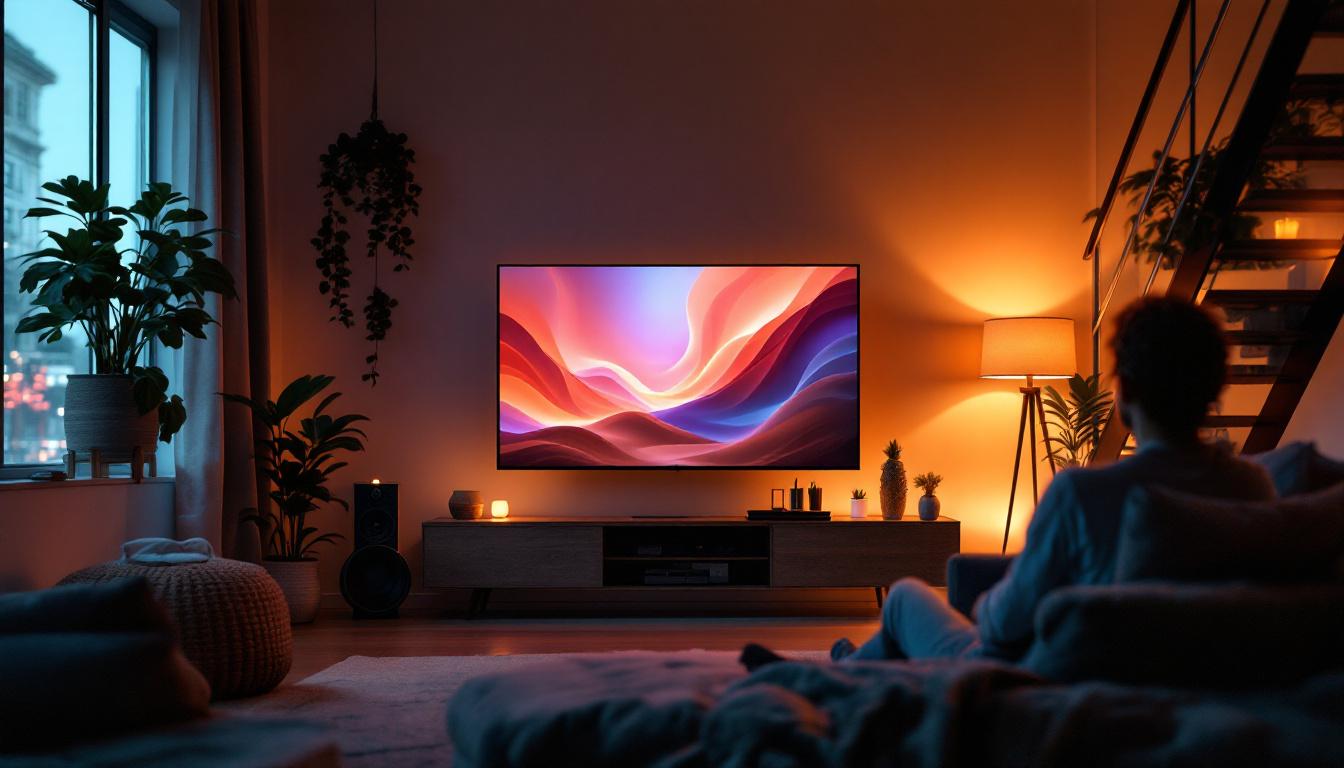
Though less common, LED wall coverings are making inroads into residential design. Homeowners seeking unique, customizable decor can use LED panels to display artwork, family photos, or ambient lighting effects. As prices continue to decrease, this application is expected to grow. Additionally, the potential for smart home integration allows homeowners to control their LED displays through mobile apps or voice commands, making it easier to change themes or moods according to the occasion.
Furthermore, LED wall coverings can serve practical purposes in residential settings, such as creating a digital calendar or displaying reminders for family members. The technology can also be utilized for home entertainment systems, transforming a living room wall into a dynamic screen for movies, games, or virtual reality experiences. This innovative approach to interior design not only enhances aesthetic appeal but also adds functionality to everyday living spaces.
Choosing the Right LED Wall Covering
Selecting an appropriate LED display for wall covering involves several considerations, including resolution, pixel pitch, brightness, and installation environment.
Resolution and Pixel Pitch
Resolution refers to the number of pixels in the display, impacting image clarity. Pixel pitch—the distance between individual LEDs—affects how sharp the image appears at a given viewing distance. For wall coverings viewed from close range, a smaller pixel pitch is preferable to ensure crisp visuals. Conversely, larger pixel pitches are suitable for displays intended to be viewed from afar, such as in large commercial spaces.
Brightness and Viewing Angle
Brightness is critical for visibility, especially in well-lit environments. LED displays typically offer brightness levels ranging from 800 to over 5,000 nits, with higher values ensuring content remains clear even in direct sunlight. Viewing angle determines how well the display can be seen from different positions; wider angles provide better visibility for larger audiences.
Installation and Environmental Factors
Wall surface type, structural support, and environmental conditions influence installation choices. LED panels must be securely mounted and protected from moisture or dust where applicable. Indoor and outdoor installations require different specifications to ensure longevity and performance.
Future Trends and Innovations in LED Wall Coverings
The LED display industry continues to innovate, driving down costs and expanding capabilities. Emerging trends promise to make LED wall coverings even more accessible and versatile.
Flexible and Transparent LED Panels
Flexible LED panels allow installation on curved or irregular surfaces, opening new design possibilities. Transparent LED displays can be integrated into glass walls or windows, enabling dual functionality as both a display and a transparent partition.
Integration with Smart Technologies
Smart LED walls equipped with sensors and AI-driven content management systems can adapt displays based on audience demographics, time of day, or environmental conditions. This interactivity enhances user engagement and maximizes the impact of the wall covering.
Energy Harvesting and Sustainability
Innovations in energy harvesting, such as solar-powered LED panels, aim to reduce operational costs further and support sustainability goals. As environmental concerns become more prominent, these advancements will likely influence purchasing decisions.
Conclusion
LED displays as inexpensive wall coverings represent a significant shift in how spaces are decorated and utilized. Their dynamic nature, cost-effectiveness, and multifunctionality make them an attractive option for businesses and homeowners alike. By understanding the technology, benefits, and application considerations, decision-makers can leverage LED wall coverings to create engaging, efficient, and future-proof environments.
As LED technology continues to evolve, it is poised to redefine the concept of wall coverings, blending aesthetics with functionality in ways previously unimaginable.
Transform Your Space with LumenMatrix
Ready to elevate your environment with the dynamic and cost-effective wall covering solutions discussed in this article? LumenMatrix is at the forefront of LED display innovation, offering a wide range of products designed to bring your space to life. Whether you’re looking to enhance your brand’s visibility, create an immersive experience, or simply add a touch of modern flair to your interior, our LED display modules are tailored to meet your needs. From Indoor and Outdoor LED Wall Displays to Custom and Transparent LED solutions, we have everything you need to make a lasting impression. Check out LumenMatrix LED Display Solutions today and start your journey towards a visually stunning future.