In recent years, LED displays have transformed the way information and visuals are presented in public spaces, retail environments, entertainment venues, and corporate settings. These vibrant, energy-efficient lighted walls captivate audiences with their brightness, clarity, and versatility. But what exactly is an LED display, how does it work, and why has it become the preferred technology for large-scale digital signage? This article delves into the fundamentals of LED displays, exploring their technology, applications, benefits, and considerations for choosing the right LED solution.
Understanding LED Display Technology
What Is an LED Display?
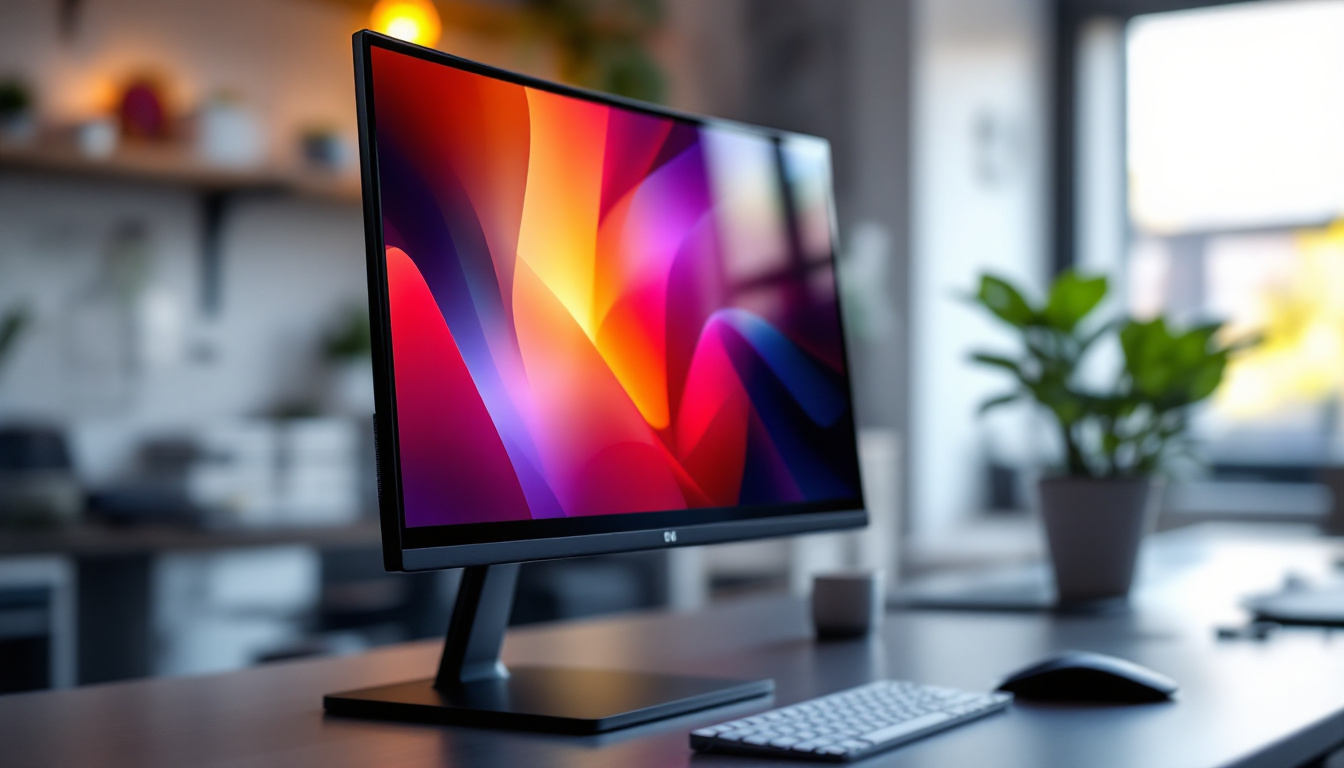
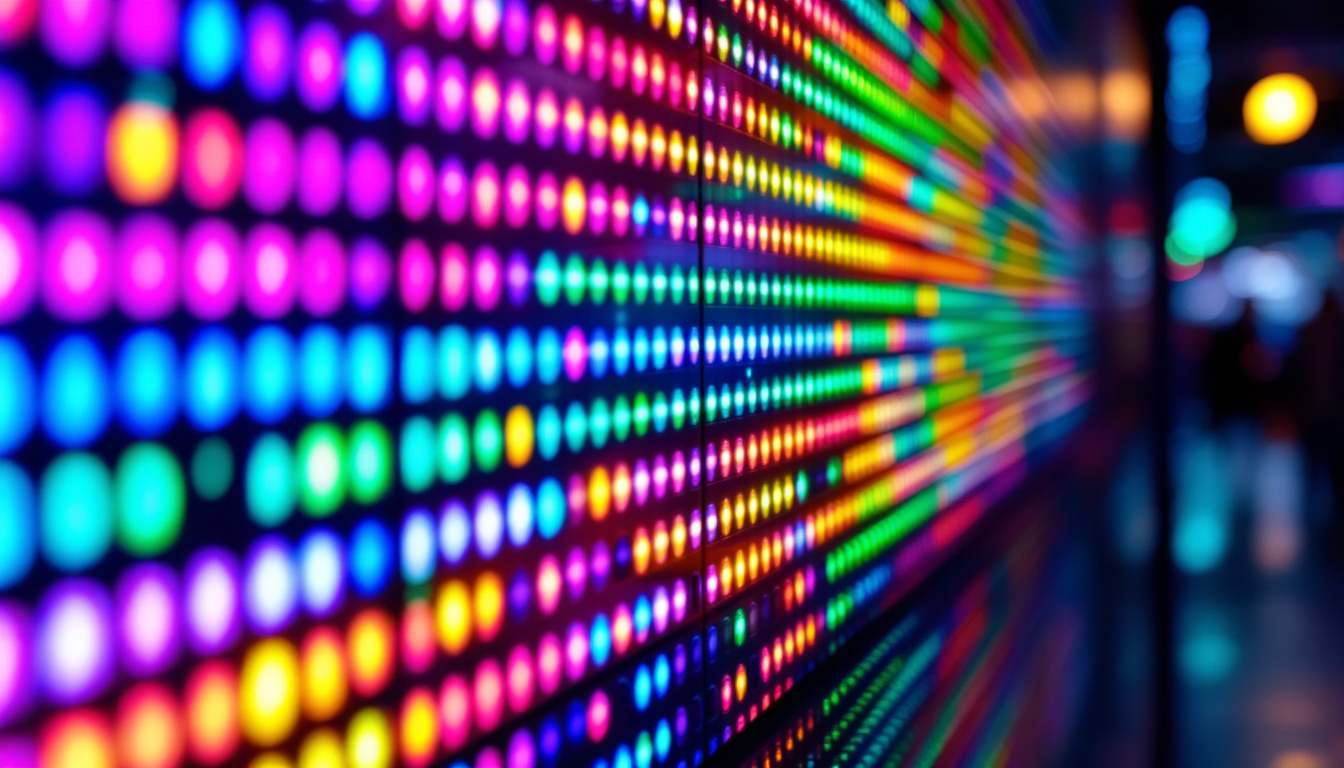
An LED (Light Emitting Diode) display is a flat panel that uses tiny light-emitting diodes as pixels to create images, videos, and text. Unlike traditional LCD or projection screens, LED displays generate their own light, allowing for superior brightness and contrast. These displays are composed of thousands to millions of individual LEDs arranged in a grid, each representing a pixel or part of a pixel.
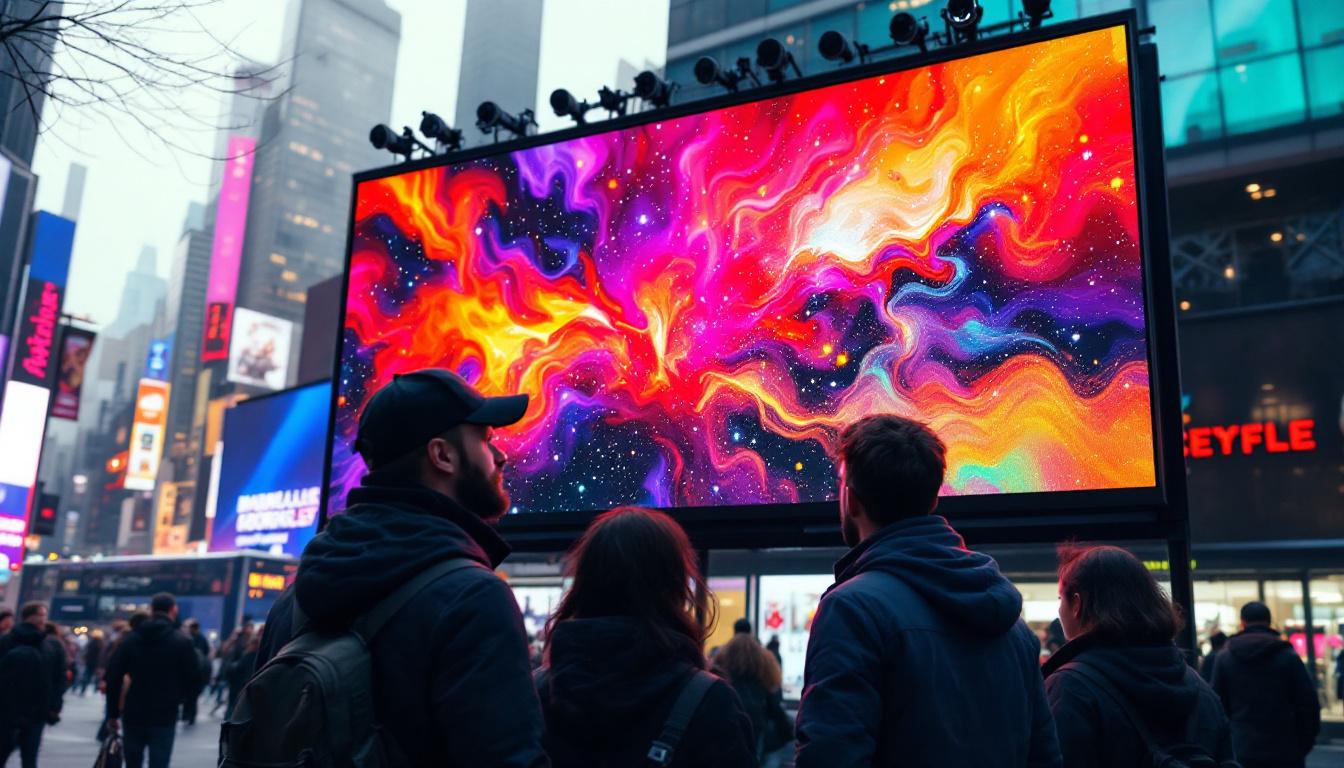
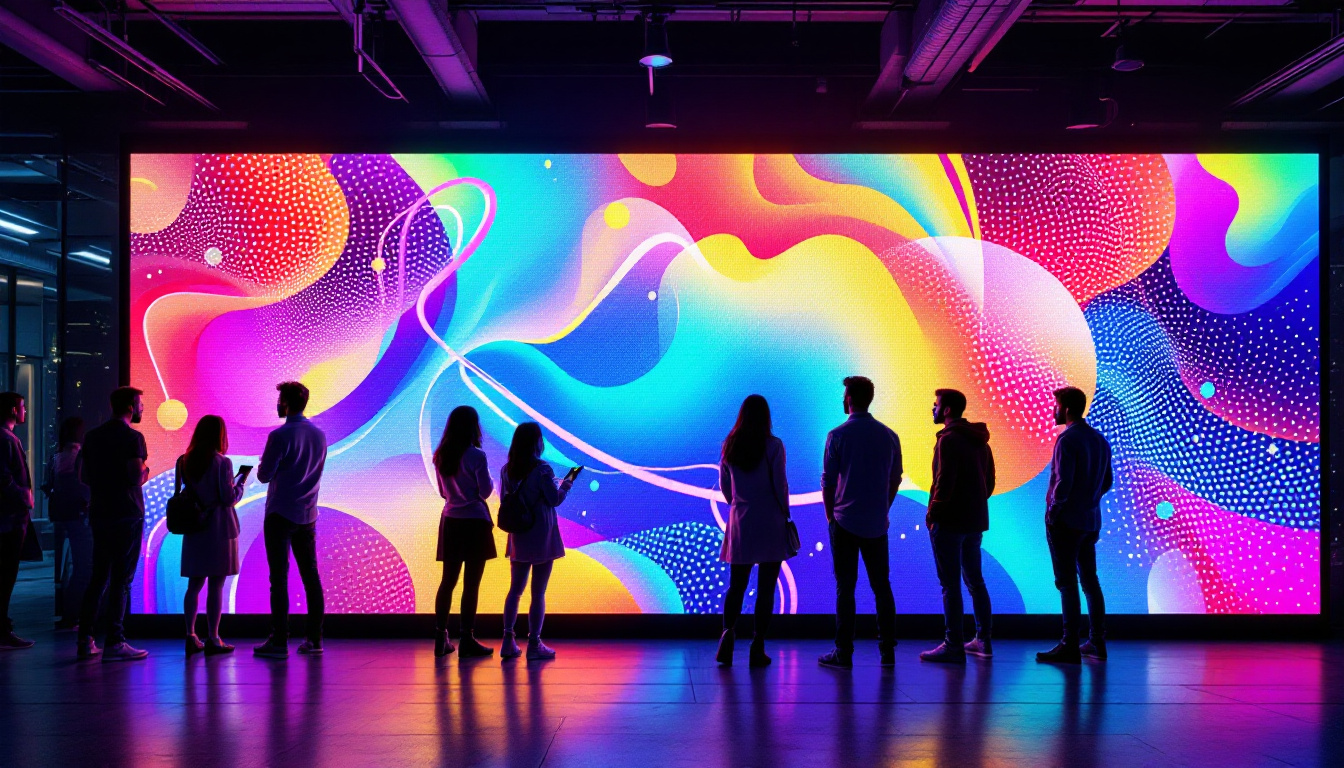
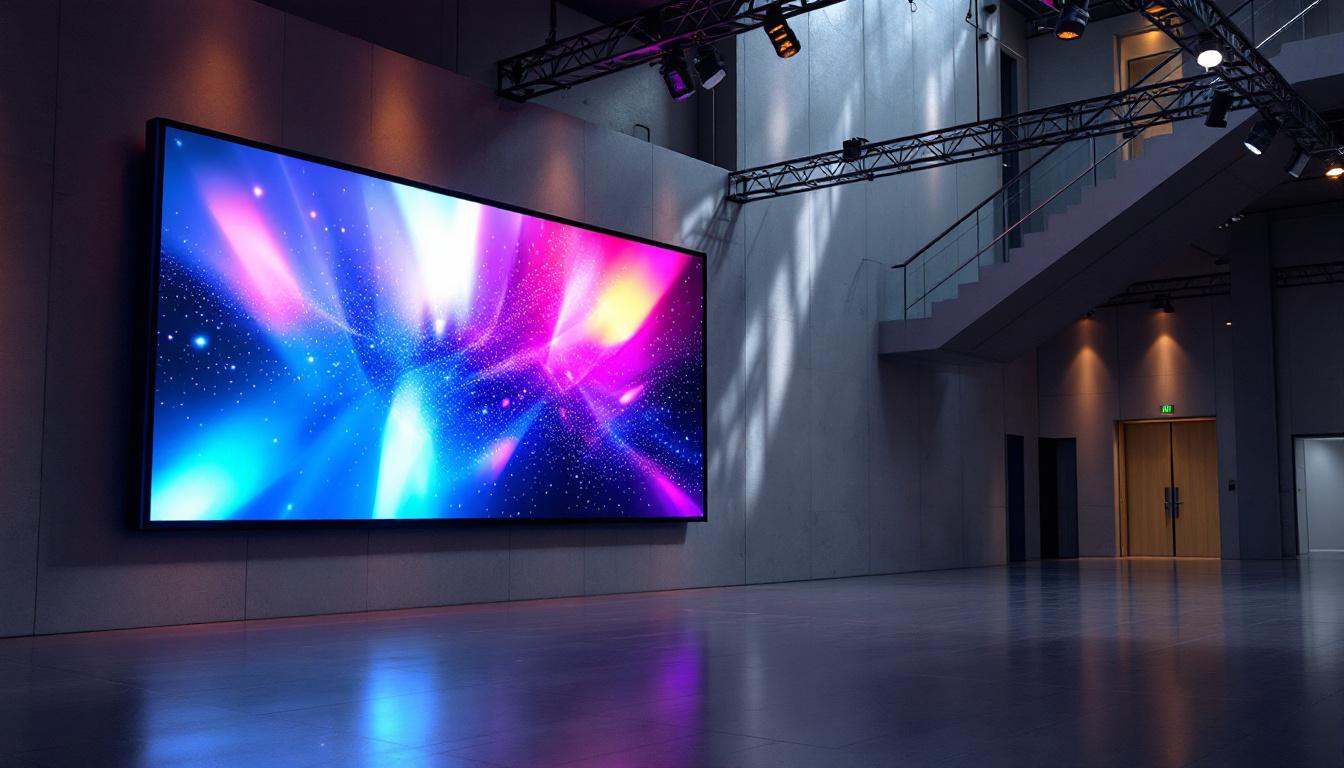
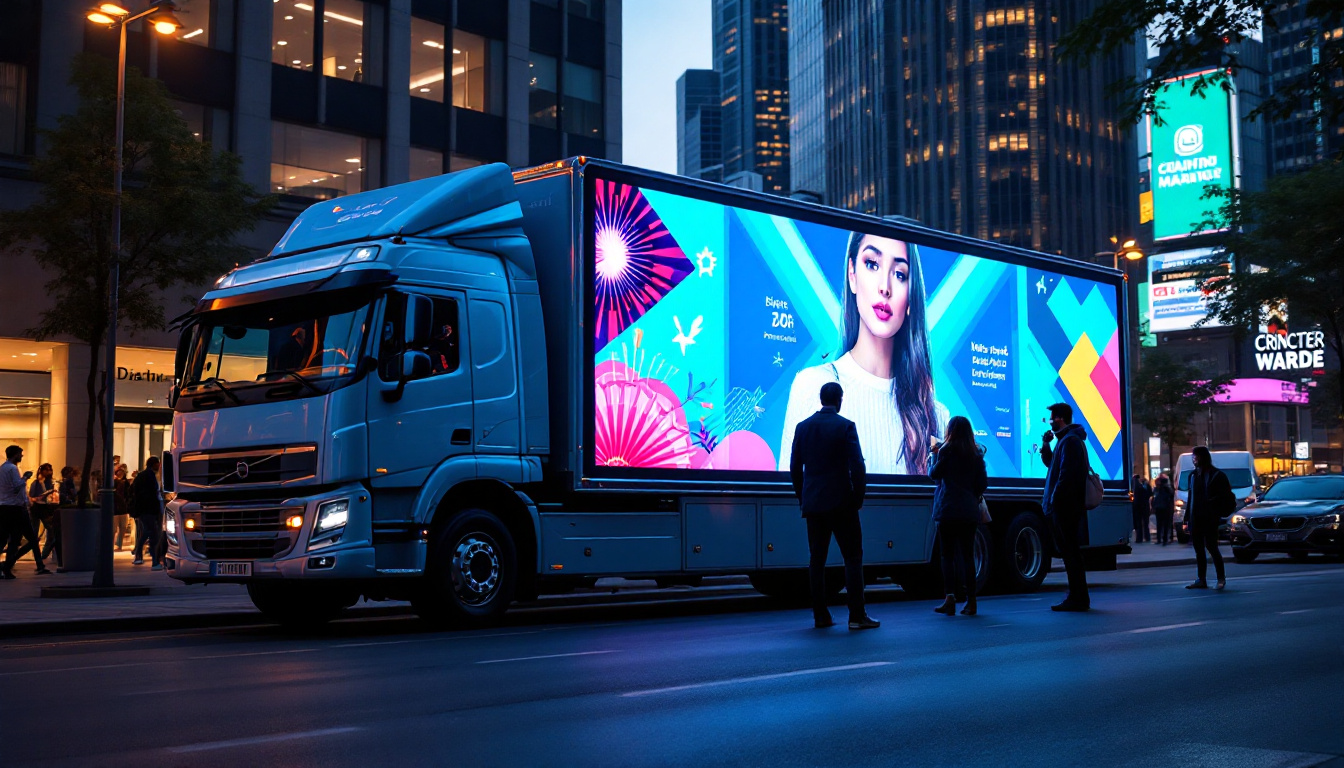
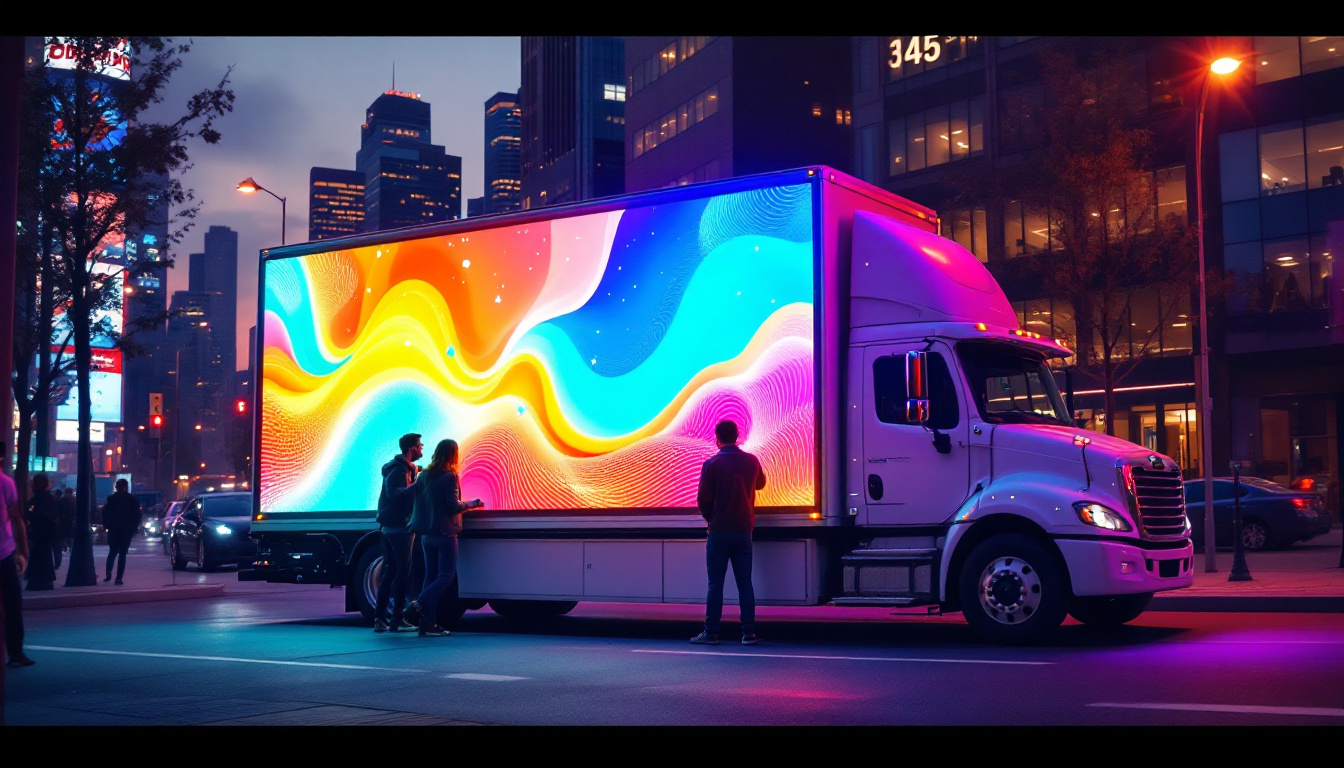
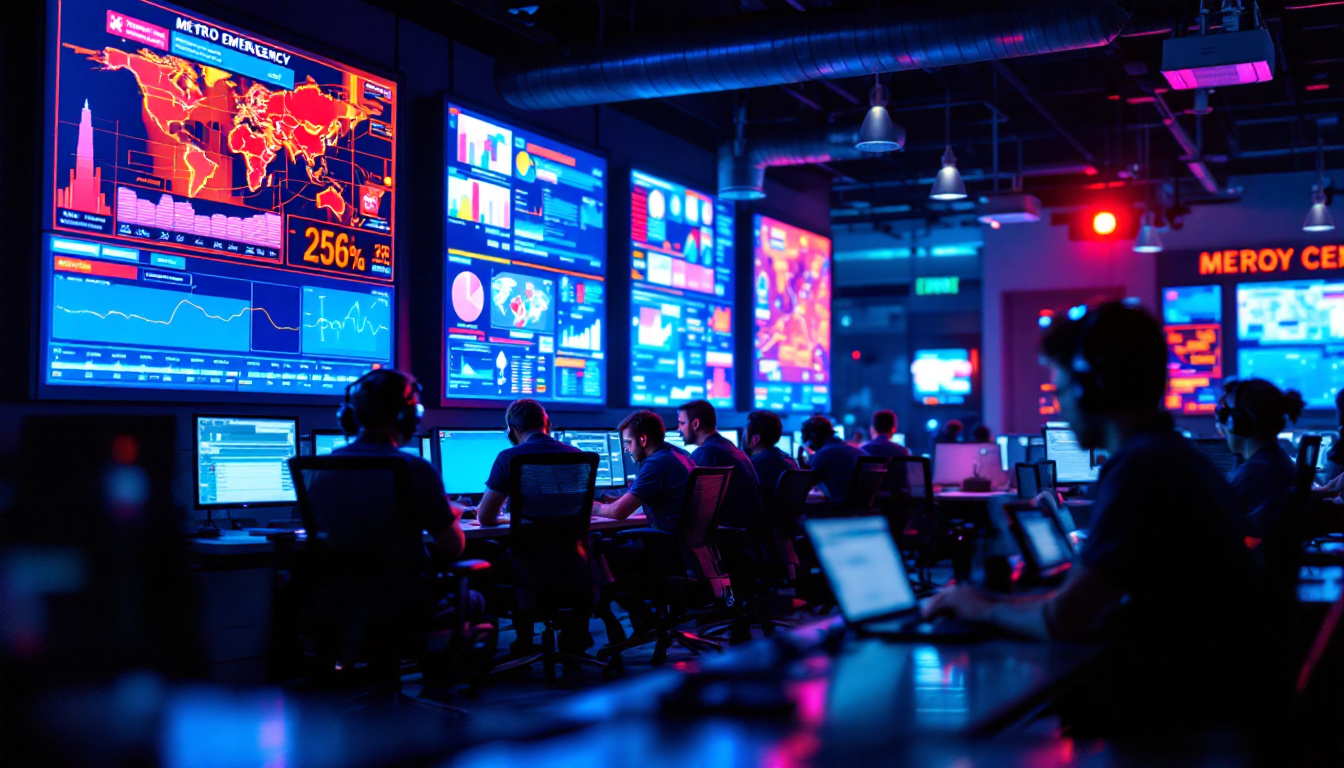
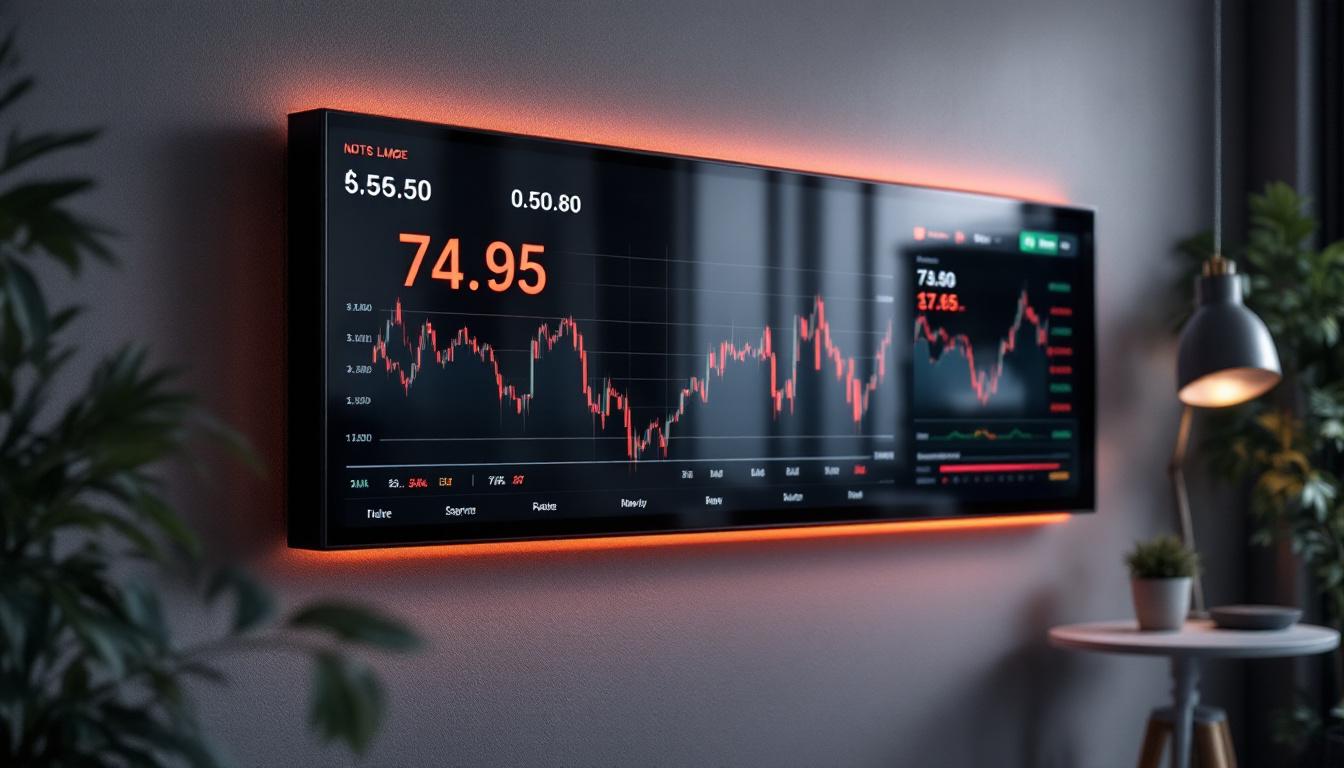
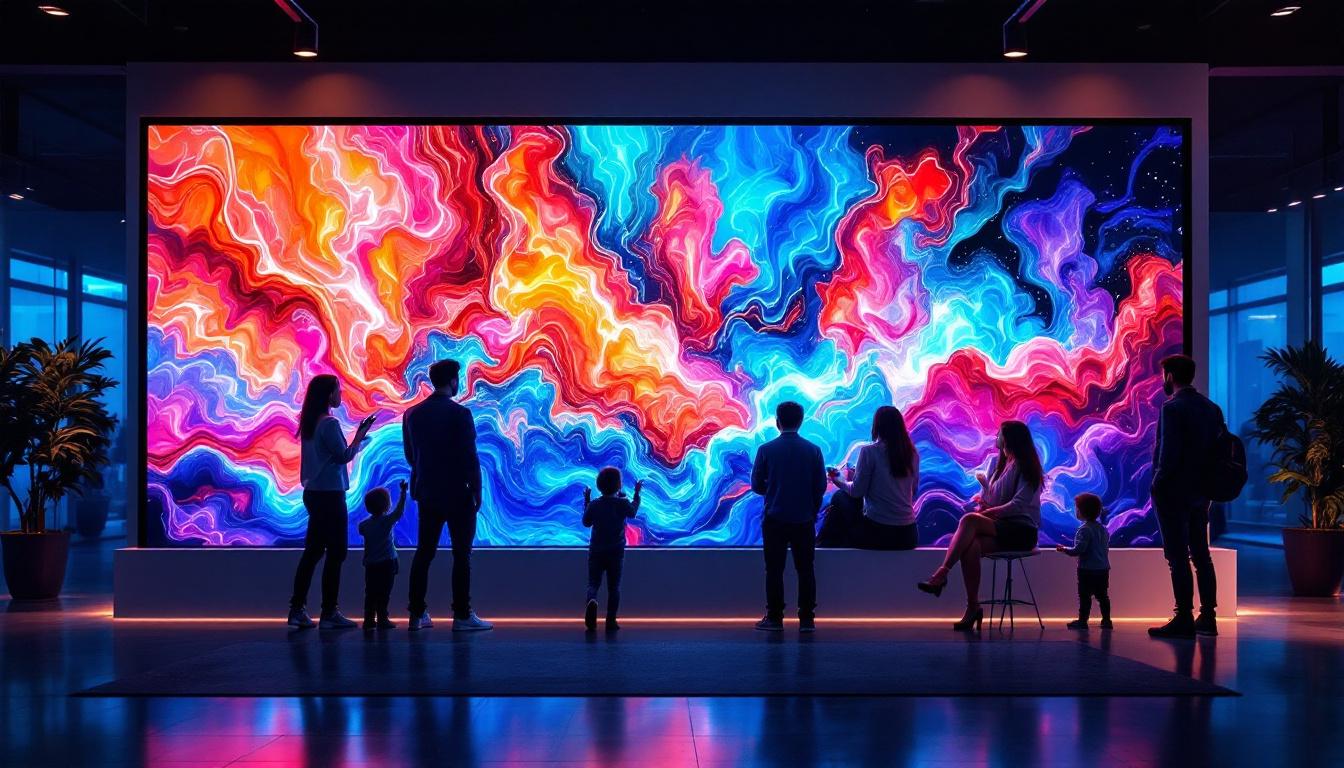
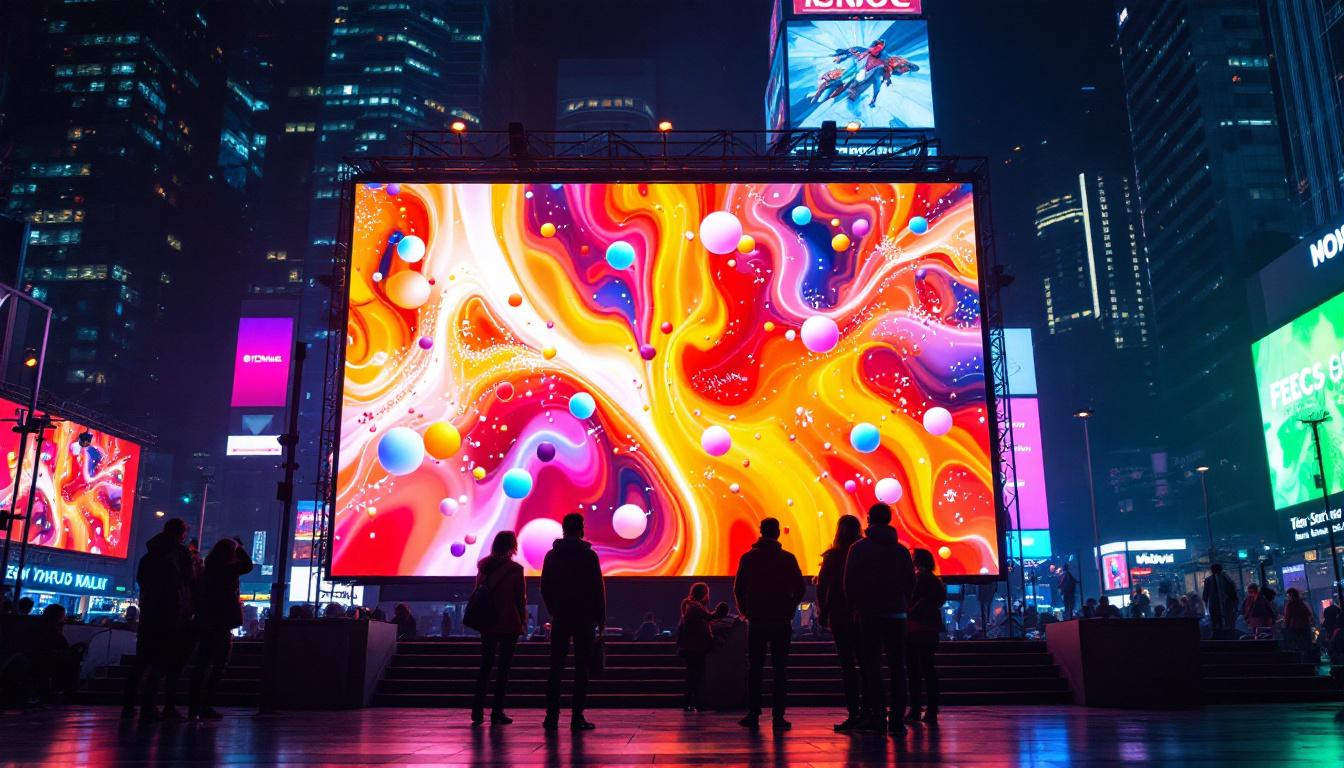
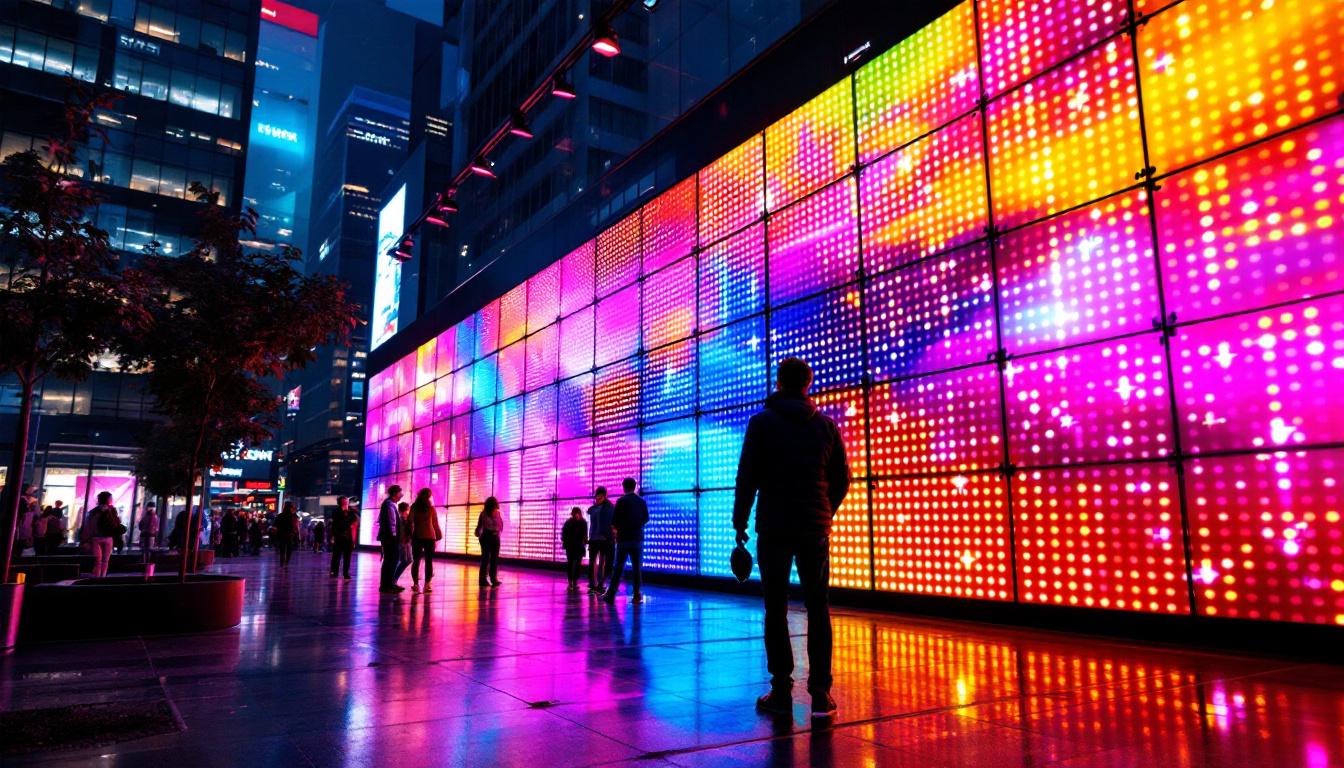
The term “lighted wall” often refers to large-scale LED installations that cover entire walls or façades, providing dynamic visual content that can be seen from great distances. These walls can range from indoor video walls in conference rooms to massive outdoor billboards and architectural lighting. The versatility of LED technology has made it a popular choice for advertising, entertainment, and information dissemination, as they can display anything from vibrant advertisements to real-time news updates.
Moreover, the ability to program these displays for specific events or promotions allows businesses to engage their audience in a more interactive manner. For instance, during major sporting events, LED displays can showcase live scores, player statistics, and even instant replays, enhancing the viewer experience significantly.
How Do LEDs Work?
LEDs are semiconductor devices that emit light when an electric current passes through them. The color of the light depends on the materials used in the semiconductor. In LED displays, red, green, and blue LEDs are combined in various intensities to produce a full spectrum of colors through a process called additive color mixing.
Each pixel in an LED display typically consists of three sub-pixels (red, green, and blue). By adjusting the brightness of each sub-pixel, the display can render millions of colors with high precision. This capability enables LED displays to showcase vivid images and smooth video playback. The rapid response time of LEDs also contributes to their effectiveness in displaying fast-moving content, making them ideal for applications such as live broadcasts and concerts.
Additionally, advancements in LED technology have led to the development of features such as HDR (High Dynamic Range) imaging, which enhances the contrast and color accuracy of the displayed content. This means that viewers can enjoy a more lifelike visual experience, with deeper blacks and brighter highlights that make images pop.
Types of LED Displays
LED displays come in several types, each suited to different environments and applications:
- Indoor LED Displays: Designed for controlled lighting environments, these displays have smaller pixel pitches (distance between LEDs) for higher resolution and closer viewing distances. They are often used in retail spaces, theaters, and corporate settings where image clarity is crucial.
- Outdoor LED Displays: Built to withstand weather conditions, these displays have higher brightness levels to combat sunlight and larger pixel pitches for visibility from afar. They are commonly found in stadiums, public squares, and along highways, where they can capture the attention of passersby.
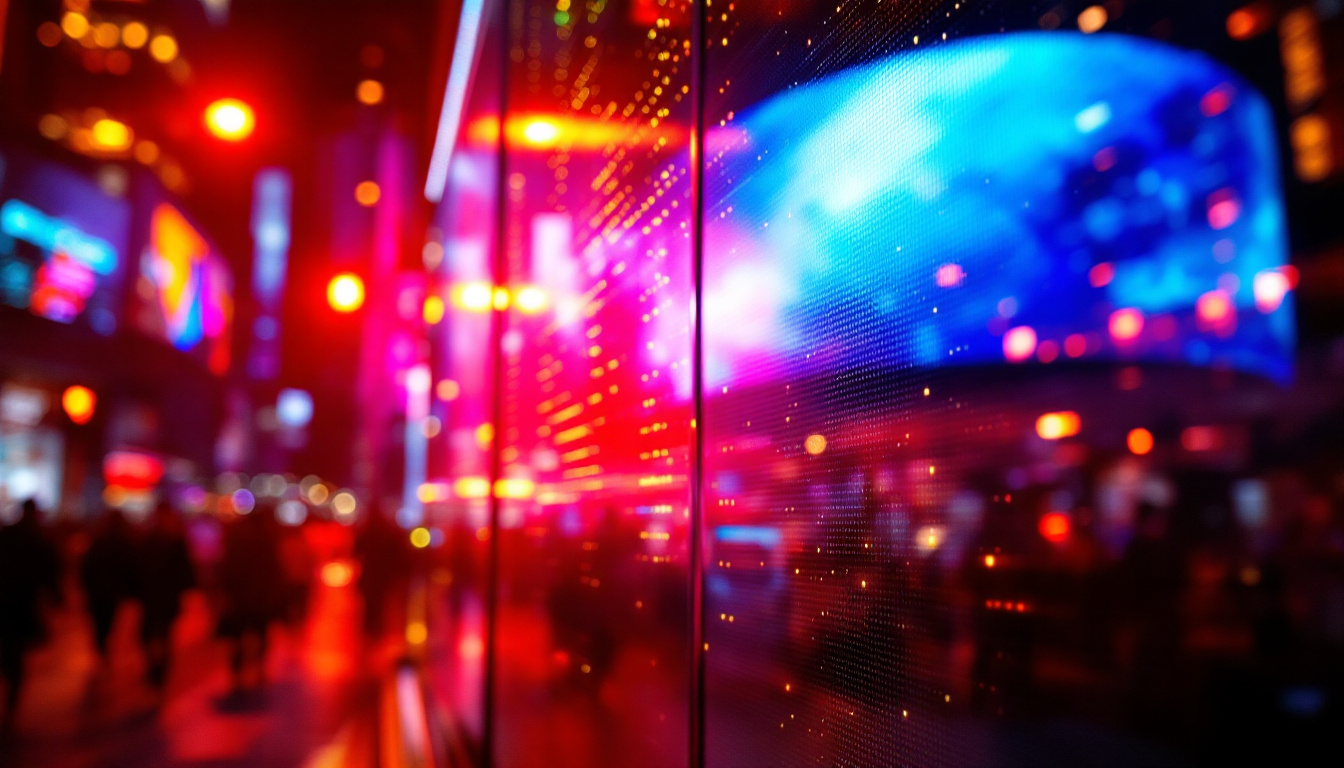
- Transparent LED Displays: These allow light to pass through, making them ideal for storefront windows or architectural installations where visibility through the display is desired. They create a striking visual effect while maintaining the ability to see the surroundings, making them a favorite in modern retail design.
- Flexible and Curved LED Displays: Utilizing flexible circuit boards, these displays can be bent or curved to fit unique surfaces, expanding creative possibilities. This adaptability enables designers to create immersive environments, such as curved screens in museums or interactive installations in theme parks.
In addition to these types, there are also specialized LED displays such as high-definition (HD) and ultra-high-definition (UHD) screens, which provide even greater clarity and detail. These displays are particularly popular in high-end commercial applications, where visual fidelity is paramount. As technology continues to evolve, we can expect to see even more innovative uses of LED displays across various sectors, further enhancing the way we communicate and experience visual content.
Applications of Lighted Walls and LED Displays
Advertising and Digital Signage
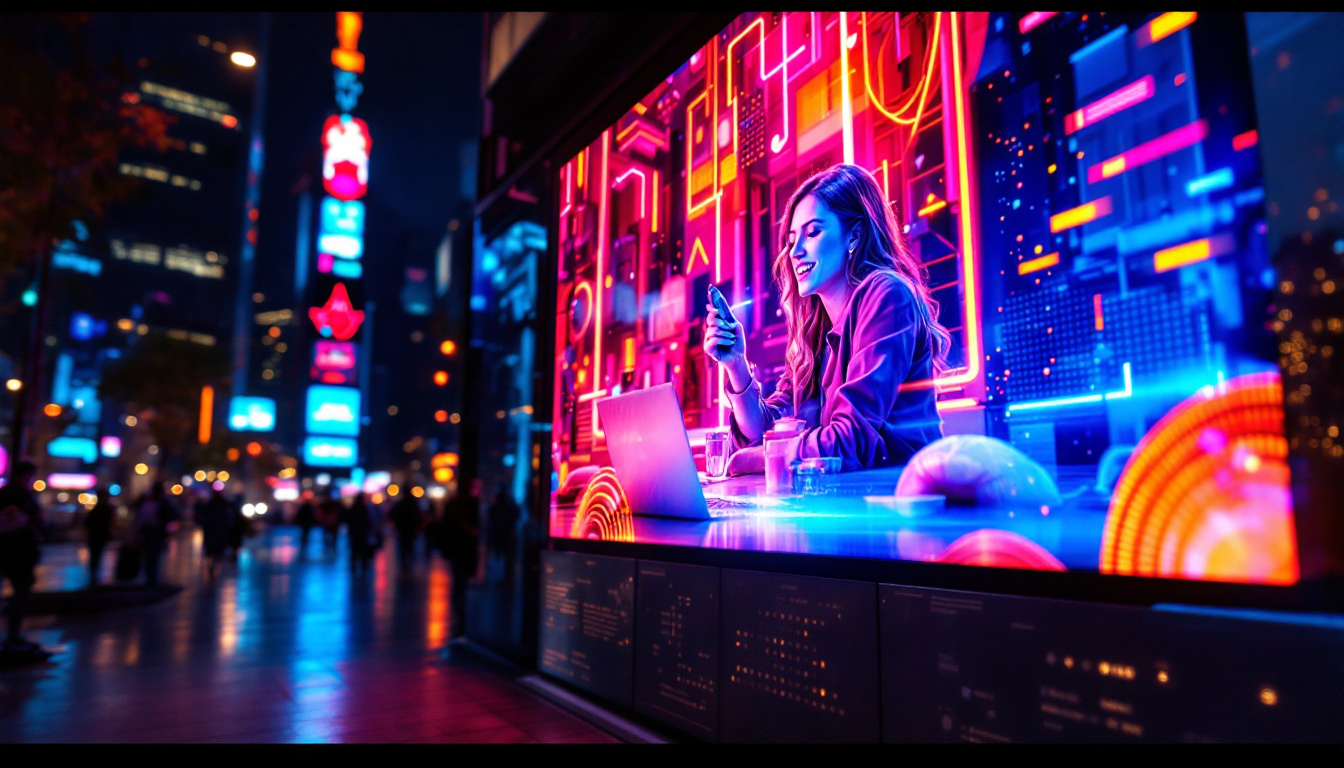
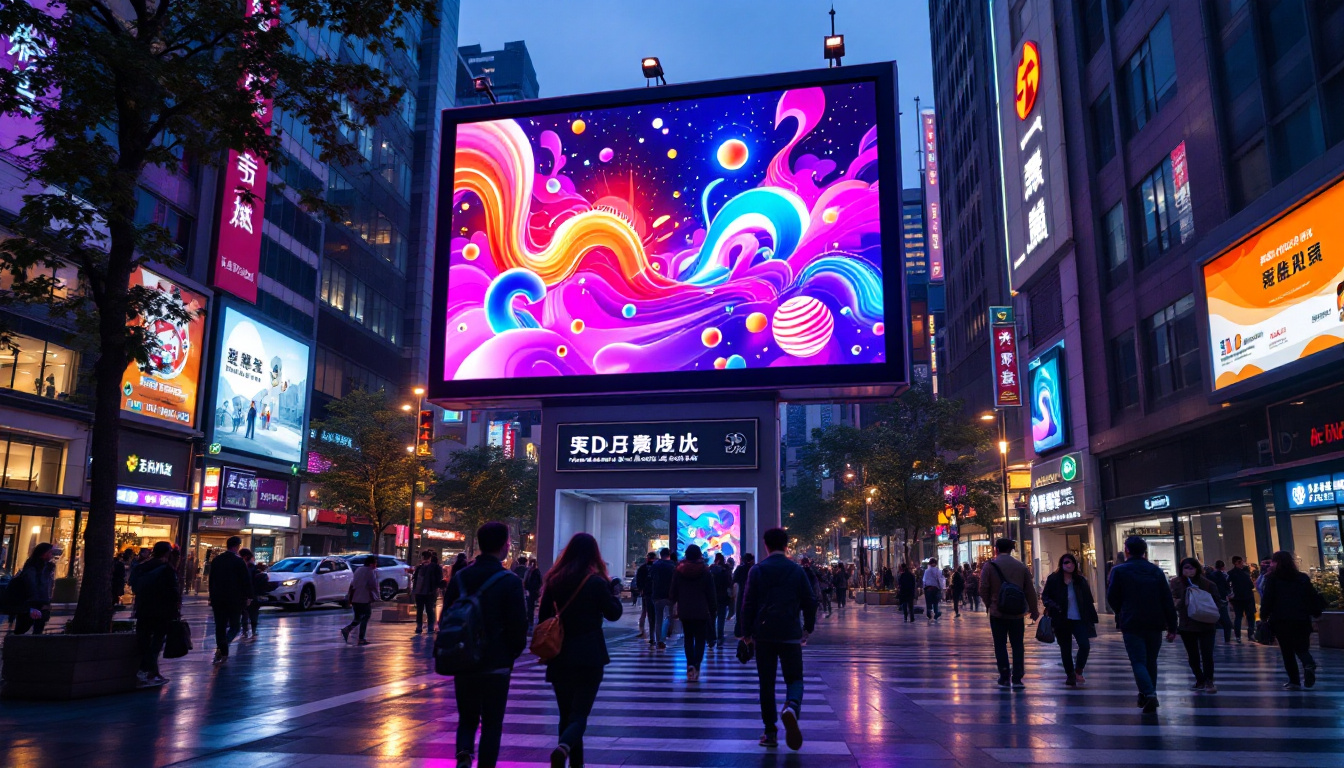
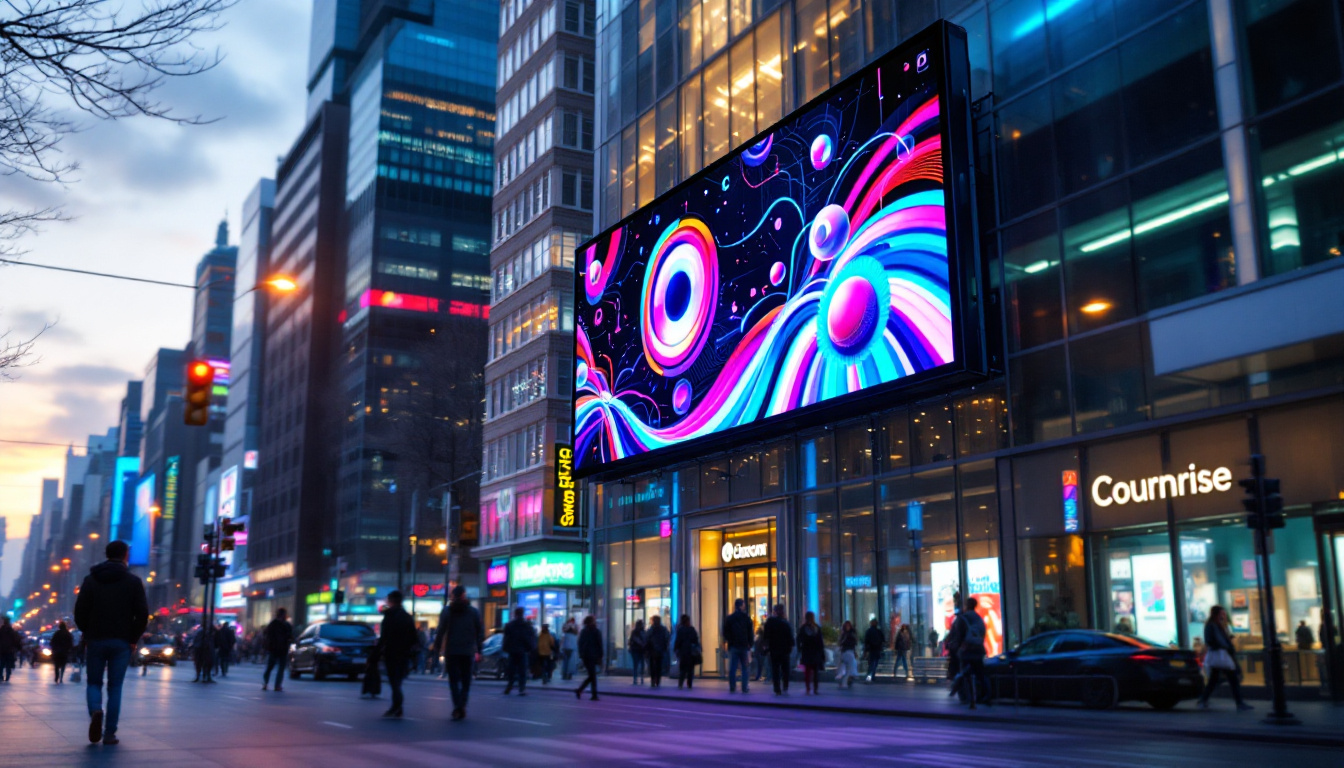
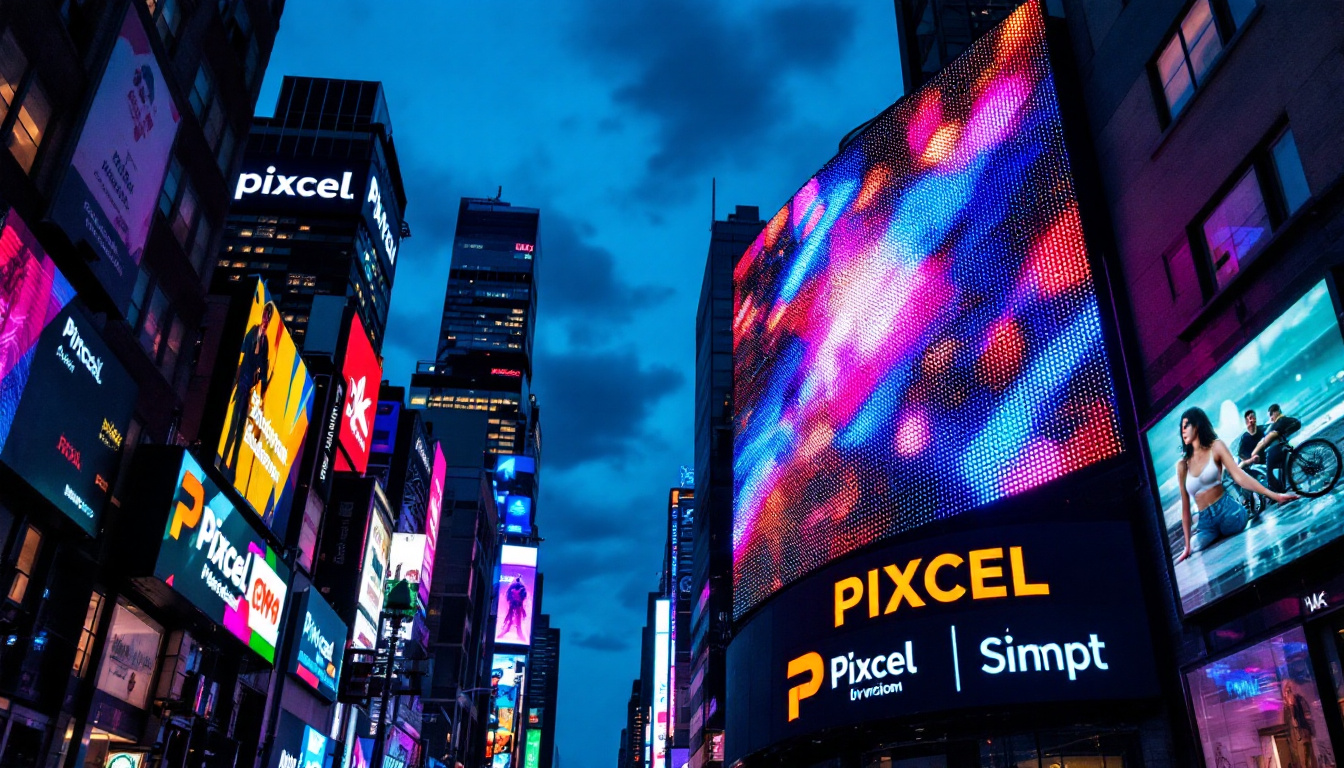
One of the most prevalent uses of LED displays is in advertising. Digital billboards and signage leverage the brightness and dynamic capabilities of LED walls to capture attention in busy urban environments. According to recent market research, the global digital signage market is expected to reach over $30 billion by 2027, with LED technology accounting for a significant share due to its scalability and impact.
LED lighted walls enable advertisers to display high-resolution videos, animations, and real-time content like social media feeds or weather updates. This flexibility allows brands to engage audiences more effectively than static signage.
Entertainment and Events
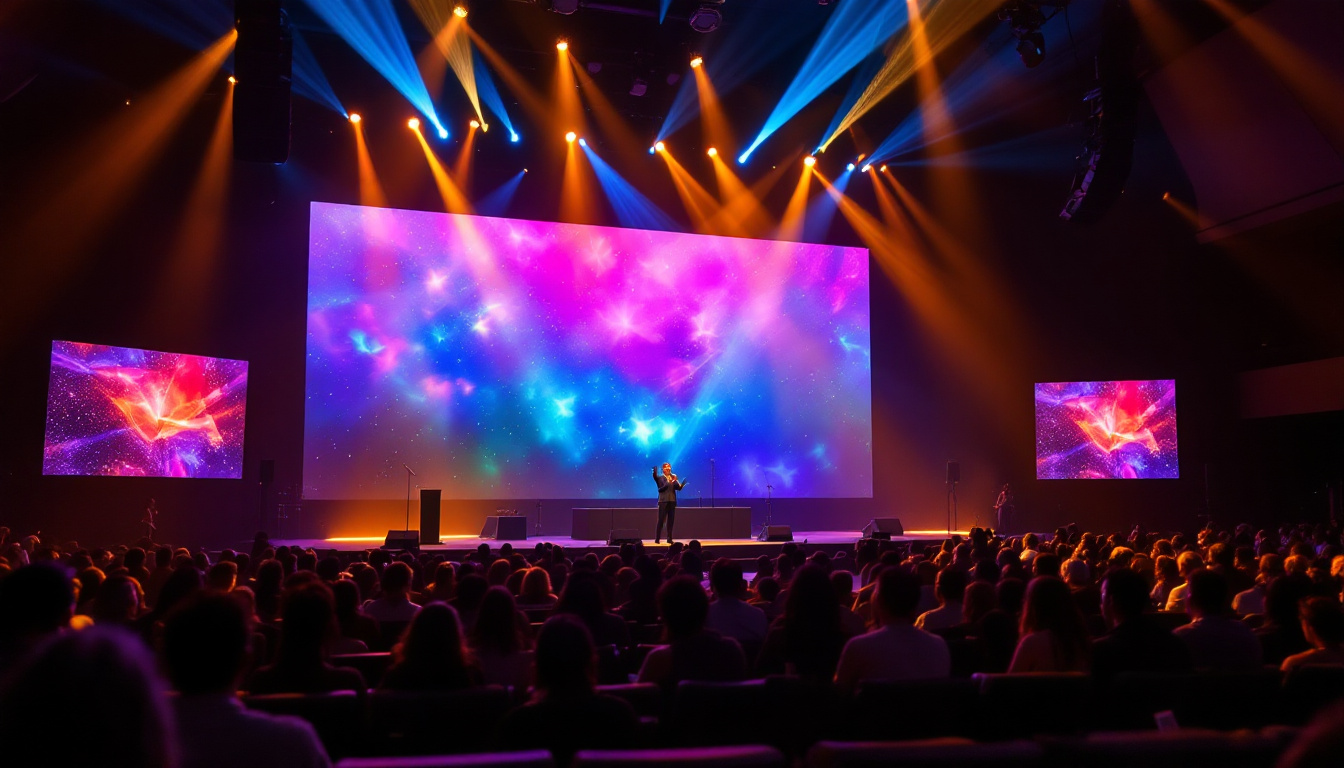
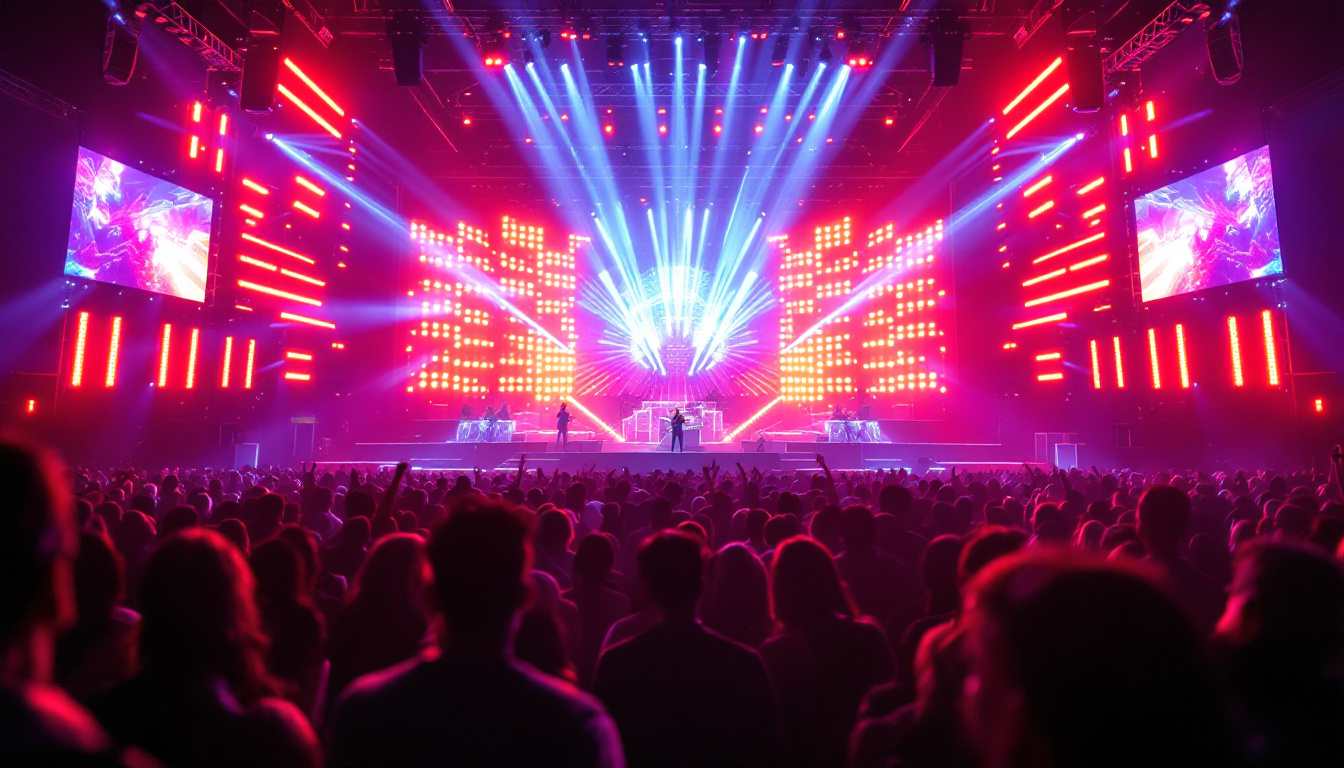
Concerts, sports arenas, theaters, and festivals frequently use LED walls as backdrops or scoreboards. The ability to display vibrant visuals in large formats enhances the audience experience and provides versatile stage design options. For example, the 2022 FIFA World Cup stadiums incorporated massive LED screens to display live footage, replays, and interactive graphics, elevating the event’s visual appeal.
Corporate and Retail Environments
In corporate settings, LED walls are often used for presentations, video conferencing, and branding within lobbies or meeting rooms. Retailers utilize LED displays to showcase promotions, product launches, and immersive brand experiences that attract shoppers and increase dwell time.
These displays also support interactive features, such as touch capabilities or integration with mobile devices, enabling personalized customer engagement.
Architectural and Public Installations
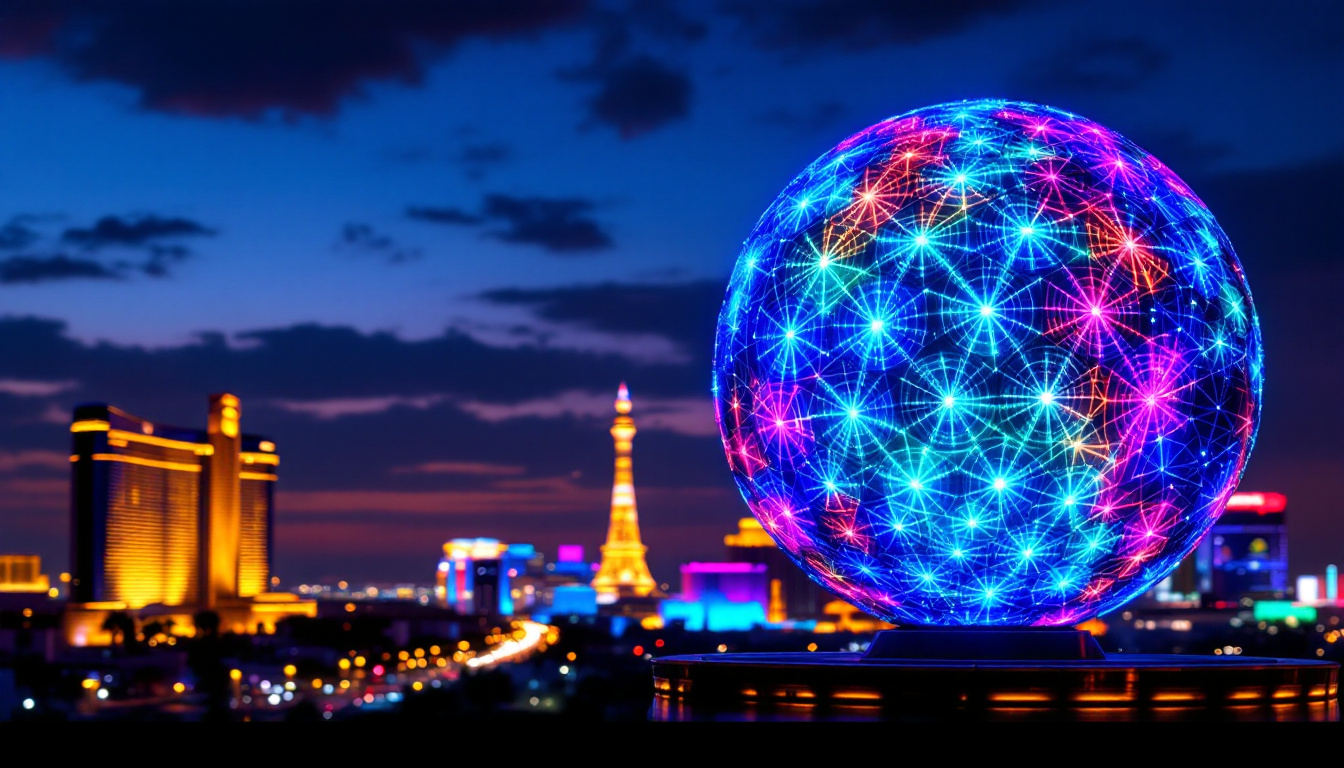
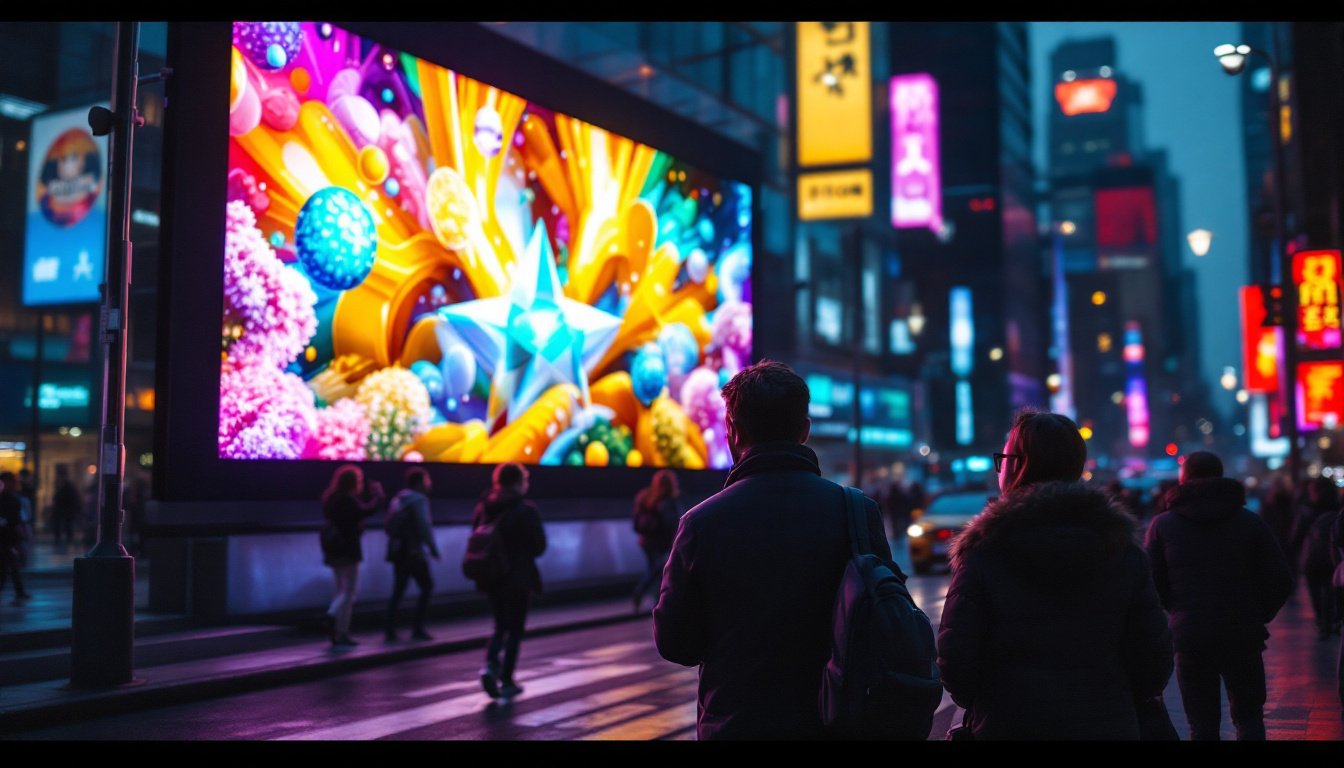
Architects and designers integrate LED walls into building façades and public spaces to create dynamic lighting effects and digital art. Iconic examples include Times Square in New York City and the Burj Khalifa in Dubai, where LED technology transforms structures into vibrant canvases.
Such installations not only enhance aesthetics but can also serve practical purposes like displaying public information, emergency alerts, or cultural content.
Key Benefits of LED Lighted Walls
Exceptional Brightness and Visibility
LED displays are renowned for their brightness, often exceeding 1,000 nits for indoor models and reaching over 5,000 nits for outdoor screens. This high luminance ensures content remains visible even under direct sunlight or in brightly lit environments, a critical advantage over other display technologies.
Energy Efficiency and Longevity
Compared to older technologies like neon or incandescent lighting, LEDs consume significantly less power while delivering superior brightness. Modern LED displays can operate continuously for tens of thousands of hours with minimal degradation, reducing maintenance and replacement costs.
Flexibility and Scalability
LED walls can be custom-built to virtually any size or shape, from small video walls to entire building façades. Their modular design allows for easy expansion or reconfiguration, accommodating evolving needs without complete replacement.
High Resolution and Image Quality
Advancements in LED technology have led to smaller pixel pitches, enabling ultra-high-definition displays that rival traditional screens. This improvement allows for crisp images, smooth motion, and accurate color reproduction, enhancing viewer engagement.
Durability and Weather Resistance
Outdoor LED displays are engineered to withstand harsh weather conditions, including rain, dust, and extreme temperatures. Their robust construction ensures reliable performance in diverse environments, making them ideal for long-term installations.
Considerations When Choosing an LED Display
Pixel Pitch and Viewing Distance
Pixel pitch is a critical factor that determines the resolution and clarity of an LED display. It refers to the distance between the centers of two adjacent pixels, measured in millimeters. Smaller pixel pitches provide higher resolution and are suitable for close viewing distances, such as indoor conference rooms or retail spaces.
Conversely, larger pixel pitches are acceptable for outdoor displays viewed from greater distances, where ultra-fine detail is less critical. Selecting the appropriate pixel pitch ensures optimal image quality and cost-effectiveness.
Brightness Requirements
The intended environment influences the required brightness level. Indoor displays typically require 600 to 1,200 nits, while outdoor displays may need 5,000 nits or more to remain visible in direct sunlight. Over-bright displays in dim environments can cause discomfort, so balancing brightness with ambient conditions is essential.
Installation and Maintenance
LED walls can be complex to install, especially large-scale outdoor units. Factors such as mounting structures, electrical requirements, ventilation, and accessibility for maintenance must be considered. Many manufacturers offer service agreements and modular designs to simplify upkeep and reduce downtime.
Content Management and Control Systems
Effective content delivery is crucial for maximizing the impact of LED displays. Modern systems support real-time updates, remote management, and integration with various media sources. Choosing compatible software and hardware ensures seamless operation and flexibility in content scheduling.
Cost and Return on Investment
While LED displays can involve significant upfront costs, their longevity, energy savings, and advertising effectiveness often justify the investment. Organizations should evaluate total cost of ownership, including installation, maintenance, and content creation, against the anticipated benefits.
Future Trends in LED Display Technology
MicroLED and MiniLED Innovations
Emerging technologies like MicroLED and MiniLED promise even higher resolution, improved color accuracy, and greater energy efficiency. MicroLED, in particular, uses microscopic LEDs to create displays with exceptional brightness and contrast, potentially revolutionizing consumer electronics and large-scale signage alike.
Interactive and Smart Displays
Integration of touch sensors, artificial intelligence, and augmented reality is making LED walls more interactive and personalized. These smart displays can adapt content based on audience demographics, environmental conditions, or user input, enhancing engagement and functionality.
Sustainability and Eco-Friendly Designs
Manufacturers are increasingly focusing on reducing the environmental impact of LED displays through recyclable materials, lower energy consumption, and longer lifespans. Sustainable design practices align with corporate social responsibility goals and regulatory requirements.
Conclusion
Lighted walls created with LED display technology have become indispensable tools for communication, advertising, entertainment, and architectural design. Their ability to deliver bright, vivid, and dynamic content in various environments makes them a versatile choice for businesses and public spaces alike.
Understanding the technology behind LED displays, their applications, benefits, and selection criteria empowers decision-makers to choose solutions that maximize visual impact and return on investment. As LED technology continues to evolve, it promises even greater possibilities for immersive and interactive digital experiences.
Whether illuminating a city skyline or enhancing a retail storefront, LED lighted walls are shaping the future of visual communication with brilliance and innovation.
Illuminate Your Space with LumenMatrix
Ready to transform your environment with the brilliance of LED lighted walls? LumenMatrix is at the forefront of LED display innovation, offering a diverse range of solutions that cater to your unique needs. From dazzling indoor and outdoor displays to specialized vehicle and sports LED solutions, our products are designed to make your brand shine and engage your audience like never before. Experience the future of visual communication with our cutting-edge technology. Check out LumenMatrix LED Display Solutions today and light up your world with creativity and impact.