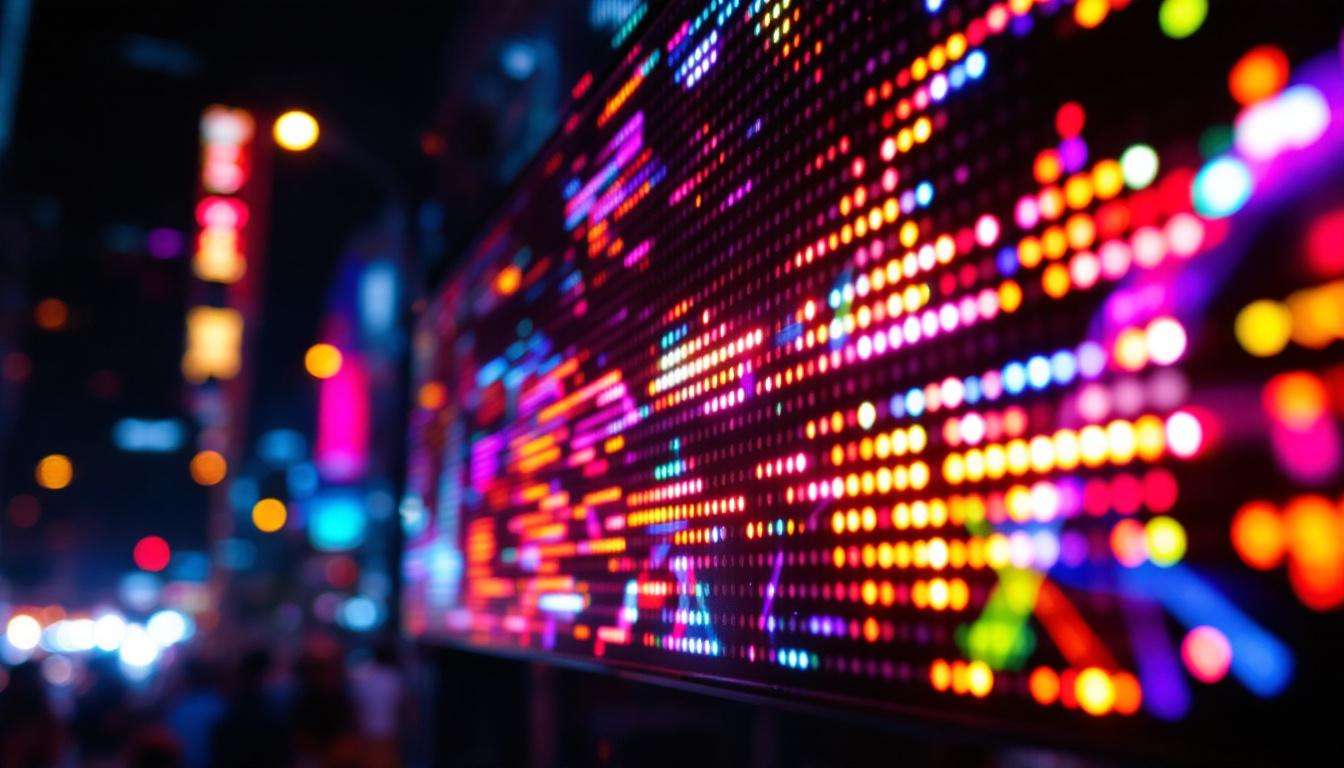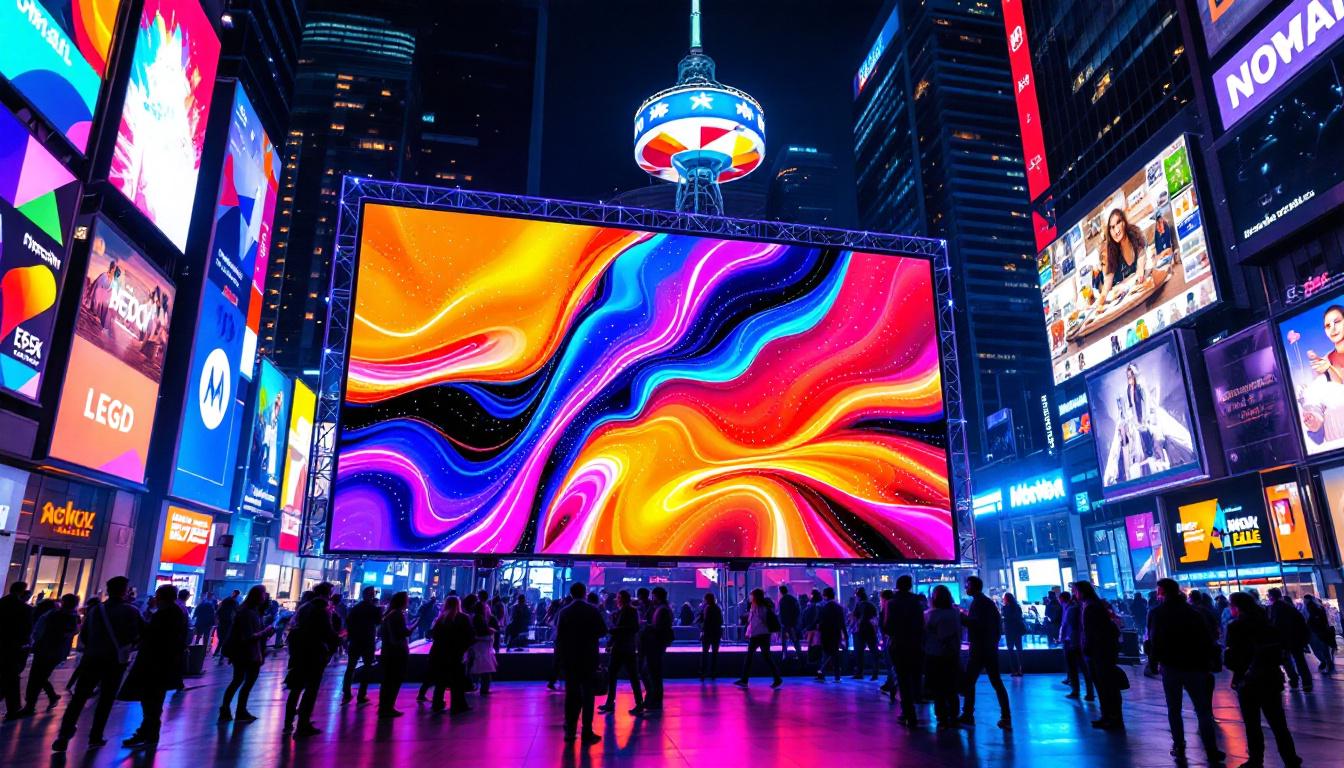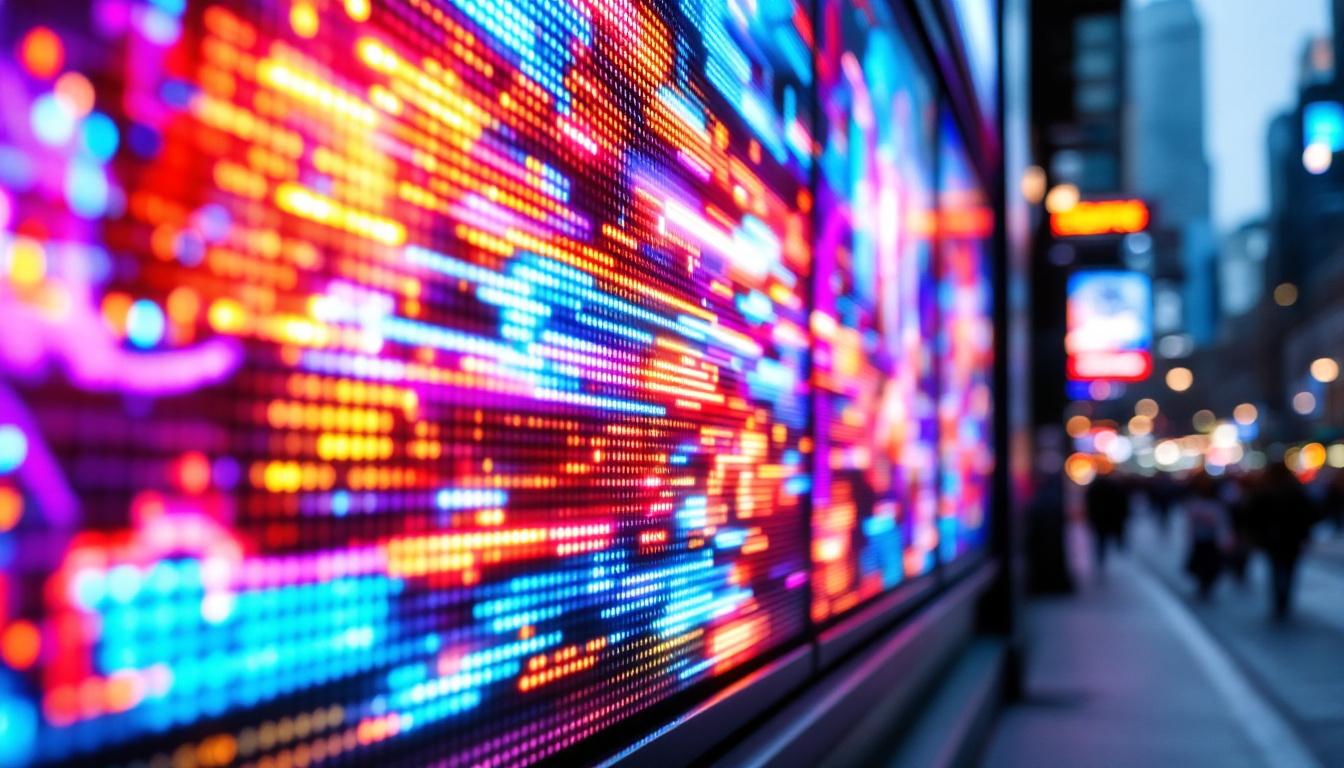
In an era dominated by digital communication, LED displays have become an essential medium for advertising, information dissemination, and entertainment. Whether it’s the vibrant billboards in Times Square, dynamic scoreboards in stadiums, or the sleek digital signage in retail stores, LED displays captivate audiences with their brightness, clarity, and versatility. But what exactly goes into creating the images that light up these displays? This article delves into the fundamentals of LED displays, how images are crafted for them, and the technology driving their stunning visual impact.
Understanding LED Display Technology
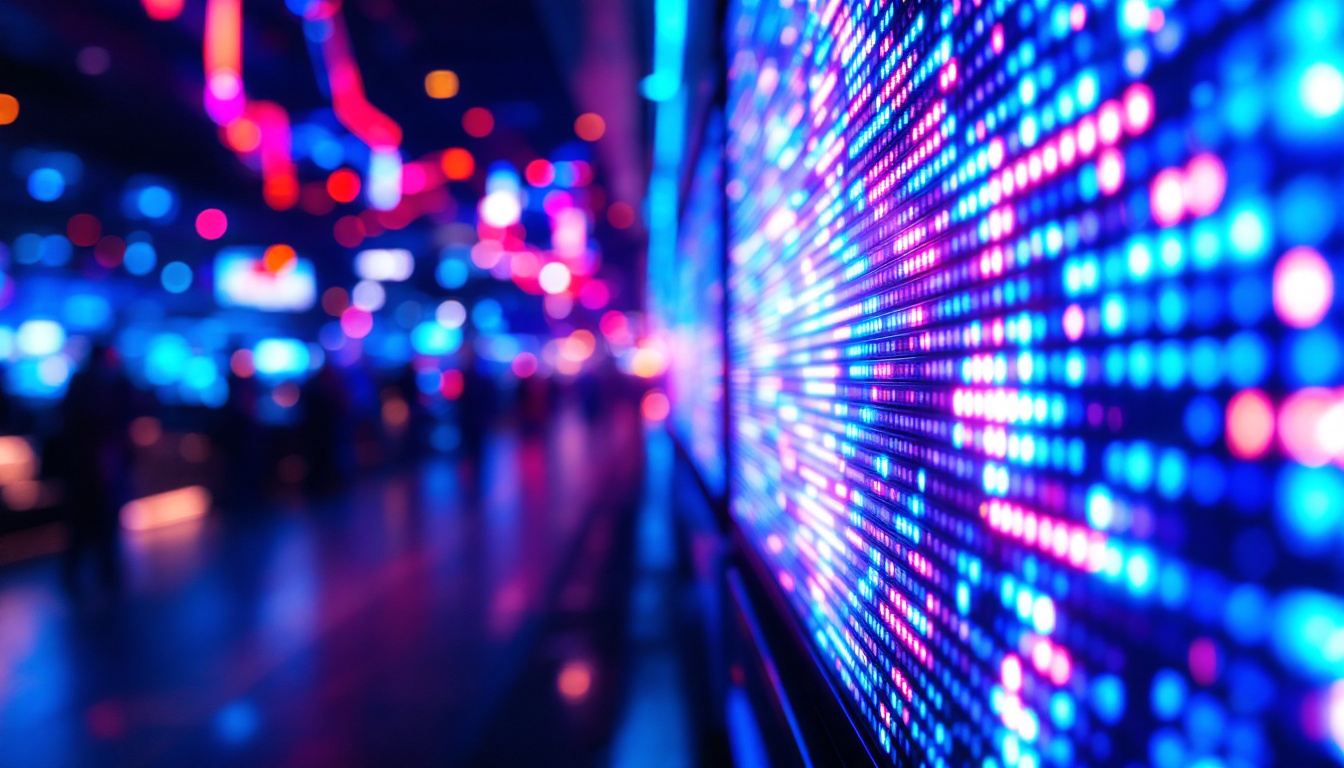
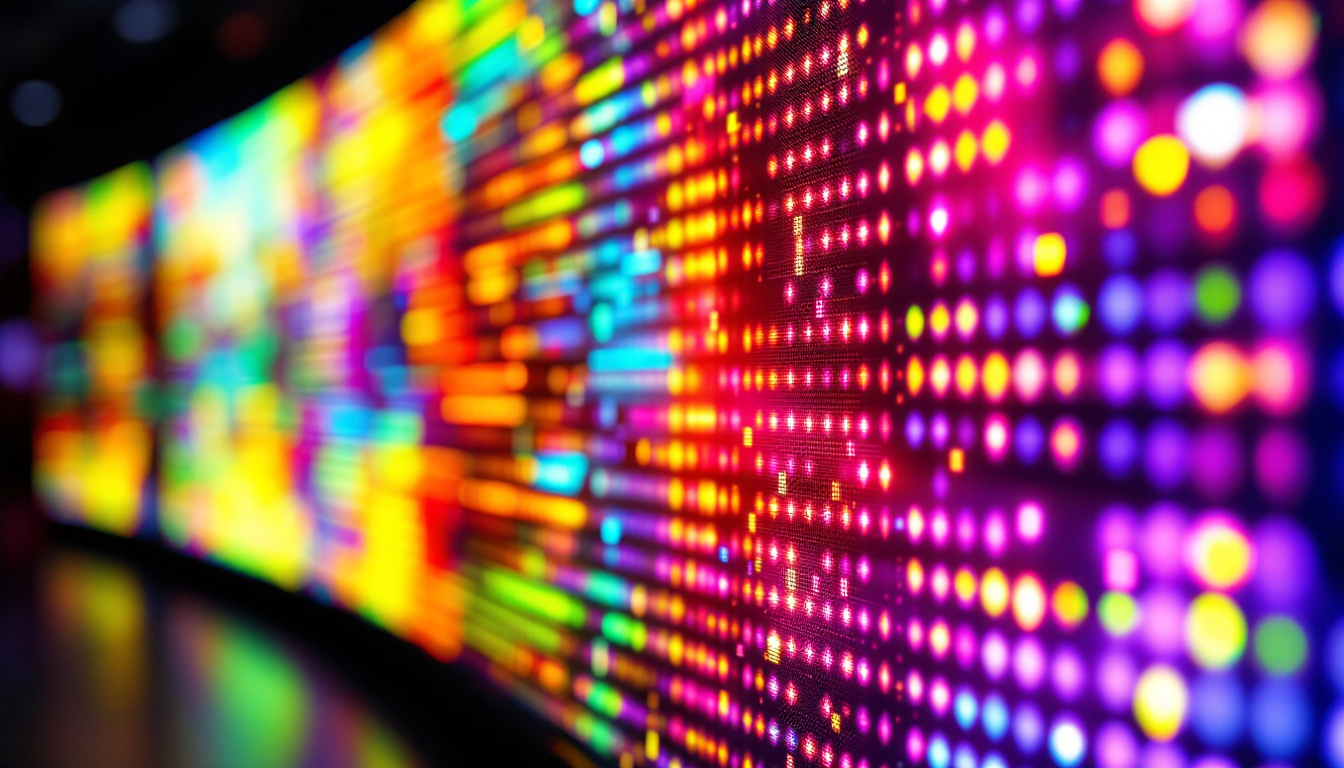
LED, or Light Emitting Diode, displays are composed of numerous tiny light sources that emit light when an electrical current passes through them. These diodes are arranged in a matrix to form pixels, the smallest units of an image. By controlling the intensity and color of each pixel, LED displays can produce a wide range of images and videos with remarkable brightness and contrast. This technology has revolutionized the way we experience visual media, allowing for vibrant colors and dynamic content that can capture the attention of audiences in various settings.
Types of LED Displays
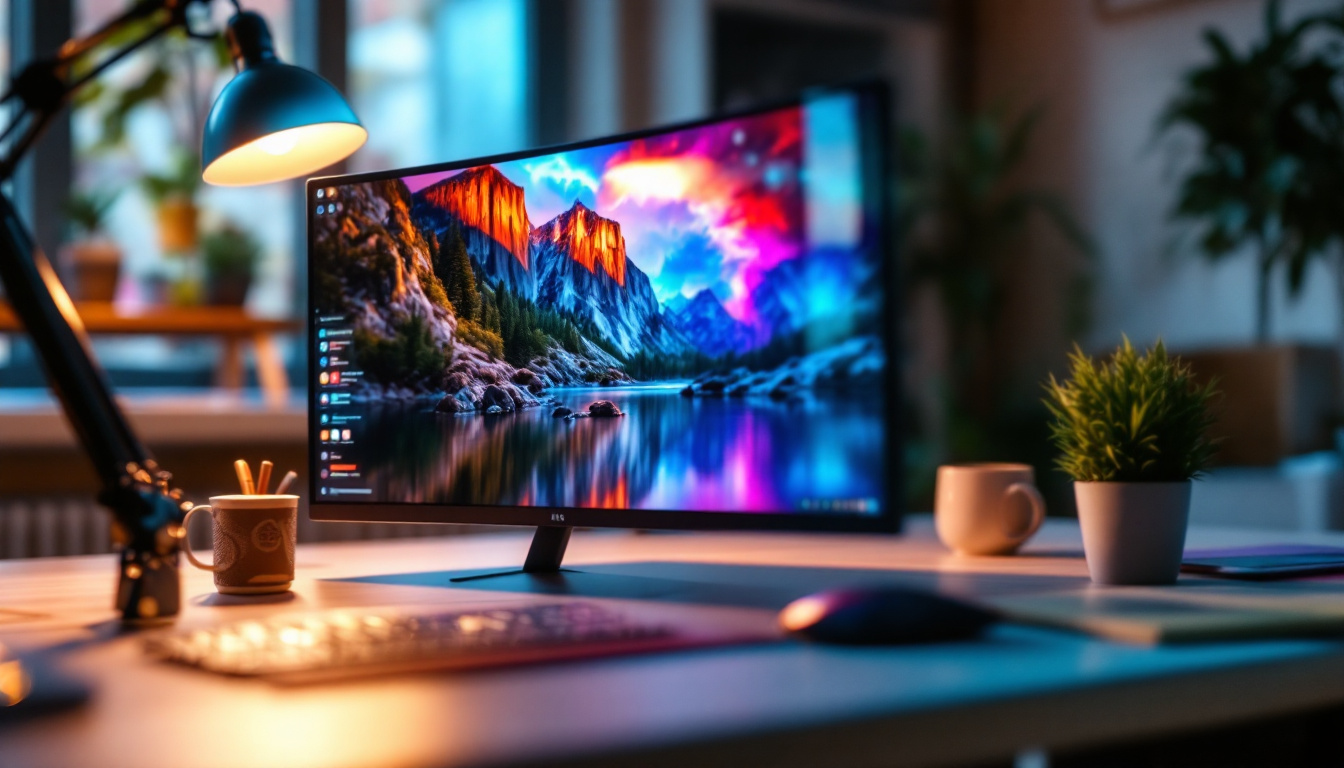
There are primarily two types of LED displays: direct view LED displays and LED-backlit LCD displays. Direct view LED displays use individual LEDs as pixels, making them ideal for large outdoor screens due to their high brightness and durability. On the other hand, LED-backlit LCD displays use LEDs as a backlight behind an LCD panel, commonly found in televisions and computer monitors. The versatility of LED technology means that it can be adapted for various applications, from advertising to entertainment, enhancing the viewer’s experience across different platforms.
For large-scale advertising and public information systems, direct view LED displays are the preferred choice. Their modular design allows for flexible sizing and shapes, making them suitable for everything from massive stadium screens to curved architectural installations. Additionally, the ability to create seamless video walls with these displays offers a unique opportunity for immersive experiences, drawing in audiences with captivating visuals that can be tailored to specific themes or events.
Pixel Pitch and Resolution
One of the critical factors in LED display quality is the pixel pitch, which is the distance between the centers of two adjacent pixels. A smaller pixel pitch means more pixels per unit area, resulting in higher resolution and sharper images. For example, a 1.5mm pixel pitch display offers much finer detail than a 10mm pitch display. This distinction is crucial for applications where image clarity is paramount, such as in control rooms, broadcast studios, and high-end retail environments where product displays need to be visually appealing and informative.
Choosing the right pixel pitch depends on the viewing distance. Large outdoor billboards with distant viewers can use larger pixel pitches, while indoor displays viewed up close require finer pitches to maintain image clarity. Furthermore, advancements in LED technology continue to push the boundaries of pixel density, allowing for ultra-high-definition displays that can deliver stunning visual experiences. As a result, industries are increasingly investing in LED technology to enhance their visual communications, whether for advertising, entertainment, or information dissemination, thus driving innovation and creativity in display solutions.
Creating Images for LED Displays
Designing images for LED displays involves more than just creating visually appealing graphics. The unique characteristics of LED technology and the environment in which the display operates must be considered to ensure optimal visibility and impact.
Color Calibration and Brightness
LED displays are known for their high brightness levels, often exceeding 5,000 nits for outdoor screens, which allows them to remain visible even in direct sunlight. However, this brightness can affect how colors appear. To maintain accurate color reproduction, images must be calibrated specifically for the display’s brightness and color gamut.
Color calibration involves adjusting the image’s color profile to match the LED display’s capabilities. This process ensures that reds, greens, blues, and other colors appear vibrant yet true to the original design. Without proper calibration, colors may appear washed out or overly saturated, diminishing the viewer’s experience. Additionally, it is essential to consider the ambient light conditions where the display will be located; for instance, a display in a shaded area may require different calibration settings than one placed in bright sunlight.
Image Resolution and Format
Because LED displays have fixed pixel arrangements, images must be created or resized to match the display’s native resolution. Using images with mismatched resolutions can result in blurriness or pixelation.
Common image formats for LED displays include BMP, JPEG, PNG, and sometimes proprietary formats depending on the display’s control system. PNG is often preferred for its lossless compression and support for transparency, which is useful for overlay graphics. Moreover, understanding the limitations and strengths of each format can significantly influence the final output. For example, while JPEGs are suitable for photographs due to their smaller file size, they may not be ideal for graphics with sharp edges or text, where PNGs would excel.
Design Considerations for LED Displays
When designing for LED displays, several factors should be kept in mind:
- Contrast: High contrast between text and background improves readability, especially from a distance.
- Font Size: Larger fonts are necessary for legibility, particularly on outdoor displays.
- Animation and Movement: Subtle animations can attract attention, but overly complex motion may be distracting or cause flicker.
- Viewing Distance: Designs should be optimized based on how far the audience will be from the screen.
Effective LED display images often use bold colors, simple shapes, and clear messaging to maximize impact. Additionally, the use of whitespace can enhance clarity, allowing the viewer to focus on the essential elements of the design without feeling overwhelmed. This minimalist approach not only aids in comprehension but also aligns with the fast-paced nature of environments where LED displays are typically found, such as busy streets or event venues.
Furthermore, it is crucial to consider the target audience when designing for LED displays. Different demographics may respond better to varying styles and themes, so tailoring the content to resonate with the intended viewers can significantly enhance engagement. For instance, a display aimed at a younger audience might incorporate trendy graphics and vibrant colors, while a corporate display may favor a more subdued and professional aesthetic. By understanding the audience’s preferences, designers can create images that not only capture attention but also convey the intended message effectively.
Software and Tools for LED Image Preparation
Specialized software plays a crucial role in preparing images and videos for LED displays. These tools enable designers to preview how content will appear on the screen, adjust color profiles, and manage playback schedules.
Content Management Systems (CMS)
LED display CMS platforms allow operators to upload, schedule, and control content remotely. These systems support various media types, including images, videos, and live feeds, providing flexibility for dynamic content management.
Some CMS solutions also include built-in design tools or integrate with popular graphic design software, streamlining the workflow from creation to display.
Image Editing and Conversion Tools
Graphic design software such as Adobe Photoshop and Illustrator are widely used for creating LED display images. These programs offer precise control over resolution, color profiles, and layering.
Additionally, conversion tools are often necessary to translate standard image formats into the specific formats required by the LED display’s control hardware. This step ensures compatibility and optimal performance.
Applications of LED Displays and Their Images
LED displays serve a broad range of applications, each with unique image requirements and challenges.
Outdoor Advertising
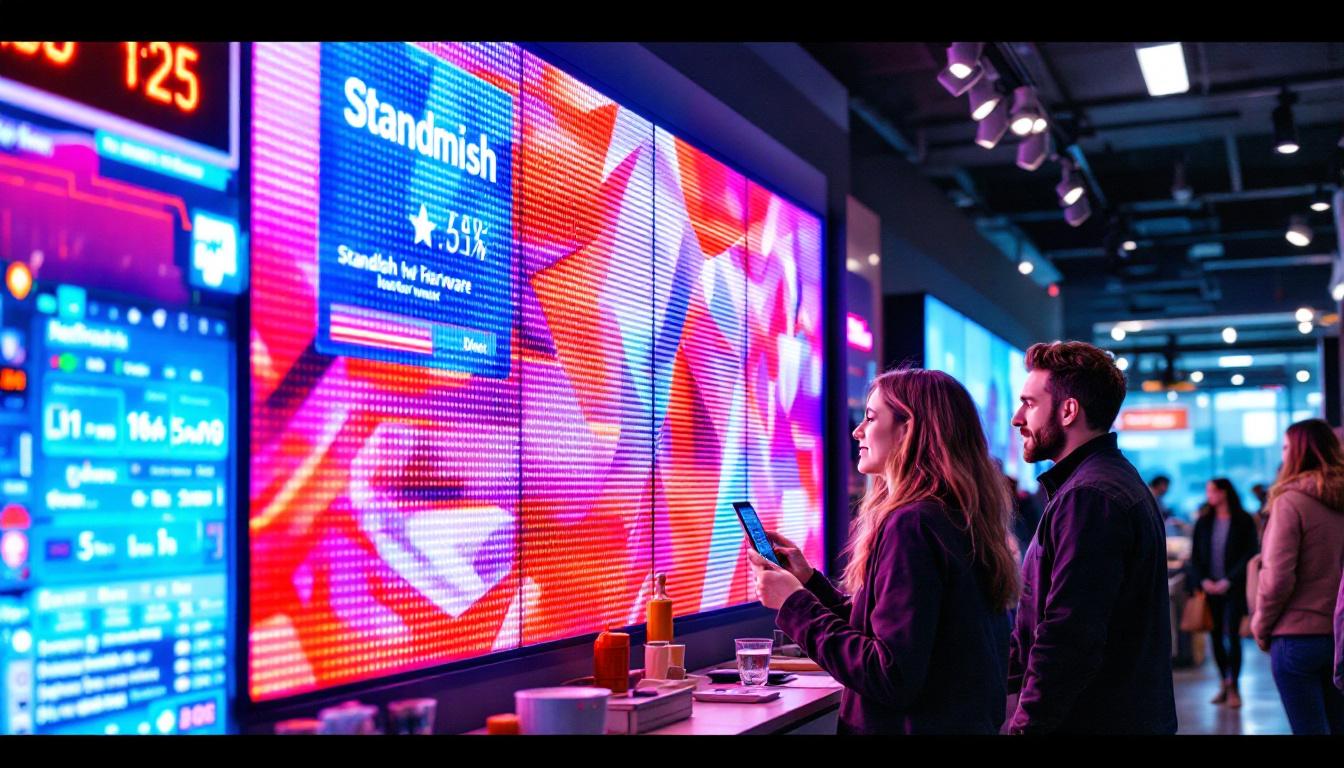
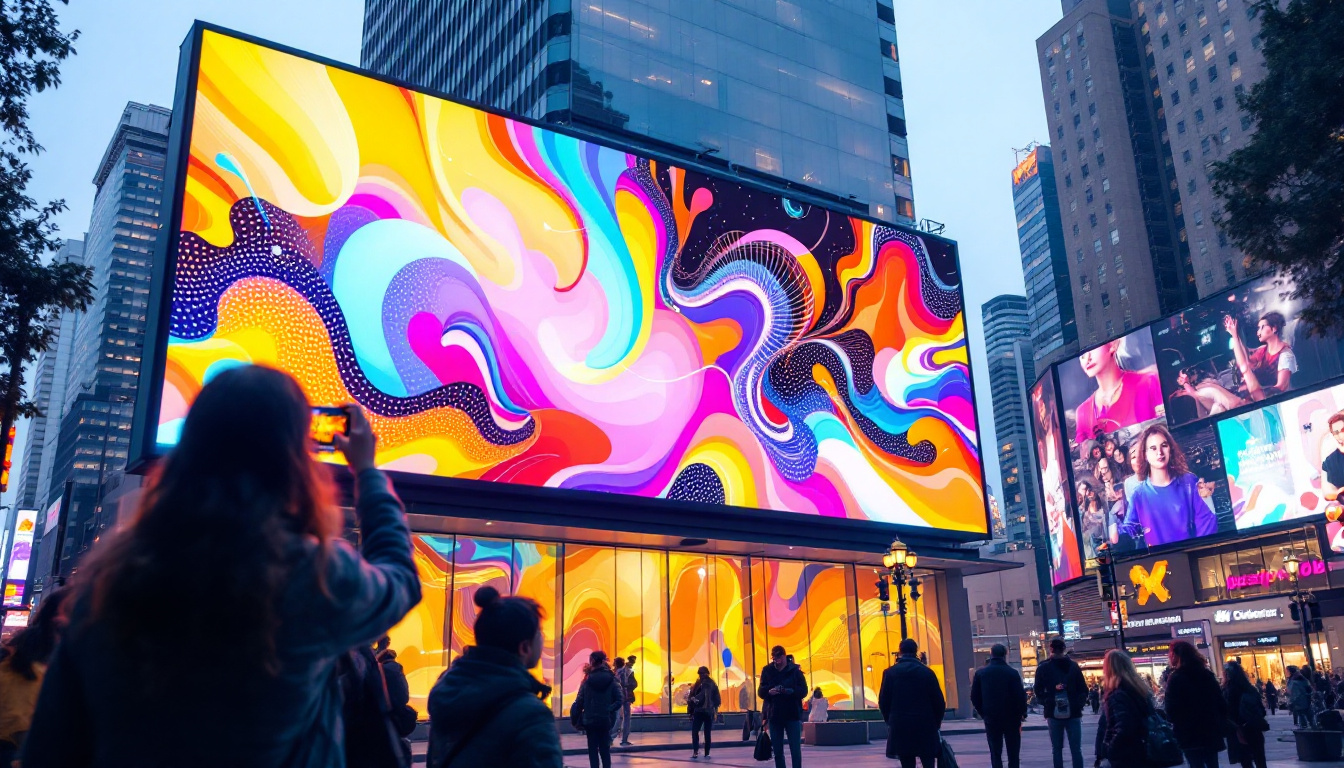
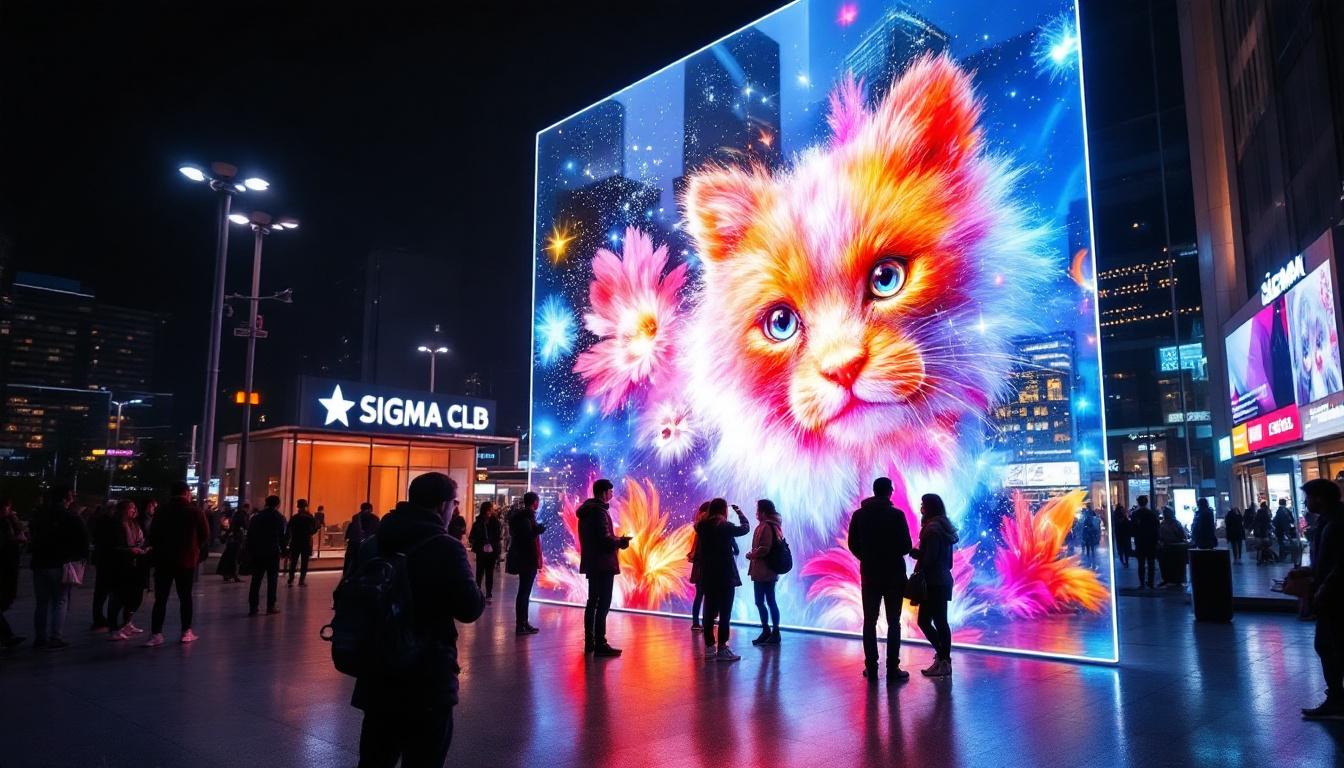
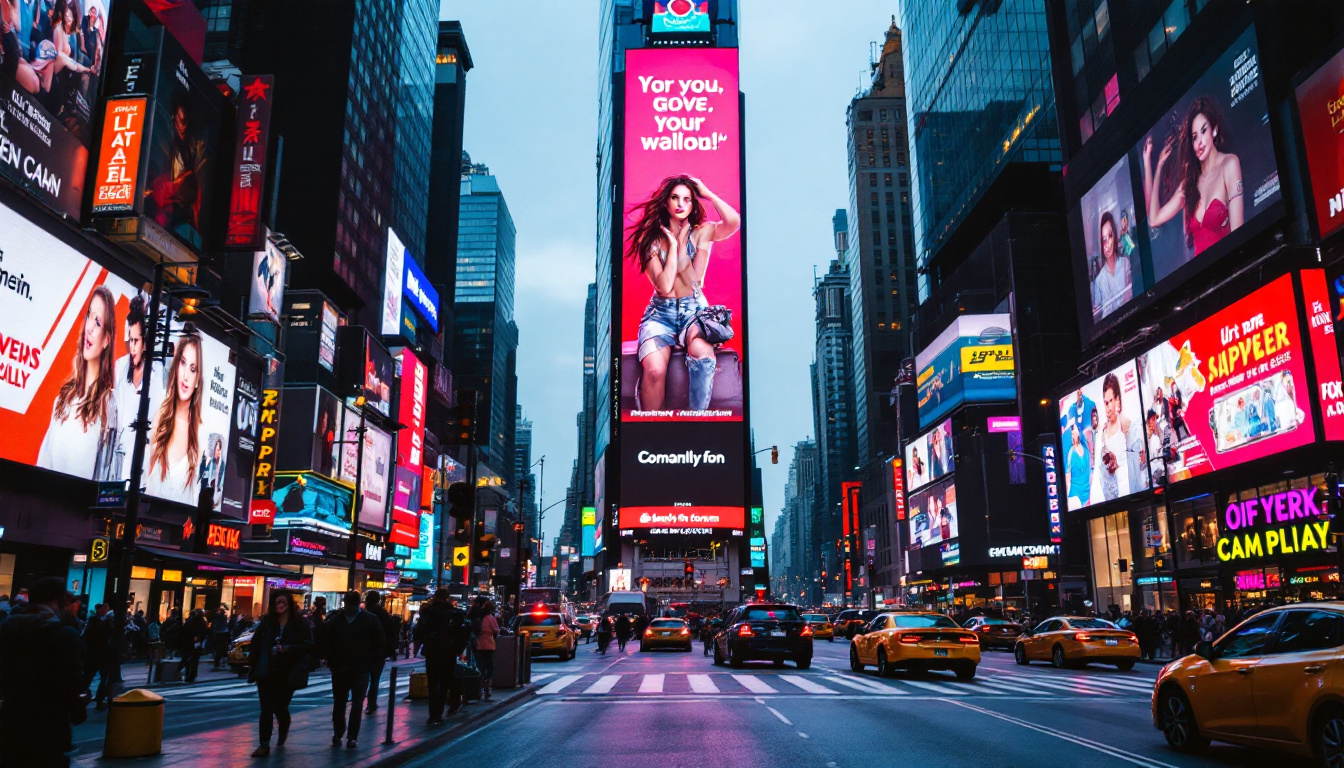
Billboards and digital signage in urban areas rely on LED displays to deliver eye-catching advertisements. The images used must be vibrant and readable under varying lighting conditions, often incorporating motion graphics to capture attention.
According to recent industry reports, digital out-of-home (DOOH) advertising revenue surpassed $10 billion in the United States alone in 2023, highlighting the growing importance of LED displays in marketing strategies.
Sports and Entertainment Venues
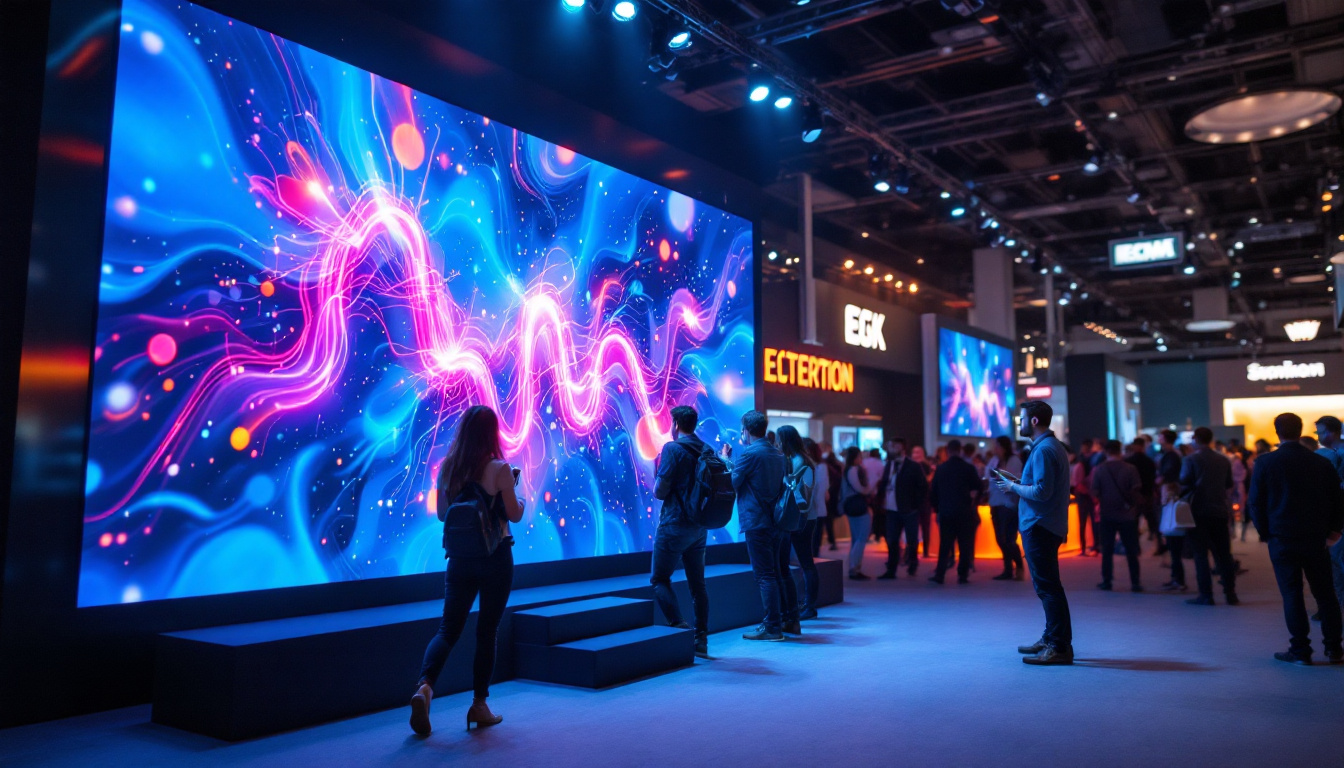
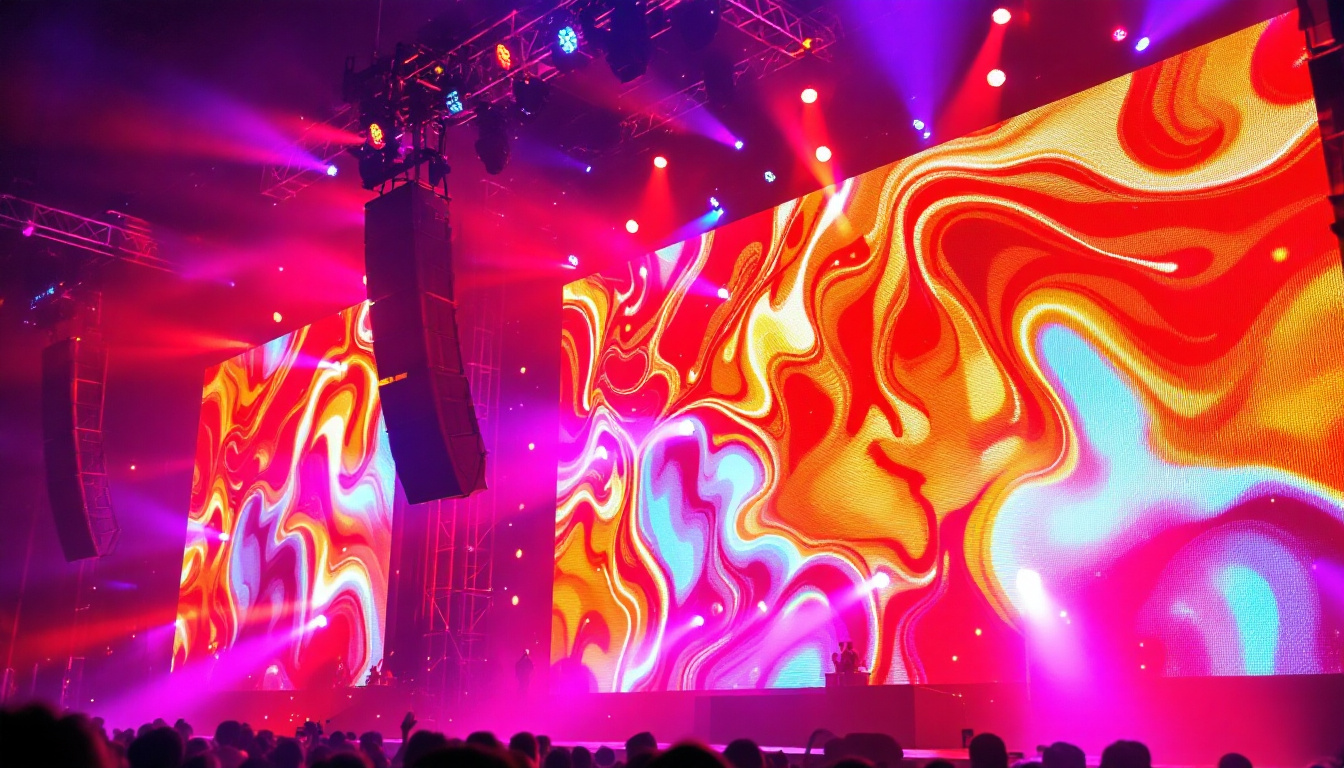
Stadiums and arenas utilize large LED screens to enhance the spectator experience with live action replays, scores, and interactive content. Images for these displays require rapid updating and high resolution to maintain clarity and engagement.
Retail and Corporate Environments
In retail stores and corporate lobbies, LED displays provide dynamic signage for promotions, information, and branding. The images here often focus on high-quality product visuals and clear messaging tailored to the target audience.
Future Trends in LED Display Imaging
The LED display industry continues to evolve with advancements in technology and design methodologies.
MicroLED and MiniLED Technologies
Emerging technologies like MicroLED and MiniLED promise even higher resolutions and better energy efficiency. These developments will enable more detailed and vibrant images, further enhancing the viewer experience.
Artificial Intelligence in Content Creation
AI-powered tools are beginning to assist in generating and optimizing images for LED displays, automating tasks such as color correction, content adaptation for different screen sizes, and real-time content personalization.
Interactive and Immersive Displays
Future LED displays may incorporate interactive elements and augmented reality features, requiring new approaches to image design that engage users on multiple sensory levels.
Conclusion
LED displays have transformed the way images are presented in public and private spaces, offering unparalleled brightness, flexibility, and impact. Understanding the technology behind these displays and the principles of image creation is essential for designers, marketers, and operators aiming to maximize their effectiveness.
From selecting the appropriate pixel pitch to mastering color calibration and utilizing advanced software tools, every step in the image preparation process contributes to the stunning visuals that LED displays deliver. As technology advances, the possibilities for LED display imagery will continue to expand, opening new horizons for communication and creativity.
Discover LumenMatrix’s Advanced LED Display Solutions
Ready to elevate your visual communication with cutting-edge LED technology? Look no further than LumenMatrix, a pioneer in crafting LED display modules that bring your brand to life. From the immersive Indoor LED Wall Display to the dynamic Outdoor LED Wall Display, and from the mobile versatility of Vehicle LED Displays to the innovative LED Transparent Display, LumenMatrix offers a comprehensive range of solutions tailored to your needs. Embrace the future of digital signage with LumenMatrix and create unforgettable visual experiences. Check out LumenMatrix LED Display Solutions today and transform the way you connect with your audience.