In an era where digital displays dominate public spaces, the scale and sophistication of LED screens have reached unprecedented levels. From massive stadium scoreboards to colossal advertising billboards, LED technology continues to evolve, captivating audiences with vibrant visuals and immersive experiences. This article delves into the world’s biggest LED screens, exploring their technology, applications, and the future of large-scale digital displays.
Understanding LED Display Technology
What is an LED Display?
LED, or Light Emitting Diode, displays are a type of digital screen that uses tiny light-emitting diodes as pixels to create images and videos. Unlike traditional LCD screens that rely on backlighting, LED displays emit their own light, resulting in brighter images, higher contrast ratios, and better energy efficiency. This self-illumination capability makes LED screens ideal for large-scale outdoor and indoor installations where visibility and durability are critical.
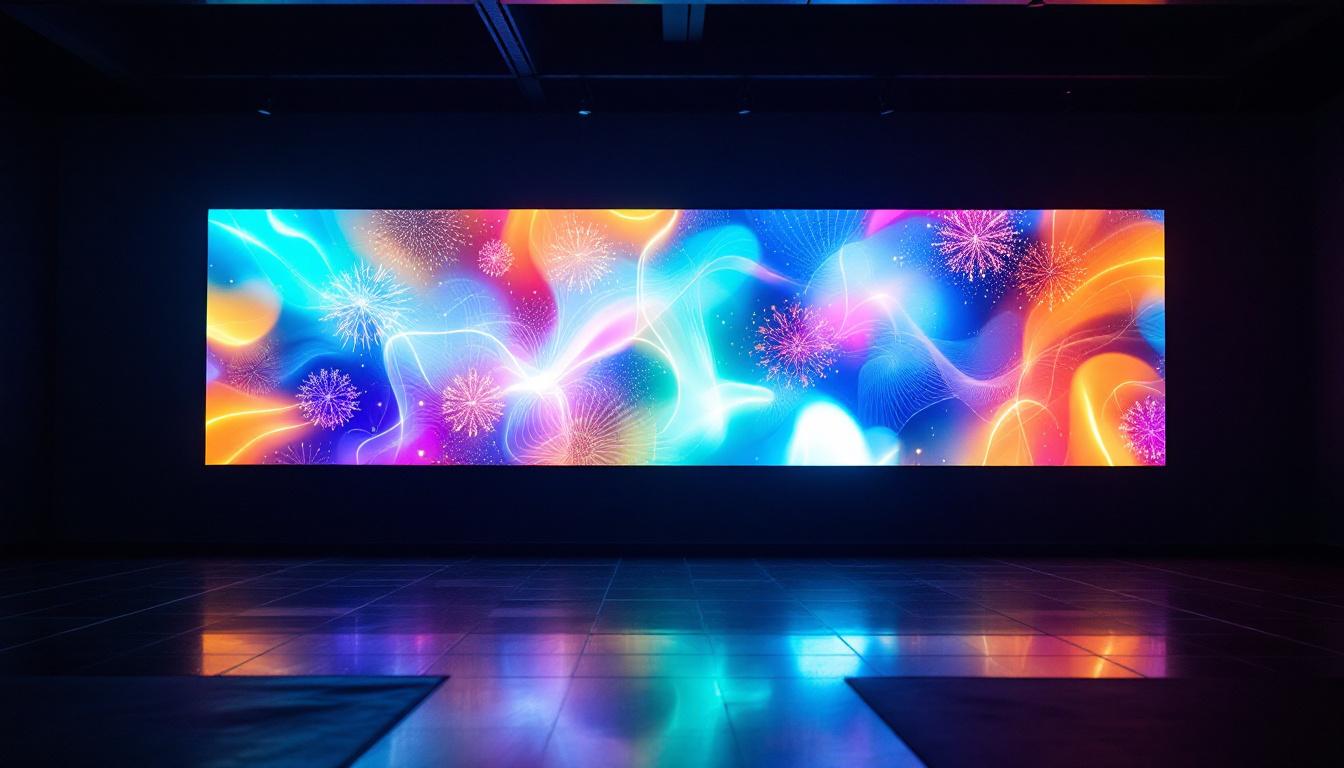
LED displays vary widely in size and resolution, from small indicator panels to enormous video walls spanning thousands of square meters. The technology is versatile, allowing for flexible configurations such as curved, transparent, and even flexible screens that can be adapted to unique architectural designs. This adaptability has led to innovative applications in various sectors, including retail, entertainment, and transportation. For instance, in retail environments, LED displays are often used to create immersive shopping experiences, showcasing dynamic advertisements that capture consumer attention and drive sales.
Types of LED Displays
LED displays can be broadly categorized into two main types: Direct View LED and LED-backlit LCD. Direct View LED displays use individual LEDs as pixels, which are visible directly to the viewer. This type is commonly used in large outdoor billboards, stadium screens, and public installations. On the other hand, LED-backlit LCD screens use LEDs as a backlight source behind an LCD panel, which is typical in consumer electronics like televisions and monitors.
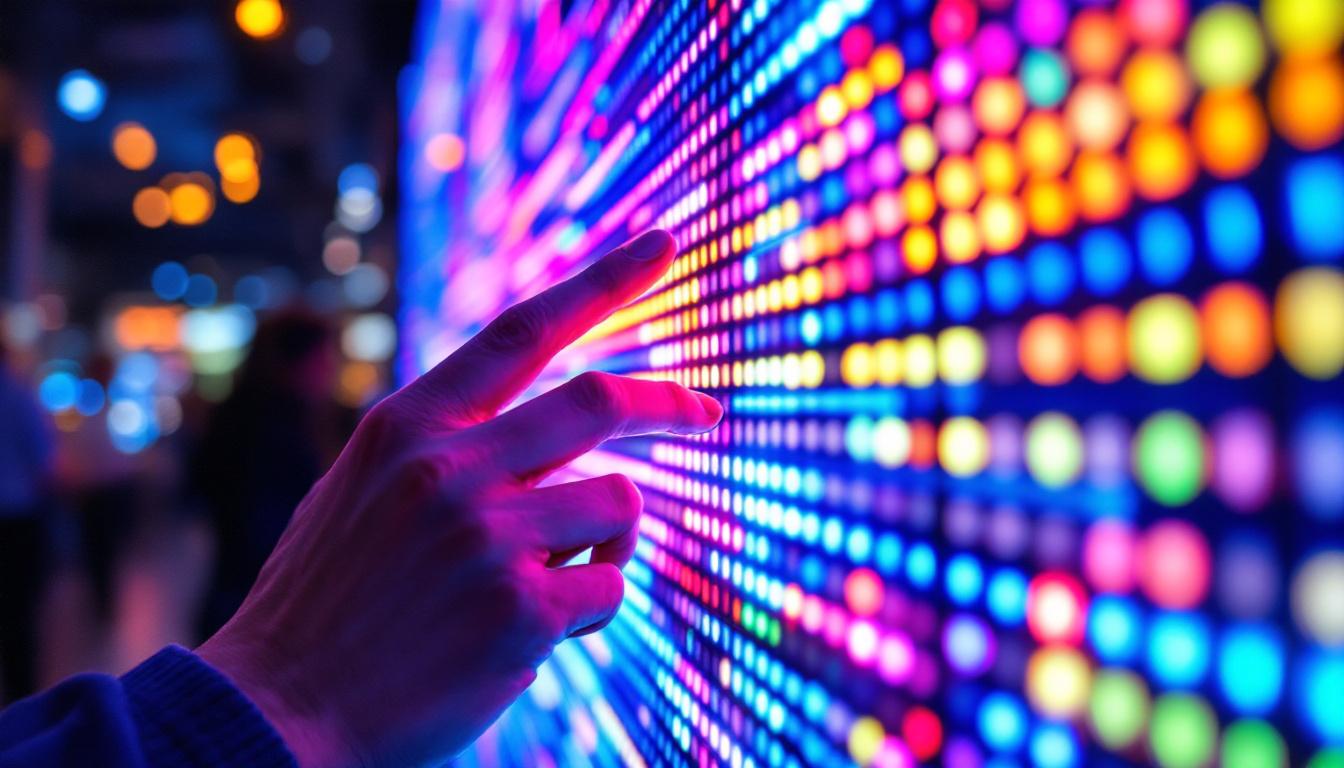
Within Direct View LEDs, there are further distinctions based on pixel pitch—the distance between the centers of two adjacent LEDs. Smaller pixel pitches mean higher resolution and sharper images, which is particularly important for screens viewed up close. For massive outdoor screens, larger pixel pitches are used to balance cost and visibility from a distance. Additionally, advancements in technology have led to the development of high dynamic range (HDR) capabilities in LED displays, enhancing color accuracy and contrast, which is essential for applications such as digital signage and high-end broadcasting. These improvements not only elevate the viewer’s experience but also expand the potential uses of LED technology in artistic installations and interactive displays, where engagement and visual impact are paramount.
The World’s Biggest LED Screens: A Showcase of Scale and Innovation
Top Contenders for the Largest LED Screen
The race to build the world’s largest LED screen has seen some remarkable projects that push the boundaries of engineering and design. As of 2024, some of the biggest LED screens include:
- The Fremont Street Experience, Las Vegas: This LED canopy stretches 1,500 feet long and covers approximately 90,000 square feet. It is a curved, vaulted screen that creates an immersive light and sound experience for visitors, making it one of the largest continuous LED displays globally.
- Dubai’s Burj Khalifa LED Facade: The world’s tallest building features an LED facade that covers over 33,000 square meters. The display wraps around the building’s exterior, enabling spectacular light shows visible across the city skyline.
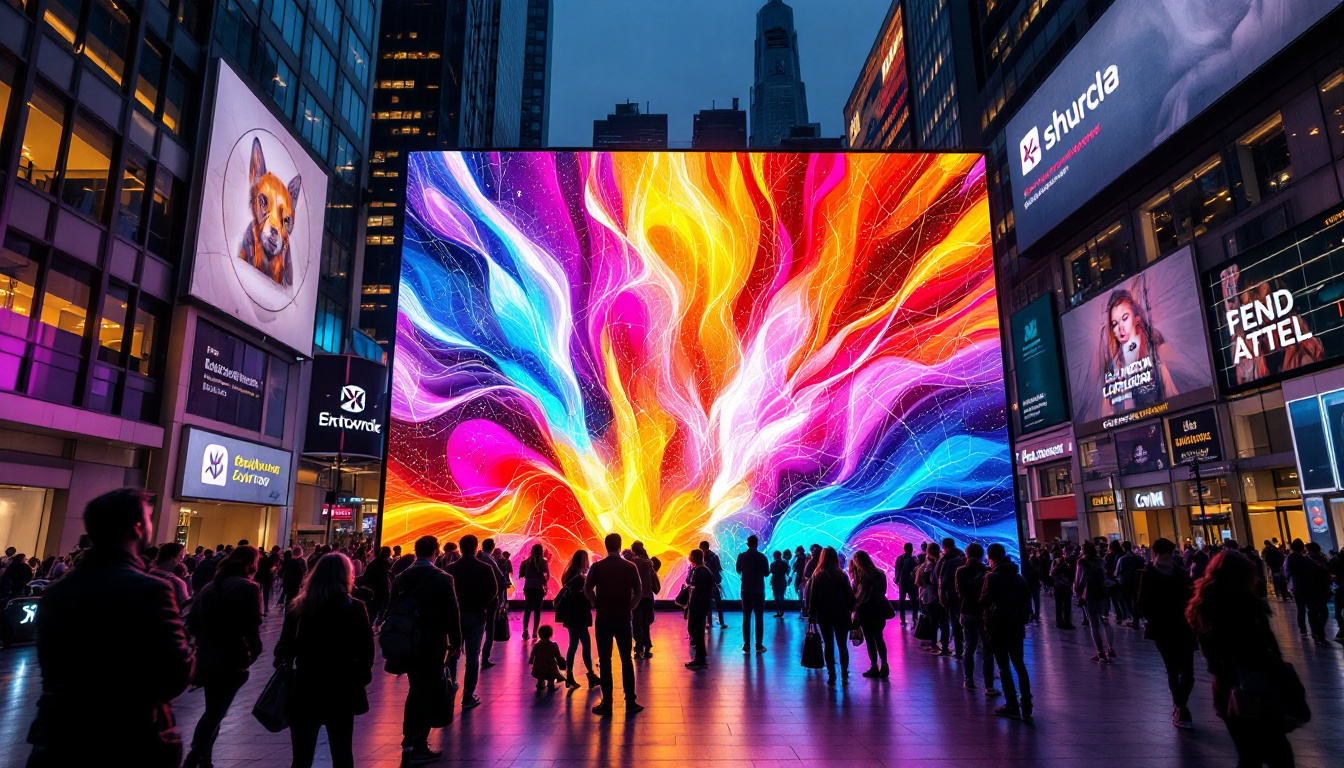
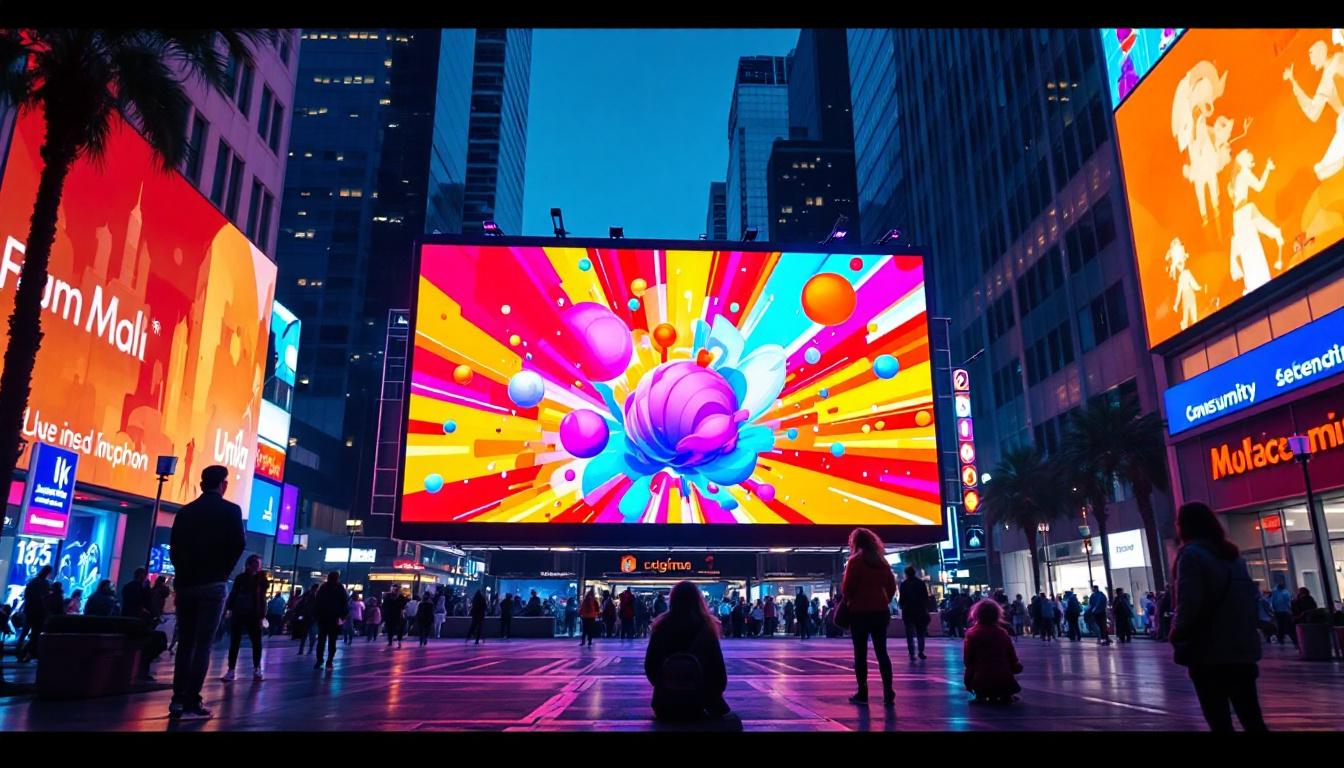
- New York’s Times Square LED Billboards: While not a single continuous screen, the combined area of LED billboards in Times Square exceeds tens of thousands of square feet, creating one of the most vibrant and iconic digital display hubs worldwide.
- Hangzhou International Expo Center, China: Home to one of the largest indoor LED screens, this display measures over 1,000 square meters and is used for exhibitions, concerts, and large-scale events.
These installations highlight the diversity in LED screen applications, from entertainment and advertising to architectural enhancement.
Case Study: The Fremont Street Experience
The Fremont Street Experience in Las Vegas is often cited as the largest single LED screen in the world. Installed in 1995 and upgraded multiple times since, the canopy spans five blocks of downtown Las Vegas. It is composed of over 12.5 million LED lamps and features a 550,000-watt sound system synchronized with the visuals.
This screen is unique not only for its size but also for its curved, vaulted design, which creates an immersive environment for visitors. The content ranges from light shows and concerts to interactive advertisements, demonstrating how large-scale LED screens can transform urban spaces into dynamic entertainment venues.
Applications of Massive LED Screens
Advertising and Marketing
One of the most visible uses of large LED screens is in advertising. The ability to display dynamic, colorful, and eye-catching content makes LED billboards a powerful marketing tool. Locations such as Times Square, Piccadilly Circus in London, and Shibuya Crossing in Tokyo leverage these screens to attract millions of viewers daily.
LED screens provide advertisers with flexibility to update content in real-time, tailor messages to specific audiences, and incorporate interactive elements. This adaptability enhances engagement and can significantly improve the return on investment compared to traditional static billboards.
Sports and Entertainment Venues
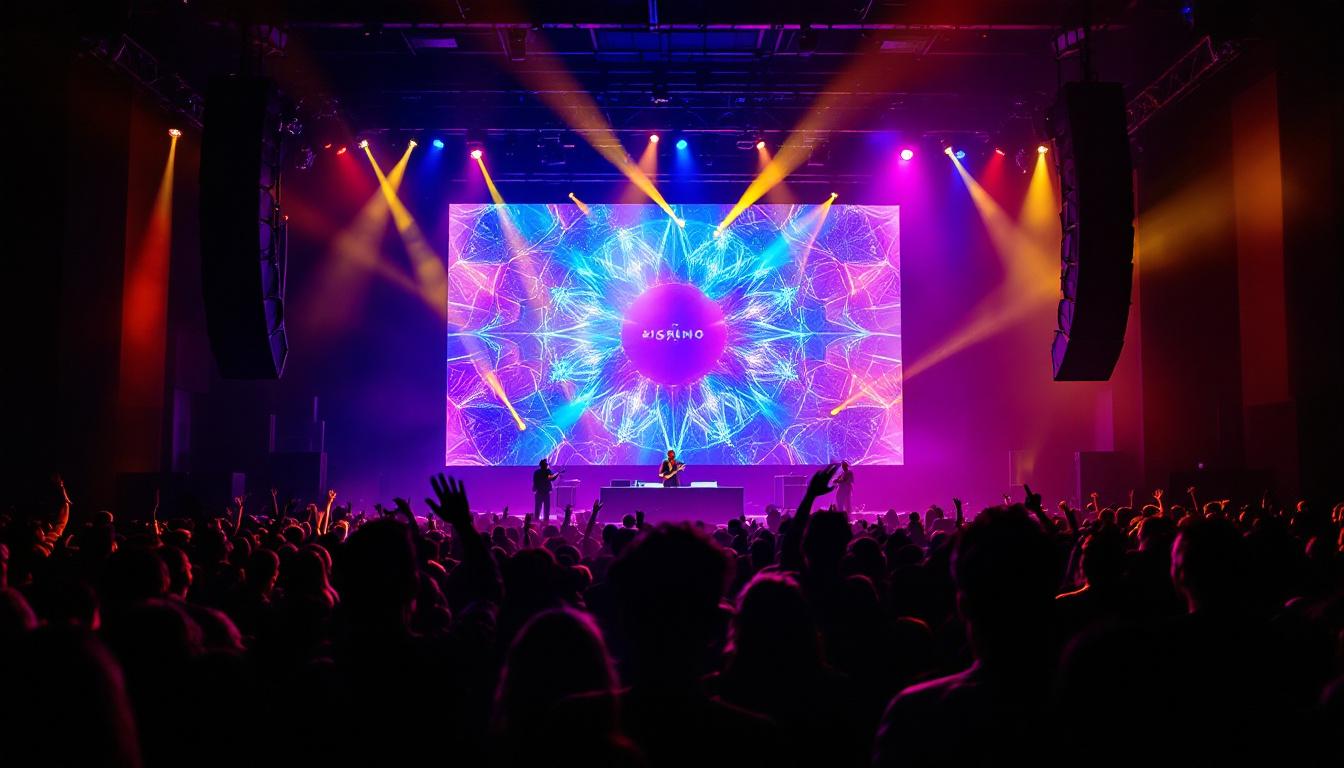
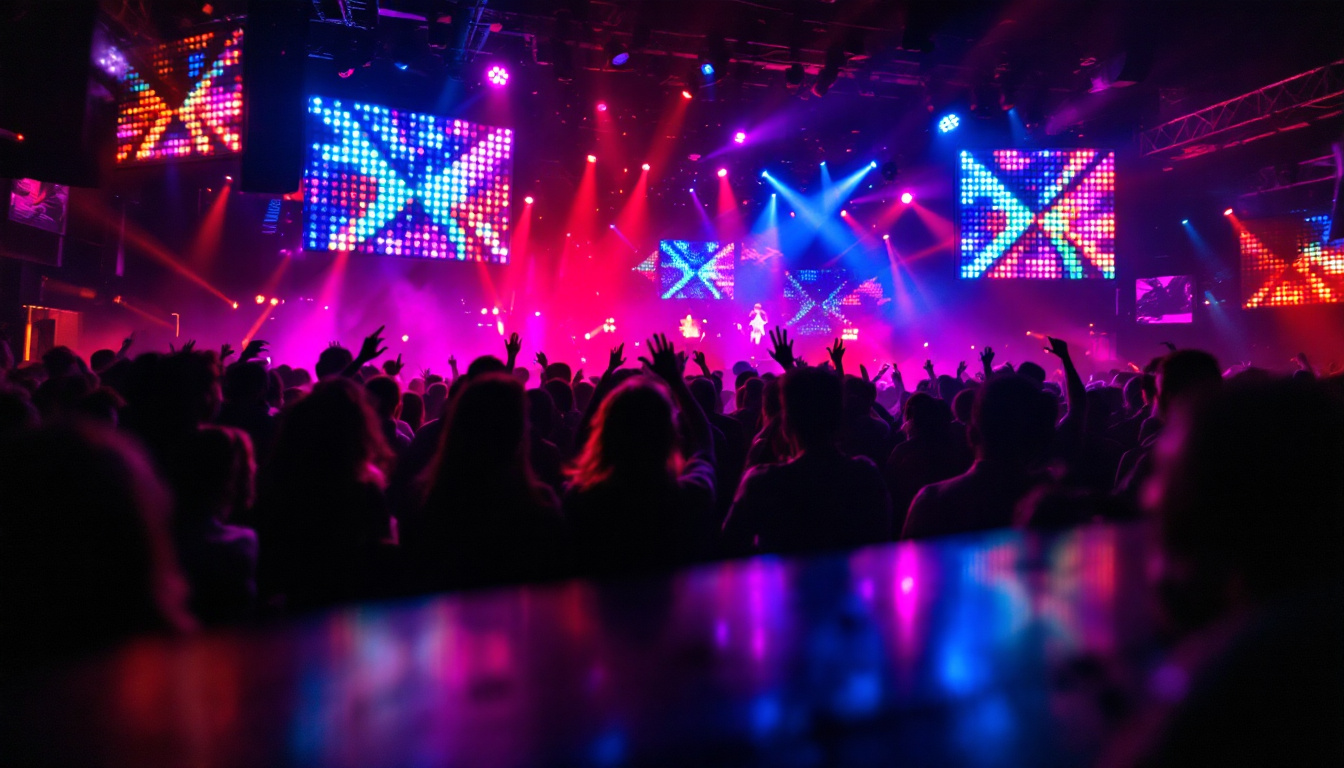
Stadiums and arenas worldwide are increasingly outfitting their venues with massive LED screens. These displays serve multiple purposes: showing live game footage, instant replays, player statistics, and fan engagement content. The clarity and brightness of LED technology ensure visibility even in bright daylight conditions.
For example, the AT&T Stadium in Arlington, Texas, features one of the largest center-hung video boards, measuring approximately 160 feet wide and 72 feet tall. This screen enhances the spectator experience by providing immersive visuals that complement the live action on the field.
Architectural and Public Art Installations
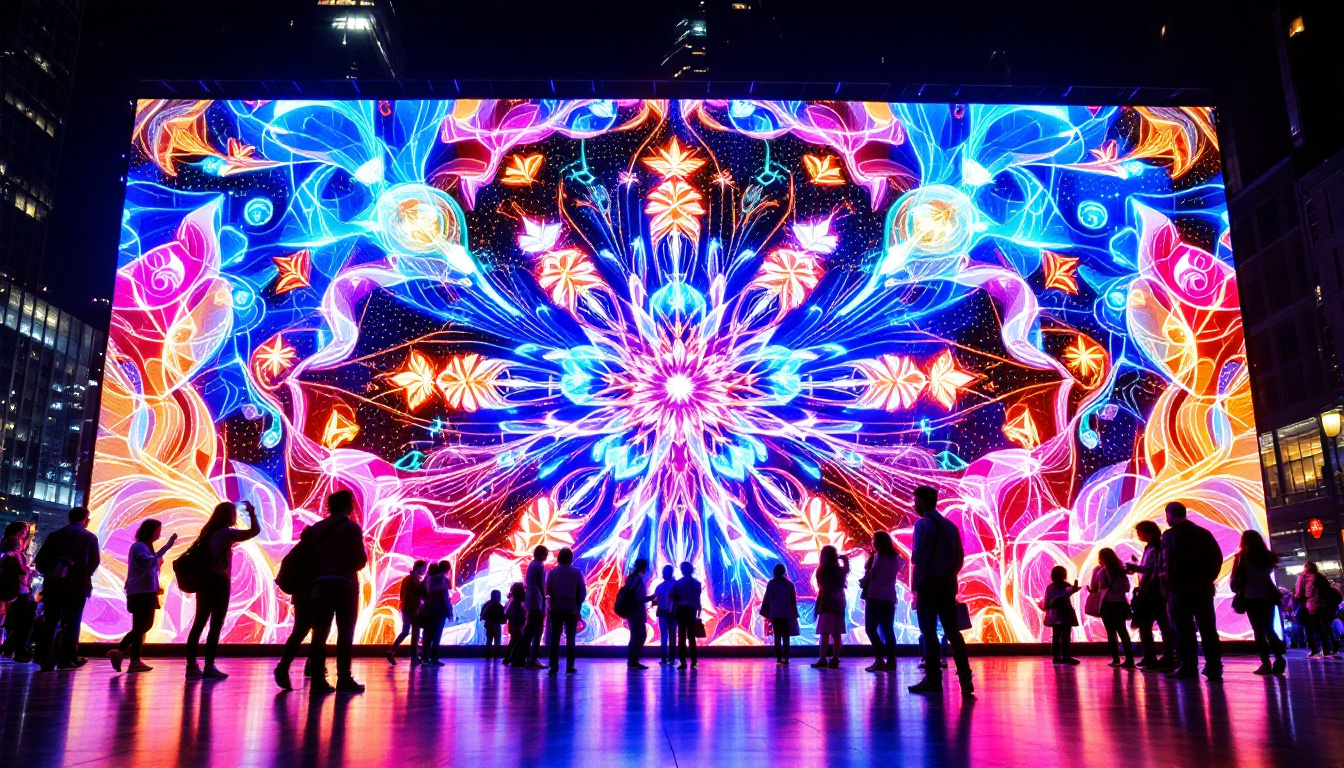
Beyond commercial applications, LED screens are increasingly used as architectural elements and public art installations. Buildings like the Burj Khalifa use LED facades to create dynamic light shows that celebrate cultural events, holidays, or corporate branding.
These installations transform static structures into living canvases, engaging communities and adding vibrancy to cityscapes. The integration of LED technology with architecture also opens new possibilities for sustainable lighting and energy-efficient displays.
Technical Challenges and Innovations in Large-Scale LED Displays
Engineering and Installation Complexities
Building the world’s largest LED screens involves significant engineering challenges. Structural support must accommodate the weight and size of the panels while ensuring safety and durability against environmental factors such as wind, rain, and temperature fluctuations.
Installation requires meticulous planning, often involving cranes, scaffolding, and specialized mounting systems. For curved or irregularly shaped screens, custom-designed modules are necessary to maintain image uniformity and pixel alignment.
Power Consumption and Heat Management
Large LED screens consume substantial amounts of power, which raises concerns about operational costs and environmental impact. Manufacturers and operators address this by using energy-efficient LEDs, optimizing brightness levels, and implementing smart power management systems.
Heat dissipation is another critical factor. High-density LED panels generate heat that, if not managed properly, can reduce lifespan and performance. Advanced cooling solutions, including passive heat sinks and active ventilation, are integrated into the design to maintain optimal operating temperatures.
Content Creation and Management
Displaying content on massive LED screens requires sophisticated software and hardware systems. Content must be designed to accommodate the screen’s resolution, aspect ratio, and viewing distance. Additionally, real-time content management systems enable dynamic updates, scheduling, and synchronization across multiple screens.
Emerging technologies such as AI-driven content optimization and interactive capabilities are enhancing how audiences engage with LED displays. For example, facial recognition and motion sensors can tailor content based on viewer demographics and behavior.
The Future of LED Screens: Trends and Possibilities
MicroLED and MiniLED Technologies
Advancements in microLED and miniLED technologies promise even higher resolution, brightness, and energy efficiency. MicroLEDs consist of microscopic LEDs that offer superior color accuracy and contrast compared to conventional LEDs. These innovations could lead to ultra-large displays with unprecedented image quality, suitable for both indoor and outdoor use.
Flexible and Transparent LED Displays
Flexible LED panels are gaining traction, allowing screens to bend, fold, or wrap around surfaces. This flexibility opens new creative possibilities in architecture, fashion, and product design. Transparent LED displays, which allow light to pass through while displaying images, are also becoming popular for storefronts and vehicle windows, blending digital content with physical environments.
Integration with Augmented Reality (AR) and Smart Cities
Large LED screens are expected to play a pivotal role in the development of smart cities. By integrating with AR technologies and IoT networks, these displays can provide real-time information, navigation assistance, and interactive experiences for residents and visitors.
For instance, LED screens could display contextual data such as weather updates, public transportation schedules, or emergency alerts, enhancing urban living and safety. The fusion of LED technology with digital infrastructure will redefine how people interact with their environments.
Conclusion
The world’s biggest LED screens are more than just technological marvels—they are transformative tools that shape how information, entertainment, and art are experienced on a grand scale. From the iconic Fremont Street Experience to the towering LED facade of the Burj Khalifa, these displays demonstrate the power of LED technology to captivate audiences and redefine public spaces.
As LED technology continues to advance, the possibilities for larger, brighter, and more interactive screens are virtually limitless. Whether for advertising, sports, architecture, or urban innovation, LED displays remain at the forefront of visual communication, illuminating the future with vibrant, dynamic imagery.
Illuminate Your Space with LumenMatrix
As you marvel at the wonders of the world’s largest LED screens, imagine the potential for your own space. LumenMatrix, a pioneer in LED display technology, offers a wide range of solutions tailored to bring your vision to life. From Indoor and Outdoor LED Wall Displays to innovative LED Sports and Transparent Displays, our products are designed to transform any environment into a dynamic visual spectacle. Ready to elevate your brand’s presence and create unforgettable experiences? Check out LumenMatrix LED Display Solutions and join the revolution in visual communication.