In recent years, LED technology has revolutionized the way we experience visual media, and one of its most innovative applications is the LED floor. Combining cutting-edge LED display technology with flooring solutions, LED floors are transforming environments from entertainment venues to retail spaces and corporate settings. This article explores what LED floors are, how they work, their applications, benefits, and considerations for installation and maintenance.
Understanding LED Floors: What Are They?
At its core, an LED floor is a surface embedded with LED display panels that can show dynamic images, videos, and interactive content. Unlike traditional static flooring materials, LED floors integrate light-emitting diodes (LEDs) beneath a durable, transparent surface to create a visually immersive experience.
The technology behind LED floors is an evolution of standard LED display screens, adapted to withstand foot traffic, weight, and environmental factors. These floors are designed to be both visually striking and structurally sound, allowing for safe use in public and private spaces alike.
Technical Composition of LED Floors
LED floors typically consist of several layers:
- LED Modules: The core component, these are small LED panels arranged in a grid to form the display surface.
- Protective Glass or Acrylic Layer: A toughened, transparent layer that protects the LEDs from damage while allowing light to pass through clearly.
- Support Structure: A subfloor or frame that provides stability and houses wiring and control systems.
- Control System: Hardware and software that manage the display content, brightness, and interactivity.
The pixel pitch, or the distance between individual LEDs, is a critical factor influencing image resolution and viewing distance. For LED floors, pixel pitches typically range from 2mm to 10mm, balancing clarity with durability.
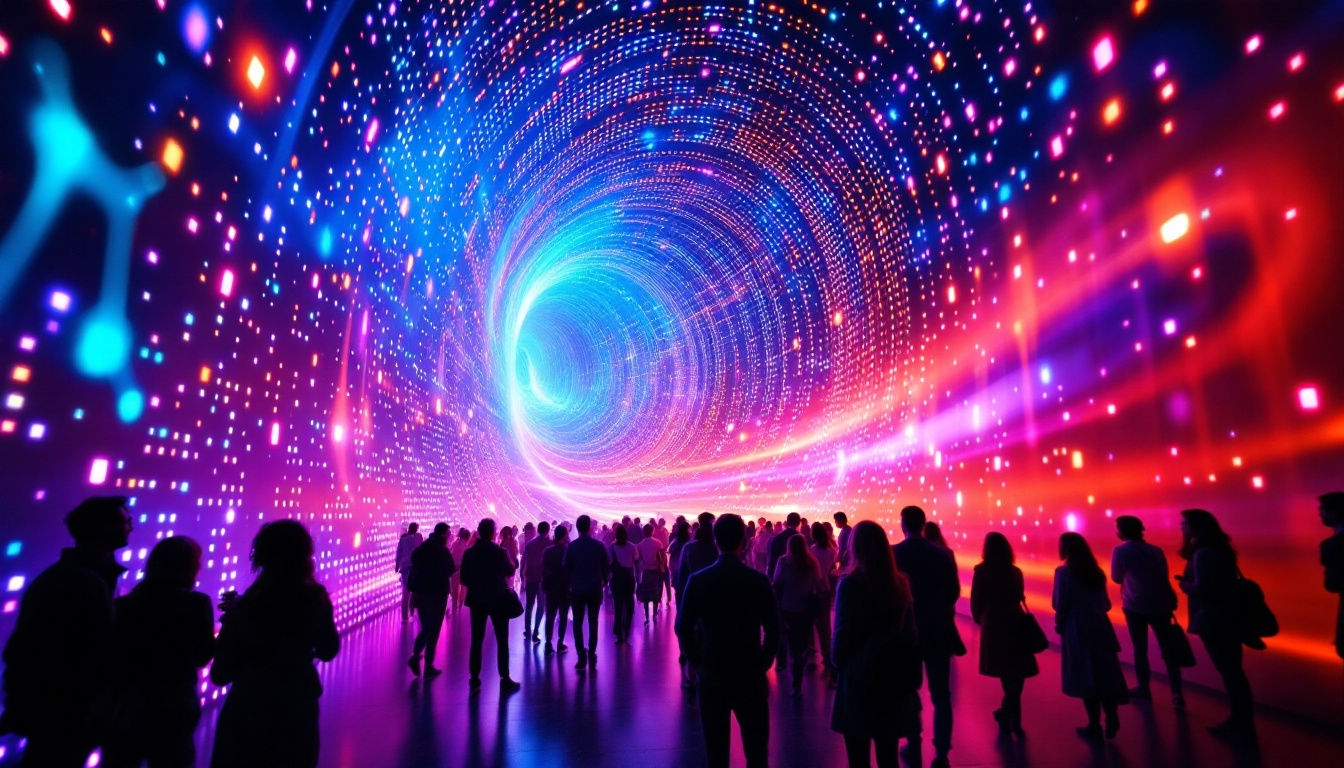
In addition to their technical specifications, LED floors offer a plethora of creative possibilities. They can be programmed to change designs in real-time, allowing venues to adapt their ambiance for different events or themes. For instance, a nightclub could transform its atmosphere with vibrant animations and patterns, while a retail store could showcase promotional content that responds to customer movements. This adaptability not only enhances the visual appeal but also engages visitors in a unique way, making the space more memorable.
Moreover, LED floors are increasingly being utilized in various sectors beyond entertainment and retail. In educational settings, they can serve as interactive learning tools, displaying educational content that encourages participation. In corporate environments, they can be used for presentations or branding, creating a dynamic backdrop that captures attention. As technology continues to advance, the applications for LED floors are likely to expand even further, paving the way for innovative uses that blend art, technology, and functionality.
How Do LED Floors Work?
LED floors operate by illuminating thousands of tiny LEDs embedded beneath a transparent surface. These LEDs can be individually controlled to display a wide range of colors and brightness levels, creating vivid images and videos. The technology behind LED floors has evolved significantly, allowing for high-resolution displays that can rival traditional screens, making them an attractive option for various applications, from art installations to commercial spaces.
Display Control and Content Management
The content displayed on LED floors is managed through specialized software platforms that allow for real-time control and customization. These platforms support various media formats and can integrate interactive elements such as touch sensitivity or motion detection. The versatility of these systems means that they can be tailored to fit the specific needs of any event or environment, whether it’s a corporate presentation, a fashion show, or a themed party.
Control systems often include features such as:
- Scheduling content playback
- Adjusting brightness based on ambient light
- Synchronizing multiple LED floor panels
- Remote monitoring and diagnostics
Additionally, many of these platforms come equipped with user-friendly interfaces that allow non-technical staff to easily manage the content, ensuring that even those without a background in technology can create stunning visual displays. This ease of use is crucial in fast-paced environments where quick adjustments may be necessary to adapt to changing conditions or audience reactions.
Interactivity and Sensor Integration
One of the most exciting aspects of LED floors is their ability to respond to user interaction. By integrating sensors like pressure pads, infrared detectors, or cameras, LED floors can react dynamically to footsteps, gestures, or proximity. This capability not only enhances the visual experience but also engages users on a deeper level, inviting them to explore and interact with the space around them.
This interactivity opens up possibilities for immersive experiences in retail, exhibitions, and entertainment, where the floor becomes an active participant rather than a passive surface. For instance, in a retail setting, an LED floor can guide customers through a store by lighting up pathways or highlighting products, while in an exhibition, it can create an engaging narrative that evolves as visitors move through the space. The potential for storytelling through movement transforms the way audiences engage with content, making every step an opportunity for discovery and interaction.
Applications of LED Floors
LED floors have found their way into a variety of sectors, each leveraging the technology’s unique combination of durability, visual impact, and interactivity.
Entertainment and Events
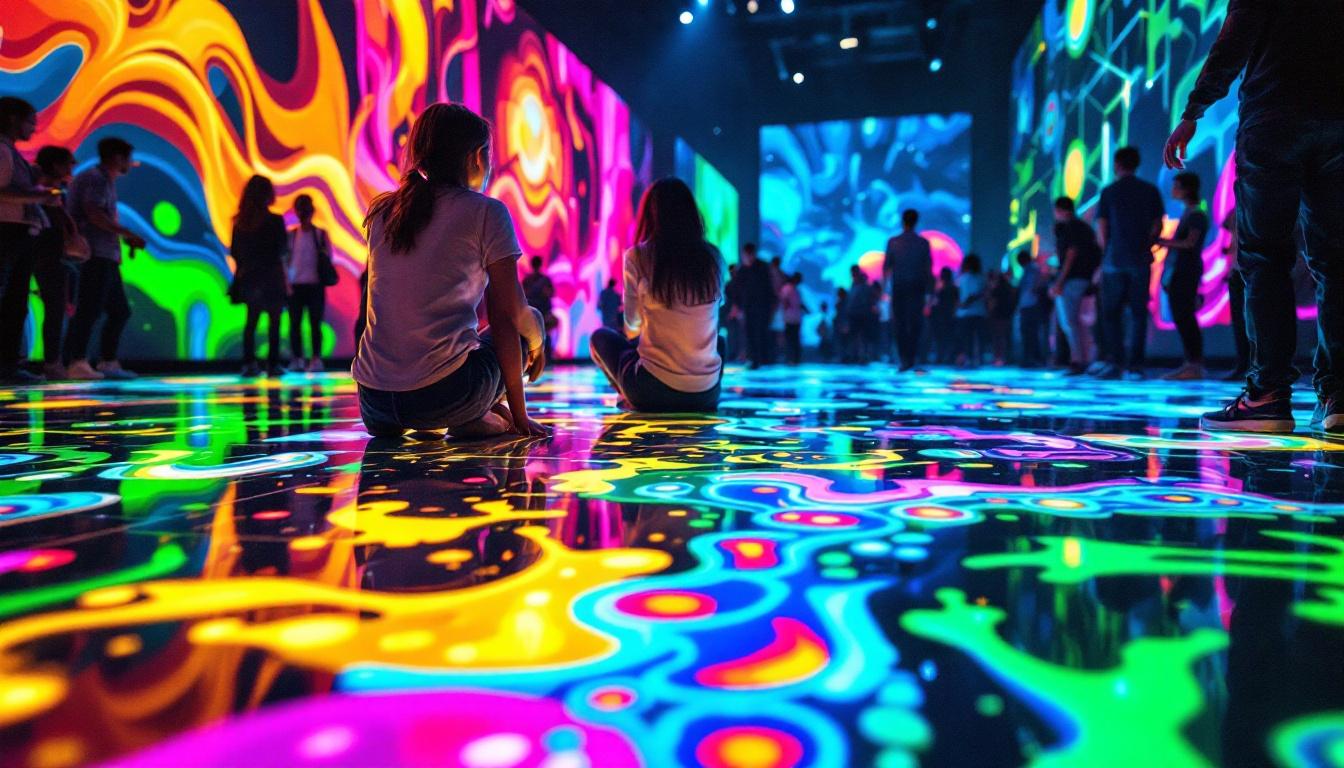
Concerts, theaters, and nightclubs use LED floors to create spectacular stage effects and immersive environments. For example, large-scale music festivals employ LED floors to synchronize visuals with live performances, enhancing audience engagement.
In dance clubs, LED floors can react to music beats or dancers’ movements, creating a dynamic and visually stimulating atmosphere.
Retail and Advertising
Retailers use LED floors to attract customers and enhance brand experiences. Interactive LED floors can display promotional content, guide shoppers through stores, or create themed environments that encourage longer visits.
Advertising agencies deploy LED floors in public spaces such as shopping malls and airports, capitalizing on their eye-catching nature to deliver impactful marketing messages.
Corporate and Public Spaces
Corporate lobbies and conference centers utilize LED floors to convey branding, display event information, or create engaging waiting areas. Public spaces, including museums and galleries, employ LED floors to add interactive educational content or artistic installations.
Sports and Fitness
Sports arenas and fitness centers incorporate LED floors for performance tracking, interactive training programs, and enhancing spectator experiences. For example, LED floors can display real-time statistics or create interactive games that encourage physical activity.
Benefits of LED Floors
The adoption of LED floors offers a range of advantages that make them an attractive choice across industries.
Visual Impact and Engagement
LED floors provide vibrant, high-resolution visuals that capture attention and create memorable experiences. Their ability to display dynamic content makes them far more engaging than traditional flooring or static displays.
Customization and Flexibility
Content on LED floors can be easily updated or changed to suit different occasions, campaigns, or seasons. This flexibility allows businesses to keep their environments fresh and relevant without costly physical renovations.
Durability and Safety
Modern LED floors are engineered to withstand heavy foot traffic, impacts, and environmental factors such as moisture and temperature changes. The protective layers ensure safety for users while preserving the integrity of the display.
Energy Efficiency
LED technology is known for its low energy consumption compared to other lighting and display methods. This efficiency translates into lower operating costs and a smaller environmental footprint.
Considerations for Installation and Maintenance
While LED floors offer many benefits, successful implementation requires careful planning and ongoing care.
Structural Requirements
Installing an LED floor demands a stable and level subfloor capable of supporting the weight of the LED panels and users. In some cases, reinforcement or specialized framing may be necessary.
Additionally, electrical wiring and data connections must be integrated safely and discreetly, often requiring coordination with other building systems.
Cost Factors
LED floors represent a significant investment, with costs influenced by factors such as size, resolution, interactivity features, and installation complexity. However, the long-term benefits in terms of engagement and flexibility often justify the initial expenditure.
Maintenance and Longevity
Regular maintenance is essential to ensure the longevity and performance of LED floors. This includes cleaning the protective surface, inspecting electrical components, and updating software.
Manufacturers typically provide warranties and support services, but proactive care can prevent costly repairs and downtime.
Safety and Compliance
Given their use as flooring, LED floors must comply with safety standards related to slip resistance, fire retardancy, and electrical safety. Choosing certified products and professional installation teams helps mitigate risks.
Future Trends in LED Floor Technology
As LED technology continues to advance, LED floors are expected to become even more versatile and integrated into everyday environments.
Higher Resolution and Miniaturization
Ongoing improvements in LED miniaturization and pixel density will enable LED floors to display ultra-high-definition content, suitable for close-up viewing and intricate designs.
Enhanced Interactivity and AI Integration
Artificial intelligence and machine learning are poised to enhance LED floor interactivity, allowing floors to adapt content based on user behavior, environmental conditions, or predictive analytics.
Energy Harvesting and Sustainability
Innovations in energy harvesting, such as piezoelectric materials that generate power from footsteps, could make LED floors more sustainable by partially powering themselves through user interaction.
Conclusion
LED floors represent a fascinating convergence of technology, design, and functionality. By transforming ordinary surfaces into vibrant, interactive displays, they open new possibilities for engagement across entertainment, retail, corporate, and public sectors.
Understanding the technical aspects, applications, benefits, and installation considerations is essential for anyone looking to incorporate LED floors into their space. With ongoing advancements, LED floors are set to become an increasingly common and impactful feature in the environments of tomorrow.
Discover the Future of LED Flooring with LumenMatrix
Ready to elevate your space with the dynamic and interactive capabilities of LED flooring? LumenMatrix, a pioneer in LED display technology, invites you to explore our comprehensive range of solutions designed to transform any environment. From Indoor and Outdoor LED Wall Displays to innovative Floor LED Displays, our products are crafted to captivate and engage your audience. Experience the revolution in visual communication and let LumenMatrix help you make a lasting impression. Check out LumenMatrix LED Display Solutions and step into the future of immersive experiences.