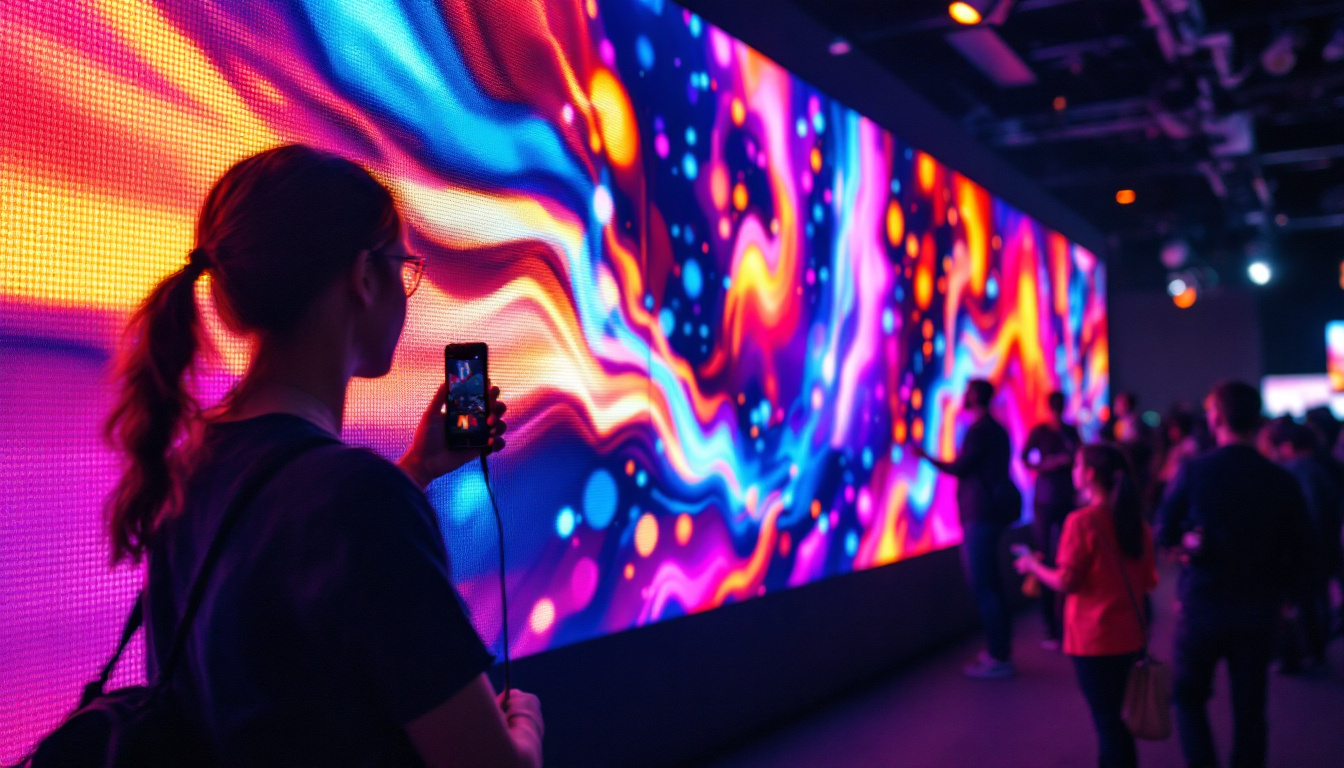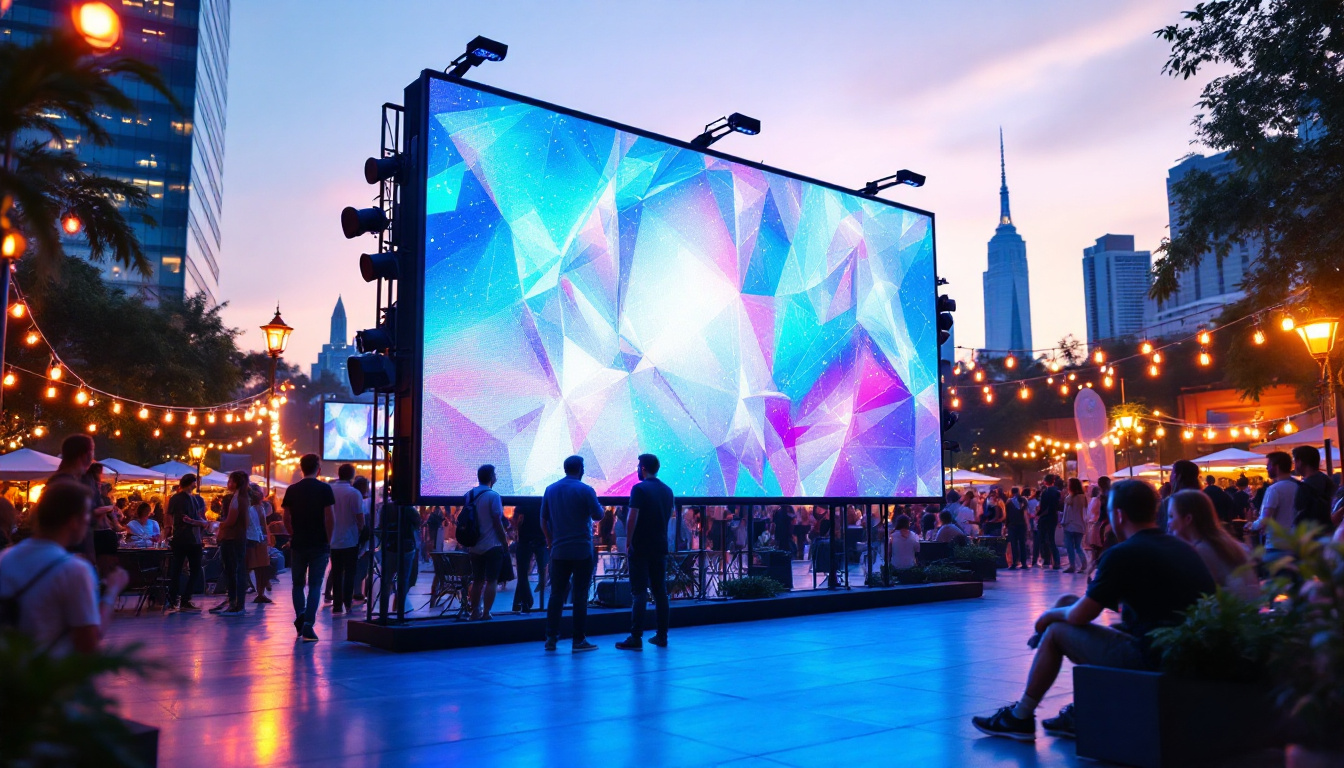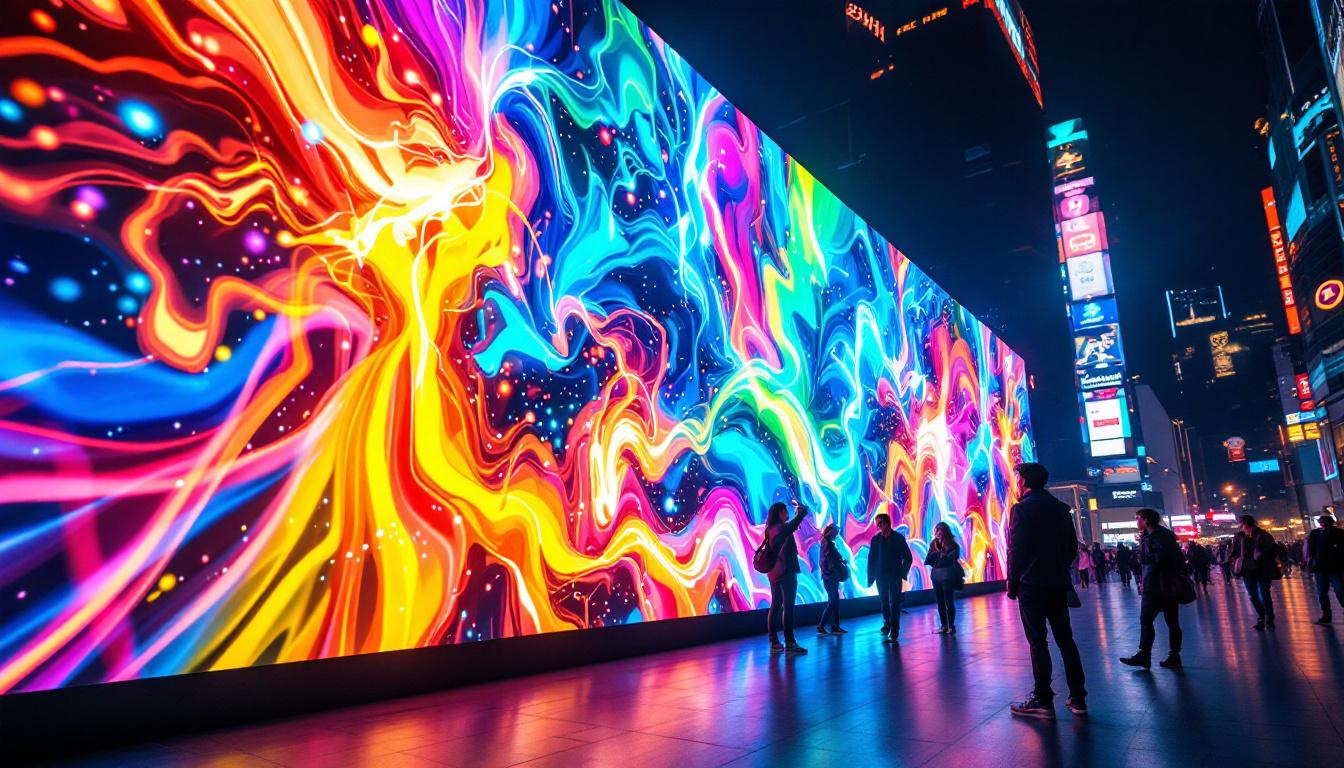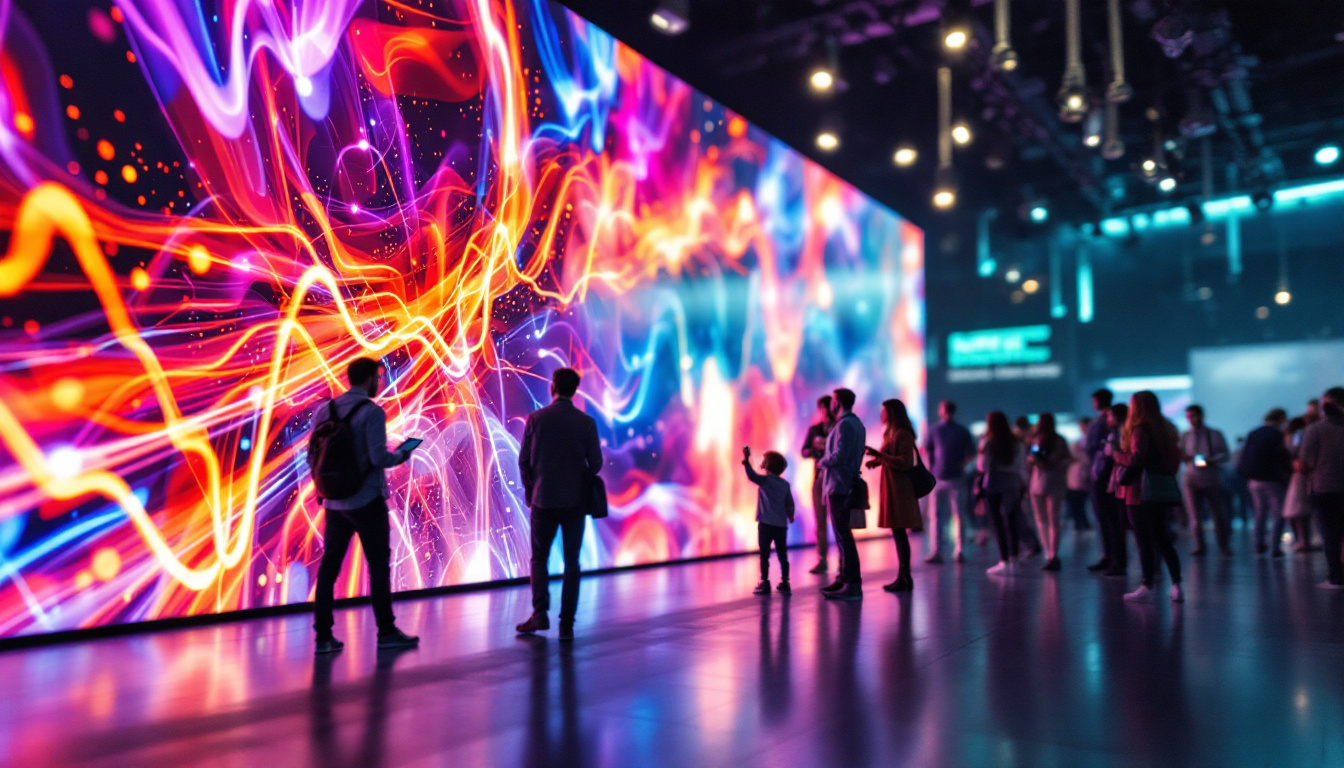
In recent years, the integration of LED display technology into flooring solutions has revolutionized the way spaces communicate, entertain, and interact. Digital floors equipped with LED displays are no longer a futuristic concept but a present-day reality, transforming retail environments, event venues, public spaces, and even residential areas. This article delves into the world of digital floors, explaining how LED display technology works, the benefits it offers, and its diverse applications.
Understanding LED Display Technology
LED, or Light Emitting Diode, technology forms the backbone of modern digital displays. Unlike traditional lighting or display methods, LEDs produce light through electroluminescence, where an electric current passes through semiconductor materials to emit photons. This process results in highly efficient, bright, and vibrant displays that can be scaled to various sizes and resolutions. The energy efficiency of LEDs also contributes to their widespread adoption, as they consume significantly less power compared to incandescent and fluorescent lighting, making them an environmentally friendly choice.
When applied to flooring, LED displays are embedded into floor panels, creating surfaces that can show dynamic images, videos, animations, and interactive content. These digital floors typically use modular LED tiles, which can be configured to cover large areas seamlessly. The ability to customize the design and functionality of these floors has opened up new avenues for creative expression in commercial spaces, entertainment venues, and even residential applications. For instance, they can be programmed to change visuals based on the time of day, special events, or specific themes, enhancing the overall atmosphere of the environment.
Key Components of LED Digital Floors
Several core components make up an LED digital floor system:
- LED Modules: These are the basic units containing arrays of LEDs. Their pixel pitch—the distance between individual LEDs—determines the resolution and clarity of the display. A smaller pixel pitch allows for higher resolution images, making them ideal for close-up viewing, while a larger pitch may be suitable for larger spaces where viewers are farther away.
- Protective Layers: Since floors endure heavy foot traffic, the LED modules are covered with durable, non-slip, and often transparent materials such as tempered glass or acrylic to protect the delicate LEDs beneath. These protective layers are designed not only to safeguard the LEDs but also to enhance the visual experience by minimizing glare and reflections.
- Control Systems: Sophisticated software and hardware manage the content displayed, allowing for real-time updates, interactivity, and synchronization with other media. This capability is particularly useful in retail environments, where businesses can quickly adjust promotions or showcase new products, responding dynamically to customer engagement.
- Power and Data Infrastructure: Embedded wiring and connectors ensure consistent power supply and data transmission across the floor’s surface. This infrastructure is crucial for maintaining the integrity of the display, as any disruption could lead to visual inconsistencies or failures.
How LED Floors Differ from Traditional Displays
Unlike wall-mounted or standalone LED screens, digital floors must meet unique challenges. They require enhanced durability to withstand mechanical stress, slip resistance for safety, and often waterproofing for outdoor or high-moisture environments. Additionally, the viewing angle and brightness must be optimized for a horizontal surface that viewers see from above, sometimes at oblique angles. The design of LED floors also takes into account the need for easy maintenance and repair, as individual tiles can be replaced without disrupting the entire system. This modular approach not only simplifies upkeep but also allows for flexibility in design and layout, enabling spaces to evolve over time.
Moreover, the integration of LED floors into architectural designs has led to innovative applications in various industries. For instance, in the hospitality sector, hotels and restaurants are using LED flooring to create immersive dining experiences or to guide guests through their establishments with dynamic wayfinding systems. In corporate environments, these floors can serve as interactive meeting spaces, displaying presentations or facilitating collaborative brainstorming sessions. As technology continues to advance, the potential applications for LED digital floors are boundless, promising to transform how we interact with our surroundings.
Benefits of Digital LED Floors
Digital floors provide a range of advantages that make them attractive for various industries and applications. Their ability to combine functionality with aesthetic appeal offers unique opportunities for innovation.
Enhanced Engagement and Interactivity
One of the most compelling benefits of LED digital floors is their capacity to engage audiences in immersive ways. Interactive floors equipped with motion sensors or pressure-sensitive technology can respond to footsteps, gestures, or proximity, creating dynamic experiences that captivate users.
For example, retail stores use interactive floors to guide customers through product displays, offer gamified experiences, or highlight promotions. Museums and exhibitions employ them to create educational, hands-on installations that react to visitor movement, enhancing learning and retention.
Versatility and Customization
Digital floors can be customized to fit any space, shape, or design vision. Modular LED tiles allow for flexible installation patterns, from simple rectangular layouts to complex geometric designs. Content can be tailored to specific events, branding needs, or artistic expressions, and updated instantly without physical alterations to the floor.
This adaptability makes LED floors ideal for multi-purpose venues such as convention centers, concert halls, and sports arenas, where different events require distinct visual themes and messaging.
Durability and Energy Efficiency
Modern LED technology is known for its longevity and low energy consumption compared to traditional lighting and display methods. Digital floors are engineered to withstand heavy foot traffic, impacts, and environmental factors, ensuring reliable performance over time.
Energy-efficient LEDs also reduce operational costs, which is particularly important for large-scale installations that run for extended hours. Advances in heat dissipation and materials further enhance the lifespan and safety of these installations.
Applications of Digital LED Floors
The versatility of LED digital floors has led to their adoption across a broad spectrum of industries. Below are some of the most prominent use cases illustrating their transformative impact.
Retail and Advertising
Retail environments benefit greatly from digital floors as they offer innovative ways to attract and retain customer attention. High-traffic areas such as store entrances, aisles, and checkout zones become dynamic advertising spaces that can display promotions, brand messages, or interactive product information.
According to a 2023 report by the Digital Signage Federation, interactive digital signage, including floor displays, can increase customer dwell time by up to 30%, directly influencing purchase behavior. Brands like Nike and Adidas have employed LED floors in flagship stores to create immersive brand experiences that blend physical and digital realms.
Events and Entertainment
Concerts, exhibitions, and sporting events use LED floors to enhance atmosphere and audience engagement. Dance floors with LED displays can synchronize visuals with music, creating mesmerizing performances. Interactive floors enable crowd participation, transforming passive spectators into active contributors.
Major events such as the FIFA World Cup and the Olympics have incorporated LED floor technology in opening ceremonies and fan zones, showcasing its ability to captivate global audiences.
Public Spaces and Urban Design
City planners and architects integrate digital floors into public spaces to provide information, art, and entertainment. Interactive walkways can display wayfinding cues, safety messages, or community art projects. In busy transit hubs, LED floors help manage crowd flow and enhance the passenger experience.
For example, in Tokyo’s Shibuya district, LED floor installations contribute to the vibrant urban landscape, blending technology with cultural expression.
Corporate and Educational Environments
Corporate offices and educational institutions utilize LED floors to foster creativity and communication. Conference rooms equipped with digital floors can display presentations, data visualizations, or collaborative tools. Schools and universities employ them to create engaging learning environments that stimulate student interaction.
These applications demonstrate how digital floors can support productivity and innovation beyond entertainment and advertising.
Technical Considerations and Challenges
While digital LED floors offer numerous benefits, their implementation requires careful planning and consideration of technical factors to ensure success.
Installation and Maintenance
Installing LED floors involves precise alignment of modular tiles, integration with existing flooring infrastructure, and ensuring safety standards are met. The process can be time-consuming and may require specialized contractors familiar with both flooring and digital display technologies.
Maintenance is another critical aspect. Although LED modules are durable, occasional repairs or replacements are inevitable. Designing the floor for easy access to components without disrupting the entire installation is essential for minimizing downtime.
Cost Implications
LED digital floors represent a significant investment, with costs influenced by factors such as resolution, size, protective materials, and interactivity features. While prices have decreased over the past decade due to technological advancements, budgeting for installation, content creation, and ongoing maintenance remains crucial.
Organizations must weigh the potential return on investment through enhanced customer engagement, brand visibility, or operational efficiency against the upfront and recurring expenses.
Content Management and Software Integration
Effective use of digital floors depends on robust content management systems (CMS) that allow seamless scheduling, updating, and customization of displayed content. Integration with other digital signage, lighting, and sensor systems can create cohesive multimedia environments.
Choosing user-friendly software with support for interactive features and real-time data feeds enhances the floor’s functionality and user experience.
The Future of Digital Floors
The evolution of LED technology and related innovations promises exciting developments for digital floors. Emerging trends include:
Higher Resolution and Flexibility
Advances in micro-LED and mini-LED technologies enable even higher resolution displays with improved brightness and color accuracy. Flexible and transparent LED panels are being developed, allowing for more creative and seamless integration into architectural elements.
Augmented Reality and AI Integration
Combining digital floors with augmented reality (AR) and artificial intelligence (AI) can create highly personalized and adaptive experiences. For instance, floors could recognize individual users and tailor content based on preferences or behaviors, enhancing engagement and utility.
Sustainability and Smart Cities
As sustainability becomes a priority, LED floors are being designed with recyclable materials and energy-efficient components. Integration into smart city infrastructure can enable floors to serve multiple functions, from environmental monitoring to interactive public art, contributing to more responsive urban environments.
Conclusion
Digital floors powered by LED display technology represent a dynamic intersection of design, technology, and user experience. Their ability to transform ordinary surfaces into vibrant, interactive canvases opens new possibilities across retail, entertainment, public spaces, and beyond. While challenges such as cost and maintenance require careful management, the benefits of enhanced engagement, versatility, and innovation make digital floors a compelling investment for forward-thinking organizations.
As LED technology continues to advance, the future of digital floors looks brighter and more interactive than ever, promising to reshape how people interact with the spaces they inhabit.
Illuminate Your Space with LumenMatrix
Ready to elevate your environment with the vibrant, interactive canvases of LED digital floors? LumenMatrix is at the forefront of LED display innovation, offering a wide array of solutions that bring your space to life. From captivating Floor LED Displays to versatile Indoor and Outdoor LED Wall Displays, our technology is designed to revolutionize visual communication and engagement. Discover how LumenMatrix can transform your space and empower your brand. Check out LumenMatrix LED Display Solutions today and step into the future of digital interaction.