In the rapidly evolving world of display technology, touchscreen projectors have emerged as a versatile and innovative solution for both professional and personal use. Combining the interactivity of touchscreens with the expansive viewing capabilities of projectors, these devices are transforming how we engage with digital content. Central to this technology is the LED display system, which powers the vivid images and responsive interfaces users expect. This article delves into the fundamentals of touchscreen projectors, with a particular focus on the role of LED displays, their advantages, and their impact across various applications.
Understanding Touchscreen Projectors
Touchscreen projectors are devices that project images onto a surface—such as a wall or interactive whiteboard—while simultaneously enabling touch interaction with the projected content. Unlike traditional projectors that serve purely as display devices, touchscreen projectors integrate touch-sensitive technology, allowing users to manipulate images, write, draw, or navigate menus directly on the projection surface.
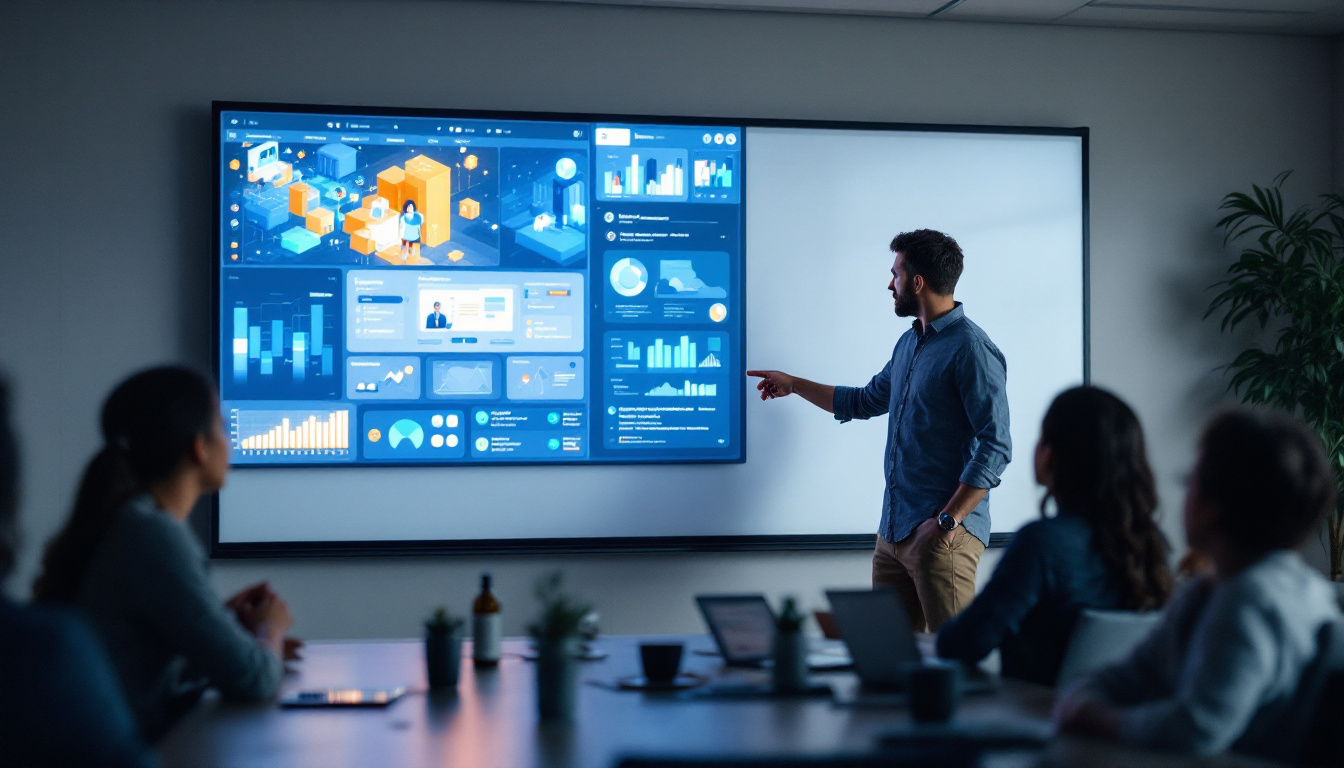
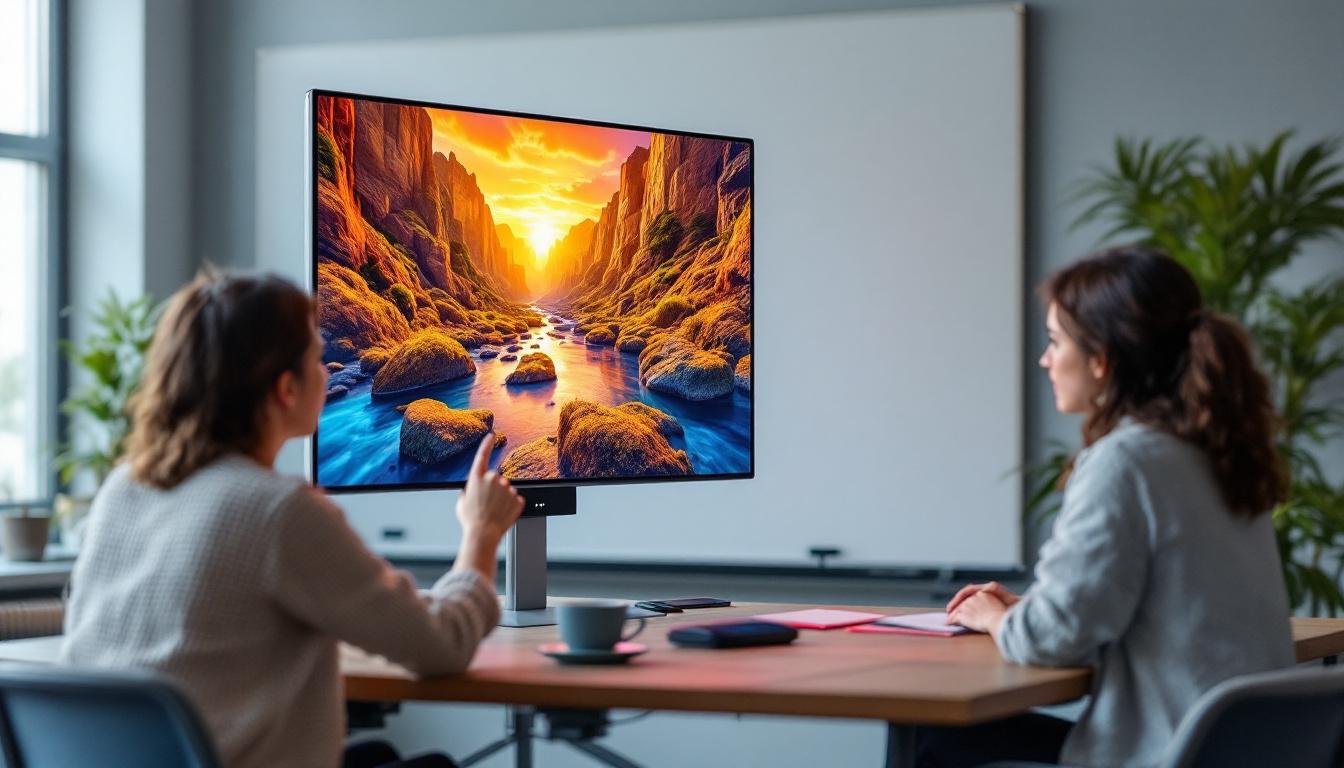
This hybrid functionality makes touchscreen projectors particularly valuable in environments like classrooms, corporate meeting rooms, and creative studios, where collaboration and interaction are essential. The technology transforms any flat surface into an interactive display, eliminating the need for separate touchscreens or monitors. This versatility not only enhances engagement but also fosters a more dynamic learning or meeting atmosphere, encouraging participants to contribute ideas and collaborate in real-time.
How Touchscreen Projectors Work
The core operation of a touchscreen projector involves two main components: the projection system and the touch detection mechanism. The projector emits light to display images, while sensors detect touch inputs on the projection surface. These inputs are then translated into commands that interact with the projected content.
Touch detection can be achieved through various technologies, including infrared sensors, capacitive touch, or camera-based systems. Each method has its strengths and limitations in terms of accuracy, responsiveness, and surface compatibility. For instance, infrared sensors are excellent for detecting multiple touch points simultaneously, making them ideal for collaborative environments where several users may interact with the display at once. On the other hand, capacitive touch systems often provide a more responsive experience, akin to that of modern smartphones, allowing for smooth gestures and fluid interactions. Additionally, camera-based systems can offer unique functionalities, such as gesture recognition, which can further enhance user engagement by allowing control without direct contact with the surface.
The Role of LED Displays in Touchscreen Projectors
At the heart of many modern touchscreen projectors is the LED (Light Emitting Diode) display technology. Unlike traditional lamp-based projectors that rely on high-intensity bulbs, LED projectors use arrays of LEDs as their light source. This fundamental difference brings several advantages that enhance the overall performance and user experience of touchscreen projectors.
Advantages of LED Light Sources
LED light sources offer a longer lifespan, often exceeding 20,000 to 30,000 hours, compared to conventional lamps which typically last between 2,000 and 5,000 hours. This longevity reduces maintenance costs and downtime, making LED projectors more reliable for continuous use.
Additionally, LEDs provide instant on/off capabilities without the warm-up or cool-down periods required by traditional lamps. This feature is particularly useful in dynamic environments where quick setup and shutdown are necessary.
Energy efficiency is another significant benefit. LED projectors consume less power, contributing to lower operational costs and a smaller environmental footprint. This is increasingly important as organizations seek sustainable technology solutions.
Image Quality and Color Performance
LED projectors are known for their vibrant color reproduction and high contrast ratios. The ability of LEDs to emit pure red, green, and blue light results in a wider color gamut and more accurate color representation. This enhances the clarity and realism of projected images, which is critical for applications ranging from detailed presentations to immersive educational content.
Moreover, LED displays maintain consistent brightness over time, whereas lamp-based projectors tend to dim as their bulbs age. This consistency ensures that users experience high-quality visuals throughout the product’s lifespan.
In addition to color accuracy, LED projectors excel in producing deeper blacks and brighter whites, which significantly improves the overall viewing experience. This capability is particularly advantageous in environments where ambient light cannot be completely controlled, such as classrooms or conference rooms. The enhanced contrast allows for clearer text and sharper images, making it easier for audiences to engage with the content being presented.
Furthermore, LED technology often incorporates advanced features such as dynamic contrast adjustment and color calibration, which can further optimize image quality based on the specific environment and content. These features allow users to tailor their presentations for maximum impact, ensuring that every detail is visible and every color pops, regardless of the lighting conditions. This adaptability makes LED projectors not only a practical choice but also a versatile tool for educators, business professionals, and creative artists alike.
Touchscreen Technology Integration
Integrating touchscreen capabilities into projectors requires precise coordination between the projection system and touch sensors. The choice of touchscreen technology affects the accuracy, responsiveness, and ease of use of the interactive experience.
Infrared Touch Technology
Infrared (IR) touch technology uses a grid of IR light beams projected across the surface. When a finger or stylus interrupts these beams, sensors detect the location of the touch. IR touch systems are popular in touchscreen projectors because they work on virtually any surface and support multi-touch functionality.
However, IR systems can be susceptible to interference from ambient light sources and may require calibration to maintain accuracy over time.
Capacitive Touch Technology
Capacitive touch technology relies on the electrical properties of the human body to detect touch. It offers high accuracy and responsiveness, similar to smartphone screens. However, capacitive systems generally require a specialized surface that can conduct electrical signals, which can limit the types of projection surfaces used.
Incorporating capacitive touch into projectors is less common due to these surface constraints but can provide a premium interactive experience when feasible.
Camera-Based Touch Detection
Some advanced touchscreen projectors use cameras positioned around the projection area to track finger or stylus movements. This method allows for touch detection on irregular surfaces and can support complex gestures. While highly flexible, camera-based systems often require more processing power and can be affected by lighting conditions.
Applications of Touchscreen Projectors with LED Displays
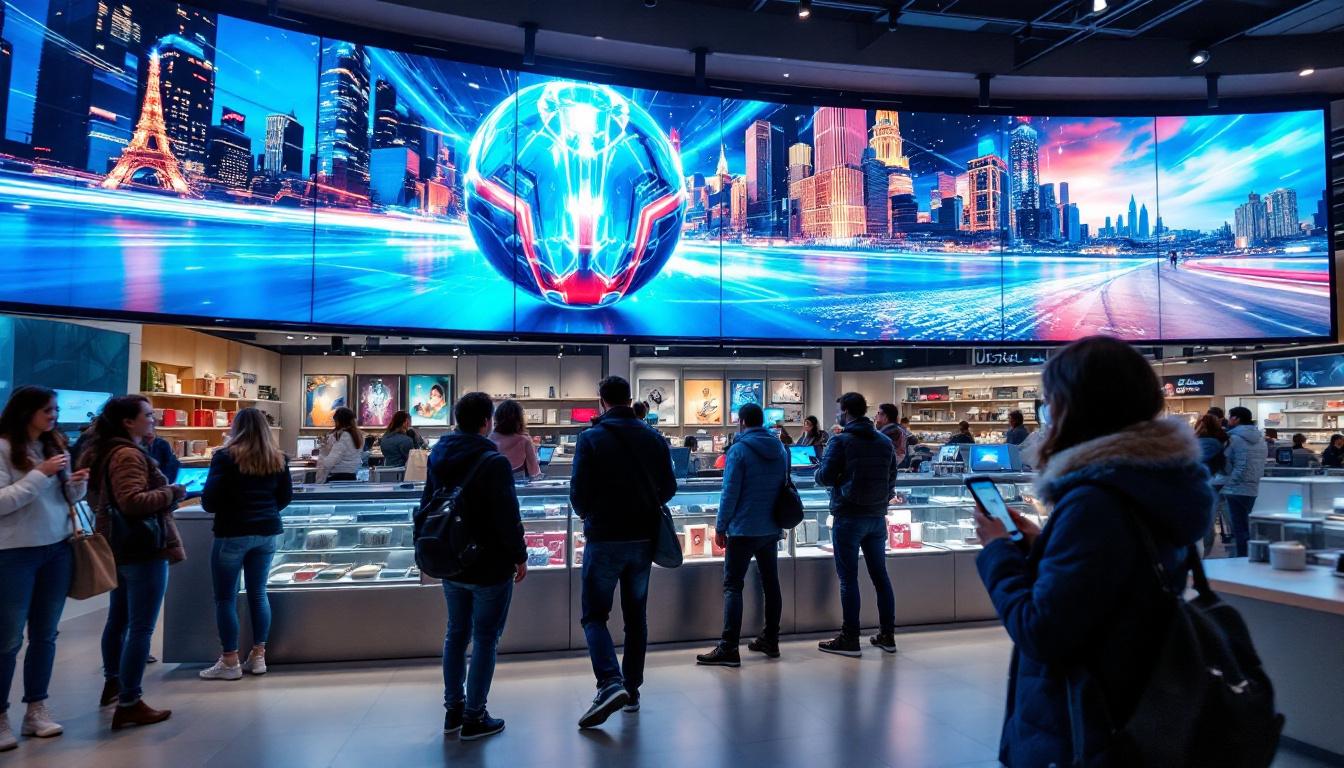
The combination of LED display technology and touchscreen interactivity has opened new avenues across various sectors. The versatility of these projectors makes them suitable for diverse use cases where engagement and collaboration are paramount.
Education
In classrooms, touchscreen projectors facilitate interactive lessons that engage students more effectively than traditional whiteboards or static presentations. Teachers can annotate directly on projected content, run interactive quizzes, and encourage group participation. The durability and low maintenance of LED projectors also make them ideal for busy educational environments.
According to a 2023 report by the Education Technology Association, schools implementing interactive projection systems saw a 30% increase in student engagement and a 25% improvement in information retention rates.
Corporate and Business Environments
Meeting rooms and conference spaces benefit from the dynamic presentation capabilities of touchscreen projectors. Teams can brainstorm ideas, annotate documents in real-time, and collaborate seamlessly across remote and in-person participants. The portability of many LED touchscreen projectors also supports flexible workspace arrangements.
Furthermore, the energy efficiency of LED systems aligns with corporate sustainability goals, reducing the environmental impact of office technology.
Creative and Design Industries
For artists, designers, and architects, touchscreen projectors provide a large, interactive canvas to visualize concepts and make instant modifications. The high color accuracy of LED displays ensures that designs are rendered faithfully, aiding in critical decision-making processes.
Interactive projection also supports client presentations, enabling stakeholders to engage directly with proposed designs and provide immediate feedback.
Choosing the Right Touchscreen Projector with LED Display
Selecting a touchscreen projector that meets specific needs requires careful consideration of several factors, including brightness, resolution, touch technology, and connectivity options.
Brightness and Resolution
Brightness, measured in lumens, determines how well the projector performs in different lighting conditions. For environments with ambient light, higher brightness levels (3,000 lumens or more) are recommended to ensure clear visibility.
Resolution impacts image sharpness and detail. Full HD (1920×1080) is standard for most applications, while 4K resolution is becoming more accessible for users requiring ultra-high-definition visuals.
Touch Technology Compatibility
Understanding the interaction between touch technology and projection surface is crucial. Infrared systems offer flexibility with surfaces but may require more maintenance, while capacitive systems provide precision but need compatible surfaces.
Users should also consider the number of simultaneous touch points supported, especially for collaborative environments.
Connectivity and Software Integration
Modern touchscreen projectors often include wireless connectivity options such as Wi-Fi and Bluetooth, facilitating seamless integration with laptops, smartphones, and other devices. Compatibility with popular collaboration software and operating systems enhances usability and productivity.
Future Trends in Touchscreen Projectors and LED Displays
The future of touchscreen projectors is poised for exciting advancements driven by ongoing innovations in LED technology and interactive systems.
Miniaturization and Portability
As LED components become smaller and more efficient, projectors are becoming increasingly compact and portable. This trend enables users to carry interactive projection technology anywhere, expanding its use beyond fixed installations.
Enhanced Interactivity and AI Integration
Emerging AI-powered features promise to improve touch accuracy, gesture recognition, and content adaptation. Intelligent systems could anticipate user needs, streamline workflows, and provide personalized learning or presentation experiences.
Improved Energy Efficiency and Sustainability
Ongoing improvements in LED efficiency and materials will further reduce power consumption and environmental impact, aligning with global sustainability initiatives.
Conclusion
Touchscreen projectors equipped with LED displays represent a significant leap forward in interactive display technology. By merging the expansive viewing capabilities of projectors with responsive touch interfaces and the advantages of LED illumination, these devices offer versatile solutions for education, business, and creative industries.
Understanding the underlying technologies, from LED light sources to touch detection methods, empowers users to select the right system tailored to their specific requirements. As technology continues to advance, touchscreen projectors will undoubtedly become an even more integral part of collaborative and immersive digital experiences.
Discover LumenMatrix’s Innovative LED Display Solutions
Ready to elevate your interactive experiences with the latest in LED display technology? Look no further than LumenMatrix, a pioneer in crafting visually stunning and technologically advanced LED display modules. Whether you’re seeking to boost brand visibility or create immersive environments, our comprehensive range of solutions, including Indoor and Outdoor LED Wall Displays, Vehicle LED Displays, and more, are designed to captivate and engage. Embrace the future of visual communication and check out LumenMatrix LED Display Solutions today to see how we can transform your space into a dynamic and interactive showcase.