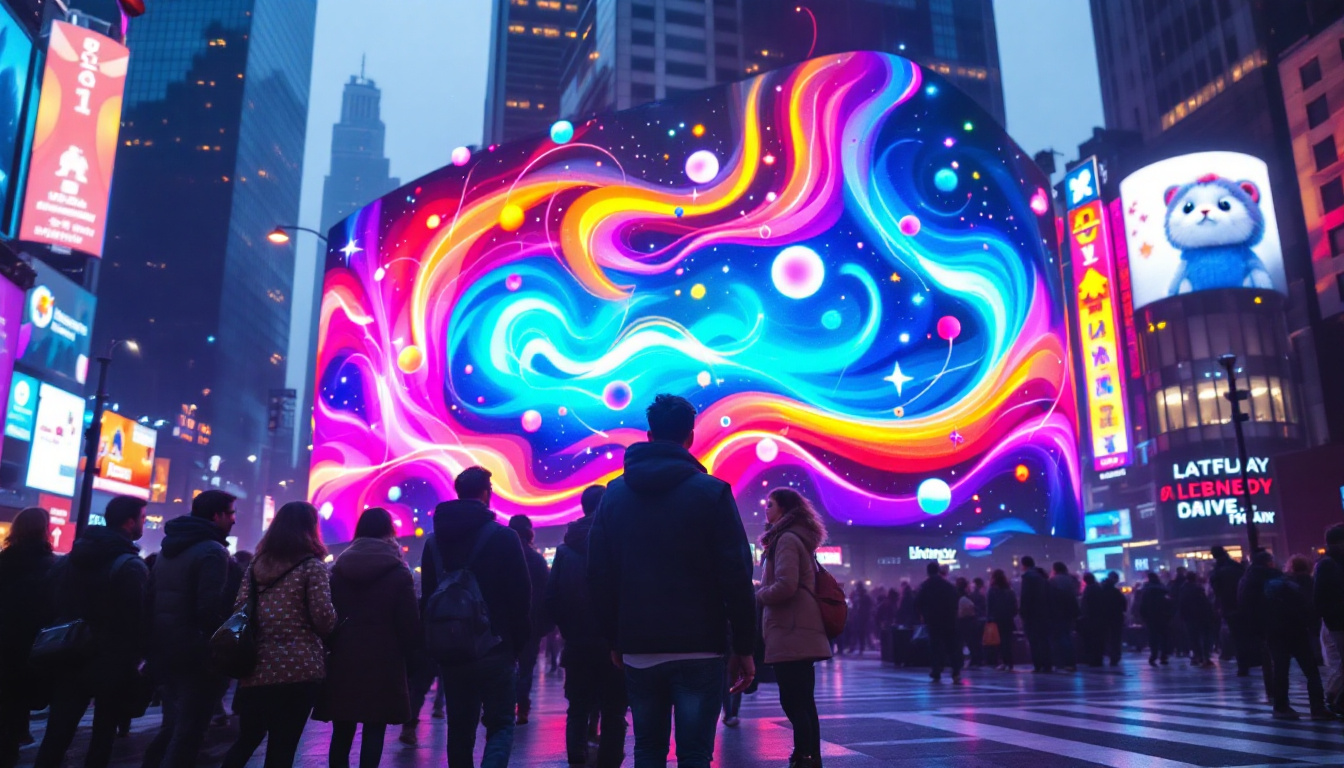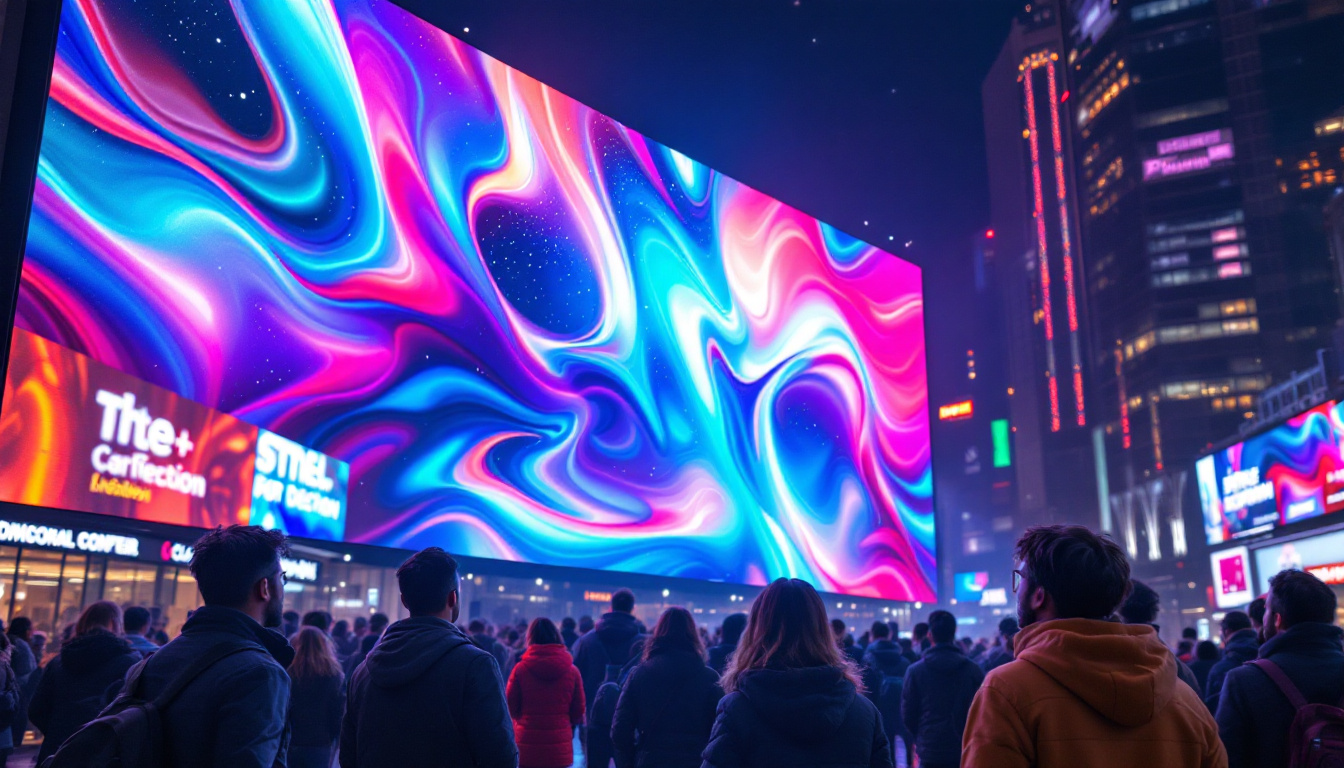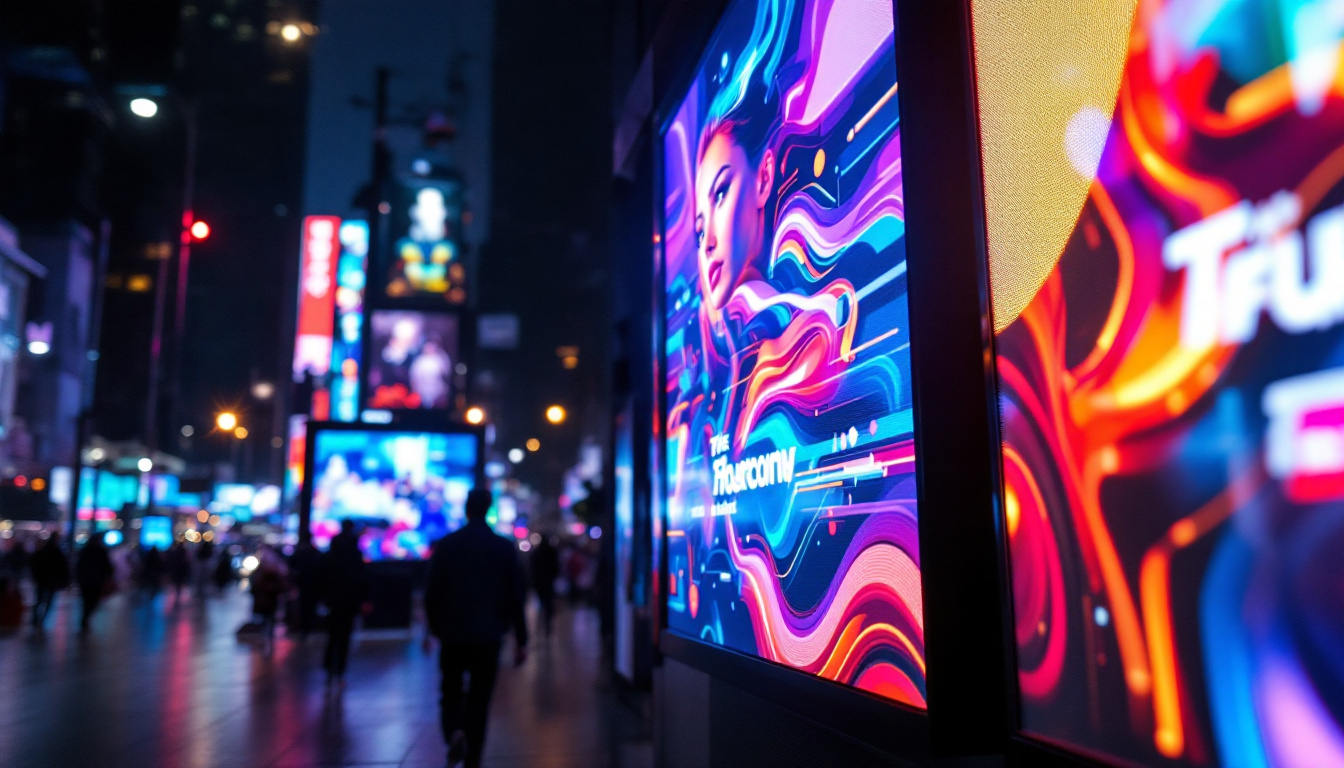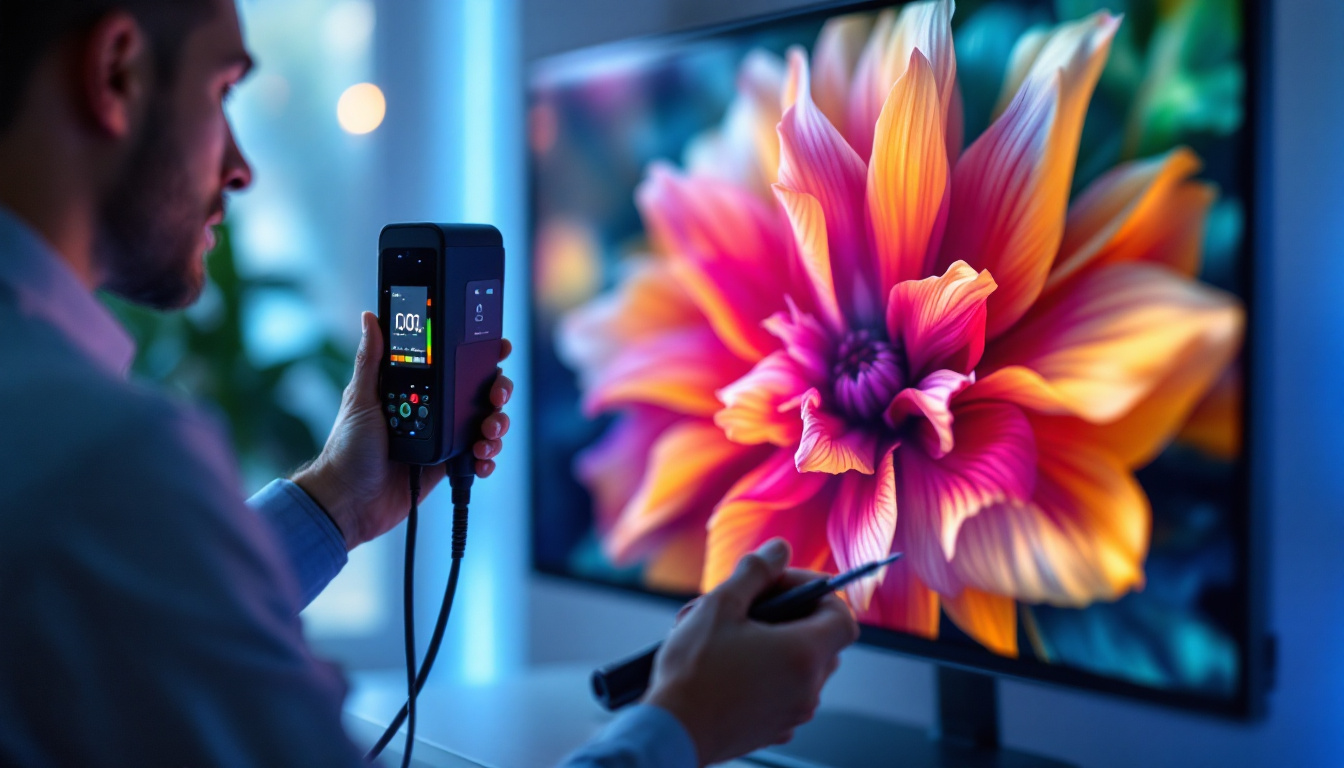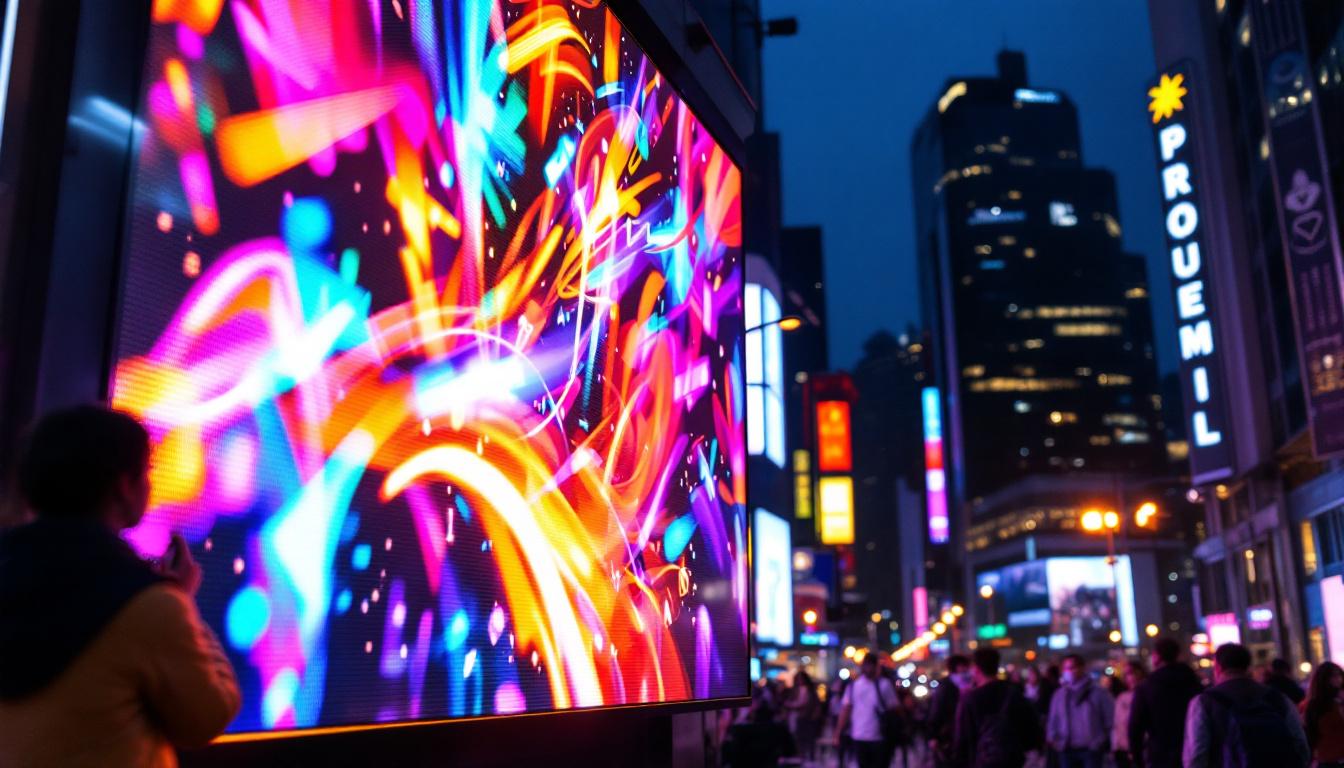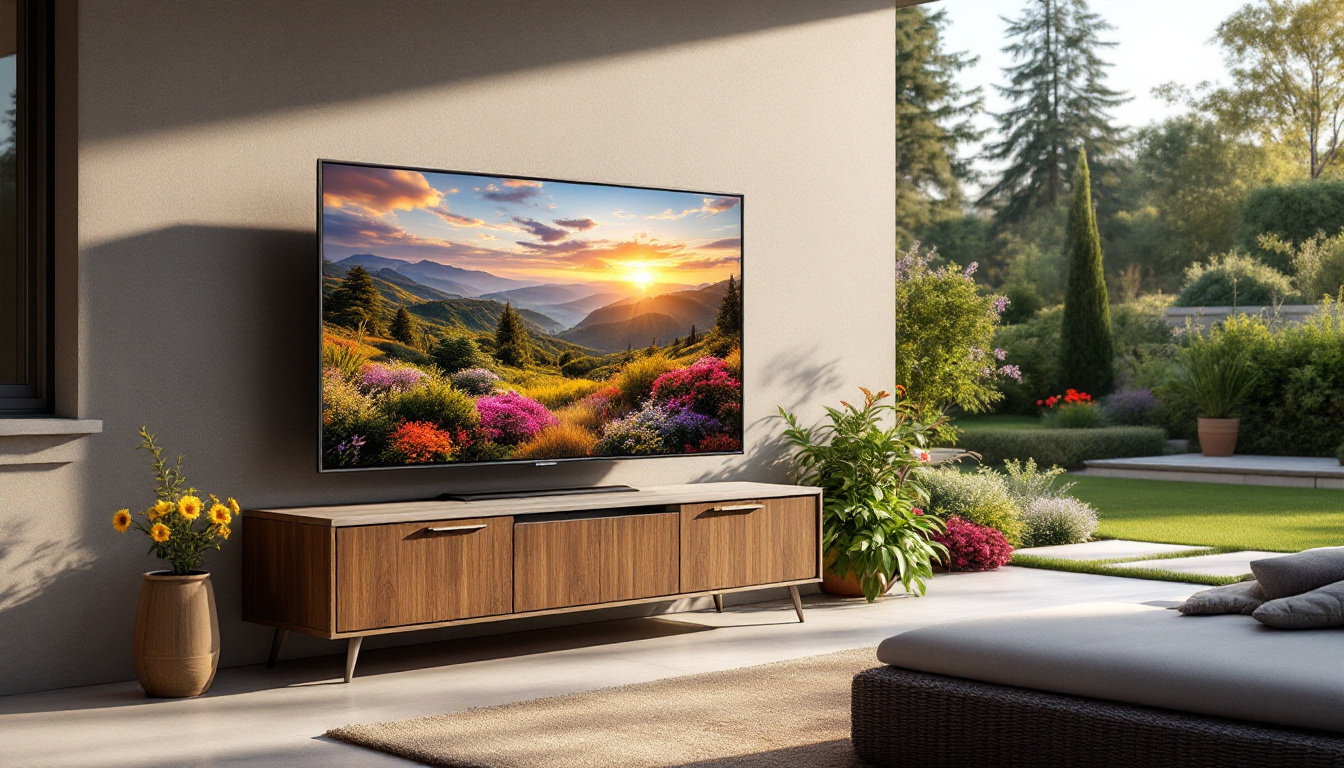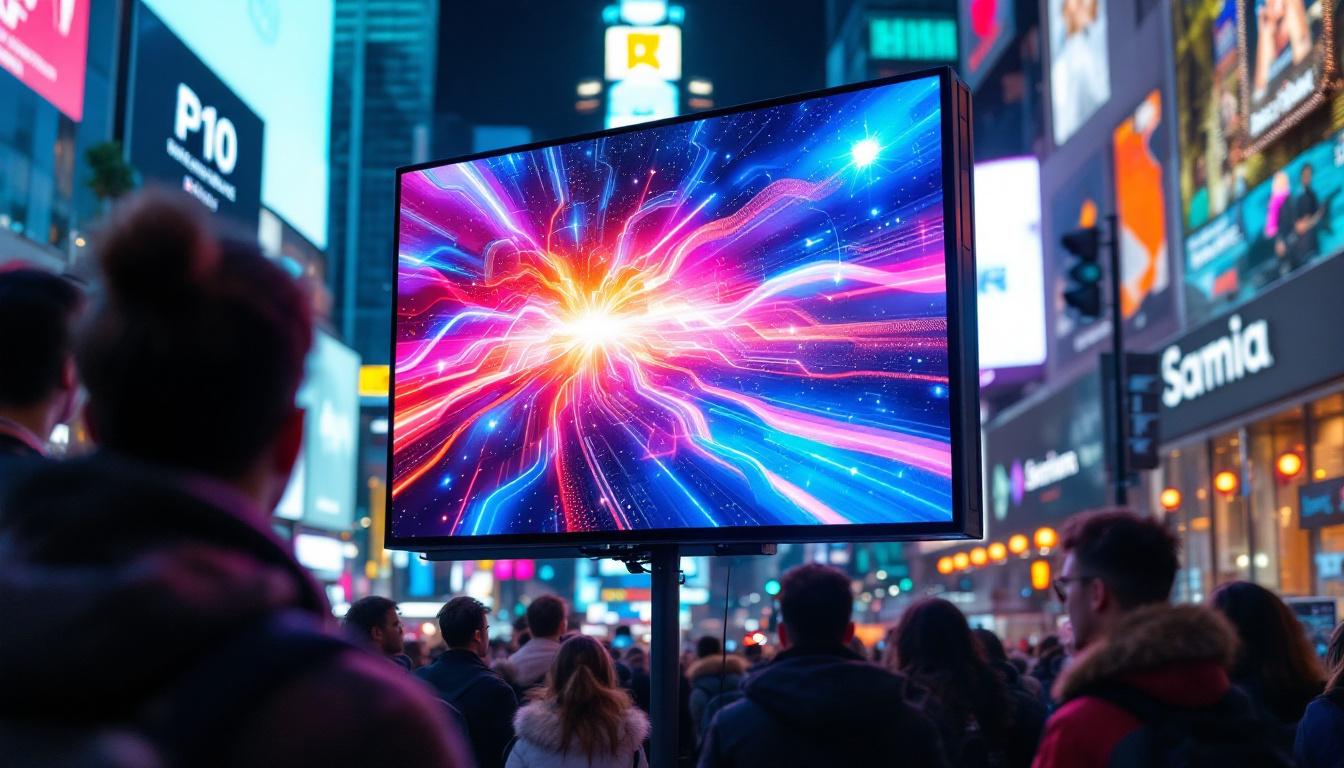
In the fast-evolving world of digital signage and outdoor advertising, LED technology has become a cornerstone for delivering vibrant, dynamic content to audiences everywhere. Among the various types of LED displays available, the P10 outdoor LED screen stands out as a popular and versatile choice for many applications. This article provides an in-depth explanation of what a P10 outdoor LED screen is, how it works, its key features, and why it remains a top choice for outdoor digital displays.
Understanding the Basics of LED Displays
LED, or Light Emitting Diode, technology has revolutionized the way information is displayed in public spaces. Unlike traditional LCD or projection screens, LED displays use tiny diodes that emit light when an electric current passes through them. This self-illumination allows LED screens to produce bright, vivid images that are easily visible even in direct sunlight, making them ideal for outdoor use. The versatility of LED technology has led to its adoption in various applications, from advertising billboards to sports arenas, where clarity and visibility are paramount.
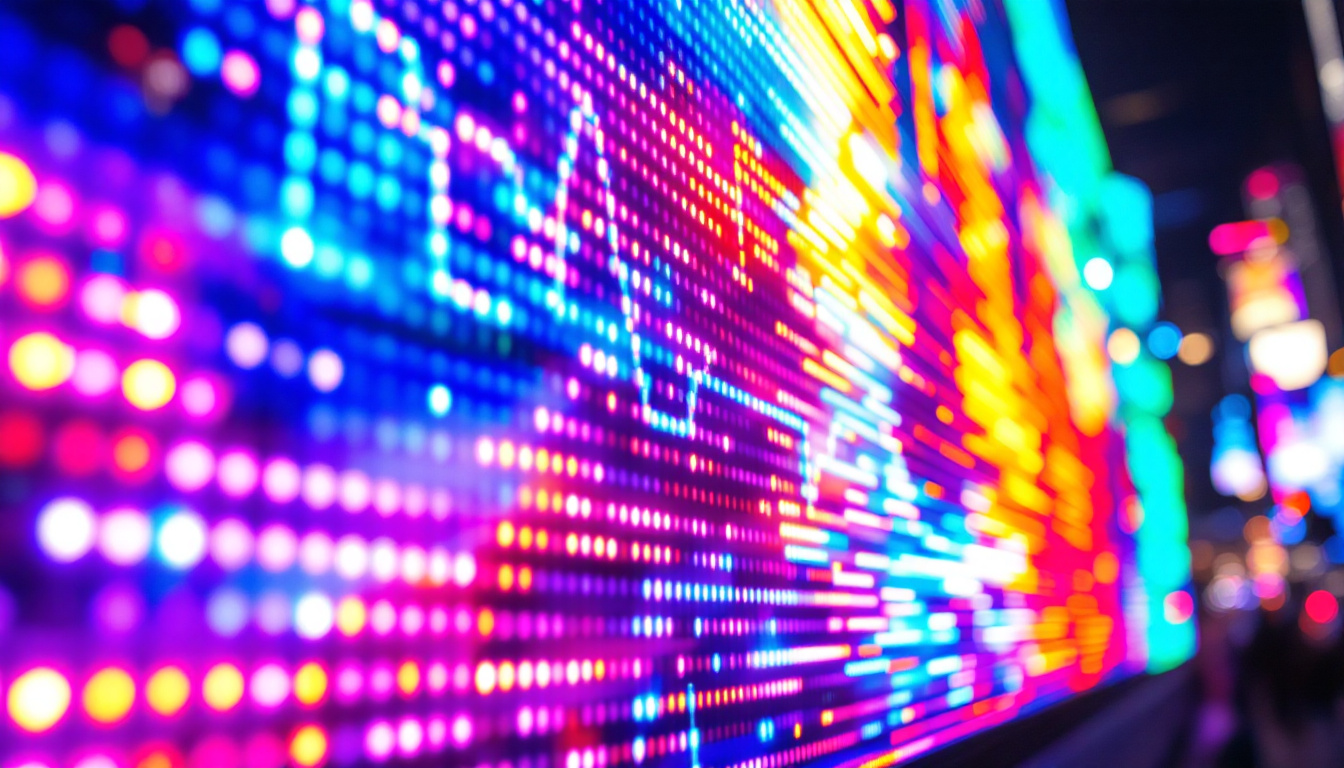
LED displays are made up of numerous small modules, each containing multiple LEDs arranged in a grid. The resolution and clarity of the display depend on the density of these LEDs, which is measured in pixel pitch—the distance between the centers of two adjacent pixels. The smaller the pixel pitch, the higher the resolution and image sharpness. This characteristic is particularly important in environments where viewers are close to the screen, such as in retail settings or control rooms, where detailed information must be conveyed quickly and accurately.
In addition to their impressive visual capabilities, LED displays are also known for their energy efficiency. Compared to traditional lighting methods, LEDs consume significantly less power while providing the same level of brightness. This not only reduces operational costs but also contributes to a lower carbon footprint, making LED technology an environmentally friendly choice. Furthermore, advancements in LED technology have led to features such as dynamic brightness adjustment, which optimizes energy use based on ambient light conditions, enhancing both performance and sustainability.
The durability of LED displays is another factor that sets them apart. Built to withstand harsh weather conditions, these displays are often encased in protective materials that guard against moisture, dust, and temperature fluctuations. This resilience makes them suitable for a variety of environments, from bustling urban centers to remote locations. Additionally, many LED displays are designed for easy maintenance, allowing for quick repairs and replacements without significant downtime, which is crucial for businesses that rely on constant visibility for their messaging.
What Does P10 Mean in LED Screens?
The term “P10” refers specifically to the pixel pitch of the LED display, indicating a 10-millimeter distance between the centers of adjacent pixels. This measurement is crucial because it directly influences the viewing distance, image resolution, and overall display quality.
For outdoor LED screens, a larger pixel pitch like P10 is common because it balances cost and visibility. Since outdoor displays are typically viewed from a greater distance, the slightly lower resolution compared to indoor LED screens with smaller pixel pitches (such as P2.5 or P3) does not significantly impact the viewing experience.
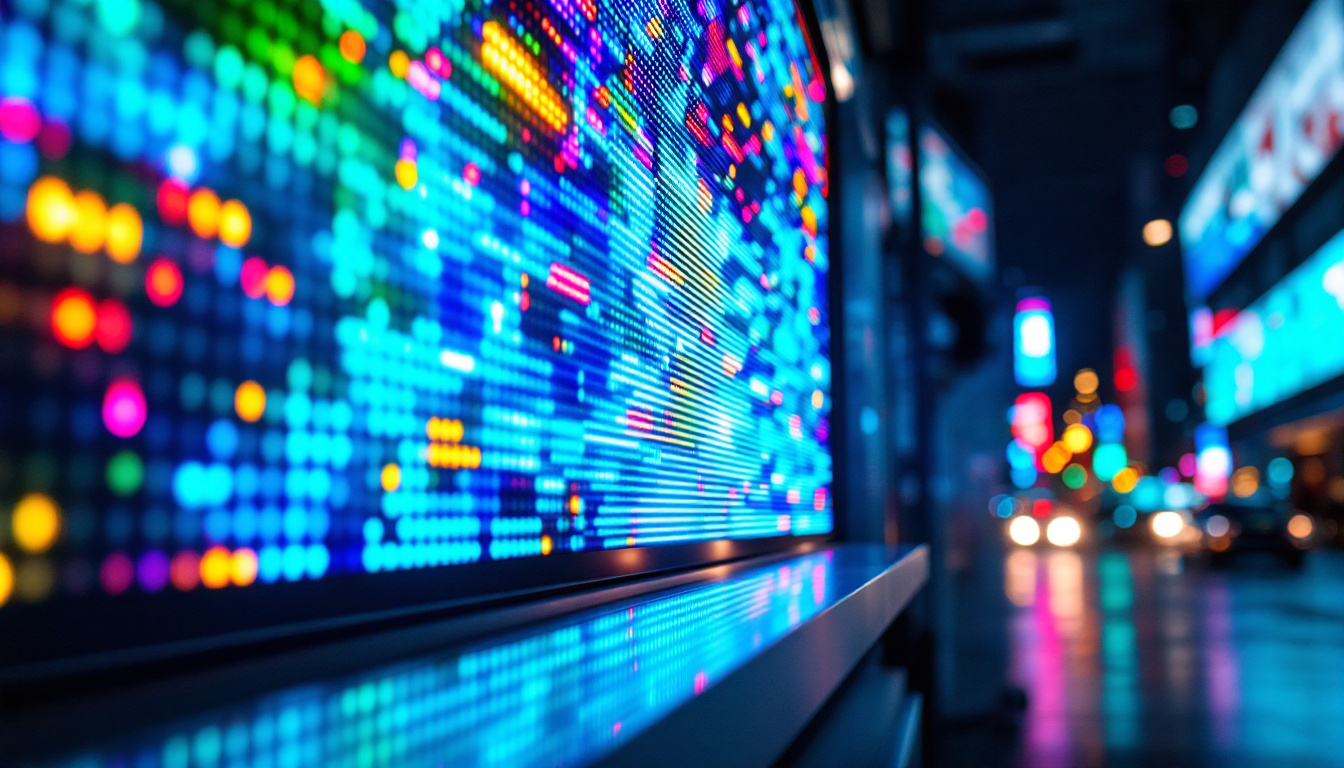
In practical terms, a P10 LED screen is best suited for viewing distances of 10 meters or more. At these distances, the human eye cannot discern the individual pixels, resulting in a clear and sharp image. This makes P10 LED screens ideal for billboards, sports stadiums, public squares, and other large outdoor venues.
Moreover, the P10 pixel pitch is particularly advantageous for dynamic advertising and event displays, as it allows for vibrant colors and high brightness levels that can cut through ambient light. This is essential for capturing the attention of passersby in bustling urban environments or during daytime events. The technology behind P10 screens often includes advanced features such as weatherproofing and UV resistance, ensuring durability and longevity even in harsh outdoor conditions.
Additionally, the versatility of P10 LED screens extends beyond static advertisements. They can be programmed to showcase video content, animations, and real-time information, making them a popular choice for sports arenas where live game feeds and statistics are displayed. The ability to easily update content remotely adds to their appeal, allowing businesses and event organizers to adapt their messaging quickly and efficiently, thus maximizing engagement with their audience.
Key Features of P10 Outdoor LED Screens
Brightness and Visibility
One of the most important features of outdoor LED screens is their brightness. P10 LED displays typically offer brightness levels ranging from 5,000 to 7,000 nits, which is significantly higher than indoor screens. This high brightness ensures that the display remains visible even under direct sunlight, combating glare and ambient light interference.
Weather Resistance and Durability
Outdoor LED screens must withstand various weather conditions, including rain, wind, dust, and extreme temperatures. P10 LED screens are designed with robust materials and protective coatings to ensure durability. Many models come with an IP65 or higher rating, meaning they are dust-tight and protected against water jets, making them suitable for year-round outdoor use.
Energy Efficiency
Despite their brightness, modern P10 LED screens are engineered to be energy-efficient. Advances in LED technology have reduced power consumption without compromising luminosity. This efficiency not only lowers operational costs but also aligns with growing environmental concerns and sustainability goals.
Modularity and Scalability
P10 LED screens are typically modular, allowing for flexible installation sizes and configurations. This modularity means that screens can be expanded or reduced in size depending on the specific requirements of the project. It also simplifies maintenance, as individual modules can be replaced without dismantling the entire screen.
Applications of P10 Outdoor LED Screens
The versatility of P10 outdoor LED screens makes them suitable for a wide range of applications across different industries.
Advertising and Marketing
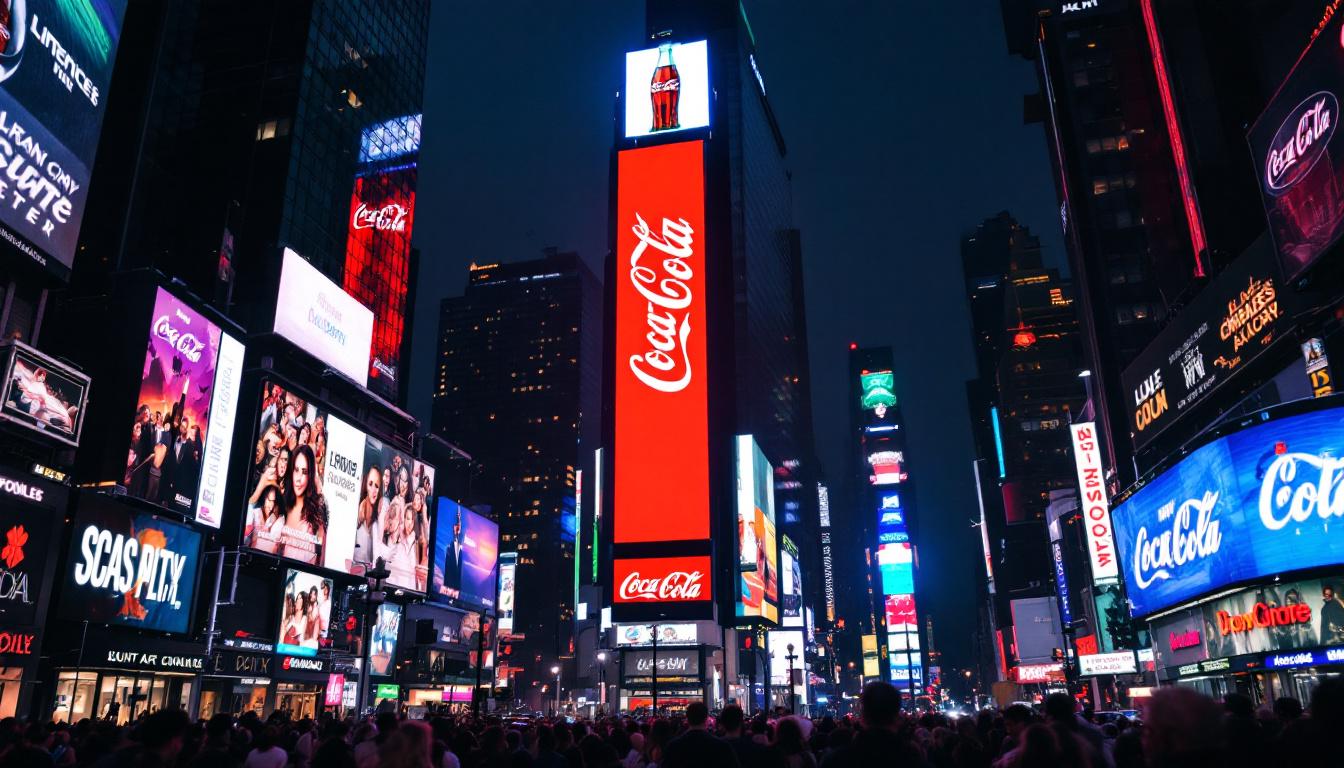
Outdoor advertising is one of the primary uses of P10 LED screens. Their high visibility and ability to display dynamic content make them perfect for billboards, shopping centers, and roadside advertising. Unlike static billboards, LED screens can rotate multiple advertisements, display videos, and even integrate real-time data such as weather updates or social media feeds.
Sports and Entertainment Venues
Sports stadiums and concert arenas frequently use P10 LED screens to enhance the spectator experience. These screens display live action replays, scores, announcements, and promotional content. Their large size and bright display ensure visibility from all seating areas, contributing to a more immersive event atmosphere.
Public Information Displays
Municipalities and transportation hubs utilize P10 LED screens for public information dissemination. These screens can provide real-time updates on traffic, public transport schedules, emergency alerts, and community announcements. Their durability and visibility make them reliable tools for keeping the public informed.
Events and Exhibitions
Temporary events such as festivals, trade shows, and exhibitions benefit from P10 LED screens due to their portability and ease of setup. Event organizers use these screens to display schedules, sponsor advertisements, and interactive content, enhancing attendee engagement.
Technical Considerations When Choosing a P10 Outdoor LED Screen
Resolution and Viewing Distance
While P10 screens are optimized for longer viewing distances, it is essential to match the screen size and resolution to the typical audience distance. For example, a smaller screen with a P10 pitch may not deliver a satisfactory viewing experience if the audience is close to the display. Conversely, large-scale installations benefit from the cost-effectiveness of P10 without sacrificing image quality.
Installation and Maintenance
Proper installation is critical to ensure the longevity and performance of P10 LED screens. Factors such as mounting structure, power supply, and ventilation must be carefully planned. Additionally, maintenance accessibility should be considered since outdoor environments can accelerate wear and tear. Many manufacturers offer front and rear maintenance options to facilitate quick repairs and module replacements.
Control Systems and Connectivity
Modern P10 LED screens are integrated with advanced control systems that allow for remote content management and real-time monitoring. Connectivity options such as Ethernet, Wi-Fi, and 4G/5G enable seamless content updates and diagnostics, reducing the need for on-site personnel and minimizing downtime.
Cost Factors
The cost of a P10 outdoor LED screen varies based on size, brightness, brand, and additional features like weatherproofing and smart control systems. While the initial investment can be significant, the long-term benefits of durability, energy efficiency, and advertising flexibility often justify the expenditure. Leasing options and financing plans are also available to help businesses manage costs.
Future Trends in Outdoor LED Display Technology
The LED display industry continues to innovate, with several emerging trends shaping the future of outdoor screens.
Higher Resolution and Smaller Pixel Pitch
While P10 remains popular for certain applications, advancements in LED manufacturing are making smaller pixel pitches more affordable for outdoor use. This trend allows for even sharper images and closer viewing distances, expanding the potential use cases for outdoor LED screens.
Integration with Smart Technologies
Smart LED screens equipped with sensors and AI capabilities are becoming more common. These displays can adjust brightness automatically based on ambient light, detect audience engagement, and tailor content dynamically. Such features enhance the effectiveness of outdoor advertising and public information systems.
Energy Harvesting and Sustainability
Efforts to reduce the environmental impact of digital signage are driving innovations in energy harvesting, such as solar-powered LED screens. Combining renewable energy sources with energy-efficient LED technology can significantly reduce operational costs and carbon footprints.
Conclusion
The P10 outdoor LED screen represents a well-balanced solution for outdoor digital display needs, offering a blend of visibility, durability, and cost-effectiveness. Its 10mm pixel pitch makes it ideal for applications where viewers are positioned at a distance, ensuring clear and vibrant visuals even in challenging outdoor environments.
As LED technology advances, P10 screens continue to evolve, integrating smarter features and improved efficiencies. Whether for advertising, public information, or event display, understanding the capabilities and considerations of P10 outdoor LED screens enables businesses and organizations to make informed decisions that maximize impact and return on investment.
Discover Cutting-Edge P10 LED Solutions with LumenMatrix
Ready to elevate your outdoor digital displays with unparalleled clarity and impact? LumenMatrix is at the forefront of LED display innovation, offering a wide array of solutions tailored to your unique needs. From vibrant Outdoor LED Wall Displays to dynamic LED Sports Displays and beyond, our mission is to transform your visual communication with advanced, energy-efficient technology. Experience the difference that a LumenMatrix P10 outdoor LED screen can make. Check out LumenMatrix LED Display Solutions today and start creating unforgettable visual experiences.