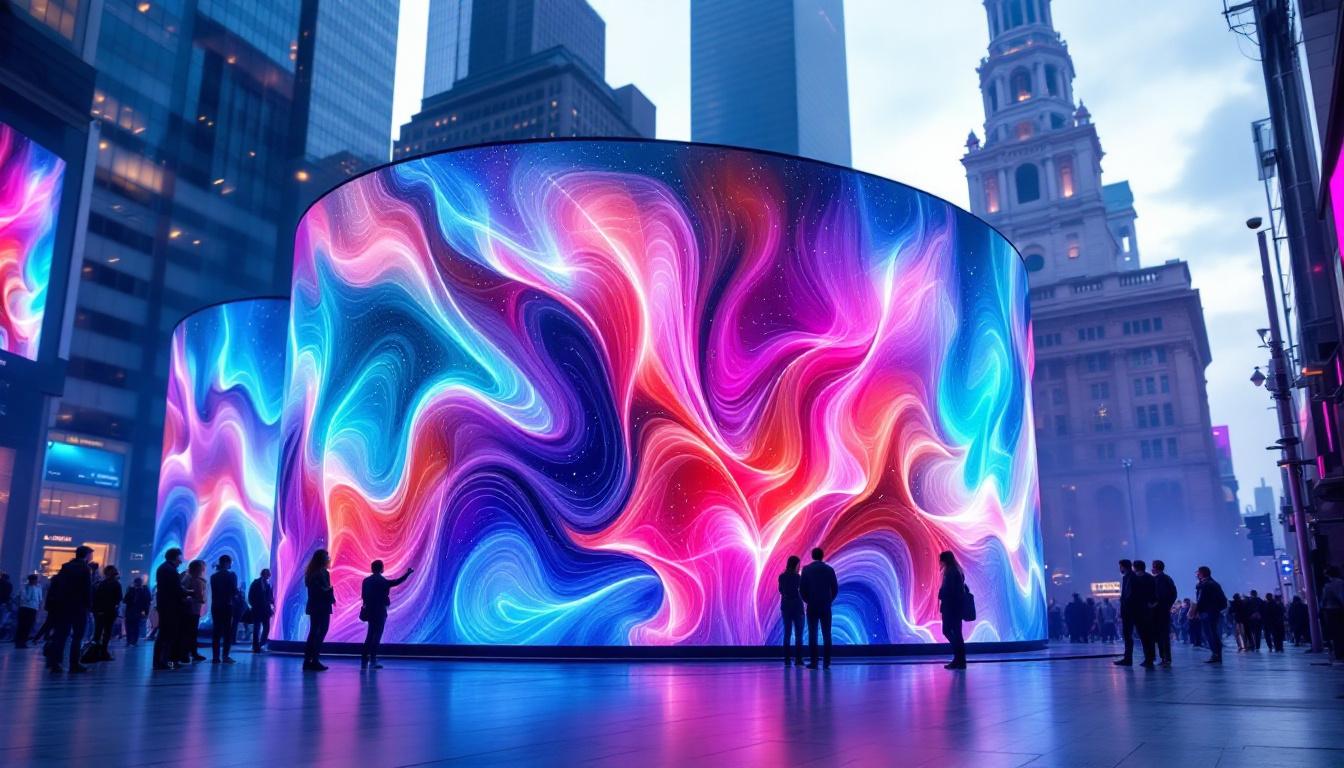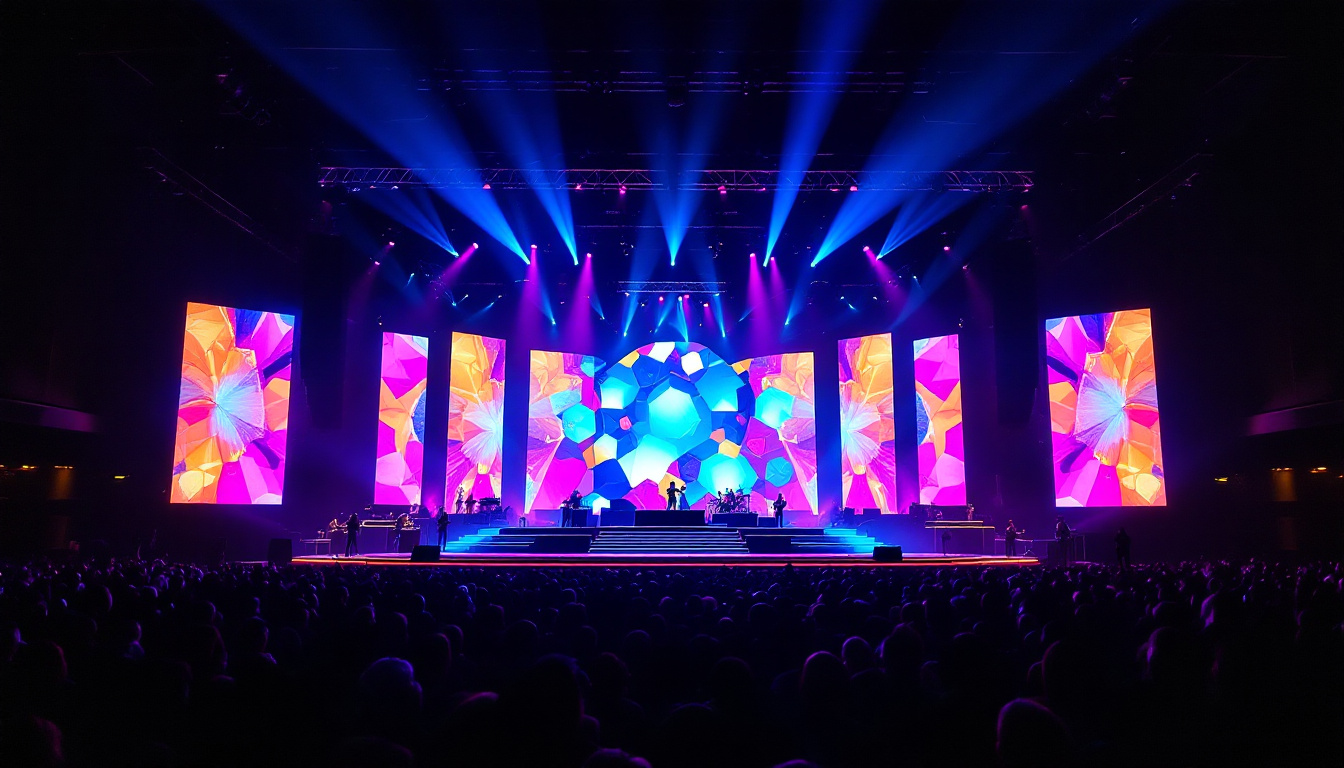
In an era where visual communication is paramount, LED display technologies have revolutionized the way information and advertising are presented. Among the latest innovations, stackable wall blocks have emerged as a versatile and dynamic solution for creating large-scale LED displays. These modular units offer unparalleled flexibility, scalability, and ease of installation, making them ideal for a wide range of applications—from commercial advertising to immersive art installations.
Understanding Stackable Wall Blocks
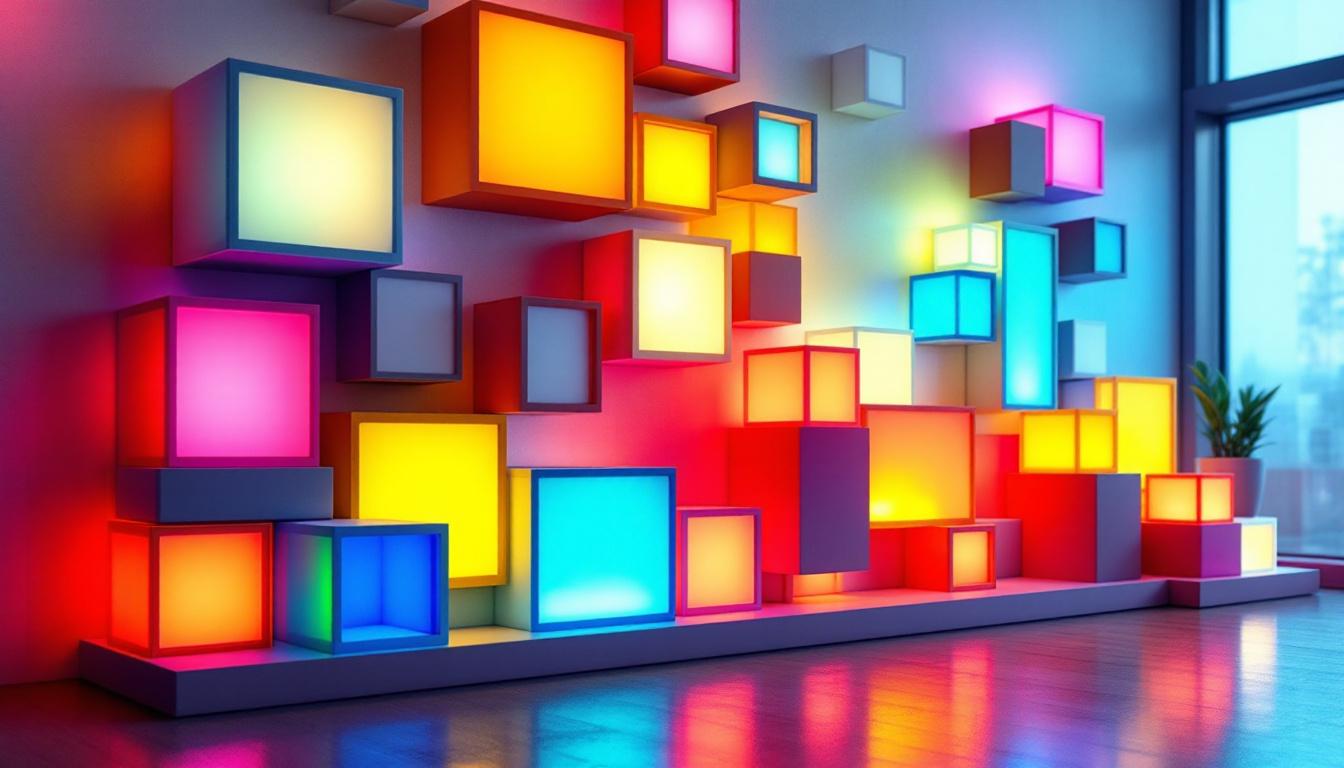
Stackable wall blocks are essentially modular LED panels designed to be assembled vertically and horizontally to form seamless, large-format displays. Unlike traditional fixed LED screens, these blocks can be stacked and arranged in various configurations, allowing for customized display sizes and shapes.
The concept is similar to building with bricks or blocks, where each unit functions independently but integrates perfectly with adjacent units to form a cohesive whole. This modularity offers significant advantages in terms of transportation, installation, maintenance, and future expansion. For instance, businesses can easily adapt their displays to fit different spaces or events without the need for extensive renovations or custom installations, making stackable wall blocks an ideal choice for dynamic environments like trade shows, retail spaces, and corporate events.
Technical Composition of Stackable Blocks
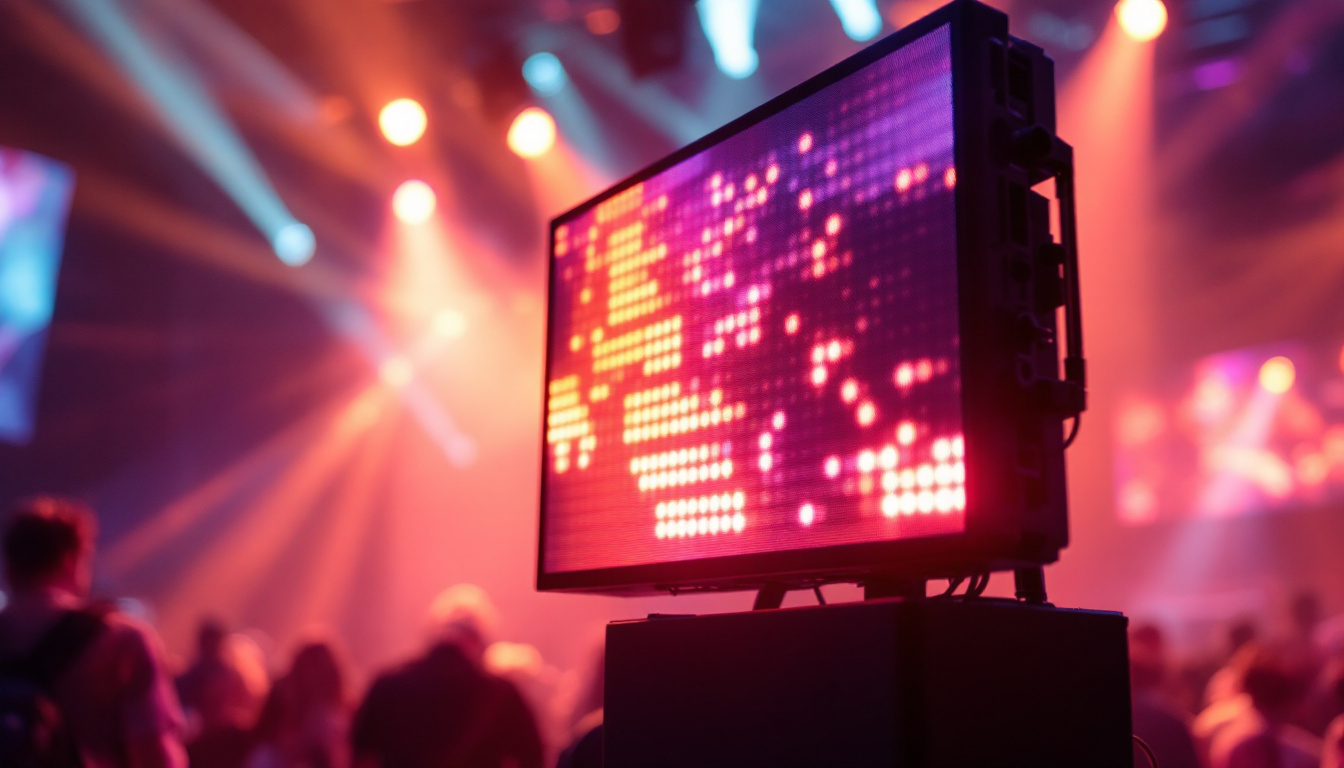
Each stackable block typically contains a high-resolution LED matrix, control circuitry, and power management components. Modern blocks use SMD (Surface Mounted Device) LEDs, which provide bright, vibrant colors and wide viewing angles. Pixel pitches—the distance between individual LEDs—can vary depending on the intended viewing distance and image quality requirements, ranging from ultra-fine 1.2mm for close-up viewing to 10mm or more for large outdoor displays.
Advanced models incorporate features such as HDR (High Dynamic Range) support, high refresh rates (up to 3840 Hz or more), and wide color gamuts to ensure vivid and flicker-free visuals. Additionally, integrated heat dissipation systems and weatherproofing make these blocks suitable for both indoor and outdoor environments. The versatility of stackable wall blocks also extends to their compatibility with various content management systems, enabling users to easily update and control the displayed content remotely. This feature is particularly beneficial for businesses that require real-time updates, such as news outlets or advertising agencies, allowing them to engage their audience with timely and relevant information. Furthermore, the ability to interconnect multiple blocks can create stunning visual effects, transforming any space into an immersive experience that captivates viewers and enhances brand messaging.
Advantages of Stackable LED Wall Blocks
The modular nature of stackable wall blocks introduces several benefits that distinguish them from traditional LED display solutions.
Flexibility and Customization
One of the most compelling advantages is the ability to customize the display size and shape. Whether it’s a towering video wall in a shopping mall, a curved installation in a corporate lobby, or a dynamic stage backdrop, stackable blocks can be arranged to meet specific spatial and design needs.
This flexibility extends to resolution as well. By selecting blocks with different pixel pitches, designers can optimize image clarity for various viewing distances, ensuring an engaging visual experience for audiences. Furthermore, the ability to create unique configurations allows for artistic expression and branding opportunities, making each installation a reflection of the client’s identity and vision. This adaptability is particularly beneficial for events that require quick transformations, such as concerts or exhibitions, where the visual setup can be tailored to match different themes or moods throughout the event.
Ease of Installation and Maintenance
Traditional LED walls often require complex mounting structures and extensive wiring. In contrast, stackable blocks are designed for straightforward assembly, often featuring magnetic or mechanical locking systems that allow quick alignment and secure attachment.
Maintenance is simplified as well. Individual blocks can be removed and replaced without dismantling the entire display, minimizing downtime and reducing maintenance costs. This modularity also facilitates upgrades, enabling users to swap out older blocks for newer technology without a complete overhaul. Additionally, many manufacturers offer user-friendly diagnostic tools that help technicians quickly identify and troubleshoot issues, further enhancing the efficiency of maintenance operations. This proactive approach to upkeep not only ensures that displays remain operational longer but also contributes to a consistently high-quality viewing experience for audiences.
Cost-Effectiveness
While the initial investment in stackable LED blocks may be comparable to traditional LED walls, the long-term cost savings are significant. The reduced installation time, lower maintenance expenses, and scalability mean businesses can adapt their displays as needs evolve without incurring substantial additional costs.
Moreover, energy-efficient LED technology and advanced power management reduce operational costs, making stackable LED walls an economically sustainable choice. The longevity of LED components also plays a crucial role in cost-effectiveness; with lifespans often exceeding 50,000 hours, businesses can enjoy years of reliable performance before needing to consider replacements. Furthermore, the ability to easily reconfigure or expand the display as business needs change means that investments can be maximized, allowing companies to stay ahead in a competitive landscape without the fear of obsolescence. This strategic financial advantage empowers organizations to allocate resources more effectively, focusing on growth and innovation rather than constant upgrades or replacements.
Applications of Stackable LED Wall Blocks
The versatility of stackable LED wall blocks has led to their adoption across diverse sectors, each leveraging the technology’s unique benefits to enhance communication and engagement.
Retail and Advertising
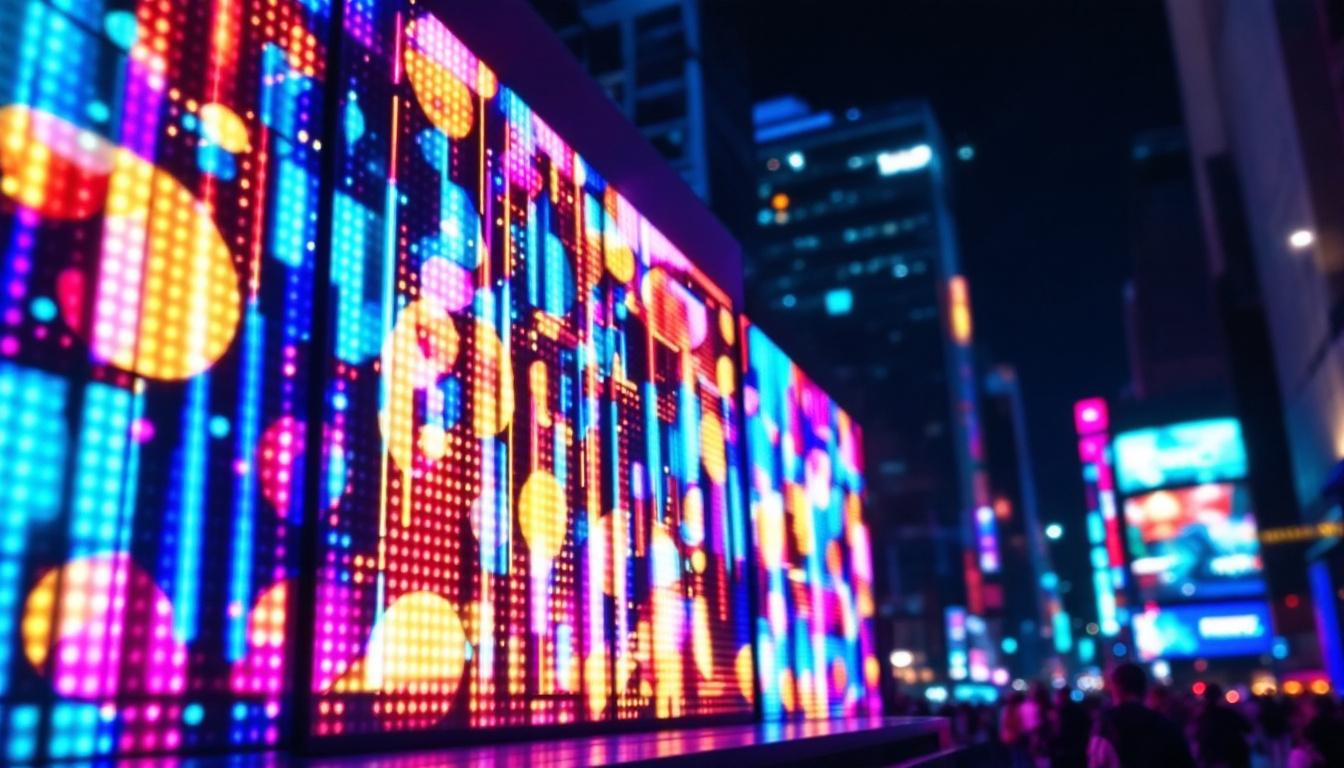
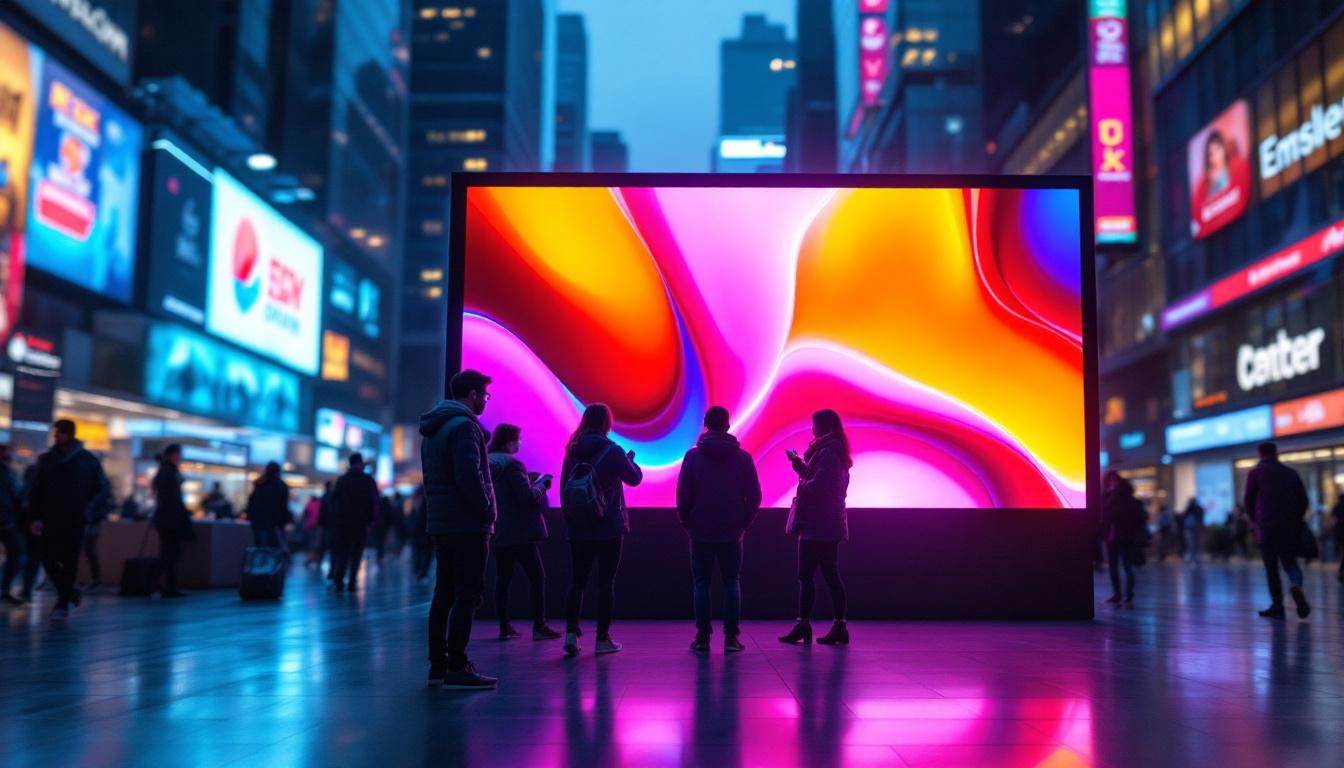
Retail environments increasingly rely on dynamic digital signage to attract customers and promote products. Stackable LED walls enable retailers to create eye-catching displays that can be updated in real-time with promotional content, seasonal campaigns, or interactive experiences.
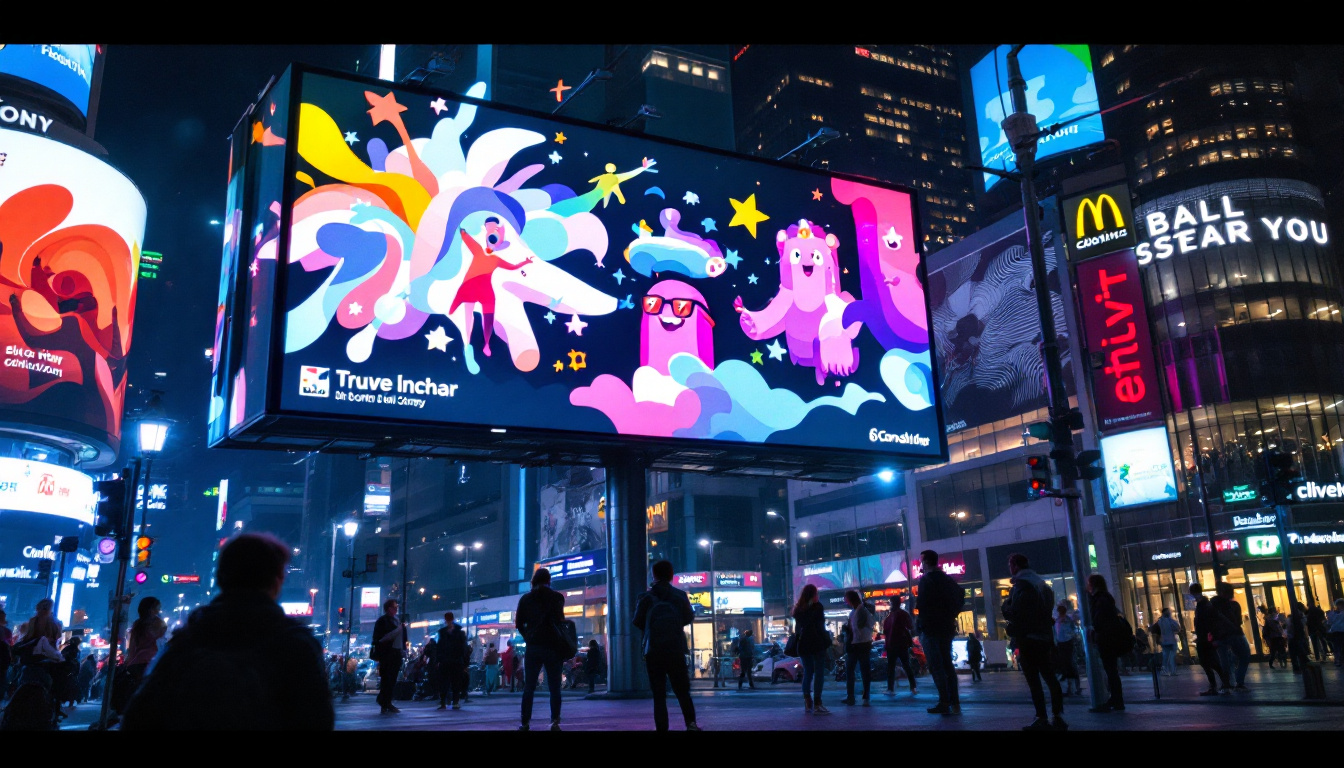
For example, flagship stores in major cities have installed massive LED walls composed of stackable blocks to showcase high-definition video content and immersive brand storytelling. These installations not only boost foot traffic but also enhance brand perception by delivering a modern, tech-savvy shopping environment.
Events and Entertainment
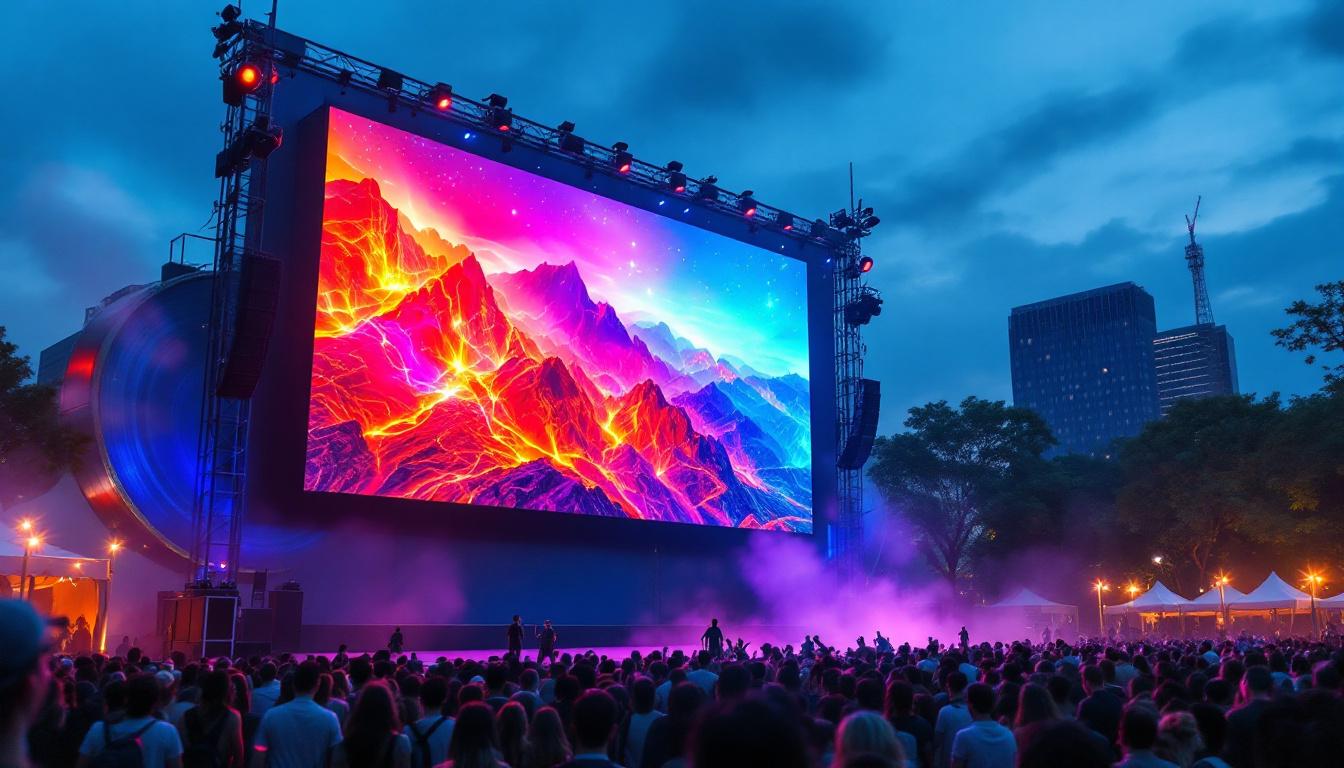
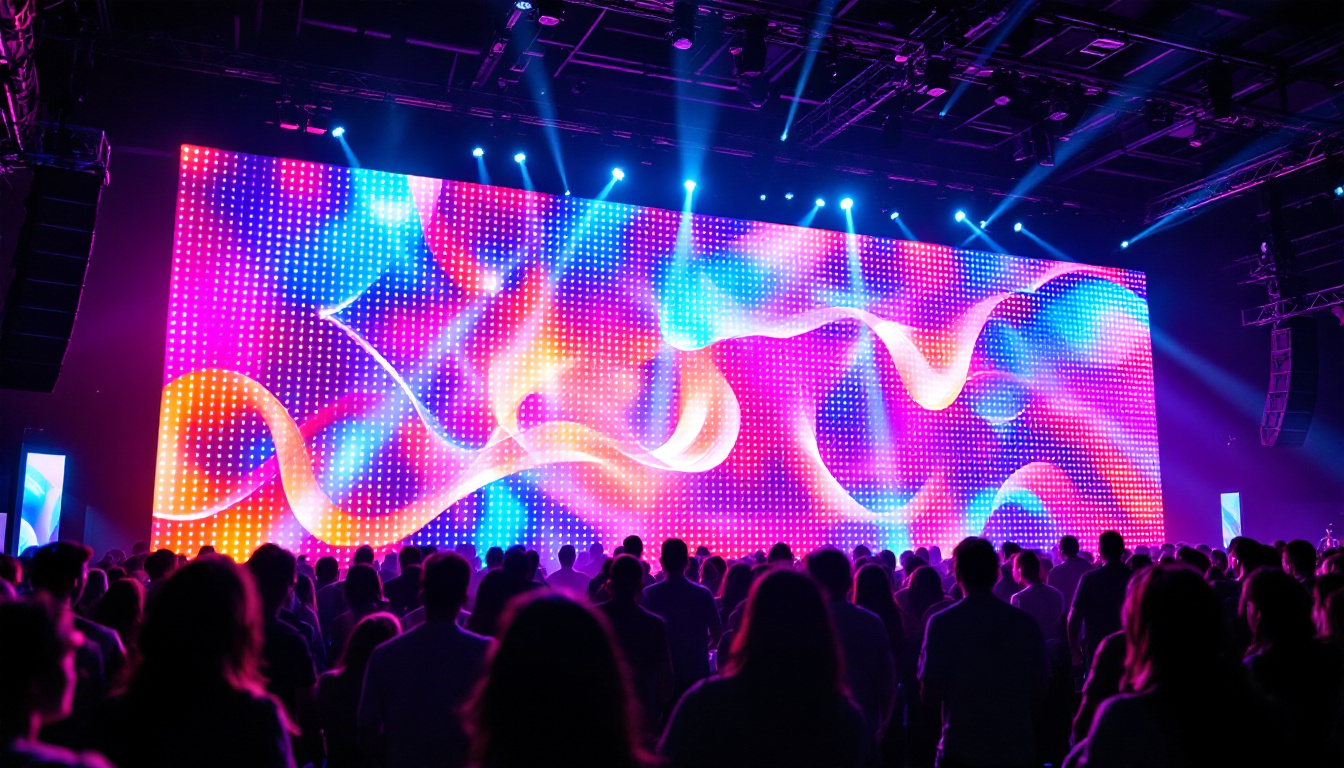
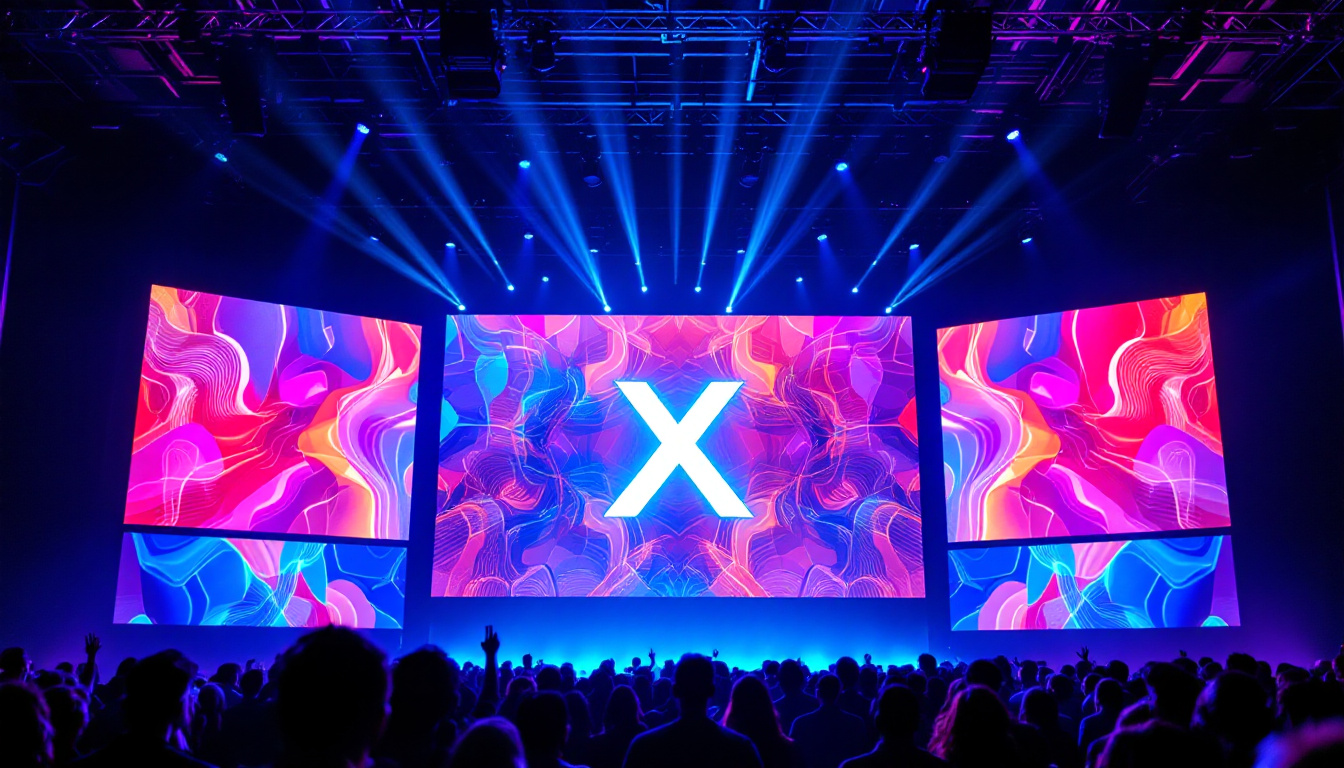
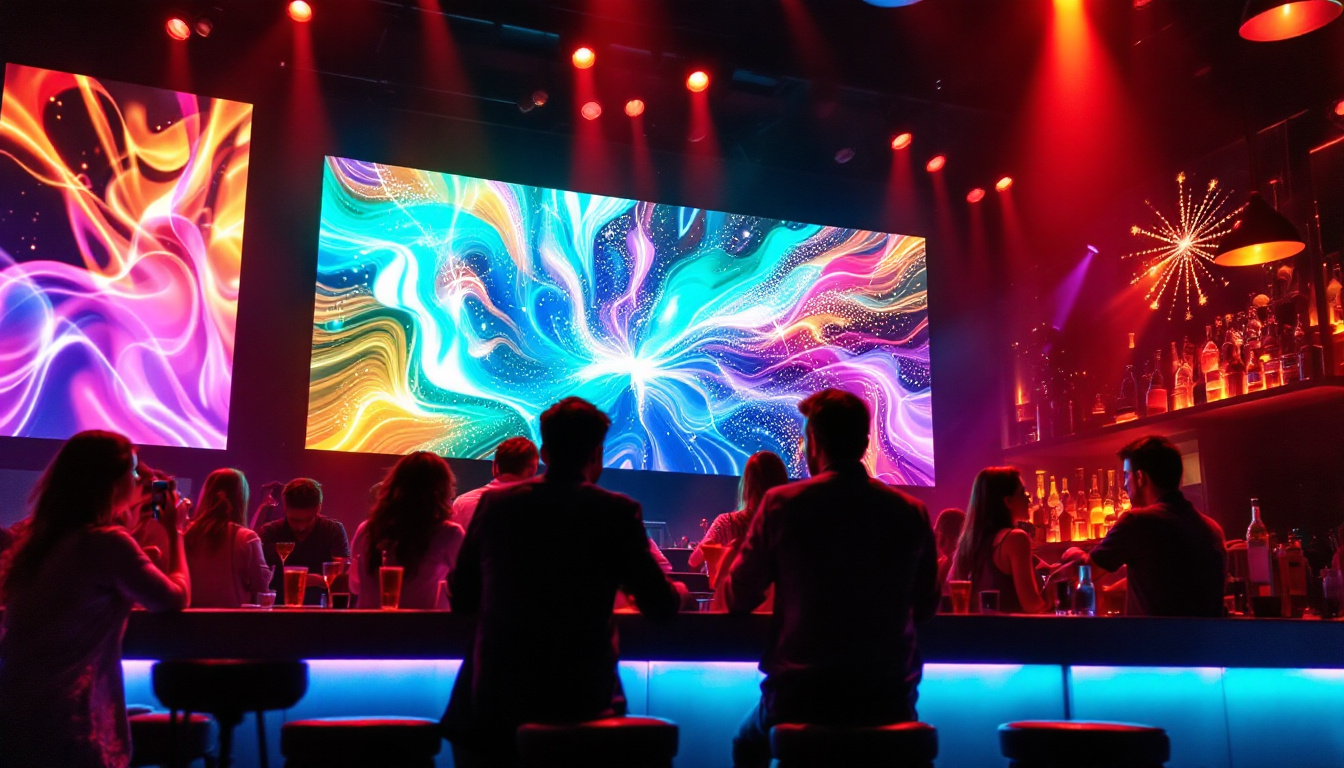
Concerts, festivals, and corporate events benefit from the portability and scalability of stackable LED walls. Event organizers can tailor the display size to venue dimensions and audience size, creating immersive visual experiences that enhance performances and presentations.
Notably, the ability to quickly assemble and disassemble these displays reduces setup time and logistical complexity, which is crucial in fast-paced event environments.
Architecture and Interior Design
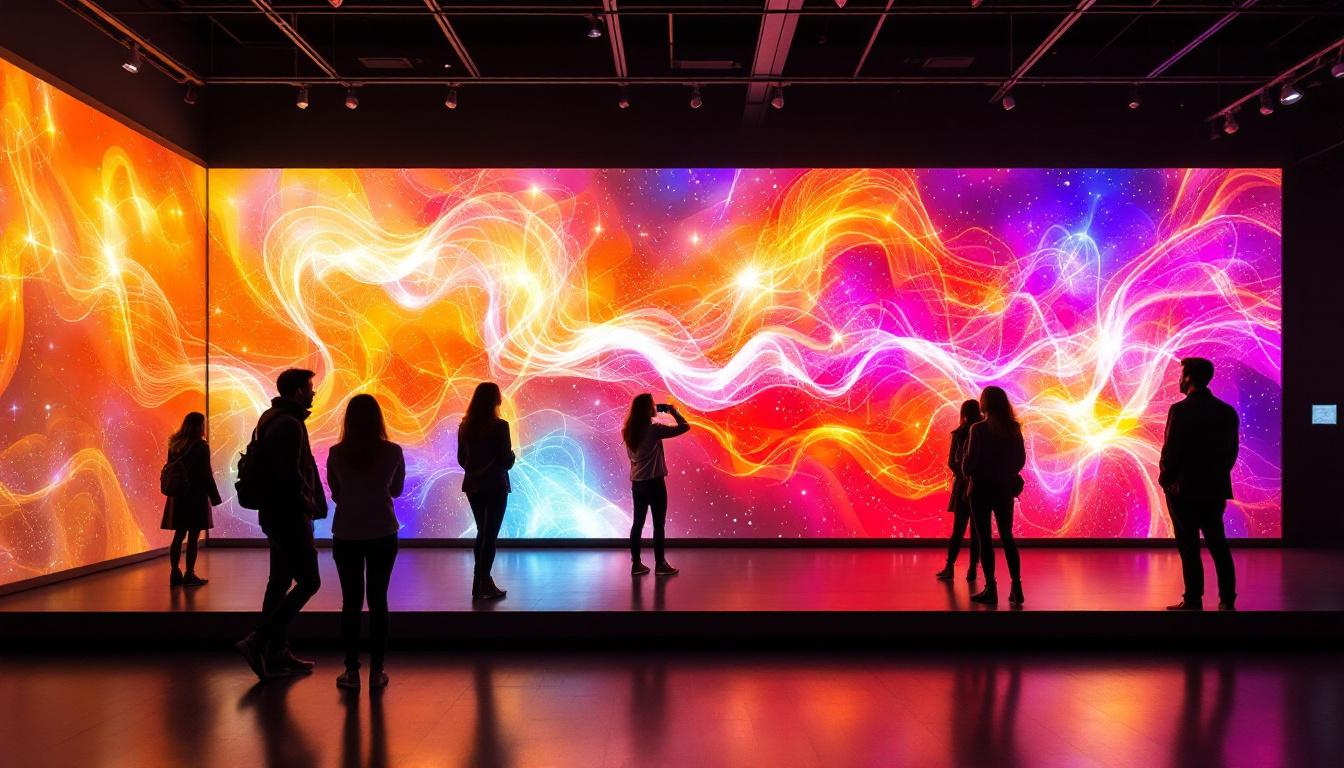
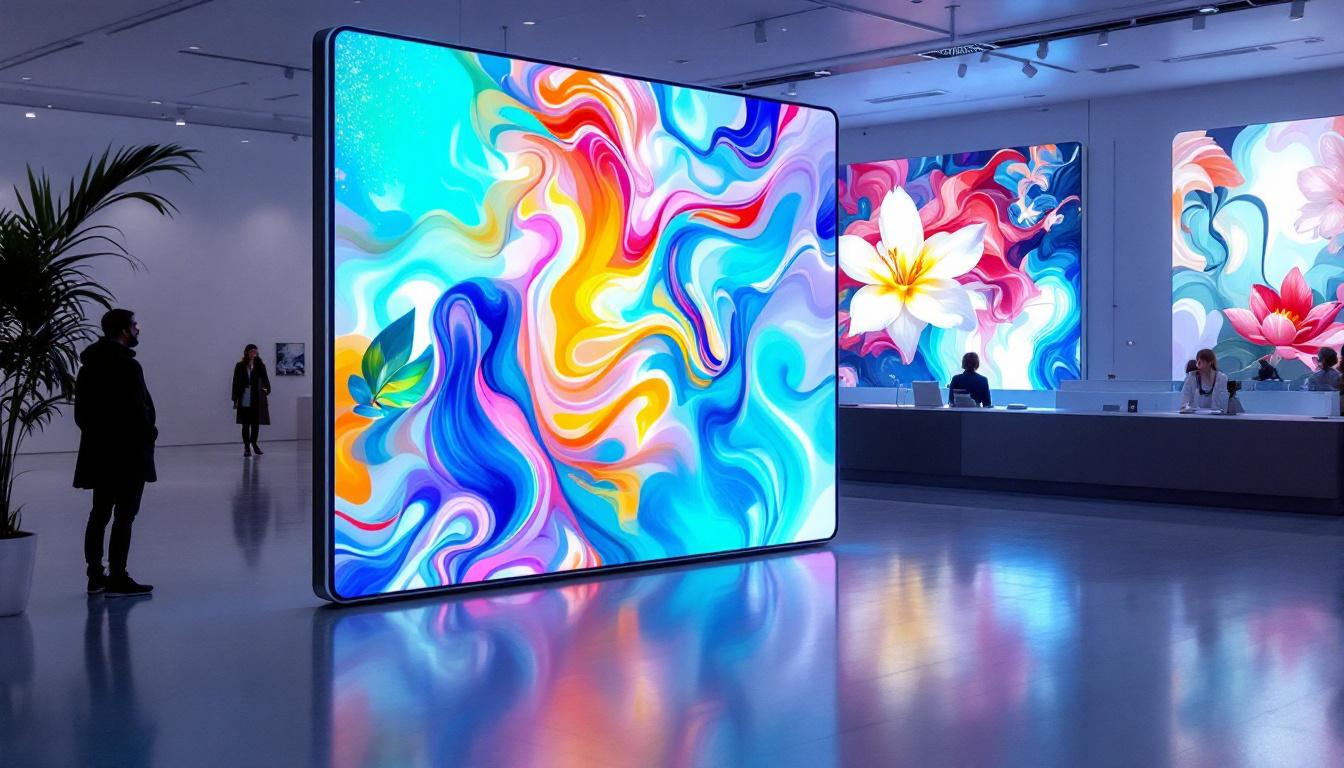
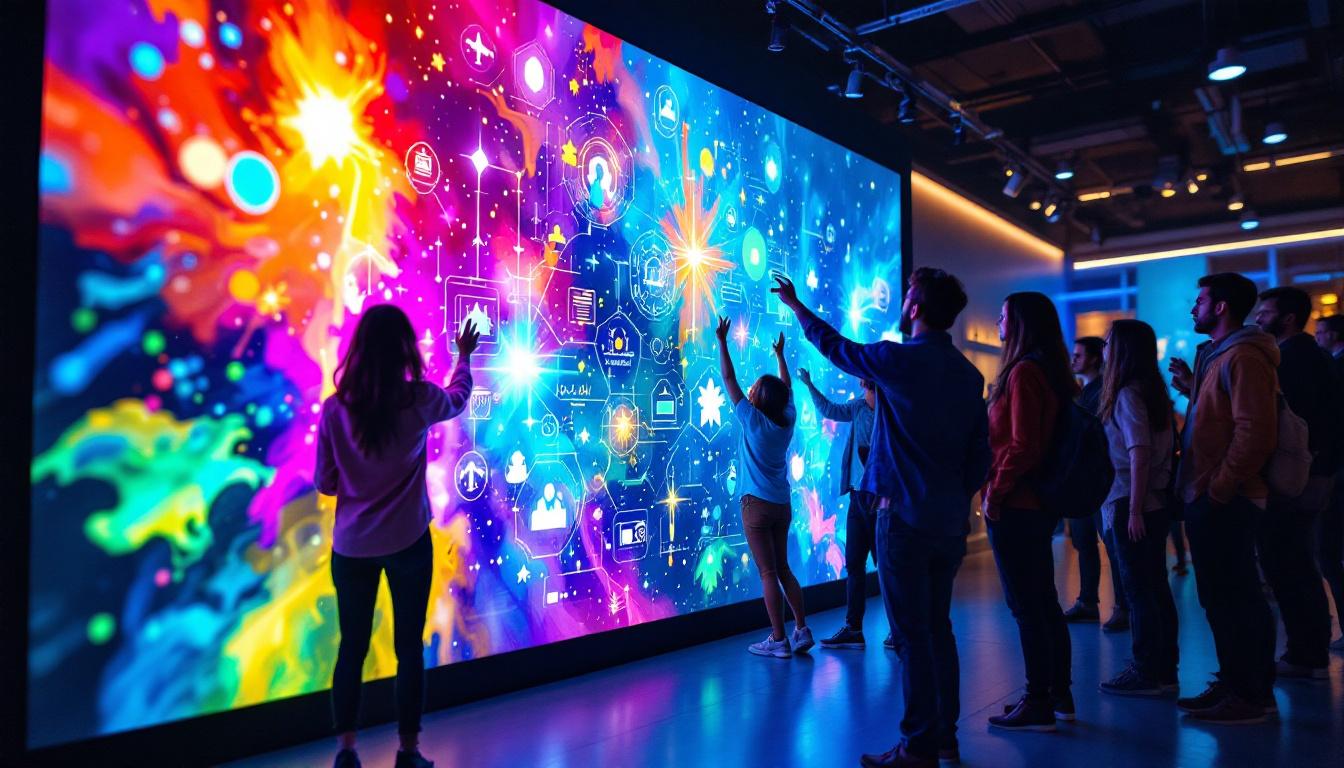
Architects and interior designers are increasingly incorporating LED walls into their projects to create dynamic, interactive spaces. Stackable blocks allow for creative installations that transform walls into digital canvases, capable of displaying artwork, ambient visuals, or real-time data.
For instance, luxury hotels and corporate headquarters use LED walls to provide guests and employees with engaging environments that blend aesthetics with functionality.
Control Rooms and Public Information Displays
In control centers, transportation hubs, and public spaces, stackable LED walls serve as critical tools for monitoring and communication. Their high resolution and reliability ensure that information is displayed clearly and continuously, supporting decision-making and public awareness.
These applications often require 24/7 operation, making the durability and ease of maintenance of stackable blocks especially valuable.
Key Considerations When Choosing Stackable LED Wall Blocks
Despite their advantages, selecting the right stackable LED wall blocks requires careful evaluation of several factors to ensure optimal performance and return on investment.
Resolution and Pixel Pitch
The choice of pixel pitch should align with the intended viewing distance. For close-up viewing, such as in retail or corporate interiors, a fine pixel pitch (1.2mm to 2.5mm) is essential to achieve sharp images. For large outdoor displays viewed from a distance, a coarser pitch (5mm to 10mm) is more cost-effective and sufficient for clear visibility.
Brightness and Contrast Ratio
Brightness is critical for outdoor displays exposed to sunlight, where levels of 5,000 nits or higher may be necessary. Indoor environments typically require lower brightness but benefit from higher contrast ratios to enhance image depth and color vibrancy.
Durability and Environmental Protection
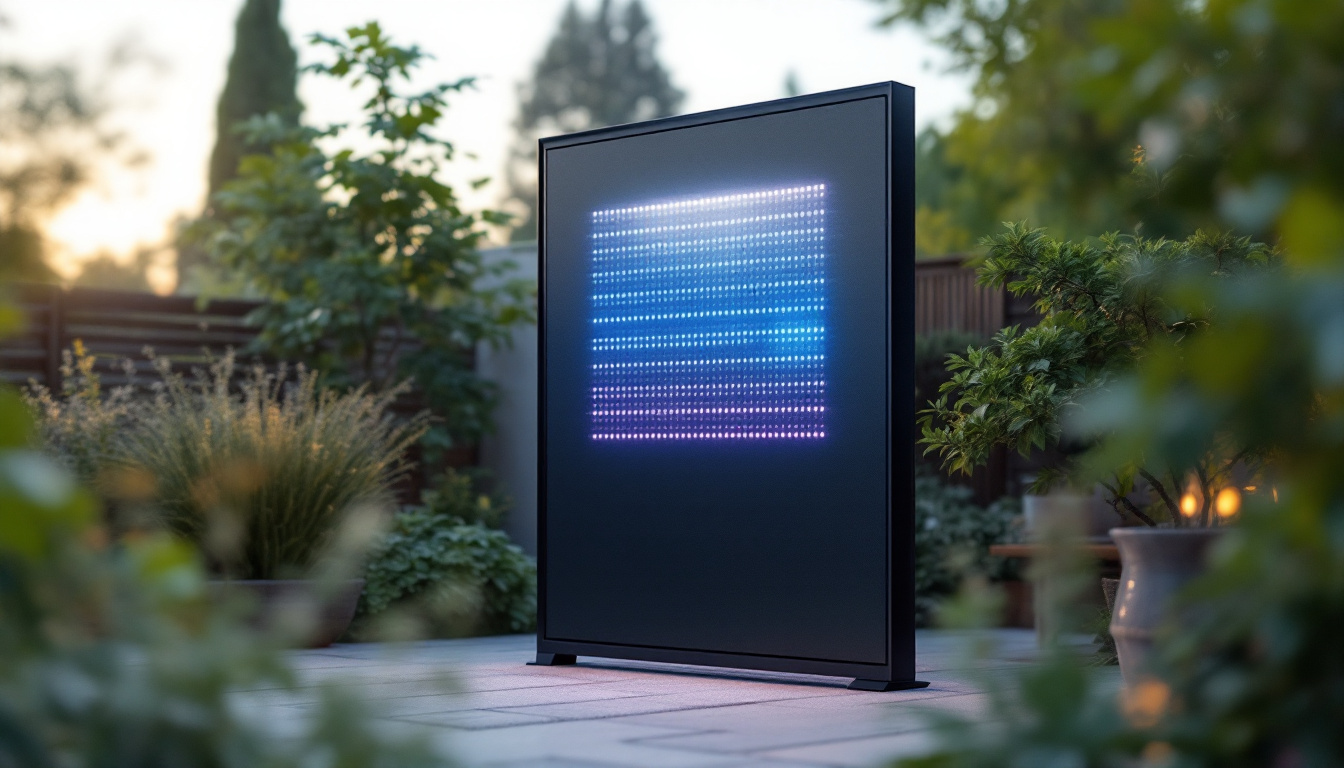
Outdoor installations demand weatherproofing features such as IP65 or higher ratings to protect against dust and moisture. Additionally, resistance to temperature fluctuations and UV exposure ensures longevity.
Control Systems and Software Compatibility
Modern stackable LED blocks come with sophisticated control systems that support various input sources, content management platforms, and remote monitoring capabilities. Compatibility with existing infrastructure and ease of use are important considerations for seamless integration.
Power Consumption and Heat Management
Efficient power consumption reduces operational costs and environmental impact. Effective heat dissipation mechanisms prevent overheating, which can degrade LED performance and lifespan.
The Future of Stackable LED Wall Blocks
As LED technology continues to advance, stackable wall blocks are poised to become even more versatile and powerful. Emerging trends include the integration of AI-driven content management, interactive touch capabilities, and flexible or transparent LED modules that blend seamlessly with architectural elements.
Furthermore, sustainability is becoming a key focus, with manufacturers developing eco-friendly materials and energy-saving designs to meet growing environmental standards.
With the global LED display market projected to grow at a compound annual growth rate (CAGR) of over 15% through 2028, stackable LED wall blocks are set to play a pivotal role in shaping the future of digital visual communication.
Conclusion
Stackable wall blocks represent a significant evolution in LED display technology, offering unmatched flexibility, scalability, and ease of use. Their modular design not only simplifies installation and maintenance but also enables creative freedom in display design across various industries.
From retail and entertainment to architecture and public information systems, stackable LED walls provide vibrant, high-resolution visuals that captivate audiences and enhance communication. As technology advances and adoption grows, these modular LED solutions will continue to transform how spaces engage and inform people worldwide.
Discover LumenMatrix’s Innovative LED Solutions
Ready to elevate your space with the latest in LED display technology? Look no further than LumenMatrix, a pioneer in crafting visually stunning and technologically advanced LED solutions. Whether you’re seeking to enhance your retail space, captivate audiences at events, or integrate digital art into architecture, LumenMatrix offers a diverse range of products including Indoor and Outdoor LED Wall Displays, Vehicle LED Displays, LED Posters, Sports and Floor LED Displays, Custom configurations, All-in-One solutions, and even LED Transparent Displays. Embrace the future of visual communication with LumenMatrix and create experiences that resonate. Check out LumenMatrix LED Display Solutions today and transform your visual storytelling into an unforgettable journey.