Billboards have long been a powerful medium for advertising, capturing the attention of millions daily. With the rise of digital technology, LED billboards are revolutionizing outdoor advertising by offering dynamic, eye-catching displays that can be updated in real time. However, building an LED billboard involves a significant investment, and understanding the costs involved is crucial for businesses, advertisers, and property owners considering this modern advertising solution.
This article delves into the various factors that influence the cost of building an LED billboard, breaking down expenses from design and materials to installation and maintenance. Whether you’re a marketing professional, a business owner, or an investor, this comprehensive guide will help you navigate the financial landscape of LED billboard construction.
Understanding LED Billboards: What Sets Them Apart?
Before exploring costs, it’s important to understand what an LED billboard is and why it commands a different price point compared to traditional static billboards.
What Is an LED Billboard?
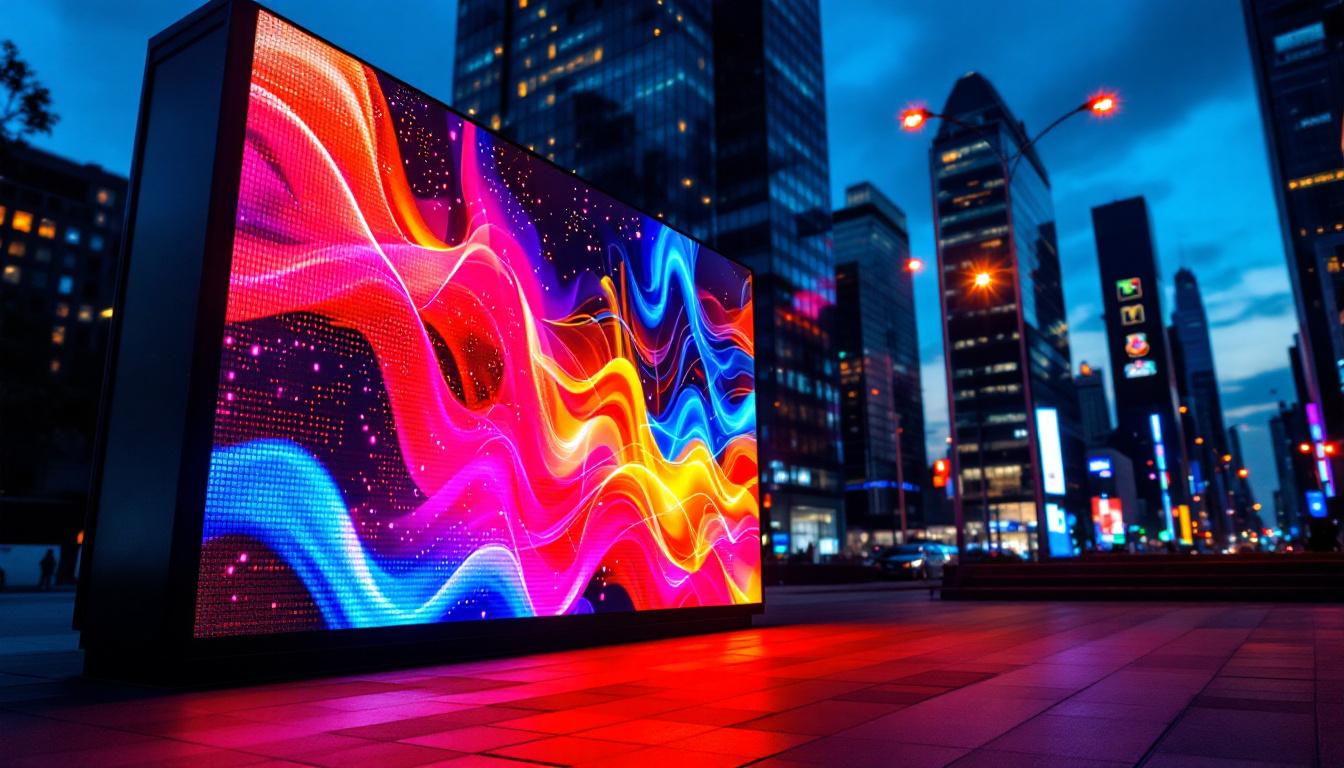
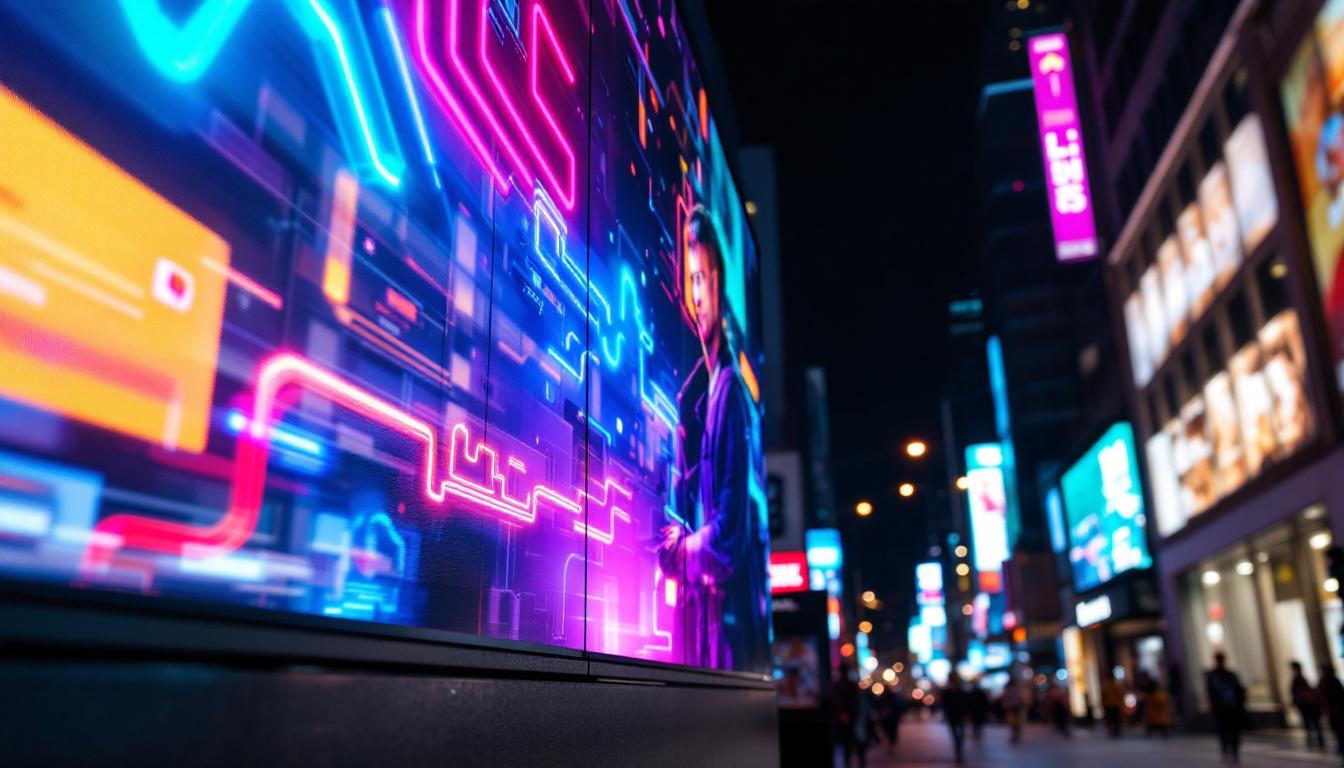
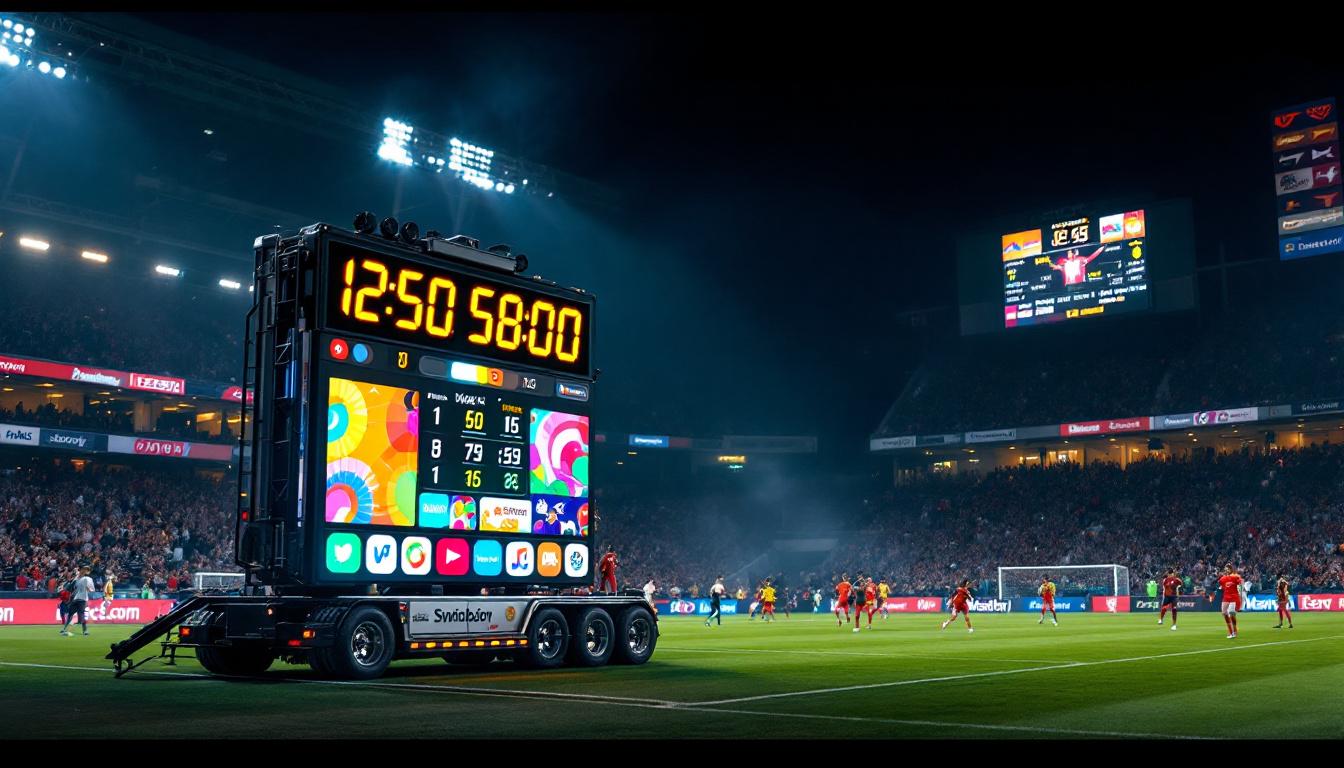
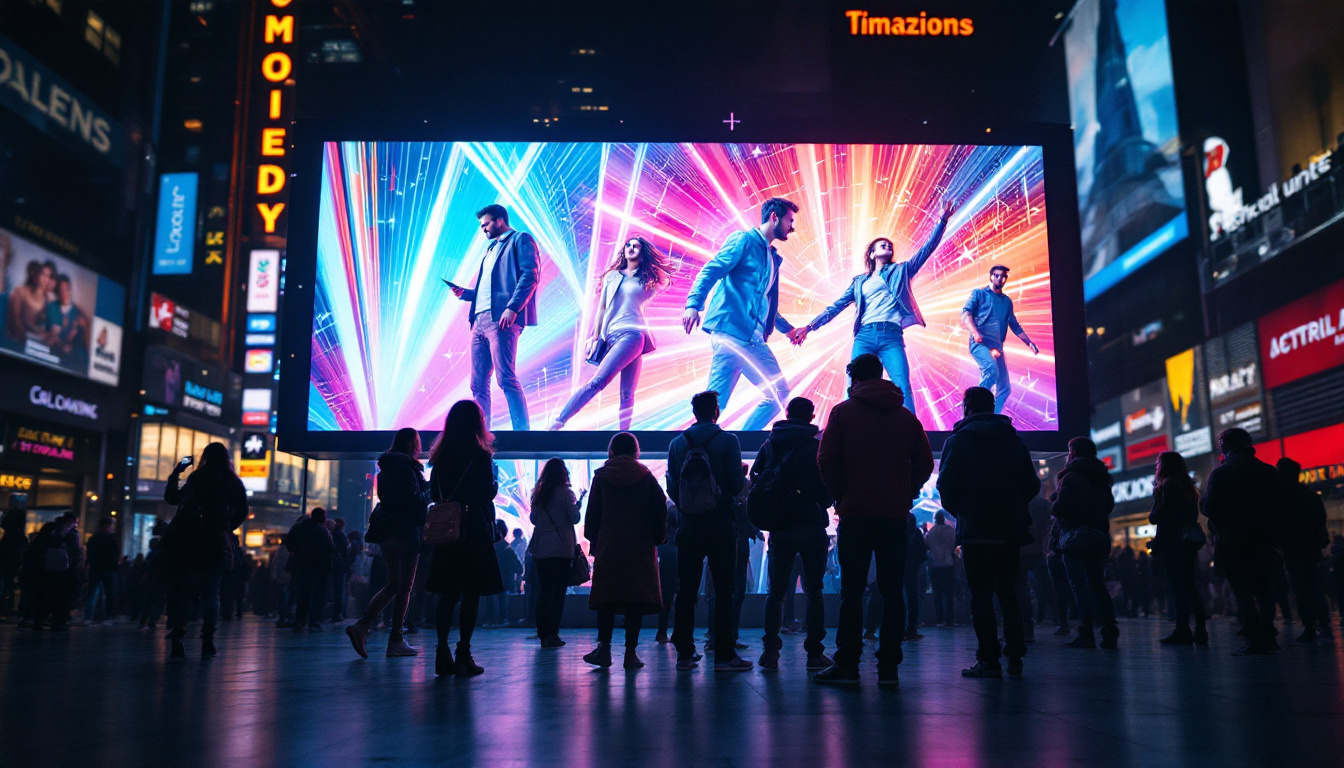
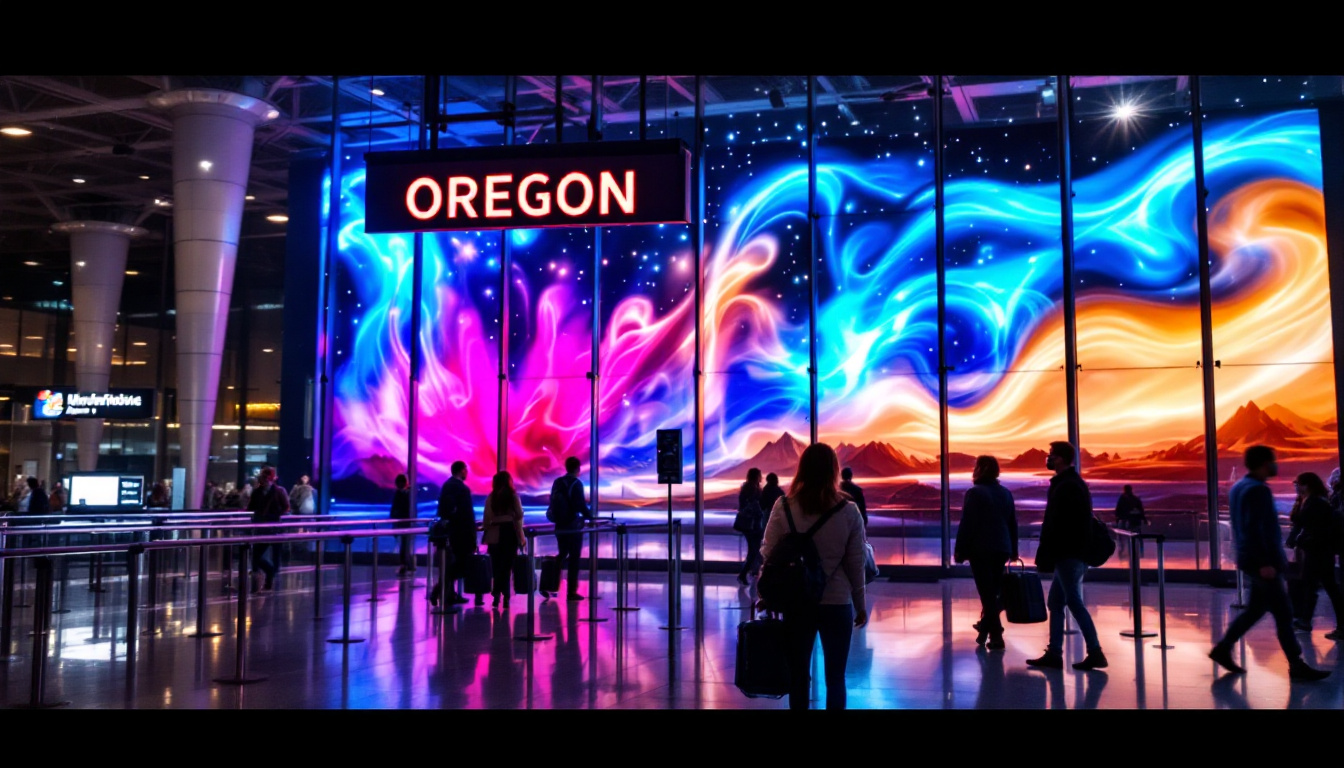
LED (Light Emitting Diode) billboards use thousands of tiny LEDs to create bright, vibrant images and videos. Unlike printed billboards, LED displays can be programmed to change messages frequently, allowing for multiple advertisements on the same screen throughout the day.
These billboards are highly visible, even in direct sunlight or adverse weather conditions, making them ideal for high-traffic locations such as highways, city centers, and shopping districts. Their ability to display full-motion video and high-resolution graphics means that advertisers can engage their audience in ways that static billboards simply cannot match. This dynamic capability not only enhances the visual appeal but also allows for creative storytelling, enabling brands to convey complex messages in a matter of seconds.
Advantages Over Traditional Billboards
LED billboards offer several advantages that justify their higher initial costs:
- Dynamic Content: Advertisers can update messages instantly, enabling timely promotions and multiple campaigns.
- Higher Engagement: Motion and color changes attract more attention, increasing ad recall and effectiveness.
- Energy Efficiency: Modern LED technology consumes less power compared to older digital displays.
- Longevity: LED modules typically last 100,000 hours or more, reducing the need for frequent replacements.
In addition to these advantages, LED billboards can also be integrated with smart technology, allowing for real-time data analysis and audience targeting. For instance, advertisers can adjust their content based on time of day, weather conditions, or even local events, ensuring that their messages are relevant and timely. This level of customization not only maximizes advertising effectiveness but also enhances the overall experience for viewers, creating a more interactive and engaging environment.
Moreover, the environmental impact of LED billboards is worth noting. With their energy-efficient designs, these displays contribute to reduced carbon footprints compared to traditional billboards that rely on constant lighting and printed materials. As sustainability becomes a more pressing concern for businesses and consumers alike, the shift towards LED technology represents a forward-thinking approach that aligns with eco-friendly practices. This aspect not only appeals to environmentally conscious consumers but also positions brands as responsible and innovative leaders in their respective industries.
Key Factors Influencing the Cost of Building an LED Billboard
The cost to build an LED billboard can vary widely depending on several critical factors. Understanding these elements will help in budgeting and planning the project effectively.
1. Size and Resolution of the Display
The physical size of the billboard is one of the most significant cost drivers. Larger billboards require more LED modules, structural support, and power, which all add to the expense.
Resolution, measured in pixel pitch (the distance between individual LEDs), also impacts cost. A smaller pixel pitch means higher resolution and sharper images but requires more LEDs per square foot, increasing the price.
For example, a 14-foot by 48-foot billboard with a pixel pitch of 16mm might cost significantly less than a similarly sized billboard with a 10mm pitch, which offers better image clarity.
2. Location and Installation Complexity
Where the billboard is installed affects costs related to permits, site preparation, and installation logistics. Urban areas with strict zoning laws or difficult access may require additional fees and labor.
Installation complexity also depends on whether the billboard is ground-mounted or rooftop-mounted. Rooftop installations often require specialized equipment and safety measures, increasing labor costs.
3. Structural Components and Materials
The supporting structure must be engineered to withstand local weather conditions, including wind loads and seismic activity. High-quality steel frameworks and foundations add to the initial investment but ensure durability and safety.
Additional components such as weatherproof enclosures, cooling systems, and protective coatings also contribute to the overall cost.
4. Electrical and Control Systems
LED billboards require reliable power supplies, wiring, and control systems to manage content remotely. Advanced control software that allows for scheduling, brightness adjustment, and diagnostics may come at a premium.
Backup power solutions, like generators or battery systems, can be added for uninterrupted operation but increase upfront costs.
5. Permitting and Regulatory Compliance
Obtaining permits can be a lengthy and costly process, particularly in municipalities with strict advertising regulations. Fees vary by location and may include environmental impact assessments or traffic safety reviews.
Compliance with local laws regarding brightness, size, and content restrictions can also affect design choices and costs.
6. Content Creation and Management
While not part of the physical build, ongoing costs related to content creation, scheduling, and management should be considered. High-quality digital content production requires graphic design, video editing, and sometimes motion graphics expertise.
Many LED billboard operators subscribe to content management services or hire dedicated staff, which adds to operational expenses.
Cost Breakdown: What to Expect When Building an LED Billboard
To provide a clearer picture, here is a detailed breakdown of typical costs associated with building an LED billboard in the United States as of 2024.
1. LED Display Panel
The LED display itself is the most expensive component. Prices typically range from $200 to $1,000 per square meter depending on resolution and quality.
For a standard 14’ x 48’ billboard (approximately 62 square meters), the LED panel alone could cost between $12,400 and $62,000.
2. Structural Frame and Installation
Steel framing and installation can add another $20,000 to $50,000 depending on size, location, and complexity.
Ground-mounted billboards tend to be less expensive to install than rooftop or pole-mounted structures.
3. Electrical and Control Systems
Electrical wiring, power supplies, and control hardware typically cost between $5,000 and $15,000.
Advanced control software licenses and remote management systems may add $2,000 to $10,000 annually.
4. Permitting and Legal Fees
Permit fees vary widely but generally range from $1,000 to $10,000 depending on local regulations.
Legal consultation and compliance costs may add several thousand dollars if complex zoning issues arise.
5. Content Production and Management
Initial content creation can cost $2,000 to $10,000 or more depending on the campaign complexity.
Ongoing content management services typically range from $500 to $2,000 per month.
6. Maintenance and Operating Costs
LED billboards require regular maintenance, including cleaning, software updates, and occasional repairs. Annual maintenance costs average 5-10% of the initial installation price.
Energy costs vary by location but modern LED billboards are relatively energy efficient, typically consuming between 1,500 and 4,000 watts per hour.
Real-World Examples and Case Studies
Examining actual projects helps contextualize these costs and highlights how different factors influence final budgets.
Example 1: Highway LED Billboard in Texas
A 14’ x 48’ LED billboard installed along a busy Texas highway featured a 16mm pixel pitch display. The project cost approximately $75,000, including structure, installation, and permits.
The location’s high traffic volume justified the investment, with advertisers reporting increased engagement and revenue within months.
Example 2: Urban Rooftop Billboard in New York City
An urban rooftop LED billboard measuring 10’ x 30’ with a 10mm pixel pitch cost over $100,000 due to complex installation, stringent permits, and high-quality materials to withstand city weather.
The billboard’s prime location in a dense commercial district allowed for premium advertising rates, offsetting the higher upfront costs.
Example 3: Small Retail LED Sign in California
A smaller-scale LED sign measuring 8’ x 16’ with a 20mm pixel pitch was installed outside a retail store for approximately $25,000.
This sign served as a local advertising tool and promotional display, demonstrating that LED technology can be scaled to fit smaller budgets.
Tips for Budgeting and Maximizing ROI on LED Billboard Projects
Investing in an LED billboard is a significant decision. Here are some strategies to optimize costs and maximize returns:
Choose the Right Size and Resolution
Select a size and resolution that suit your target audience and location. Over-investing in ultra-high resolution or oversized displays may not yield proportional returns.
Plan for Permitting Early
Engage with local authorities early to understand zoning laws and permit requirements. Early planning can prevent costly delays and design changes.
Invest in Quality Content
Dynamic and engaging content drives the effectiveness of your billboard. Allocate sufficient budget for professional content creation and regular updates.
Consider Energy Efficiency
Choose LED modules and control systems designed for low power consumption to reduce ongoing operating costs.
Schedule Regular Maintenance
Preventive maintenance extends the life of your billboard and avoids costly repairs. Partner with experienced service providers.
Leverage Analytics and Data
Use data on traffic patterns and audience demographics to tailor advertising and optimize scheduling for maximum impact.
Conclusion: Is Building an LED Billboard Worth the Investment?
Building an LED billboard represents a substantial financial commitment, with costs ranging from $25,000 for smaller signs to over $100,000 for large, high-resolution displays in prime locations. However, the benefits of dynamic content, increased visibility, and the ability to engage audiences in real time often justify the investment.
Businesses and advertisers should carefully evaluate their goals, budget, and location to determine the optimal LED billboard solution. By understanding the factors influencing cost and planning strategically, it is possible to build a billboard that delivers strong returns and enhances brand presence in today’s competitive advertising landscape.
As LED technology continues to evolve, prices are gradually becoming more accessible, making digital billboards an increasingly viable option for a wide range of advertisers. Staying informed and partnering with experienced professionals can ensure a successful and cost-effective LED billboard project.
Discover Cutting-Edge LED Billboard Solutions with LumenMatrix
Ready to elevate your advertising strategy with the dynamic power of LED billboards? LumenMatrix is at the forefront of LED display technology, offering a diverse range of solutions tailored to your unique needs. From captivating Indoor LED Wall Displays to robust Outdoor LED Wall Displays, and from mobile Vehicle LED Displays to innovative LED Sports and Floor Displays, our products are designed to make your brand stand out. Embrace the future of visual communication with LumenMatrix’s custom and All-in-One LED Displays, including the striking LED Transparent Display. Don’t just share your message—make an unforgettable impact. Check out LumenMatrix LED Display Solutions today and transform your advertising vision into a vibrant reality.