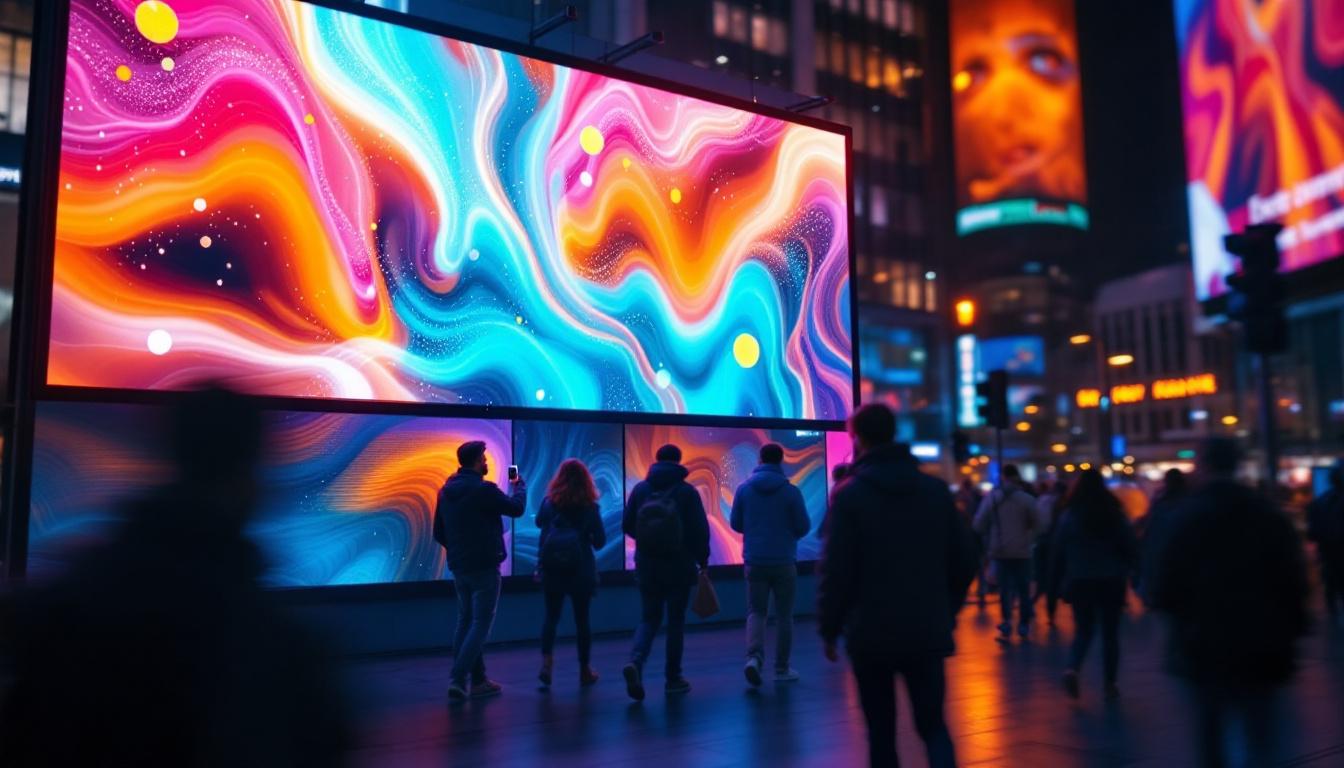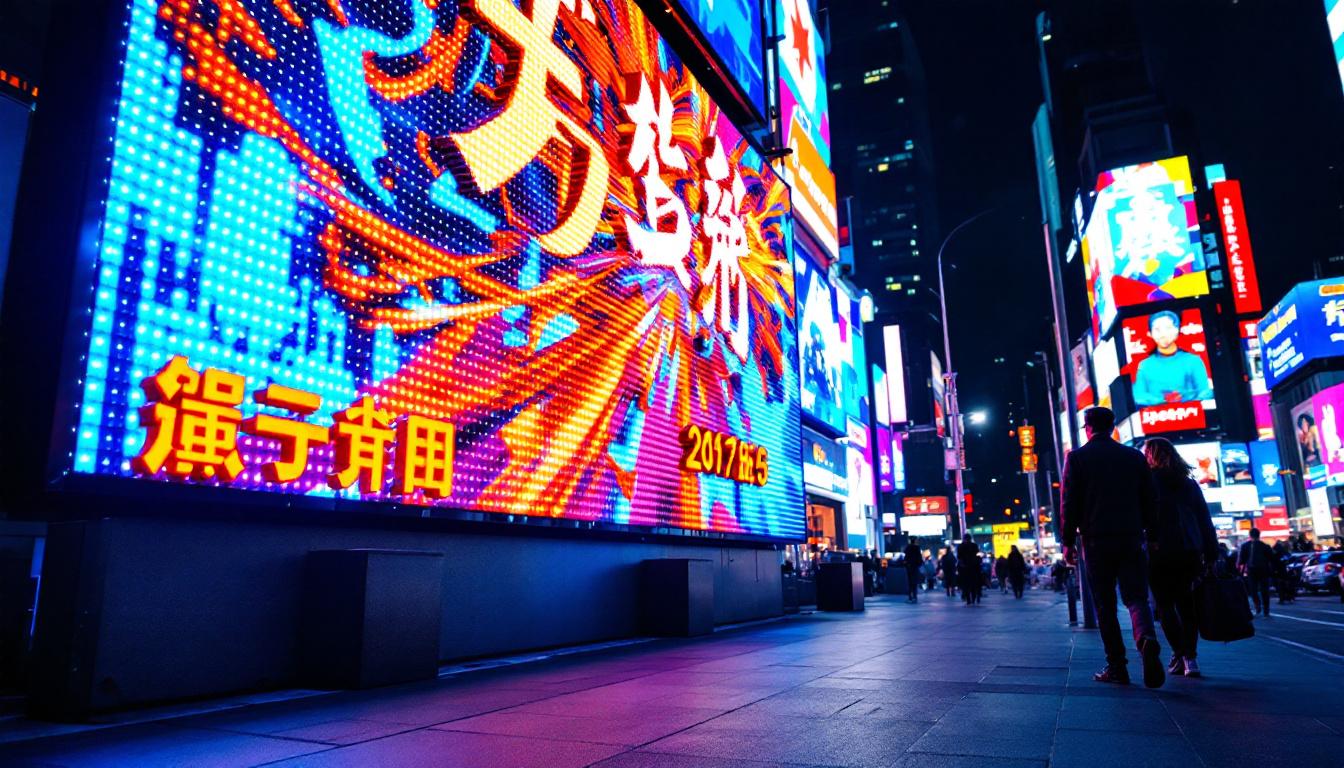
In today’s fast-paced world, capturing attention quickly and effectively is crucial for businesses, public institutions, and advertisers alike. One of the most dynamic and versatile tools for outdoor advertising and information dissemination is the LED display sign. Known for their brightness, durability, and adaptability, outside LED signs have transformed the way messages are communicated in public spaces.
This article delves into the fundamentals of outside LED signs, explaining how LED displays work, their advantages, types, and practical applications. Whether you are a business owner considering an upgrade to your signage or simply curious about the technology behind these luminous displays, this comprehensive guide will shed light on everything you need to know.
What Are Outside LED Signs?
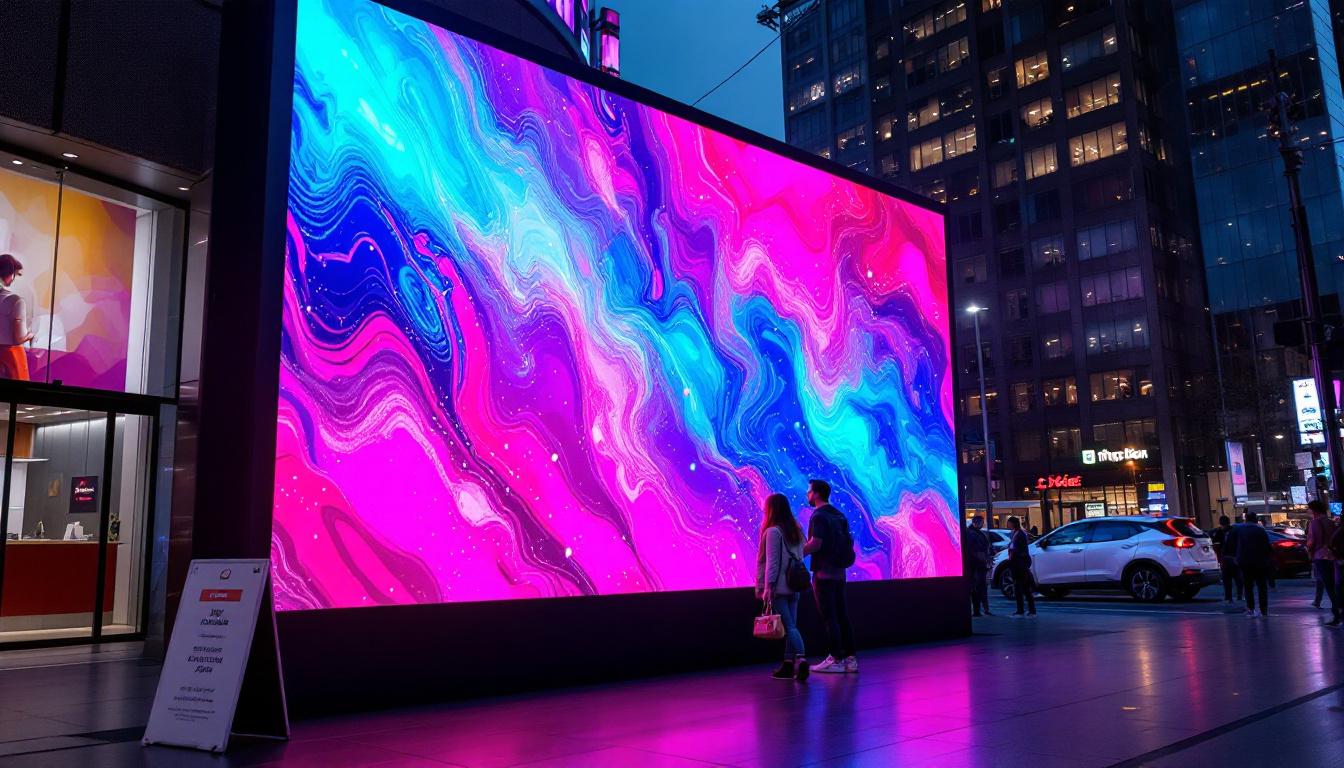
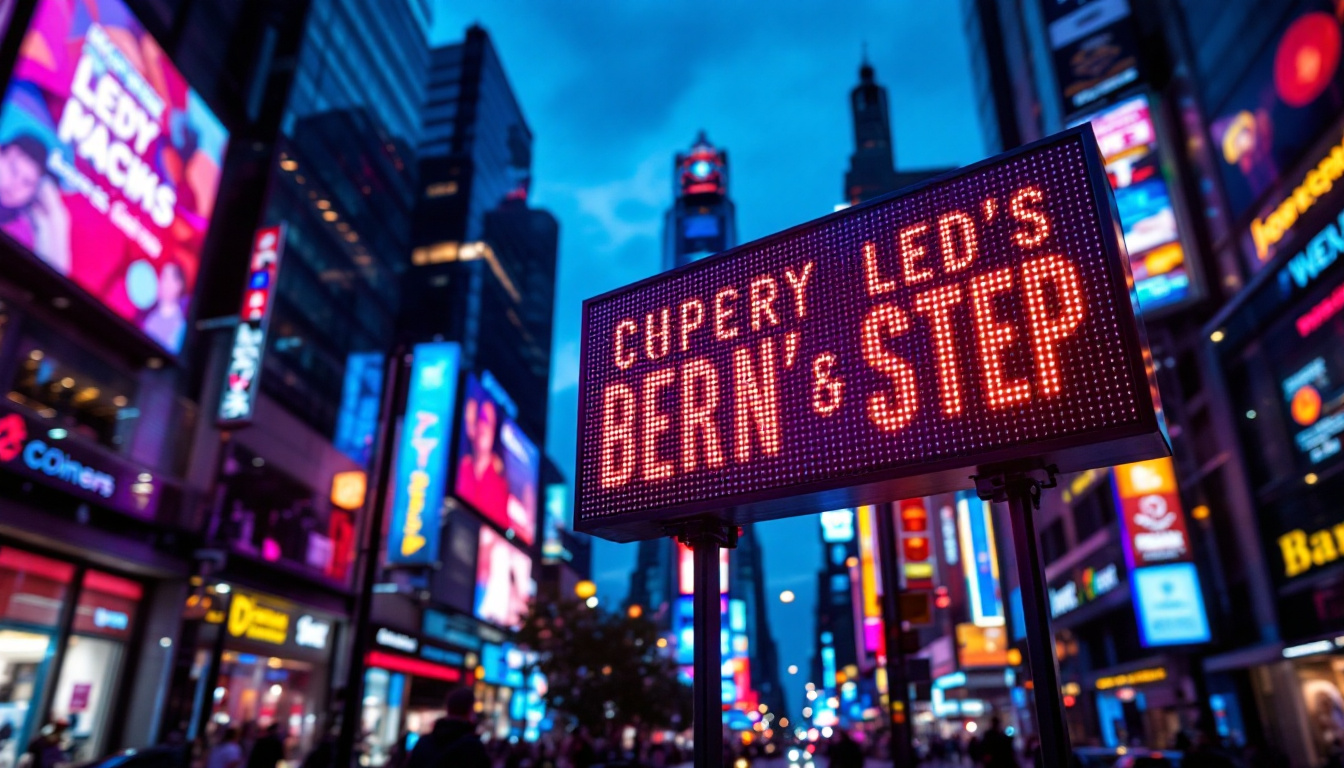
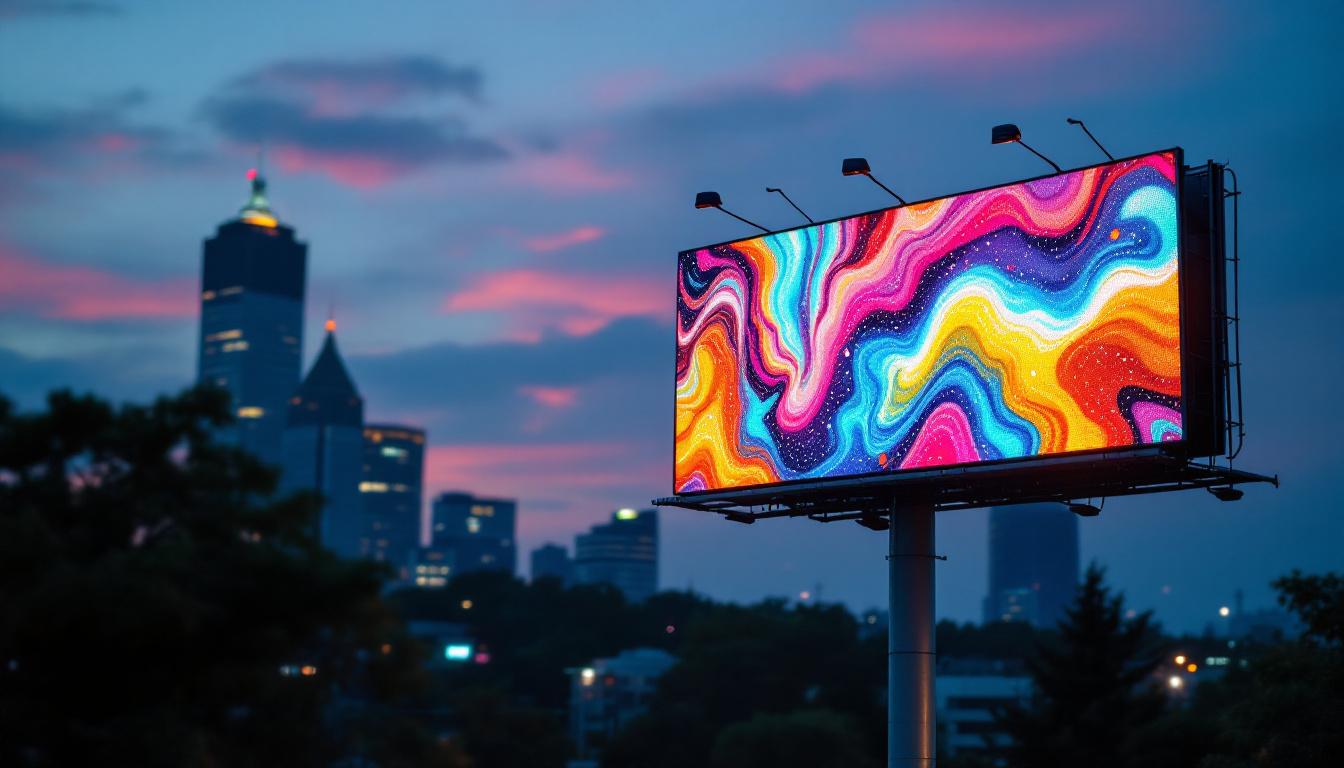
Outside LED signs are electronic display boards that use light-emitting diodes (LEDs) to present text, images, and video content in outdoor environments. Unlike traditional static signs, LED signs can be programmed to change messages instantly, making them highly versatile for advertising, public announcements, and event information.
These signs are designed to withstand various weather conditions, including rain, snow, and intense sunlight, ensuring visibility and reliability throughout the year. Their brightness and color vibrancy make them visible even in direct sunlight, which is a significant advantage over older display technologies like neon or fluorescent signs.
How Do LED Displays Work?
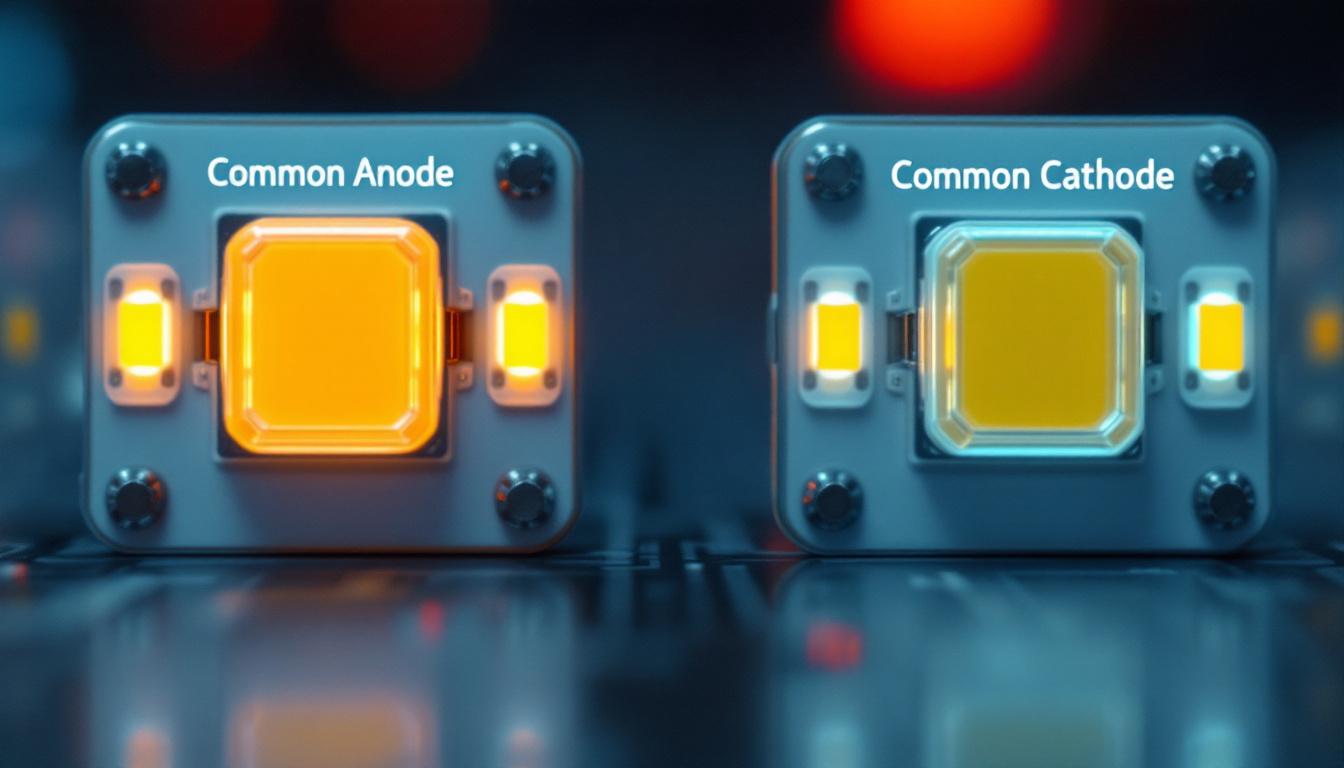
LED displays consist of thousands of tiny LEDs arranged in a grid or matrix. Each LED acts as a pixel, capable of emitting light in different colors and intensities. By controlling the light output of each LED, the display can create images, animations, and text.
There are two primary types of LEDs used in outdoor signs: single-color LEDs and full-color RGB LEDs. Single-color LEDs are often used for simple text or numerical displays, while RGB LEDs combine red, green, and blue diodes to produce a full spectrum of colors, enabling more complex and vibrant visuals.
The control system behind the LED display manages the timing, brightness, and color of each LED pixel. Modern LED signs use sophisticated software that allows users to schedule content, adjust brightness automatically based on ambient light, and even integrate real-time data feeds for dynamic messaging.
Benefits of Using Outside LED Signs
Outside LED signs offer numerous advantages over traditional signage and other digital display technologies. Their unique combination of visibility, flexibility, and cost-effectiveness makes them an attractive choice for many sectors.
High Visibility and Brightness
One of the most significant benefits of LED signs is their superior brightness. LEDs can be seen clearly from long distances and under direct sunlight, which is essential for outdoor advertising. According to industry data, LED displays can be up to 10 times brighter than conventional signs, ensuring messages are noticed regardless of lighting conditions.
This high visibility translates to better brand recognition and higher engagement rates. For example, retail stores using LED signs have reported up to a 30% increase in foot traffic due to the enhanced visibility of their promotional messages.
Energy Efficiency and Longevity
LED technology is known for its energy efficiency. Compared to incandescent or neon lighting, LEDs consume significantly less power, reducing operational costs. Outdoor LED signs typically use 50-80% less energy than traditional lighting methods, which is a critical consideration for businesses looking to minimize their carbon footprint and utility expenses.
In addition to energy savings, LEDs have a long lifespan, often exceeding 50,000 hours of operation. This durability means fewer replacements and lower maintenance costs over time, making LED signs a smart long-term investment.
Dynamic Content and Flexibility
Unlike static signs, LED displays allow for dynamic content that can be updated instantly. This flexibility is invaluable for businesses and organizations that need to communicate time-sensitive information, such as sales promotions, event schedules, or emergency alerts.
Many modern LED signs support remote content management, allowing operators to change messages from anywhere using a computer or smartphone. This capability reduces the need for physical maintenance visits and enables rapid response to changing marketing or informational needs.
Types of Outside LED Signs
Outside LED signs come in various formats and configurations, each suited to different applications and environments. Understanding these types can help businesses select the most appropriate signage solution.
Single-Color LED Signs
Single-color LED signs typically display text or simple graphics in one color, such as red or amber. These signs are cost-effective and commonly used for basic messaging like store hours, prices, or directional information.
Because they are simpler in design, single-color signs often have lower power consumption and are easier to maintain. They are ideal for businesses that require straightforward communication without the need for complex visuals.
Full-Color LED Displays
Full-color LED displays use RGB LEDs to produce a wide range of colors and can show detailed images, videos, and animations. These signs are perfect for businesses aiming to create eye-catching advertisements or engaging digital billboards.
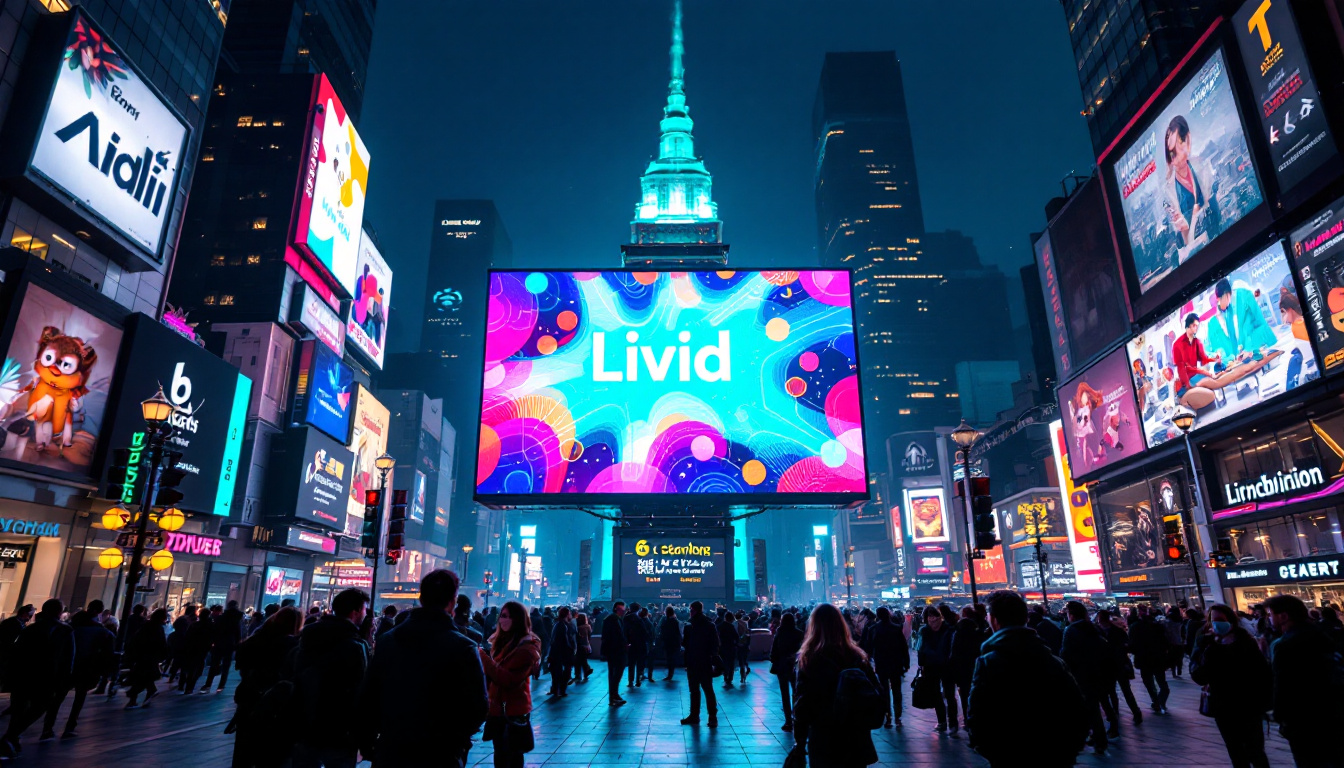
Full-color displays are widely used in high-traffic areas such as shopping centers, sports arenas, and transportation hubs. Their ability to display vibrant, dynamic content makes them highly effective for brand storytelling and promotional campaigns.
Flexible and Curved LED Displays
Innovations in LED technology have led to the development of flexible and curved LED panels. These can be shaped to fit unique architectural features or creative design concepts, expanding the possibilities for outdoor signage.
Flexible LED signs are often used in modern retail environments, museums, and public art installations, where aesthetic appeal is as important as functionality.
Applications of Outside LED Signs
The versatility of outside LED signs means they are used across a broad spectrum of industries and purposes. Here are some of the most common applications:
Retail and Commercial Advertising
Retailers rely heavily on LED signs to attract customers and promote products. LED displays can highlight special offers, new arrivals, and seasonal sales with vivid visuals that stand out from traditional signage. This has become especially important as competition intensifies in crowded marketplaces.
Studies show that digital signage, including LED displays, can increase customer dwell time and boost sales by up to 20%, making them a valuable marketing tool.
Transportation and Public Information
Outside LED signs are extensively used in transportation settings such as bus stops, train stations, and airports. They provide real-time updates on schedules, delays, and safety information, improving passenger experience and operational efficiency.
In urban environments, LED signs also serve as digital wayfinding tools, helping pedestrians and drivers navigate complex areas with ease.
Sports and Entertainment Venues
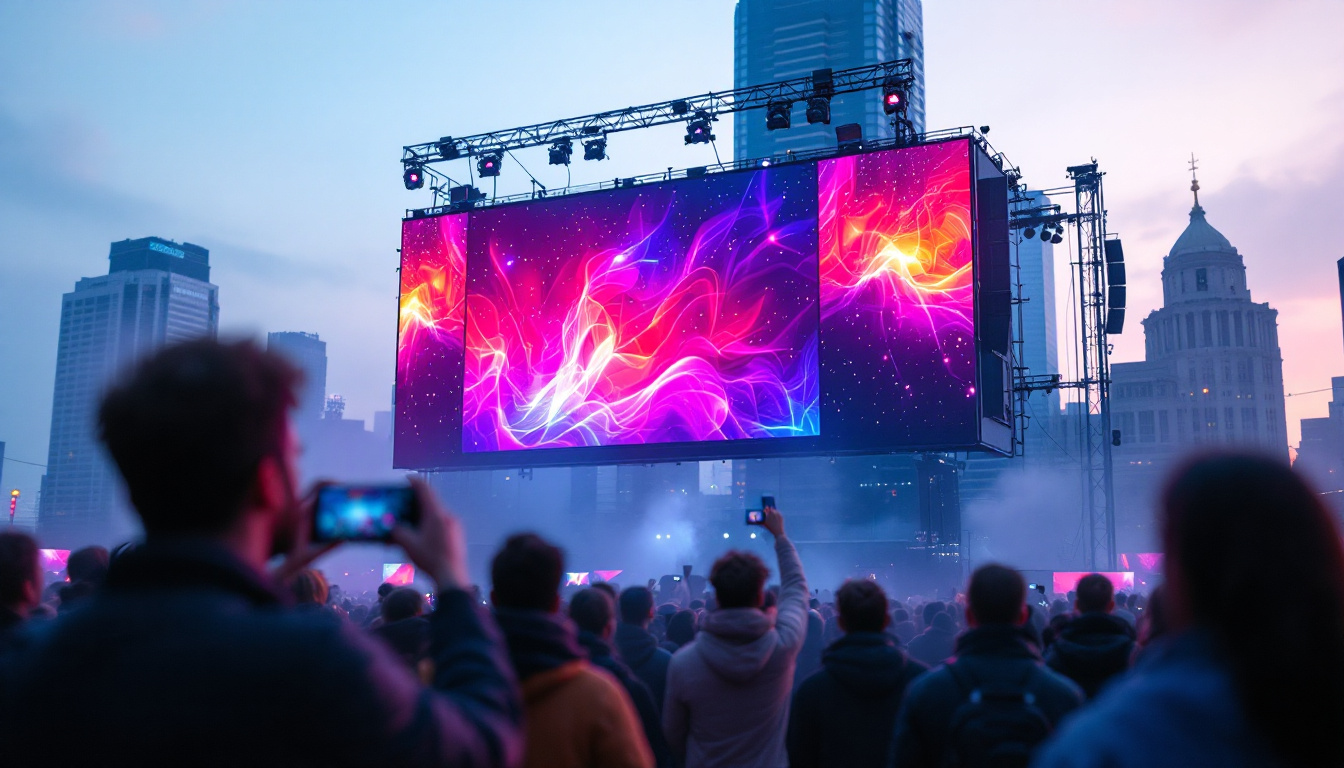
Sports arenas and concert venues utilize large LED screens to display live action, scores, advertisements, and interactive content. These displays enhance the spectator experience by providing clear, engaging visuals that can be seen from any seat in the venue.
Moreover, LED signs enable venues to generate additional revenue through advertising partnerships and sponsorships displayed on the screens.
Government and Emergency Services
Government agencies use outdoor LED signs to communicate public safety messages, emergency alerts, and community announcements. Their ability to broadcast urgent information quickly and visibly is critical during natural disasters, traffic incidents, or public health campaigns.
LED signs in these contexts often integrate with broader communication networks to ensure timely and accurate dissemination of information.
Key Considerations When Choosing Outside LED Signs
Selecting the right LED sign involves evaluating several factors to ensure it meets your specific needs and delivers maximum return on investment.
Brightness and Visibility
Brightness is a crucial factor for outdoor LED signs. The sign must be bright enough to be seen clearly in daylight but also adjustable to avoid glare at night. Look for LED displays with automatic brightness sensors that adapt to ambient light conditions.
Resolution and Pixel Pitch
The resolution of an LED display is determined by its pixel pitch—the distance between individual LEDs. A smaller pixel pitch means higher resolution and sharper images but typically comes at a higher cost.
For signs viewed from a distance, a larger pixel pitch may suffice, while close-up viewing requires finer resolution for clarity.
Durability and Weather Resistance
Outdoor LED signs must be built to withstand harsh weather conditions. Ensure the sign has a high IP (Ingress Protection) rating, indicating resistance to water and dust. Additionally, robust housing materials protect the electronics from physical damage and temperature extremes.
Content Management and Software
Effective content management software is essential for maximizing the utility of LED signs. Look for user-friendly platforms that support remote updates, scheduling, and integration with external data sources.
Some advanced systems also offer analytics to track viewer engagement and optimize content strategy.
The Future of Outside LED Signs
As LED technology continues to evolve, outside LED signs are becoming more sophisticated and integrated with other digital platforms. Emerging trends include:
- Interactive Displays: Touch-enabled and sensor-based LED signs that engage users directly.
- AI-Driven Content: Artificial intelligence to tailor messages based on audience demographics and behavior.
- Energy Harvesting: Incorporation of solar panels and energy-efficient components to create self-sustaining signs.
- Augmented Reality Integration: Combining LED displays with AR to create immersive advertising experiences.
These advancements promise to make outside LED signs even more impactful and essential in the digital communication landscape.
Conclusion
Outside LED signs represent a powerful convergence of technology, design, and communication. Their brightness, flexibility, and durability make them an ideal choice for businesses and organizations seeking to capture attention and convey messages effectively in outdoor environments.
Whether used for advertising, public information, or entertainment, LED displays offer unparalleled advantages over traditional signage. By understanding the technology, benefits, and applications of outside LED signs, decision-makers can select the best solutions to meet their goals and stay ahead in a competitive marketplace.
As the technology advances, the potential for creative and impactful outdoor communication will continue to grow, making LED signs an indispensable tool for the future.
Illuminate Your Message with LumenMatrix
Ready to elevate your outdoor communication with brilliant clarity and dynamic content? Discover LumenMatrix’s innovative LED display solutions tailored to your unique needs. From vibrant Outdoor LED Wall Displays to interactive Floor LED Displays, LumenMatrix is at the forefront of transforming public spaces and enhancing audience engagement. Don’t let your message fade into the background. Check out LumenMatrix LED Display Solutions today and make a lasting impression with cutting-edge visual technology.