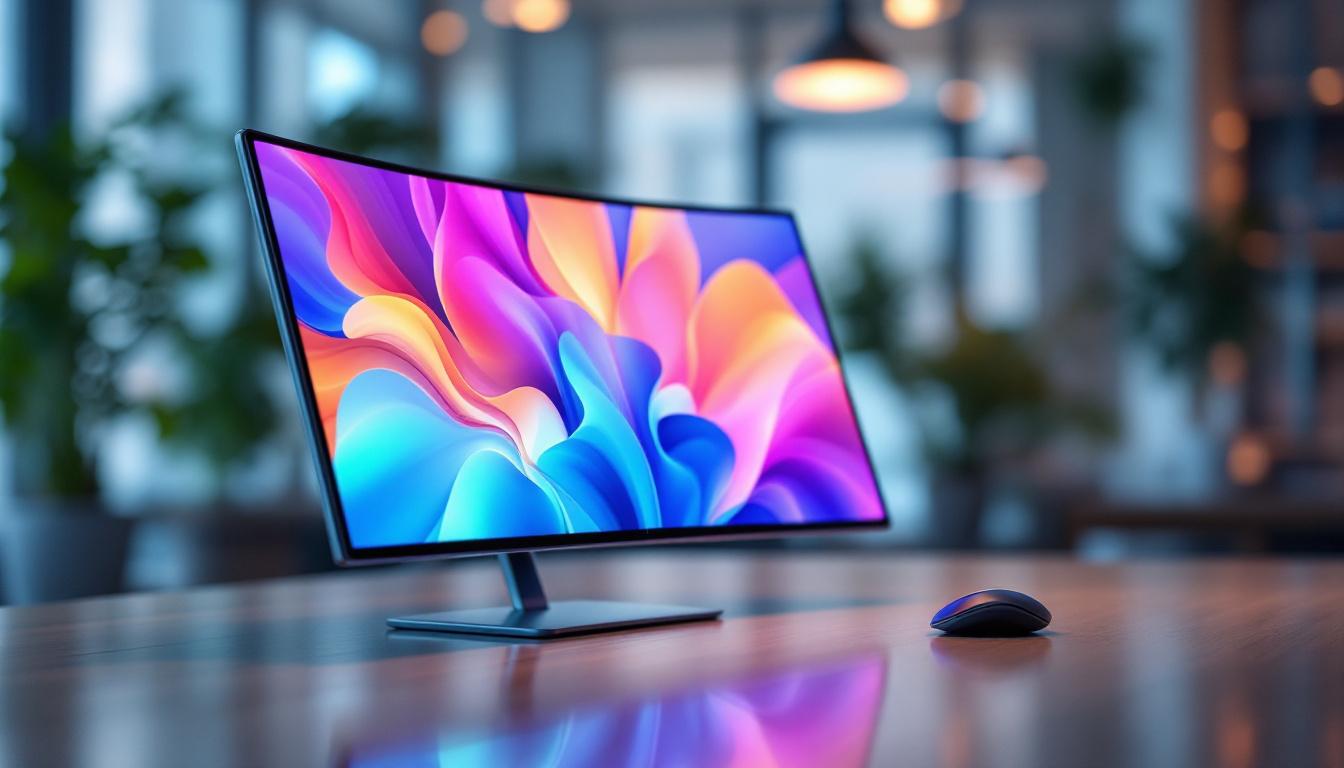
Flexible LCD Panel: LED Display Explained
In recent years, display technology has seen remarkable advancements, transforming the way we interact with screens in everyday life. Among these innovations, flexible LCD panels combined with LED display technology have emerged as a game-changer, offering unprecedented versatility and visual quality. This article delves into the fundamentals of flexible LCD panels, explains how LED displays work, and explores their applications and future prospects.
Understanding Flexible LCD Panels
Flexible LCD panels represent a significant evolution from traditional rigid displays. Unlike conventional LCD screens that are fixed and fragile, flexible LCDs are designed to bend, curve, or even fold without compromising display quality or durability. This flexibility opens up new possibilities for device design and user interaction, allowing manufacturers to explore innovative form factors that were previously unattainable.
What Makes an LCD Panel Flexible?
At the core, an LCD (Liquid Crystal Display) panel consists of layers including liquid crystals sandwiched between polarized glass or plastic substrates. Traditional LCDs use glass, which is rigid and prone to breakage. Flexible LCDs replace the glass with plastic substrates such as polyimide, which are lightweight and bendable. This shift not only enhances durability but also allows for a reduction in thickness, making these displays even more versatile in application.
Additionally, the thin-film transistors (TFTs) that control each pixel are fabricated on flexible materials using advanced manufacturing techniques. This ensures that the electrical components can withstand bending and twisting without failure. The integration of organic light-emitting diodes (OLEDs) in some flexible displays further enhances their performance, providing vibrant colors and deeper blacks while maintaining the benefits of flexibility.
Advantages of Flexible LCD Panels
The primary advantage is the ability to create displays that conform to various shapes and surfaces. This flexibility enables innovative product designs such as foldable smartphones, wearable devices, curved monitors, and automotive dashboards that wrap around the driver’s field of vision. The potential applications extend beyond consumer electronics; flexible LCDs could revolutionize advertising displays, allowing for dynamic and engaging signage that can adapt to different environments and structures.
Moreover, flexible LCDs tend to be more impact-resistant compared to glass-based displays, reducing the risk of screen damage from drops or pressure. Their lightweight nature also contributes to overall device portability and comfort, especially in wearable technology. As the technology matures, we may see even more applications in fields like healthcare, where flexible displays could be integrated into smart bandages or diagnostic devices that require a conforming interface. This adaptability not only enhances user experience but also paves the way for advancements in how we interact with technology daily.
LED Display Technology Explained
While LCD panels provide the structural foundation for displays, LED (Light Emitting Diode) technology plays a crucial role in illumination and image quality. Understanding how LED displays work helps clarify why they are often paired with flexible LCDs.
How LED Backlighting Works in LCDs
LCD panels themselves do not emit light; they rely on a backlight to illuminate the liquid crystals and produce visible images. Traditionally, cold cathode fluorescent lamps (CCFLs) were used as backlights, but these have largely been replaced by LEDs due to their superior efficiency and performance.
LED backlighting involves placing an array of tiny LEDs behind or along the edges of the LCD panel. These LEDs provide bright, even illumination with lower power consumption and longer lifespan compared to CCFLs. The result is a display that is thinner, more energy-efficient, and capable of higher brightness levels. Furthermore, the ability to control the intensity of individual LEDs allows for enhanced color accuracy and dynamic range, making LED-backlit LCDs particularly appealing for applications requiring high fidelity, such as graphic design and gaming.
Direct LED vs. Edge-Lit LED Displays
There are two main approaches to LED backlighting in LCDs:
- Direct LED: LEDs are positioned directly behind the LCD panel in a grid pattern. This allows for localized dimming zones, improving contrast and black levels by selectively turning off LEDs in dark areas of the image.
- Edge-Lit LED: LEDs are placed along the edges of the panel, and light is guided across the screen using light guides. This design enables thinner displays but may have less precise local dimming capabilities.
Flexible LCD panels typically use edge-lit LED backlighting due to the need for thinness and flexibility, although advances are being made toward flexible direct LED arrays. The choice between these two technologies often depends on the intended use of the display; for instance, direct LED displays are favored in environments where image quality is paramount, such as in home theaters, while edge-lit displays are commonly used in portable devices where space and weight are critical factors.
Organic LEDs (OLED) vs. LED-Backlit LCDs
It is important to distinguish between LED-backlit LCDs and OLED (Organic Light Emitting Diode) displays. OLEDs emit light from organic compounds and do not require a backlight, allowing for even thinner and more flexible displays with superior contrast ratios. However, OLED technology currently faces challenges such as higher production costs and shorter lifespan in some applications. The risk of burn-in, where static images can leave a ghostly imprint on the screen, is another consideration for consumers contemplating OLED technology.
Flexible LCD panels with LED backlighting remain popular due to their balance of cost, durability, and performance, especially in large-format and commercial displays. The versatility of these displays allows them to be used in a variety of settings, from retail environments showcasing vibrant advertisements to conference rooms equipped with interactive screens for presentations. As technology continues to evolve, we can expect further innovations in both LED and OLED technologies, potentially leading to even more impressive display capabilities in the near future.
Applications of Flexible LCD Panels with LED Displays
The combination of flexible LCD panels and LED backlighting has unlocked a variety of innovative applications across multiple industries. Their adaptability and visual quality make them ideal for both consumer electronics and specialized fields.
Consumer Electronics
Foldable smartphones and tablets are among the most visible applications of flexible LCD technology. Devices such as foldable phones use flexible LCDs to provide larger screen real estate in a compact form factor, enhancing multitasking and media consumption. This technology allows users to enjoy a tablet-sized display while maintaining the portability of a smartphone, revolutionizing how we interact with our devices.
Wearable devices like smartwatches and fitness bands also benefit from flexible displays, offering curved designs that conform comfortably to the wrist. This flexibility allows for more ergonomic and stylish designs without sacrificing screen quality. Furthermore, as health and fitness tracking becomes more prevalent, these flexible displays can integrate advanced sensors, providing real-time feedback and notifications directly on the wrist, thus enhancing user experience and encouraging a more active lifestyle.
Automotive and Transportation
Modern vehicles increasingly incorporate flexible LCD panels in dashboards and infotainment systems. Curved and wrap-around displays improve driver visibility and interface ergonomics, enabling safer and more intuitive control of vehicle functions. With the rise of electric and autonomous vehicles, these flexible displays can adapt to different user preferences, displaying personalized information and settings that enhance the driving experience.
Flexible LED-backlit LCDs are also used in public transportation displays, providing durable and bright information panels that can withstand vibration and varying environmental conditions. These displays can be designed to be modular, allowing for easy updates and maintenance, which is crucial for keeping passengers informed about schedules and routes in real time. As cities move toward smarter transportation systems, the integration of flexible displays will play a vital role in improving communication and efficiency.
Healthcare and Medical Devices
In medical imaging and wearable health monitors, flexible displays provide enhanced comfort and usability. Flexible LCDs enable devices that can wrap around limbs or conform to body contours, facilitating continuous monitoring and diagnostics. This adaptability is particularly beneficial in rehabilitation settings, where patients can wear devices that track their progress without the discomfort of rigid equipment.
Additionally, flexible displays are used in portable ultrasound machines and other diagnostic equipment where space and weight constraints are critical. These advancements allow for more accessible medical care, as healthcare professionals can utilize lightweight, portable devices in various settings, from hospitals to remote clinics. The ability to easily transport and use these devices enhances patient care and supports timely medical interventions.
Advertising and Digital Signage
Flexible LCD panels are increasingly used in digital signage and advertising due to their ability to fit unconventional spaces and create eye-catching curved or cylindrical displays. LED backlighting ensures high brightness and visibility even in outdoor environments. This technology allows advertisers to create immersive experiences that capture attention and engage consumers in ways traditional flat displays cannot.
Retail environments benefit from these displays by integrating them into store fixtures, enhancing customer engagement through dynamic and immersive content. The use of flexible displays can also facilitate interactive advertising, where customers can touch or swipe to learn more about products, making the shopping experience more engaging and personalized. As brands seek innovative ways to connect with consumers, the versatility of flexible LCD technology will continue to transform the landscape of advertising and retail.
Challenges and Future Prospects
Despite their many advantages, flexible LCD panels with LED backlighting face several technical and commercial challenges that influence their adoption and development.
Technical Limitations
One of the primary challenges is maintaining display performance during repeated bending and flexing. Over time, mechanical stress can degrade the liquid crystal alignment or damage thin-film transistors, affecting image quality.
Manufacturing flexible LED backlights that maintain uniform brightness and color consistency on curved surfaces also requires sophisticated engineering and materials.
Cost Considerations
Flexible display technology is generally more expensive to produce than traditional rigid displays due to specialized materials and fabrication processes. This cost factor limits widespread adoption, especially in cost-sensitive markets.
However, as production scales and new manufacturing techniques mature, prices are expected to decrease, making flexible LCD panels more accessible.
Emerging Trends and Innovations
Research continues into hybrid technologies that combine flexible LCDs with emerging LED and OLED advancements to enhance durability, color accuracy, and energy efficiency. For example, micro-LEDs offer the potential for flexible, self-emissive displays with superior brightness and lifespan.
Additionally, advances in materials science, such as stretchable electronics and novel polymers, promise to further expand the capabilities and applications of flexible displays.
Conclusion
Flexible LCD panels paired with LED backlighting represent a significant leap forward in display technology, offering a unique combination of flexibility, durability, and visual performance. Their applications span from consumer electronics to automotive, healthcare, and advertising, reflecting their versatility and growing importance in modern technology.
While challenges remain in terms of cost and technical durability, ongoing innovations and increasing demand for adaptable display solutions suggest a bright future. As manufacturers continue to refine materials and production methods, flexible LCD and LED display technologies will likely become integral to the next generation of smart devices and interactive environments.
Discover Cutting-Edge Display Technology with LumenMatrix
Ready to elevate your visual experience with the latest in display innovation? LumenMatrix is at the forefront of LED display technology, offering an extensive range of solutions tailored to meet your needs. From captivating Indoor and Outdoor LED Wall Displays to dynamic Vehicle and Sports LED Displays, our products are designed to make your brand stand out. Immerse your audience with our LED Poster, Floor, and Custom Displays, or streamline your message with our All-in-One and Transparent LED options. Embrace the future of visual communication and check out LumenMatrix LED Display Solutions today to transform how you engage and captivate your audience.